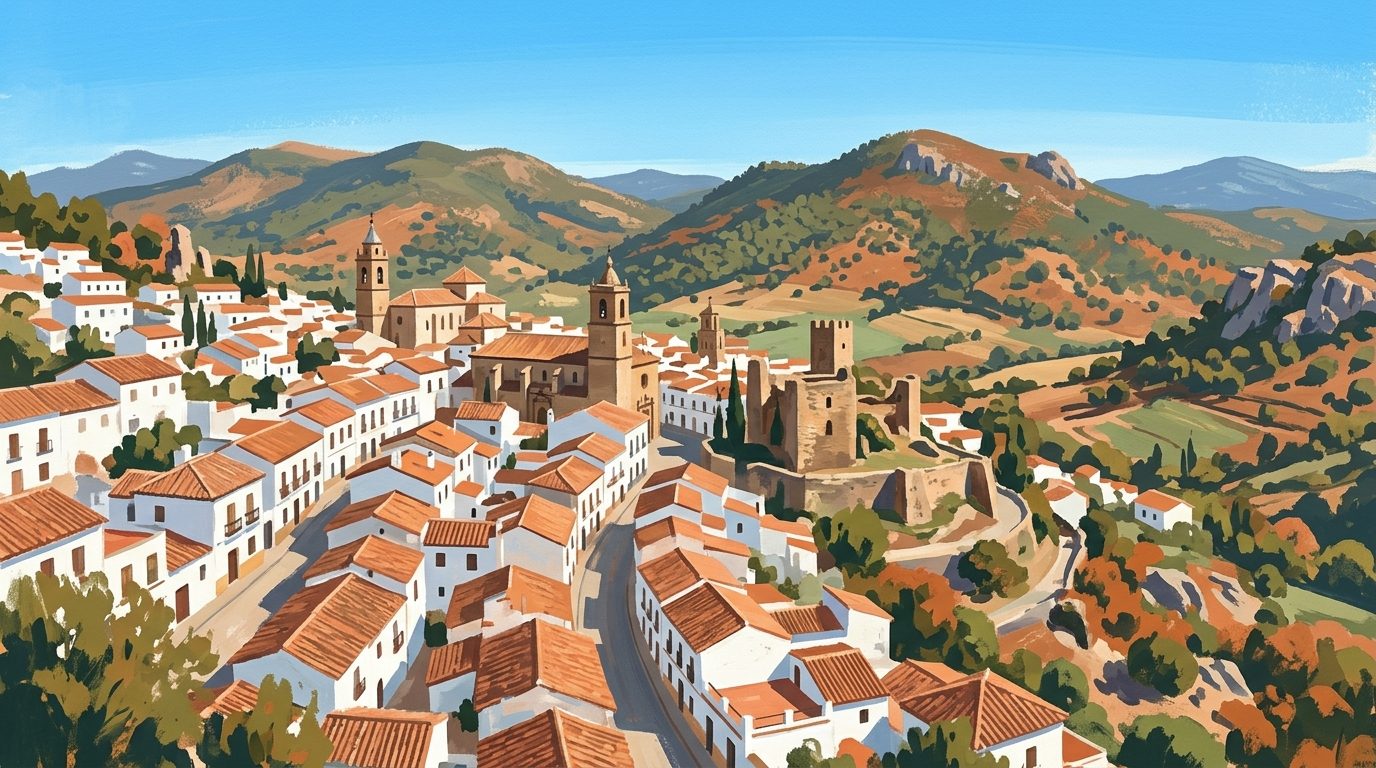
Constantina occupies a protected position within the folds of the Sierra Morena, providing a gateway to the dramatic limestone landscapes of Cerro del Hierro. It is a town where the scent of woodsmoke and aniseed drifts through medieval streets, offering a sharp contrast to the sun-baked plains of the Guadalquivir valley.
Constantina is the largest town in the Sierra Morena de Sevilla Natural Park (and UNESCO Global Geopark), yet it retains the quiet, unhurried atmosphere of a traditional mountain community. Located roughly 90 kilometres north of Sevilla, it serves as the administrative heart of the region, though its character is defined far more by its landscape than its bureaucracy. The town is spread across a valley surrounded by hills covered in cork oaks, holm oaks, and chestnut trees, creating a microclimate that is significantly cooler and wetter than the provincial capital. This makes it a favoured retreat for Sevillanos during the blistering summer months and a prime destination for hikers during the autumn mushroom season.
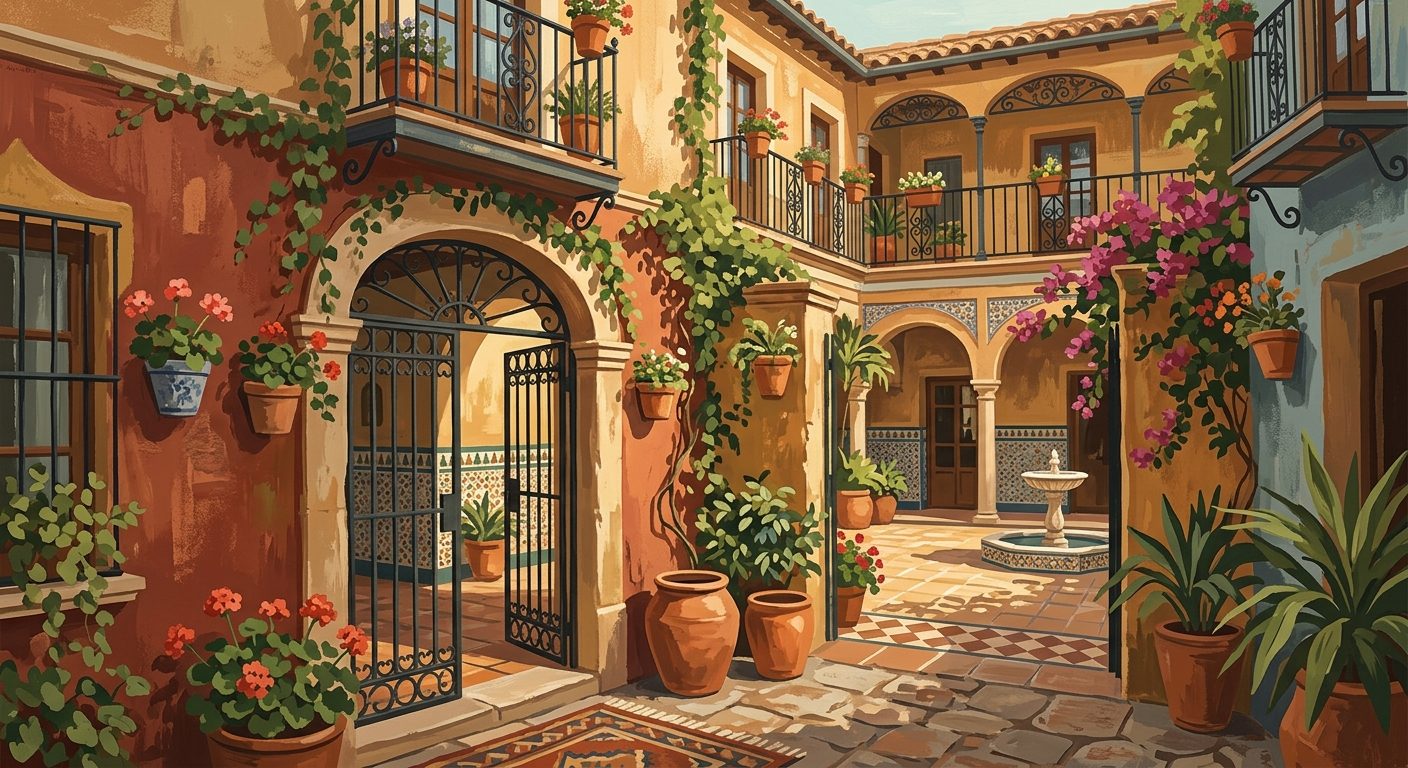
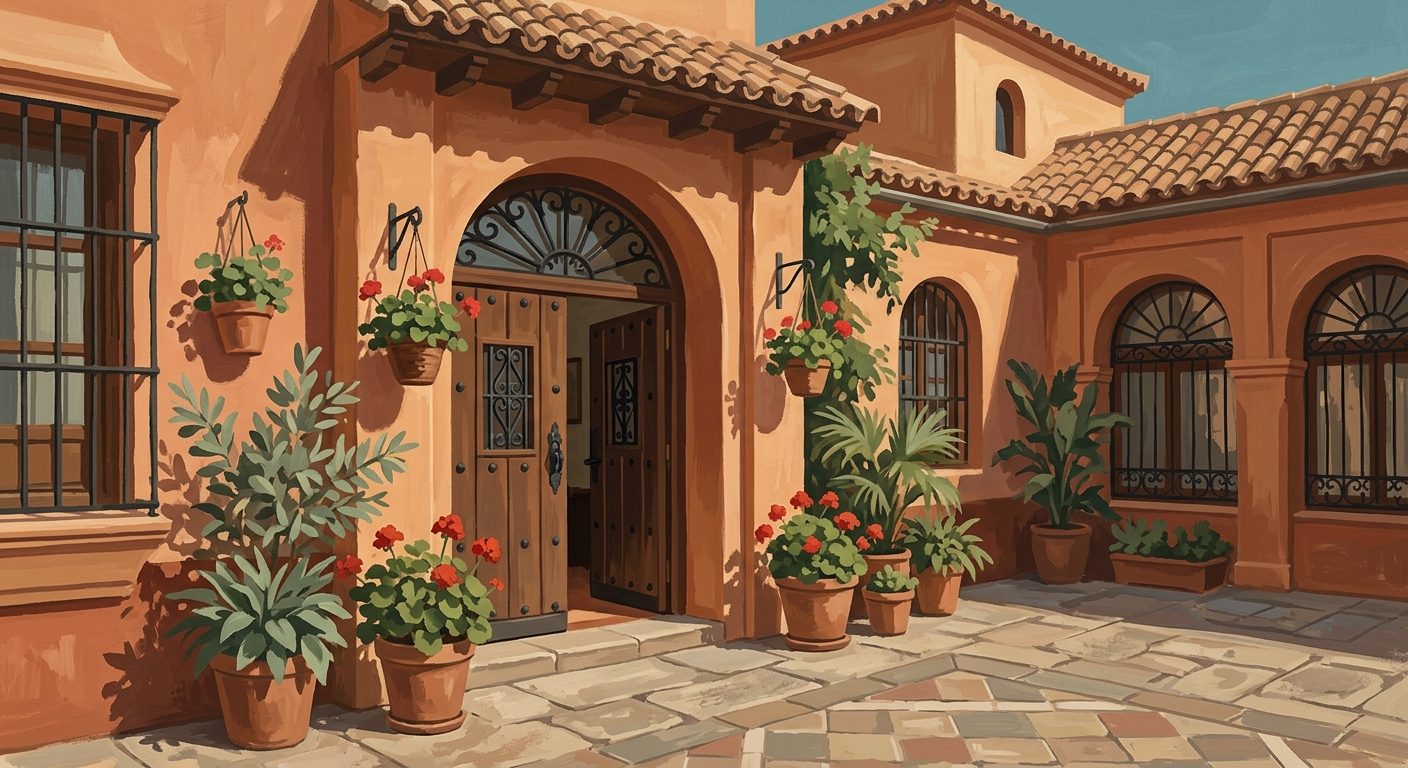
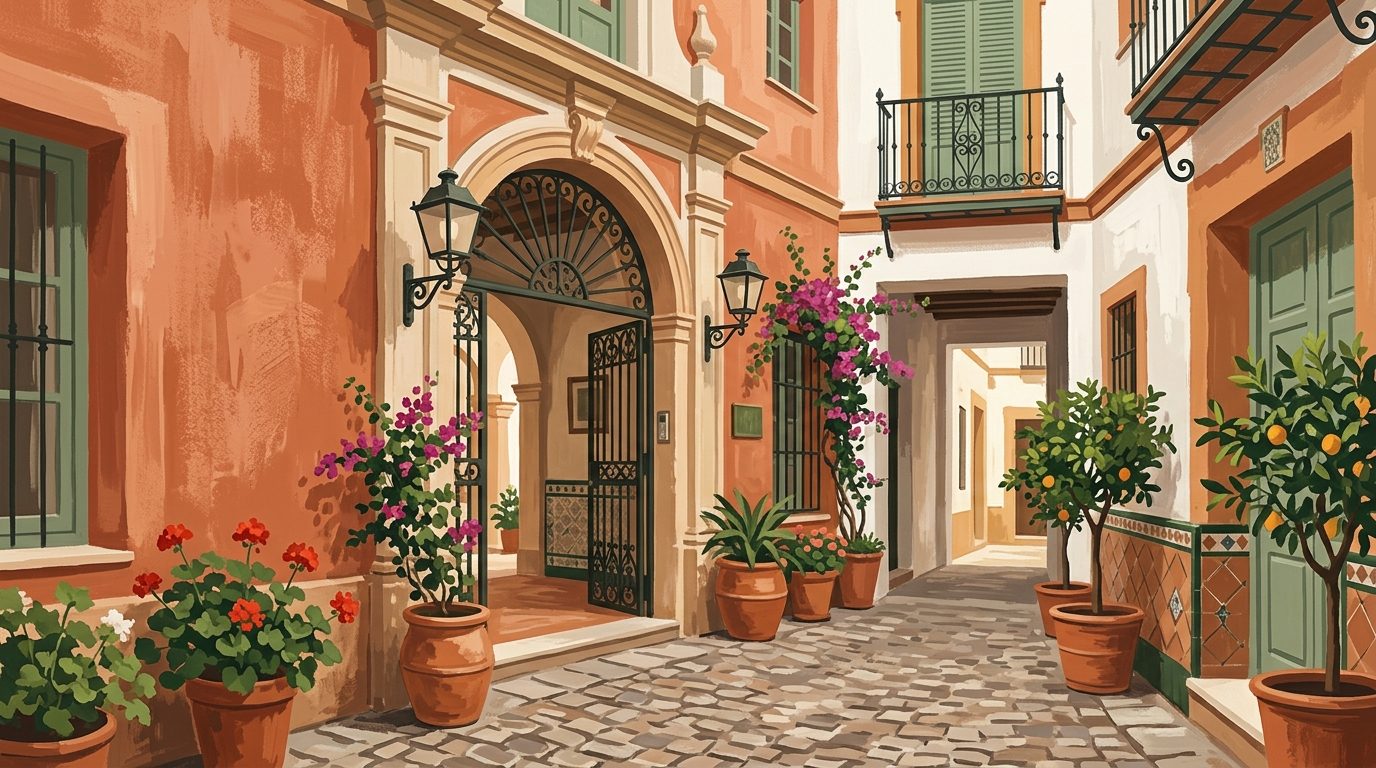
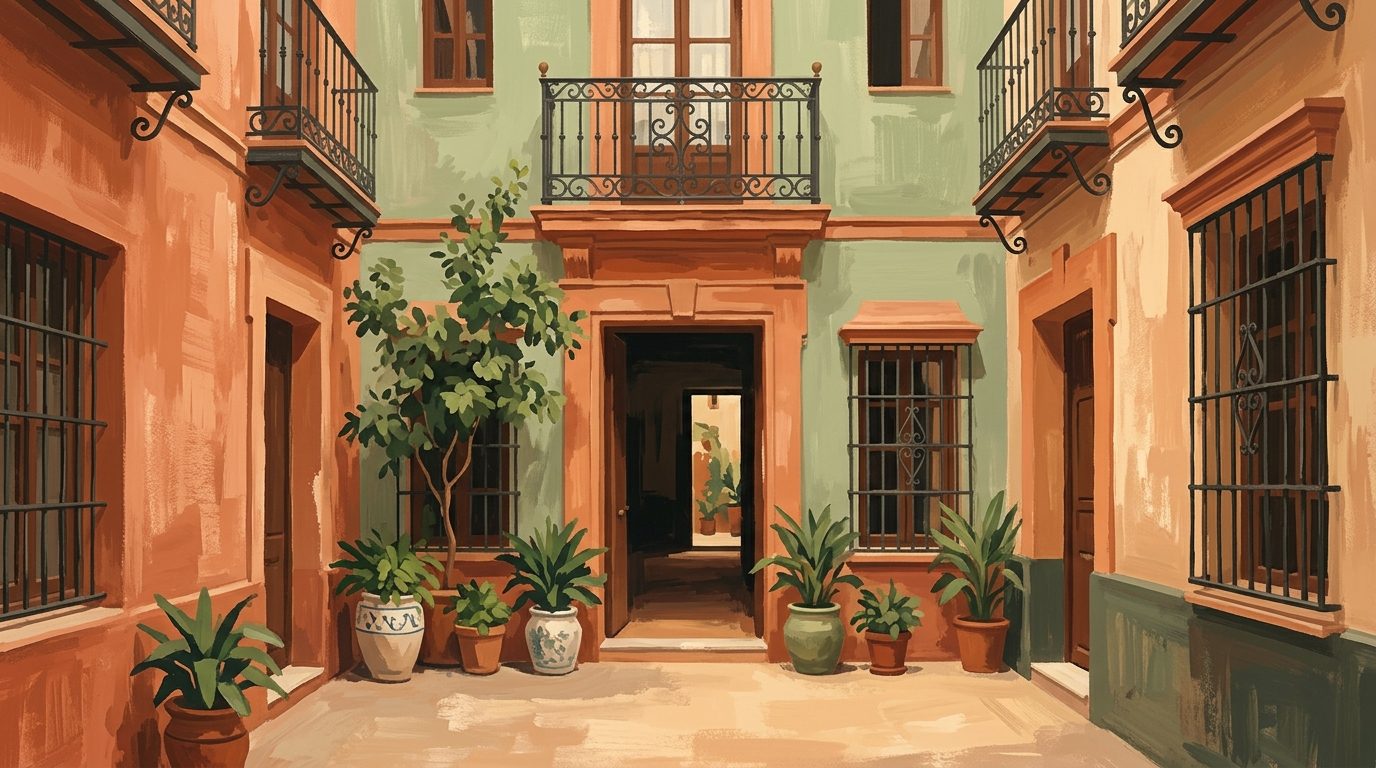
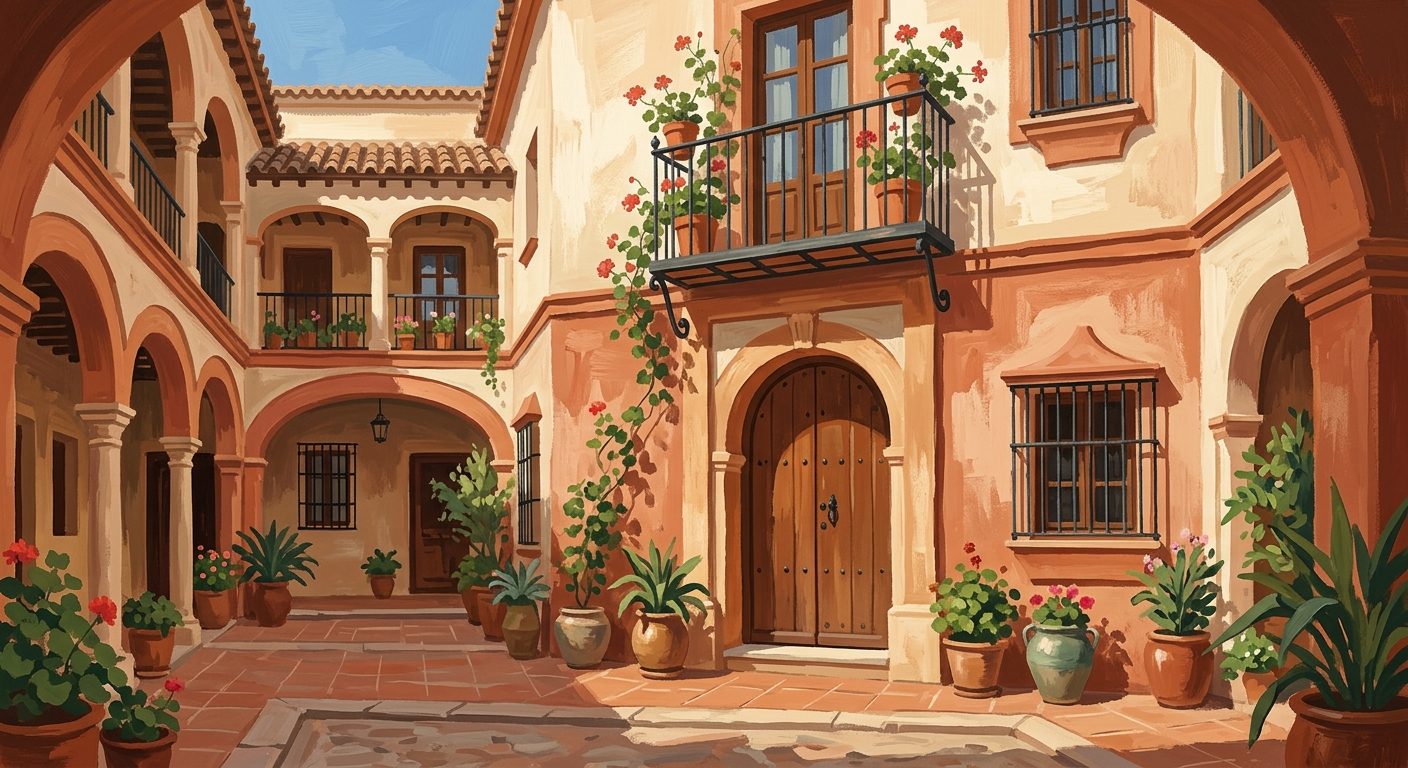
The town’s architecture is a reminder of its long standing as a frontier post and a centre of agricultural wealth. As you walk through its steep, winding streets, you see a blend of whitewashed Andalucían houses and more formal, stately manors. The history of Constantina is tied to the land, specifically the dehesa (pastureland) and the cork industry, but it also holds a significant industrial heritage through its famous distilleries. Climb the rugged rock formations of Cerro del Hierro or sample some of the finest Ibérico ham in the province, and Constantina gives you an authentic feel for Sevilla's mountainous northern fringes.
What to See & Do
The Castillo de Constantina
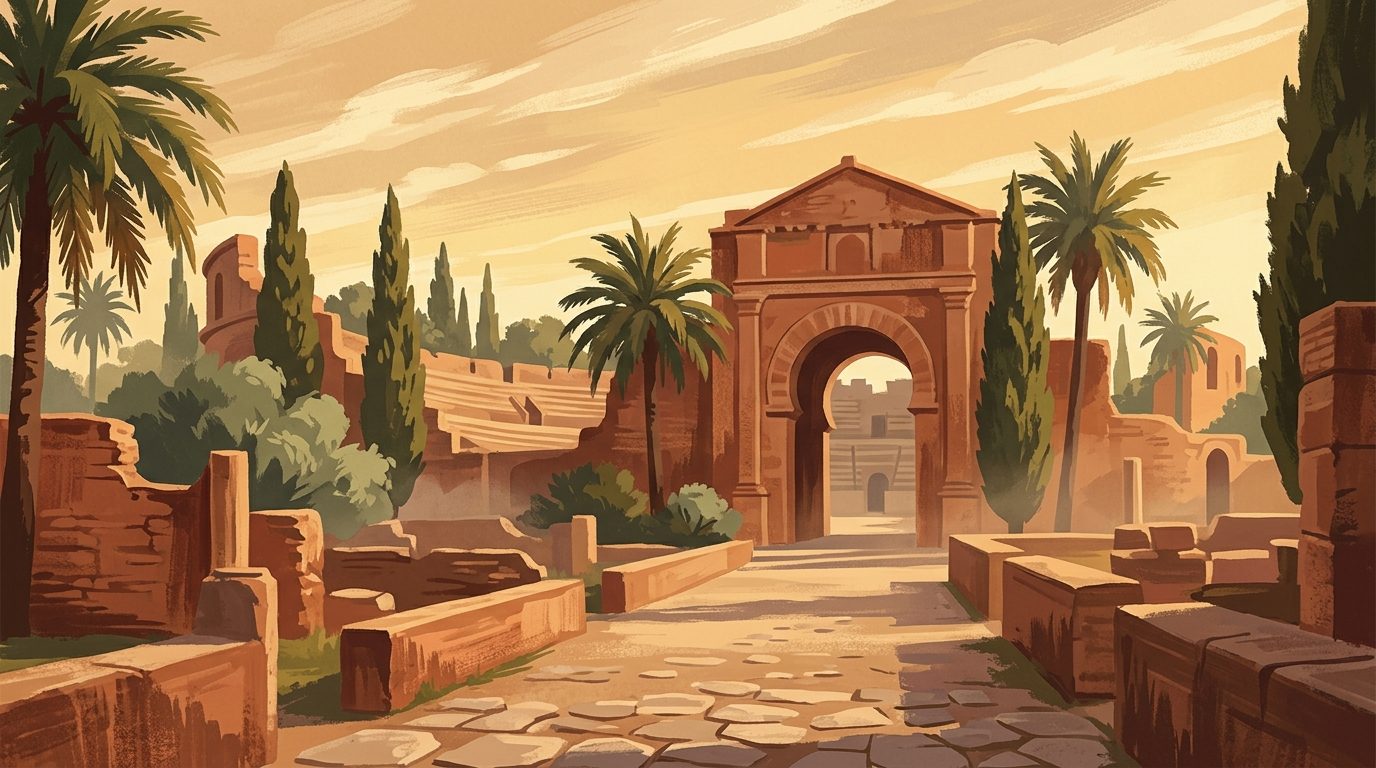
The castle stands on a hill overlooking the town, built upon the foundations of a Roman castrum. The current structure is largely of Islamic origin, dating back to the Almohad period, though it underwent significant modifications after the Christian reconquest in 1247. Today, the fortress is a quiet spot for reflection, offering panoramic views of the town’s white rooftops and the surrounding green hills. The most striking feature is the keep, which was restored in the 19th century. Access to the castle grounds involves a steady climb, but the sight of the dehesa stretching out towards the horizon is well worth the effort. The surrounding park area is a popular spot for locals to walk in the early evening.
Iglesia de Santa María de la Encarnación
Dominating the main square is the Parish Church of Santa María de la Encarnación, a building that demonstrates the architectural evolution of the region. Its most distinctive feature is the massive 50-metre-high Mudéjar tower, which incorporates Renaissance elements designed by the renowned architect Hernán Ruiz II. The tower is visible from almost anywhere in the town and serves as a useful landmark. Inside, the church contains a significant collection of silverwork and several notable altarpieces. The main portal, a fine example of the Plateresque style, is particularly impressive with its intricate stonework that seems at odds with the town’s rugged mountain setting.
Barrio de la Morería
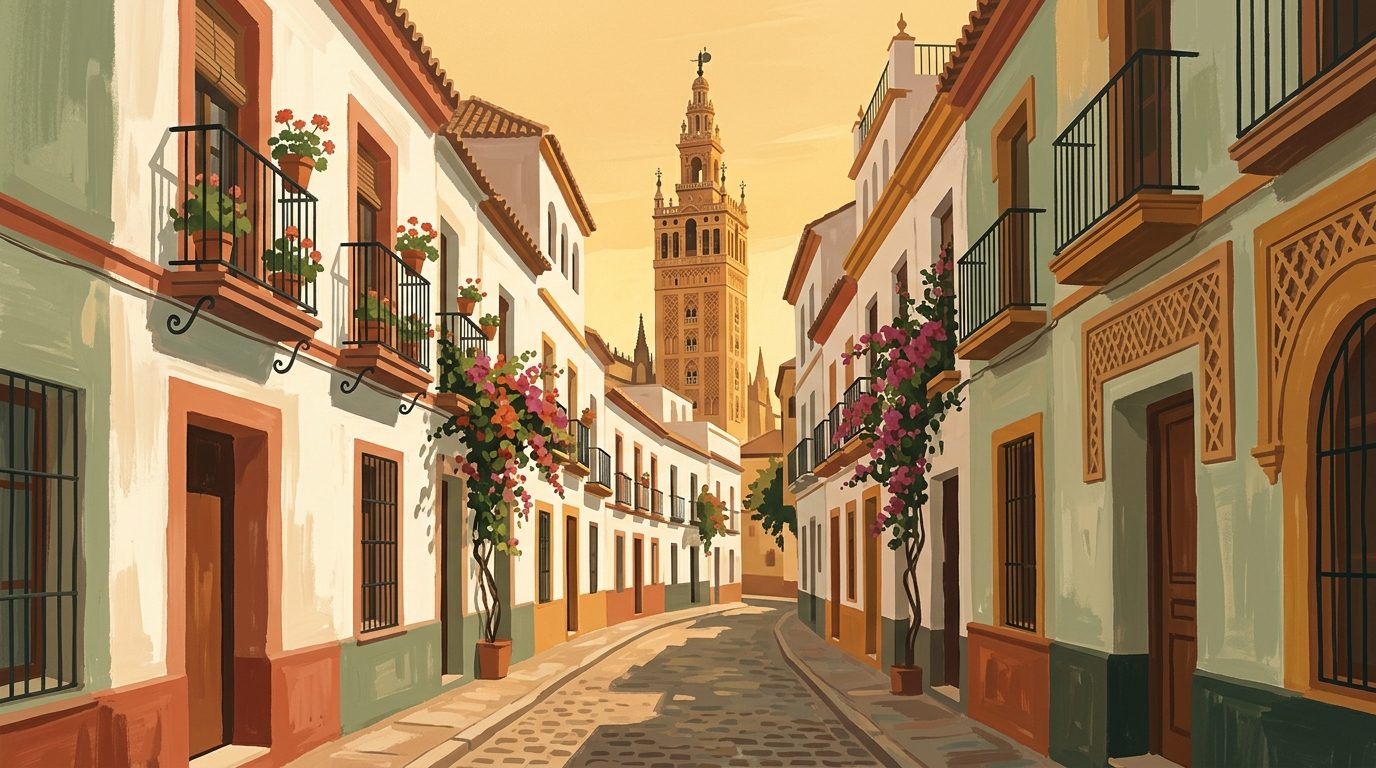
To truly understand the origins of Constantina, head to the Barrio de la Morería. This is the oldest part of the town, situated at the base of the castle hill. The streets here are narrow, steep, and irregularly planned, typical of the Moorish urban design. Many of the houses are decorated with overflowing flower pots, and the lack of traffic makes it a peaceful area for a stroll. This quarter eventually gives way to the Barrio de Santa Ana, where the architecture shifts towards the 16th and 17th centuries, reflecting the town's expanding prosperity during that era.
Cerro del Hierro Natural Monument
Located about 10 kilometres north of the town centre, Cerro del Hierro is one of the most spectacular geological sites in Andalucía. Once an open-cast iron mine worked by the Romans and later by an English company in the 19th century, it is now a Natural Monument. The mining process exposed an incredible karst landscape of jagged limestone needles, deep gullies, and tunnels. There is a well-marked circular trail that takes you through the heart of the labyrinth. It is a favoured spot for rock climbers, but the main path is accessible to anyone with a pair of sturdy walking shoes. The red hues of the earth against the grey limestone and the green Mediterranean scrub create a striking visual environment.
Sendero de los Castañares
For those who prefer forest walks, the Sendero de los Castañares is a classic route. This trail begins on the outskirts of Constantina and leads you through ancient chestnut groves. It is particularly beautiful in late October and November when the leaves turn to shades of copper and gold. The path is relatively easy and provides an insight into the traditional chestnut harvest, which has been a staple of the local economy for centuries. Along the way, you might spot some of the local wildlife, including deer and wild boar, which are common in the thicker parts of the park.
The Distilleries and Crema de Guindas
Constantina has a long tradition of distilling spirits, particularly anís (aniseed liqueur). This industry flourished in the 19th century due to the abundance of wild herbs and high-quality water in the area. A local speciality you must try is Crema de Guindas, a sweet liqueur made from wild cherries macerated in aniseed. Distilleries like La Violetera and Constantina still produce these spirits using traditional methods. Several of these establishments allow visitors to see the copper stills and learn about the maceration process, though it is usually best to call ahead to arrange a visit.
Practical Information
Opening Times: Most monuments in Constantina do not have rigid ticket offices. The castle grounds are open-access, but the keep is currently undergoing intermittent conservation; check with the Oficina de Turismo (Calle Alhóndiga) for interior access. The Iglesia de Santa María de la Encarnación does not maintain fixed tourist hours, as openings are tied to the liturgical calendar; it is advisable to confirm times at the local tourist office or observe the hours posted on the church door upon arrival. Cerro del Hierro is a natural site and is open 24 hours, though visiting during daylight is recommended for safety. The Information Centre at Cerro del Hierro usually opens from 10:00 to 14:00 on weekends and public holidays.
Ticket Prices: Entry to the castle grounds and the main church is free, though donations for the upkeep of the church are welcomed. Access to the hiking trails and Cerro del Hierro is also free of charge.
How to Get There: From Sevilla, take the A-4 motorway towards Córdoba and exit at Carmona, following signs for Lora del Río on the A-457. From Lora del Río, take the A-455 which leads directly into Constantina. The journey takes approximately 1 hour and 15 minutes. There is also a bus service operated by Damas (part of the Interbus group) that departs from Sevilla’s Plaza de Armas station, though services are infrequent, so check the latest schedules before departing.
Parking: Parking in the narrow streets of the old town is difficult. It is best to park near the Paseo de la Alameda or on the outskirts near the bullring (Plaza de Toros) and walk into the centre. There is usually ample street parking along the Avenida de Andalucía.
Where to Eat Nearby
The gastronomy of Constantina is heavily influenced by the surrounding dehesa. Bodeguita El Tinao is a local favourite, specialising in grilled Ibérico meats and seasonal mushrooms (setas) such as tanas or boletus. For a slightly more refined take on mountain cuisine, Restaurante Cambio de Tercio offers creative dishes that make excellent use of local game and chestnuts. If you are looking for a quick bite, any of the bars along the Paseo de la Alameda will serve montaditos featuring local chorizo or morcilla. Don't leave without trying the local goat cheeses, which are often served with a glass of the town's dry aniseed.
Where to Stay
For a comfortable stay with a touch of character, Hotel San Blas is located near the town centre and offers rooms that blend modern amenities with rustic mountain decor. It also features a swimming pool, which is a blessing if you are visiting in July or August. Alternatively, Constantina is famous for its rural houses (casas rurales). El Tejar de Miraflores provides a more secluded experience on the edge of the town, perfect for those who want to be closer to the hiking trails.