
attraction · Málaga
Castillo Monumento Colomares
Andalucía 365 · Updated 18 July 2026
Our Verdict
“An eccentric, late-twentieth-century architectural folly dedicated to Christopher Columbus, offering intricate stonework and sweeping coastal views.”
Last verified: July 2026
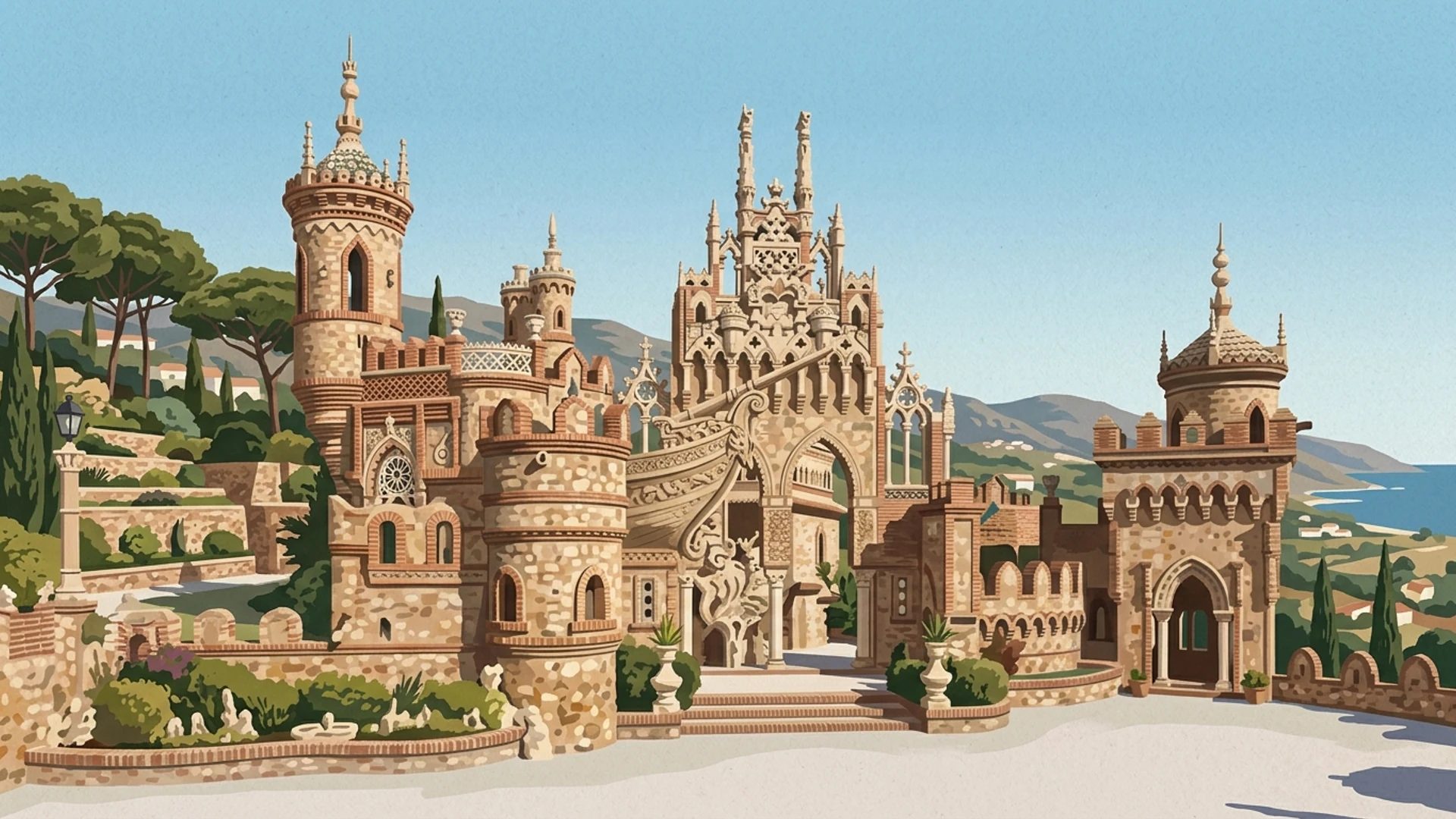
Castillo Monumento Colomares is a highly distinctive late-twentieth-century monument in Benalmádena, dedicated to the voyages of Christopher Columbus. Built between 1987 and 1994 by Dr Esteban Martín Martín, a retired surgeon, and two local bricklayers, the structure is an eccentric fusion of Byzantine, Romanesque, Gothic, and Mudéjar architectural styles. Rather than a traditional medieval fortress, it functions as an open-air narrative in stone, detailing the 1492 expedition across sixteen symbolic chapters. The site appeals to architecture enthusiasts, photographers, and families looking for an unusual detour from the typical coastal attractions of the Costa del Sol Occidental. While its modern origins and compact size may surprise those expecting a historic stronghold, its intricate craftsmanship and sweeping views over the Mediterranean make it a compelling stop for visitors exploring the hills above the shoreline.
A Surgeon's Vision in Stone
Unlike the genuine Moorish fortresses scattered across the Málaga province, Castillo Monumento Colomares is a purely modern creation, born from the singular obsession of one man. The project was the lifelong dream of Dr Esteban Martín Martín, a medical professional who spent seven years pouring his personal fortune into constructing a tribute to Christopher Columbus and the discovery of the Americas. Working entirely without formal architectural blueprints, Dr Martín and two master bricklayers from the surrounding Andalusian villages shaped the complex by hand between 1987 and 1994.
The monument was conceived to honour the 1492 voyage and the Andalusian sailors who formed the backbone of the expedition. Dr Martín felt the region's contribution to this pivotal moment in global history had been underrepresented, setting out to rectify this through monumental architecture. Today, it stands as a highly personal, idiosyncratic landmark in the hills of Benalmádena, contrasting sharply with both the region's traditional whitewashed village architecture and the modern resort developments along the coast.
Reading the Architectural Narrative
The structure is deliberately designed to be read like a book, with sixteen numbered elements representing different phases of the Columbus story. Dr Martín employed a calculated mix of architectural styles, including Byzantine, Romanesque, Gothic, and Mudéjar, to reflect the diverse cultural and religious influences present in late-fifteenth-century Spain. This eclectic blending of forms creates a visually dense facade where horseshoe arches sit alongside pointed Gothic windows and intricate brickwork.
Visitors can trace the narrative chronologically as they walk the perimeter. The story begins with the initial presentation of the voyage to the Catholic Monarchs, Ferdinand and Isabella, whose financial backing made the expedition possible. Subsequent sections of the stonework represent the complex preparations, the fraught journey across the Atlantic Ocean, and the eventual arrival in the Americas. The architecture also incorporates subtle nods to the three cultures (Christian, Muslim, and Jewish) that coexisted in medieval Spain.
The Three Ships and the Mausoleum
Among the most striking features of the monument are the stone representations of the three ships that made the 1492 crossing: the Niña, the Pinta, and the Santa María. These are not separate sculptures but are integrated directly into the walls, towers, and fountains of the complex. The prow of one ship juts out dramatically from the main facade, while another is represented within a water feature, symbolising the perilous ocean crossing.
The monument also features a highly ornate mausoleum complete with a delicate Gothic rose window. This section was intended by its creator as a symbolic resting place for the explorer. The actual location of Columbus's remains has been a subject of historical debate for centuries. Dr Martín designed this mausoleum as a "fifth voyage to eternity," providing a definitive, albeit symbolic, monument to the navigator's legacy.
The World's Smallest Chapel
Tucked within the elaborate stonework of the main structure is a tiny chapel dedicated to Saint Elizabeth of Hungary. Measuring just 1.96 square metres, it holds a Guinness World Record for being the smallest church in the world. Despite its diminutive proportions, the chapel was consecrated and contains all the necessary elements for a Catholic mass, including a tiny altar and religious imagery.
While visitors cannot step fully inside the chapel due to its extreme lack of space, the intricate detailing visible from the threshold highlights the obsessive craftsmanship that defines the entire Colomares complex. The inclusion of the chapel also serves as a reminder of the strong religious motivations that underpinned the Spanish crown's expansionist policies during the late fifteenth century.
Navigating the Monument and Access
Castillo Monumento Colomares is located at Finca La Carraca, situated on a hillside slightly inland from the main coastal resorts of the Costa del Sol Occidental. The site is entirely outdoors, and visits consist of walking the exterior perimeter of the monument. There are no interior rooms, grand halls, or traditional museum exhibits to explore; the architecture itself is the sole exhibit.
The pathways around the structure are made of uneven stone and include several steps and narrow passages. This layout presents significant challenges for wheelchair users or those with limited mobility, as the terrain is not adapted for step-free access. Because the attraction is fully exposed to the elements, it is best visited during the cooler morning hours or late afternoon. A typical visit lasts between forty-five minutes and an hour. For current opening hours, seasonal variations, and admission fees, visitors should consult the official Castillo Monumento Colomares website.
Our Verdict
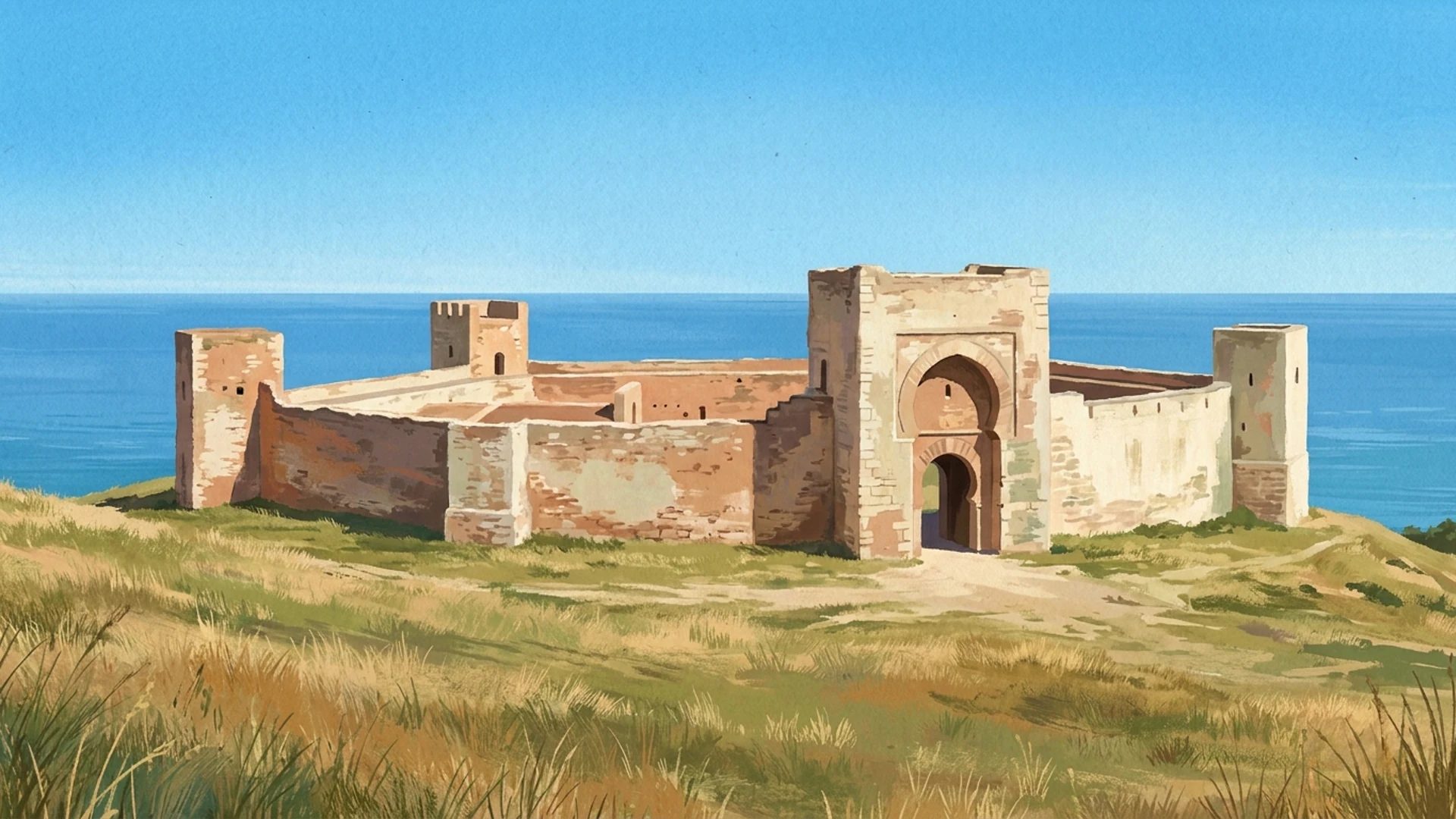
Castillo Monumento Colomares is a fascinating, if deeply eccentric, architectural folly. It is crucial to approach it with the right expectations: this is not a historic medieval castle, but rather a late-twentieth-century commemorative sculpture built on a grand scale. Those expecting the historical weight and defensive architecture of a genuine fortification, such as the Castillo de Sohail further down the coast, may feel misled by the "castle" moniker.
However, as a piece of outsider art and a testament to one man's singular dedication, it is genuinely impressive. The sheer density of the carving, the playful mixing of architectural styles, and the excellent views over the Mediterranean Sea justify the modest time commitment required to visit. It is a brief but highly photogenic stop that adds a welcome dose of eccentricity to a coastal itinerary, offering a stark contrast to the standard beach resorts and historic ruins of the region.
Nearby worth your time
A few well-placed stops for extending the day without turning it into a checklist.
Continue through Costa del Sol Occidental
Step back into the wider landscape with local guides, nearby places and the province overview.
Place guide · 7 min
Playa de Burriana: A Guide to Nerja's Premier Beach
Discover Playa de Burriana, the most iconic beach in Nerja, known for its wide sands, excellent chiringuitos, and clear waters on the Costa del Sol.
Place guide · 7 min
Playa de Cabopino: Dunes, Pines and Clear Waters near Marbella
A protected enclave of natural dunes and fine sand situated between Marbella and Fuengirola. This coastal stretch offers a rare glimpse of the original Mediterranean landscape.
Itinerary · 13 min
One Week in Ronda: A Seven-Day Itinerary for the Serranía
A seven-day stay in Ronda allows you to experience the deep gorge and ancient streets long after the day-trippers have left. Using the city as a base, you can easily explore the surrounding white villages, hike the Sierra de las Nieves, and settle into the true rhythm of mountain life.