
Place guide · Málaga
Playa de Cabopino: Dunes, Pines and Clear Waters near Marbella
A protected enclave of natural dunes and fine sand situated between Marbella and Fuengirola. This coastal stretch offers a rare glimpse of the original Mediterranean landscape.
By Dan · Updated 16 July 2026 · 7 min read
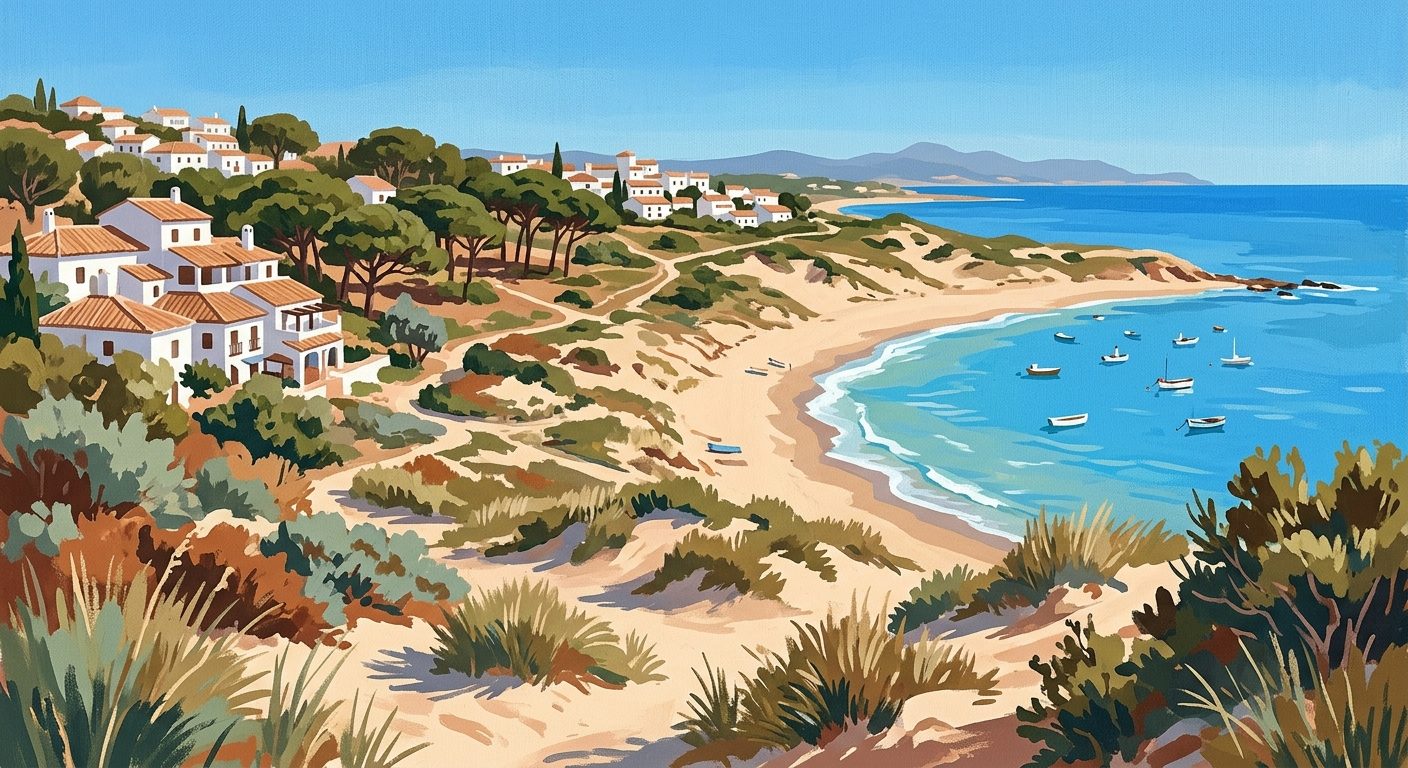
Playa de Cabopino represents a rare fragment of the wild Mediterranean coast, where protected sand dunes meet a shallow, family-friendly shoreline. It remains one of the most distinctive stretches of sand on the Costa del Sol due to its strict environmental protections and lack of high-rise development.
Playa de Cabopino, often referred to by locals as Playa Artola, is a striking departure from the urbanised beaches found elsewhere in the province of Málaga. Located roughly midway between the city of Marbella and the town of Fuengirola, this coastal enclave is defined by the Dunas de Artola, a protected natural monument that prevents the encroachment of the concrete structures so common in this region. The name Cabopino literally translates to Cape of Pines, a reference to the dense umbrella pines that grow right to the edge of the sand, providing a fragrant, green backdrop to the golden shoreline.
What makes this beach unique is its dual personality. On one side, the area adjacent to the small, pretty Cabopino marina is highly developed with amenities, restaurants and calm, shallow waters ideal for young children. On the other side, as you move westwards through the dunes, the landscape becomes rugged and natural, eventually transitioning into a well-established naturist zone. This diversity ensures that the beach attracts a wide demographic, from local families and international holidaymakers to nature enthusiasts and those seeking a more discreet sunbathing experience. Unlike the dark, volcanic sands found in the eastern parts of Andalucía, the sand here is fine and notably golden, a characteristic that has helped maintain its reputation as one of the finest beaches on the southern coast.
The beach itself
The beach spans approximately 1,500 metres in length and averages about 25 metres in width, though the presence of the dunes makes the sandy area feel much more expansive. The sand quality is exceptional: it is soft, light-coloured and lacks the sharp pebbles or shingle often found in nearby Estepona or Mijas Costa. This fine texture makes it a favourite for families with toddlers who can play safely at the water's edge. The sea here is generally calm, protected by the artificial reefs and the breakwater of the Cabopino port, resulting in gentle waves and a very gradual slope into deeper water. This creates a safe swimming environment that is frequently awarded the Blue Flag for its water quality and safety standards.
The western section of the beach, specifically the area backed by the Artola dunes, is a designated naturist zone. This section is clearly distinguished from the main family area by its lack of sun-beds and chiringuitos. Even for those who prefer to remain clothed, the walk through the dunes on the wooden boardwalks is a rewarding experience. The dunes are a fragile ecosystem, home to sea daffodils, sea holly and various species of lizards. It is vital to stay on the designated paths to avoid damaging the vegetation that binds the sand. Because of this protected status, you will not find the usual row of apartment blocks or hotels overlooking the sand, giving the beach an isolated, natural feel that is increasingly hard to find in the Marbella municipality.
Getting there & parking
Reaching Playa de Cabopino is straightforward by car, but parking is a notorious challenge during the peak summer months. From Málaga-Costa del Sol Airport, the drive takes approximately 35 to 40 minutes via the AP-7 toll road or the A-7 coastal highway. If you are travelling from the centre of Marbella, the journey is about 15 minutes heading east. Look for the exit signs for Cabopino or Artola. Once you exit the main highway, follow the signs down towards the port (Puerto de Cabopino).
Parking is split into two main areas. There is a paved area near the marina, but this fills up almost immediately on summer mornings. The larger, unpaved dirt lot is located behind the dunes. While it accommodates a significant number of vehicles, it is uneven and can be very dusty. In July and August, these lots are often full by 11:00, leading many drivers to park illegally along the access roads, which frequently results in fines. If you are visiting during the high season, arriving before 10:00 is essential. For those using public transport, the M-220 bus line runs between Fuengirola and Marbella, stopping at the Cabopino junction. From the bus stop, it is a ten-minute walk down the hill to reach the sand.
Facilities & chiringuitos
The eastern end of the beach, closest to the port, is well-served by several established chiringuitos. Andy's Beach Bar is perhaps the most famous, offering a classic mix of international dishes and local seafood, along with sun-bed hire and a lively atmosphere. It is a reliable spot for a lunchtime paella or a late afternoon cocktail. For a slightly more formal dining experience, Restaurante Los Sardinales is highly regarded for its fresh fish, particularly the espetos de sardinas (sardines grilled on a skewer over olive wood), which are a staple of the Málaga coast.
Other notable spots include La Lonja and Chiringuito Cabo Grill. Most of these establishments provide sun-bed and parasol rentals, typically costing between 15 and 25 Euros for a pair depending on the proximity to the water. The beach is equipped with basic public showers and toilets, although these are more frequent near the port than in the dune area. During the official summer season, which runs from mid-June to mid-September, the beach is patrolled by lifeguards and includes a first-aid post. In the low season, many of the smaller chiringuitos close, but the larger restaurants near the marina usually remain open year-round to cater to the weekend lunch crowd.
Best time to visit
To experience Playa de Cabopino at its best, the shoulder seasons of May, June, September and October are ideal. During these months, the Mediterranean is warm enough for swimming, the weather is reliably sunny, and the overwhelming crowds of August are absent. The light during the late afternoon in October is particularly beautiful, illuminating the golden dunes and the white-washed buildings of the marina. If you visit in the winter, the beach is perfect for long walks along the shoreline or the boardwalks, but the water temperature drops significantly and the Atlantic-influenced winds can make it feel quite chilly.
The time to be cautious is during the peak of summer, specifically the middle two weeks of August. During this period, the beach reaches maximum capacity, the parking situation becomes stressful, and the calm waters can sometimes become crowded with jet skis and small boats near the port. If you must visit in August, try to arrive on a weekday. Sundays are particularly busy as families from across the province arrive for their weekly gathering. It is also worth checking the wind forecast: a strong Levante (easterly) wind can bring choppy water and blow sand around the dunes, while a Poniente (westerly) wind usually ensures flat, crystal-clear water.
Combine with
A visit to Playa de Cabopino is easily paired with a stroll around the Puerto de Cabopino. Unlike the grand, high-octane luxury of Puerto Banús, this marina is small, intimate and far more traditional in its architecture. It is an excellent place for an evening meal, with several Italian and Indian restaurants alongside traditional Spanish tapas bars. The marina area is almost entirely pedestrianised, making it a safe place for children to walk around after a day on the beach.
For those who enjoy walking, the beach is a key point on the Senda Litoral de Málaga, a coastal path that links much of the province (with sections still being connected). You can follow the wooden boardwalks east towards Calahonda and Mijas Costa. This route offers spectacular views of the coastline and passes the Torre Ladrones, a 15-metre-high watchtower that dates back to the Roman era and was later reinforced by the Moors. This tower is the tallest of its kind on the coast and stands as a silent sentinel over the dunes, providing a historical anchor to the natural landscape.
Practical notes
While the beach is accessible, those with limited mobility should be aware that the sand in the dune area is deep and difficult to navigate. The wooden boardwalks provide access to certain points, but reaching the water's edge from the dunes requires some physical effort. For those requiring easier access, sticking to the area immediately adjacent to the port is advisable, as the sand is firmer and the walk from the car park is shorter. Public toilets are available but can be a long walk if you are situated deep in the naturist section.
Regarding local regulations, dogs are generally prohibited on the beach during the summer season, and local police do enforce this rule with fines. During the winter months, rules are more relaxed, but it is always best to check the official Marbella Town Hall (Ayuntamiento) website for the latest 'Plan de Playas' for updated rules on dogs and water sports. As for safety, be aware of the currents near the breakwater and always pay attention to the lifeguard flags: green for safe, yellow for caution and red for no swimming. While the water is usually calm, sudden changes in weather can create surprisingly strong undertows near the harbour mouth. Finally, ensure you bring adequate sun protection, as the dunes offer no natural shade and the reflection from the fine, golden sand can be intense even on cooler days.
Last reviewed: 21 June 2026 · Editorial policy
Related guides
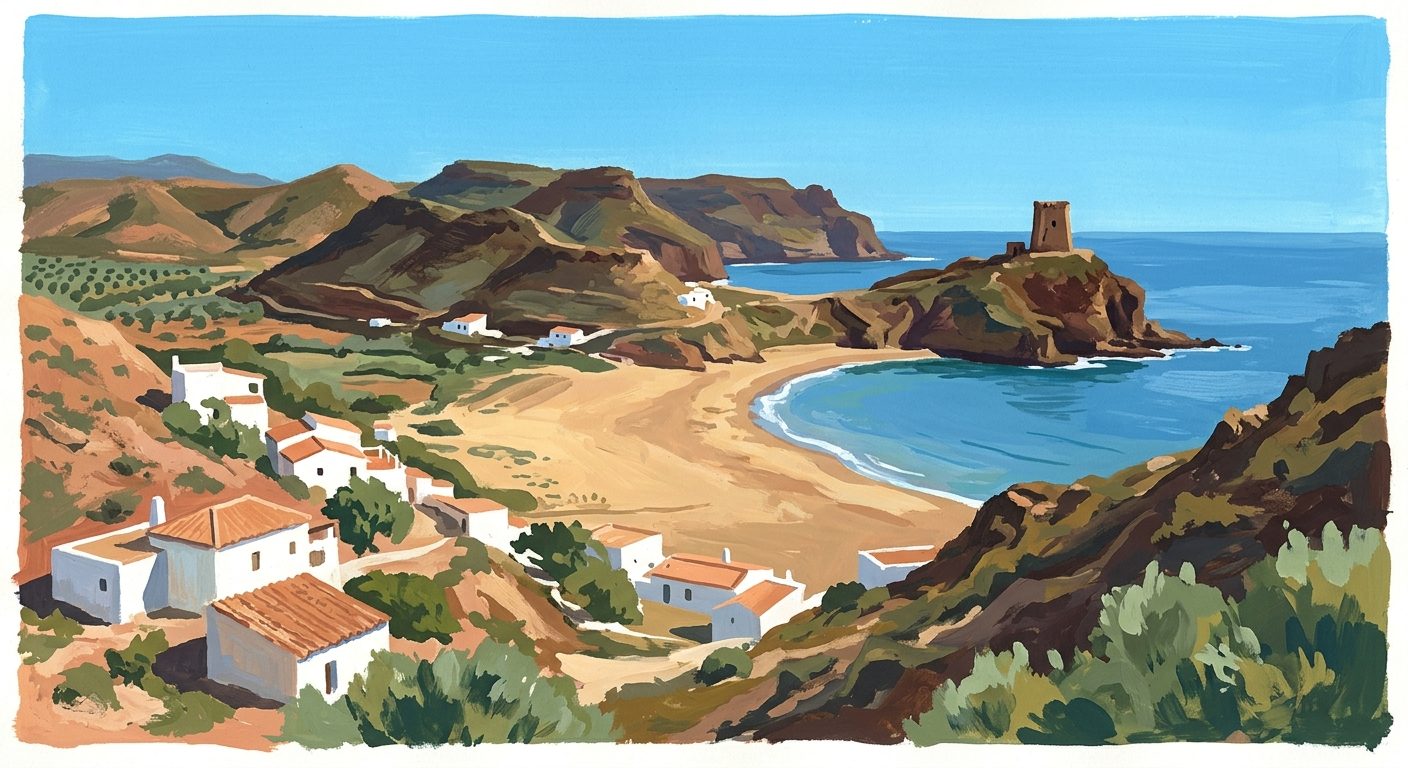
Playa del Playazo: A Guide to Rodalquilar's Golden Coast
A sweeping valley of golden sand flanked by volcanic cliffs and the historic Castillo de San Ramón. This is one of the most accessible yet visually striking beaches in Almería.
7 min read
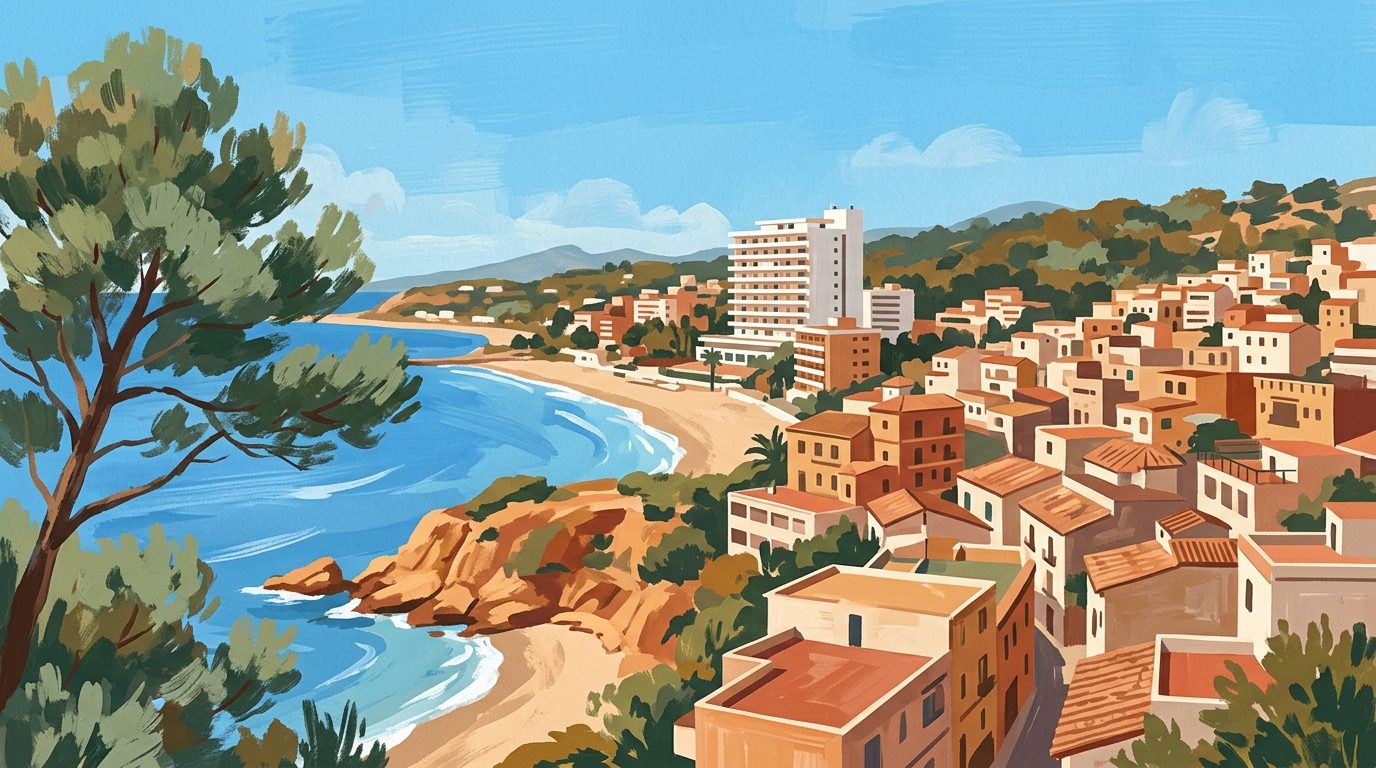
Torremolinos: The Original Spirit of the Costa del Sol
Explore Torremolinos, the pioneer of Andalucían tourism, where traditional fishing heritage meets a lively modern shoreline and inclusive nightlife.
5 min read
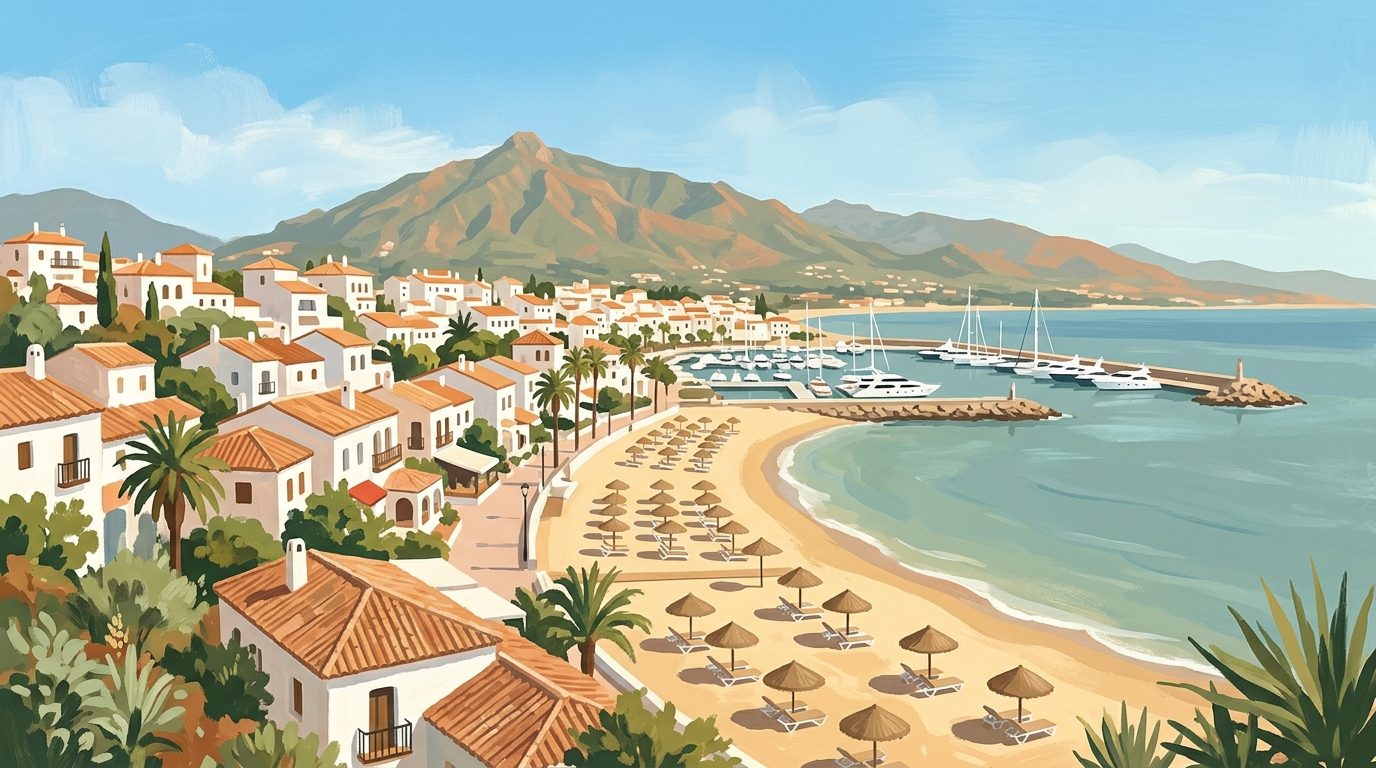
Playa de Puerto Banús: A Guide to the Most Prestigious Sands in Marbella
Discover Playa de Puerto Banús, a refined golden sand beach in Marbella known for its calm waters and luxury amenities. Explore the best chiringuitos, parking tips, and why this Blue Flag beach is perfect for families.
8 min read
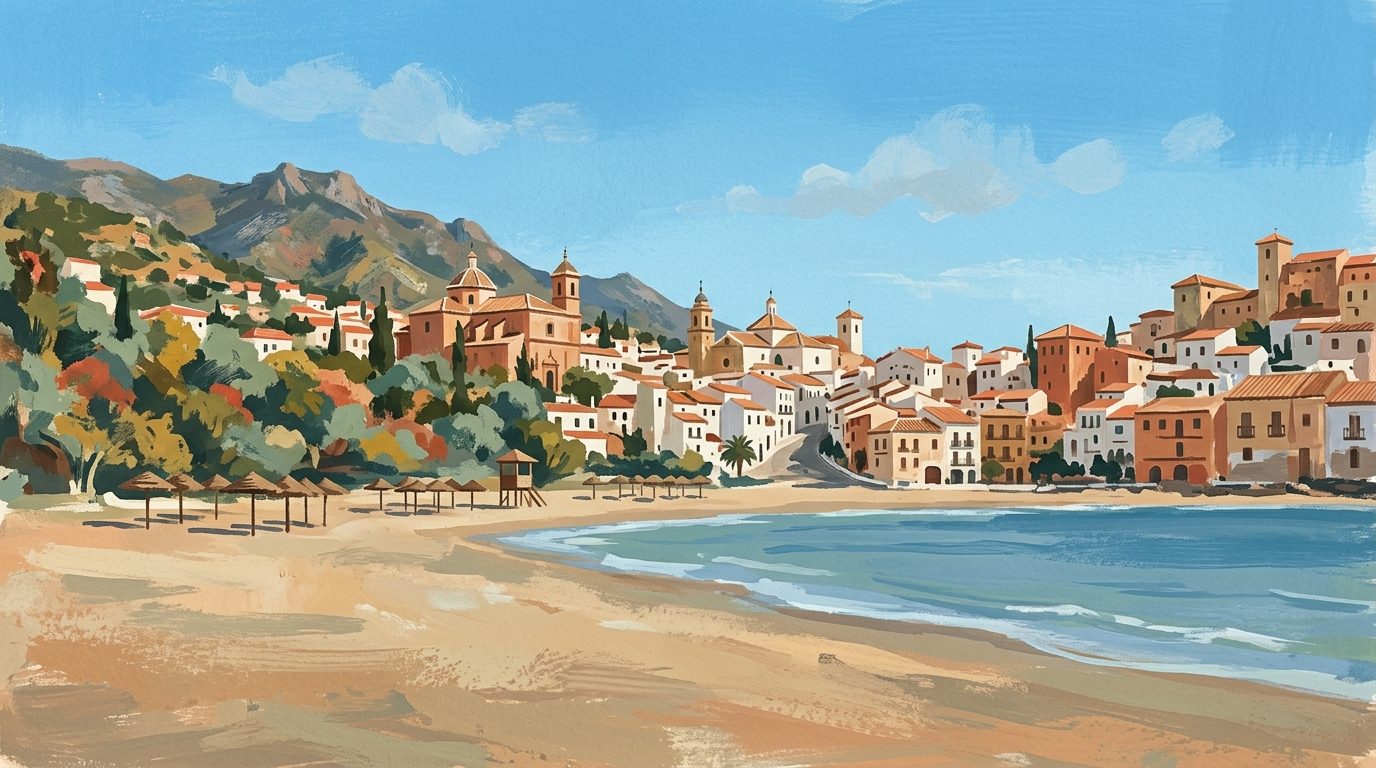
Playa de la Fontanilla: Marbella's Premier Urban Beach
Playa de la Fontanilla is the quintessential Marbella town beach, offering refined amenities and a prime location right on the Paseo Marítimo. This central stretch of coastline provides a sophisticated urban beach experience with excellent dining and accessible facilities.
6 min read
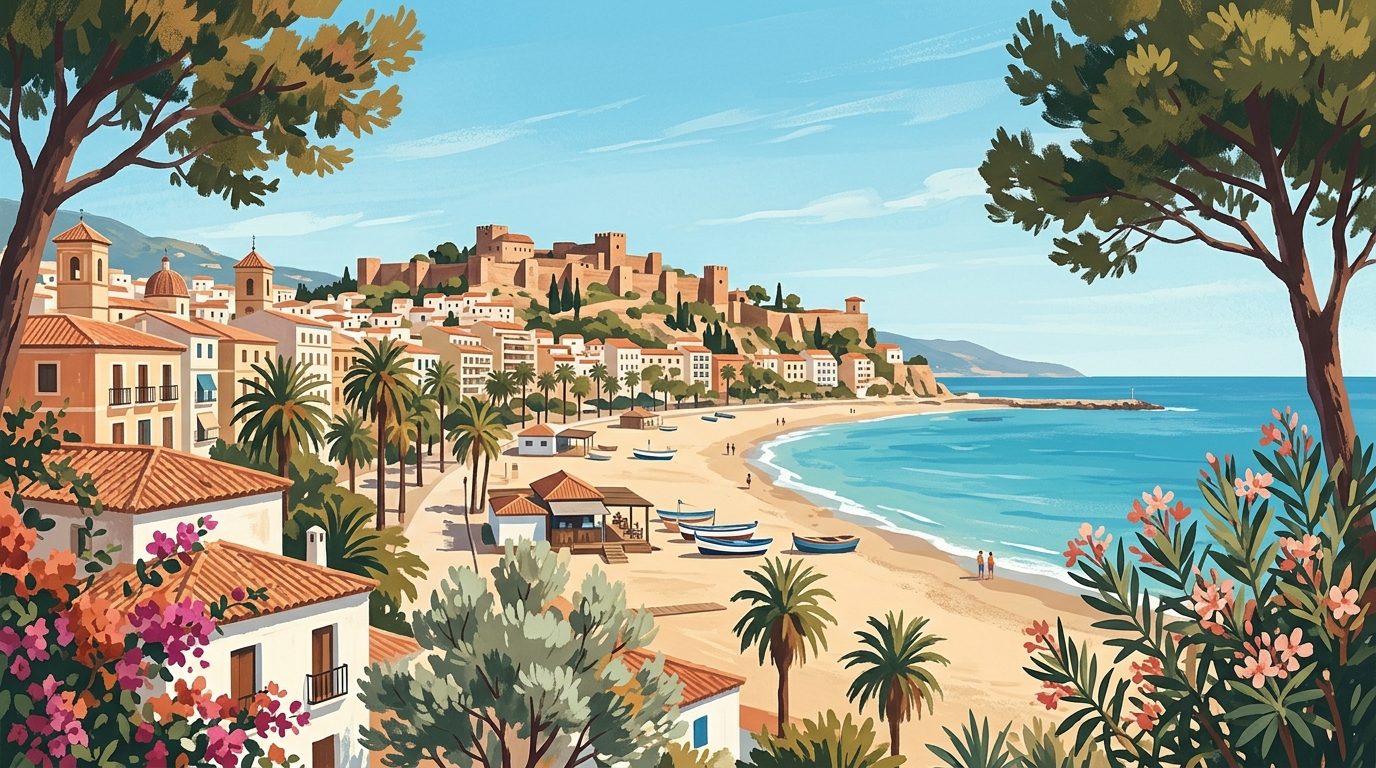
A Local Guide to Playa de La Malagueta in Málaga
Playa de La Malagueta is the iconic urban beach of Málaga, known for its dark sand, sardine skewers, and immediate proximity to the city centre.
7 min read
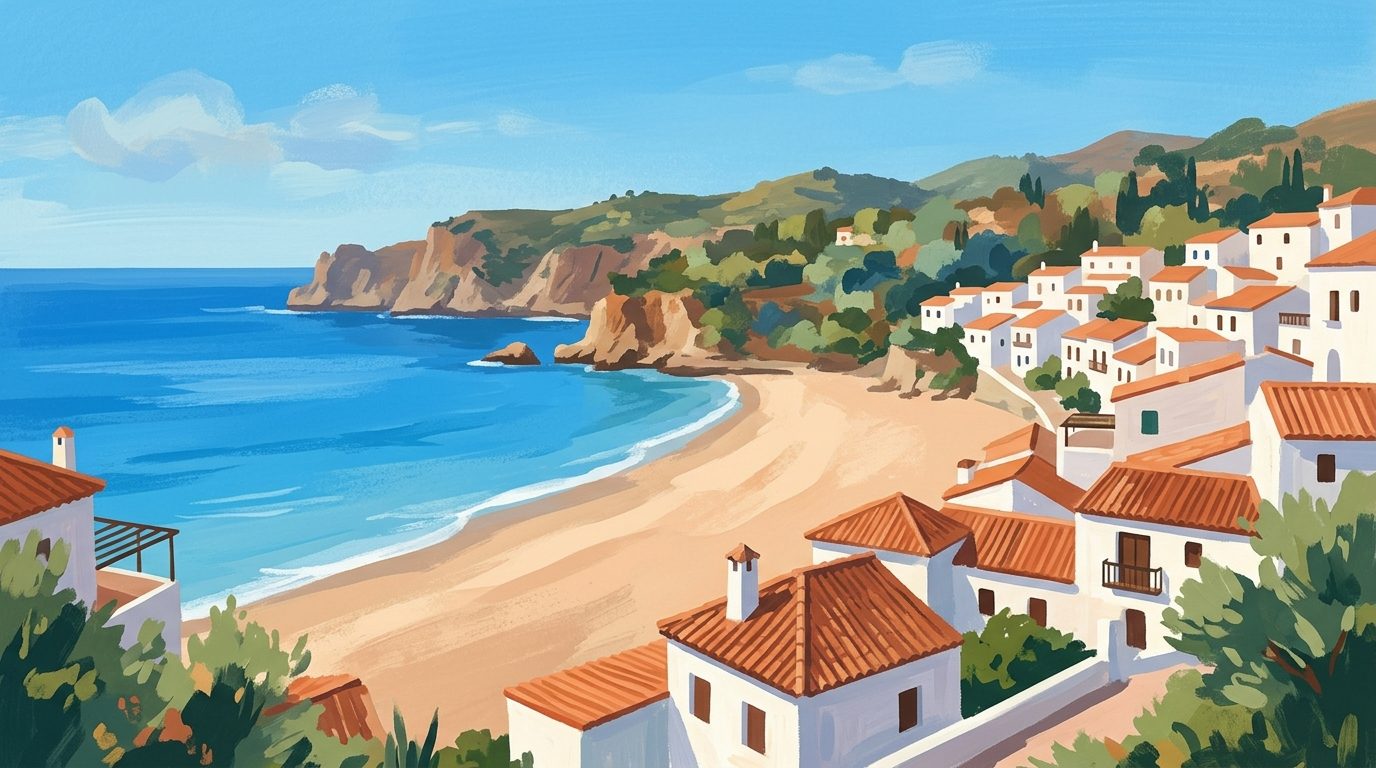
Playa de Burriana: A Guide to Nerja's Premier Beach
Discover Playa de Burriana, the most iconic beach in Nerja, known for its wide sands, excellent chiringuitos, and clear waters on the Costa del Sol.
7 min read
More from Málaga
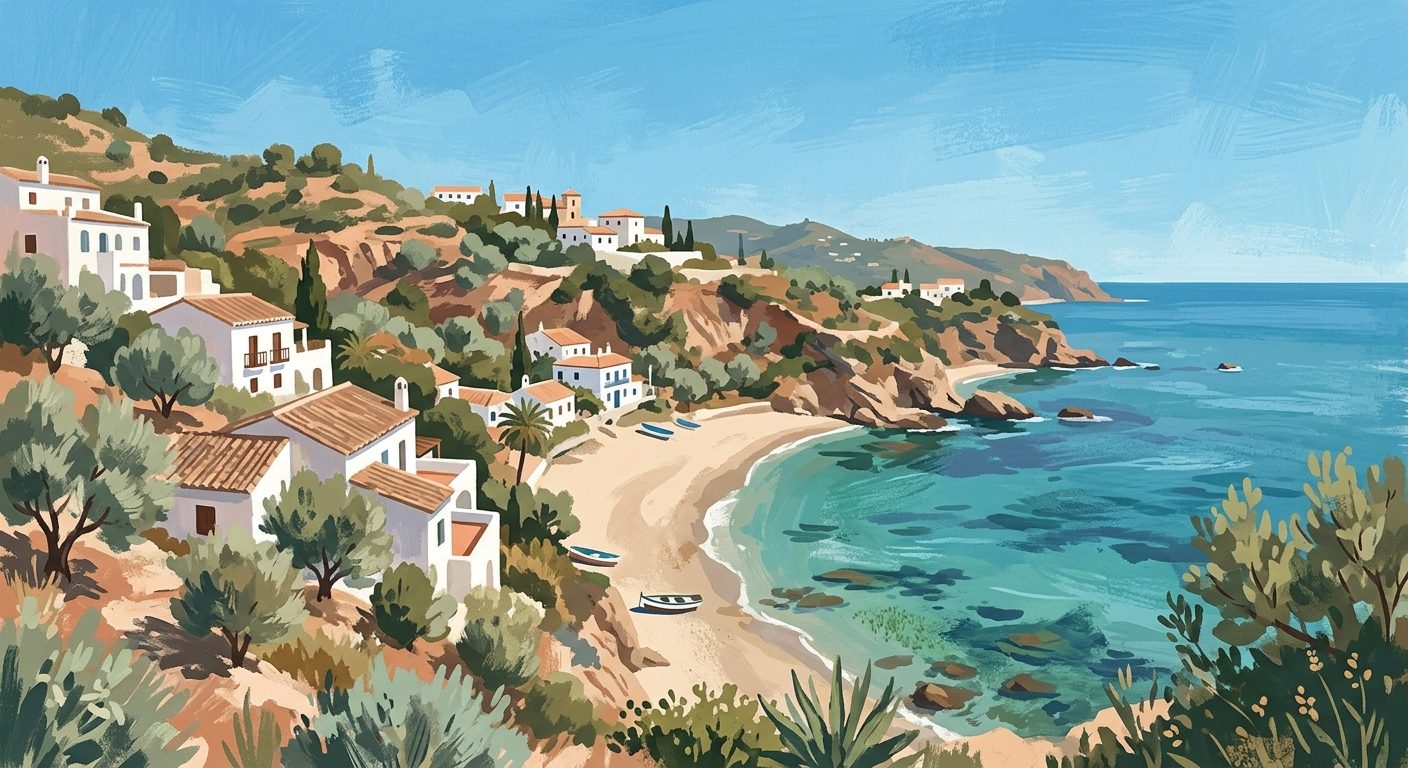
A Guide to Playa de Maro: The Best Snorkelling Beach on the Costa del Sol
Playa de Maro is a rugged, cliff-backed cove that offers some of the clearest waters in the Province of Málaga. This protected stretch of the coast provides a wilder alternative to the urban beaches of nearby Nerja.
7 min read
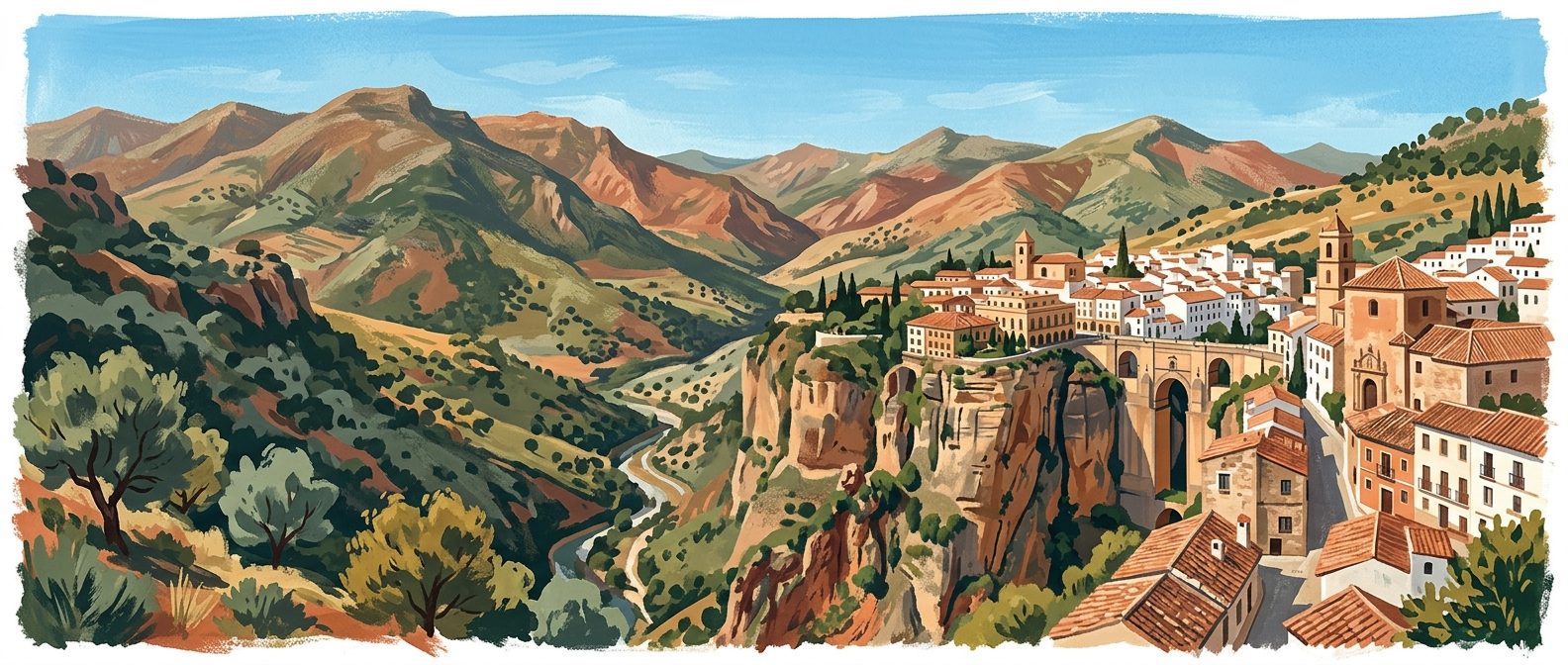
Exploring Sierra de las Nieves National Park
Discover the prehistoric Spanish fir forests and the rugged limestone peaks of the Sierra de las Nieves, Málaga’s first National Park.
6 min read
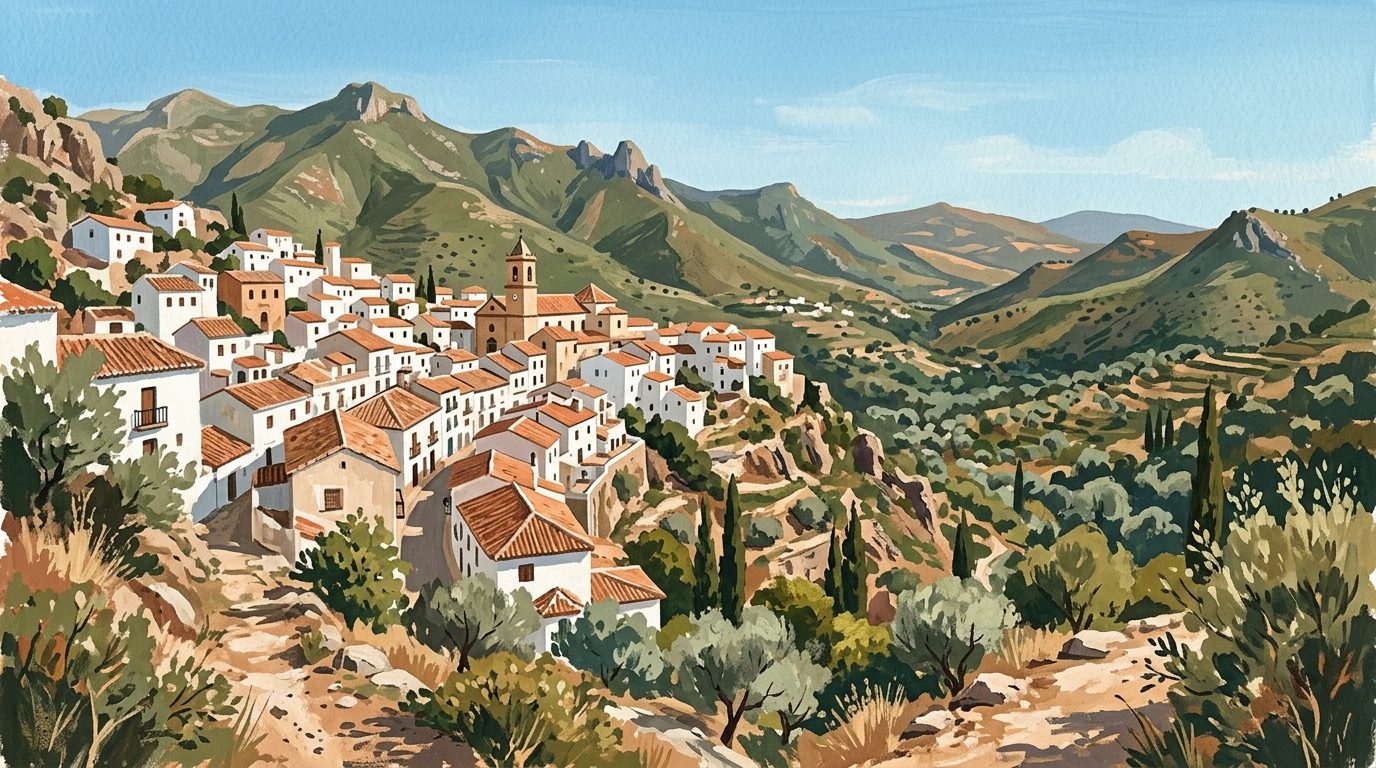
A Guide to Benahavís: The Gastronomic Heart of the Costa del Sol
Discover the culinary heart of the Costa del Sol in Benahavís, a mountain village famed for its high-end dining, river adventures, and stunning views of the Mediterranean.
5 min read
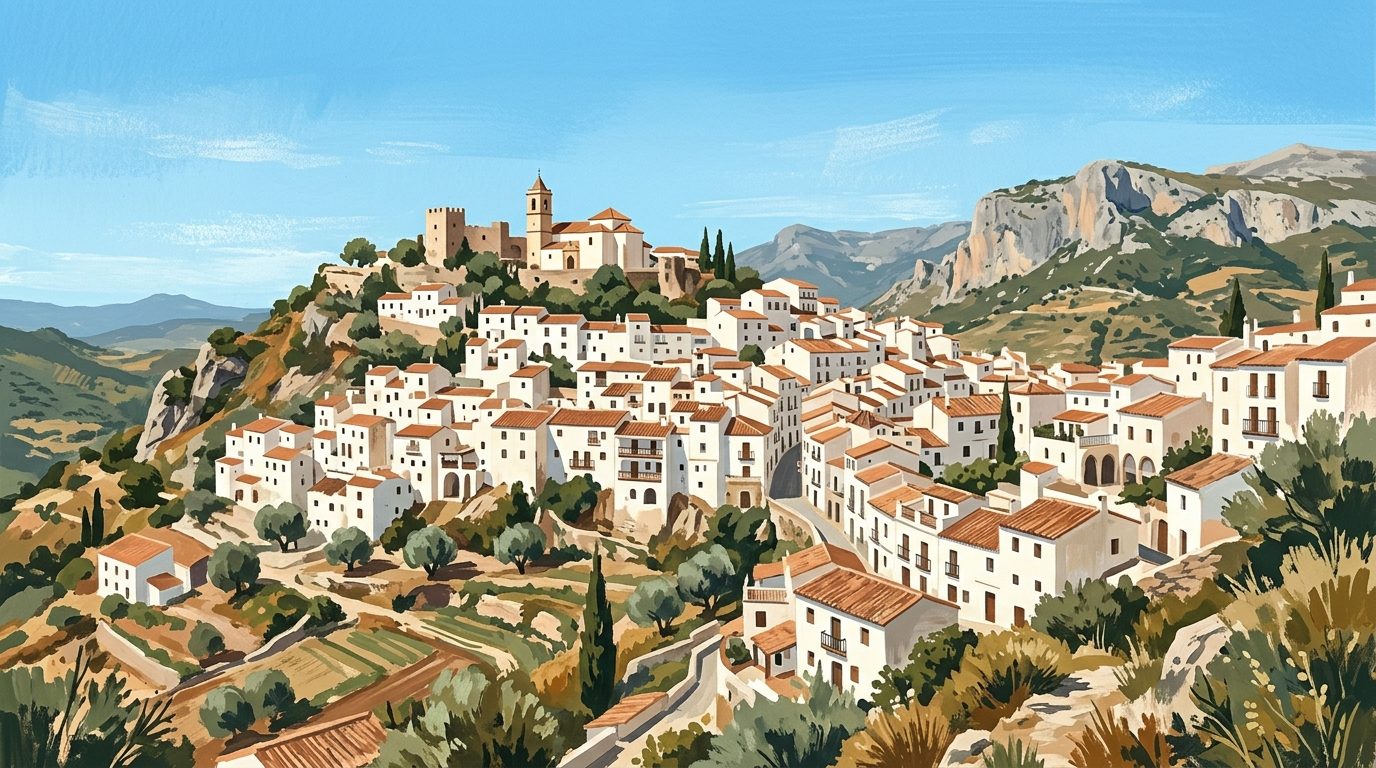
Casares: A Guide to the White Village of the Sierra Cristellina
Casares sits precariously on a limestone ridge, its whitewashed houses stacked like sugar cubes beneath the remains of a Moorish fortress.
6 min read
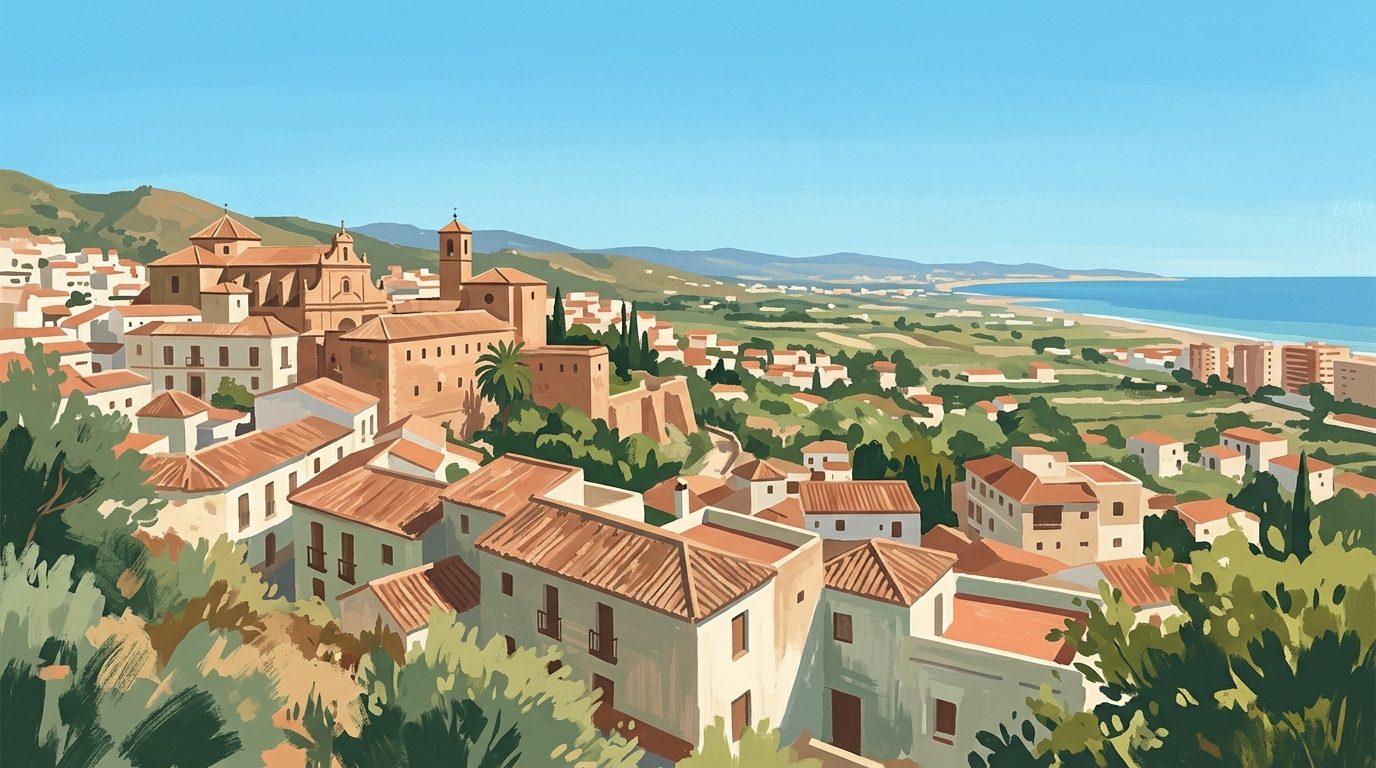
A Guide to Vélez-Málaga and Torre del Mar: History and Coast in the Axarquía
Discover the dual appeal of the Axarquía capital, from the Moorish fortress of Vélez-Málaga to the extensive Mediterranean promenade of Torre del Mar.
5 min read
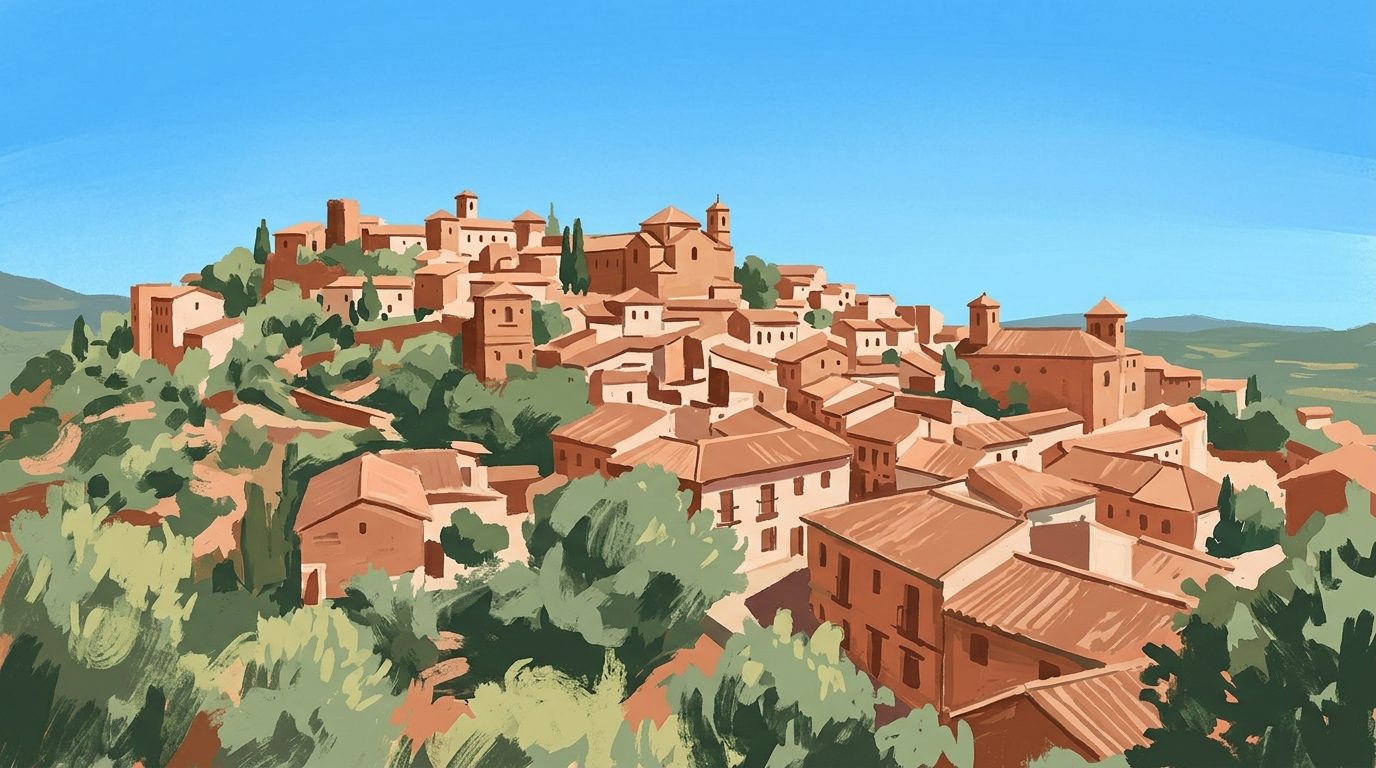
Archidona: The Octagonal Heart of Inland Málaga
Discover Archidona, a northern Málaga town famous for its unique 18th-century octagonal square and a Moorish fortress with views over the olive groves.
5 min read

A Guide to Alozaina and Yunquera: Gateways to the Sierra de las Nieves
Discover Alozaina and Yunquera, the essential gateway villages to the Sierra de las Nieves National Park, home to ancient fir forests and legendary history.
6 min read
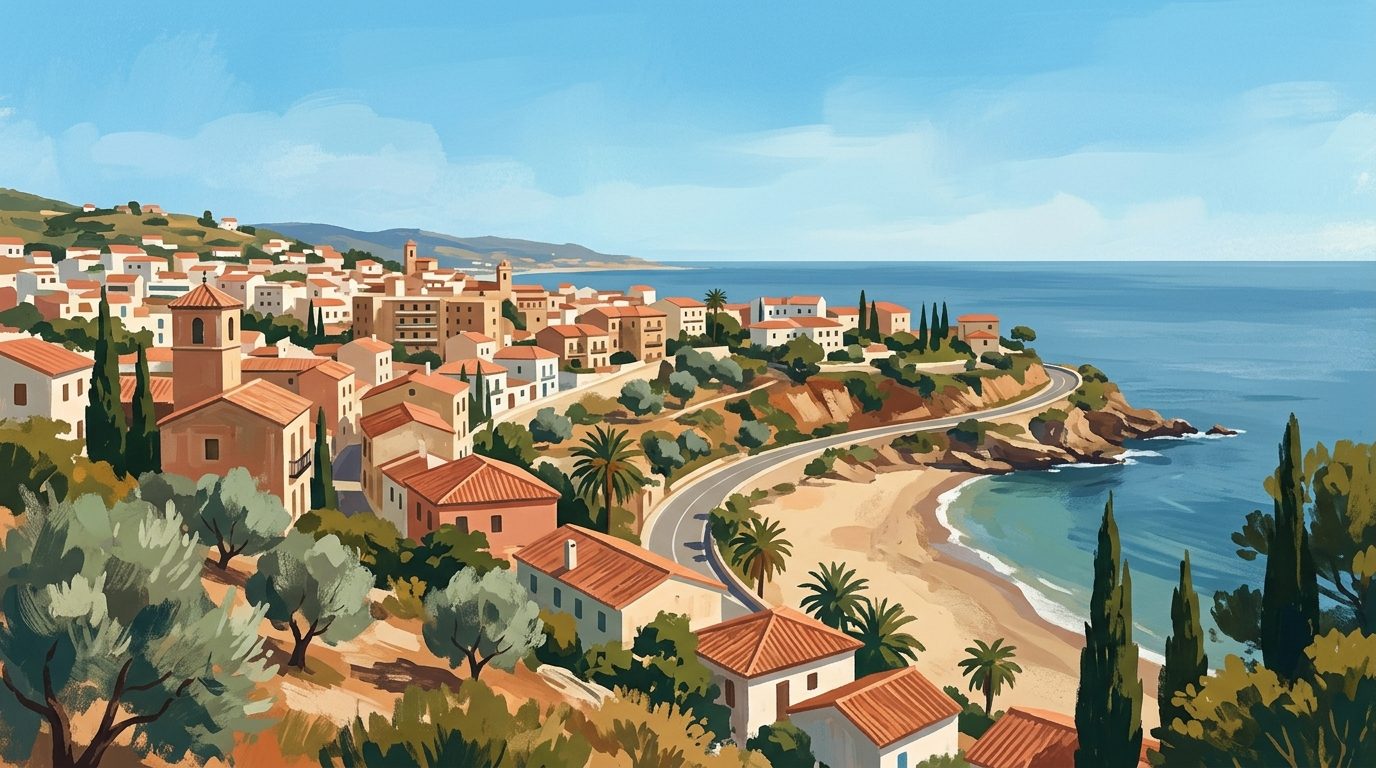
A Guide to Rincón de la Victoria: Gateway to the Axarquía
Discover Rincón de la Victoria, a coastal town near Málaga famous for the sea-formed Cueva del Tesoro and its traditional Spanish atmosphere.
6 min read
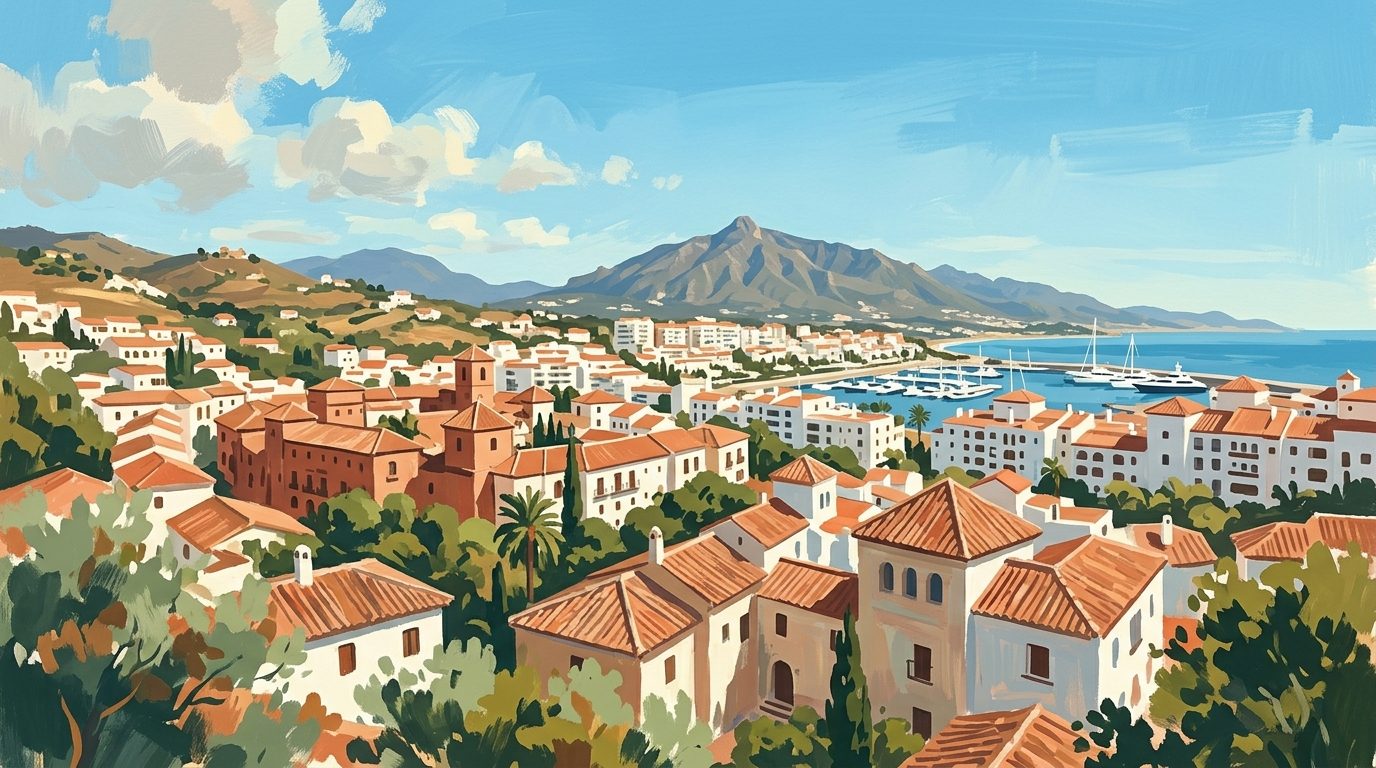
Marbella: A Sophisticated Blend of Tradition and Luxury
Discover the dual personality of Marbella, where a labyrinthine whitewashed old town meets the high-end glamour of the Golden Mile.
5 min read
Newsletter
More stories from Andalucía
Weekly notes, seasonal picks, and the next guides worth bookmarking.