
attraction · Almería
Iglesia Fortaleza de Nuestra Señora de la Encarnación
Andalucía 365 · Updated 18 July 2026
Our Verdict
“This imposing sixteenth-century fortress-church offers a fascinating glimpse into Almería's turbulent frontier history, blending Gothic architecture with formidable military defences.”
Last verified: July 2026
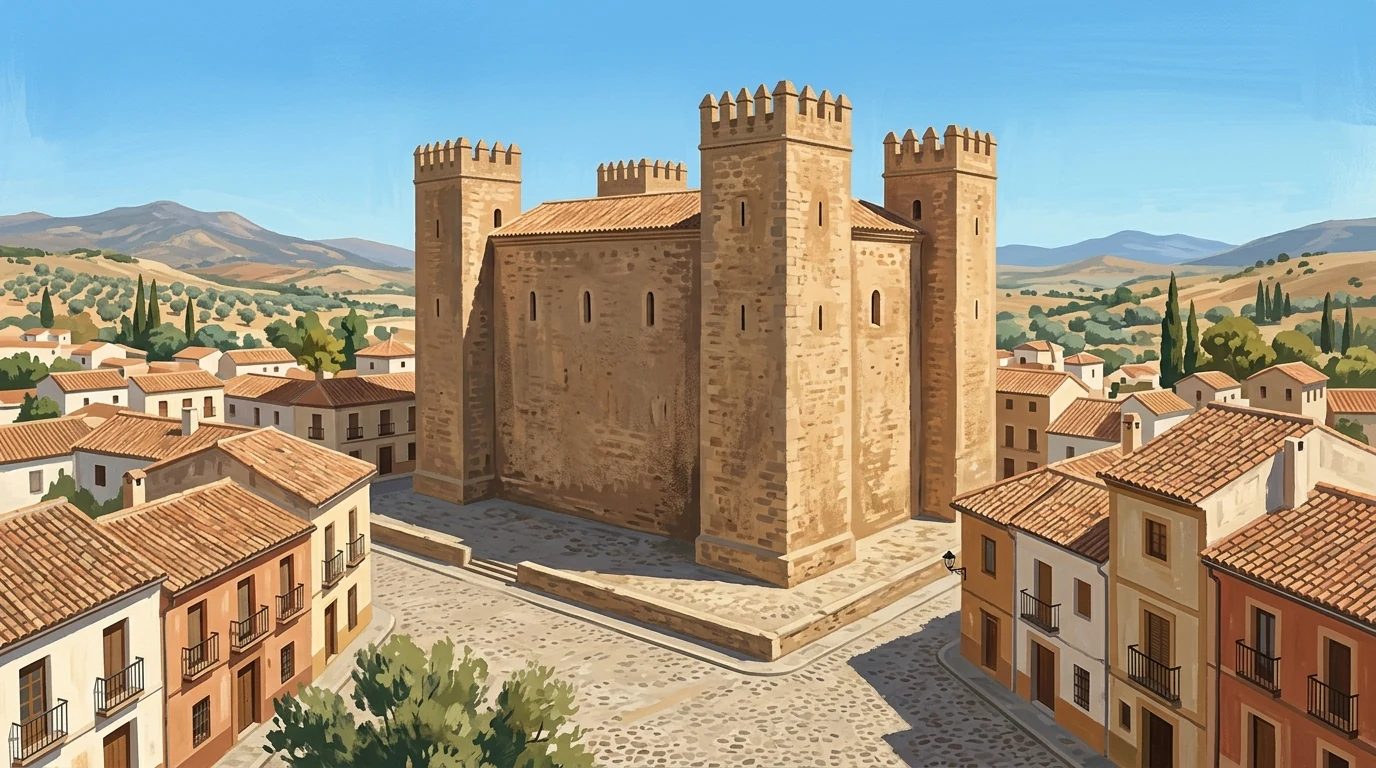
Standing as a stark reminder of a turbulent era, the Iglesia Fortaleza de Nuestra Señora de la Encarnación is the historical centrepiece of Vera. Built in the early sixteenth century, this imposing fortress-church was designed to serve a dual purpose: providing a place of worship while offering an impenetrable refuge against coastal raids by Berber pirates and uprisings from surrounding Moorish settlements. With its massive, windowless walls and formidable corner towers, it looks more like a military stronghold than a parish church. Inside, visitors discover a striking blend of late Gothic and Mudéjar architecture, enriched by later Baroque additions. History enthusiasts and architecture buffs exploring the Levante Almeriense will find this unusual monument a compelling window into eastern Almería’s frontier past.
Why It Matters
Constructed between 1521 and 1524 under the direction of Francisco Capilla, the church was built by Moorish craftsmen following the Christian conquest of the region. During this period, Vera was a vulnerable Christian enclave surrounded by a large Moorish population and constantly threatened by attacks from the Mediterranean Sea. The building's design directly reflects this precarious geopolitical situation. In 2000, the Spanish government declared the building a Bien de Interés Cultural, recognising its exceptional value as a rare surviving example of a fortified Mudéjar-Andalusian church. It stands as a physical manifestation of the cultural collisions and military anxieties that defined sixteenth-century Almería.
What to See and Do
The Fortified Exterior
Approaching the church from Calle Mayor, the most striking feature is its sheer defensive bulk. The exterior is defined by walls of extraordinary thickness that are almost entirely blind, lacking the large stained-glass windows typical of European churches of the same era. Instead, the original openings are positioned at a considerable height and function as narrow arrow slits, or saeteras, designed to repel attackers. Four robust, square towers anchor the corners of the building, reinforcing its military silhouette and providing vantage points that once guarded the town against approaching corsairs.
The Gothic-Mudéjar Nave
Passing through the heavy doors, the interior reveals a stark contrast to the martial exterior. The church is laid out as a single, expansive rectangular nave, divided into five distinct sections by prominent, heavy pillars. The architectural style is a fascinating synthesis of late Gothic structural elements and Mudéjar craftsmanship, reflecting the mixed heritage of the builders who constructed it. The soaring ceilings and robust stonework create an atmosphere of solemnity, while the layout itself was practical, designed to shelter the entire town's population during times of siege.
The Baroque Altarpieces
While the bones of the church are sixteenth-century, the interior decoration features significant later additions. The focal point of the sanctuary is the Retablo Mayor, a magnificent main altarpiece installed at the end of the eighteenth century. Unusually, it is carved from Canadian pine and showcases intricate Baroque detailing. In the Capilla Mayor, visitors should also look for the altarpiece dedicated to the Virgen de la Victoria. This specific piece holds deep historical resonance, as its iconography includes direct allusions to the town's historical anxiety over Moorish attacks, tying the religious art back to the building's defensive origins.
Planning Your Visit
Getting There
The fortress-church is located at Calle Mayor, 1, right in the historic centre of Vera. The town is easily accessible by car via the A-7 motorway or the A-352 road from the coast. As the streets in the immediate vicinity of the church are narrow and often pedestrianised, it is advisable to park in the designated public car parks on the edge of the historic centre and walk the short distance to the square.
How Long to Allow
Set aside 30 to 45 minutes to explore the interior of the church and admire the altarpieces, plus an additional 15 minutes to walk around the exterior perimeter to fully appreciate the scale of the defensive walls and corner towers.
When to Go
The church is an active place of worship and generally opens its doors to visitors from Monday to Sunday during the morning, with additional evening hours from Tuesday to Sunday. Morning visits are recommended for the quietest experience and the best natural light filtering through the high arrow slits. As opening hours can fluctuate around religious holidays and local festivals, always check the official Vera tourism website before travelling.
Good to Know
- Entry to the Iglesia Fortaleza de Nuestra Señora de la Encarnación is typically free of charge, though donations for the upkeep of the building are welcomed.
- Official audioguides are available in Spanish, English and French, offering detailed commentary on the architecture and history of the altarpieces.
- Photography is generally permitted inside, but visitors should avoid using flash, particularly near the eighteenth-century wooden altarpieces.
- As this is a functioning parish church, visitors are asked to dress respectfully, ensuring shoulders and knees are covered, and to avoid touring the nave during mass.
- The main entrance is accessible, but wheelchair users should be aware that some of the older, uneven stone flooring inside may require careful navigation.
Nearby worth your time
A few well-placed stops for extending the day without turning it into a checklist.
Continue through Levante Almeriense & Coastal Towns
Step back into the wider landscape with local guides, nearby places and the province overview.
Place guide · 8 min
A Local Guide to Playa de Mojácar: Sands, Spirits and Almerían Soul
Experience the diverse 17-kilometre coastline of Mojácar Playa, where volcanic sands meet clear waters and lively chiringuitos offer the perfect Almerían escape.
Place guide · 7 min
Playa de los Genoveses: A Guide to the Wild Heart of Cabo de Gata
Experience the untouched beauty of Playa de los Genoveses, a vast volcanic bay in Almería where golden sands meet shallow turquoise waters in a protected natural park.
Itinerary · 13 min
5 Days in Almería: City, Desert and Cabo de Gata
A realistic five-day driving itinerary through Almería province, balancing the historic capital, the cinematic Tabernas badlands, and the protected volcanic shores of Cabo de Gata.