
attraction · Almería
Museo Comarcal Velezano Miguel Guirao
Andalucía 365 · Updated 18 July 2026
Our Verdict
“A deeply authentic regional museum that grounds the dramatic landscapes of Los Vélez in centuries of human history.”
Last verified: July 2026
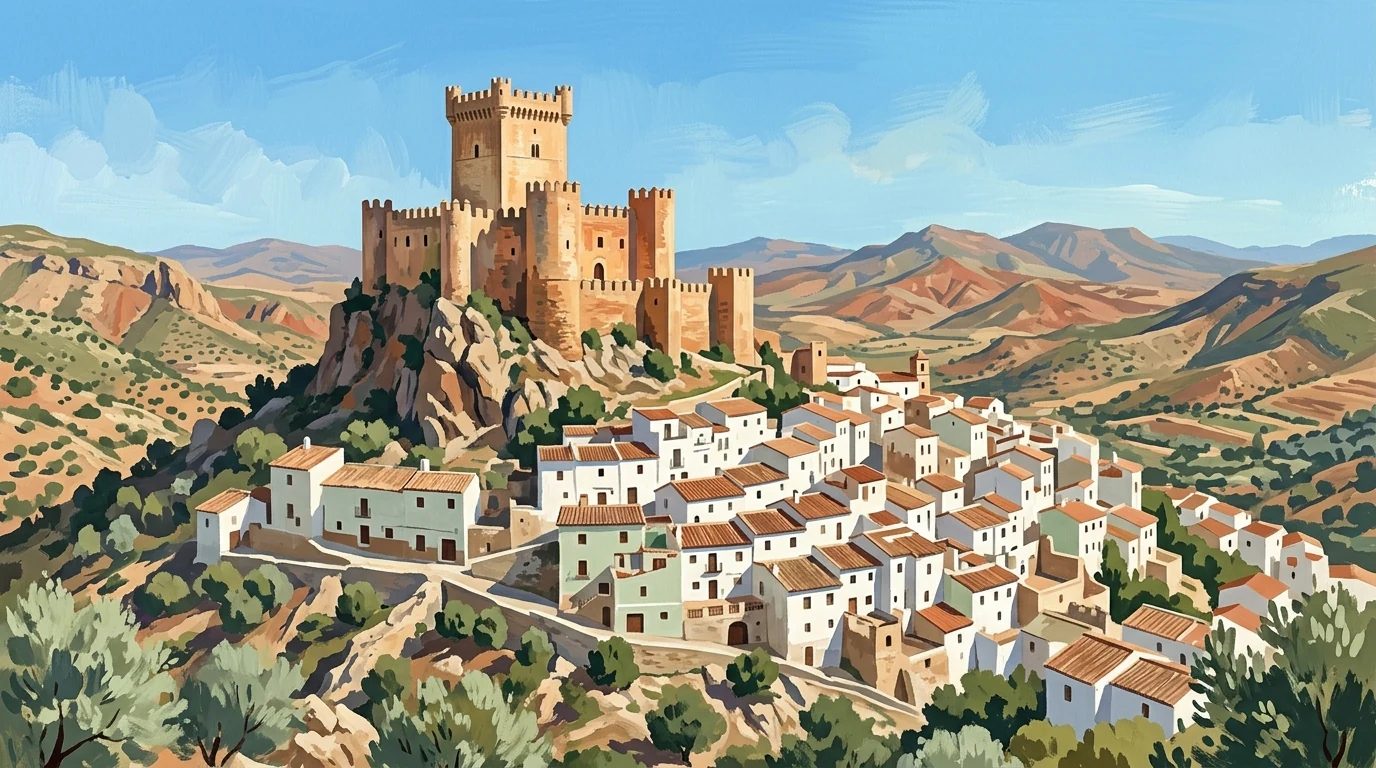
Housed within the robust walls of an eighteenth-century royal hospital, the Museo Comarcal Velezano Miguel Guirao is the cultural memory bank of the Los Vélez region. Located in the historic heart of Vélez-Rubio, this regional museum offers a comprehensive journey from the area's prehistoric origins through to its traditional rural past. While neighbouring Vélez-Blanco draws visitors with its striking Renaissance castle, Vélez-Rubio provides the essential archaeological and ethnographic context that brings the surrounding landscape to life. Built upon the lifelong collections of a dedicated local doctor and archaeologist, the museum is an unexpected treasure trove of Roman artefacts, Islamic ceramics, and agricultural heritage, making it a highly rewarding stop for anyone exploring the rugged northern reaches of Almería.
Why It Matters
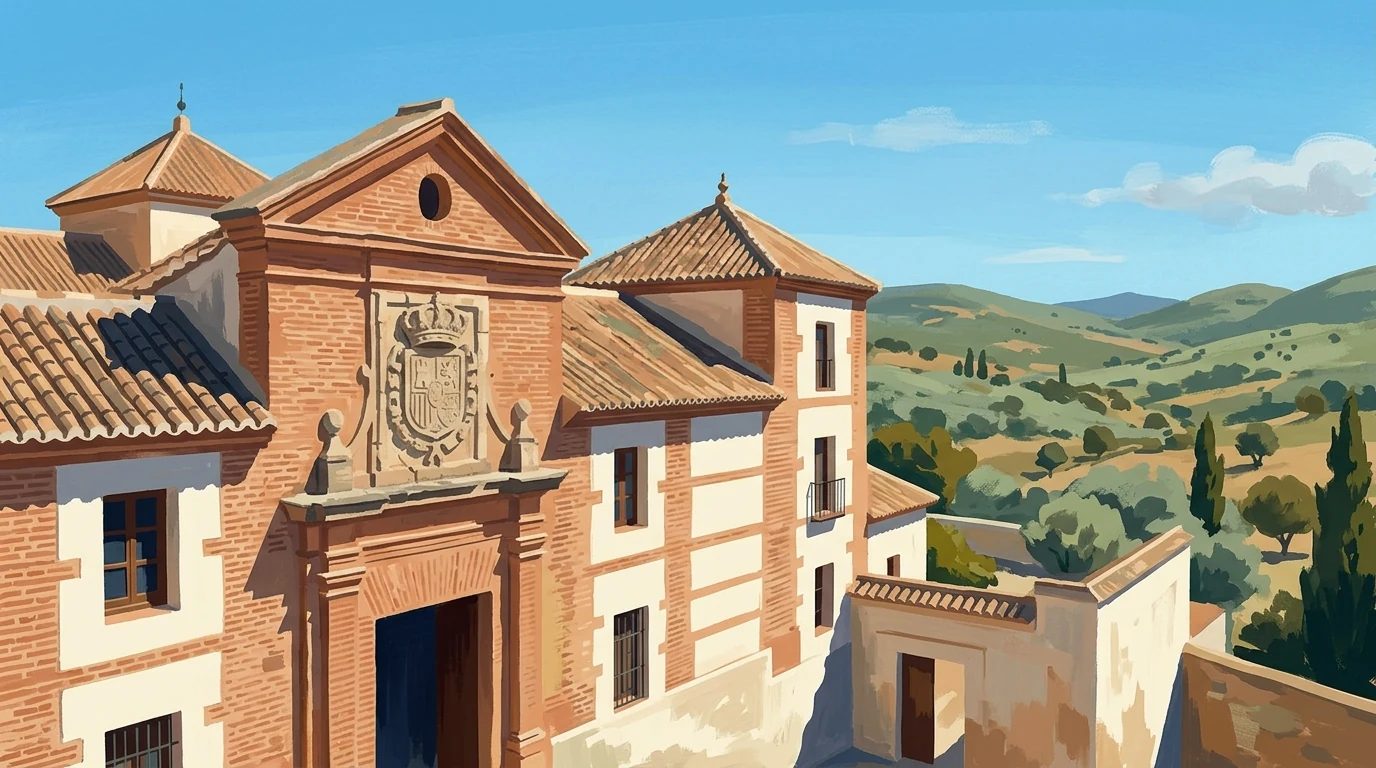
The museum is as much about the building it occupies as the artefacts it holds. The Antiguo Hospital Real was erected in 1765 under the reign of Carlos III, whose royal coat of arms still presides over the main facade. Designed in a restrained civil Baroque style, the building has lived many lives. After its time as a hospital for the poor came to an end in the nineteenth century, it served variously as an orphanage, a military barracks, a theatre, and a convent. Today, its restored architecture provides a dignified setting for the region's heritage.
The core collection is the legacy of Miguel Guirao Gea, a local doctor, academic, and passionate archaeologist. During the 1950s and 1960s, Guirao led systematic excavations of ancient necropolises across the Los Vélez district, including sites at El Castellón and Xarea. His family donated his extensive private collection to the town in 1991, prompting the creation of the museum. Today, the institution not only preserves these vital local finds but also contextualises the broader historical narrative of the Iberian southeast, ensuring that the material culture of this remote, mountainous region remains accessible to the public.
What to See and Do
The Archaeological Journey
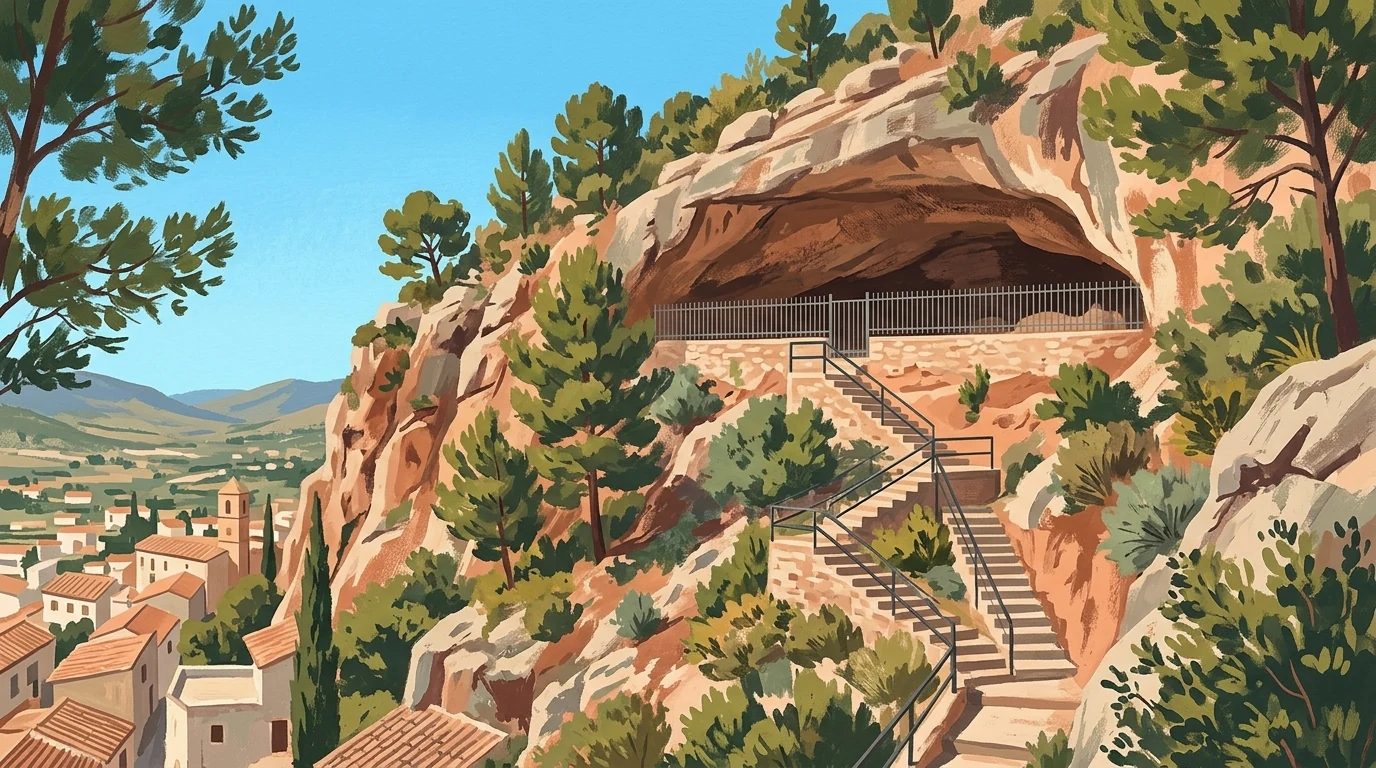
The museum's lower galleries follow a chronological path through the deep history of the region. The prehistoric sections highlight the early human occupation of the surrounding mountains, featuring a detailed scale model of the Cueva de los Letreros, the nearby cave site famous for its Neolithic rock art and the iconic Indalo figure. As the timeline progresses into the Roman era, the displays reveal the wealth of the agricultural villas that once dotted the landscape. The undisputed highlight here is a magnificent first-century Roman capital recovered from the El Villar site in neighbouring Chirivel. Remarkably, the stone still bears traces of its original polychrome paint, offering a rare glimpse into the vibrant reality of classical architecture. The archaeological narrative concludes with a strong collection of Islamic and medieval Christian artefacts, reflecting the centuries when Los Vélez was a contested frontier territory.
Ethnography and Rural Life
Moving away from ancient history, the ethnographic halls document the traditional ways of life that persisted in the Almerian hinterland until the mid-twentieth century. These galleries are filled with the tangible objects of daily survival, including heavy agricultural implements, esparto grass weaving tools, and traditional ceramics. Carefully constructed dioramas and scale models recreate domestic interiors and rural workshops, illustrating the self-sufficient, often harsh reality of mountain living. For visitors accustomed to the modern coastal resorts of Almería, this section provides a grounding look at the province's resilient agricultural roots.
The Hospital Real Courtyard
Before leaving, take time to appreciate the architecture of the central courtyard. The square patio is defined by stout Tuscan columns that support graceful, lowered arches and a portico covered by groin vaults. The upper gallery features wooden corbels and a traditional balustrade. It is a quiet, atmospheric space that invites reflection, standing in stark contrast to the bustling, sometimes chaotic uses the building endured during its two and a half centuries of existence.
Planning Your Visit
Getting There
The museum is located on Carrera del Carmen in the historic centre of Vélez-Rubio, just a short walk from the town's monumental Iglesia de la Encarnación. Vélez-Rubio is easily reached via the A-92N motorway, making it a straightforward detour for those travelling between Granada and Murcia. Free street parking is generally available in the vicinity, though the streets immediately surrounding the museum can be narrow.
How Long to Allow
Set aside roughly an hour to 90 minutes for your visit. This provides ample time to study the Roman artefacts, explore the ethnographic displays, and admire the architecture of the courtyard without feeling rushed.
When to Go
Morning visits are ideal, as the museum is quietest and you can combine your trip with a coffee in the nearby town squares. The thick stone walls of the Hospital Real make it a wonderfully cool retreat during the intense heat of an Andalusian summer afternoon, while offering shelter from the surprisingly sharp cold that can grip the Los Vélez mountains in winter.
Admission to the museum is free of charge. While standard opening hours generally cover Tuesday to Sunday mornings, with afternoon sessions from Tuesday to Saturday, the exact afternoon times shift between the summer and winter seasons. Always check the official Junta de Andalucía cultural portal or contact the local tourist office to confirm current schedules before travelling.
Good to Know
- Look up before you enter to spot the stone coat of arms of King Carlos III on the brick and masonry facade.
- The local tourist office is conveniently housed within the same building, making it the perfect place to pick up maps for the Sierra de María-Los Vélez Natural Park.
- Information panels inside the museum are predominantly in Spanish. Having a translation app on your phone will help you appreciate the finer details of the archaeological finds.
- Combine your visit with a walk to the Iglesia de la Encarnación, a spectacular example of Almerian Baroque architecture just a few streets away.
- Vélez-Rubio is famous for its hearty mountain gastronomy. Consider staying for lunch to try local dishes like migas or gurullos after your museum visit.
Nearby worth your time
A few well-placed stops for extending the day without turning it into a checklist.
Continue through Los Vélez
Step back into the wider landscape with local guides, nearby places and the province overview.
Place guide · 8 min
A Local Guide to Playa de Mojácar: Sands, Spirits and Almerían Soul
Experience the diverse 17-kilometre coastline of Mojácar Playa, where volcanic sands meet clear waters and lively chiringuitos offer the perfect Almerían escape.
Place guide · 7 min
Playa de los Genoveses: A Guide to the Wild Heart of Cabo de Gata
Experience the untouched beauty of Playa de los Genoveses, a vast volcanic bay in Almería where golden sands meet shallow turquoise waters in a protected natural park.
Itinerary · 13 min
5 Days in Almería: City, Desert and Cabo de Gata
A realistic five-day driving itinerary through Almería province, balancing the historic capital, the cinematic Tabernas badlands, and the protected volcanic shores of Cabo de Gata.