
Itinerary · Almería
5 Days in Almería: City, Desert and Cabo de Gata
A realistic five-day driving itinerary through Almería province, balancing the historic capital, the cinematic Tabernas badlands, and the protected volcanic shores of Cabo de Gata.
By Andalucía 365 Editorial Team · 18 July 2026 · 13 min read
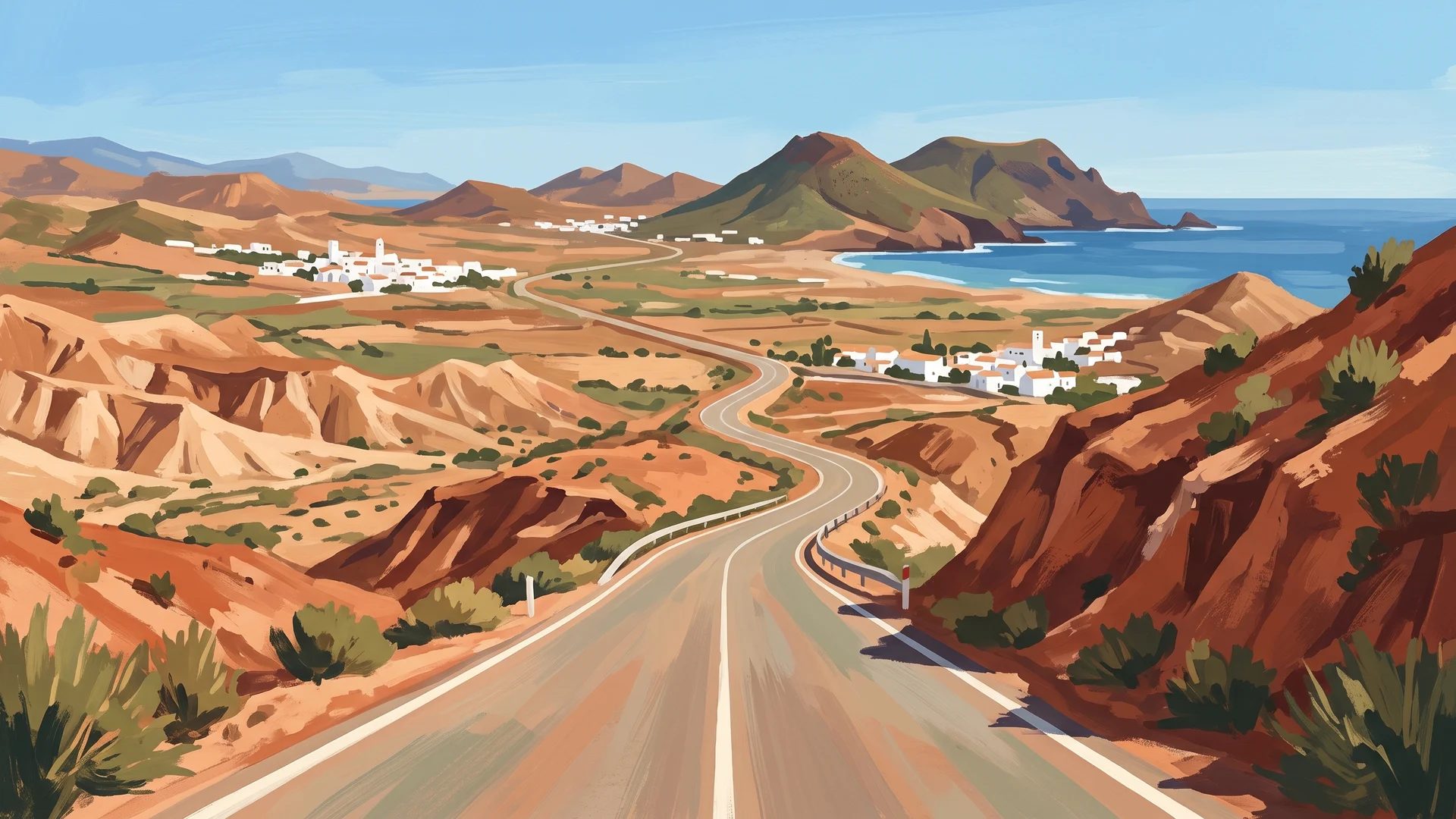
Almería sits at the extreme eastern edge of Andalucía, defined by geographical isolation and climatic extremes. This five-day itinerary provides a structured route through three distinct environments: a dense historic capital, the continent's only true desert, and a heavily protected maritime park. A hire car is mandatory, as public buses cannot accommodate a tightly paced journey between remote ravines and isolated coastal hamlets.
The pace is deliberate but demanding. You will navigate tight urban grids, high-speed interior motorways, and unpaved national park tracks. Distances on a map can be deceiving. A simple twenty-kilometre drive along the coast may take forty minutes due to sheer drops, narrow switchbacks, and slow-moving agricultural traffic. Heat dictates all movement here. Between June and September, you must complete your inland and unsheltered coastal walking before midday.
Day 1: Almería City
Morning
Begin your journey high above the urban sprawl. The Alcazaba de Almería is an immense tenth-century fortress complex anchoring the city to its Moorish past. Founded in 955, it stands as one of the largest Islamic citadels in the Iberian Peninsula. The ascent on foot is steep and exposed, making an early start essential. Inside the walls, you will walk through three distinct enclosures: a vast lower garden space, the ruined royal baths of Al-Mutasim, and a stark Christian castle built by the Catholic Monarchs. From the northern ramparts, look across the ravine to the Muralla de Jayrán, a formidable curtain wall snaking across the Cerro San Cristóbal. Allow two hours to navigate the ramparts and absorb the panoramic views over the port.
Descend through the narrow streets of the old medina towards the city centre. Your next destination is the Cathedral of the Incarnation. This building functions as a defensive stronghold, featuring massive stone walls designed to withstand persistent pirate attacks. Step inside to discover the architectural contrast, as the severe exterior hides delicate ribbed Gothic vaulting and a grand Renaissance choir.
Lunch
Almería city operates on a deeply ingrained tapas culture. Unlike other Andalusian cities, Almerían bars typically provide a menu from which you choose your free tapa with each round of drinks. Head to the streets surrounding the central market. Look out for the regional speciality known as the cherigan, a long slice of toasted bread layered with garlic mayonnaise and topped with anything from cured ham to quail eggs. For a comprehensive overview, review our guide to eating in Almería. Look for traditional bars with standing room only, where the atmosphere is loud and the service is fast.
Afternoon
During the peak afternoon heat, take refuge underground. The Spanish Civil War shelters form a vast subterranean network of concrete tunnels built to protect civilians from aerial bombardment. Access is strictly by guided tour, and you must consult the official municipal tourism website to secure tickets in advance. The descent is profound, offering a cool and sobering hour beneath the pavement. You will see preserved operating theatres and the intricate ventilation systems that saved thousands of lives.
Evening
As the temperature drops, the city moves towards the water. Walk along the Parque Nicolás Salmerón, a long, shaded promenade separating the historic core from the commercial port. At the eastern end of the park, you will find the Cable Inglés. This colossal iron ore loading pier stands as a monument to the region's industrial mining era. It has been restored as an elevated pedestrian walkway, allowing you to walk directly out over the water. Conclude your day with a late dinner at a terrace restaurant in the surrounding squares.
Day 2: Tabernas and Sorbas
Morning
Leave the coast behind and drive inland on the A-92 motorway, climbing through the foothills of the Sierra Alhamilla. Within forty minutes, the Mediterranean humidity vanishes, replaced by the parched, eroded interior. Exploring Tabernas requires an appreciation for harsh, elemental geography. The surrounding mountains create a severe rain shadow, resulting in Europe's only true desert, defined by dry riverbeds and scarred sandstone ridges. This arid basin receives less than two hundred and fifty millimetres of rain annually, forcing the local flora and fauna to adapt to extreme survival conditions.
The landscape's resemblance to the American West made it a prime filming location for mid-century cinema. Several commercial film sets still operate in the area. While overtly commercial, they provide access to some of the most striking desert canyons. Alternatively, park near the Castillo de Tabernas ruins for a free, elevated view of the badlands.
Lunch
Drive into the town of Tabernas for a substantial midday meal. The local diet is historically based on caloric density, designed to sustain agricultural workers through brutal conditions. Seek out roadside restaurants serving traditional dishes regardless of the ambient temperature. Migas, a dish of fried flour or breadcrumbs served with pork products and green peppers, is a staple. If the heat makes a heavy stew unappealing, look for cold almond soups or fresh tomato salads sourced from the surrounding agricultural zones.
Afternoon
Continue east on the N-340a towards the town of Sorbas, a drive of approximately thirty minutes. The town balances precariously on the edge of the Afa ravine, with white houses hanging over the sheer drop. However, the primary geographical draw lies beneath the surface. Exploring the gypsum karst caves of Sorbas offers a dramatic shift in environment. The subterranean network stretches for miles, created over millions of years as water dissolved the soluble rock. You must book a guided tour via the official natural park providers to enter the caves. The temperature inside remains constantly cool, providing necessary relief from the afternoon sun.
Evening
Retrieve your car and begin the drive south towards the coast to establish your base for the next few days. The journey down to the coastal plains takes roughly fifty minutes, moving from high terrain back down to sea level. Pass through the agricultural town of Níjar, noted for its traditional glazed ceramics and colourful woven rugs known as jarapas. Settle into your chosen coastal accommodation. Keep your evening simple with a late dinner near your hotel, as the next three days will involve extensive coastal driving and walking.
Day 3: The Southern Volcanic Coast and San José
Morning
Dedicate today to the protected shores of the Cabo de Gata-Níjar Natural Park. This landscape is defined by volcanic cliffs, sparse vegetation, and an absence of large-scale resort development. Begin with the southern beaches. Playa de Mónsul is famous for its massive shifting sand dune and dark, eroded lava tongue stretching into the water. Nearby, Playa de los Genoveses offers a wide, shallow horseshoe bay flanked by eucalyptus trees.
Access requires careful planning. A dirt track connects the southern beaches from the town of San José. During the peak summer months, environmental authorities restrict private vehicle access to protect the fragile ecosystem. Once the small parking areas fill, a physical barrier drops. To avoid being turned away, park in the town and use the municipal shuttle bus, which runs continuous loops throughout the morning.
Lunch
Return to the town of San José. As the largest settlement within the natural park, it functions as the logistical centre for the southern coast. While it lacks the historical architecture of older inland villages, it provides reliable services, cash machines, and a wide sandy bay. Exploring San José reveals a strong focus on maritime dining. Find a restaurant overlooking the marina and order regional seafood, such as grilled red mullet, cuttlefish, or a slow-cooked rice dish prepared with intensely flavoured rockfish stock.
Afternoon
To reach the absolute southern tip of the cape, you cannot drive directly along the coast from San José. You must drive inland to reconnect with the AL-3115 road, heading west and then south. This sweeping detour leads to the salt flats known as the Salinas de Cabo de Gata. These active salt pans run parallel to a long, straight shingle beach and serve as a crucial wetland habitat for migratory birds. Pull into the designated observation hides to spot the resident flamingo populations. Continue driving to the end of the road at the Faro de Cabo de Gata. The lighthouse sits high above the Arrecife de las Sirenas, a jagged cluster of volcanic chimneys rising from the turbulent water. These dark basalt columns are the remains of ancient volcanic vents, carved by centuries of relentless wave action.
Evening
Return to San José for the evening. The nightlife across the natural park is muted and low-key. You will not find large nightclubs or loud promenades. Instead, the focus remains on long, slow dinners on outdoor terraces, accompanied by local wine and the sound of the Mediterranean. The sea breeze usually picks up after sunset, providing a welcome drop in temperature after a day on exposed beaches.
Day 4: Rodalquilar, Las Negras and Agua Amarga
Morning
Head north along the winding AL-4200 road. Pull over at the Mirador de la Amatista for sweeping views of the volcanic caldera crashing into the sea. Turn inland towards the village of Rodalquilar. This settlement sits inside a dormant volcanic crater and was the site of a significant mid-twentieth-century gold rush. You can walk among the ruined, roofless mining processing buildings that sit above the modern village, offering a stark industrial contrast to the surrounding natural beauty. Afterwards, take the short track down to Playa del Playazo. This wide, golden cove is flanked by fossilised dunes and the restored eighteenth-century Castillo de San Ramón, a classic coastal battery built to defend the bay from Barbary pirates.
Lunch
Drive a few kilometres north to the coastal hamlet of Las Negras. The village takes its name from the black volcanic cliffs that surround the bay. Las Negras has historically maintained a bohemian, alternative atmosphere, distinct from the surrounding towns. It is a relaxed location for lunch. Find a beachfront bar and order simple rations of fried fish, tomato salads, and cold beer. The beach here is largely pebbles, and small fishing boats are still pulled directly up onto the shore.
Afternoon
The coastal cliffs north of Las Negras are impassable by car, dictating a detour inland. Drive through the arid hills on the AL-3106, passing the quiet agricultural hamlet of Fernán Pérez. Reconnect with the AL-5106, navigating a series of sharp switchbacks down a deep gorge, before descending into Agua Amarga. The atmosphere shifts dramatically here. Agua Amarga is arguably the most polished village in the natural park. The whitewashed houses are meticulously maintained, and gardens spill over with bright bougainvillea. Spend the afternoon walking the pristine urban beach or exploring the small independent boutiques scattered through the narrow grid of pedestrian streets.
Evening
Agua Amarga features a central square shaded by large trees, situated mere steps from the sand. It is an excellent location for an extended evening meal. The restaurants here often focus on elevated Andalusian cooking, combining fresh coastal ingredients with modern techniques. Secure a table early, as the village is small and dining spaces fill quickly during the summer. The atmosphere remains refined but casual, perfectly matching the pace of the eastern park.
Day 5: Mojácar or a Slower Coastal Finish
Morning
Your final day presents a geographical choice. You can remain in the quiet coves of Cabo de Gata, or you can push north towards the more populated Levante Almeriense region. If you choose the latter, leave early and drive towards the industrial port town of Carboneras. Just before the town, stop at the clifftop parking area for Playa de los Muertos. This is a vast, straight line of white pebbles facing incredibly clear, turquoise water. Be aware of the severe logistics. Reaching the sand requires a steep, demanding hike down a rocky ravine. There are no facilities, no lifeguards, and the seabed drops sharply just a few feet from the shore. You must carry all your own water and shade.
Lunch
Climb back up to your vehicle and drive into Carboneras. The town is functional and working-class, heavily influenced by its massive cement factory and fishing port, guarded by the central Castillo de San Andrés, a sixteenth-century fortress built by the Marquis of Carpio. This lack of polish makes it an excellent, unpretentious location for lunch. The local catch is brought in daily, so seek out a tavern near the port and order whatever fish the staff recommends, particularly the local red prawns or grilled swordfish if they are available.
Afternoon
Continue north along the coastal road, AL-5107, which snakes along the high cliffs. You will pass the Torre del Pirulico, a coastal watchtower you can climb for panoramic views of the Mediterranean. The scenery gradually changes as you enter the municipality of Mojácar. A guide to Mojácar usually divides the area into two distinct zones. Start by driving inland and uphill to Mojácar Pueblo. The old town is a labyrinth of impossibly steep, whitewashed alleys dating back to the Moorish occupation. The views from the Plaza Nueva stretch for miles across the Valley of the Pyramids. However, you must accept a trade-off. Mojácar is heavily developed for tourism, and the streets will be significantly more crowded than the isolated villages of Cabo de Gata.
Evening
Descend from the hilltop to Mojácar Playa. This coastal strip stretches for miles, lined with large hotels, beach bars, and international restaurants. It is a stark contrast to the protected silence of the natural park, offering an energetic finish to your itinerary. Choose a table by the sand for a final coastal sunset before preparing for your onward journey the next morning, taking advantage of the wider variety of late-night options available here.
Where to stay on this route
A five-day itinerary involving significant driving requires strategic base selection. Packing and relocating every morning is exhausting and highly inefficient.
For the first night, stay in Almería city. The historic centre offers numerous boutique hotels within walking distance of the Alcazaba and the tapas districts. Choose accommodation with guaranteed private parking, such as those allied with the underground municipal car parks. Street spaces are heavily restricted by municipal parking meters, and navigating the narrow, one-way medina streets looking for a spot is a frustrating start to a trip.
For days two through four, establish a single base within or immediately adjacent to the Cabo de Gata-Níjar Natural Park. San José is the most practical option. It provides a wide range of apartments, small hotels, and essential services like pharmacies and a medical centre. From San José, you can easily drive north to the desert or explore the coastal coves without changing rooms. If you prefer a quieter, more refined environment, Agua Amarga is an excellent alternative base. Las Negras appeals to those looking for a younger, more bohemian atmosphere.
If you choose to drive north on your final day, you can book your last night in Mojácar. The coastal strip offers large resort hotels with ample parking and direct beach access, while the pueblo features smaller, traditional guesthouses requiring you to carry luggage up steep pedestrian streets from the public car parks below.
Practical planning
Executing this route requires a clear understanding of regional logistics. You will undoubtedly need a reliable hire car. Review our practical guide to getting around Andalucía for specific advice on vehicle rental contracts, insurance exclusions for unpaved roads, and navigating narrow historical centres. When driving in the natural park, respect the dirt tracks and park only in designated areas to avoid severe fines from environmental officers. The terrain is unforgiving on tyres, so ensure your rental vehicle includes a functional spare wheel. Pay attention to the Levante wind, which blows fiercely from the east. When it arrives, the eastern-facing beaches become inhospitable, making coastal driving buffeted and beachgoing deeply unpleasant. On these days, head to the sheltered southern coves or retreat inland to the desert.
Heat management is a critical planning factor. Between June and September, daytime temperatures in the Tabernas desert and the Almería interior regularly exceed dangerous thresholds, often climbing above 40 degrees Celsius. You must carry ample drinking water in your vehicle at all times, as many rural petrol stations close on Sundays or during the afternoon siesta. Schedule your exposed walks, such as the Alcazaba fortress or the demanding hike down to Playa de los Muertos, for the early morning before the sun reaches its peak.
Accessibility varies drastically across this route. Almería city features flat, paved promenades along the port, but the primary historical monuments involve steep inclines, uneven cobblestones, and steps. In the natural park, very few beaches offer wooden boardwalks or ramp access. The majority of the coves require navigating rocky paths or loose sand, which will present significant physical barriers for visitors with limited mobility.
Last reviewed: 18 July 2026 · Editorial policy
Related guides
Where to Stay in Almería: Choose the Right Base
A candid decision guide to Almería's dramatically different landscapes, comparing the urban capital, the volcanic isolation of Cabo de Gata, the coastal resorts of the Levante, and the extreme terrain of the Tabernas Desert.
8 min read
Coastal Drive: Cádiz to Almería
Driving the coastline of southern Spain is an exercise in geological and cultural whiplash, taking you from the wind-whipped Atlantic shores of Cádiz to the scorched volcanic deserts of Almería. This route traces the very edge of the continent, offering a masterclass in coastal navigation along the legendary N-340 and beyond.
10 min read
Tracing Leone and Eastwood: The Ultimate Almería Spaghetti Western Route
Drive the sun-baked stretches of the N-340a and you will quickly realise why 1960s filmmakers chose this arid pocket of Spain over the American West. Tracing the footsteps of Sergio Leone and Clint Eastwood through the Tabernas Desert offers an eerily precise journey into cinematic history.
11 min read
Ten Days in Andalucía: The Classic Route
A definitive ten-day guide through Málaga, Ronda, Sevilla, and Granada, focusing on the essential sights, the best sherry bodegas, and the most authentic tapas bars.
11 min read
Two Weeks in Andalucía: The Complete Circuit
A definitive 14-day loop through Andalucía’s eight provinces, balancing world-renowned monuments with the rugged sierras of Huelva and the olive seas of Jaén.
12 min read
Winter Sun in Andalucía: A 7-Day Escape
Escape the winter gloom with a sun-drenched week in southern Spain, from the cultural streets of Málaga to the historic palaces of Sevilla.
9 min read
Newsletter
More stories from Andalucía
Weekly notes, seasonal picks, and the next guides worth bookmarking.