
attraction · Almería
Cuevas de Sorbas
Andalucía 365 · Updated 18 July 2026
Our Verdict
“A spectacular, highly accessible introduction to caving within one of the world's most significant underground gypsum systems.”
Last verified: July 2026
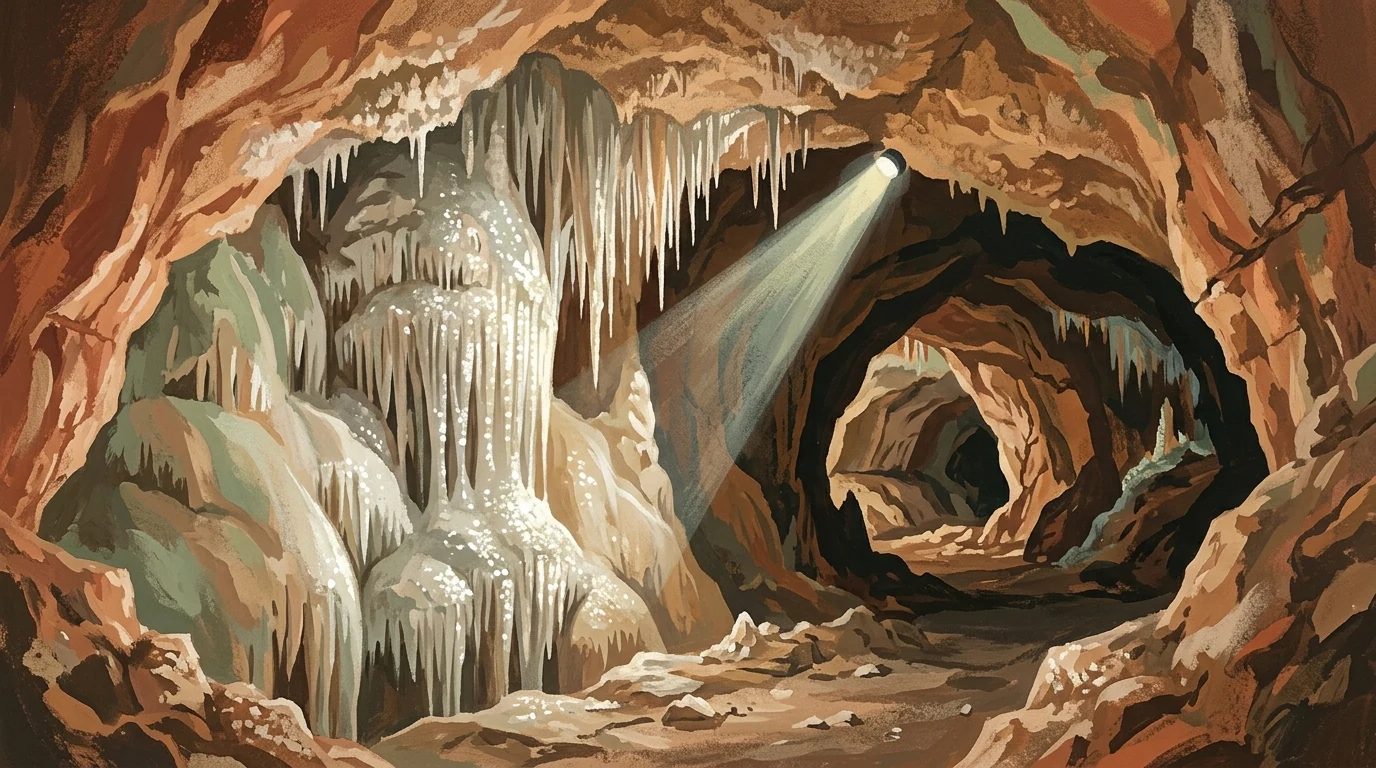
Hidden beneath the arid surface of the Tabernas-Sorbas corridor, the Cuevas de Sorbas represent one of the world's most significant gypsum karst systems. Formed over six million years as the Mediterranean Sea retreated, this subterranean network spans more than 1,000 interconnected cavities and miles of crystalline galleries. For geology enthusiasts, adventurous families, and curious travellers, the caves offer a rare opportunity to explore a landscape sculpted entirely by rainwater dissolving solid gypsum. Because this delicate environment is strictly protected, access is exclusively by guided tour. Visitors don helmets and headlamps to navigate the glittering passages, discovering an alien world of stalactites and stalagmites that reflect the light in spectacular fashion.
Why It Matters
The Karst en Yesos de Sorbas is a geological marvel of global importance. When the Mediterranean basin dried up millions of years ago, it left behind a layer of gypsum over 100 metres thick. Over millennia, sparse but heavy rainfall dissolved this soluble rock, creating the largest underground gypsum system in Spain and the second largest in the world. The Cueva del Agua system alone stretches for nearly 8,500 metres. Above ground, the harsh, semi-desert environment supports endemic flora like the Sorbas daffodil and provides a vital habitat for the endangered spur-thighed tortoise, making the entire protected area a crucial ecological reserve.
What to See and Do
Exploring the Gypsum Galleries
The defining experience at Sorbas is descending into the caves to witness the crystalline formations. Unlike typical limestone caves, the gypsum here forms distinct, highly reflective crystals. As you move through the passages, the light from your headlamp catches the glittering surfaces of stalactites, stalagmites, columns, and delicate gypsum corals. The subterranean landscape feels entirely otherworldly, with smooth, water-sculpted walls contrasting against jagged crystal growths.
Choosing Your Route
The visitor operation offers several guided itineraries tailored to different levels of physical ability. The Basic Route lasts around two hours and is designed for families and beginners, requiring no previous caving experience. For those seeking a deeper adventure, the Combined and Technical routes last over four hours, involving more challenging climbs and crawls through narrower galleries. During the summer months, a special route explores the Cueva del Agua, the most extensive cavity in the system.
The Surface Landscape
Before or after your descent, the surface of the karst warrants attention. The arid terrain is pockmarked with dolines and sinkholes, which act as the very windows through which rainwater enters the cave system. Nearby, the Los Molinos spring emerges in the River Aguas canyon, creating an unexpected oasis of oleanders and white poplars that historically powered local flour and oil mills.
Planning Your Visit
Getting There
The caves are located in the Paraje Barranco del Infierno, just off the A-1102 road, approximately two kilometres from the town of Sorbas in Almería province. The site features ample parking for both cars and coaches.
How Long to Allow
Allow at least two and a half hours for the Basic Route, including time to check in, gear up, and use the facilities. If you opt for the Combined or Technical routes, expect to spend half the day on-site. The visitor centre also features a restaurant serving local dishes, making it a convenient stop for lunch.
When to Go
The caves maintain a relatively constant temperature year-round, making them an excellent refuge from the intense Almería heat in high summer. However, the special Cueva del Agua route is typically only available during the summer months.
Access to the caves is strictly by guided tour, and advance booking through the official website is essential to secure your place.
Good to Know
- All necessary technical equipment, including helmets and specialised caving headlamps, is provided by the guides.
- Wear comfortable, flexible clothing that you do not mind getting dusty, along with sturdy, closed-toe footwear with good grip.
- Tours can be conducted in English, French, or German, but this depends on the season and guide availability, so request your preferred language when booking.
- The visitor centre is well-equipped with changing rooms and toilets, allowing you to clean up and change clothes after your subterranean excursion.
- Children under three may join the Basic Route, provided they are capable of walking independently for the majority of the tour.
Nearby worth your time
A few well-placed stops for extending the day without turning it into a checklist.
Continue through Tabernas Desert
Step back into the wider landscape with local guides, nearby places and the province overview.
Place guide · 8 min
A Local Guide to Playa de Mojácar: Sands, Spirits and Almerían Soul
Experience the diverse 17-kilometre coastline of Mojácar Playa, where volcanic sands meet clear waters and lively chiringuitos offer the perfect Almerían escape.
Place guide · 7 min
Playa de los Genoveses: A Guide to the Wild Heart of Cabo de Gata
Experience the untouched beauty of Playa de los Genoveses, a vast volcanic bay in Almería where golden sands meet shallow turquoise waters in a protected natural park.
Itinerary · 13 min
5 Days in Almería: City, Desert and Cabo de Gata
A realistic five-day driving itinerary through Almería province, balancing the historic capital, the cinematic Tabernas badlands, and the protected volcanic shores of Cabo de Gata.