
Food & drink
A Calendar of Flavour: The Best Food Festivals in Andalucía
From the smoky beach fires of Málaga to the prestigious ham auctions in Huelva, Andalucía’s food festivals offer a seat at the table of the region’s most authentic traditions.
By Dan · Updated 7 June 2026 · 7 min read
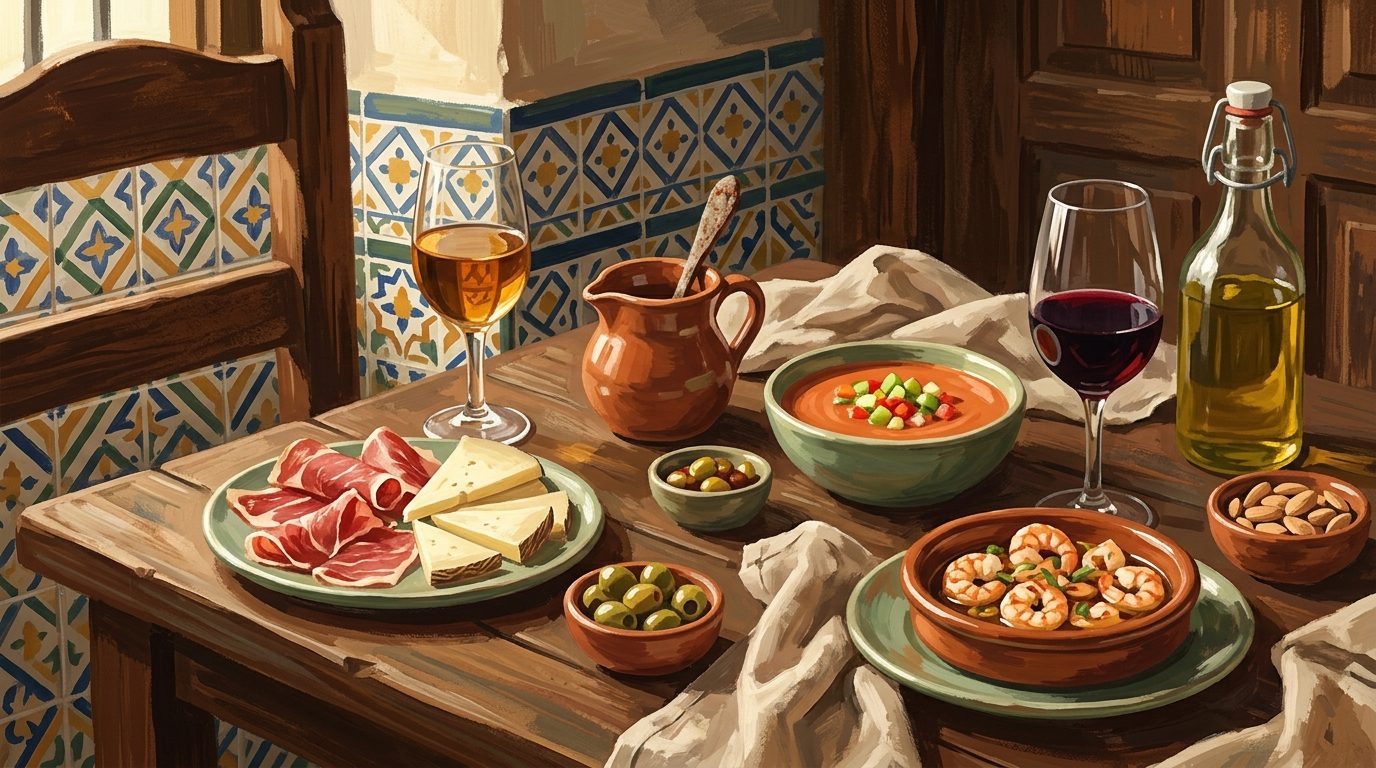
In Andalucía, the arrival of a particular ingredient is never a quiet affair; it is a cause for communal celebration. These festivals are not curated for tourists, but are the living heartbeat of villages celebrating their seasonal harvests.
To understand the soul of southern Spain, you must look at its plate. While the region is famous for its monuments, the locals find their true identity in the calendario gastronómico (gastronomic calendar). Throughout the year, towns and villages erupt into celebration to honour a single product, be it the first pressing of olive oil, the arrival of the bluefin tuna, or the ripening of mountain cherries (consult the official Andalucía events calendar for specific schedules). These festivals, or ferias, are a masterclass in regional pride, featuring massive communal kitchens, folk music, and an atmosphere of unpretentious joy.
For the food-loving traveller, these events provide an opportunity to eat high-quality produce at local prices, often prepared using recipes that haven’t changed for centuries. You won’t find deconstructed foams or avant-garde techniques here. Instead, you will find abuelas (grandmothers) stirring enormous copper pots of stew and seasoned cortadores (carvers) slicing through mountains of cured ham with surgical precision.
The Smoke of Summer: Espeto Festivals in Málaga
August on the Costa del Sol is defined by the scent of olive wood smoke and grilled fat. The espeto de sardinas (six or seven fresh sardines skewered on a bamboo stick and grilled over an open fire) is the culinary icon of Málaga. While you can find them at any chiringuito (beach bar), the Fiesta del Espeto in Torremolinos is the peak of the season. Here, the region’s finest espeteros (skewer masters) compete for the title of best carver and griller.
The technique is deceptively simple but requires years to perfect. The sardines must be skewered through the back, not the belly, so they don’t fall into the coals. They are always cooked on the leeward side of the fire to ensure the smoke flavours the fish without scorching it. During the festival, thousands of espetos are distributed, often accompanied by cold cañas (small draught beers) and the sound of verdiales, a rhythmic, ancient form of flamenco unique to the Málaga mountains.
Harvesting the Vine: Las Fiestas de la Vendimia
When September arrives, the focus shifts to the vineyards. In the Sherry Triangle, formed by Jerez de la Frontera, El Puerto de Santa María, and Sanlúcar de Barrameda, the Fiesta de la Vendimia marks the start of the grape harvest. This is one of the oldest wine festivals in Spain, centred around the Pisa de la Uva (the treading of the grapes) outside the Jerez Cathedral (check the Jerez tourism website for exact dates).
While the ceremonial treading is a spectacle, the real draws are the catas (tastings) and the gastronomic pairings held in the various tabancos (traditional sherry bars). You can sample everything from bone-dry Fino and salty Manzanilla to the deep, raisiny Pedro Ximénez. Further inland, the Montilla-Moriles region in Córdoba holds its own harvest festival, celebrating its unique unfortified wines made from the same grapes. These events are often accompanied by equestrian displays, showcasing the deep link between the wine industry and the Andalucían horse culture.
The Kingdom of the Pig: Jamón Fairs
In the cooler months of October and November, the focus turns to the dehesa, the sprawling oak forests of Huelva and Málaga. The Feria del Jamón y del Cerdo Ibérico in Aracena (Huelva) is the definitive event for lovers of Jamón Ibérico de Bellota. This is where the finest producers from Jabugo and the surrounding villages showcase their wares.
The air in the festival marquee is heavy with the aroma of cured fat. Visitors can purchase raciones (plates) of ham carved on the spot by champion slicers. Look for the 'Black Label' (Pata Negra), which signifies 100% Iberian pigs that have spent their final months eating nothing but acorns (bellotas). In the province of Málaga, the town of Campillos hosts the Feria del Jamón in November, attracting over 15,000 visitors who come to stock up on morcilla (blood sausage), chorizo, and caña de lomo (cured loin).
Liquid Gold: Olive Oil Festivals
As winter sets in, the harvest of the olive groves begins. Jaén is the undisputed world capital of olive oil, and the Fiesta de la Aceituna in Martos (December) is a spectacular way to witness the start of the pressing season. The highlight is the hoyo, a traditional breakfast consisting of a large piece of bread rubbed with garlic, topped with salt, and drenched in the primer aceite (the very first oil of the season).
In Baena, Córdoba, the Jornadas del Olivar y el Aceite take place in November. This festival is more technical but no less delicious, featuring workshops on how to distinguish the peppery kick of a Picual oil from the buttery smoothness of an Arbequina. These festivals are the best place to buy 'En Rama' oil, unfiltered, bright green, and packed with the intense flavour of the fresh fruit.
The Red Gold of Alfarnate: The Cherry Festival
High in the Axarquía mountains of Málaga, the village of Alfarnate sits in a microclimate that produces some of the best cherries in Europe. In late June (typically the third weekend), the town celebrates the Día de la Cereza. Over a tonne of cherries is distributed to visitors, and the streets are lined with stalls selling cherry-based products, from jams to potent spirits.
The festival is a fantastic excuse to explore the 'Pyrenees of the South'. Locals often prepare ajoblanco (a cold almond and garlic soup) to serve alongside the cherries, providing a refreshing counterpoint to the summer heat. It is a small-scale, intimate affair that feels worlds away from the coastal resorts.
Seafood Festivals: A Monthly Guide
Andalucía’s coastline is vast, and the seafood festivals follow the migrations of the fish and the cycles of the moon.
- January: La Erizada (Cádiz). Held just before Carnival (returning in January 2027), this festival celebrates the sea urchin. Thousands are cracked open and eaten raw with a squeeze of lemon on the streets of the La Viña neighbourhood.
- May: Semana Gastronómica del Atún de Almadraba (Barbate). This honours the ancient almadraba technique of catching Atlantic bluefin tuna. It is the best time to eat atún de ijada (salt-cured tuna) or morrillo (neck), the most prized cut.
- June: Fiesta del Pescaito (Torremolinos). A massive celebration of fried fish, where boquerones (anchovies) and rosada (kingclip) are served by the bucketload.
- August: Exaltación del Río Guadalquivir (Sanlúcar de Barrameda). While famous for the horse races on the beach, this period is also the peak celebration of the Langostino de Sanlúcar, a king prawn known for its striped tail and exceptionally sweet meat.
Ordering Like a Local
Navigating an Andalucían food festival requires a bit of strategy. Most festivals operate on a ticket system (tickets or bonos). Instead of paying the vendor directly, you buy a sheet of tickets from a central booth, which you then exchange for food and drink. This keeps the queues moving and prevents the food handlers from touching cash.
Don't be afraid of the barra (the bar). At these festivals, the bar is the social hub. If there are no tables, do as the locals do: find a waist-high wall or a flat barrel, stand up, and enjoy your food there. When ordering, remember that a ración is a full plate intended for sharing, while a media ración is a half-portion. If you are solo, ask if they serve tapas, though at festivals, larger sharing plates are the norm. Always keep a few napkins (servilletas) handy; Andalucían festival food is many things, but it is rarely tidy.
Where to Find the Best
Cádiz & The Coast
Sanlúcar de Barrameda: Head to the Bajo de Guía district for the freshest prawns and tortillitas de camarones (shrimp fritters). The local Manzanilla sherry is the only thing you should be drinking here.
Barbate: For anything related to tuna. Visit the local preserves factories like Herpac or El Ronqueo during the festival to see how the fish is processed.
The Inland Mountains
Aracena: The epicentre of Huelva’s ham culture. Beyond the festival, visit the Museo del Jamón to understand the life cycle of the Iberian pig.
Alfarnate: A steep drive into the Málaga mountains. The cherry festival here is authentic, and the local olive oil, often sold in unlabelled jugs, is world-class.
The Olive Heartlands
Martos: Located south of Jaén city, this town lives and breathes olives. The festival here is gritty and real, focused on the hard work of the harvest rather than tourist aesthetics.
Baena: Famous for its Denominación de Origen (DO) olive oil. The town’s Museo del Olivar is a great place to escape the crowds during the festival and learn about Roman oil production.
Last reviewed: 21 June 2026 · Editorial policy
Related guides
Semana Santa Guide: Decoding Andalucía's Most Intense Week
Holy Week in Andalucía is a profound sensory experience of heavy incense, brass bands, and thousands of shuffling feet. This guide decodes the intricate schedules, unwritten rules, and distinct regional styles of Spain’s most intense cultural phenomenon.
9 min read
Traditional Andalucían Pestiños Recipe
Crispy, honey-glazed, and scented with aniseed, pestiños are the essential taste of Easter in Andalucía. These golden fritters reflect centuries of tradition, combining simple pantry staples into a sophisticated, sticky treat.
4 min read
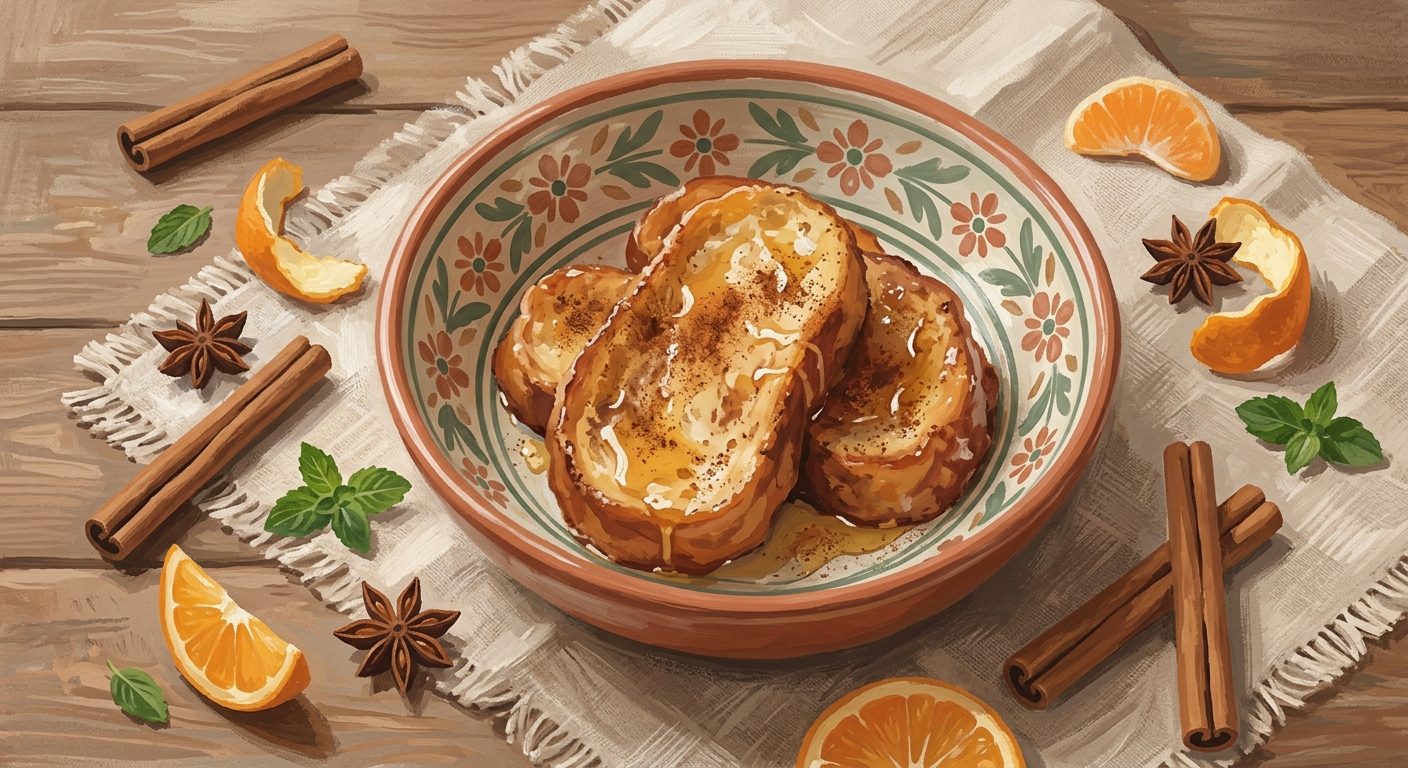
Torrijas: The Essential Holy Week Treat of Andalucía
A humble sweet treat transformed into a decadent delight, torrijas are the cornerstone of Easter celebrations across the region. These honey-soaked bread slices offer a comforting taste of Andalucían tradition in every bite.
3 min read
Traditional Mantecados: The Iconic Andalucían Christmas Biscuit
These crumbly, toasted-flour biscuits are a festive staple in Andalucía. Learn how to achieve the perfect sandy texture using traditional methods from Estepa and Antequera.
4 min read
Hands-on Gastronomy: The Best Cooking Classes in Andalucía
Discover the art of Andalucían cuisine through hands-on workshops, from Triana's market-based schools to specialist Sherry cooking classes in Vejer.
6 min read
Feria de Abril Complete Guide: Surviving and Thriving in Sevilla's Greatest Week
Sevilla’s Feria de Abril is notoriously impenetrable for outsiders, a closed-doors celebration of Andalucían high society and endless rebujito. These insights strip away the confusion, detailing exactly how to navigate the public casetas, master the unforgiving dress code, and survive a week on the sand of Los Remedios.
10 min read
More guides
Beyond the Caña: The Rise of Craft Beer and Botanical Gin in Andalucía
Discover the artisanal side of Southern Spain, from the microbreweries of Málaga's Soho district to the sophisticated gin-tonic culture of Sevilla and Granada.
6 min read
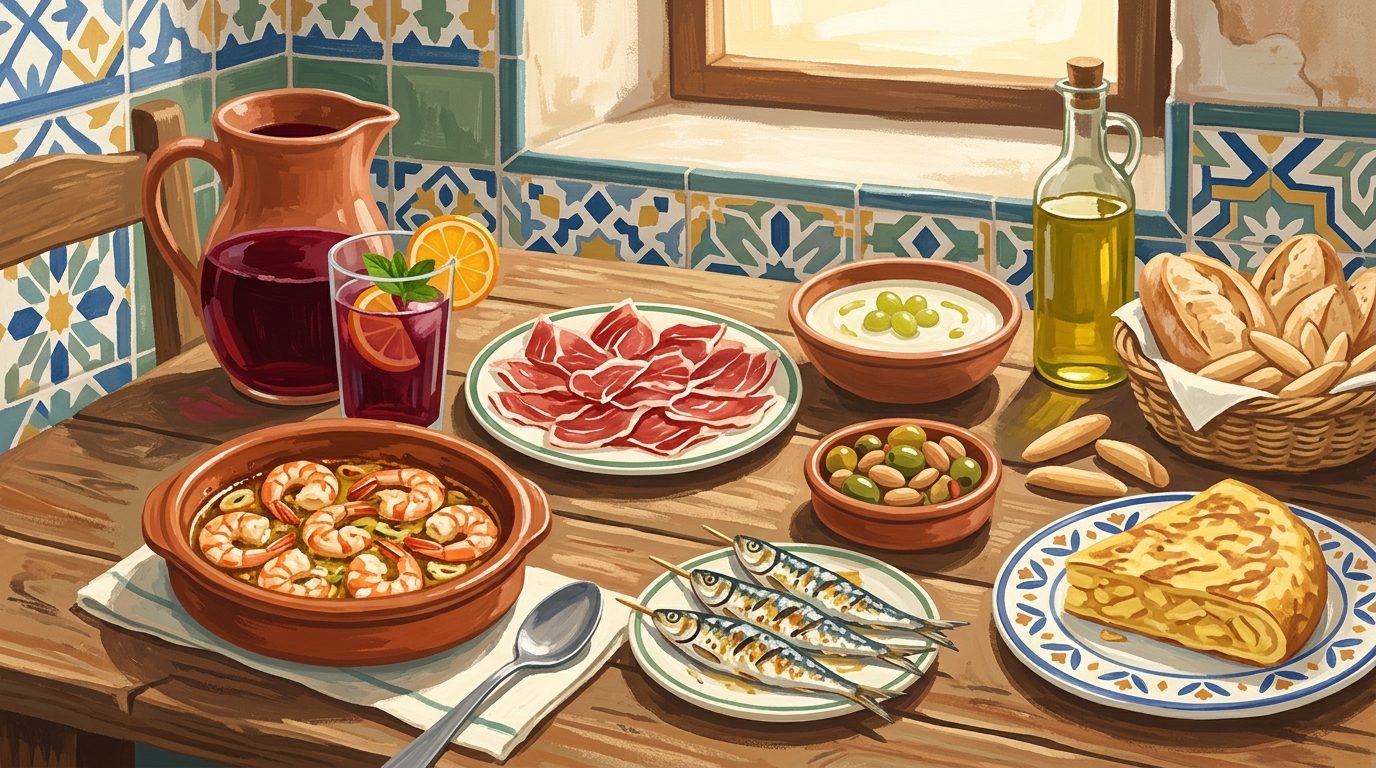
Where to Eat in Nerja: A Food Lover’s Guide to the Axarquía Coast
From wood-fired paella on the sands of Burriana to the crowded tapas bars of the old quarter, Nerja offers an authentic taste of the Málaga coastline.
6 min read
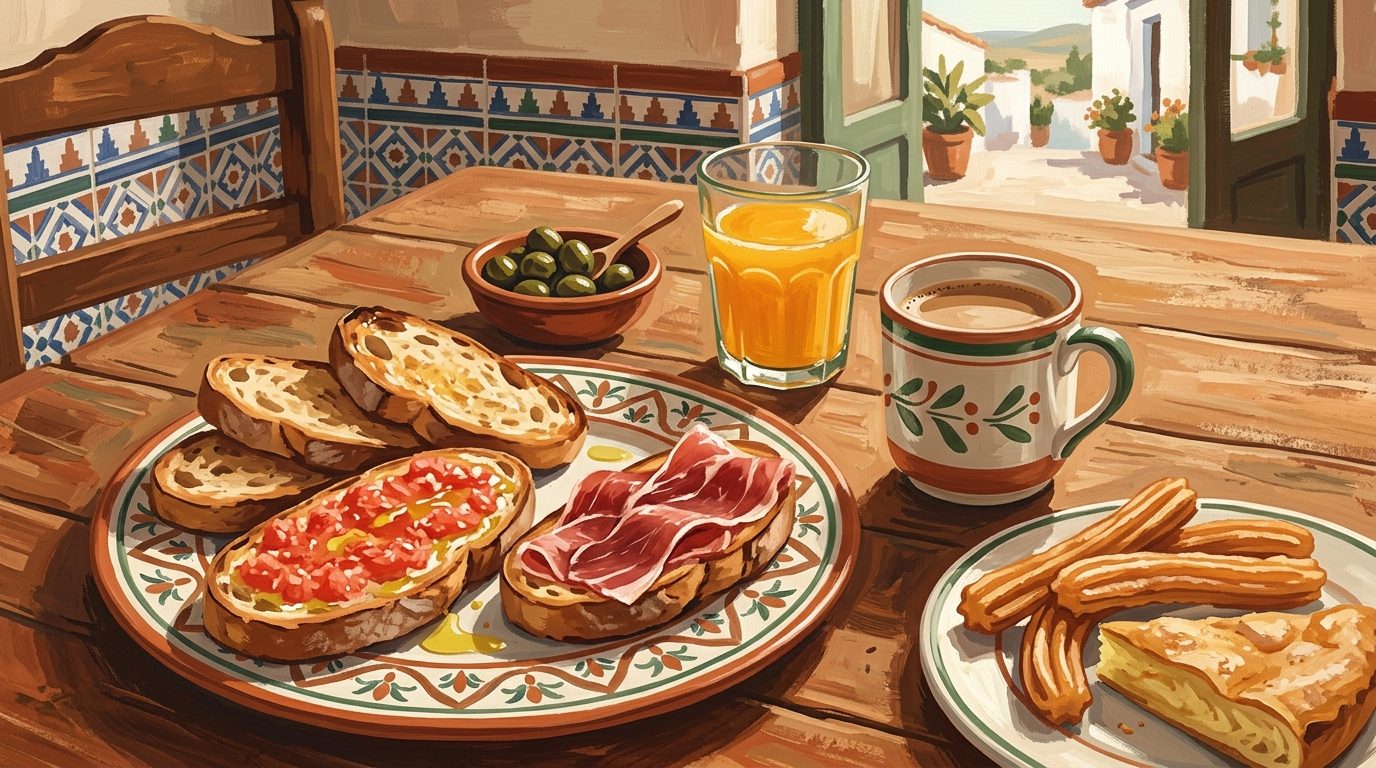
The Art of the Andalucían Breakfast and Merienda
To understand the soul of Andalucía, one must sit at a crowded bar at 10:00 am and wait for the scent of toasted bread and olive oil. It is a daily ritual that prioritises the simple pleasure of a slow morning over the rush of the working day.
6 min read
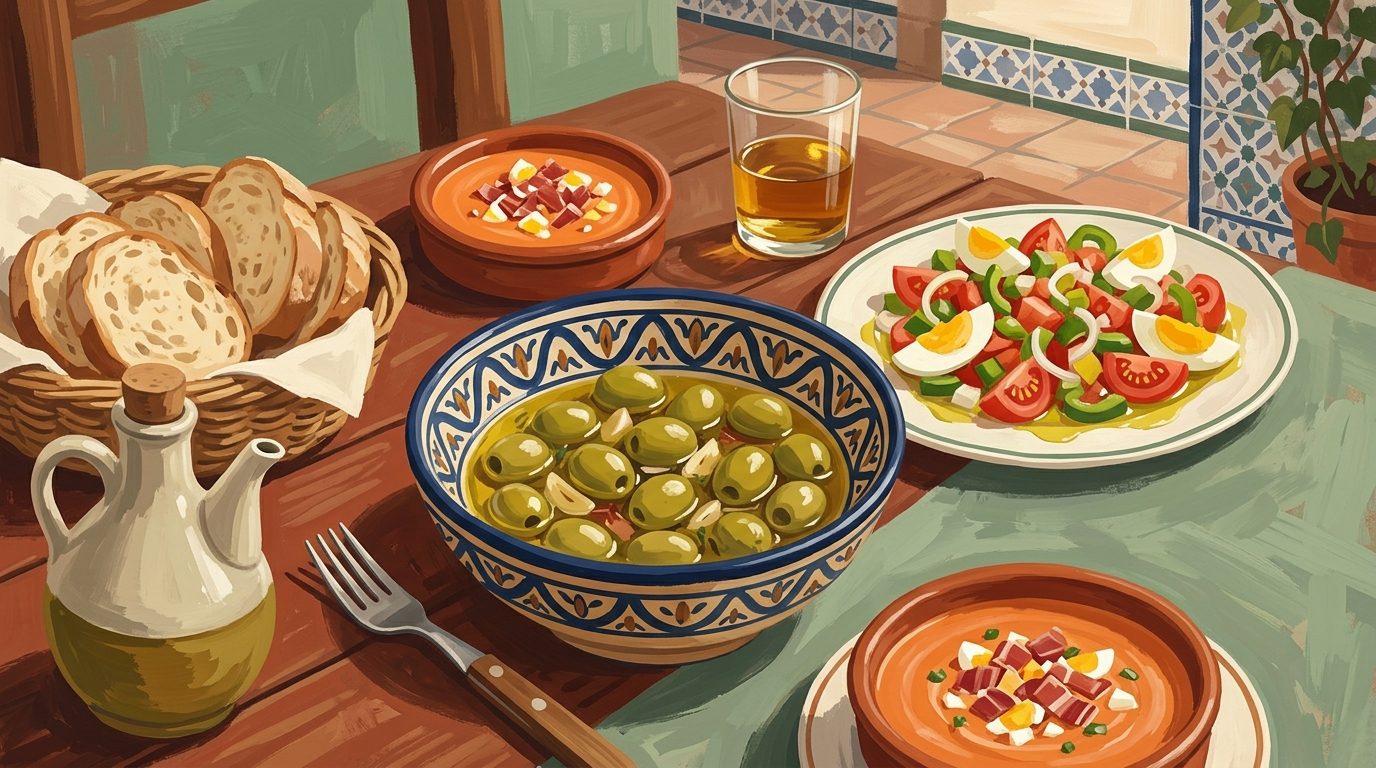
The Best Places to Eat in Jaén: A Guide to the World Capital of Olive Oil
Jaén remains one of the few places in Spain where the tradition of the free tapa is still treated with reverence. It is a city defined by its golden olive oil and a stubborn commitment to honest, seasonal cooking.
6 min read
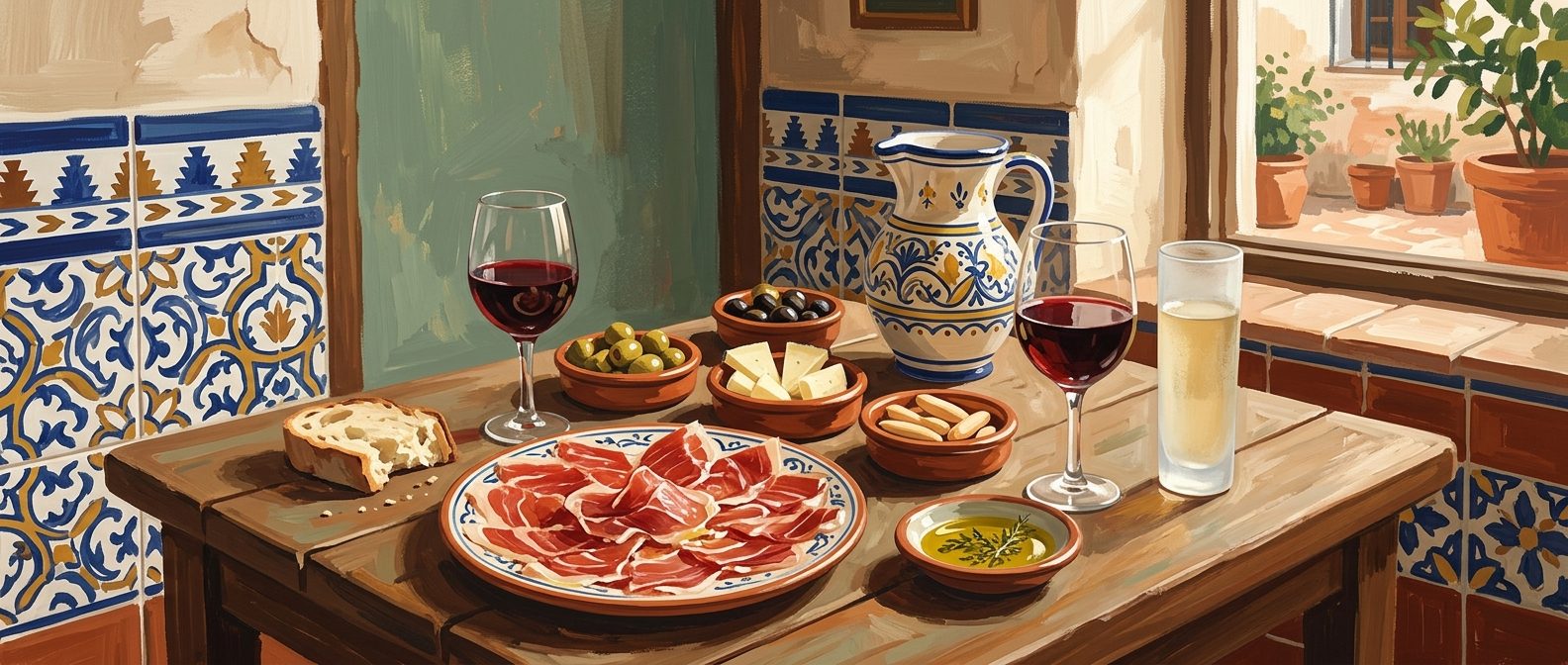
Jamón Ibérico: The Ultimate Guide to Andalucía’s Cured Gold
Discover the art of Jamón Ibérico, from the acorn-fed pastures of Jabugo to the high-altitude curing rooms of Trevélez. Learn how to decode the colour-coded labels and where to find the finest hand-carved plates in Andalucía.
6 min read
A Guide to Eating in Almería: Tapas, Seafood, and Desert Traditions
Discover the unique food culture of Almería, from the tradition of free-choice tapas to the legendary 'cherigan' toast and the freshest red prawns in the Mediterranean.
7 min read
A Guide to Seasonal Eating in Andalucía
Discover the culinary calendar of Andalucía, from the sun-drenched tropical fruits of Granada to the smoky chestnut festivals of the Sierra mountains.
6 min read
The Liquid Gold of Andalucía: A Deep Dive into the World’s Best Olive Oil
Discover the secrets of Andalucía's liquid gold, from the vast groves of Jaén to the art of the perfect breakfast tostada. This guide covers varieties, harvest secrets, and the best mills to visit.
6 min read
Where to Eat in Huelva: From Atlantic Prawns to the Heights of Jabugo
Discover the culinary secrets of Spain's southwestern corner, where the Atlantic's finest white prawns meet the world's best acorn-fed ham.
6 min read
Newsletter
More stories from Andalucía
Weekly notes, seasonal picks, and the next guides worth bookmarking.