
Seasonal guide · Jaén
Jaén in November: The Rhythm of the Olive Harvest
Experience the peak of the olive harvest in Jaén this November, from tasting electric-green fresh oils to exploring the quiet Renaissance streets of Úbeda and Baeza.
By Dan · Updated 7 June 2026 · 7 min read
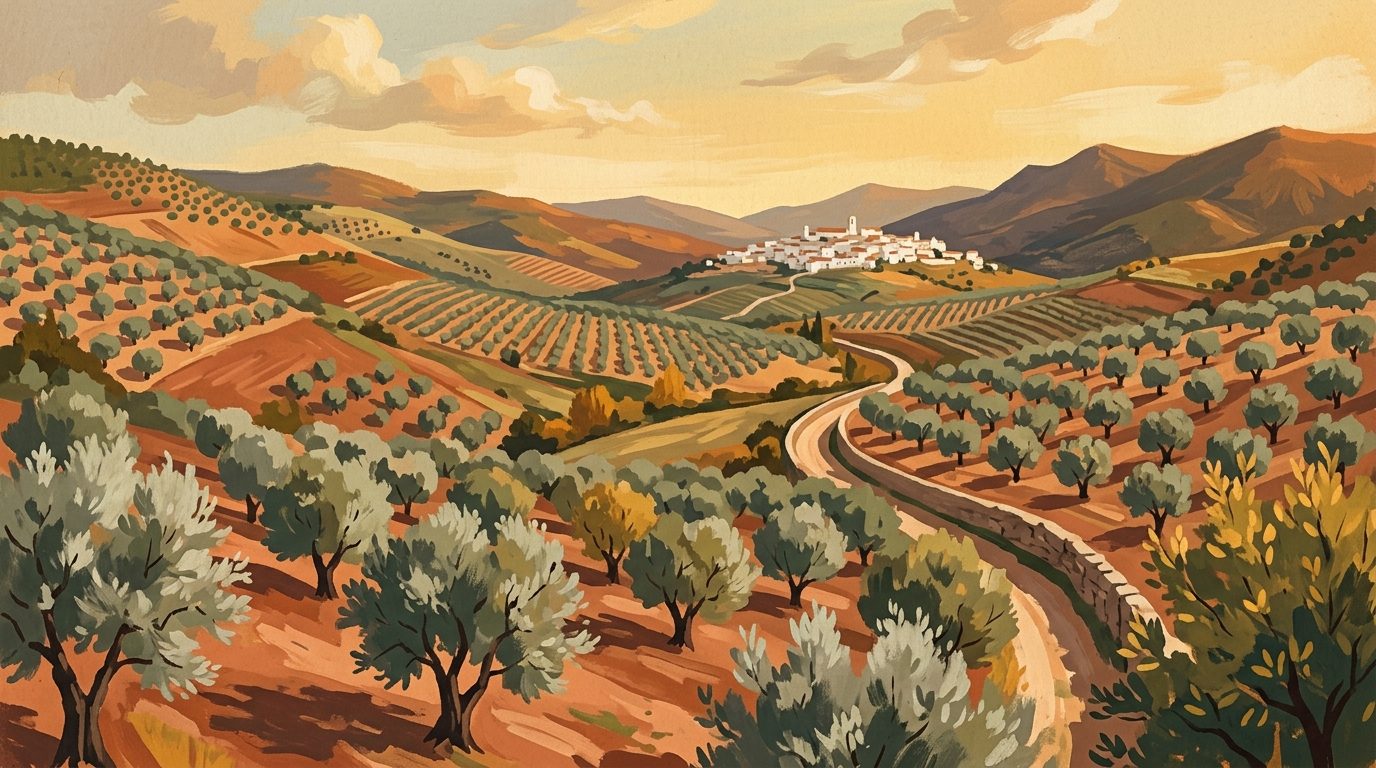
As the air cools and the first frosts touch the Sierra de Cazorla, the province of Jaén awakens for its most industrious month. This is the peak of the olive harvest, a time when the scent of crushed fruit hangs heavy over the Renaissance plains.
November in Jaén is not a month for the casual sun-seeker. Instead, it is the most authentic time to visit a province that produces a significant portion of the world’s olive oil. While the rest of Europe retreats indoors, Jaén moves outside. The landscape, an endless sea of sixty-six million olive trees, becomes a theatre of manual labour and mechanical precision. You will hear the rhythmic thrum of the vibradora (mechanical shaker) and the vareo (the traditional striking of branches with long poles) echoing through the valleys. The atmosphere is industrious, earthy, and deeply connected to the soil.
This is a transition period where the searing heat of the Andalucían summer is a distant memory and the sharp, biting cold of January has not yet fully taken hold. The light in November is particularly soft, casting long shadows across the golden sandstone of the Renaissance cities of Úbeda and Baeza. For those who enjoy culinary exploration, it is the most rewarding month of the year. The arrival of the Aceite de Oliva Virgen Extra de Cosecha Temprana (early-harvest extra virgin olive oil) brings an electric green oil to the table that tastes of tomato plants, artichokes, and fresh grass.
Weather
The weather in Jaén during November is characterised by crisp mornings and mild, sunny afternoons, though it is one of the province's wetter months. On average, you can expect around seven to nine days of rain across the month. These are rarely relentless downpours, but rather steady intervals that freshen the dusty groves.
Temperatures vary significantly depending on your altitude. In the provincial capital, Jaén city, and the central plains of the Guadalquivir valley (where Úbeda and Baeza are located), daytime highs typically reach 15°C to 17°C. However, as soon as the sun dips behind the mountains, temperatures drop sharply to around 6°C or 7°C. In the high-altitude regions of the Sierra de Cazorla, Segura y Las Villas, it is notably colder. Daytime highs in the mountains may only reach 11°C, and night-time frosts are common, with temperatures frequently hovering near freezing.
Visitors should pack for variety. A heavy coat is necessary for evenings and early morning starts, but you will often find yourself peeling back to a light jumper or shirt by midday. Waterproof footwear is highly recommended if you plan to walk through the olive groves or hike in the national parks, as the red clay soil becomes remarkably sticky when damp.
Events & Festivals
The cultural calendar in November is dominated by the olive harvest and religious traditions that signal the coming of winter.
Fiesta del Primer Aceite de Jaén
Usually held in the first or second week of November (check the official Diputación de Jaén tourism portal for this year's specific dates), this festival celebrates the season's very first pressing. The location alternates each year between Úbeda and Baeza, though the provincial capital also hosts events. It is a focused celebration where dozens of local producers showcase their early-harvest oils. Visitors can participate in professional tastings, attend cooking demonstrations by local chefs, and purchase oils that are often difficult to find outside the province. The oils at this stage are a vivid, almost neon green, reflecting their high chlorophyll content.
Día de Santa Catalina (25 November)
The 25th of November is a significant date for the residents of Jaén city. This local holiday commemorates the conquest of the city by King Ferdinand III. The tradition involves a mass pilgrimage up to the Castillo de Santa Catalina, the fortress that overlooks the city. Locals typically gather for a communal picnic on the hillside, where it is customary to eat roasted sardines and pan con aceite (bread with oil). It is a social, family-oriented day that provides a great insight into the local character.
Festival de Otoño de Jaén
Running throughout November, the Autumn Festival in the capital city features a programme of classical music, theatre, and dance. Performances take place in various venues, including the Teatro Darymelia and the Cathedral, providing a sophisticated indoor alternative if the evening air becomes too chilly. (Check the Ayuntamiento de Jaén website for the latest schedules).
What to Do
Witness the Cosecha (Harvest)
You cannot visit Jaén in November without engaging with the harvest. Many almazaras (olive mills) open their doors to the public for tours. Visiting a mill like Oro Bailén or Picualia allows you to see the entire process: from the tractors arriving with freshly picked fruit to the centrifuge extracting the liquid gold. Watching the oil emerge, thick and opaque, is a sensory highlight. Some mills offer "harvester for a day" experiences where you can join the workers in the fields. (Check on the operator's website and book ahead, as availability varies during the busy harvest season).
Explore Úbeda and Baeza
These twin UNESCO World Heritage cities are the architectural highlights of the province. In November, the crowds of the spring and autumn peaks have thinned out, allowing for a more contemplative visit. The Palacio de las Cadenas in Úbeda and the Santa María Cathedral in Baeza are spectacular examples of Vandelvira’s Renaissance genius. The cool weather is perfect for walking between the palaces, as the exertion of the hills is no longer stifling. (Consult the Úbeda and Baeza tourism portal for local visiting hours).
Hiking in the Sierra de Cazorla
While the "berrea" (deer rutting season) typically ends in October, the wildlife remains active in November. This is a prime time for spotting Griffon vultures and Gypaetus barbatus (bearded vultures) soaring over the limestone crags. The deciduous trees along the Borosa river trail turn shades of copper and gold, providing a stark contrast to the evergreen pines. The trails are quiet, and the waterfalls are usually flowing well after the autumn rains.
Baños de la Encina
Visit the Burgalimar Castle in this small village. It is one of the oldest and best-preserved fortresses in Europe, dating back to the 10th-century Umayyad Caliphate. In the clear, sharp light of a November afternoon, the views from the ramparts over the Rumblar reservoir and the surrounding olive groves are exceptional.
Who Should Visit?
- Food Lovers: This is peak season for gastronomes. The chance to taste fresh, unfiltered oil is a world-class culinary experience.
- Photography Enthusiasts: The combination of heavy morning mists in the valleys and the low-angled sun provides excellent conditions for landscape photography.
- Hikers: If you prefer cool-weather trekking without the summer heat or the snow of deep winter, November is ideal for the Sierras.
- Budget Travellers: Accommodation prices in the cities often drop after the October bank holidays, and you can find excellent value in rural guest houses (casas rurales).
- Culture Seekers: Those who want to see the real, working Andalucía away from the coastal resorts will find Jaén’s industrial and agricultural pride fascinating.
Practical Notes
Crowds: November is a quiet month for general tourism. You will likely have museum rooms to yourself and will not need to book restaurants far in advance, except during the Fiesta del Primer Aceite.
Prices: Expect to pay lower rates for hotels than in the peak months of May or September. However, the price of the oil itself is at its highest for the early-harvest bottles, as the yield from green olives is much lower than from ripe ones.
Booking Advice: If you wish to visit a specific olive mill (almazara), do book ahead. Because this is their busiest time of year, they are operating at full capacity and may not be able to accommodate walk-ins. Some mills stop tours during the peak harvest weeks to focus on production, so check their websites in October.
Transport: A car is essential for exploring Jaén province. While trains connect Jaén city to Linares and Córdoba, reaching the olive mills and the Sierra de Cazorla requires your own wheels. Be aware that mountain roads can be slippery with both rain and occasionally fallen olives or oil residue near the mill entrances.
Monthly Verdict
November is the most honest month to visit Jaén. It is a time of hard work and high rewards, where the province’s identity is on full display. The days are short but beautiful, the food is hearty, and the smell of fresh olive oil is an experience you will not find anywhere else in the world. It is the perfect choice for the traveller who values authenticity over a tan.
Last reviewed: 21 June 2026 · Editorial policy
Related guides
A Tale of Two Cities: The Golden Stone of Úbeda and Baeza
Beyond the endless olive groves of Jaén lie Úbeda and Baeza, two cities that define the Spanish Renaissance with their golden sandstone and quiet nobility.
7 min read
Olive Oil and Industrial Modernisation in Jaén
Discover how 19th-century steam power, hydraulic presses and the rise of agrarian cooperatives transformed the olive groves of Jaén into a modern industrial powerhouse.
7 min read
Andalucía in November: A Guide to the Season of Olive Oil and Autumnal Mist
Experience the authentic side of Andalucía in November, from the olive harvests of Jaén to the misty peaks of the Alpujarras, all without the summer crowds.
7 min read
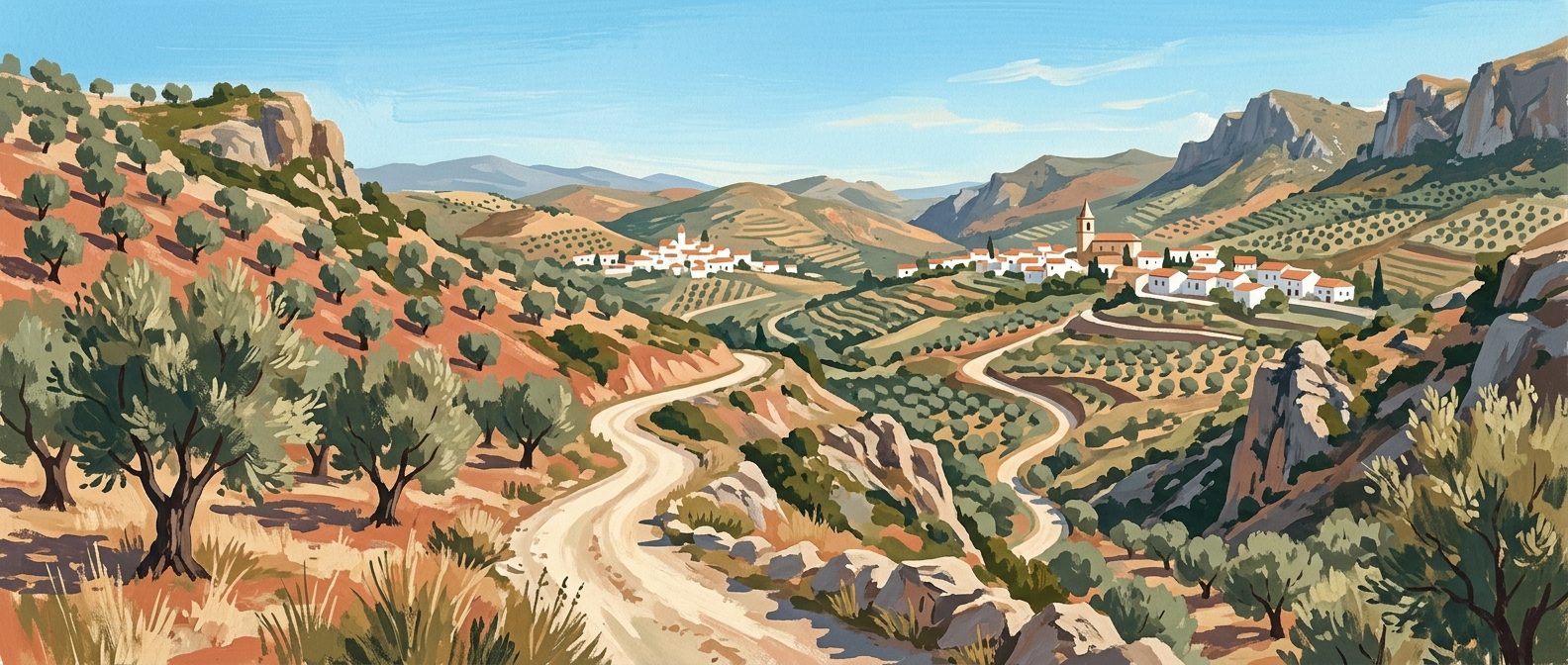
The Ultimate Andalucían Olive Oil Route: Jaén and the Subbética
Driving through Jaén means navigating a landscape defined by sixty-six million olive trees marching in perfect geometric lines to the horizon. This route decodes the complex, fiercely competitive world of Andalucían liquid gold, from traditional family presses to high-altitude mountain harvests.
8 min read
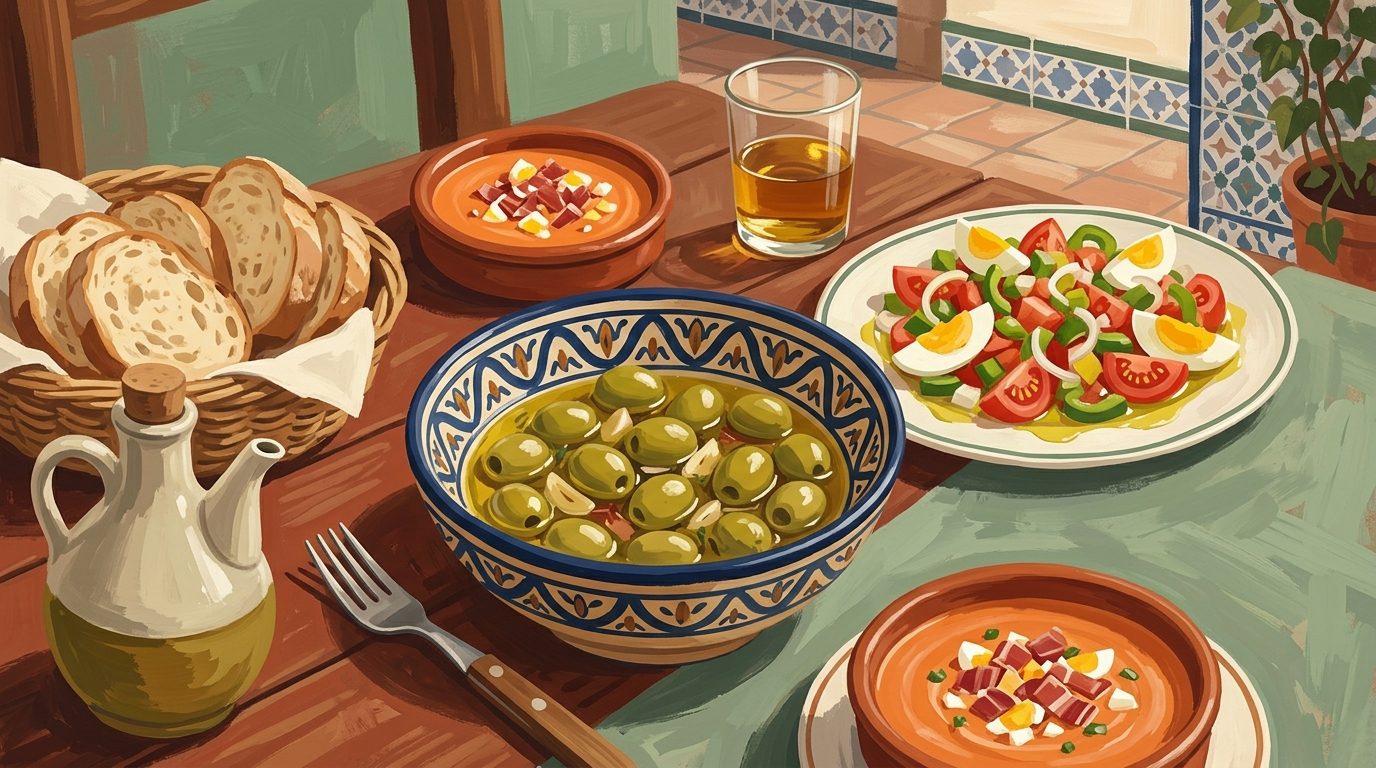
The Best Places to Eat in Jaén: A Guide to the World Capital of Olive Oil
Jaén remains one of the few places in Spain where the tradition of the free tapa is still treated with reverence. It is a city defined by its golden olive oil and a stubborn commitment to honest, seasonal cooking.
6 min read
Semana Santa Guide: Decoding Andalucía's Most Intense Week
Holy Week in Andalucía is a profound sensory experience of heavy incense, brass bands, and thousands of shuffling feet. This guide decodes the intricate schedules, unwritten rules, and distinct regional styles of Spain’s most intense cultural phenomenon.
9 min read
More from Jaén
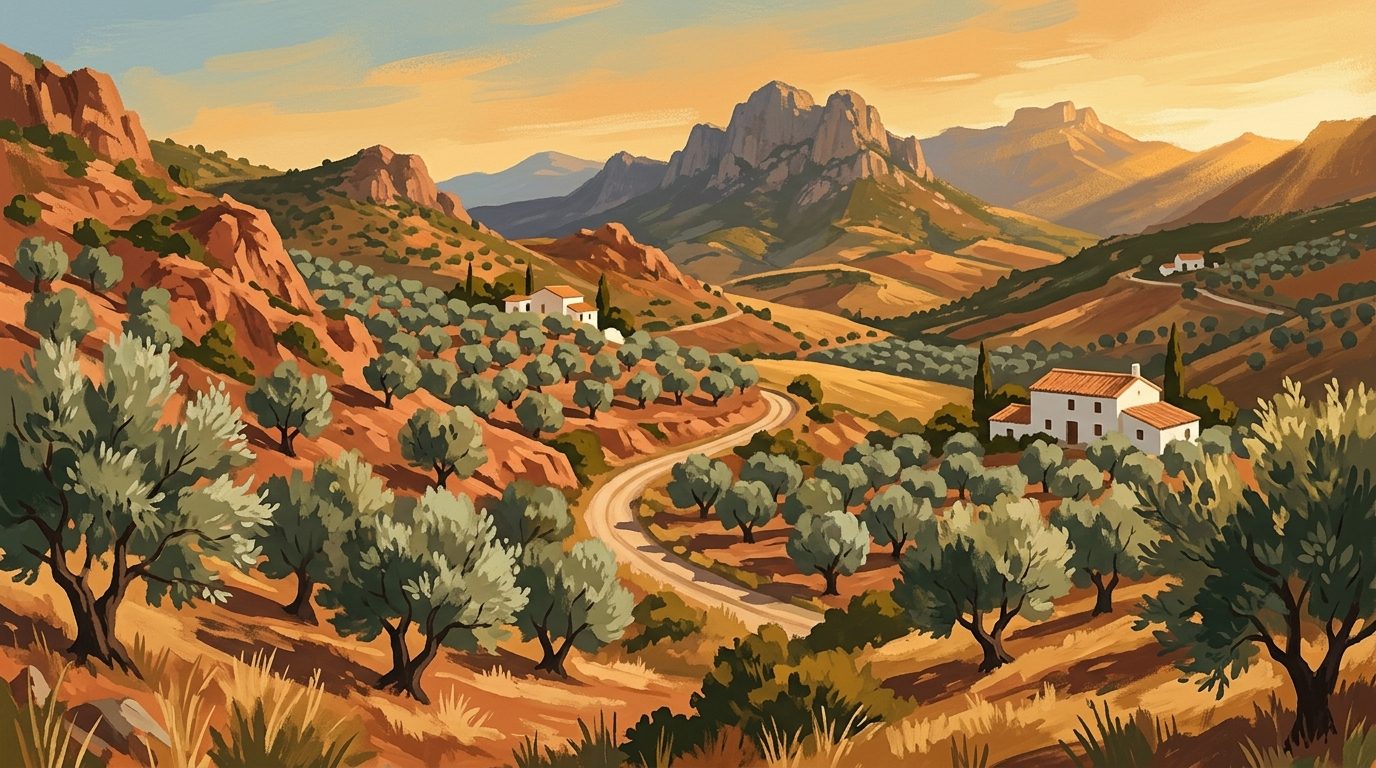
September in Jaén: Golden Light and the Call of the Wild
Experience the cooling temperatures and the dramatic start of the deer rut in Jaén this September. Discover the golden light of Úbeda and Baeza as the province transitions from the heat of summer to the clarity of autumn.
7 min read
Jaén in October: Autumn Wildlife and Renaissance Gold
October in Jaén is a month of natural drama, featuring the spectacular deer rut in Cazorla and the golden light of the Renaissance cities of Úbeda and Baeza.
6 min read
Jaén in May: Renaissance Cities and Untamed Wilderness
Experience Jaén at its peak in May, from the blooming olive groves and the rushing rivers of Cazorla to the sun-drenched Renaissance squares of Úbeda.
6 min read
Jaén in March: Mountain Waters and Renaissance Rites
March in Jaén is a month of renewal, where the high sierras shed their winter snows to feed the headwaters of the Guadalquivir.
6 min read
Jaén in June: Navigating the Golden Heat and High Sierras
June marks the transition from spring freshness to the serious heat of the high Andalucían summer, as the olive groves of Jaén turn silver under a relentless sun.
7 min read
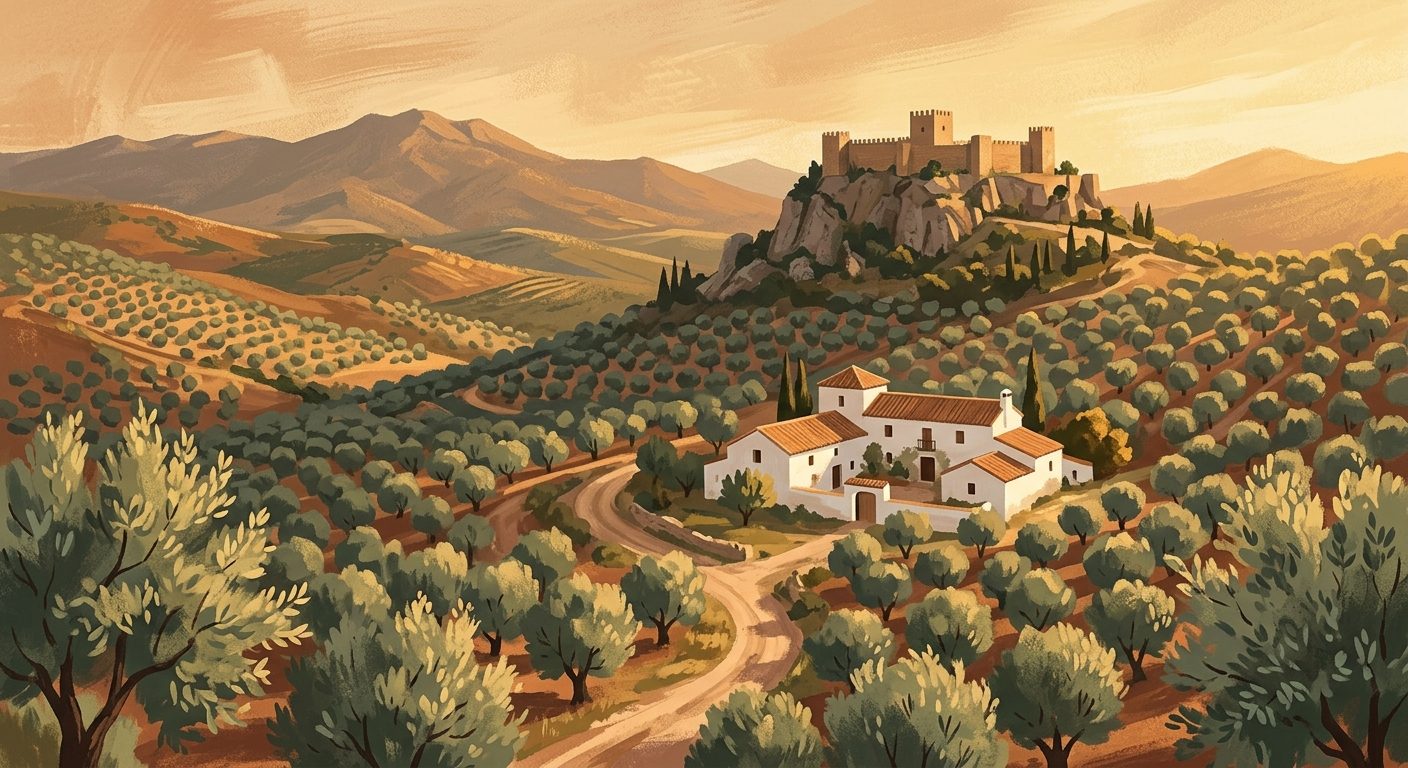
Winter Gold: Visiting Jaén in December
December in Jaén is defined by the heavy scent of crushed olives and the crisp, clear air of the high Sierras. It is a month of industrial energy in the groves and quiet, atmospheric beauty in the Renaissance cities.
6 min read
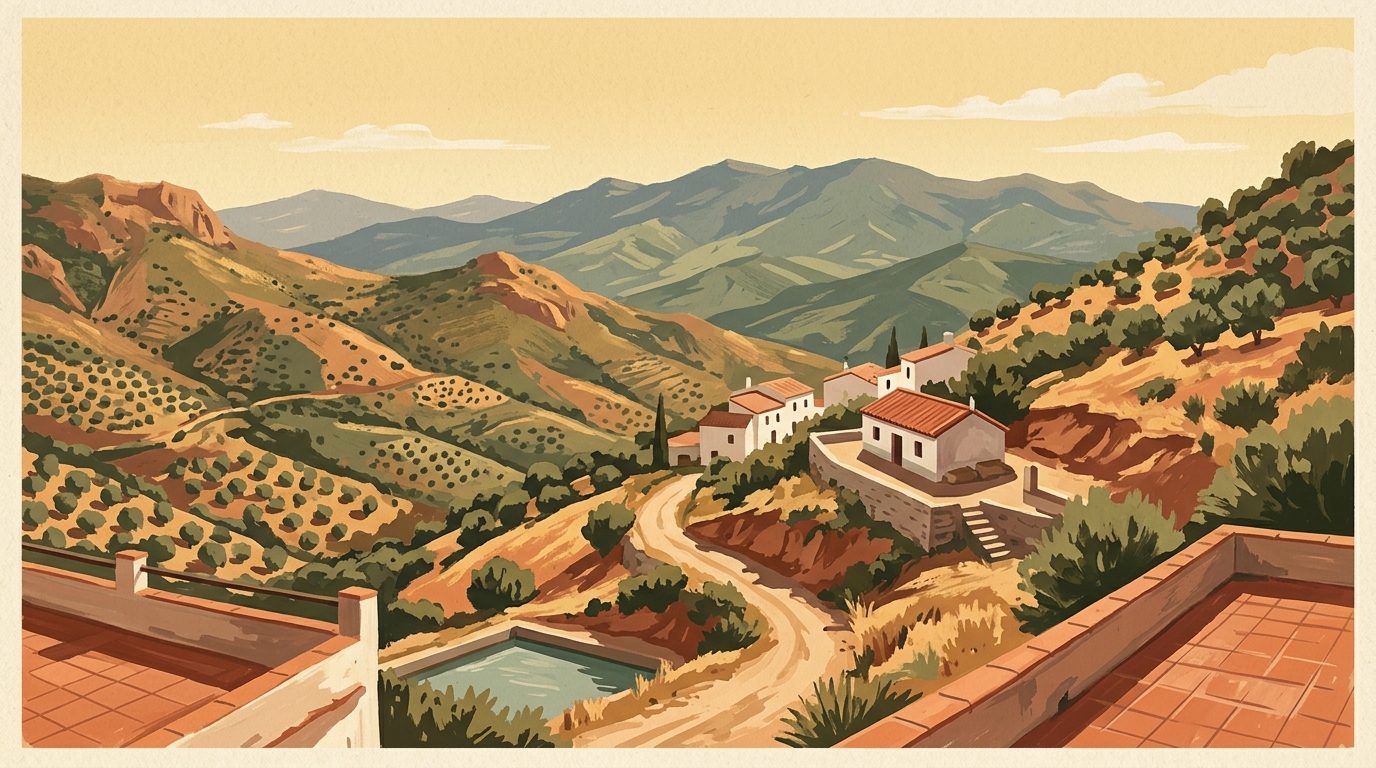
Jaén in July: High Heat and Mountain Refuges
Experience the intense high summer of Jaén, where lowland olive groves bake in 40°C heat while the cool waters of Tranco reservoir and the high peaks of Cazorla provide a necessary refuge.
6 min read
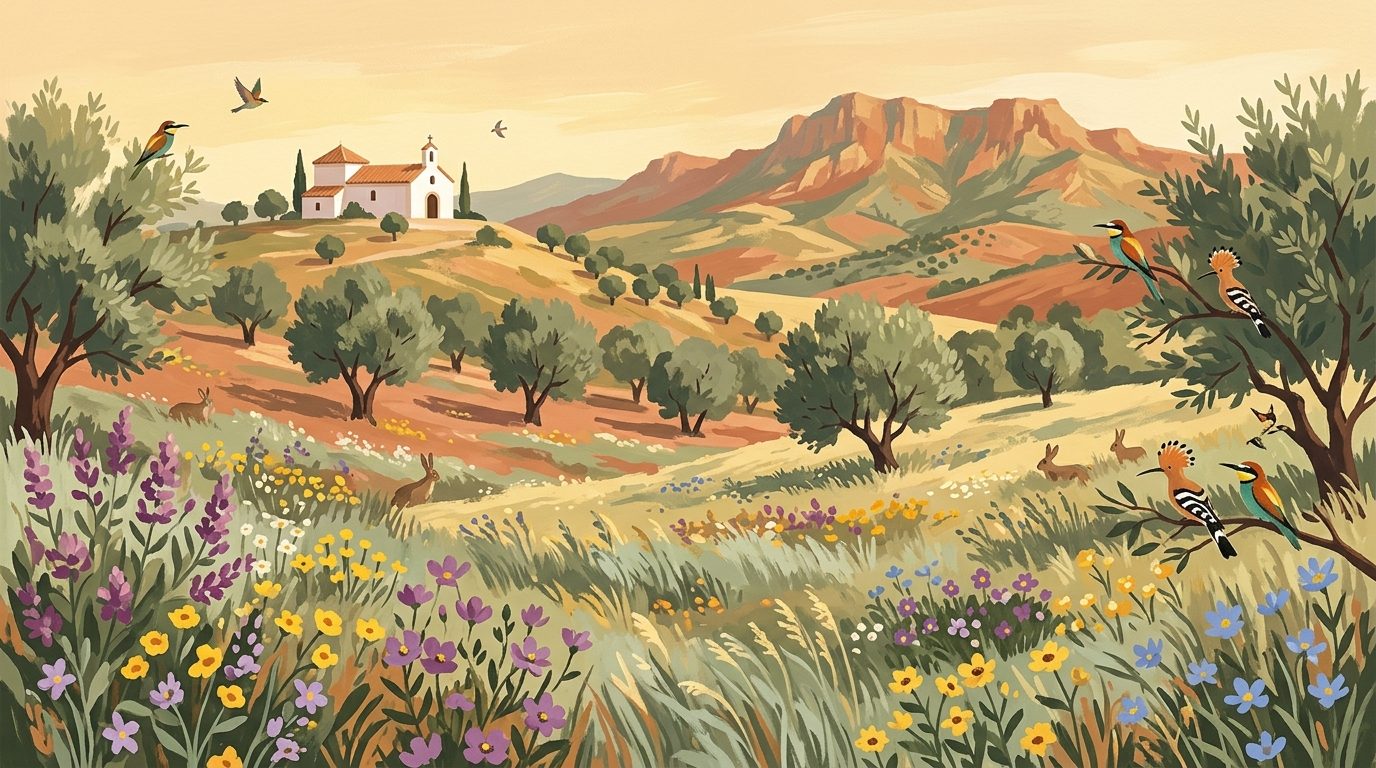
Jaén in April: Wildflowers, Wildlife, and Local Devotion
April in Jaén is a time of rushing mountain rivers, carpets of wildflowers, and authentic religious traditions that remain untouched by mass tourism.
6 min read
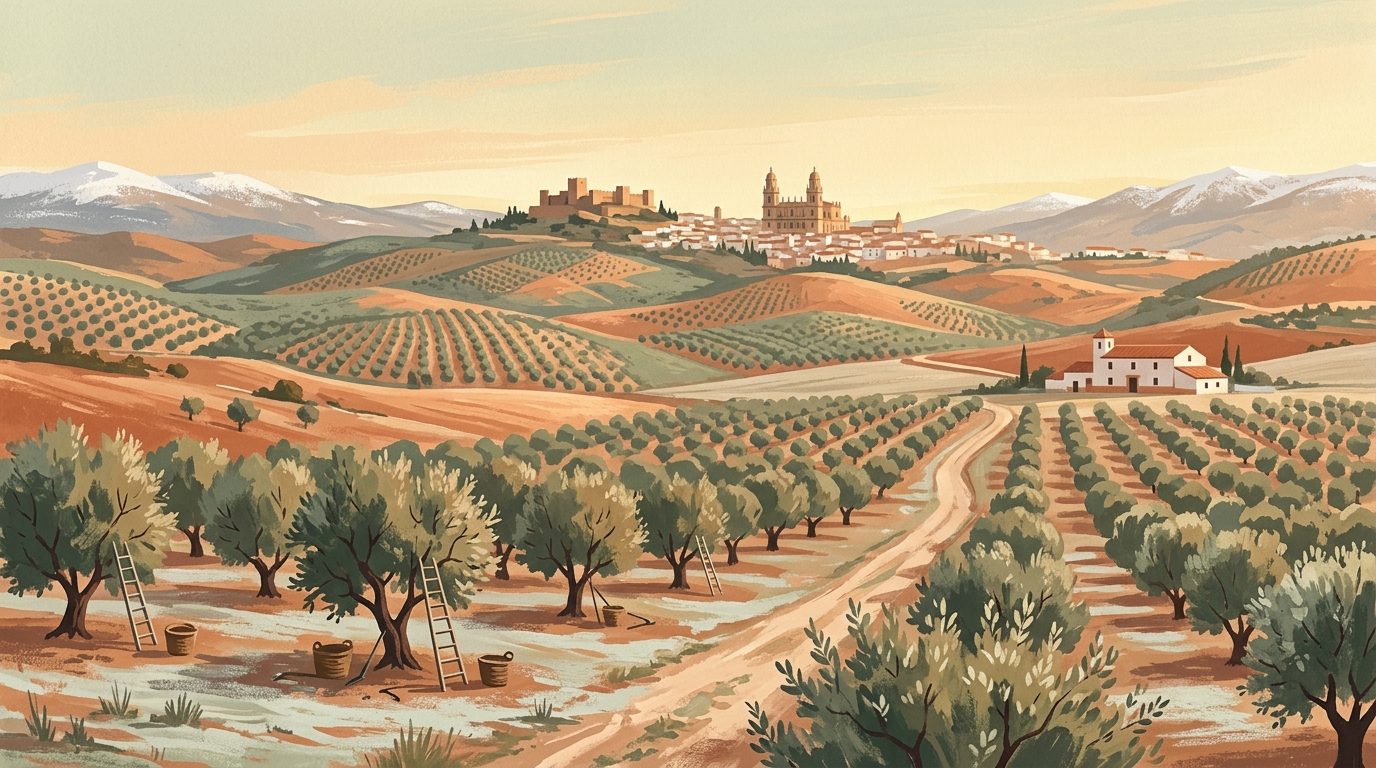
Jaén in January: Olive Harvests and Renaissance Frost
Experience the world's olive capital at its most authentic. January in Jaén offers crisp mountain air, fresh 'aceite nuevo' oil, and the striking bonfires of San Antón.
6 min read
Newsletter
More stories from Andalucía
Weekly notes, seasonal picks, and the next guides worth bookmarking.