
Seasonal guide · Jaén
Jaén in January: Olive Harvests and Renaissance Frost
Experience the world's olive capital at its most authentic. January in Jaén offers crisp mountain air, fresh 'aceite nuevo' oil, and the striking bonfires of San Antón.
By Dan · Updated 7 June 2026 · 6 min read
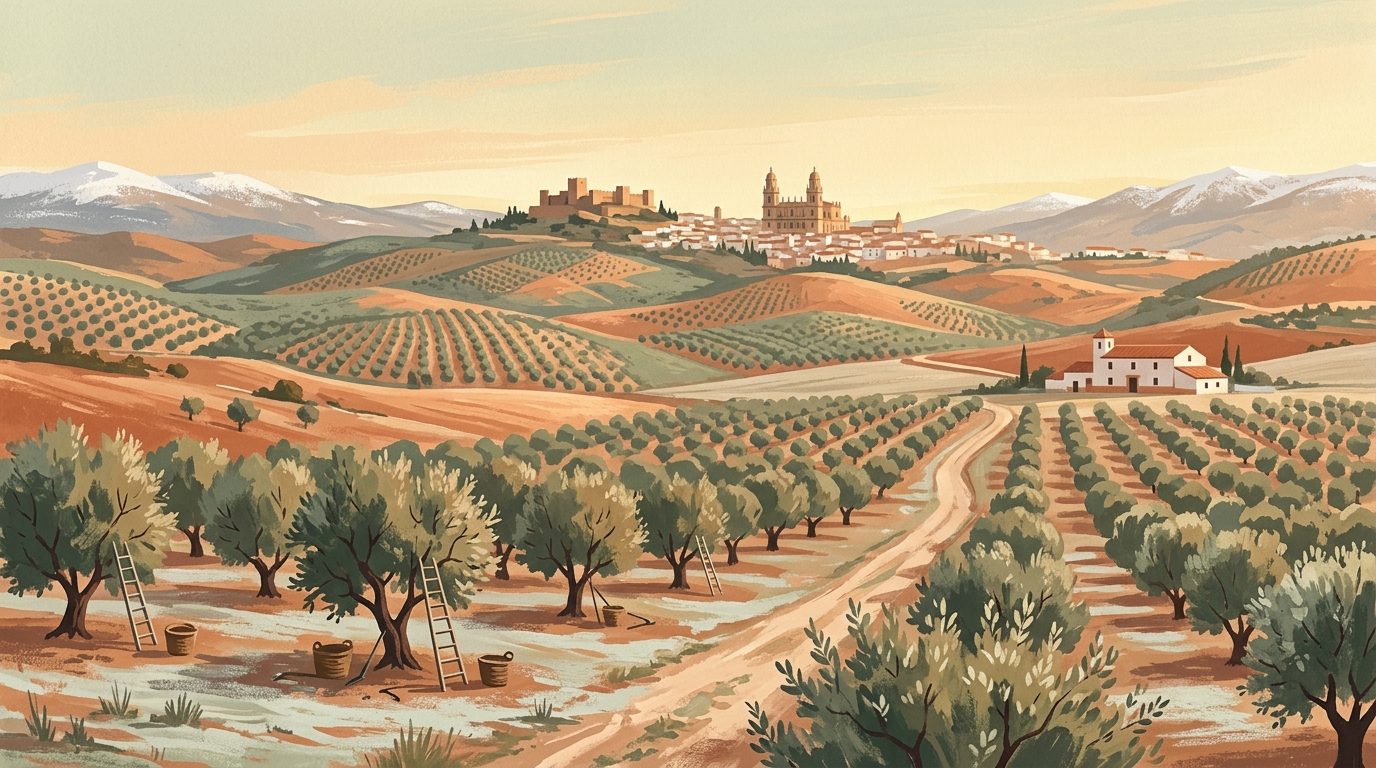
The province of Jaén in January smells of woodsmoke and the peppery sting of freshly pressed olive oil. It is a season of biting mornings and sharp, golden afternoons where the Renaissance architecture stands clear against cold blue skies.
January in Jaén is a month defined by the rhythm of the land. While the coastal provinces of Andalucía might be bracing for Atlantic gales, Jaén remains fixed in a deep, continental winter. This is the heart of the world’s olive production, and January marks the climax of the harvest. Across the undulating landscape, where some 66 million olive trees create a geometric green sea, the work is tireless. For the traveller, this translates into an experience that is profoundly authentic and far removed from the typical tourist trail.
The atmosphere is industrious yet peaceful. In the cities of Úbeda and Baeza, the usual groups of day-trippers are absent, leaving the golden sandstone plazas and narrow stone alleys to the locals. There is a sense of stillness here that you will not find in the spring or autumn. The air is exceptionally clear, providing visibility that stretches for miles across the Guadalquivir valley toward the snow-capped peaks of the Sierra Mágina. It is a month for long lunches by a roaring fire, crisp walks through ancient groves, and witnessing the provincial culture at its most honest and unrefined.
Weather: Sharp, Clear, and Cold
Weather in Jaén during January is predictable in its chill. Unlike the more humid coast, the cold here is dry, which often makes it feel more manageable, provided you are dressed correctly. However, do not underestimate the temperature drop as soon as the sun dips behind the mountains.
In the provincial capital and the central plains, daytime highs typically hover around 12°C to 14°C. When the sun is out, it feels pleasantly warm, and you may find yourself shedding layers during a midday walk. Night-time temperatures frequently plummet to 2°C or 3°C, and morning frosts are common. In the high-altitude regions of the Parque Natural de Cazorla, Segura y Las Villas, conditions are significantly harsher. Highs may only reach 6°C or 8°C, and snow is a regular occurrence on the higher peaks, often closing some of the more remote mountain passes.
Rainfall is moderate, averaging about 50mm for the month. It tends to fall in short, heavy bursts rather than the persistent drizzle found in Northern Europe. When the rain clears, it leaves behind an incredibly blue sky. For clothing, bring a heavy wool coat, thermal base layers if you plan on hiking, and a good pair of walking boots. Gloves and a scarf are essential for evening strolls through the historic quarters.
Events & Festivals
January begins with the Cabalgata de Reyes Magos (Three Kings Parade) on the evening of 5 January. While celebrated across Spain, the parades in Jaén city, Úbeda, and Baeza have a particular charm, with the kings throwing sweets to crowds gathered in medieval squares. It is the most important family event of the winter.
The most distinctive celebration this month is the Lumbres de San Antón (Bonfires of Saint Anthony), held around 16 and 17 January (though the specific date of the international night race may vary slightly by year). This tradition is particularly strong in the city of Jaén. Massive bonfires are lit in various neighbourhoods, around which locals gather to sing melenchones, traditional songs accompanied by dance. It is customary to eat rosetas (popcorn) and grilled sausages over the embers. Linked to this is the Carrera Urbana Internacional de Noche de San Antón, a world-renowned night race where thousands of runners wind through the streets of the capital, illuminated by the glow of the bonfires and torches held by spectators. The atmosphere is electric and provides a rare moment of heat in the middle of winter.
What to Do
The primary draw this month is oleoturismo (olive oil tourism). January is the best time to visit an almazara (olive mill) because they are in full operation. You can hear the roar of the machinery and smell the intense, grassy aroma of the fruit being crushed. Many mills near Martos or Bailén offer tours where you can see the process from tree to bottle and, crucially, taste the aceite nuevo, the first press of the season. This oil is bright, electric green and has a spicy kick that mellows as the year progresses.
In Úbeda and Baeza, January offers a rare opportunity for quiet contemplation. These UNESCO World Heritage sites are the finest examples of Renaissance architecture in Spain. Visit the Sacra Capilla del Salvador in Úbeda or the Catedral de Baeza without having to navigate crowds. The low winter sun hits the plateresque facades at a sharp angle, highlighting the intricate stonework in a way that the overhead summer sun cannot.
For those who enjoy the outdoors, the Sierra de Cazorla is spectacular in January. While some higher trails might be blocked by snow, the lower paths along the Borosa River are quiet and beautiful. The waterfalls are usually full from winter rains, and you are more likely to spot wildlife like wild boar, red deer, and the Spanish ibex, as they descend to lower elevations to find food. After a day in the cold, head to a local tavern to try harapos (a hearty stew with flour strips and hare) or ajoatao (a thick garlic and potato dip).
In Jaén city, a visit to the Baños Árabes (Arab Baths) located in the basement of the Villardompardo Palace is a good escape from the wind. They are the largest and best-preserved Moorish baths in Spain. Follow this with a visit to the Catedral de Jaén, an imposing masterpiece by Andrés de Vandelvira that served as the architectural model for many cathedrals in Latin America.
Who Should Visit
- Budget Travellers: Hotel prices are at their annual low, with many four-star establishments in historic buildings offering significant discounts compared to the spring peaks.
- Foodies: This is the only time of year to experience the olive harvest in its full intensity and taste the unfiltered, fresh oil at its peak flavour.
- Hikers: For those who prefer crisp air and empty trails over the punishing heat of the Andalucían summer.
- Culture Seekers: Photographers and historians will appreciate the clear light and the ability to explore monument-dense cities without other tourists in their frame.
Practical Notes
Crowds are non-existent in January. You will rarely need to book tickets in advance for monuments or museums, and getting a table at the best restaurants is straightforward. However, keep in mind that because it is the low season, some smaller rural attractions or mountain visitor centres might have reduced opening hours, particularly between 10 January and late February, often closing on Mondays or Tuesdays.
Prices for accommodation are very reasonable. You can often find rooms in the Paradores (state-run luxury hotels in historic buildings) of Úbeda or Jaén for a fraction of their usual cost. Public transport between the main cities is reliable, but if you want to explore the olive groves or the Sierra de Cazorla, a hire car is necessary. Ensure it has a good heater, as morning drives will be through thick frost or fog in the valleys.
Monthly Verdict
Jaén in January is for the traveller who seeks substance over sun. It is a cold month, but it is also the most honest month to visit this part of Andalucía. Between the scent of the olive harvest and the warmth of the San Antón bonfires, you will find a province that is deeply connected to its traditions and remarkably generous to those who brave the winter chill.
Last reviewed: 21 June 2026 · Editorial policy
Related guides
Andalucía in November: A Guide to the Season of Olive Oil and Autumnal Mist
Experience the authentic side of Andalucía in November, from the olive harvests of Jaén to the misty peaks of the Alpujarras, all without the summer crowds.
7 min read
Córdoba in November: Olive Groves and Autumn Stillness
November in Córdoba is defined by the heavy scent of crushed olives and the golden light of the Subbética mountains. As the summer heat fades, the province settles into a quiet, productive rhythm.
6 min read
Jaén in February: Almond Blossom and Renaissance Silence
Experience the quiet beauty of Jaén in February, from the almond blossom in the foothills to the crisp, crowd-free Renaissance streets of Úbeda and Baeza (UNESCO World Heritage sites).
6 min read
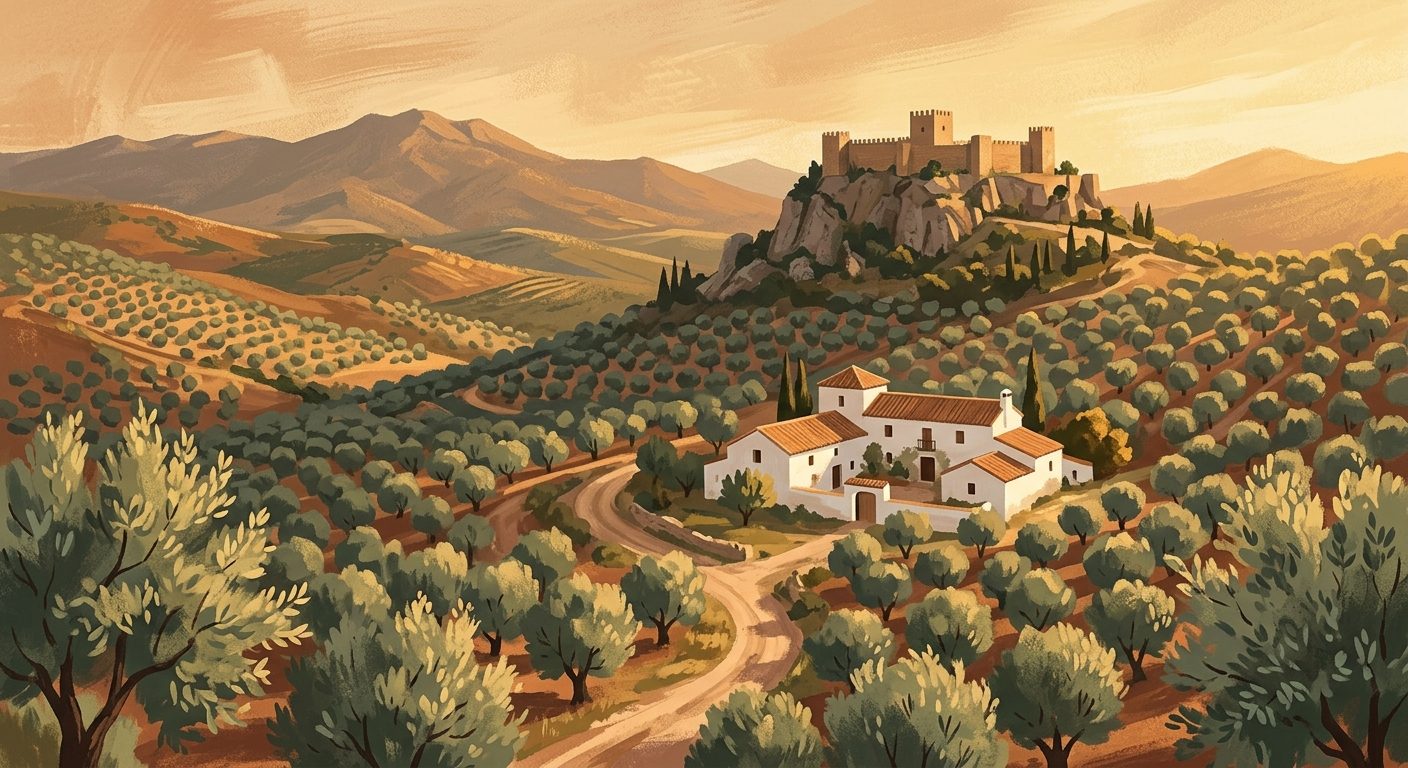
Winter Gold: Visiting Jaén in December
December in Jaén is defined by the heavy scent of crushed olives and the crisp, clear air of the high Sierras. It is a month of industrial energy in the groves and quiet, atmospheric beauty in the Renaissance cities.
6 min read
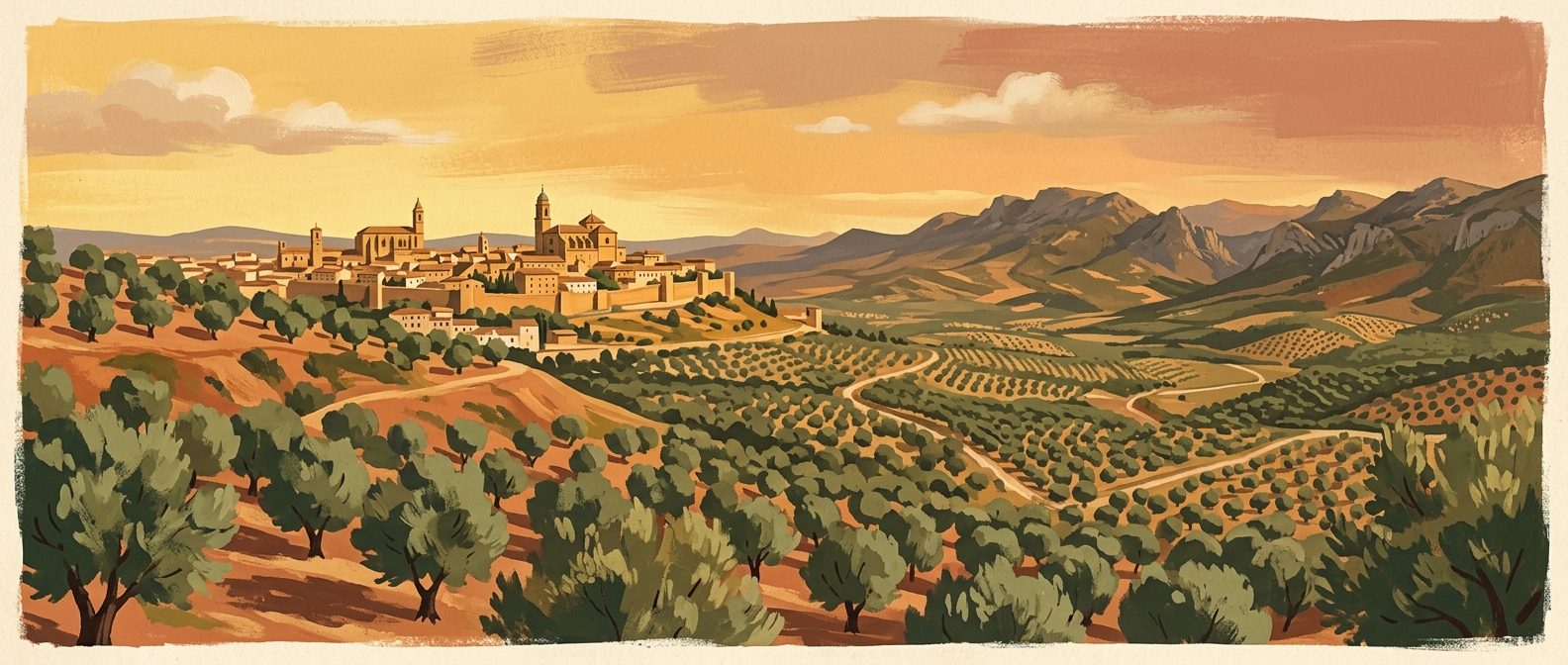
Jaén in May: Renaissance Cities and Untamed Wilderness
Experience Jaén at its peak in May, from the blooming olive groves and the rushing rivers of Cazorla to the sun-drenched Renaissance squares of Úbeda.
6 min read
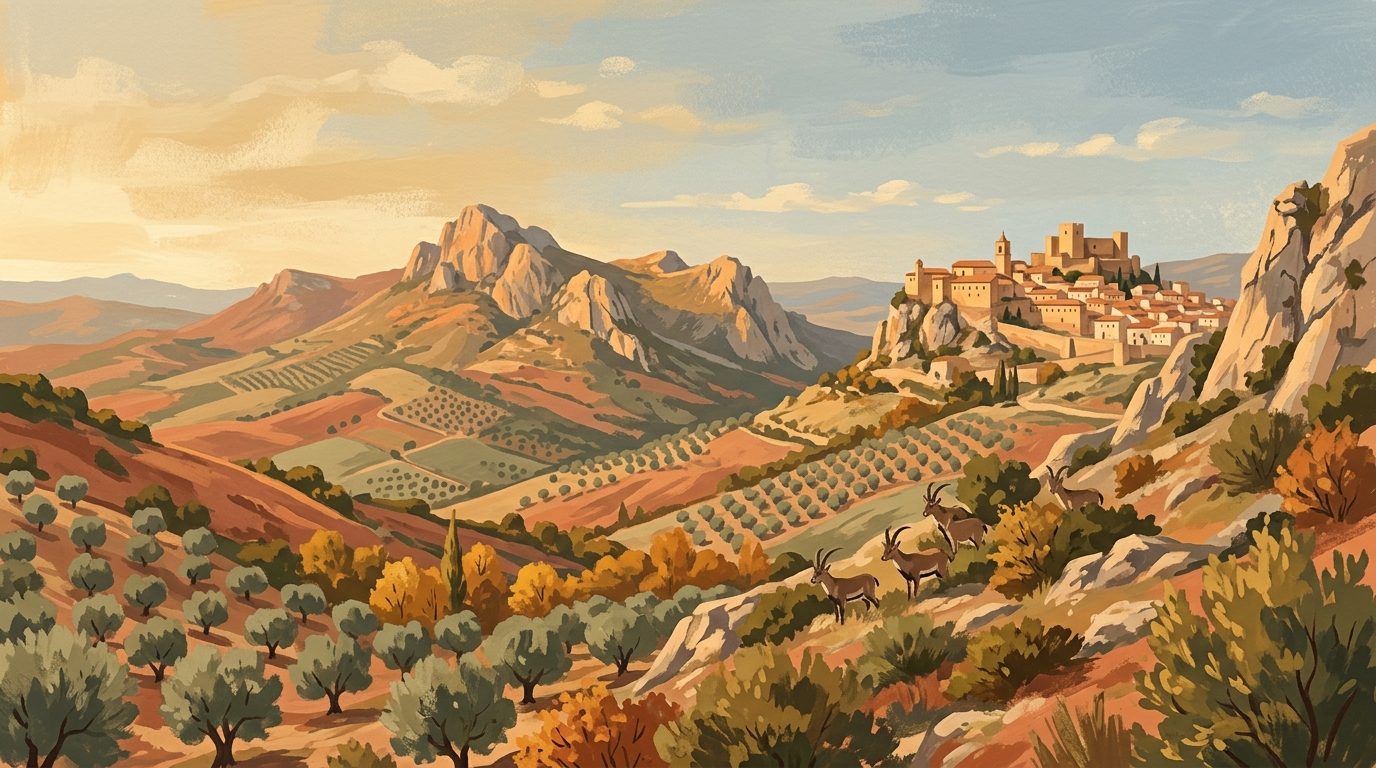
Jaén in October: Autumn Wildlife and Renaissance Gold
October in Jaén is a month of natural drama, featuring the spectacular deer rut in Cazorla and the golden light of the Renaissance cities of Úbeda and Baeza.
6 min read
More from Jaén
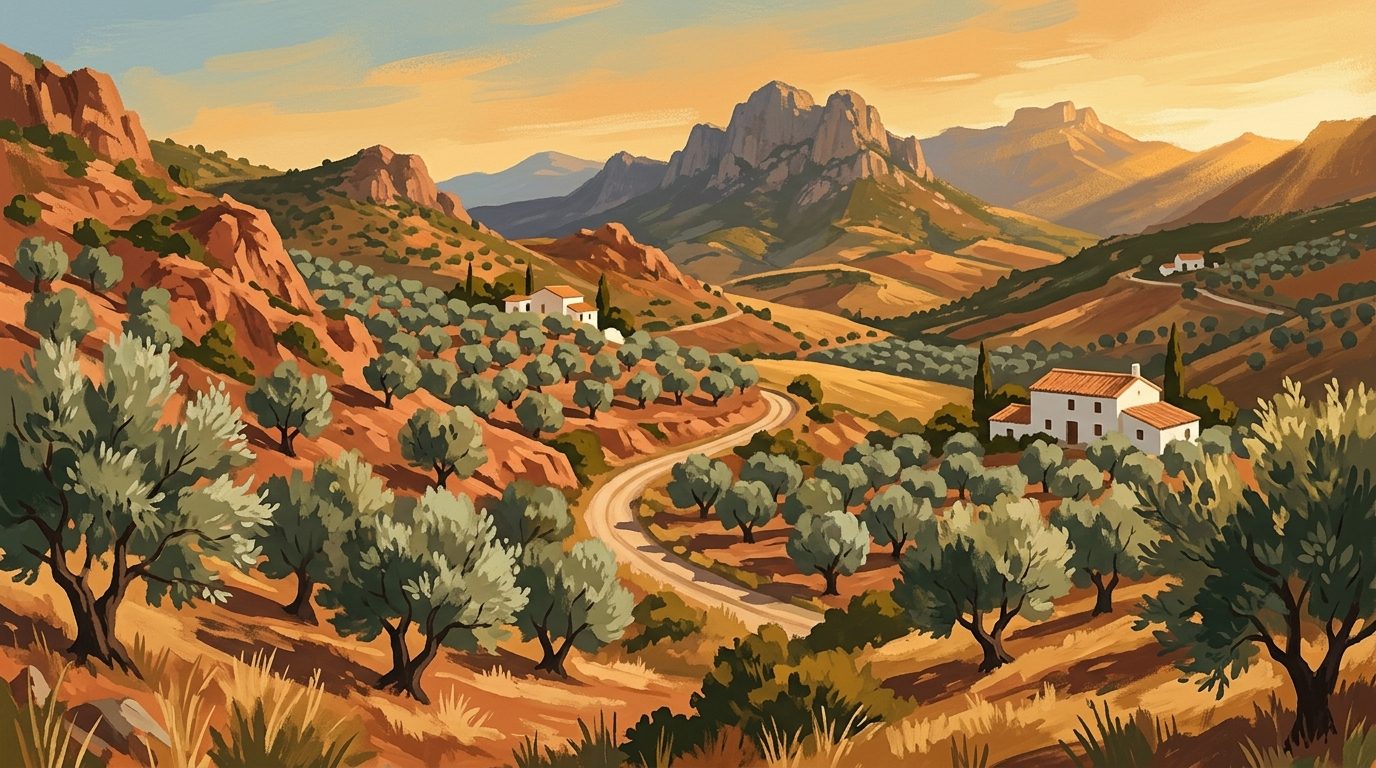
September in Jaén: Golden Light and the Call of the Wild
Experience the cooling temperatures and the dramatic start of the deer rut in Jaén this September. Discover the golden light of Úbeda and Baeza as the province transitions from the heat of summer to the clarity of autumn.
7 min read
Jaén in March: Mountain Waters and Renaissance Rites
March in Jaén is a month of renewal, where the high sierras shed their winter snows to feed the headwaters of the Guadalquivir.
6 min read
Jaén in June: Navigating the Golden Heat and High Sierras
June marks the transition from spring freshness to the serious heat of the high Andalucían summer, as the olive groves of Jaén turn silver under a relentless sun.
7 min read
Jaén in July: High Heat and Mountain Refuges
Experience the intense high summer of Jaén, where lowland olive groves bake in 40°C heat while the cool waters of Tranco reservoir and the high peaks of Cazorla provide a necessary refuge.
6 min read
Jaén in April: Wildflowers, Wildlife, and Local Devotion
April in Jaén is a time of rushing mountain rivers, carpets of wildflowers, and authentic religious traditions that remain untouched by mass tourism.
6 min read
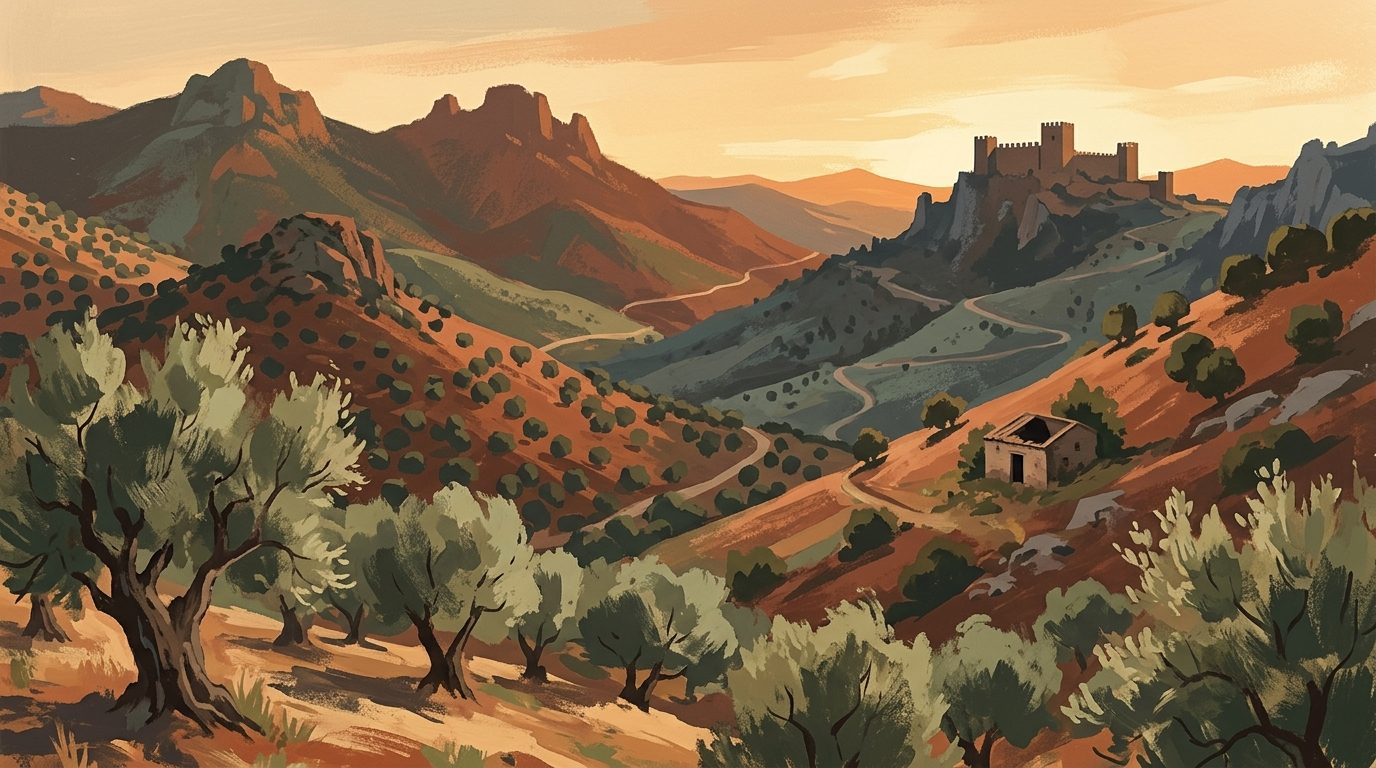
Jaén in August: Mountain Escapes and Midnight History
Escape the intense summer heat by heading to the high-altitude forests and freshwater pools of Jaén's mountainous interior this August.
6 min read
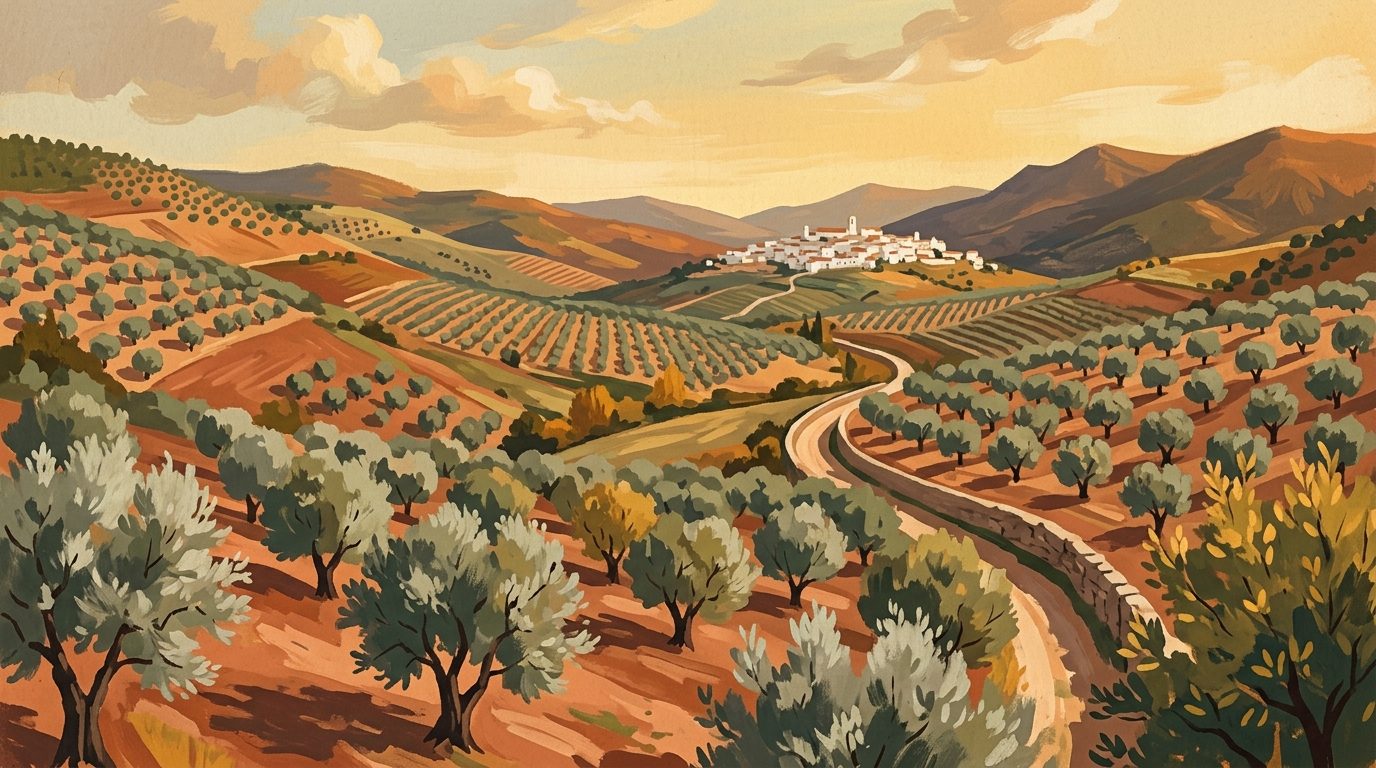
Jaén in November: The Rhythm of the Olive Harvest
Experience the peak of the olive harvest in Jaén this November, from tasting electric-green fresh oils to exploring the quiet Renaissance streets of Úbeda and Baeza.
7 min read
Newsletter
More stories from Andalucía
Weekly notes, seasonal picks, and the next guides worth bookmarking.