
UNESCO World Heritage Sites in Andalucía
A curated guide to the cultural and natural sites in Andalucía recognised by UNESCO for their universal value. These landmarks offer a profound insight into the diverse civilisations of the region.
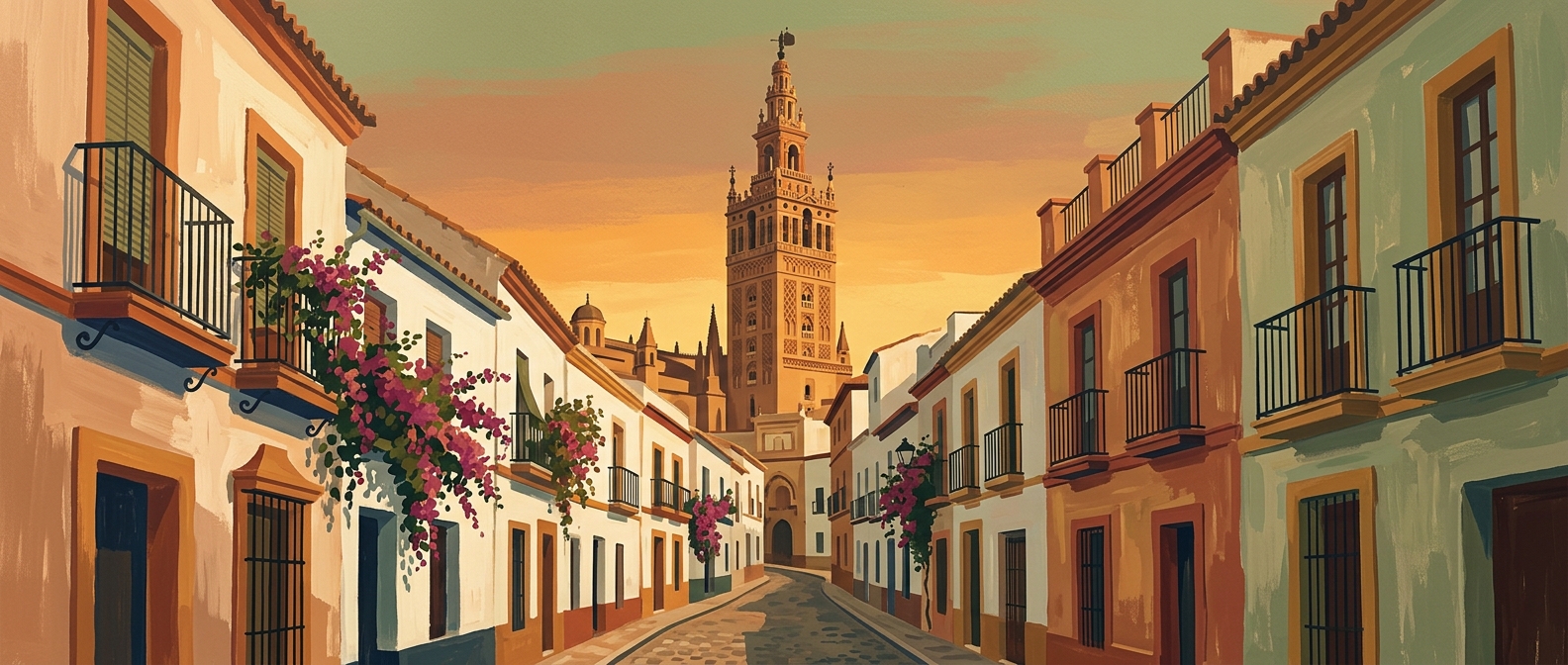
The architectural and natural heritage of Andalucía reflects a unique intersection of civilisations across two millennia. These UNESCO-recognised locations provide a structured way to explore the complex cultural evolution of the region.
Andalucía holds a significant concentration of UNESCO World Heritage Sites, reflecting its position as a cultural crossroads between Europe and Africa. The designation of these locations is not merely a label for tourism: it signifies their outstanding universal value to humanity. From the Roman era to the Renaissance, and the profound influence of the Islamic Caliphate, the physical remains of these eras tell a story of technological innovation, artistic mastery, and social complexity. To understand Andalucía is to understand the layers of chronology visible in its stone and soil. For a traveller, visiting these sites offers a high level of authenticity and preservation. The criteria for UNESCO status are rigorous, ensuring that each location provides a genuine window into the past or a vital ecological sanctuary. These sites are the definitive markers of the identity of the region, encompassing urban centres, religious monuments, and vast natural landscapes. Exploring them allows for a deeper appreciation of how different cultures have interacted, conflicted, and coexisted within this specific geographical space over centuries.
How they cluster
Grouping these sites by their historical era or geographical location helps in understanding their wider context. One can look at the Caliphate Legacy, which links the urban heart of Córdoba with the palatial city outskirts. These sites represent the height of Islamic influence in Western Europe, characterised by intricate geometry and advanced irrigation. Another cluster involves the Renaissance Axis found in the province of Jaén, specifically the towns of Úbeda and Baeza. Here, the urban planning and architecture of the 16th century display a shift towards humanism and Italianate influences. These two towns serve as a primary example of how Italian design was adapted to the needs of the Spanish crown and the Catholic Church during a period of colonial expansion.
Geographically, the sites can be viewed through the lens of the Guadalquivir Corridor. This river has been the lifeblood of Andalucía for thousands of years, and many of the most significant monuments are situated within its basin or near its mouth. This includes the ecclesiastical and administrative centres in Sevilla and the unique natural ecosystems of the Atlantic coast, most notably Doñana National Park (though visitors should note that this park is currently under strict environmental monitoring due to its fragile status). Furthermore, the Stonework Heritage cluster brings together the prehistoric megalithic structures of the Antequera Dolmens in the north of Málaga province with the mediaeval fortifications and urban layouts of the interior. By categorising these locations, one begins to see the patterns of settlement and the strategic importance of certain landscapes throughout the ages.
In what order to visit
A logical sequence for visiting these sites often follows a circular route starting from the regional capital. Beginning in Sevilla allows for an immediate introduction to the Gothic and Mudéjar styles that defined the late Middle Ages. From there, travelling east towards Córdoba provides a chronological progression into the height of the Umayyad period. This transition illustrates the dramatic shift in power and aesthetic values that occurred during the 13th century. It is helpful to see the grand mosque-cathedral of the city before visiting the ruins of the nearby administrative palace, as it provides a sense of the scale and ambition of the 10th-century state.
Continuing further east into Jaén, the visitor encounters the formal elegance of the Renaissance. This creates a clear timeline of architectural development from the 10th to the 16th century. To complete the cultural circuit, a journey south to the Mediterranean coast or the mountains of Granada offers a look at the final centuries of Islamic rule and the unique urban density of that period. For those interested in natural heritage, incorporating the coastal wetlands or the mountainous interior provides a necessary break from urban exploration. This sequence ensures a balanced experience, moving between the intellectual rigour of the cities and the preserved landscapes that have remained relatively unchanged for millennia.
When to go
The timing of a visit is crucial due to the varied climate across the eight provinces. The spring months of April and May are widely considered the most favourable time for the inland cities. During this period, the temperatures are mild enough for extensive walking tours of archaeological sites and historic centres. The light is particularly clear, which is beneficial for observing the intricate stonework and tile patterns that define many of these monuments. Additionally, the interior courtyards are often at their peak of seasonal floral growth.
Autumn, specifically October and November, serves as an excellent alternative. The intense heat of the summer has dissipated, and the natural sites often see a resurgence of flora and fauna. For the natural heritage locations, winter can be an exceptional time for birdwatching and observing the migratory patterns that make these areas globally significant. Summer is best avoided for the inland urban sites, as the heat can be restrictive for outdoor exploration. However, the higher altitude sites or those located near the coast remain accessible and pleasant during the warmer months, provided that visits are planned for the early morning or late evening.
Practical notes
Managing the logistics of a UNESCO-themed tour requires forward planning. Many of the most popular monuments operate on a strict ticketing system with limited daily capacities. It is advisable to book entries several weeks in advance for most locations; however, for the Alhambra in Granada, checking availability and booking as soon as your travel dates are confirmed is essential, as tickets often sell out months in advance during peak season. Most locations offer guided tours, which provide valuable context that may not be immediately apparent through visual inspection alone. Audio guides are frequently available in multiple languages and are highly recommended for those travelling independently.
Accessibility varies significantly between sites. While modern urban centres have made great strides in providing ramps and lifts, prehistoric sites or mediaeval quarters with steep, cobbled streets can present challenges for those with limited mobility. It is always useful to check the specific accessibility features on the official website of each monument. Opening hours can also fluctuate depending on the season and local festivals. While many smaller museums close on Mondays, a common practice across Spain, major UNESCO monuments such as the Alhambra and the Mezquita-Catedral typically remain open daily (check on the operator's website before travelling). Finally, public transport links between the major cities are efficient, particularly the high-speed rail network, but a vehicle is often necessary to reach the more remote archaeological and natural sites located within the rural provinces. The following list identifies the specific sites that carry the UNESCO designation across Andalucía, including the serial property of Mediterranean Rock Art which spans multiple provinces, as detailed on the official UNESCO World Heritage List:
- Alhambra, Generalife and Albayzín, Granada
- Historic Centre of Córdoba
- Cathedral, Alcázar and Archivo de Indias in Sevilla
- Doñana National Park
- Renaissance Monumental Ensembles of Úbeda and Baeza
- Antequera Dolmens Site
- Caliphate City of Medina Azahara
- Rock Art of the Mediterranean Basin on the Iberian Peninsula
10 guides in this collection
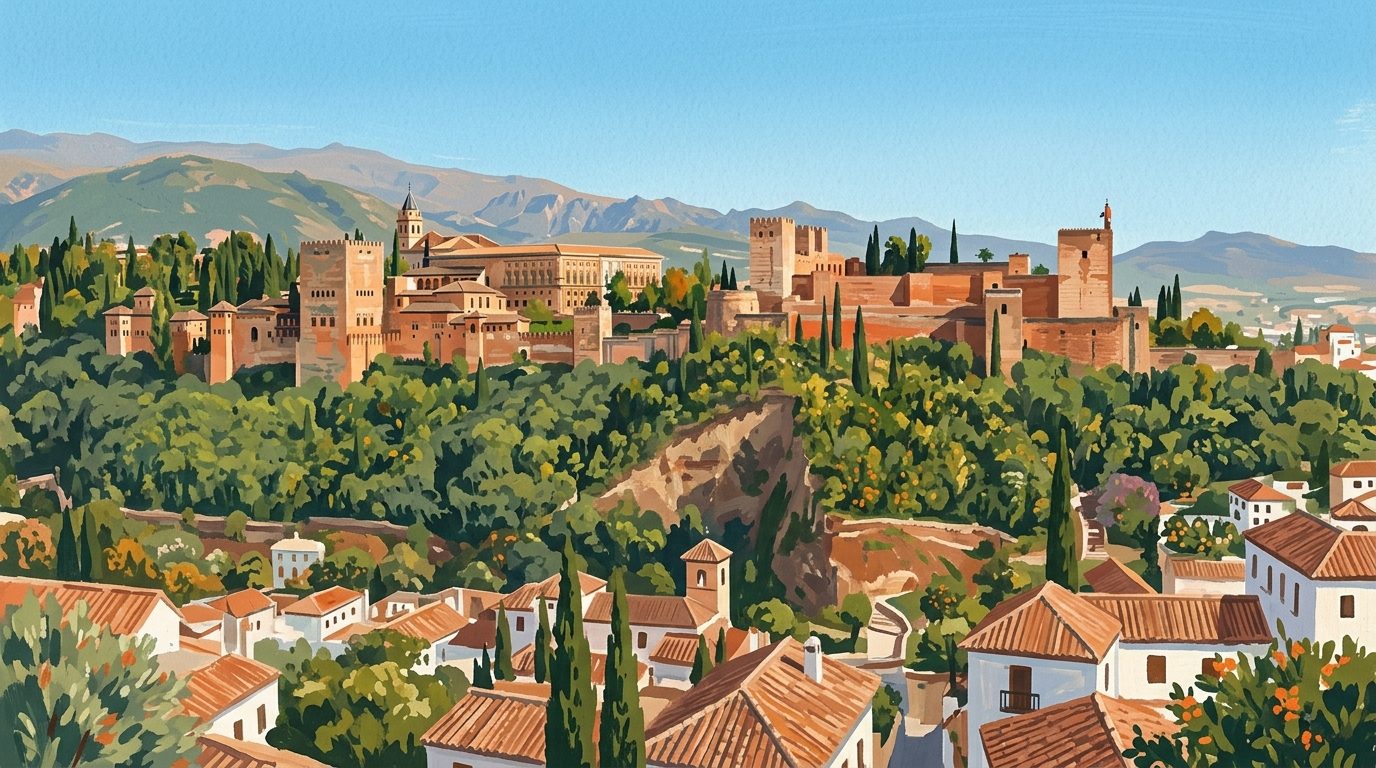
A Guide to the Alhambra and Generalife: Granada’s Palatial Citadel
A monumental shows the Nasrid dynasty, the Alhambra is the last great Moorish stronghold in Western Europe, featuring intricate palaces and gardens.
6 min read
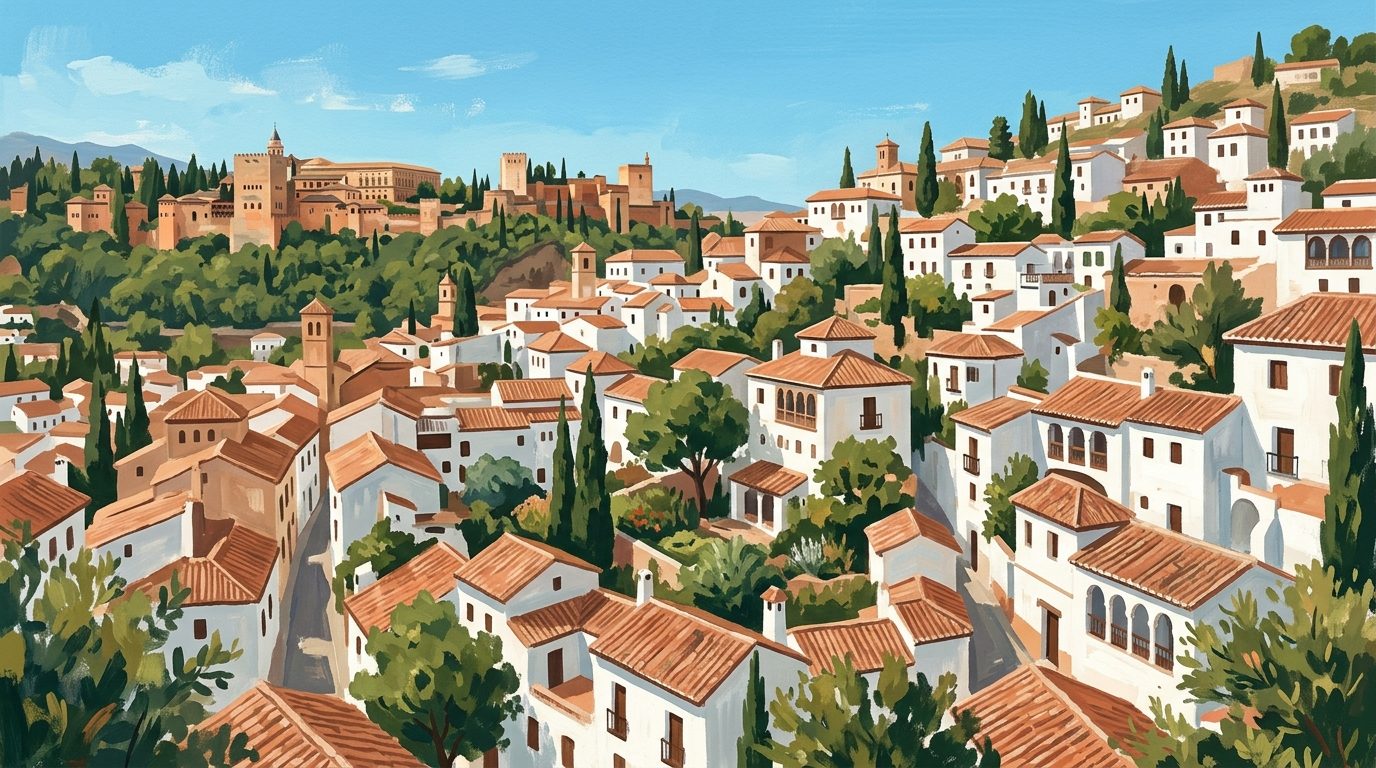
Exploring the Albaicín: Granada’s Medieval Moorish Quarter
Rising steeply above Granada, the Albaicín is a medieval Moorish quarter of whitewashed houses, secret gardens, and the city's most spectacular Alhambra views.
5 min read
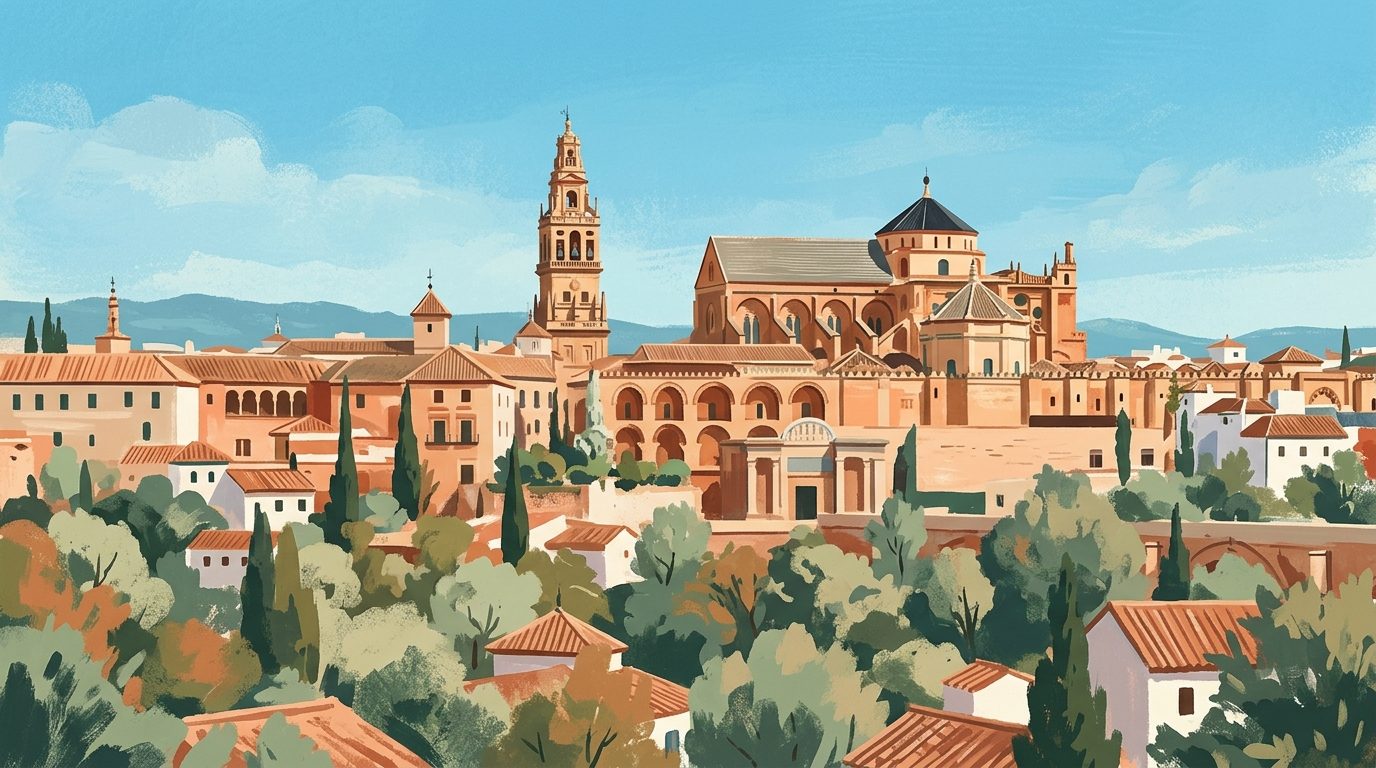
The Mezquita-Cathedral of Córdoba: A Guide to the Great Mosque
Discover the architectural wonder of Córdoba's Mezquita-Cathedral, where 856 columns meet a Renaissance nave in the heart of Al-Andalus.
5 min read
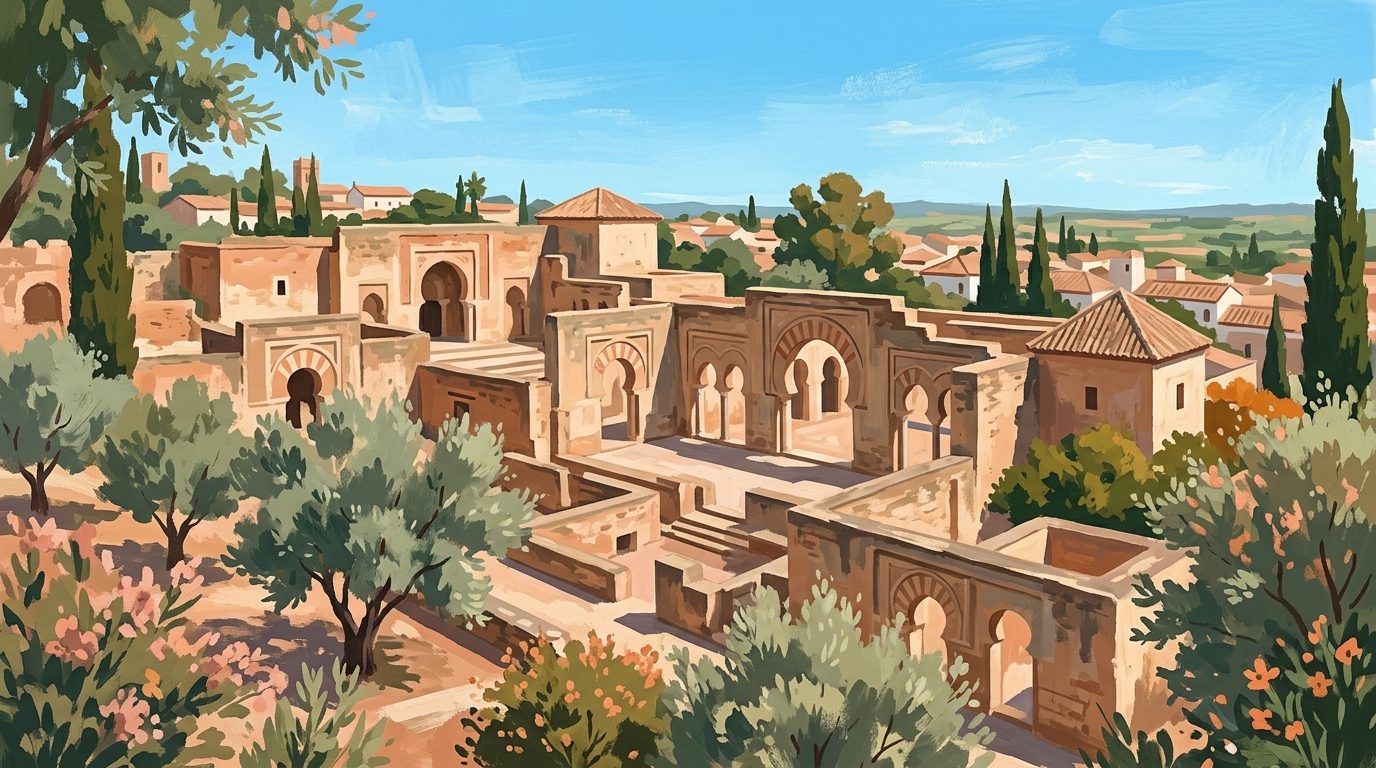
Exploring Medina Azahara: The Lost Caliphate City of Córdoba
Discover the 10th-century 'Shining City' of the Umayyad Caliphate, a UNESCO World Heritage site located just outside Córdoba.
6 min read
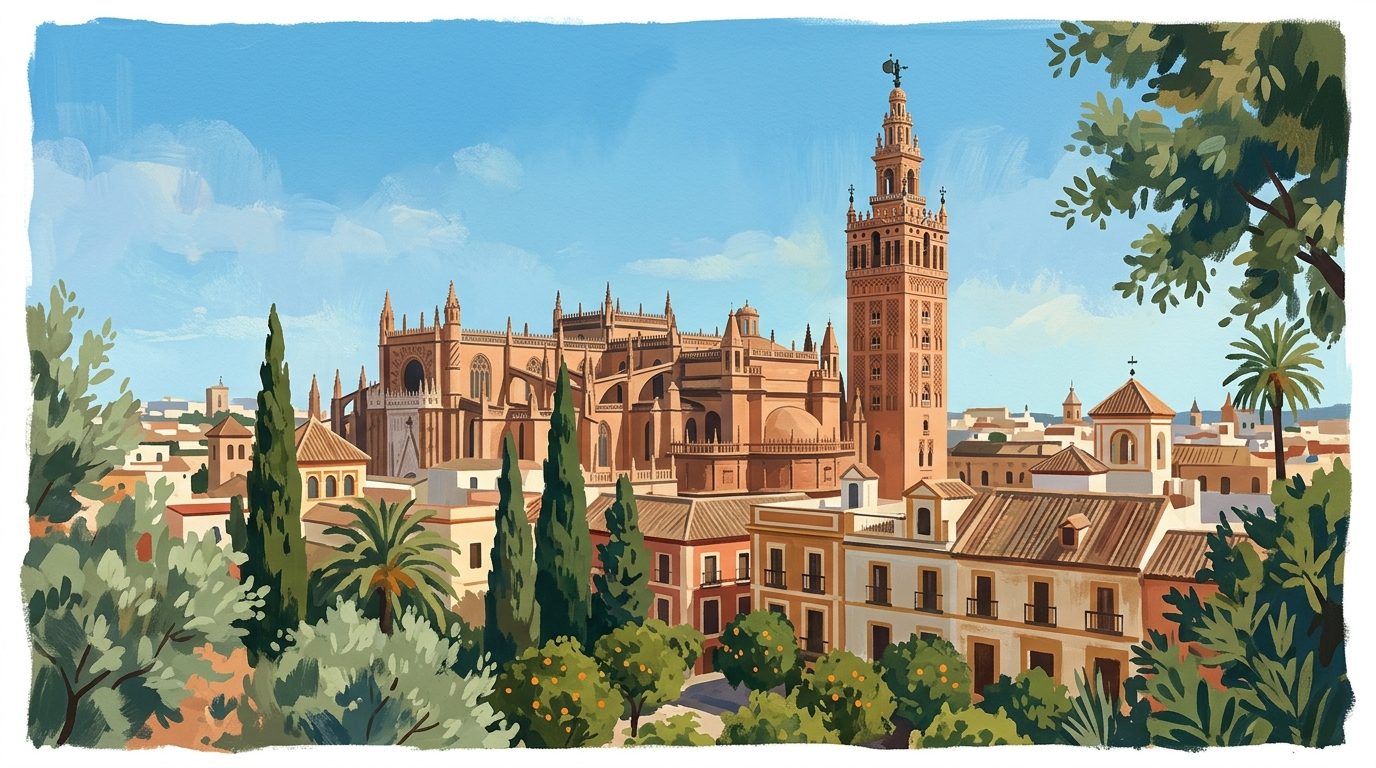
Exploring Sevilla Cathedral and the Giralda Tower
Sevilla Cathedral is the largest Gothic church in the world, home to the Giralda tower and the tomb of Christopher Columbus.
5 min read
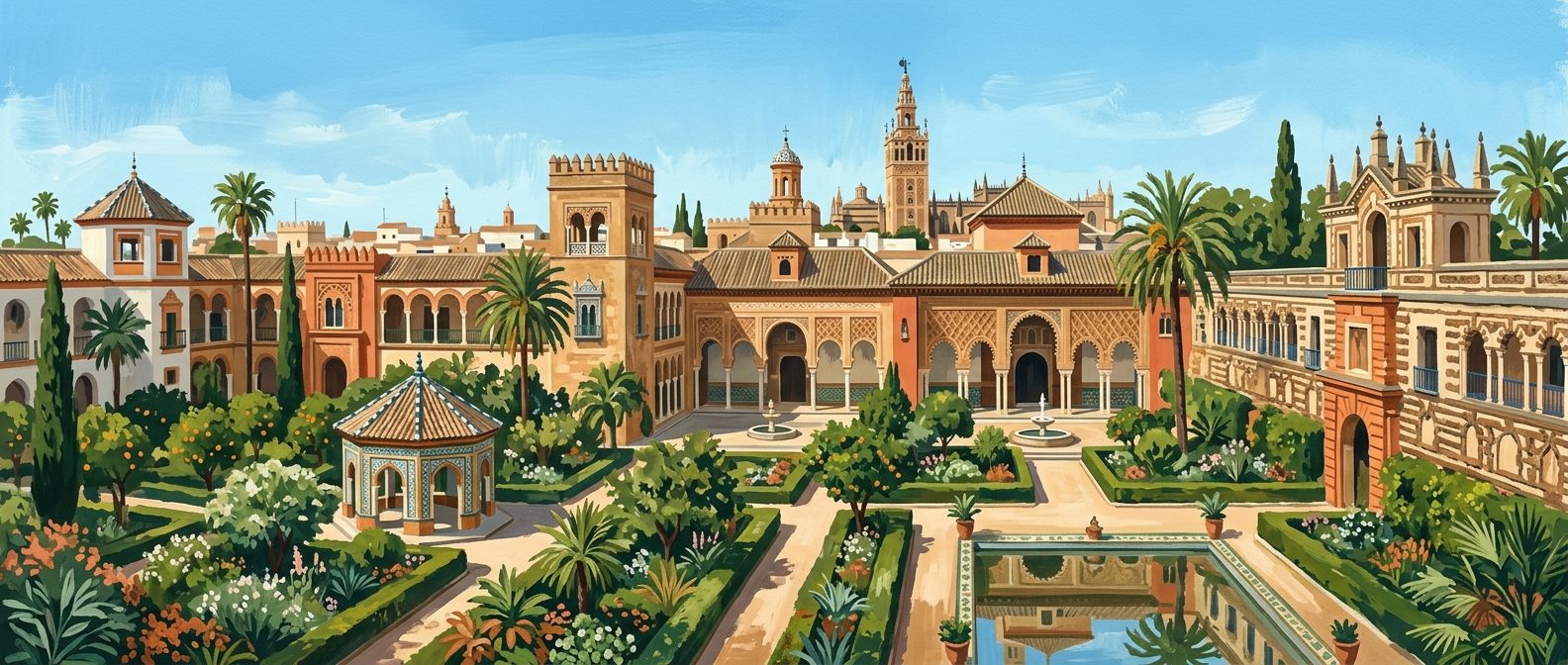
Exploring the Real Alcázar de Sevilla: A Guide to Europe’s Oldest Royal Palace
The Real Alcázar is a sprawling complex where Islamic art and Christian kingship collide in a spectacular display of Mudéjar craftsmanship. As Europe’s oldest royal palace still in use, it offers a peaceful walk through shaded courtyards and vast, fragrant gardens.
5 min read

Doñana National Park: A Guide to Europe’s Great Wetland Wilderness
A vital sanctuary for the Iberian lynx and millions of migratory birds, Doñana National Park is a landscape of shifting dunes and vast seasonal marshes.
7 min read
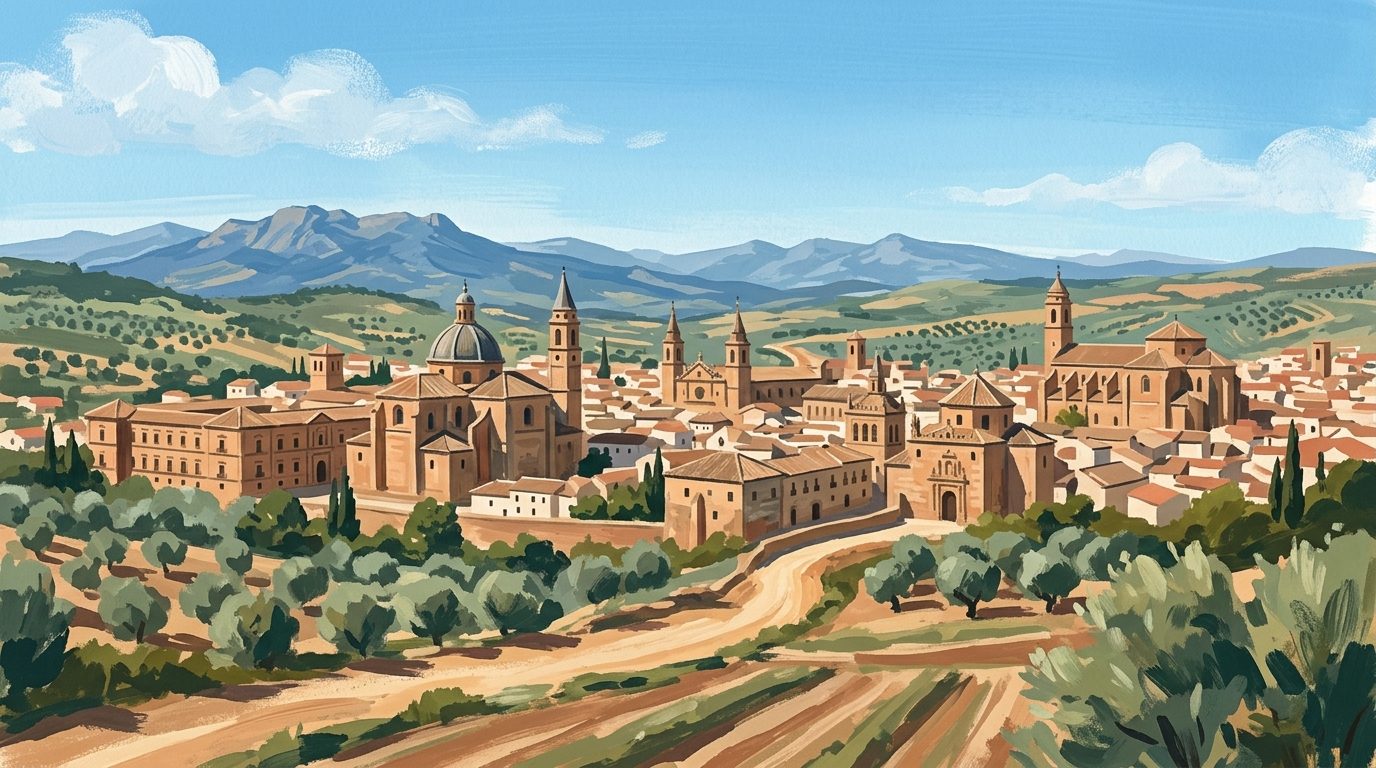
The Renaissance Splendour of Úbeda
Built on the wealth of imperial administrators, Úbeda stands as a reminder of the Italian Renaissance adapted for the Spanish heartland.
5 min read
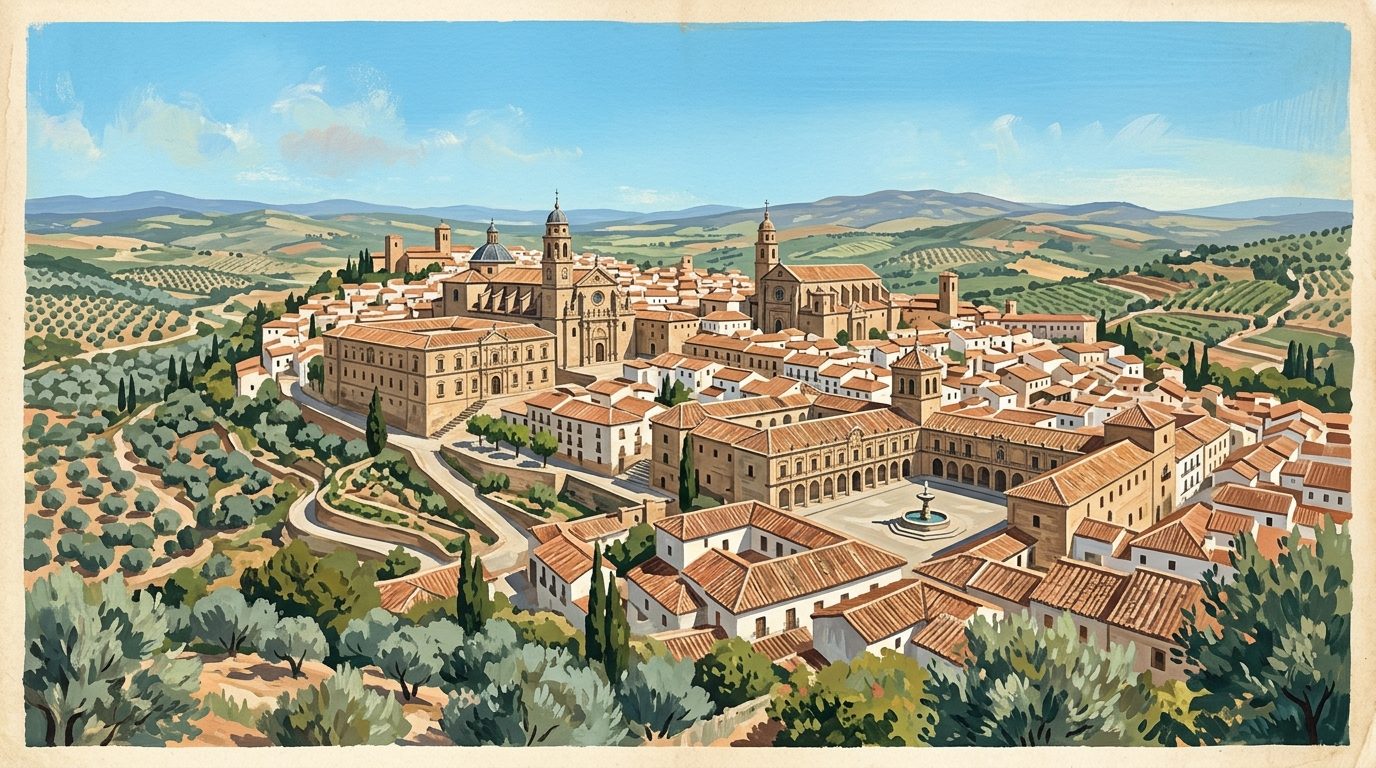
Exploring Baeza: The Golden Heart of the Spanish Renaissance
Standing among the quiet plazas of Baeza, you feel the weight of the Spanish Renaissance in every golden stone. This compact town, overlooking the vast olive orchards of Jaén, offers a preserved glimpse into sixteenth-century power and piety.
6 min read
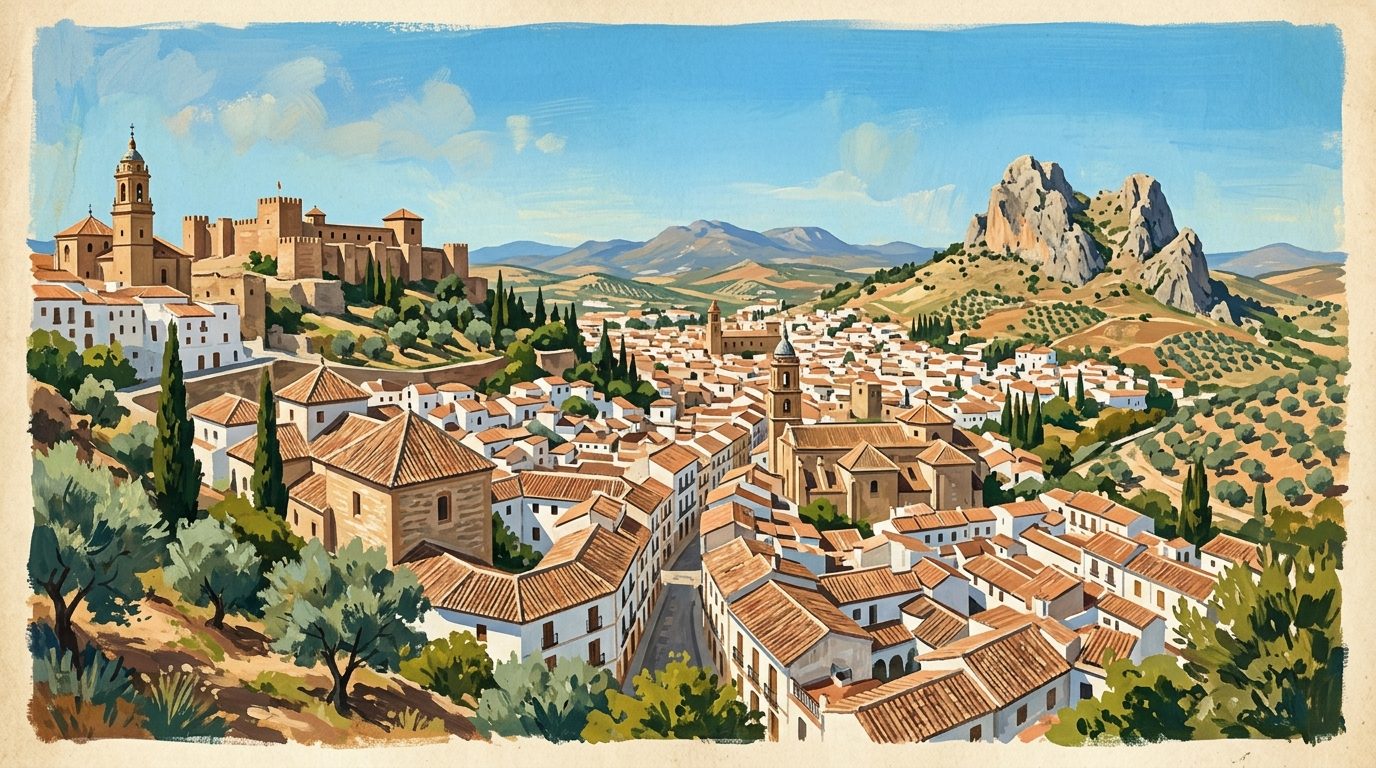
Antequera: The Historic Heartland of Inland Málaga
Discover Antequera, the historic heart of inland Málaga, featuring UNESCO World Heritage dolmens, the extraordinary karst landscape of El Torcal, and a Moorish fortress.
6 min read