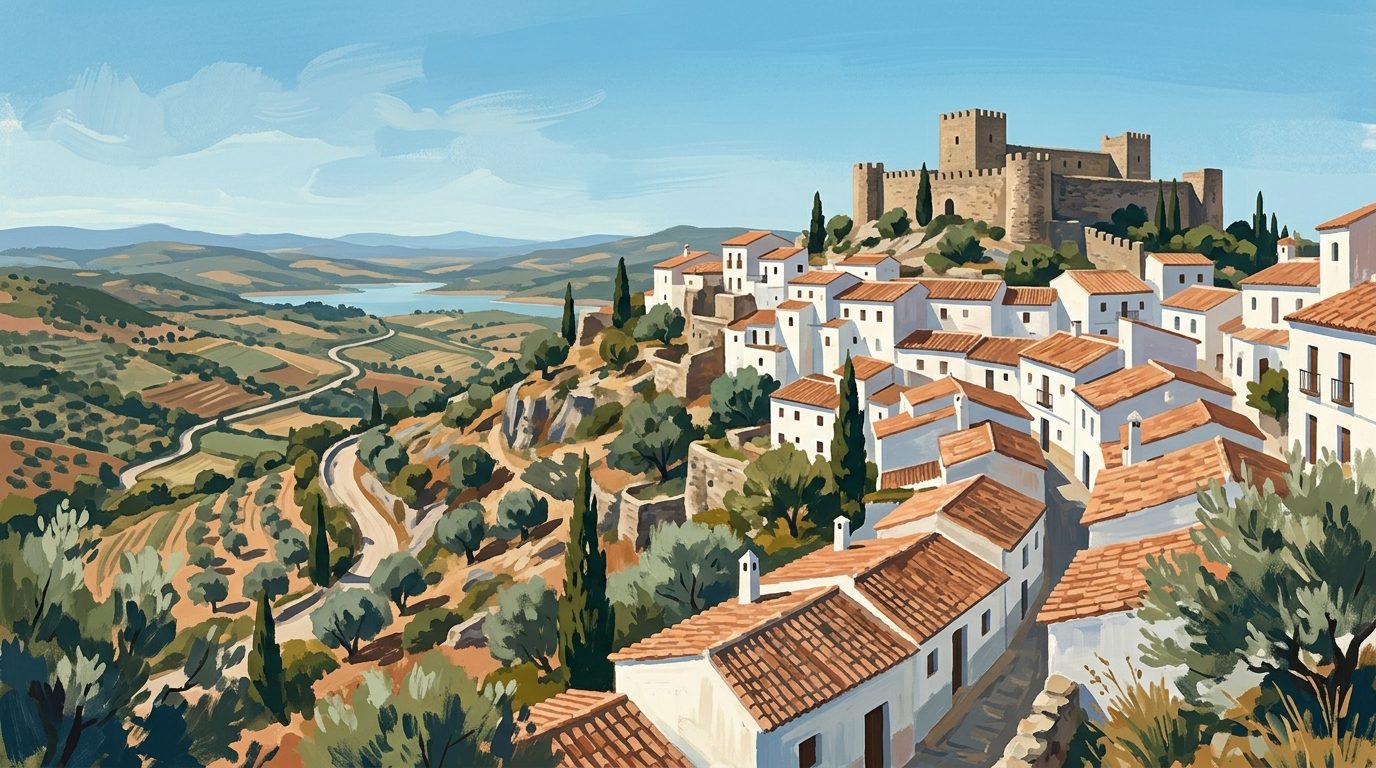
Perched on a limestone crag overlooking the Guadarranque reservoir, Castellar de la Frontera offers the rare experience of a village contained entirely within the defensive walls of a Moorish fortress. While many Andalucían towns have a castle, here the castle remains the town, preserving a way of life that feels detached from the modern world below.
Castellar de la Frontera is a place of three distinct identities. First, there is the fortified medieval village, known as Castellar Viejo, which sits high on a rocky outcrop. Then there is the new town, Castellar Nuevo, built in the early 1970s several kilometres away to provide better housing and infrastructure for the residents. Finally, there is the La Almoraima estate, a vast expanse of cork forest that once belonged to the Dukes of Medinaceli. Together, these elements form one of the most intriguing destinations in the province of Cádiz.
To visit Castellar is to step into a timeline that spans from the 13th century to the present day. After the majority of the population moved to the new town in the 1970s, the old fortress was largely abandoned. However, it was soon repopulated by a community of artists and bohemians from across Europe, who set up workshops and studios within the derelict stone houses. This creative spirit still permeates the village today, coexisting with the strictly preserved architectural heritage of the Islamic era.
What to See & Do
The Fortified Village (Castellar Viejo)
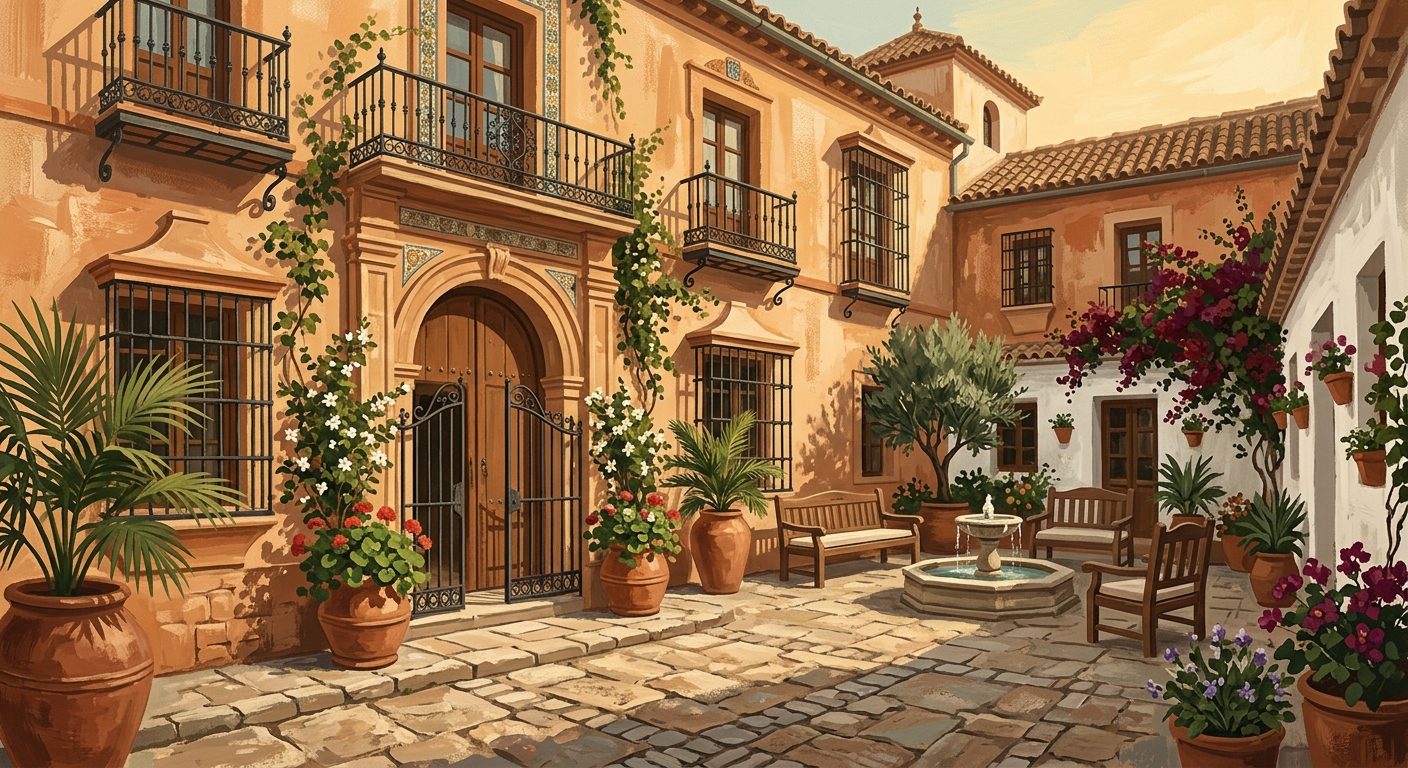
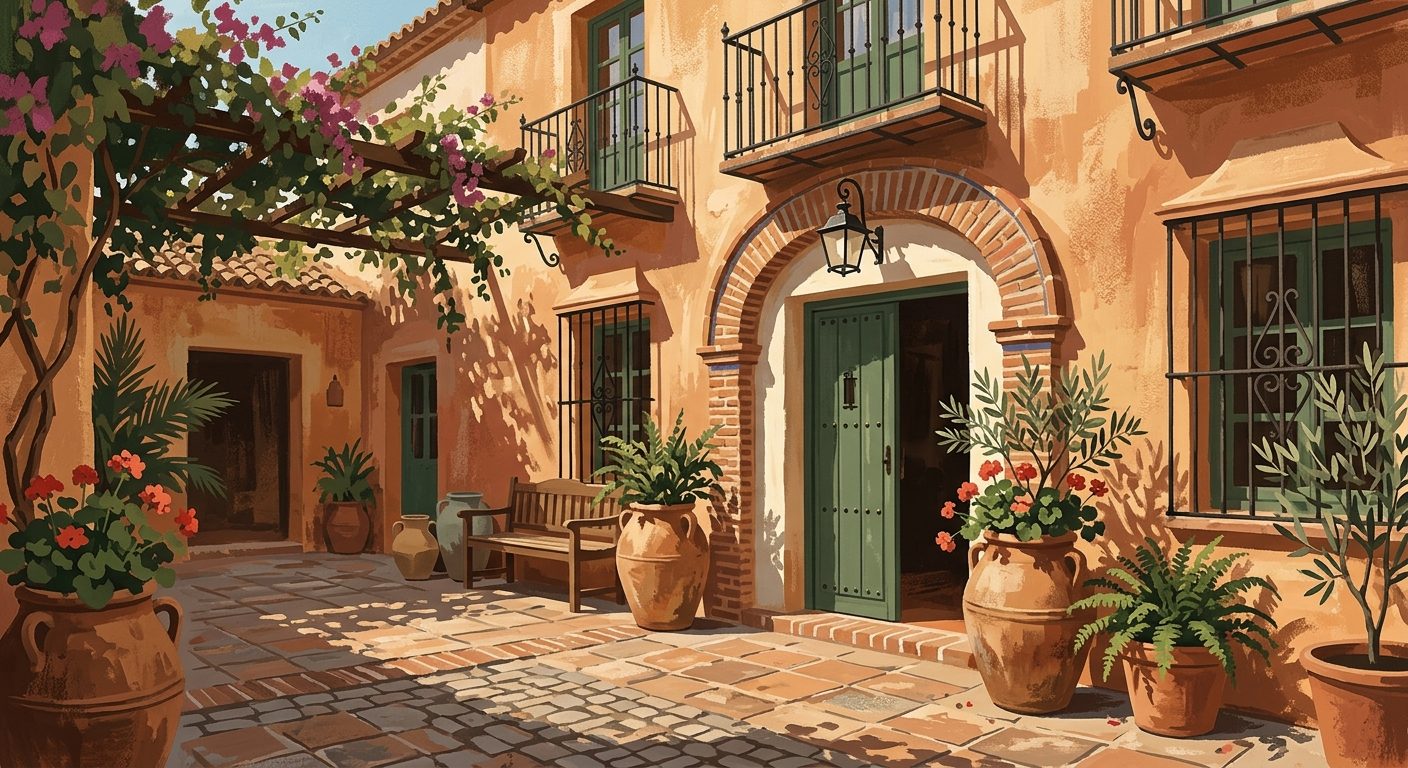
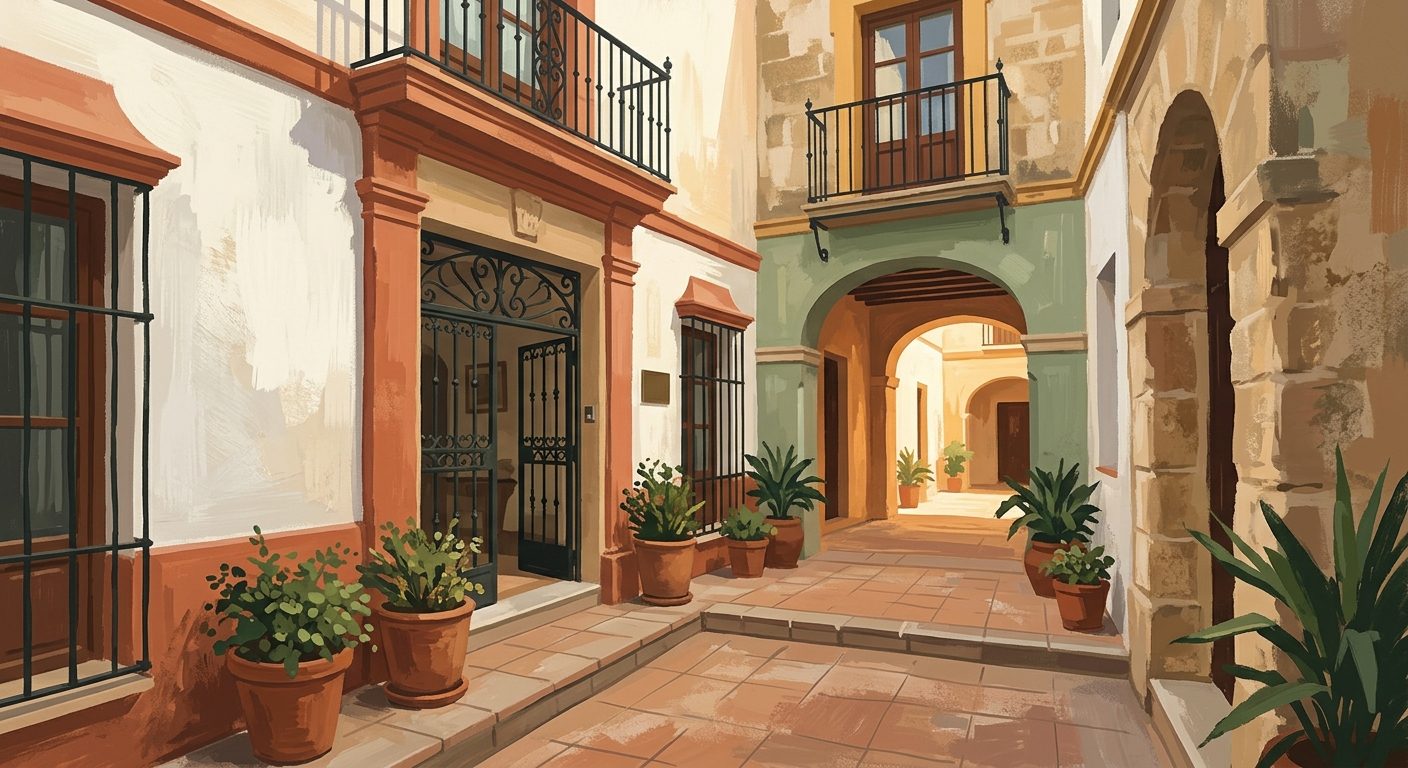
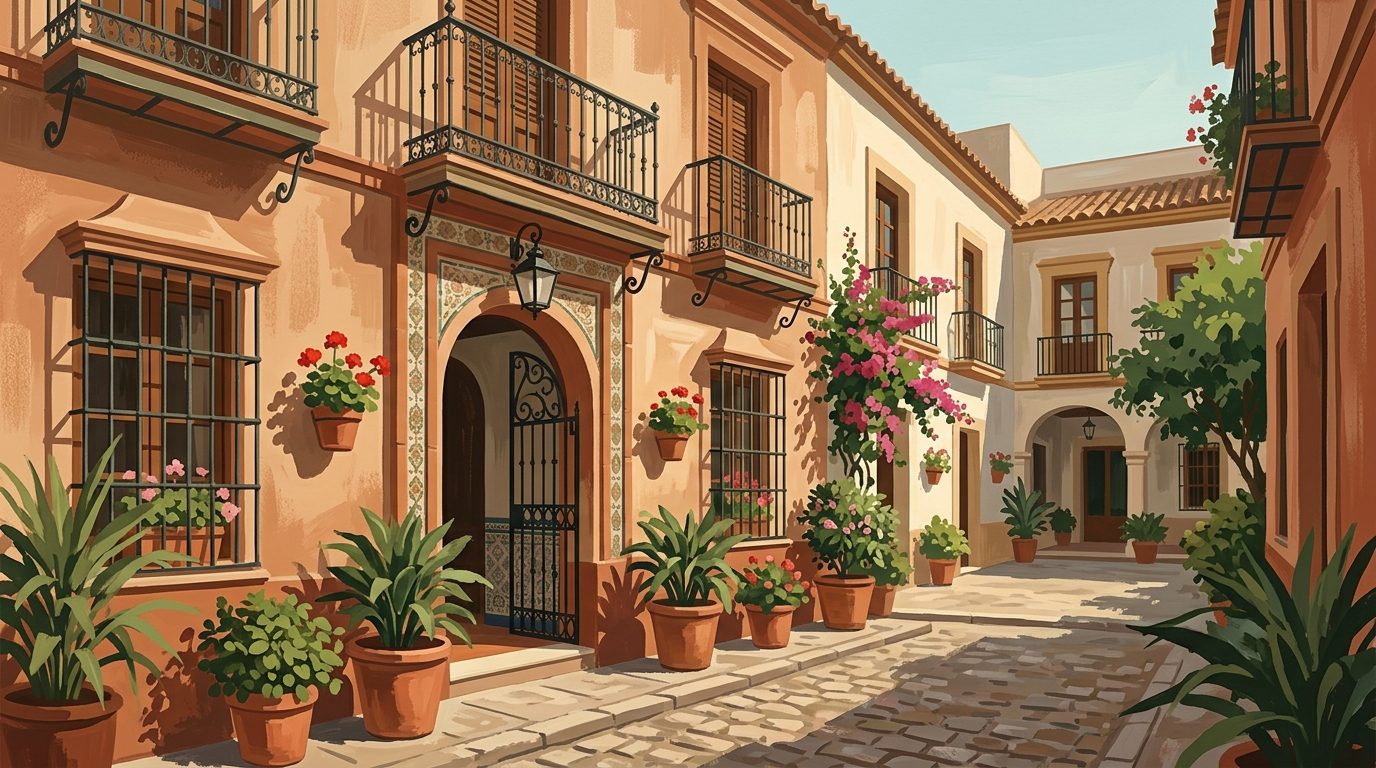
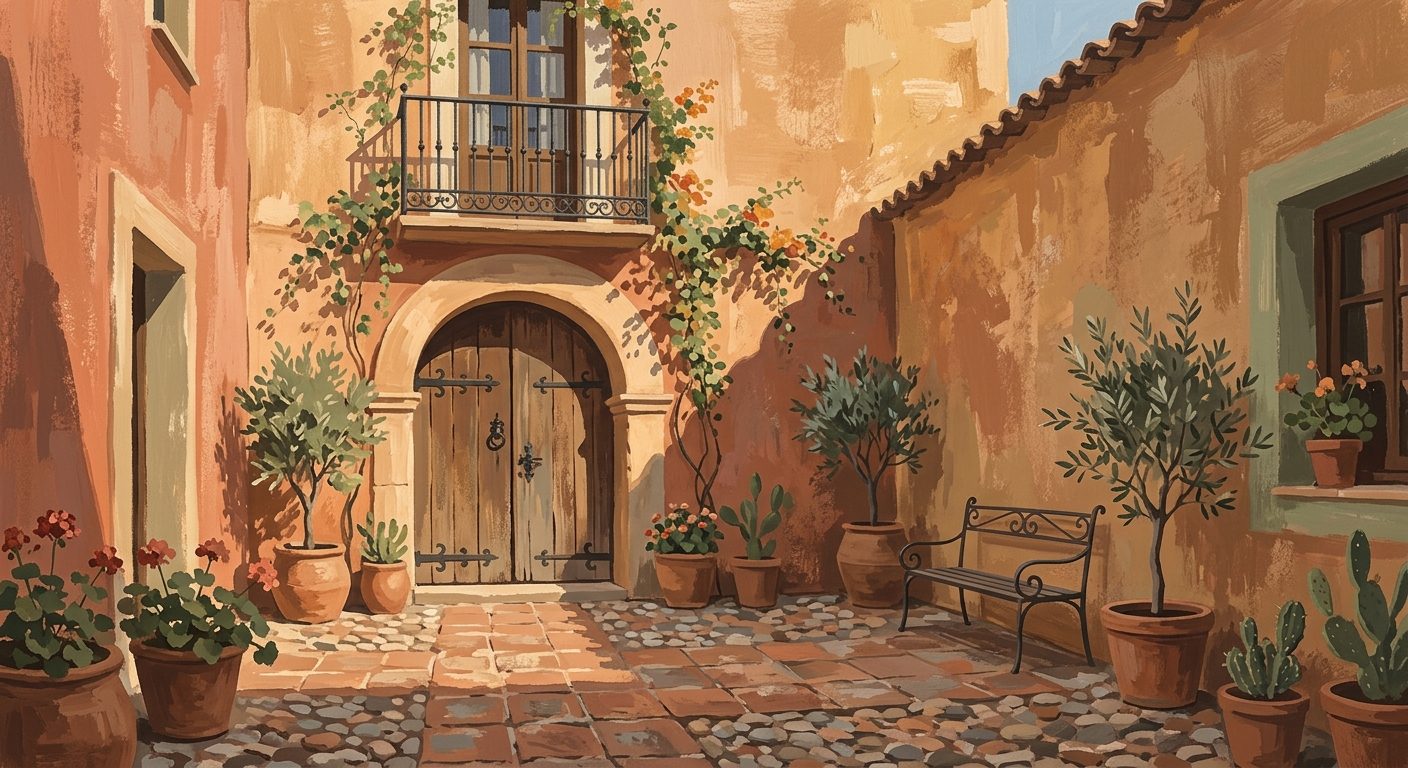
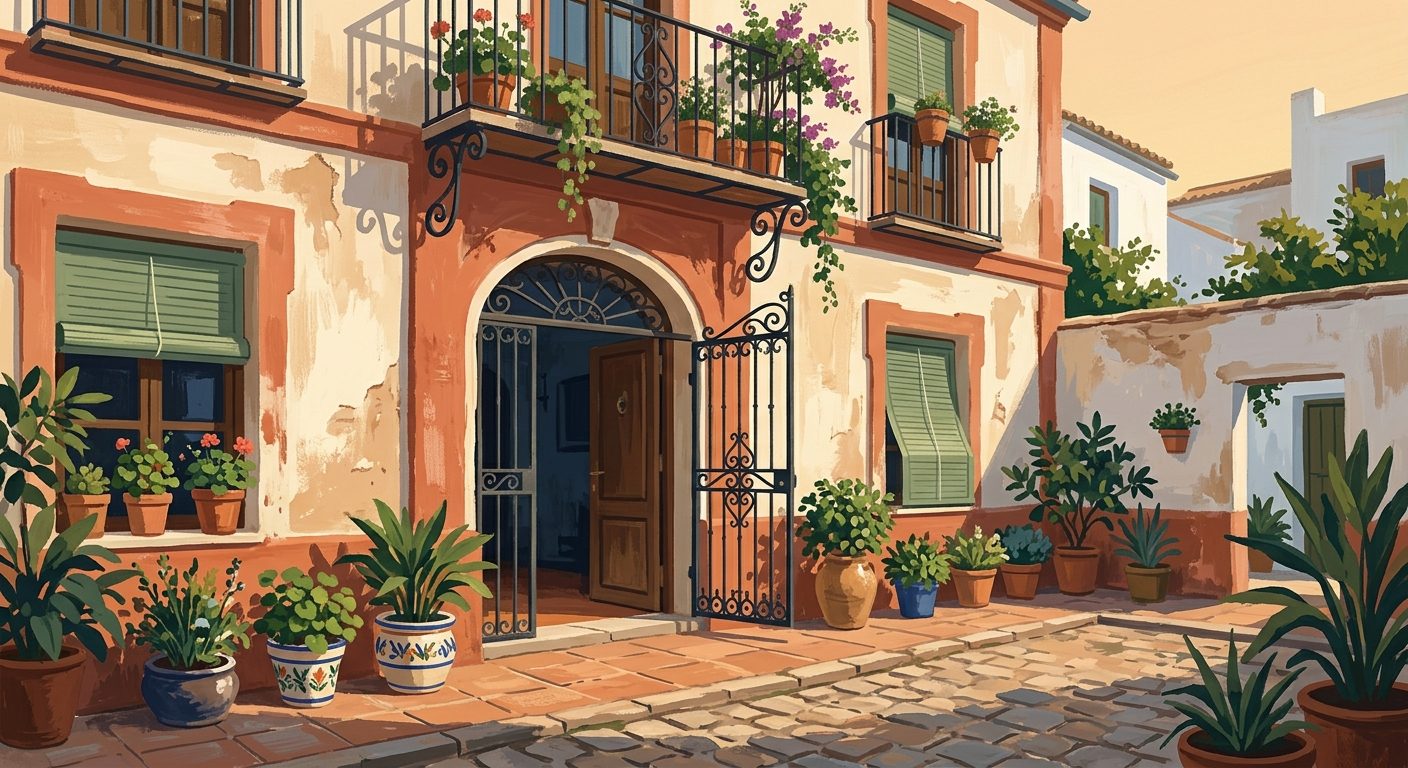
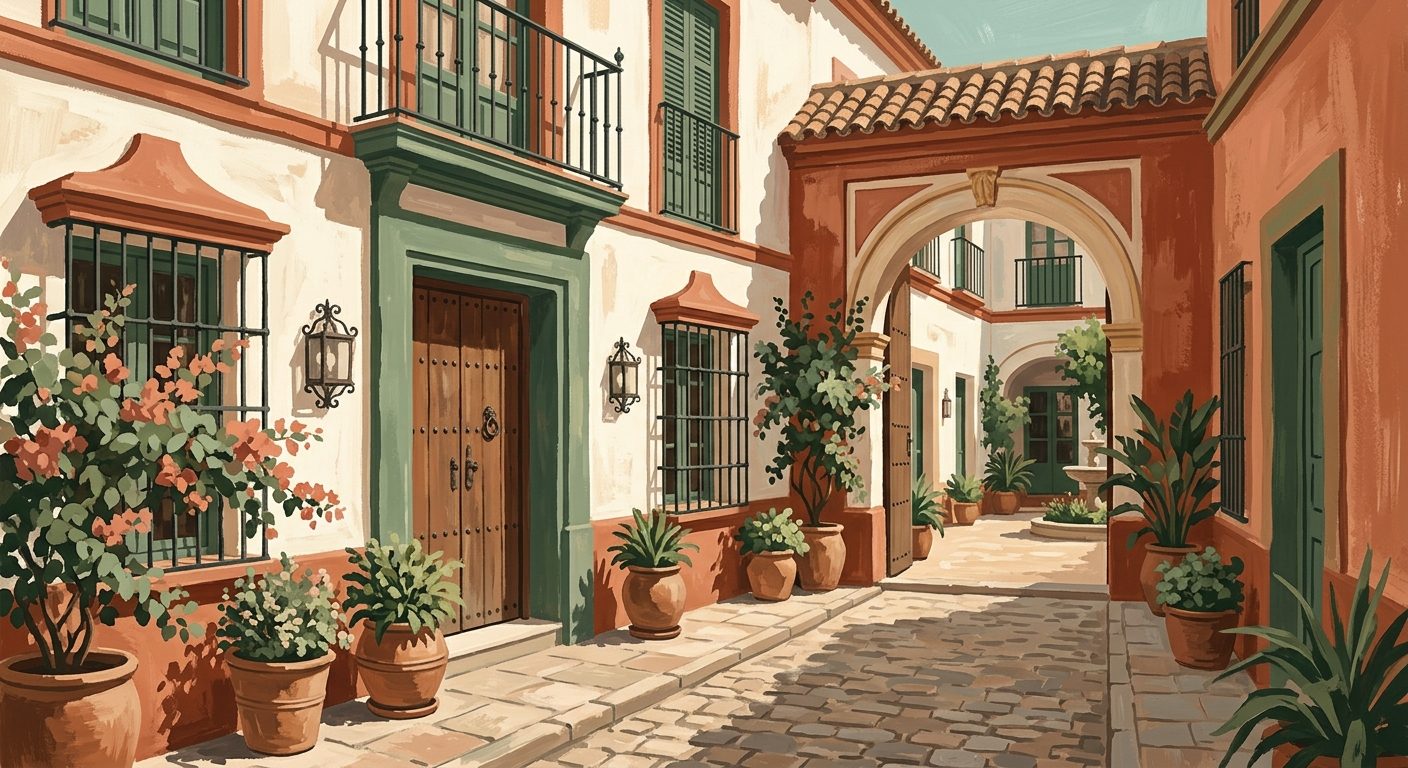
The primary reason to visit is the fortress itself. Entering through the main gate is like stepping into a labyrinth of whitewashed houses, narrow alleys, and flowered courtyards, all hemmed in by sturdy battlements. Unlike the more famous white villages of the Sierra de Grazalema, Castellar Viejo feels more intimate and less manicured. You can walk the perimeter of the walls, which provide clear views across the Campo de Gibraltar and, on clear days, the distinct outline of the Rock of Gibraltar and the Moroccan coastline.
Inside the walls, the Plaza de Armas serves as the focal point. Here, the former Alcázar (palace) has been converted into a hotel, but much of the medieval layout remains untouched. The lack of vehicular traffic within the fortress walls creates a silence that is only broken by the sound of birds from the surrounding forest or the occasional chime from the village church.
The Craft Workshops and Bohemian Spirit
Because of its history as an artist colony, the village is home to several small galleries and craft shops. You will find leather workers, potters, and painters who have lived in the castle for decades. These workshops are often housed in the original stone dwellings, allowing you to see the interior architecture of the fortress houses while browsing locally made goods. The atmosphere here is relaxed, and the shop owners are usually happy to talk about the village's transition from a near-abandoned ruin to the lived-in monument it is today.
The Monarch Butterfly Trail
Nature enthusiasts should seek out the Sendero de la Mariposa Monarca. Castellar de la Frontera is home to one of the largest colonies of Monarch butterflies in Europe. The trail begins near the banks of the Guadarranque River, just below the old town. This 6-kilometre path follows the river through a dense riparian forest of alders, ashes, and willows. The best time to see the butterflies is during the warmer months, when they congregate in the shaded areas of the forest to feed on the milkweed plants. It is an easy walk, suitable for families, and offers a cool respite from the Andalucían sun.
Los Alcornocales Natural Park
The village is surrounded by the Alcornocales Natural Park, the largest cork oak forest in the Iberian Peninsula. This is a landscape of ancient trees, deep valleys, and damp microclimates known as canutos. For hikers, the GR-7 long-distance path passes through the area, but shorter routes like the Sendero de la Calzada Dehesa Boyal offer a good introduction to the local flora. If you visit in early summer, you might witness the saca del corcho (cork harvest), where skilled workers strip the bark from the oaks in a tradition that has remained unchanged for centuries.
Practical Information
Accessing the old village requires a car, as it is situated about 9 kilometres uphill from the new town and the main road. The road (CA-P-5131) is narrow and winding; cyclists should take extra care on the steep ascent, and drivers should watch for walkers near the castle approach. There is a car park located just outside the main gate of the castle, but it fills up quickly on weekends and public holidays. It is best to arrive early in the morning to secure a spot.
Entry: Access to the village of Castellar Viejo and the fortress walls is free of charge. There is no ticket office or formal entrance fee for the public areas.
Opening Times: The village is always open, but the craft shops and small museum inside the tower generally operate from 10:30 to 14:00 and 16:30 to 19:00. These hours can be irregular, especially during the low season (check the official Andalucía tourism portal for updated times before travelling).
Public Transport: The Almoraima train station is on the line connecting Algeciras and Ronda. While it is possible to take the train, you will then be about 10 kilometres from the old castle. Taxis are available in Castellar Nuevo, but they are not always stationed at the railway stop. Visitors are advised to contact the local 'Radio Taxi' service in advance.
Where to Eat Nearby
For a traditional experience, El Aljibe, located inside the castle walls, is the most convenient choice. They specialise in carne de caza (game meats) such as venison and wild boar, which are staples of the local diet given the surrounding forest. The outdoor terrace provides excellent views of the reservoir.
In the new town (Castellar Nuevo), Restaurante Virgil is highly regarded by locals. It offers a more contemporary take on Andalucían classics, focusing on seasonal produce. If you prefer a rustic atmosphere, Venta La Cantina near the entrance to the La Almoraima estate serves hearty, home-cooked stews and grilled meats that are perfect after a morning of hiking.
Where to Stay
To fully experience the atmosphere of the village, stay at the Tugasa Castillo de Castellar. This hotel occupies the former palace and offers rooms that are integrated into the castle's stone structure. For something more secluded, La Almoraima Hotel is a converted 17th-century convent located within the estate grounds below the castle. It features a central courtyard, large gardens, and a swimming pool, offering a peaceful retreat within the cork forest.