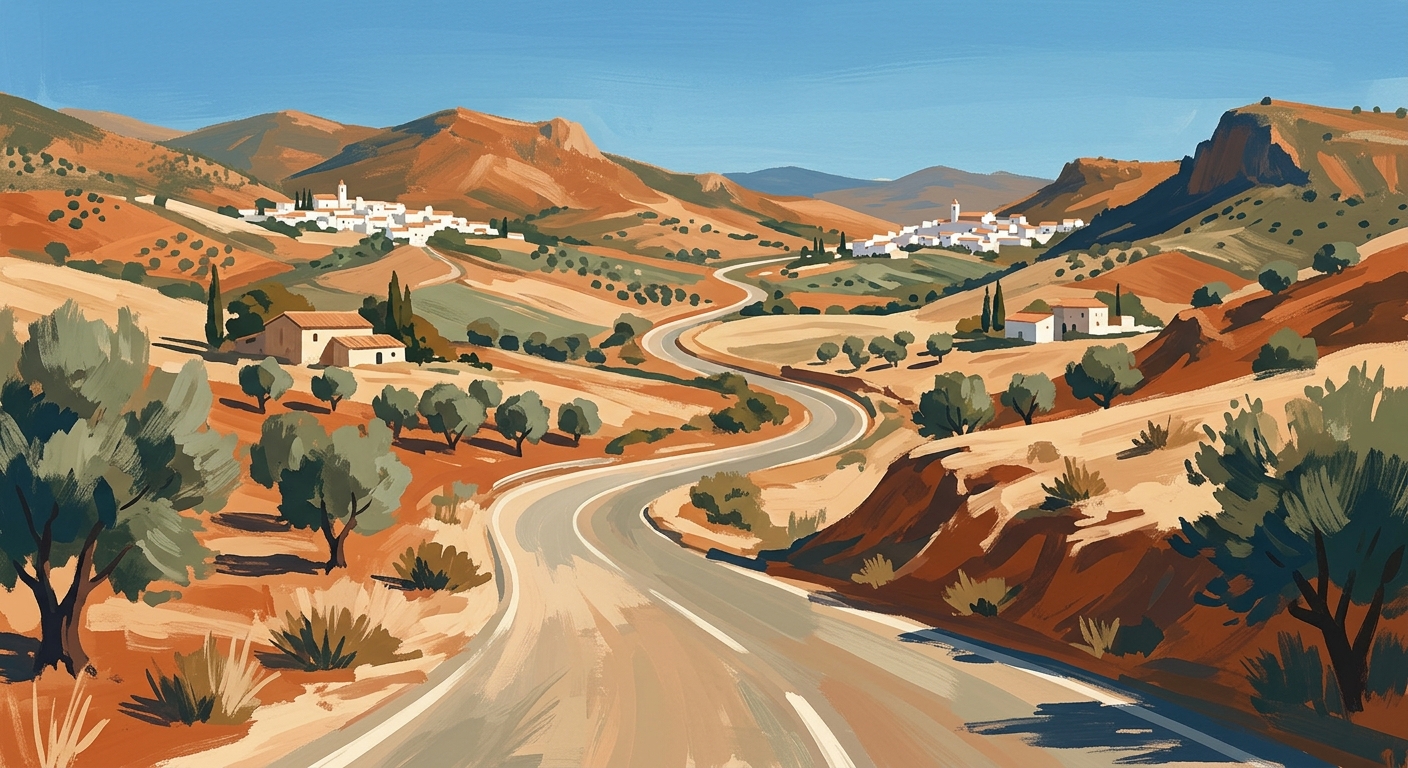
itinerary
Spending a full week in Sevilla allows you to slow down and adopt the local rhythm. You can explore the monumental centre, wander through neighbourhood markets, and take the train to nearby Andalucían cities without feeling rushed.
itinerary
1 Week in Sevilla: A Complete 7-Day Itinerary
1 May 2026 · 13 min read · 2,958 words
Spending a full week in Sevilla allows you to slow down and adopt the local rhythm. You can explore the monumental centre, wander through neighbourhood markets, and take the train to nearby Andalucían cities without feeling rushed.
Sevilla is an intense, proud city. Visitors who try to cram all the major sights into forty-eight hours inevitably leave exhausted. Giving yourself a full week here means you can finally break up the heavy sightseeing and lean into the genuine local routine. You will have time to linger over late breakfasts of thick toast drizzled with olive oil, take a proper afternoon rest when the sun is at its highest, and head out for tapas after nine in the evening alongside the locals.
This itinerary balances the heavily visited headline monuments with atmospheric residential neighbourhoods. We dedicate the first three days to the core districts of Sevilla, exploring Santa Cruz, El Arenal, and Triana. Days four and six are reserved for high-value train trips to Córdoba and Cádiz. The remaining days slow the pace entirely, allowing you to explore aristocratic palaces, the expansive Parque de María Luisa, and the distinctly local northern Macarena district.
You can follow this route in any season, though you must adjust your afternoon and evening schedules during the summer months. From June through to late September, the hours between two and seven in the afternoon are exclusively for sleeping, sitting in shaded courtyards, or staying indoors. In the winter months, the midday sun is incredibly pleasant and you can walk comfortably all day long.
Day 1: The Monumental Heart
Morning
Start your week at the absolute centre of the city. The Catedral de Sevilla opens at eleven in the morning for cultural visits. You need to book your timed entry ticket online several weeks in advance to bypass the massive queue that wraps around the building. Spend an hour walking through the cavernous interior, noting the monumental tomb of Christopher Columbus, before climbing the interior ramps of La Giralda. This former minaret offers brilliant views across the city rooftops. The entire visit takes around ninety minutes.
Lunch
Walk five minutes east into the narrow alleys of the Barrio Santa Cruz. This area is heavily populated by tourists, but Bodega Santa Cruz Las Columnas on Calle Rodrigo Caro remains a highly reliable classic. It is permanently loud and crowded. Stand at the bar, order a cold Cruzcampo beer, and ask for the pringá montadito (a small, hot sandwich filled with rich, slow-cooked pork meats). Two drinks and three tapas here will cost less than fifteen euros.
Afternoon
The entrance to the Real Alcázar is a mere three-minute walk from your lunch stop. This complex of intricate Mudejar palaces and expansive gardens requires at least two hours to explore properly. Like the Cathedral, tickets must be purchased online at least a month ahead of your visit. Walk through the beautifully detailed Courtyard of the Maidens, then find a shaded bench in the extensive gardens to escape the afternoon heat. Peacocks roam freely among the orange trees, fountains, and tiled pavilions.
Evening
Cross Avenida de la Constitución into the El Arenal district. This neighbourhood has an excellent concentration of traditional tapas bars without the extreme crowds of Santa Cruz. Head to Bodeguita Romero on Calle Harinas around nine in the evening. You should order their carrillada (slow-cooked pork cheek) and the papas aliñás (potatoes dressed with premium olive oil, vinegar, and spring onion). If you want to continue the night, walk ten minutes west to Paseo de Colón for a drink overlooking the illuminated river.
Day 2: River, Gold and Triana
Morning
Begin your day by the water at the Torre del Oro, a thirteenth-century military watchtower that now houses a small naval museum. The view from the top gives a great perspective of the Guadalquivir River. From here, walk five minutes north along the riverbank to the Plaza de Toros de la Real Maestranza. Even if you have no interest in bullfighting, the guided tour of this eighteenth-century arena provides crucial context for understanding Andalucían culture and history.
Lunch
Walk ten minutes further north and cross the Puente de Isabel II, universally known as the Triana Bridge. This takes you into the proudly independent Triana neighbourhood. Head straight into the Mercado de Triana, built over the ruins of a medieval castle. You can eat incredibly well at the small stalls inside. Look for Cervecería La Grande for excellent fresh prawns, or simply graze on cured meats and local cheeses from the various vendors.
Afternoon
Triana has been the centre of the Sevilla ceramics industry for centuries. Walk five minutes from the market to the Centro Cerámica Triana on Calle Callao. This museum is built into an old factory and explains the local tile-making process beautifully. Afterwards, stroll down Calle Alfarería to browse the remaining independent workshops. Finish your afternoon by walking along Calle Betis, the street running parallel to the river, to enjoy views of the Sevilla skyline turning golden in the late afternoon sun.
Evening
Triana is deeply connected to flamenco culture. Authentic flamenco is notoriously difficult to plan, as the best nights are often spontaneous. Casa Anselma is famous but does not open until midnight and offers no guarantees. For a high-quality, guaranteed seated show at a reasonable hour, book tickets at Baraka Sala Flamenca on Calle Pagés del Corro. Have dinner beforehand at Blanca Paloma on Calle San Jacinto, a ten-minute walk away, where the aubergine stuffed with prawns is exceptional.
Day 3: Fine Art and Northern Squares
Morning
Walk to the Plaza del Museo to visit the Museo de Bellas Artes. Housed in a beautifully restored seventeenth-century convent, this is widely considered the second most important art gallery in Spain after the Prado in Madrid. The collection focuses heavily on religious art from the Sevilla School, including masterpieces by Murillo and Zurbarán. Keep in mind that the museum is closed on Mondays. Allocate about ninety minutes to wander through the quiet, shaded courtyards and grand galleries.
Lunch
Walk ten minutes north into the San Lorenzo neighbourhood. Your destination is Eslava on Calle Eslava. This is arguably the most popular tapas bar in the city, successfully blending traditional flavours with modern presentation. You must arrive by half past one in the afternoon to secure a spot at the bar. Ensure you order the slow-cooked egg served on a boletus mushroom cake, and the honey-glazed pork ribs.
Afternoon
From Eslava, it is a pleasant fifteen-minute walk east to the Palacio de las Dueñas. This was the favourite residence of the late Duchess of Alba. Unlike the heavily restricted Alcázar, Dueñas feels intimately personal. You can walk through courtyards completely draped in bougainvillea, view the family private art collection, and admire the eclectic mix of Mudejar and Renaissance architecture. It is rarely crowded, making it a peaceful afternoon retreat.
Evening
Walk five minutes north to reach the Alameda de Hércules. This massive, tree-lined plaza is the focal point for alternative culture and nightlife in Sevilla. It is highly popular with local families, students, and young professionals. The square is ringed with dozens of bars and restaurants. Grab an outdoor table at Duo Tapas for dinner, or simply hop from terrace to terrace enjoying cold beers and the incredibly relaxed, communal atmosphere as the sun goes down.
Day 4: Day Trip to Córdoba
Morning
Take a taxi or walk to Sevilla Santa Justa station. You need to book the high-speed AVE or Avant train to Córdoba, which takes just forty-five minutes. Book these train tickets a few weeks in advance to secure the best departure times. Upon arrival in Córdoba, it is a twenty-minute walk or a short taxi ride to the Mezquita. This breathtaking mosque-cathedral is defined by its endless rows of red-and-white candy-striped arches. You must book your entry tickets online before you travel.
Lunch
Walk ten minutes out of the immediate tourist zone to Taberna Salinas, located near the Plaza de la Corredera. This tavern has been serving food since 1889. You are here to eat traditional Córdoban dishes. Order the salmorejo (a thick, cold tomato and bread soup garnished with egg and ham) and the flamenquín (a long, deep-fried roll of pork and jamón).
Afternoon
Spend the early afternoon wandering through the Judería, the medieval Jewish Quarter. Walk down the highly photographed Calleja de las Flores, a narrow alley perfectly framing the cathedral bell tower. Next, walk fifteen minutes to the Alcázar de los Reyes Cristianos. While the building itself is austere, the terraced water gardens are spectacular and provide a cool, shaded environment to relax before you head back to the train station.
Evening
Catch an early evening train back to Sevilla. After a long day of walking and travelling, keep dinner simple. If you are staying near the centre, drop into El Comercio on Calle Lineros for a restorative plate of jamón and a glass of vermouth, or pick up some fresh items from a local grocery store to eat at your accommodation.
Day 5: Expo 1929 and the High Views
Morning
Head south to the Plaza de España. Built for the Ibero-American Exposition of 1929, this massive semi-circular brick building is visually staggering. It is absolutely essential to visit early in the morning, ideally around nine o'clock, before the tour buses arrive. Walk the entire curve of the building to admire the tiled alcoves, each representing a different province of Spain. You can also rent a small rowing boat to paddle along the canal that fronts the plaza.
Lunch
Walk ten minutes south into the residential El Porvenir neighbourhood. This area is mostly ignored by tourists but is full of excellent local dining options. Casa Palacios on Calle Felipe II is a superb choice for traditional Andalucían stews, grilled meats, and exceptionally fresh fried fish. The atmosphere is totally authentic, filled with local office workers and families enjoying their main meal of the day.
Afternoon
Cross back over to the Parque de María Luisa, the expansive green lung of Sevilla. The wide, shaded avenues provide excellent protection from the afternoon sun. Walk south through the park to the Plaza de América. Here you will find the Museo Arqueológico and the Museo de Artes y Costumbres Populares. Even if you choose not to go inside, the contrasting architectural styles of the buildings are worth photographing. Rent a four-wheeled pedal cart if you want a relaxed way to cover the park grounds.
Evening
Take a bus or a taxi up to Plaza de la Encarnación in the city centre. Here you will find the Metropol Parasol, locally known as Las Setas. It is the largest wooden structure in the world. Book a sunset ticket to walk along the undulating roof walkways. The panoramic views of the city transitioning from day to night are spectacular. Afterwards, walk five minutes into the Alfalfa neighbourhood for dinner at Bar Alfalfa, a tiny, lively spot specialising in bruschettas and excellent regional wines.
Day 6: Day Trip to Cádiz
Morning
Head back to Santa Justa station for a train to Cádiz. The Alvia or Media Distancia trains take roughly one hour and forty-five minutes. Cádiz is an ancient port city built on a narrow peninsula, meaning it benefits from a constant, refreshing ocean breeze. Walk ten minutes from the station into the old town to reach the Mercado Central. The fish market here is arguably the most impressive in southern Spain. Watch the vendors expertly slice massive tuna and swordfish.
Lunch
Cádiz is synonymous with fried fish. You can buy paper cones of freshly fried seafood directly from stalls right outside the market. Alternatively, walk two minutes to Freiduría Las Flores on Plaza Topete. Sit outside and order a mixed platter featuring cazón en adobo (dogfish marinated in cumin and vinegar), puntillitas (tiny fried squid), and tortillitas de camarones (crispy shrimp fritters). Wash it down with a cold glass of crisp white wine.
Afternoon
Walk five minutes to the Torre Tavira. This is the highest watchtower in the old city, historically used to spot returning merchant ships. Book ahead to join the camera obscura tour, which projects a live, moving image of the city onto a curved canvas in a dark room. Afterwards, walk ten minutes west to La Caleta beach. Take off your shoes, walk on the sand, and enjoy the distinct maritime atmosphere before catching the train back.
Evening
Return to Sevilla in the evening. For a completely different dining experience, book a table at La Azotea on Calle Conde de Barajas in the San Lorenzo district. They serve contemporary, creative tapas using high-quality market ingredients, offering a nice break from the traditional fried foods and heavy stews.
Day 7: Macarena and Local Rhythms
Morning
Dedicate your final day to the northern reaches of the city. Start at the Basílica de la Macarena. This church houses the Virgen de la Esperanza Macarena, a weeping wooden statue that is the subject of intense local devotion, particularly during Semana Santa. Just outside the church, you can walk alongside the longest surviving stretch of the Almohad city walls, which originally protected the city during the Islamic period.
Lunch
Walk five minutes south down Calle San Luis to the Mercado de la Feria. This is the oldest market in Sevilla, functioning since the eighteenth century. Towards the back of the market, you will find La Cantina. This tiny establishment serves incredibly fresh grilled fish and ice-cold beer. You order at the counter, wait for your name to be called, and eat standing at high tables in the alleyway. It is chaotic, cheap, and brilliantly authentic.
Afternoon
Walk fifteen minutes southeast to the Casa de Pilatos. This is a stunning fifteenth-century palace that perfectly blends Italian Renaissance architecture with intricate Andalucían Mudejar tilework. It is essentially a smaller, quieter version of the Real Alcázar. Late afternoon is the best time to visit, as the tour groups have usually departed, allowing you to appreciate the marble statues, grand staircases, and peaceful gardens in relative silence.
Evening
For your farewell dinner, walk ten minutes north to El Rinconcillo on Calle Gerona. Founded in 1670, it is officially the oldest bar in Sevilla. Dust covers the antique bottles on the walls, and legs of jamón hang from the ceiling. Order a plate of espinacas con garbanzos (spinach with chickpeas) and some cured meats. The waiters will chalk your running total directly onto the mahogany bar. It is the perfect, traditional conclusion to a week in the Andalucían capital.
Where to stay
Barrio Santa Cruz is the most famous district, filled with winding alleys and orange trees. Staying here puts you within a five-minute walk of the Cathedral and Alcázar. It is ideal for first-time visitors who want to step out of their door straight into the historic atmosphere, though it is incredibly busy and local dining options are limited.
El Arenal borders the river to the west of the Cathedral. The streets are slightly wider here, and the area is packed with outstanding traditional tapas bars. It is an excellent compromise, offering supreme convenience for sightseeing while feeling slightly more grounded and sophisticated than the tourist core.
Triana sits across the river and has a fiercely independent identity. You will not find monumental architecture here, but you will find authentic daily life. It is the best option if you want to wake up, go to a local market, pay normal prices for your morning coffee, and escape the crowds entirely.
The San Lorenzo and Macarena districts dominate the northern half of the historic centre. This area is highly recommended for a week-long stay. You are a twenty-minute walk from the main monuments, but you are rewarded with quiet, residential streets, beautiful local squares, and excellent contemporary restaurants.
Practical notes
If you arrive by air, the EA airport bus takes roughly thirty-five minutes to reach the city centre, terminating at Plaza de Armas. Taxis offer a flat rate from the airport to any point within the city limits. If you arrive by train, Sevilla Santa Justa station connects directly to Madrid, Barcelona, and the rest of Andalucía. Taxis line up directly outside the main exit.
Sevilla is entirely flat, making it a brilliant city for walking. However, the historic centre is paved almost exclusively with uneven cobblestones. You must pack supportive footwear, as flimsy sandals will leave you with bruised feet after the first day. The city also operates an excellent public bicycle system called Sevici, which is perfect for navigating the dedicated cycle lanes along the river.
You absolutely must pre-book tickets for the Real Alcázar and the Catedral de Sevilla. Do not assume you can walk up to the ticket office on the day, as they frequently sell out weeks in advance. The same applies to the Mezquita for your day trip to Córdoba. Print your tickets or have them downloaded to your phone before you arrive at the gates.
Adjusting to the local dining schedule is essential. Most cafes serve breakfast until half past eleven in the morning. Lunch is typically eaten between two and four in the afternoon. Do not attempt to eat dinner before half past eight in the evening; many kitchens will not even open until nine. If you find yourself hungry at six in the evening, do as the locals do and find a bakery for a small afternoon snack of coffee and cake.
When packing, aim for smart casual attire. Locals in Sevilla tend to dress well, even in the height of summer. While shorts are perfectly acceptable during the day, lightweight trousers or linen dresses are preferred for the evening. Remember that you are visiting functioning religious buildings, so bring a light scarf or shirt to cover your shoulders when entering churches and the Cathedral.
More guides
48 Hours in Sevilla: A Weekend Itinerary
Spend a weekend in Sevilla navigating the royal palaces, historic tapas bars and shaded plazas. This two-day plan balances major architectural sights with long lunches and evening walks along the river.
8 min read
Read guide →
3 Days in Sevilla: The Complete Itinerary
Spend 72 hours exploring the heart of the Andalucían capital. This pacing allows time for the Real Alcázar, late tapas in Triana and the essential afternoon siesta.
9 min read
Read guide →
2 Days in Sevilla: A Complete Itinerary
Two days in Sevilla requires strict prioritisation to avoid exhaustion under the Andalucían sun. This itinerary balances the grand monuments of the historic centre with the slower, more local rhythm of Triana and Santa Cruz.
10 min read
Read guide →
A Weekend in Cordoba: Two Days in Andalucía's Caliphate City
Spend 48 hours in Cordoba exploring the mesmerising Mezquita, getting lost in the whitewashed streets of the Judería, and eating excellent salmorejo.
9 min read
Read guide →
7 Days in Cordoba: The Complete One-Week Itinerary
Seven days in Cordoba allows you to sink into the slow rhythm of Southern Spain. Beyond the famous Mosque Cathedral, a full week gives you time to explore aristocratic palaces, sip local wines in ancient taverns, and venture out to the olive groves and castles of the surrounding province.
12 min read
Read guide →
One Week in Ronda: A Seven-Day Itinerary for the Serranía
A seven-day stay in Ronda allows you to experience the deep gorge and ancient streets long after the day-trippers have left. Using the city as a base, you can easily explore the surrounding white villages, hike the Sierra de las Nieves, and settle into the true rhythm of mountain life.
13 min read
Read guide →
Seven Days in Malaga: A One-Week Itinerary
Spending a full week in Malaga allows you to explore the historic centre at a relaxed pace while leaving time for the coast and nearby mountains. This plan balances world-class art and Moorish architecture with long lunches by the Mediterranean Sea.
12 min read
Read guide →
A Perfect Weekend Itinerary for Malaga
Spend 48 hours in Malaga discovering a coastal city that balances centuries of Moorish architecture with excellent art galleries and outstanding local seafood. This weekend plan helps you navigate the historic centre, avoid the longest queues, and eat at the best neighbourhood tapas bars.
9 min read
Read guide →
3 Days in Cadiz: The Ultimate Itinerary for Independent Travellers
Three days allows you to completely sink into the maritime rhythm of Europe's oldest city. You can cover the historic centre, explore the twin seaside fortresses, and still have time for a sherry tasting afternoon across the bay.
7 min read
Read guide →Newsletter
More stories from Andalucía
Weekly notes, seasonal picks, and the next guides worth bookmarking.