
Itinerary · Granada
Seven Days in Granada: The Complete Slow Travel Itinerary
Spend a full week in Granada to look beyond the Alhambra and sink into the authentic rhythm of an Andalucían capital. Seven days allows you to hike the Sierra Nevada foothills, wander the winding streets of the Albaicín, and master the city's legendary free tapas culture without rushing.
By Dan · Updated 29 June 2026 · 9 min read
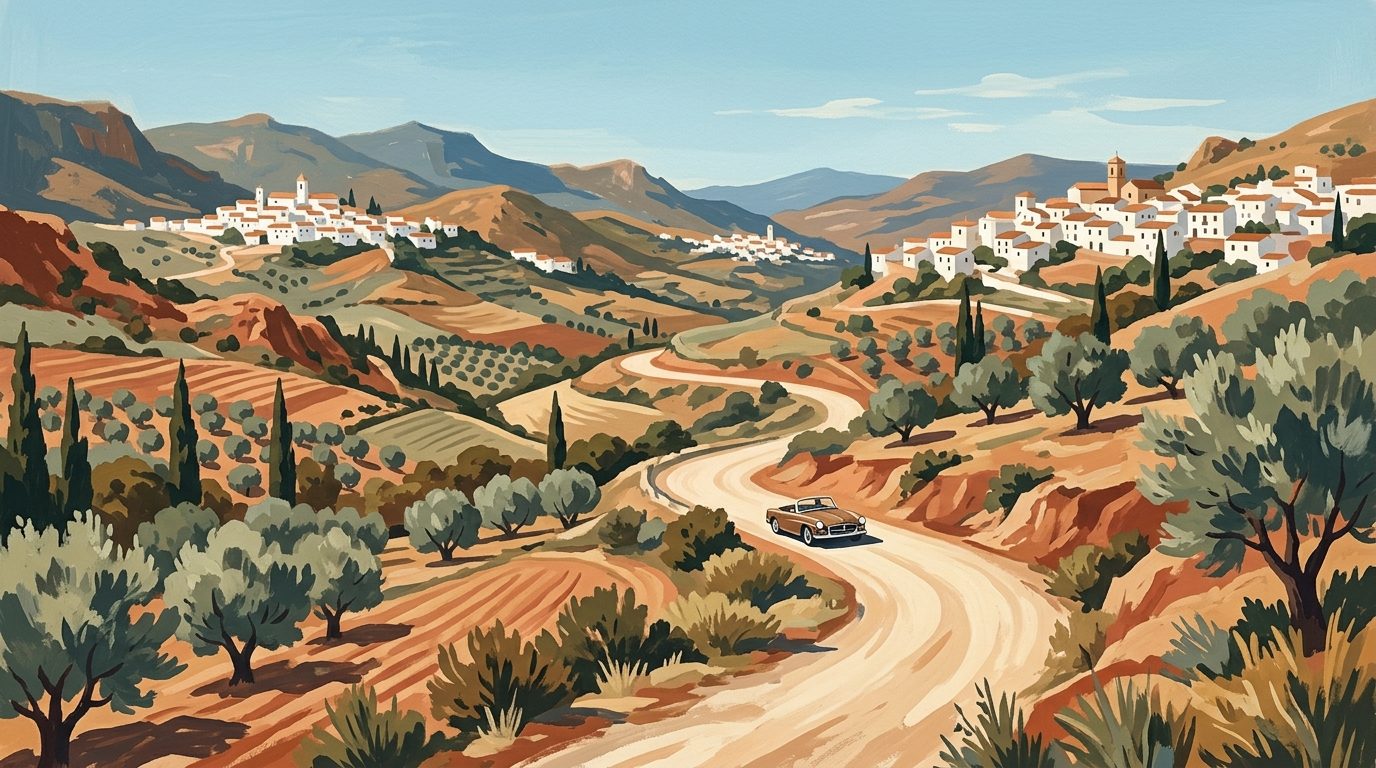
Spend a full week in Granada to look beyond the Alhambra and sink into the authentic rhythm of an Andalucían capital. Seven days allows you to hike the Sierra Nevada foothills, wander the winding streets of the Albaicín, and master the city's legendary free tapas culture without rushing.
Most visitors give Granada two nights. They rush through the Alhambra palaces, take a quick photograph from the Albaicín hills, and leave before they have truly learned how the city operates. Giving this Andalucían capital a full week transforms your experience entirely. Seven days grants you the luxury of time, allowing you to respect the natural rhythm of a Spanish day. You can tackle the steep, cobblestone hills in the cool morning air, retreat for a long, relaxed lunch, and take a proper siesta while the afternoon heat bakes the streets.
With a week to spare, you can dedicate an entire day to the sprawling Alhambra complex without exhausting yourself. You can take the local bus up to the quiet, whitewashed villages of the Alpujarras. You will have time to visit the Carthusian monastery on the northern edge of the city and trace the historic Jewish heritage down in the Realejo neighbourhood.
Crucially, a longer stay means you can fully embrace the local dining schedule. In Granada, a drink order at a traditional bar still comes with a complimentary plate of food. By pacing your days properly, you will have the energy to join the locals for late tapas crawls well past 21:00, standing at crowded bars and waiting to see what the kitchen sends out next.
Day 1: Arrival and the Darro Valley
Morning
Drop your luggage at your accommodation and head straight for Plaza Nueva, the geographical and historical centre of the city. From here, follow the Carrera del Darro. This narrow, cobblestone street runs directly alongside the Darro River, shadowed by the immense stone walls of the Alhambra above. The walk takes roughly fifteen minutes, but you will stop frequently to look up at the towers.
Lunch
In Granada, lunch starts at 14:00 at the earliest. Cross the river and walk five minutes back towards the centre to find Minotauro Tapas. Order a local vermouth, which will arrive with a generous complimentary tapa. If you need more food, order a half portion of their cured meats to share.
Afternoon
Continue walking eastward along the Paseo de los Tristes. Find a shaded bench near the riverbank and let your digestion settle. This is a perfect time to review your map and plan your evening.
Evening
Head up towards Calle Elvira for your first authentic tapas crawl. Bodegas Castañeda is a local institution here. There are no tables, so stand at the wooden bar, order a cold Alhambra beer, and eat whatever the waiters slide across the counter.
Day 2: The Alhambra and Realejo
Morning
Dedicate your entire morning to the Alhambra complex. Tickets for the Alhambra sell out months in advance, so you must pre-book your time slot for the Nasrid Palaces. Secure a 09:30 entry for the palaces, but arrive at the complex by 08:30. This allows you to walk through the Generalife gardens first in the cool, quiet morning air. A full circuit of the palaces, gardens, and the Alcazaba fortress requires about four hours of steady walking.
Lunch
Leave the complex and walk down the steep, tree-lined Cuesta de Gomérez into the Realejo, the old Jewish quarter. The descent takes twenty minutes. Find Bar Los Diamantes on Calle Rosario. It will be loud and crowded, but their fresh fried fish is exceptional.
Afternoon
Take your first real siesta. The afternoon heat, particularly between June and September, is intense. Rest indoors until 17:00, then wander up to Campo del Príncipe, a large, relaxed plaza in the heart of the Realejo.
Evening
Stay in the Realejo for dinner. Walk five minutes to Bar Poë. The owner is British, and the tapas feature African and Moorish spices, serving as a brilliant nod to the diverse heritage of the region.
Day 3: The Royal Cathedral and the Historic Centre
Morning
Start your day at the Capilla Real, the final resting place of the Catholic Monarchs, Ferdinand and Isabella. Right next door stands the massive Granada Cathedral. The entrance queue for the cathedral usually moves quickly, but arriving right at opening time ensures a quieter visit.
Lunch
Walk five minutes west to Plaza de Pescadería. Grab an outdoor table at Bar Oliver. This is a brilliant spot for people watching. Try their grilled octopus and homemade croquetas.
Afternoon
Walk two minutes back toward the cathedral to explore the Alcaicería, the site of the former Moorish silk market. It is narrow and tightly packed with vendors selling ceramics and lamps. Afterwards, walk across to Plaza Bib-Rambla. Sit at the historic Gran Café Bib-Rambla for late afternoon churros dipped in thick hot chocolate.
Evening
Walk ten minutes to Plaza de la Trinidad. Bar La Riviera is located nearby. They offer a rare feature in Granada, allowing you to actually choose your free tapa from a printed menu rather than accepting whatever the kitchen decides to cook.
Day 4: Upper Albaicín and the Caves of Sacromonte
Morning
Wear comfortable walking shoes with strong grip. Walk up the steep, winding alleys of the Albaicín to the Mirador de San Nicolás. Arrive before 10:00 to avoid the heavy crowds that gather for the Alhambra view. Right next door, you can find the peaceful courtyard of the Mezquita Mayor de Granada.
Lunch
Walk fifteen minutes eastward into Sacromonte, the traditional Roma neighbourhood famous for its whitewashed cave houses. Eat at Restaurante Casa Juanillo, which offers sweeping, unobstructed views down the valley.
Afternoon
Continue walking up the valley road for another twenty minutes to reach the Sacromonte Abbey. It is a steep walk under the open sun, so take plenty of water. The guided tour of the underground catacombs is a fascinating escape from the heat.
Evening
Return to the lower section of Sacromonte to experience a Zambra flamenco show. Cueva de la Rocío is a reliable, family-run venue. Book ahead for the 21:00 performance and have a light dinner at the venue.
Day 5: Day Trip to the High Alpujarras
Morning
Escape the city for the Sierra Nevada foothills. Rent a car or take the early morning ALSA bus (check alsa.com for seasonal schedules) to the high-altitude villages of the Alpujarras. The journey takes around two hours. Start in the village of Pampaneira and hike the rugged dirt paths up to the neighbouring village of Bubión.
Lunch
Eat in Bubión at Restaurant Teide. Order the Plato Alpujarreño, a notoriously heavy mountain dish consisting of potatoes, fried eggs, sweet peppers, and local sausage.
Afternoon
Walk the final, gentler stretch up to Capileira. The mountain air is noticeably cooler here, making afternoon walks far more pleasant than back in the city centre. Catch the late afternoon bus back down to Granada.
Evening
Keep dinner exceptionally light after your heavy mountain lunch. Return to your accommodation, rest, and then find a quiet local bar for a glass of wine and a simple plate of sliced jamón ibérico.
Day 6: Carthusian Grandeur and Student Tapas
Morning
Take the local U3 bus from the centre up to the Monasterio de la Cartuja. Always check the schedule first, as many religious sites and museums (including the Cartuja) often have limited hours or close on Mondays. This monastery is a masterpiece of Spanish Baroque architecture, offering a completely different aesthetic to the Moorish styles you have seen so far.
Lunch
Walk twenty minutes south toward Plaza Einstein. You are now in the heart of the university district. Students demand massive portions for their money. Calle Gonzalo Gallas is lined with loud, casual bars where a single drink order yields a small meal.
Afternoon
Catch a bus or walk back towards the city centre to visit the Basílica de San Juan de Dios. The interior is covered in blinding amounts of gold leaf and elaborate wooden carvings.
Evening
Walk fifteen minutes north to the area surrounding the Plaza de Toros. Bar La Maestranza serves excellent grilled meats. The atmosphere in this neighbourhood is entirely local, with very few tourists making the walk up here.
Day 7: Southern Gardens and Lorca
Morning
Return to the Alhambra hill, but skip the palaces entirely. Instead, visit the Carmen de los Mártires, a stunning nineteenth-century garden complex with peacocks wandering the shaded grounds. Next, walk five minutes down the road to the Fundación Rodríguez-Acosta to view their private art collection and terraced gardens.
Lunch
Walk down the hill to the wide Genil River. Have a late, relaxed lunch at Kiosko Las Titas, set in a historic glass pavilion right on the water.
Afternoon
Stroll along the riverbanks to the Parque Federico García Lorca. Visit the Huerta de San Vicente, the preserved summer home of the famous Andalucían poet.
Evening
Take a taxi up the steep hills to the Ermita de San Miguel Alto for your final evening. This viewpoint offers the best sunset view over the entire city and the Alhambra. Afterwards, walk twenty minutes down into the Albaicín for a formal farewell dinner at Mirador de Morayma.
Where to stay
The Albaicín: This historic Moorish quarter offers incredible atmosphere and the best views of the Alhambra. However, the streets are steep, cobbled, and completely inaccessible to cars. It is perfect if you want romance, but unsuitable if you are travelling with heavy luggage or mobility issues.
Centro Histórico: Staying near the cathedral puts you on flat ground with immediate access to bus routes, taxis, and the main shopping streets. It lacks the ancient charm of the hills, but makes daily navigation infinitely easier.
The Realejo: The old Jewish quarter is an excellent compromise. It sits at the foot of the Alhambra, meaning you still get winding, atmospheric streets, but the walk back to your hotel after a long day is far less punishing than climbing the Albaicín.
Practical notes
Arrival logistics: The Granada airport is very small and offers limited flights. Most international travellers fly into Málaga. From there, take the direct ALSA bus up to Granada. The journey takes two hours, and the buses are clean, air-conditioned, and highly reliable.
Getting around: Granada is a walking city, but the hills are demanding. When your legs tire, look for the small red minibuses that run the C-lines. The C30 and C32 lines are your best options for getting up to the Alhambra and into the Albaicín without walking.
Tickets to pre-book: The Alhambra is the most visited monument in Spain, and tickets sell out months in advance. You must secure these via the official Patronato de la Alhambra y Generalife website before you book your flights. If your Andalucían trip continues to other cities, ensure you also pre-book the Real Alcázar in Sevilla, the Mezquita in Córdoba, and the Caminito del Rey well ahead of time.
Season and weather: Summer in Granada is brutal. If you visit in July or August, you must adopt the local schedule. Be off the streets by 14:00 and do not emerge until 19:00. Spring and autumn offer perfect walking weather, while winter provides clear, crisp days with snow visible on the nearby Sierra Nevada mountains.
Last reviewed: 21 June 2026 · Editorial policy
Related guides
Hotels with a Pool in Granada: Rooftop Plunges and Seasonal Tips
Finding a hotel with a pool in Granada requires understanding seasonal limits and the difference between a rooftop plunge and a full-sized basin.
5 min read
A Perfect Weekend in Granada
A practical three-day guide to Granada, focusing on the Alhambra, the winding lanes of the Albaicín, and the city's unique tapas culture.
8 min read
Three Days in Granada: The Perfect Itinerary
Spend three days exploring Granada without the rush. Discover how to pace your visits to the Alhambra, navigate the winding Albaicín, and master the free tapas culture.
8 min read
Two Days in Granada: A Step-by-Step Itinerary
Two days in Granada gives you just enough time to explore the Alhambra and lose yourself in the steep alleys of the Albaicín. This itinerary balances major monuments with the city's legendary free tapas culture.
10 min read
Beyond the Red Fortress: Navigating the Highs and Lows of Granada
Discover the layered history of Granada, from the intricate Nasrid Palaces of the Alhambra to the whitewashed caves of Sacromonte and the lively tapas bars of the city centre.
10 min read
A Long Weekend in Sevilla: The Definitive Four Days Itinerary
A precise 4-day guide to Sevilla, covering the Gothic Cathedral, royal palaces, Triana's pottery workshops, and the best tapas bars in the city.
8 min read
More from Granada
A Weekend in Granada: The Perfect Two Days Itinerary
Make the most of 48 hours in Granada with our practical guide. We balance essential palace visits with unhurried tapas crawls through the Albaicín and Realejo neighbourhoods.
9 min read
Andalucía by Train: Rail Journey from Málaga to Granada
Ditch the car hire queues and traverse southern Spain using the high-speed AVE network on this 10-day rail adventure from the coast to the Sierra Nevada.
9 min read
Granada and the Alpujarras: A 5-Day Loop
Combine the architectural majesty of the Nasrid kings with the high-altitude solitude of the Sierra Nevada's southern slopes. This five-day loop transitions from urban tapas culture to the rugged traditions of Spain’s highest white villages.
8 min read
Seven Days in Andalucía: Sevilla, Córdoba, and Granada
A precise 7-day guide to Andalucía's Moorish heart, covering the essential sights and tastes of Sevilla, Córdoba, and Granada without the fluff.
9 min read
Newsletter
More stories from Andalucía
Weekly notes, seasonal picks, and the next guides worth bookmarking.