
attraction · Huelva
Centro de Visitantes El Acebuche
Andalucía 365 · Updated 18 July 2026
Our Verdict
“As the primary gateway to Doñana National Park, El Acebuche pairs accessible boardwalk trails and birdwatching hides with essential access to restricted wilderness areas.”
Last verified: July 2026
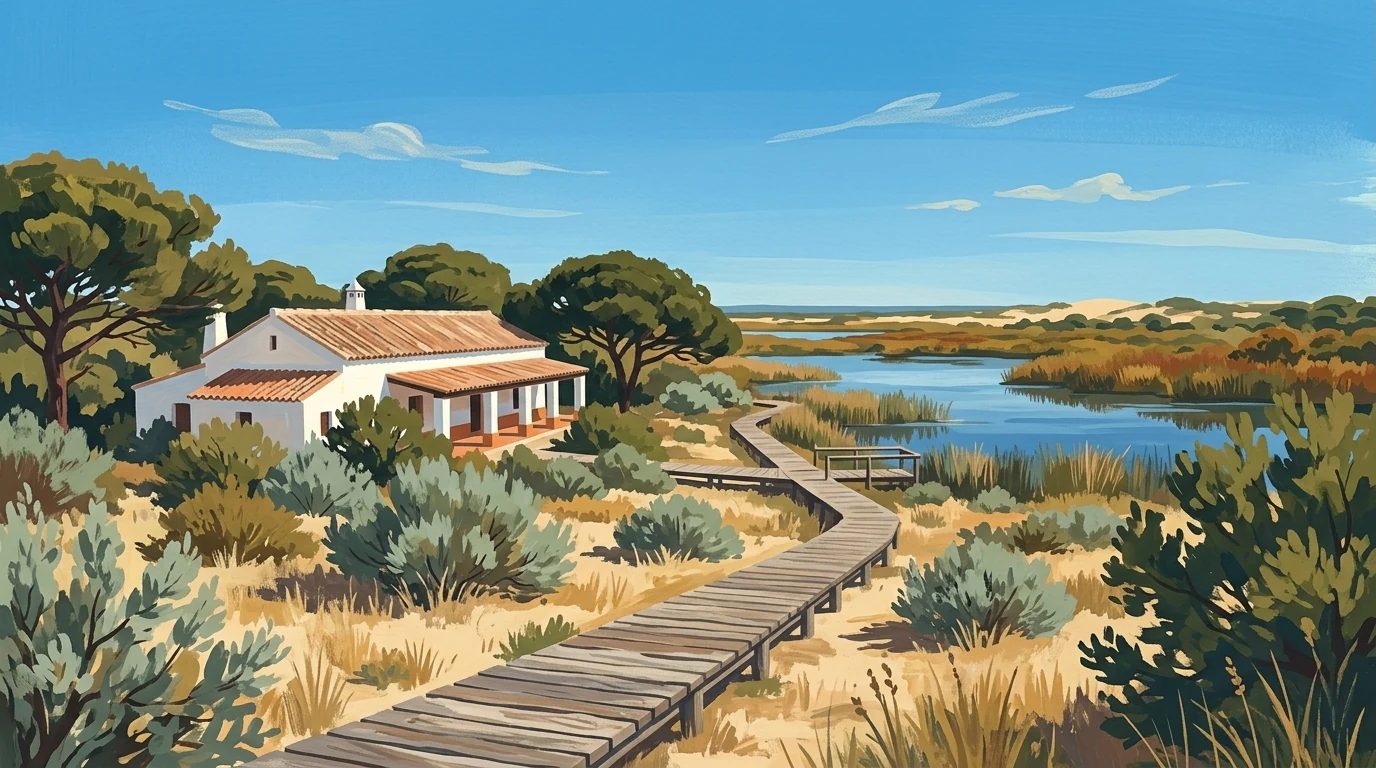
Centro de Visitantes El Acebuche serves as the principal gateway to Doñana National Park, one of Europe's most vital wetland reserves. Located just north of Matalascañas in the province of Huelva, this comprehensive visitor complex is the essential starting point for understanding the park's fragile ecosystems. It offers a well-curated introduction to the region's shifting dunes, dense scrublands and expansive marshes. Beyond its educational exhibitions, the centre provides direct access to accessible boardwalk trails, birdwatching hides and an Iberian lynx observatory. As the official departure point for authorised all-terrain vehicle excursions into the restricted areas of the national park, El Acebuche is indispensable for wildlife enthusiasts, birdwatchers and first-time visitors seeking to explore this protected Andalusian wilderness.
Why It Matters
Doñana National Park is a UNESCO World Heritage site and a crucial stopover for millions of migratory birds travelling between Europe and Africa. El Acebuche distils this vast, complex mosaic of landscapes into an accessible format. The centre itself is situated in the cotos, a transitional zone of stabilised sands, pine groves and Mediterranean scrub that supports a high concentration of biodiversity. Crucially, the complex is closely linked to the park's renowned Iberian lynx captive breeding programme. By combining environmental education with strictly managed access, El Acebuche balances the public's desire to experience Doñana with the urgent need to conserve its vulnerable habitats and endangered species.
What to See and Do
Exhibitions and the Lynx Observatory
The main building houses an interpretative exhibition that explains the seasonal transformations of Doñana's marshes, dunes and forests. An audiovisual room provides further context on the park's ecological significance. A short distance from the main complex, along the Huerto y las Pajas trail, lies the Iberian lynx observatory. This dedicated facility allows visitors to observe captive lynxes that are part of the national breeding and recovery programme. Access to the observatory is strictly controlled and requires advance booking, ensuring the animals remain undisturbed while offering an invaluable educational experience.
Lagoon Trails and Birdwatching
El Acebuche features two primary pedestrian routes. The Laguna del Acebuche trail is a fully accessible, wooden boardwalk circuit that skirts a restored lagoon. This route is dotted with camouflaged observation hides, providing excellent vantage points for spotting purple gallinules, crested grebes, azure-winged magpies and seasonal migratory flocks. The terrain is flat and shaded by stone pines, making it suitable for all ages. The second route, the Lagunas del Huerto y las Pajas trail, ventures deeper into the scrubland, offering a quieter walk where visitors might spot red deer, wild boar or native reptiles basking near the water.
Official Park Excursions
Because much of Doñana National Park is restricted to protect its fragile environment, independent exploration is limited. El Acebuche serves as the base for the official four-wheel-drive tours operated by authorised guides. These excursions cover approximately 70 kilometres of the park's interior, traversing the mobile dunes, the pristine beaches and the deep marshes. The visitor centre acts as the reservation and departure point for these essential guided journeys, which offer the only way to see the park's most remote and dramatic landscapes.
Planning Your Visit
Getting There
The visitor centre is located on the A-483 road between El Rocío and Matalascañas, near the 38.7-kilometre mark. A signposted turnoff leads to a two-kilometre paved access track that ends at a large, free parking area. The site is best reached by car, as public transport options directly to the entrance are limited.
How Long to Allow
Allow at least two hours to view the exhibition, walk the boardwalk trails and spend time in the birdwatching hides. If you are joining a guided four-wheel-drive tour or have a reserved slot for the lynx observatory, you should allocate a full half-day.
When to Go
Spring and autumn are the most rewarding seasons for birdwatching, as the lagoons are full and migratory species are abundant. Early morning visits offer the best chances of spotting wildlife and avoiding the intense midday heat, particularly during the summer months when the marshes dry out.
Entry to the visitor centre and the pedestrian trails is free. However, the four-wheel-drive excursions and the guided visits to the Iberian lynx observatory require advance booking. As schedules and availability fluctuate, always check the official Doñana National Park website or contact the centre directly to confirm current opening hours and secure reservations before travelling.
Good to Know
- Bring binoculars and a zoom lens if you plan to use the birdwatching hides, as the wildlife is often at a distance.
- Mosquito repellent is highly recommended, especially when walking near the lagoons in the warmer months.
- The complex includes a cafeteria and a shaded picnic area, making it a convenient spot for lunch.
- The Laguna del Acebuche trail is fully adapted for wheelchair users and pushchairs.
- Pets are not permitted on the trails or inside the visitor centre to protect the local wildlife.
Nearby worth your time
A few well-placed stops for extending the day without turning it into a checklist.
Continue through Doñana National Park & Coast
Step back into the wider landscape with local guides, nearby places and the province overview.
Place guide · 7 min
Playa de Castilla: The Wild Frontier of the Doñana Coastline
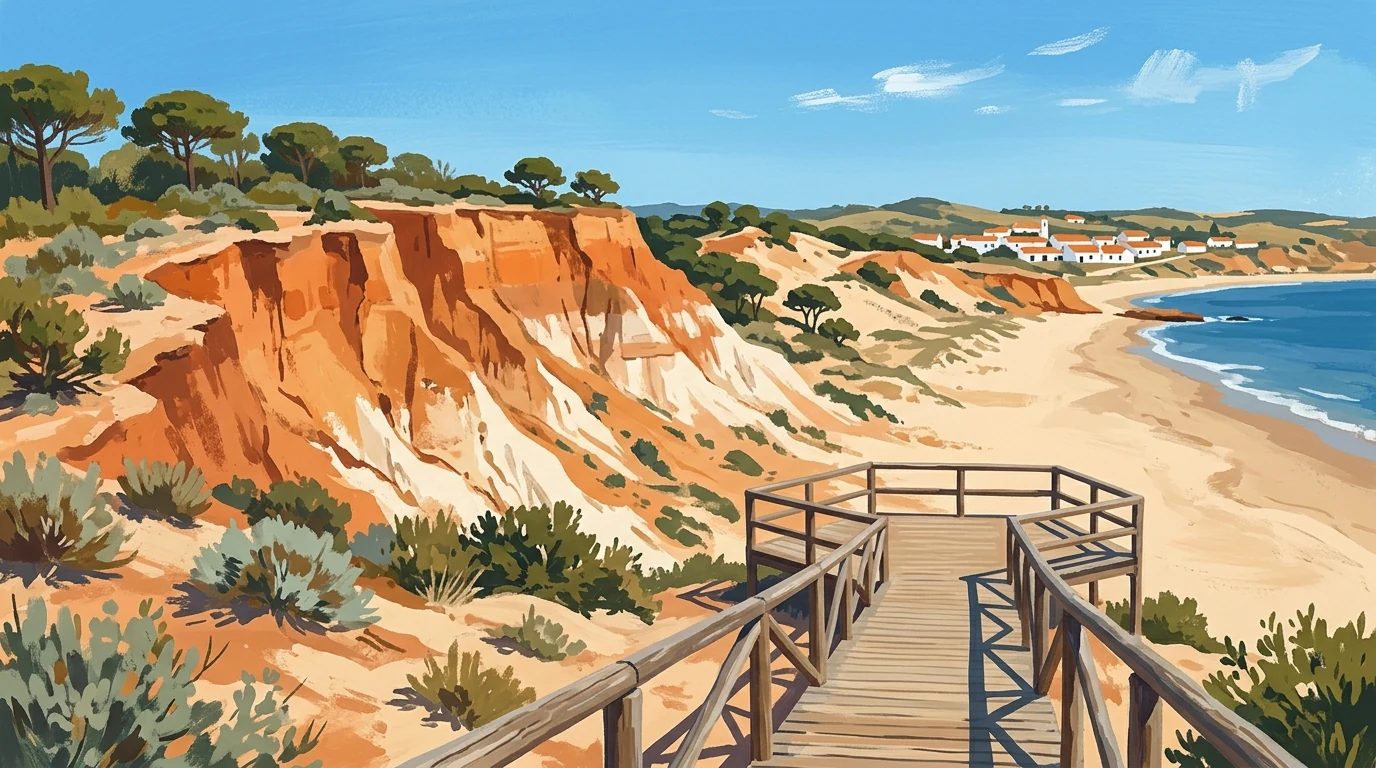
Playa de Castilla is a vast, 20-kilometre stretch of wild Atlantic coastline bordered by the spectacular orange cliffs of the Doñana National Park.
Place guide · 7 min
Playa de Isla Canela Beach Guide: Huelva Coastline
Playa de Isla Canela is a vast stretch of fine sand where the Guadiana River meets the Atlantic, famous for its shallow lagoons and family-friendly atmosphere.
Itinerary · 12 min
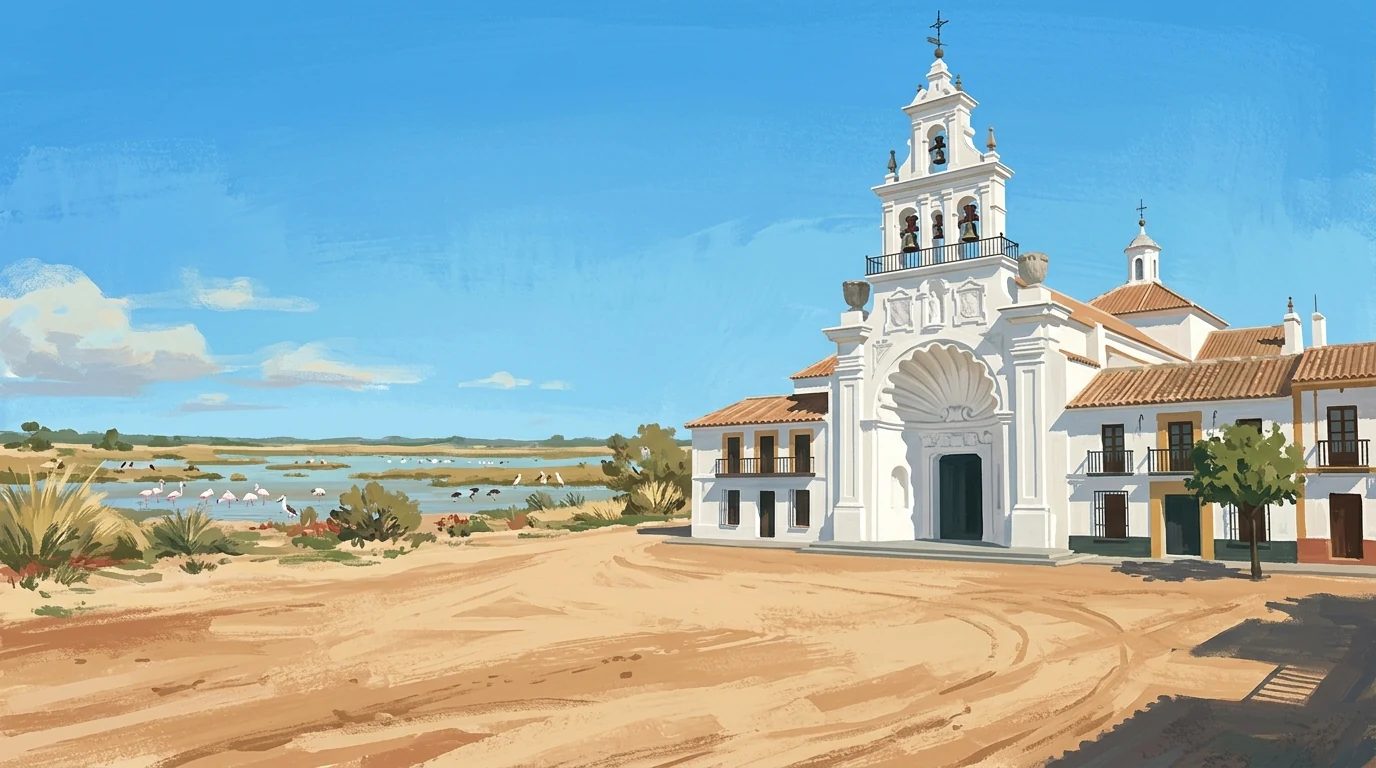
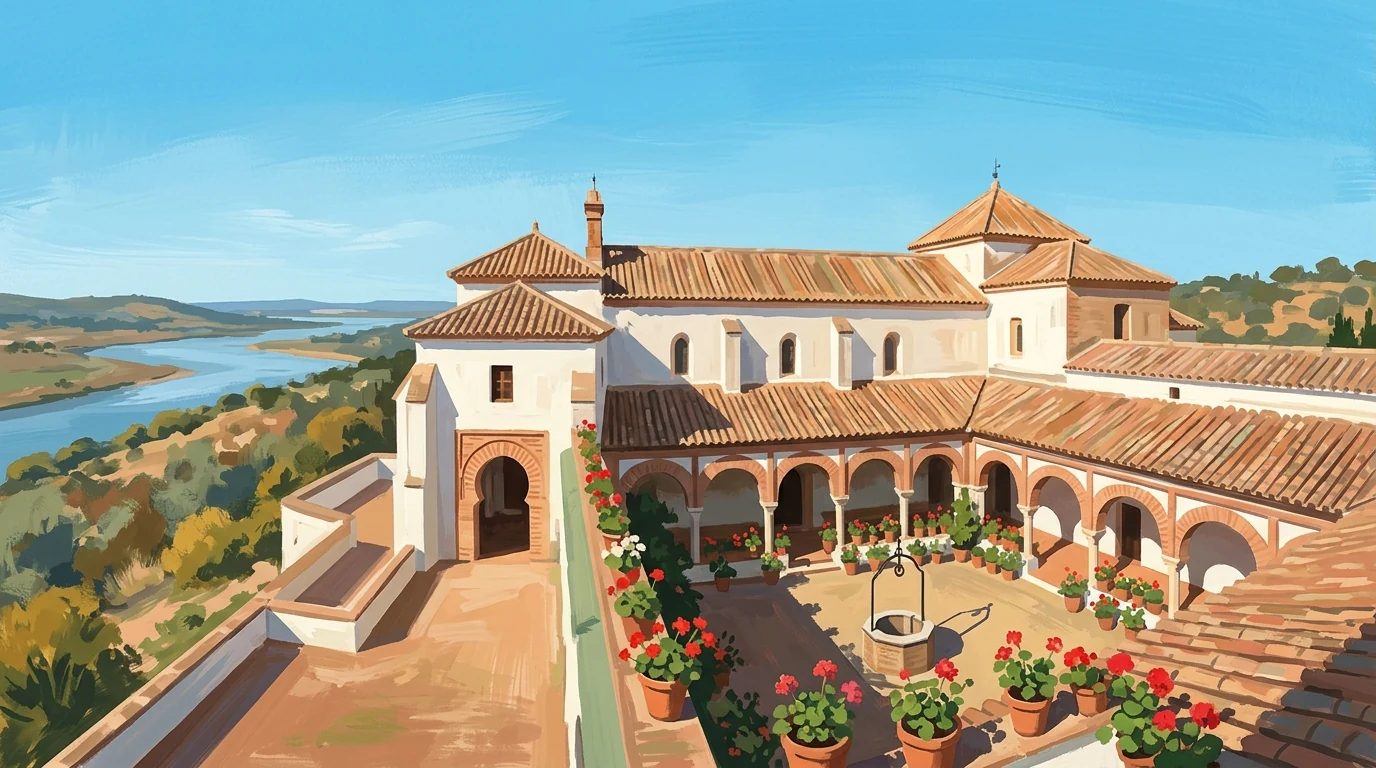
5 Days in Huelva: Atlantic Coast, Doñana and Sierra
A realistic five-day driving route through Huelva province, linking the maritime history of the capital with the tidal wetlands of Doñana and the chestnut forests of the Sierra de Aracena.