
Place guide · Huelva
Playa de Castilla: The Wild Frontier of the Doñana Coastline
Playa de Castilla is a vast, 20-kilometre stretch of wild Atlantic coastline bordered by the spectacular orange cliffs of the Doñana National Park.
By Dan · Updated 29 June 2026 · 7 min read
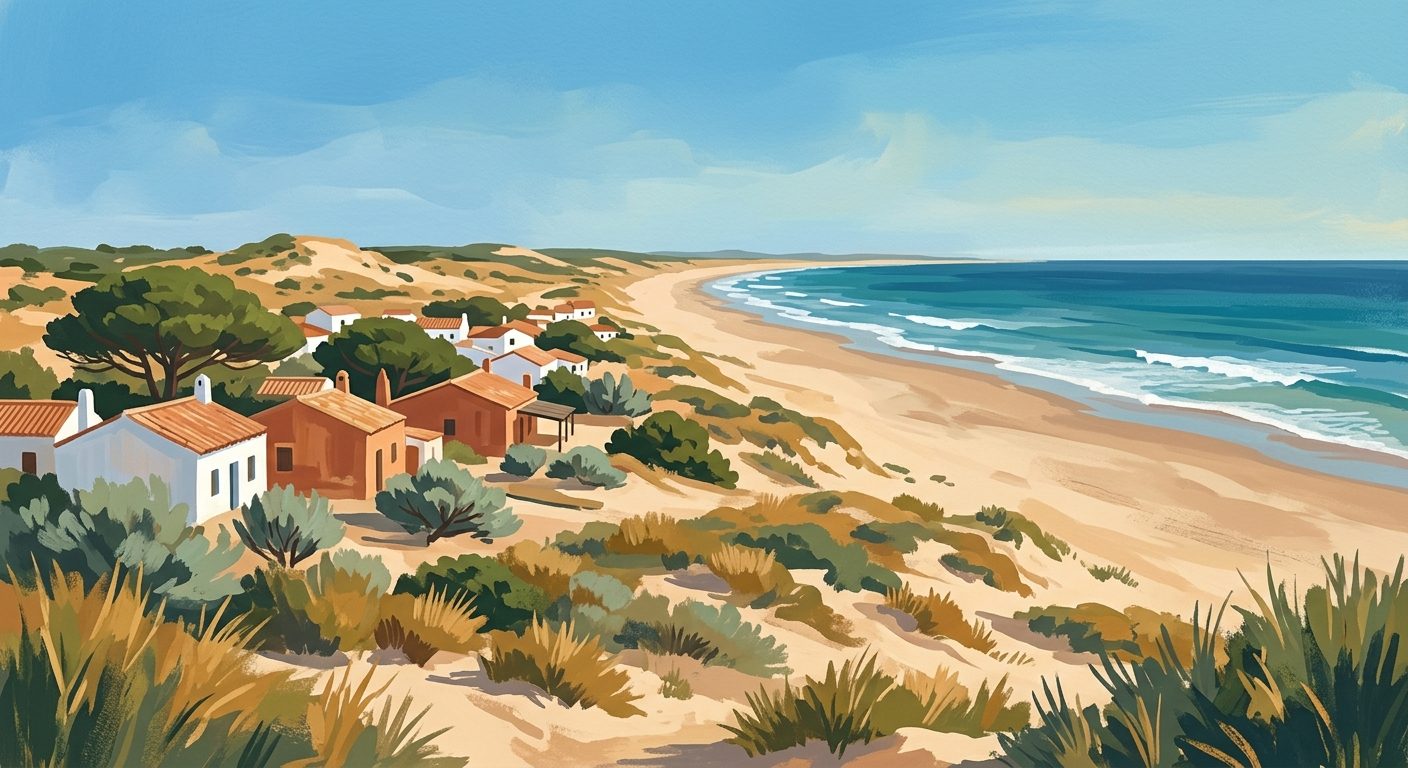
Playa de Castilla represents the wilder side of the Huelva coastline, stretching for miles along the edge of the Doñana National Park. This is a place of high sandstone cliffs and Atlantic rollers where nature remains the primary focus.
Playa de Castilla is not a typical holiday resort beach. It is a massive, untamed stretch of golden sand that defines the western edge of the Doñana National Park in the province of Huelva. Stretching for over 20 kilometres between the urban centres of Matalascañas and Mazagón, it offers a scale that is hard to find elsewhere in the south of Spain. While many visitors stick to the urbanised sands of Matalascañas, those who head west find themselves in a landscape dominated by the Acantilado del Asperillo, a wall of fossilised dunes that glows orange and ochre in the afternoon sun.
The character of this coastline is shaped entirely by the Atlantic Ocean and the protected status of the land behind it. Because it borders one of Europe's most important wetlands, development is strictly prohibited. There are no hotels, no paved promenades, and no apartment blocks overlooking the surf. Instead, you have the scent of salt spray and the surrounding pine forests. This is a location for walkers, nature lovers, and those who find the crowded parasols of the Costa del Sol a little too claustrophobic. It provides a sense of isolation that is increasingly rare on the Andalucían coast.
The beach itself
The sand at Playa de Castilla is exceptionally fine and pale gold in colour. Because of the sheer length of the beach, the sand quality remains consistent for miles, though the shoreline changes character depending on the tide. At low tide, the beach becomes a vast plain of firm sand, perfect for long walks. At high tide, the water can reach the base of the cliffs in certain sections, meaning you must keep a close eye on the tide charts if you plan to explore far from the access points.
The water clarity is generally high, though the Atlantic is more prone to suspension of fine sand than the Mediterranean, especially when the waves are high. The water temperature is also significantly cooler than on the eastern Andalucían coast, which can be a relief during the height of a Huelva summer but quite brisk in the shoulder seasons. While the beach does not hold a Blue Flag, this is a reflection of its status as a wild, non-serviced beach rather than a comment on its cleanliness. In fact, the water and sand quality here are among the highest in Spain due to the lack of urban runoff.
Naturism is very common here. Once you walk about ten minutes away from the main access points, particularly at Cuesta Maneli, the beach becomes a popular spot for those who prefer to sunbathe without clothes. It is an unofficial naturist zone that has been recognised by local custom for decades. Families do visit, particularly those with older children who enjoy the surf, but the lack of immediate facilities and the long walk from the car parks means it is less popular with those carrying heavy beach gear or pushchairs.
Getting there & parking
Accessing Playa de Castilla requires a bit of planning. If you are flying in, Sevilla Airport is the closest major hub, located approximately one hour and fifteen minutes away by car. Faro Airport in Portugal is another viable option, taking about one hour and thirty minutes to reach the Huelva coast. From Sevilla, you follow the A-49 motorway towards Huelva and then take the exit for El Rocío and Matalascañas.
The primary access point for the wilder section of the beach is known as Cuesta Maneli. You can check the Ventana del Visitante portal for the official Cuesta Maneli trail status. There is a designated car park here (usually involving a small fee during high season), but it is relatively small considering the popularity of the spot. In the height of summer, the car park is often full by 11:00 am. From the car park, you must walk along a wooden boardwalk that winds through the pine forest and over the dunes for about 1.2 kilometres. It is a beautiful walk, but it can be punishing in the midday heat, so carrying water is essential.
Public transport is limited. There are buses from Huelva and Sevilla to Matalascañas, but they will drop you in the town centre. To reach the wilder parts of Playa de Castilla from the town, you have to walk west along the shore. If you do not have a car, a taxi from Matalascañas to the Cuesta Maneli trailhead is the most efficient way to access the heart of this coastal wilderness.
Facilities & chiringuitos
The defining feature of Playa de Castilla is its lack of facilities. Once you leave the town limits of Matalascañas, you will not find any beach bars, sun-bed hire, or public toilets. This is a self-sufficient beach. If you are looking for the traditional chiringuito experience with fried fish and cold beer served to your table, you should stay at the eastern end in Matalascañas. In town, places like Chiringuito El Chivo or Chiringuito Bananas (note: these are seasonal and located in the urban Matalascañas zone) offer excellent local seafood and a lively atmosphere.
On Playa de Castilla itself, there are no lifeguards outside of the very small sections closest to the urban areas during the peak summer months. There are no showers to wash off the salt, and there are no bins, so you are expected to carry all your rubbish back to the car park. This lack of infrastructure keeps the crowds away and preserves the ecological integrity of the Doñana periphery, but it means you must pack everything you need for the day, including plenty of food, water, and sun protection.
Best time to visit
The best time to visit Playa de Castilla is during the late spring (May and June) or the early autumn (September and October). During these months, the weather is warm enough for swimming, but the intense heat of the Andalucían interior has not yet become unbearable. The light during these months is also spectacular, particularly for photographers wanting to capture the contrast between the blue Atlantic and the orange cliffs.
July and August are the busiest months. While the beach is so large that it never feels truly crowded, the car parks become a major bottleneck. The western winds (the Poniente) are common here and provide a welcome cooling breeze in summer, but they can occasionally become strong enough to make sunbathing difficult. In winter, the beach is a dramatic place for a walk, but the Atlantic storms can make it feel quite exposed and wild. Always check the weather forecast and tide times for the Mazagón area. At high tide, certain sections of the beach are cut off by the cliffs, and a strong Levante (easterly wind) can blow sand with uncomfortable force.
Combine with
A visit to Playa de Castilla is best paired with a trip to the village of El Rocío. Located about 20 minutes inland, El Rocío is a place unlike any other in Spain, with sand-covered streets and a Wild West atmosphere. It is the site of the famous annual pilgrimage, but even on a quiet Tuesday, the sight of the white sanctuary overlooking the Doñana marshes is extraordinary. It is a great place to find a traditional lunch after a morning on the beach.
Alternatively, you can book a guided tour of the Doñana National Park itself. These tours usually depart from the El Acebuche visitor centre or from Matalascañas. Since you cannot enter the core of the park in your own vehicle, these 4x4 tours are the only way to see the various ecosystems, from the moving dunes to the cork oak forests where the Iberian lynx and Spanish imperial eagle reside.
Practical notes
Safety is the most important consideration when visiting this beach. The cliffs of El Asperillo are made of relatively soft sandstone and clay. Erosion is a constant process, and rockfalls are possible, especially after heavy rain or high winds. It is advised not to set up your towels directly beneath the cliff face. Instead, stay a safe distance toward the waterline.
Regarding dogs, the rules are strict during the high season (typically June to September), when pets are generally not allowed on the main access points. However, because of the remote nature of the beach, many people do bring dogs to the far-flung sections. If you choose to do this, be mindful of the heat and the lack of shade for your pet. Accessibility is poor for those with limited mobility because of the long boardwalks and the sandy terrain. Finally, be aware of the currents. The Atlantic can have strong riptides, and without lifeguards on duty for most of the stretch, swimming should be approached with caution, especially for those who are not strong swimmers.
Last reviewed: 21 June 2026 · Editorial policy
Related guides
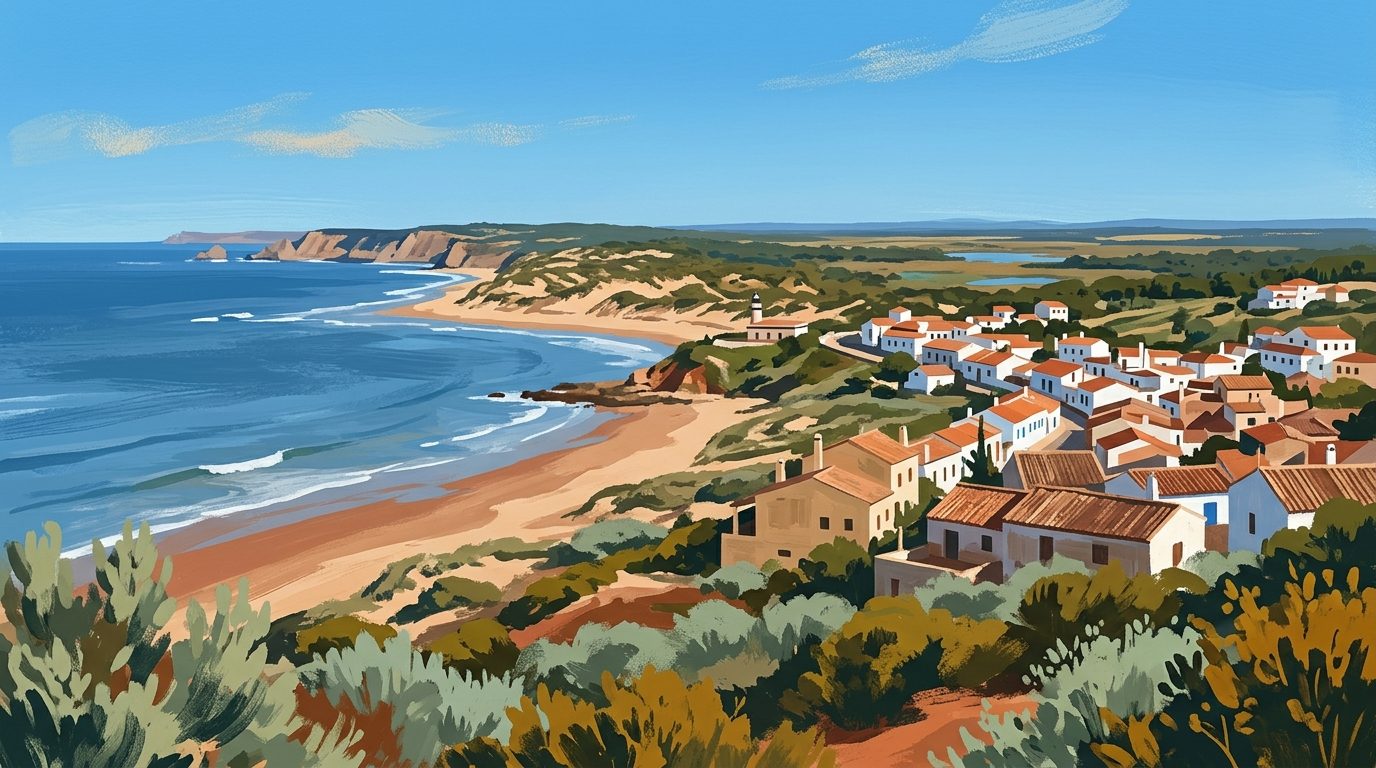
Mazagón: Untamed Beaches and Pine Forests in Huelva
A peaceful alternative to the built-up resorts of the western Costa de la Luz, Mazagón offers vast stretches of golden sand backed by ancient dunes and fragrant umbrella pines.
5 min read
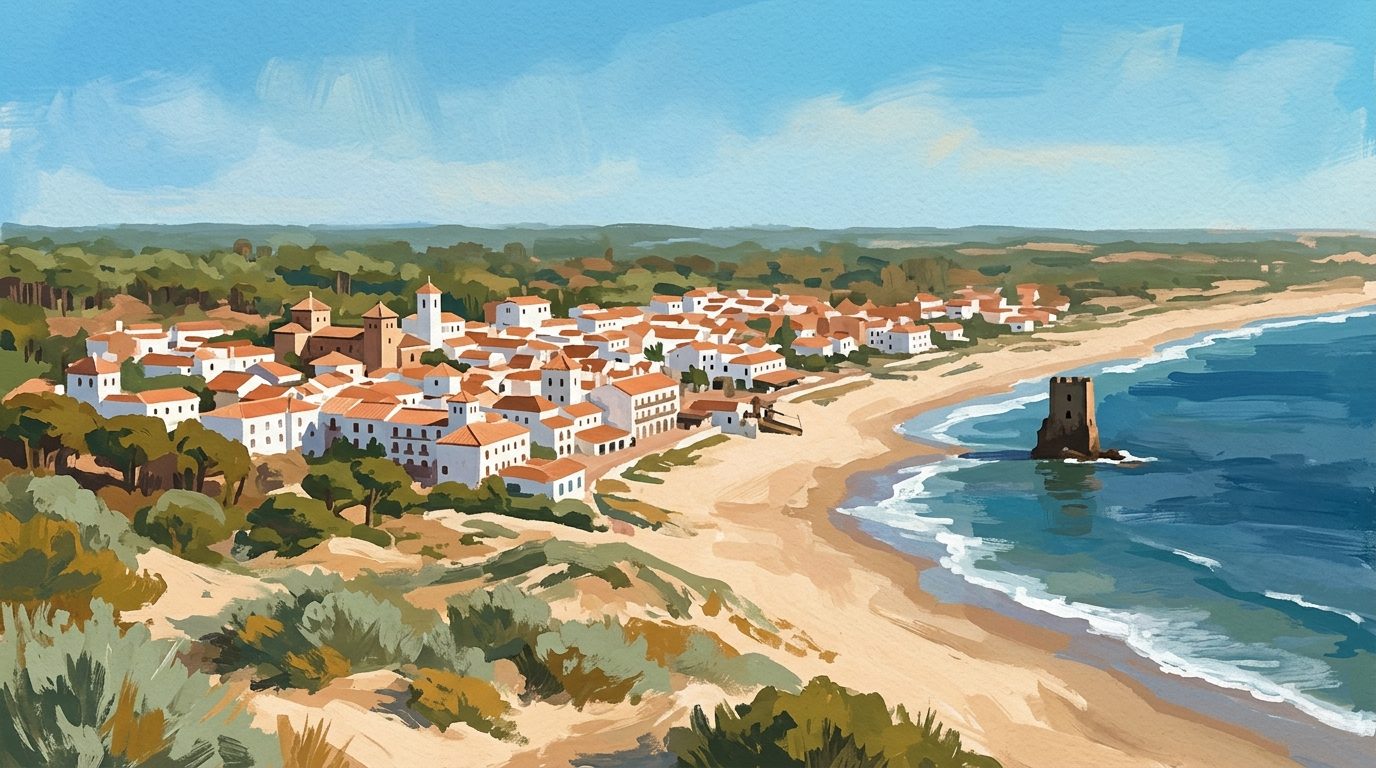
Matalascañas: The Coastal Gateway to Doñana National Park
A unique coastal resort where urban convenience meets the wild, untouched dunes of Doñana National Park. Discover kilometres of golden sand and the iconic ruins of a 16th-century watchtower.
6 min read
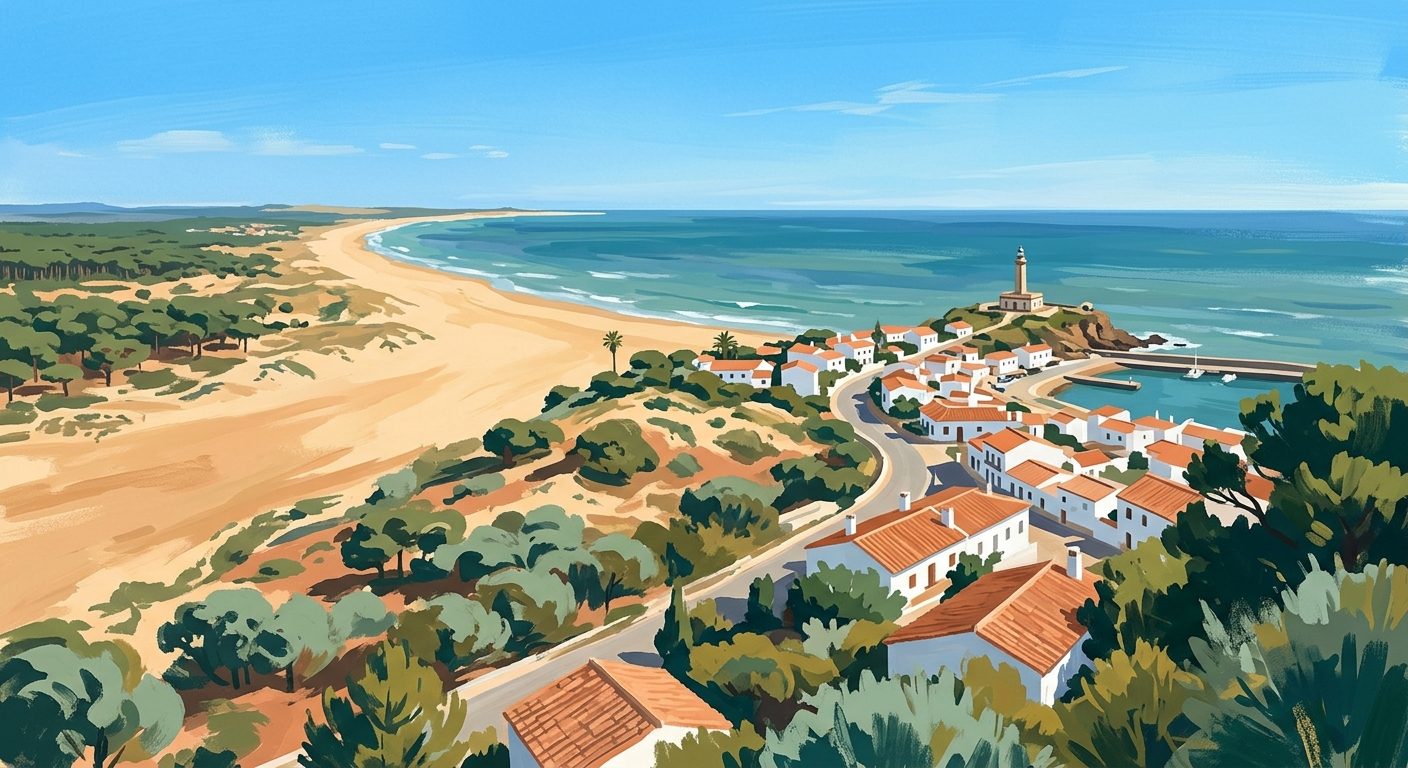
A Complete Guide to Playa de Mazagón: Huelva’s Atlantic Wilderness
Playa de Mazagón is a sprawling Atlantic beach in Huelva, known for its soft golden sand and dramatic sandstone cliffs. Discover everything from the best seafood chiringuitos to the essential safety tips for navigating the tides.
7 min read
Beyond the Dunes: A Local Guide to the Costa de Huelva
Escape the crowds and discover the wild Atlantic beauty of Huelva’s coast, from the fish auctions of Isla Cristina to the riverside charm of Ayamonte.
7 min read
Playa del Playazo: A Guide to Rodalquilar's Golden Coast
A sweeping valley of golden sand flanked by volcanic cliffs and the historic Castillo de San Ramón. This is one of the most accessible yet visually striking beaches in Almería.
7 min read
A Guide to Playa de Mónsul: The Volcanic Masterpiece of Cabo de Gata
Discover the volcanic beauty of Playa de Mónsul, an iconic Almerían beach famous for its dramatic lava formations and cinematic history.
7 min read
More from Huelva
Playa de Isla Canela Beach Guide: Huelva Coastline
Playa de Isla Canela is a vast stretch of fine sand where the Guadiana River meets the Atlantic, famous for its shallow lagoons and family-friendly atmosphere.
7 min read
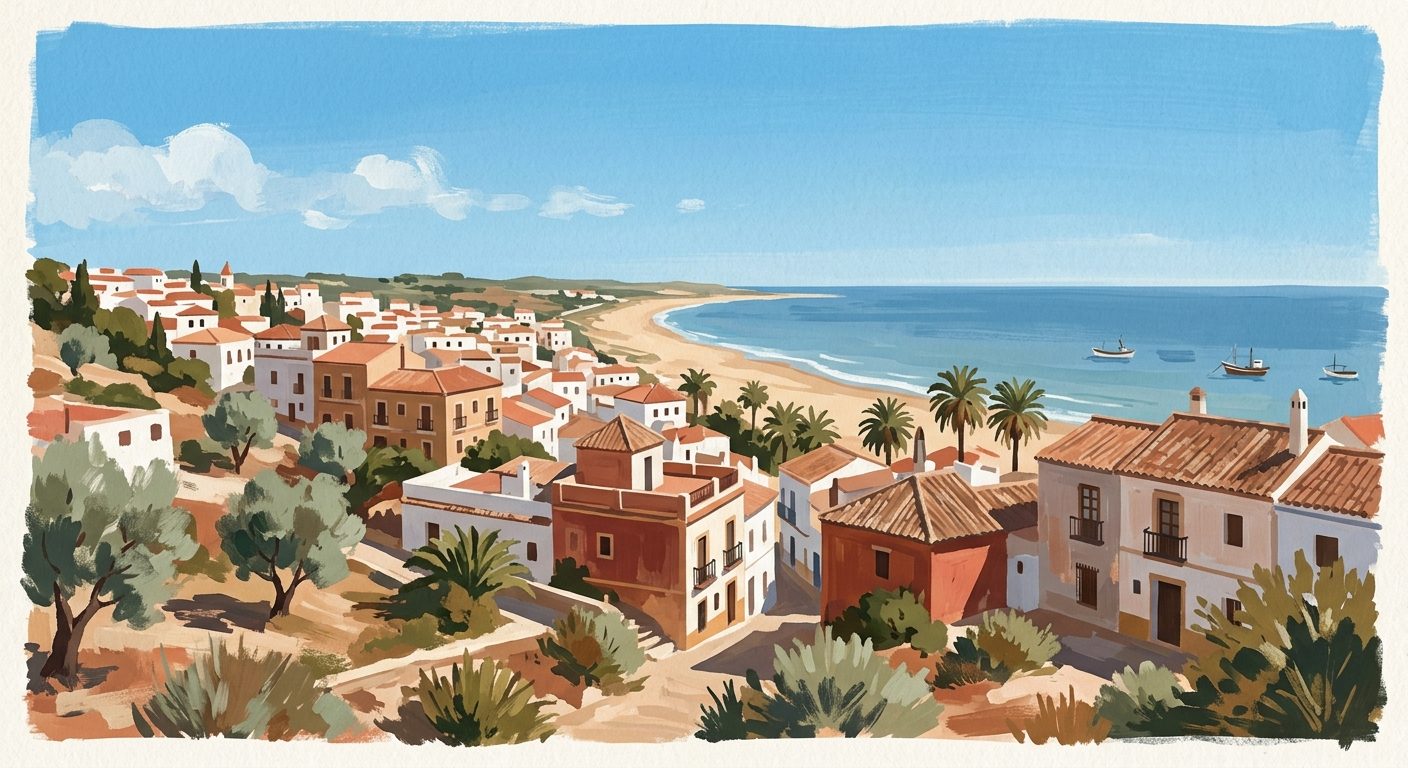
A Guide to Playa de La Antilla: The Traditional Atlantic Escape of Lepe
Playa de La Antilla offers a vast expanse of fine golden sand and a family-friendly atmosphere on the Huelva coastline. It remains a firm favourite for those seeking traditional Andalucían summer vibes.
6 min read
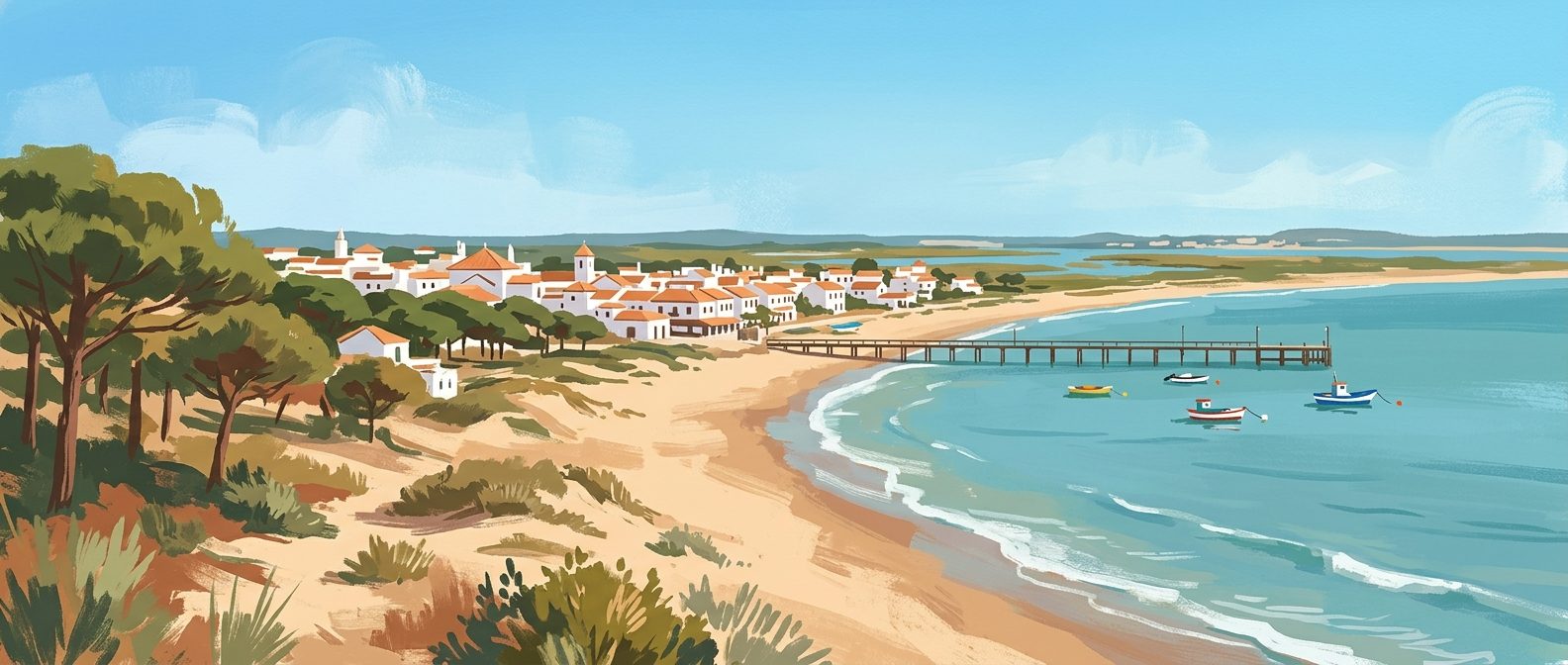
A Guide to Punta Umbría: Huelva's Favourite Atlantic Escape
Discover Punta Umbría, a pine-backed peninsula on the Costa de Huelva famous for its wild Atlantic beaches, British industrial heritage, and exceptional local seafood.
5 min read
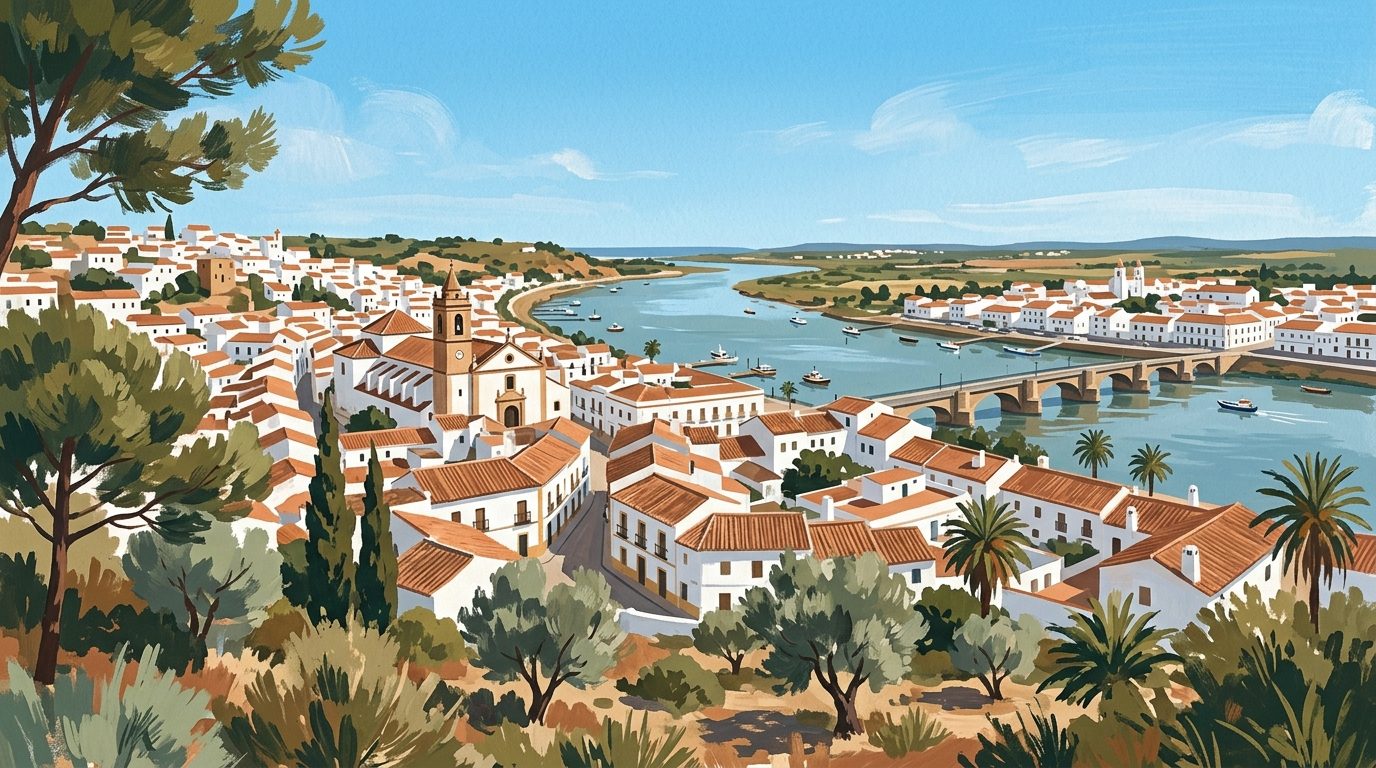
Ayamonte: The River Town Where Spain Meets Portugal
Discover Ayamonte, a captivating border town in Huelva. Explore its whitewashed old quarter, take the ferry to Portugal, and enjoy the vast beaches of Isla Canela.
6 min read
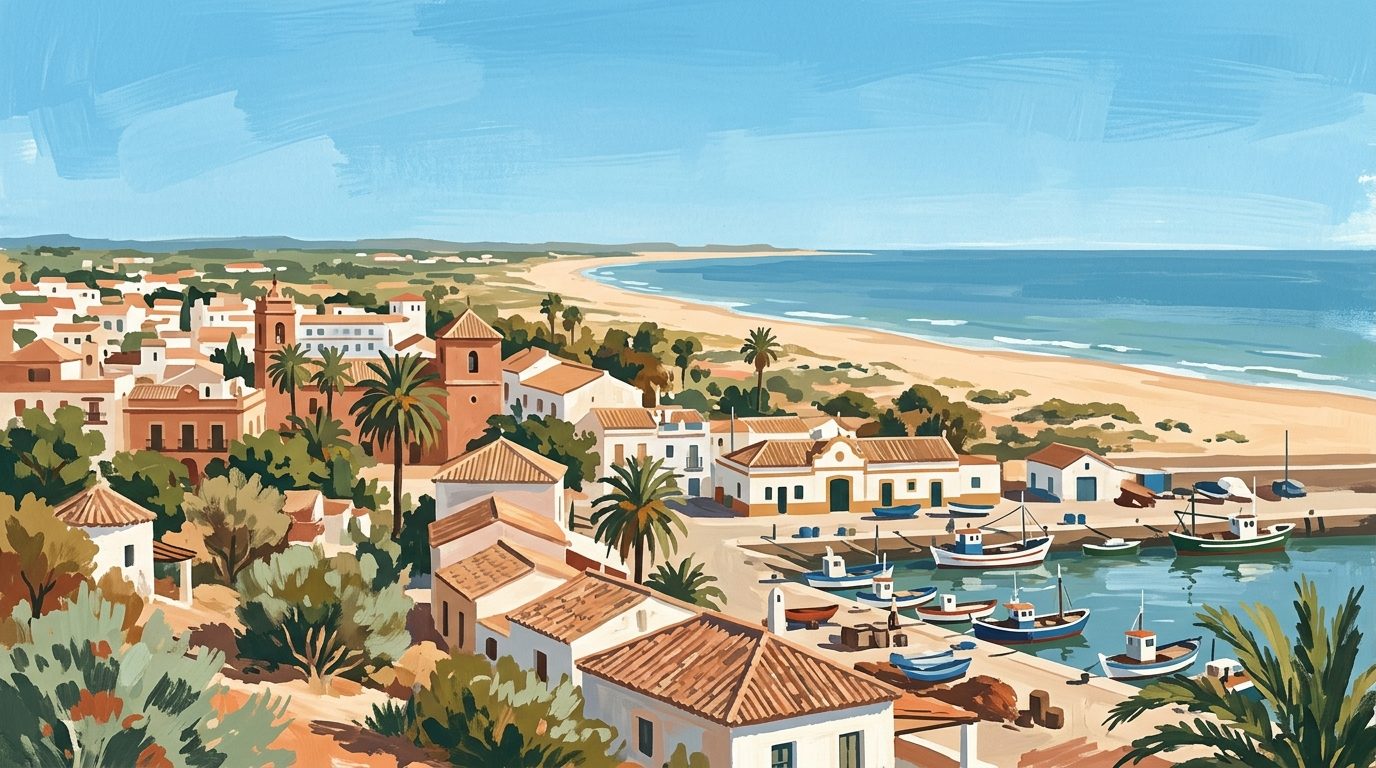
Isla Cristina: The Maritime Heart of the Costa de Huelva
Discover Isla Cristina, Huelva's premier fishing port, where you can explore vast Atlantic beaches, traditional salt pans, and some of Spain's freshest seafood.
6 min read
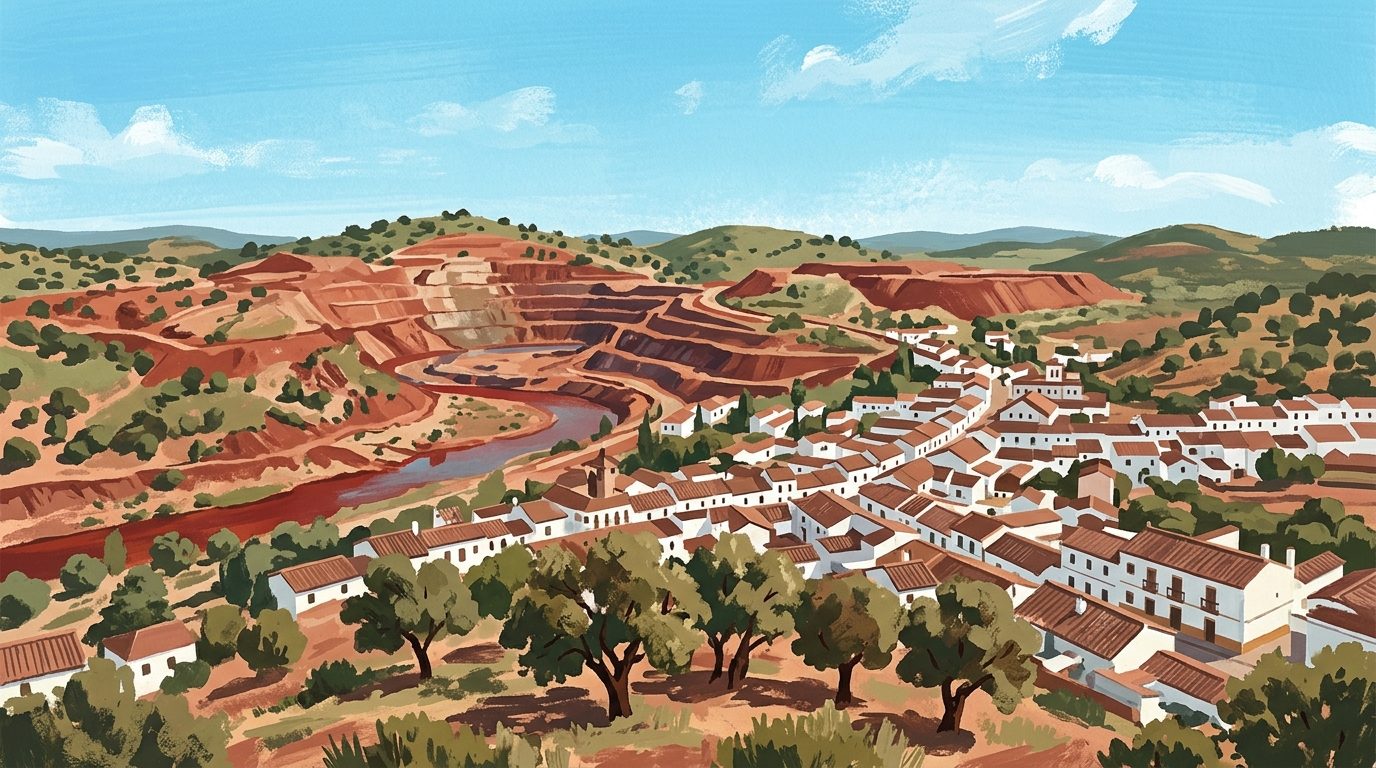
Mars on Earth: A Guide to Minas de Riotinto and Nerva
Discover the otherworldly red landscapes of the Rio Tinto mines in Huelva, where you can explore Victorian British colonies and ride a 19th-century mining train.
5 min read
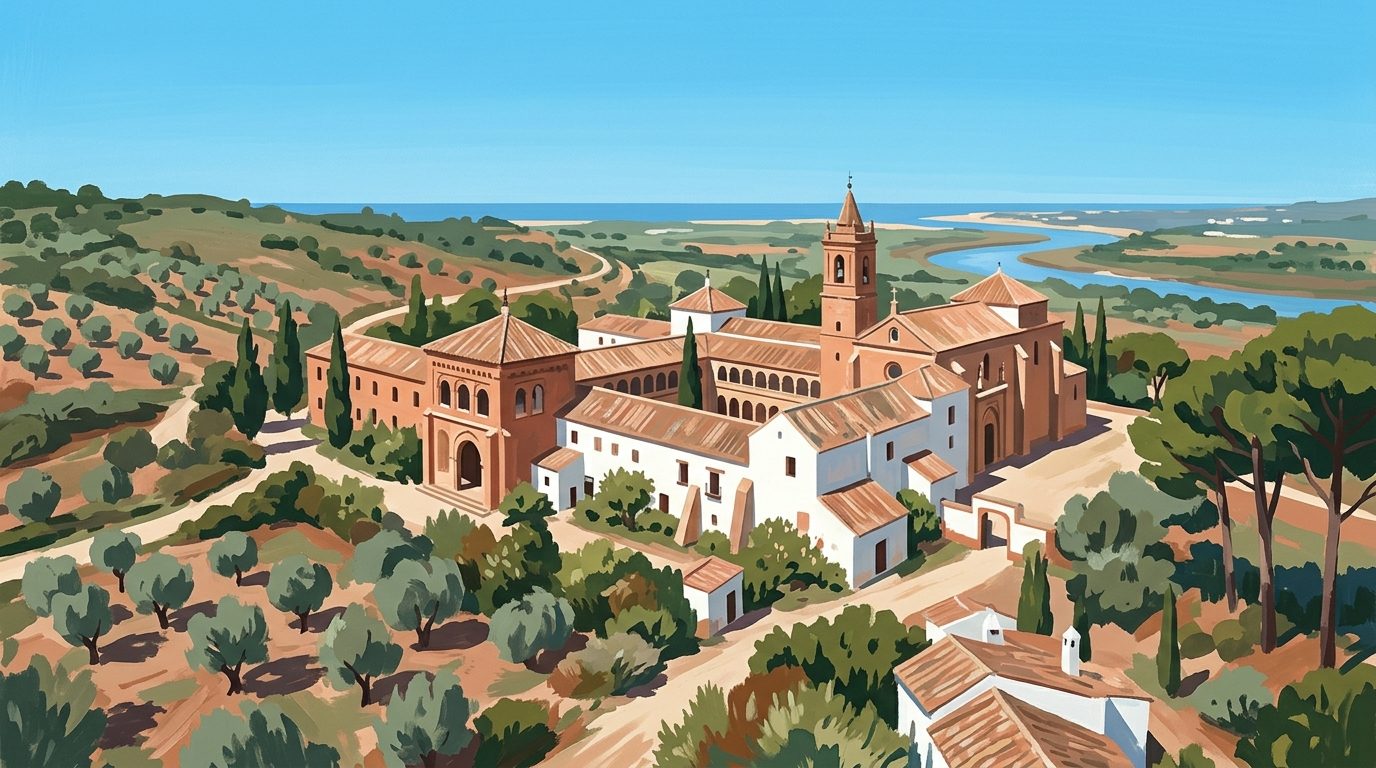
A Guide to La Rábida Monastery: The Franciscan Cradle of Discovery
Discover the Franciscan friary where Christopher Columbus planned his first voyage and explore the beautiful Mudéjar architecture overlooking the Tinto river.
6 min read
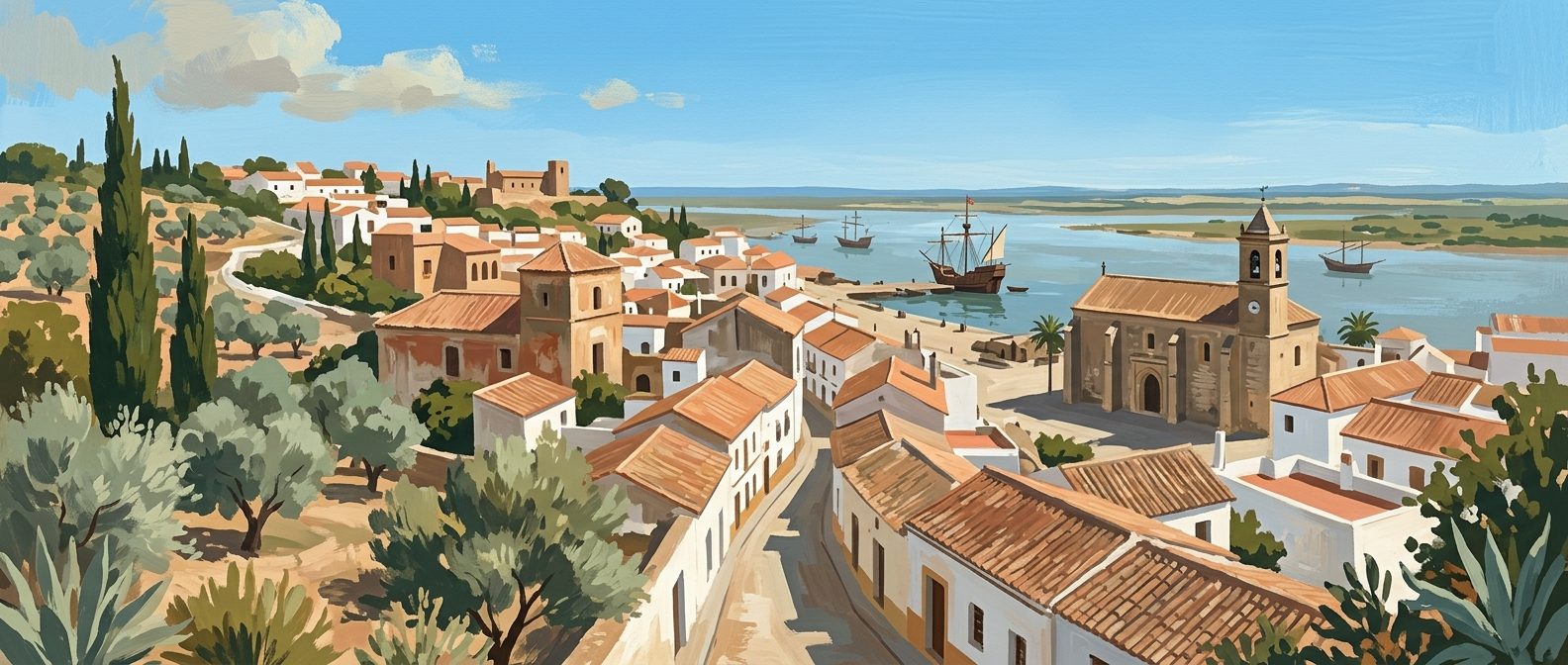
A Guide to Palos de la Frontera: The Port of Discovery
Discover the maritime history of Palos de la Frontera, the port where Columbus's voyage began, and explore the famous Wharf of the Caravels.
6 min read
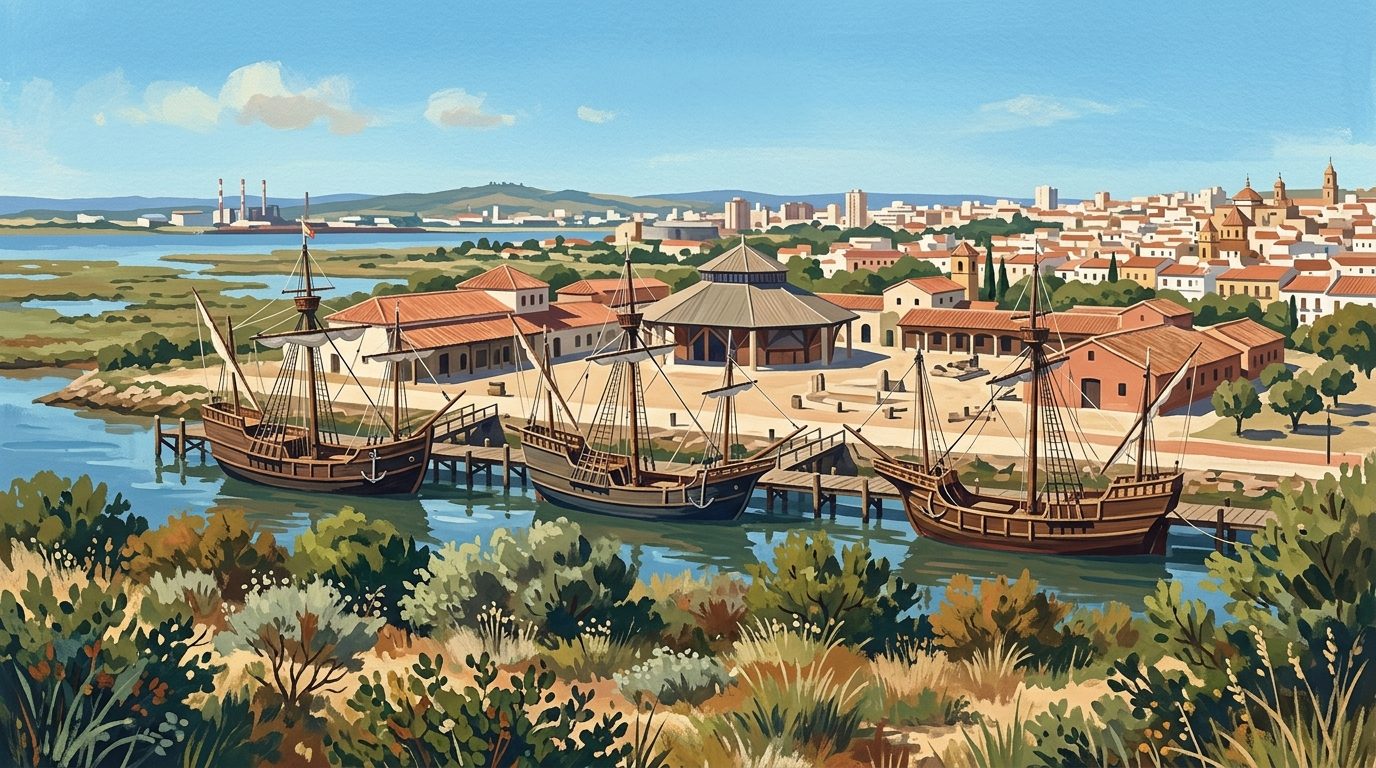
The Columbus Trail and Muelle de las Carabelas: A Maritime Journey in Huelva
Walk the decks of the Niña, Pinta, and Santa María at Huelva's Muelle de las Carabelas, where full-scale replicas bring the 1492 voyage of discovery to life.
7 min read
Newsletter
More stories from Andalucía
Weekly notes, seasonal picks, and the next guides worth bookmarking.