
Place guide · Huelva
Playa de Isla Canela Beach Guide: Huelva Coastline
Playa de Isla Canela is a vast stretch of fine sand where the Guadiana River meets the Atlantic, famous for its shallow lagoons and family-friendly atmosphere.
By Dan · Updated 29 June 2026 · 7 min read
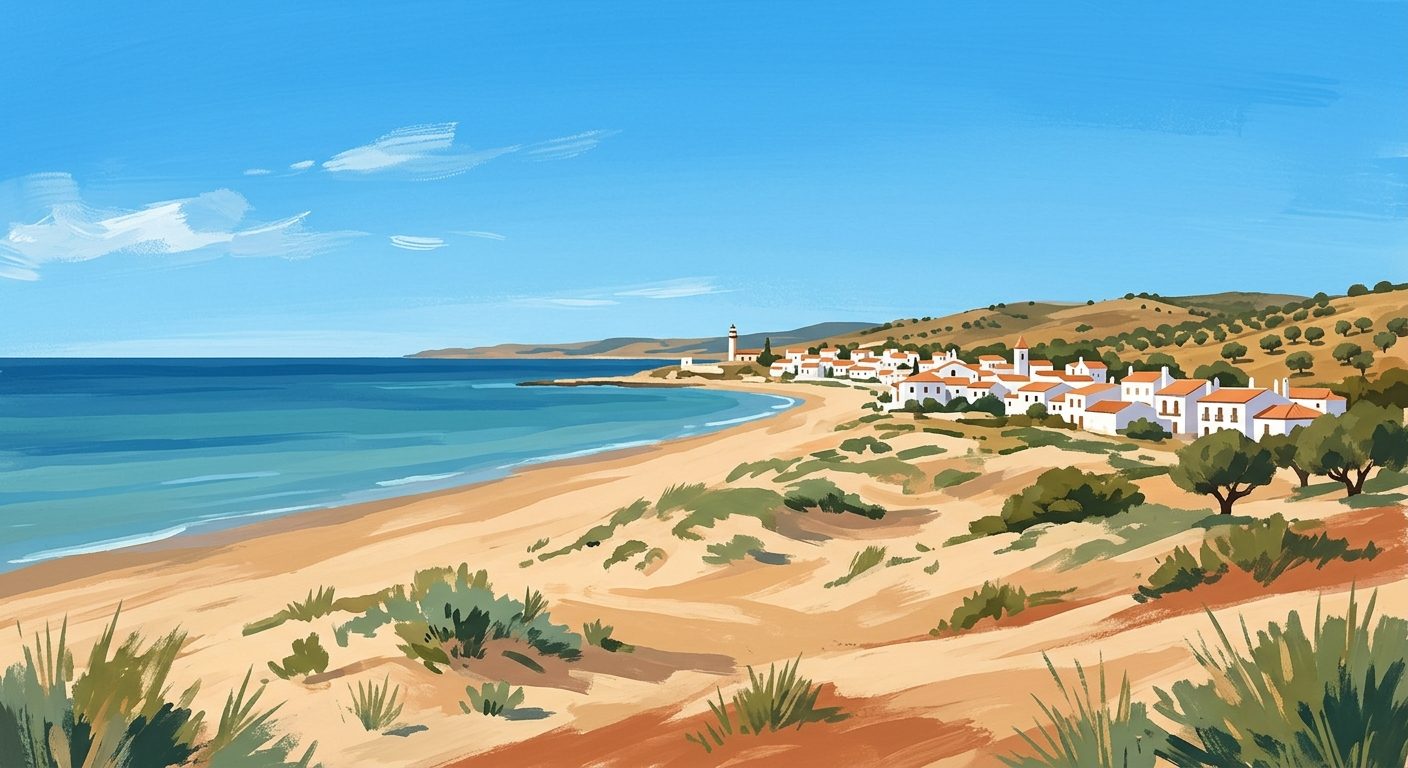
Playa de Isla Canela is a vast stretch of fine golden sand situated where the Guadiana River meets the Atlantic Ocean, offering a unique landscape of tidal lagoons and sandbanks. It is a premier destination for families and wind-sports enthusiasts seeking a quieter alternative to the central Costa del Sol.
Playa de Isla Canela occupies a fascinating geographical position at the far western tip of the Huelva province. This is the point where the Spanish mainland yields to the Atlantic Ocean and the sovereign border with Portugal. Though often referred to as an island, it is actually a reclaimed marshland area linked to the town of Ayamonte by a short bridge. The character of this beach is defined entirely by the massive movement of the tides. Unlike the steep, deep beaches found in other parts of the region, the shelf here is incredibly shallow. When the tide retreats, it leaves behind a desert of wet sand and shallow pools that can extend hundreds of metres from the original shoreline. This creates a safe, natural playground for children and a serene environment for walkers who can wander for kilometres along the water line without ever encountering a steep drop or heavy shore break.
The development here has been more sympathetic than in many other Andalucían resorts. While there are several large hotel complexes, they are generally set back behind a well-maintained promenade and a line of protected dunes. This gives the beach a sense of space and natural integrity that is often lost in more urbanised coastal areas. The air here feels different too, carrying the scent of the salt marshes and the open Atlantic, often moderated by the proximity of the Algarve just across the river. It is a place for those who value space over spectacle and who appreciate the subtle, shifting colours of the Huelva horizon.
The beach itself
Playa de Isla Canela spans approximately seven kilometres from the mouth of the Guadiana River in the west to the fishing village of Punta del Moral in the east. The sand quality is high, consisting of fine, golden grains that are soft underfoot, though you may find patches of silt or mud near the river mouth after periods of heavy rain. The water clarity is generally good, although it lacks the turquoise transparency of the Mediterranean because of the sediment carried by the river and the powerful Atlantic currents. However, it is exceptionally clean and has earned the Blue Flag again for the 2026 season for its environmental standards and facility management.
For families, this is arguably one of the best beaches in Andalucía. The shallow gradient means that even at high tide, one has to wade out a significant distance before the water reaches waist height. This lack of deep water and dangerous undertow makes it a relaxing choice for parents with toddlers. There are no designated naturist sections on Playa de Isla Canela itself, as the beach is heavily frequented by families and hotel guests. Those looking for a more secluded, clothing-optional experience generally head further east towards the more isolated dunes of the marshes, though even there it is not an official naturist zone. Kite surfing and windsurfing are extremely popular here, particularly at the western end near the river mouth, where the wind conditions are consistent and the flat water lagoons provide a perfect training ground for beginners.
Getting there & parking
Reaching Playa de Isla Canela is straightforward if you are driving. From Faro Airport in Portugal, the journey takes about one hour via the A22 motorway and the international bridge over the Guadiana. From Sevilla, the drive is approximately 90 minutes along the A-49 motorway. Once you reach the town of Ayamonte, follow the signs for Isla Canela. The beach is about five kilometres from the town centre, connected by a well-paved road that crosses the marshes.
Parking reality depends entirely on the season. During the months of July and August, the spaces immediately adjacent to the beach fill up by 11:00 am. There are several large, sandy car parks located behind the main hotel zone, specifically along the Avenida de la Mojarra and the Paseo de los Gavilanes. These are often dusty and can be crowded, but they usually offer a spot for those willing to walk five minutes to the sand. In the shoulder seasons of May, June, and September, parking is abundant and usually free of charge. For those without a car, a local bus service runs regularly between the Ayamonte bus station and various points along the Isla Canela and Punta del Moral beachfront, providing an easy and affordable link for visitors staying in the town centre.
Facilities & chiringuitos
The beach is well-equipped with all the standard amenities required for a comfortable day out. Wooden walkways extend across the dunes to the sand, making the beach accessible for those with limited mobility or pushchairs. There are multiple sets of public showers and toilets located at regular intervals along the promenade. During the high season (from mid-June to mid-September), a professional lifeguard service monitors the main bathing areas from elevated towers.
The chiringuito culture here is healthy but less frantic than in the neighbouring province of Cádiz. Chiringuito El Paradiso and Chiringuito Bombadill are two long-standing favourites, offering fresh local seafood such as white prawns from Huelva and grilled sardines. For a more modern vibe, Chiringuito Los Girasoles provides a relaxed setting for a sundowner. Most of these establishments offer sun-bed and umbrella hire, which is highly recommended during the peak of summer when the Atlantic sun can be punishing. Many of these beach bars remain open during the weekends in the low season, though some close completely from November through March. If you prefer a formal dining experience, the marina at Punta del Moral at the eastern end of the beach has a high concentration of restaurants serving traditional rice dishes and fresh Atlantic fish.
Best time to visit
To experience Playa de Isla Canela at its best, aim for the months of June or September. During these periods, the weather is reliably warm, but the intense heat of the Andalucían summer is tempered by the Atlantic breeze. Crucially, these months avoid the peak Spanish holiday crowds of August, when the beach can feel surprisingly small despite its vast length. Late afternoon is the most magical time to be on this beach, as the light turns a soft pink and the receding tide leaves reflective sheets of water on the sandbanks.
Winter visits have a different appeal. While the water is too cold for swimming, the beach is perfect for long, solitary walks. However, be aware that the Costa de la Luz is prone to strong winds. A winter Levante or Poniente wind can make the beach an uncomfortable place to be, as the fine sand is easily whipped up. Always check the wind forecast before planning a trip between December and March. If the wind is blowing hard from the west, the beach can feel quite exposed and cold.
Combine with
A visit to Playa de Isla Canela should always be paired with an afternoon in Ayamonte. This traditional border town has a distinct character, with its whitewashed plazas and views across the river to Portugal. For more information on local sights, consult the official Ayamonte tourism portal. You can take a small ferry (Transbordadores del Guadiana (check local timetables at the Ayamonte pier)) across the Guadiana River to the Portuguese town of Vila Real de Santo António. The crossing takes only fifteen minutes and offers a delightful way to experience two countries in a single day. The contrast between the Spanish and Portuguese architecture and atmosphere is fascinating, and the ferry journey provides a great perspective of the Isla Canela coastline from the water.
Practical notes
When packing for a day at Playa de Isla Canela, a sturdy beach umbrella or a windbreak is essential. The open nature of the coastline means there is very little natural shade. Accessibility is generally excellent, with many of the ramps leading right down to the harder sand. Regarding pets, dogs are officially prohibited on the main beach during the summer season, though you will see locals walking them in the early morning or late evening. If you are travelling with a dog, it is best to stick to the more rugged areas towards the river mouth outside of the main bathing hours.
Safety is usually not a major concern due to the shallow water, but visitors should be mindful of the incoming tide. Because the beach is so flat, the tide can come in quite rapidly, occasionally cutting off people who have wandered out onto distant sandbanks. Keep an eye on your belongings and ensure you are not set up in a low-lying area that could be submerged within the hour. Finally, being a marshland area, mosquitoes can be a nuisance at dusk, particularly if the wind drops. Bringing a good repellent is a wise move if you plan to stay for dinner at one of the beachside chiringuitos.
Last reviewed: 21 June 2026 · Editorial policy
Related guides
A Guide to Playa de La Antilla: The Traditional Atlantic Escape of Lepe
Playa de La Antilla offers a vast expanse of fine golden sand and a family-friendly atmosphere on the Huelva coastline. It remains a firm favourite for those seeking traditional Andalucían summer vibes.
6 min read
Fuengirola: A Family Favourite on the Costa del Sol
Discover Fuengirola, the family-friendly heart of the Costa del Sol, where Roman ruins and a Moorish castle meet seven kilometres of sandy beaches and a world-class zoo.
6 min read
Torremolinos: The Original Spirit of the Costa del Sol
Explore Torremolinos, the pioneer of Andalucían tourism, where traditional fishing heritage meets a lively modern shoreline and inclusive nightlife.
5 min read
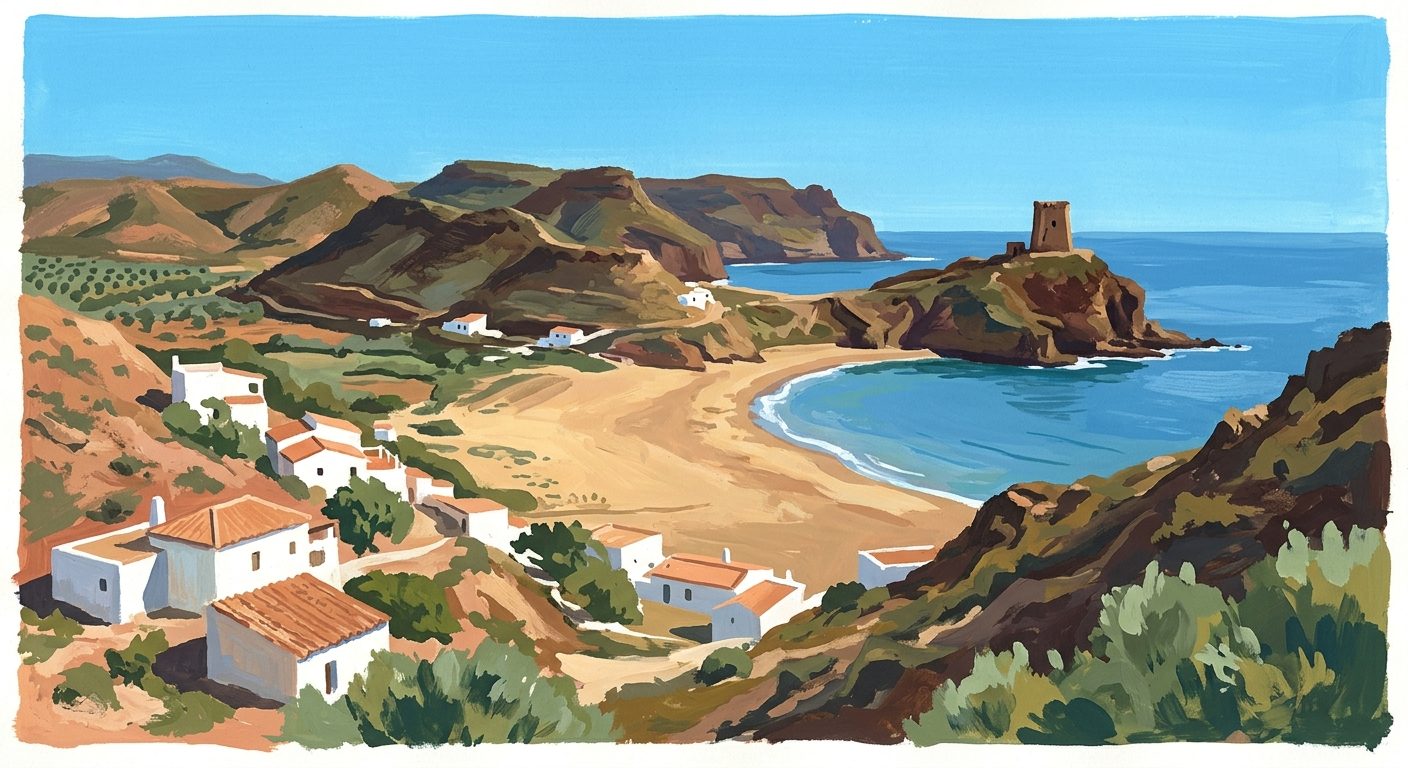
Playa del Playazo: A Guide to Rodalquilar's Golden Coast
A sweeping valley of golden sand flanked by volcanic cliffs and the historic Castillo de San Ramón. This is one of the most accessible yet visually striking beaches in Almería.
7 min read
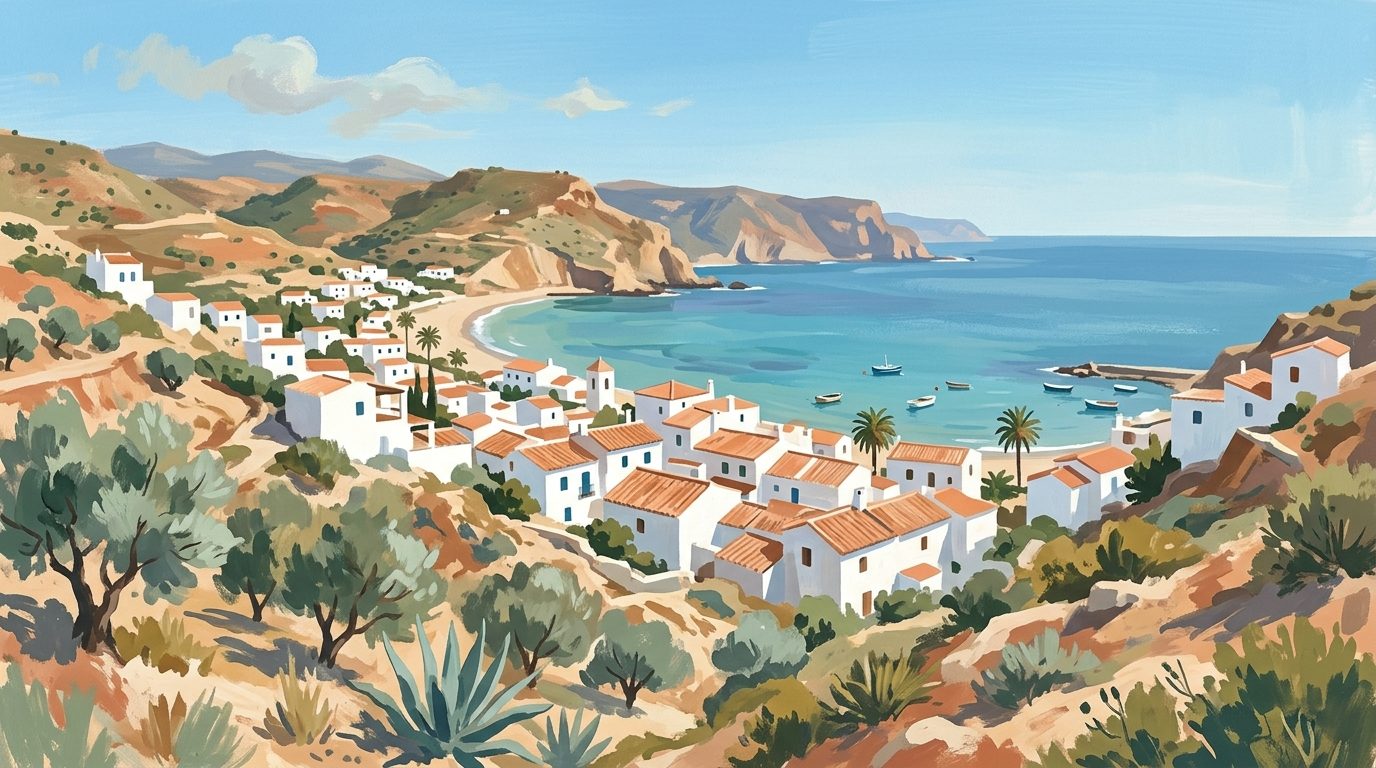
Playa de Agua Amarga: A Guide to Almería's Premier Coastal Village
Playa de Agua Amarga is a sophisticated coastal retreat in Almería, offering a perfect balance of fine golden sand, crystal-clear water, and excellent village chiringuitos.
7 min read
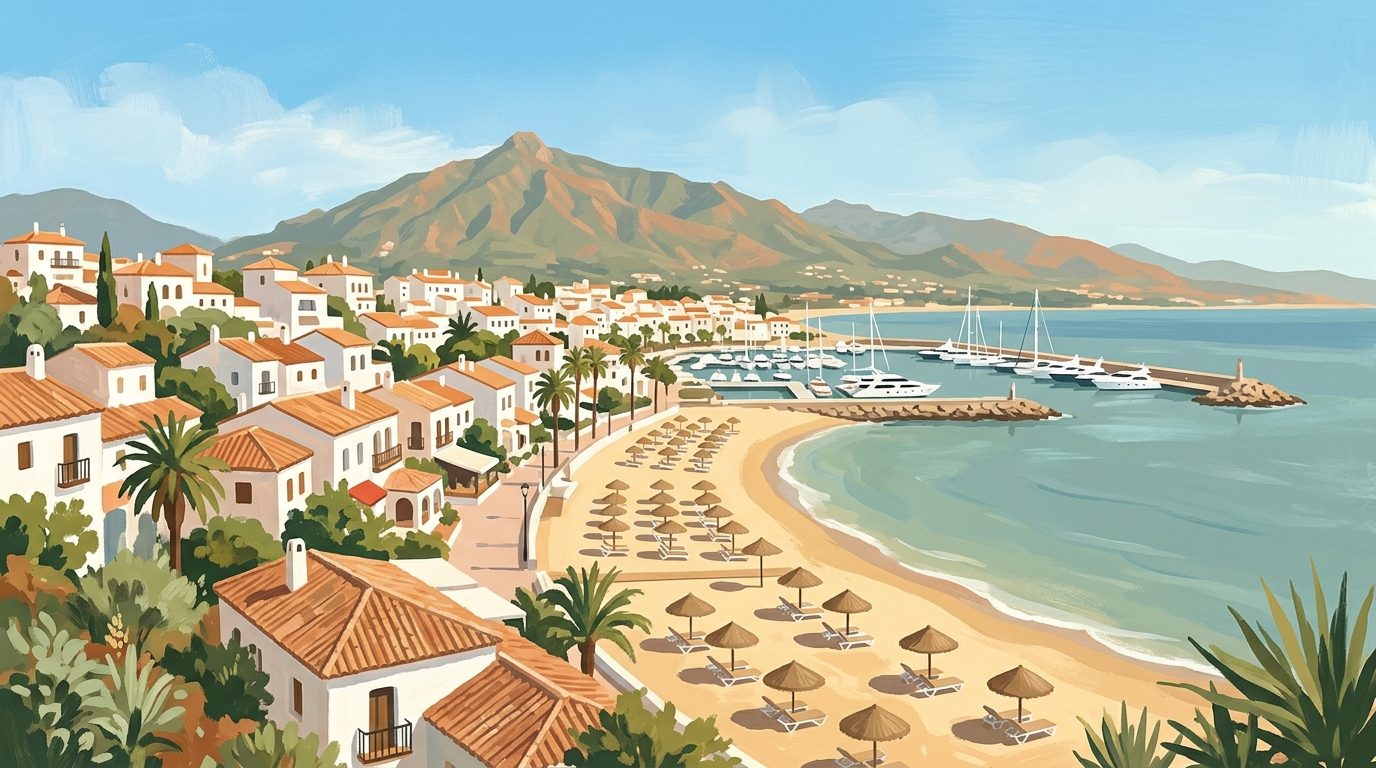
Playa de Puerto Banús: A Guide to the Most Prestigious Sands in Marbella
Discover Playa de Puerto Banús, a refined golden sand beach in Marbella known for its calm waters and luxury amenities. Explore the best chiringuitos, parking tips, and why this Blue Flag beach is perfect for families.
8 min read
More from Huelva
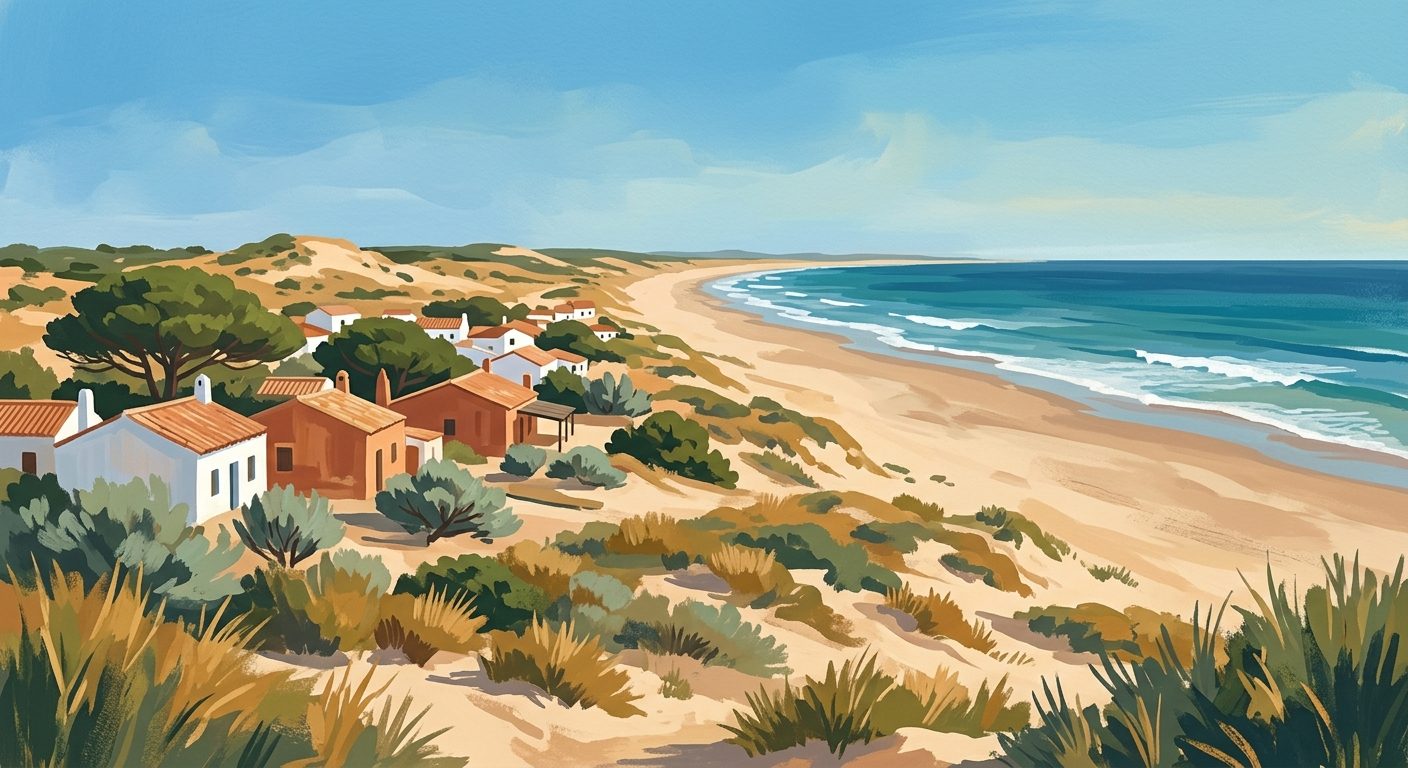
Playa de Castilla: The Wild Frontier of the Doñana Coastline
Playa de Castilla is a vast, 20-kilometre stretch of wild Atlantic coastline bordered by the spectacular orange cliffs of the Doñana National Park.
7 min read
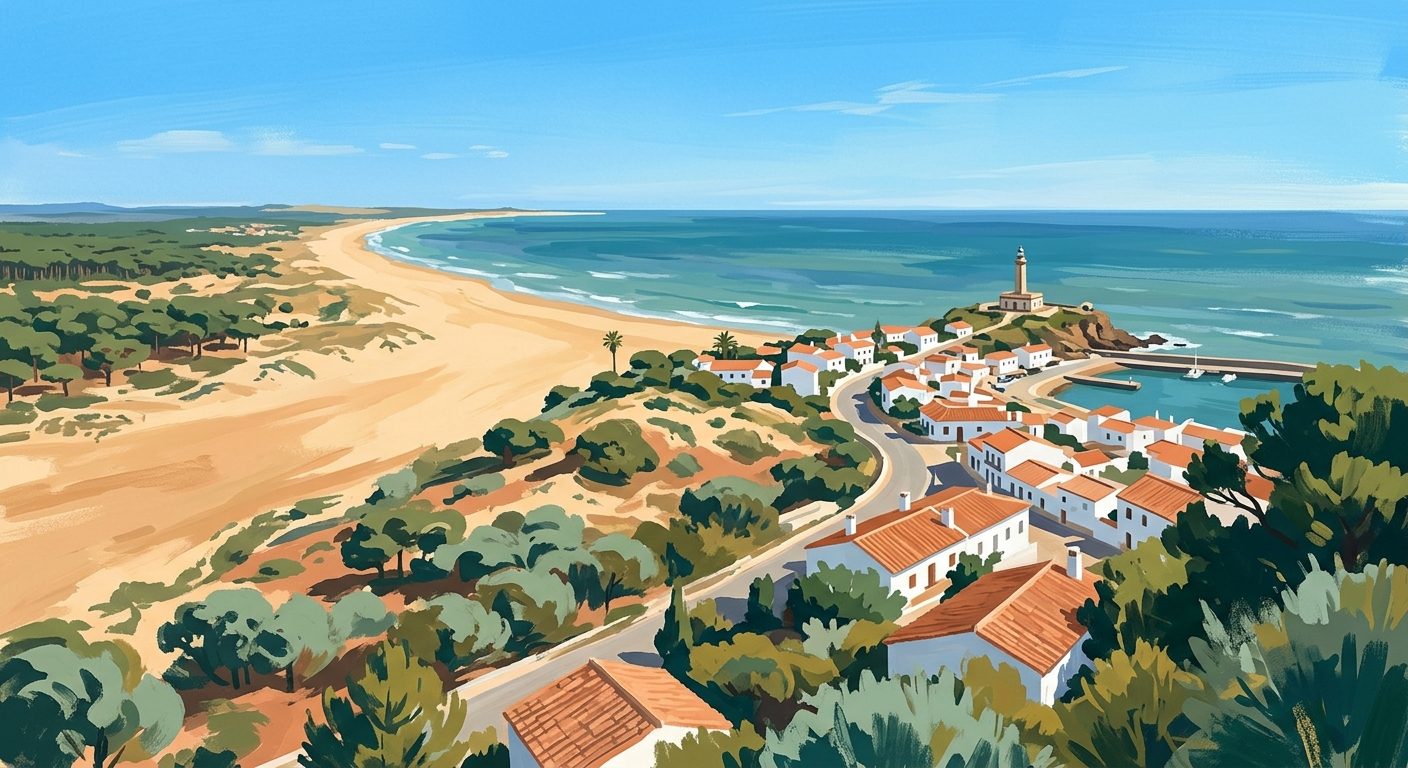
A Complete Guide to Playa de Mazagón: Huelva’s Atlantic Wilderness
Playa de Mazagón is a sprawling Atlantic beach in Huelva, known for its soft golden sand and dramatic sandstone cliffs. Discover everything from the best seafood chiringuitos to the essential safety tips for navigating the tides.
7 min read
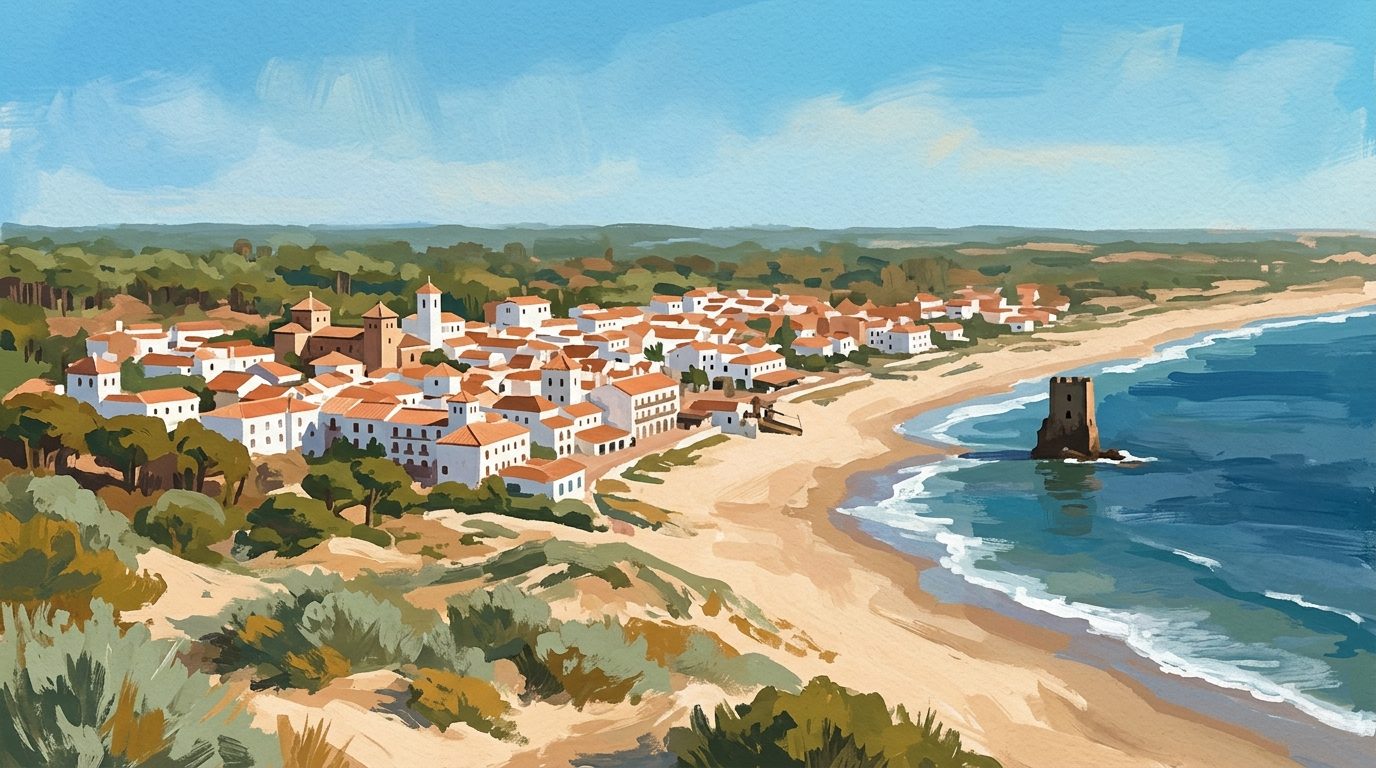
Matalascañas: The Coastal Gateway to Doñana National Park
A unique coastal resort where urban convenience meets the wild, untouched dunes of Doñana National Park. Discover kilometres of golden sand and the iconic ruins of a 16th-century watchtower.
6 min read
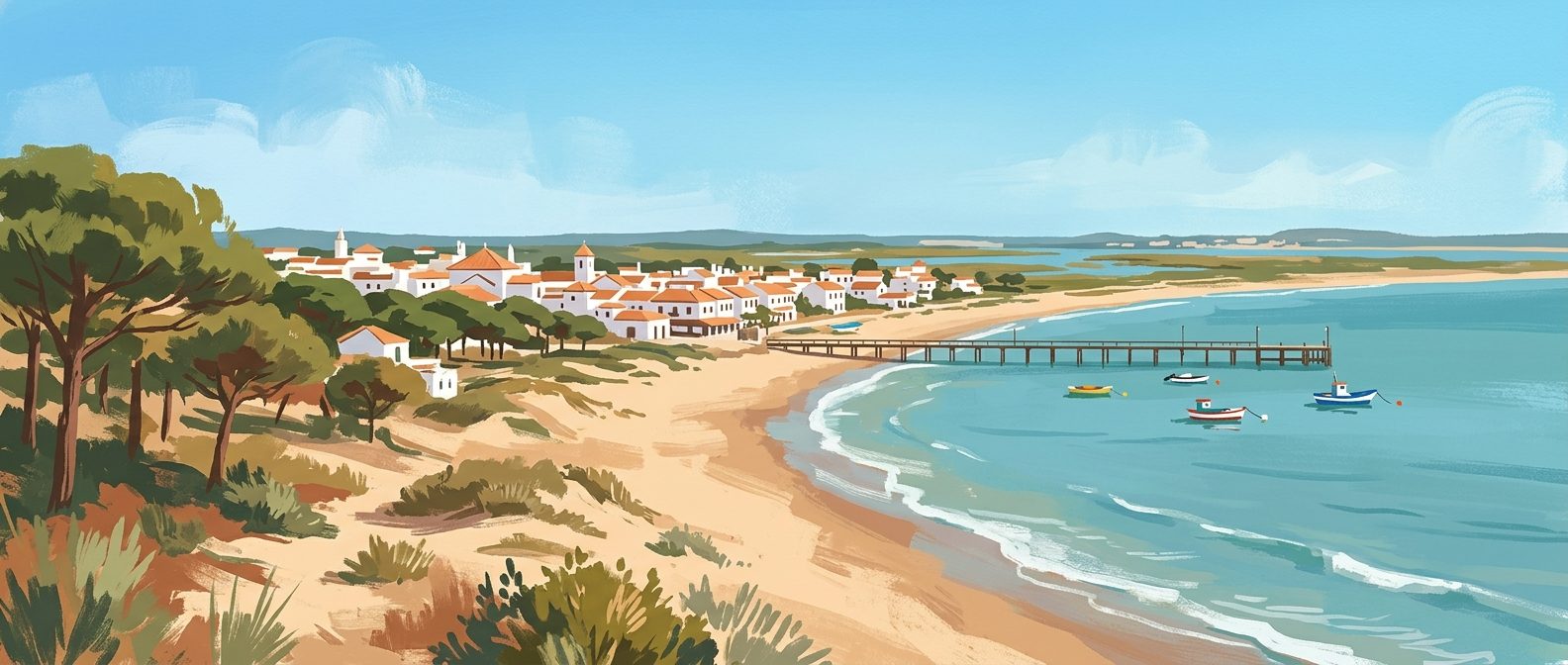
A Guide to Punta Umbría: Huelva's Favourite Atlantic Escape
Discover Punta Umbría, a pine-backed peninsula on the Costa de Huelva famous for its wild Atlantic beaches, British industrial heritage, and exceptional local seafood.
5 min read
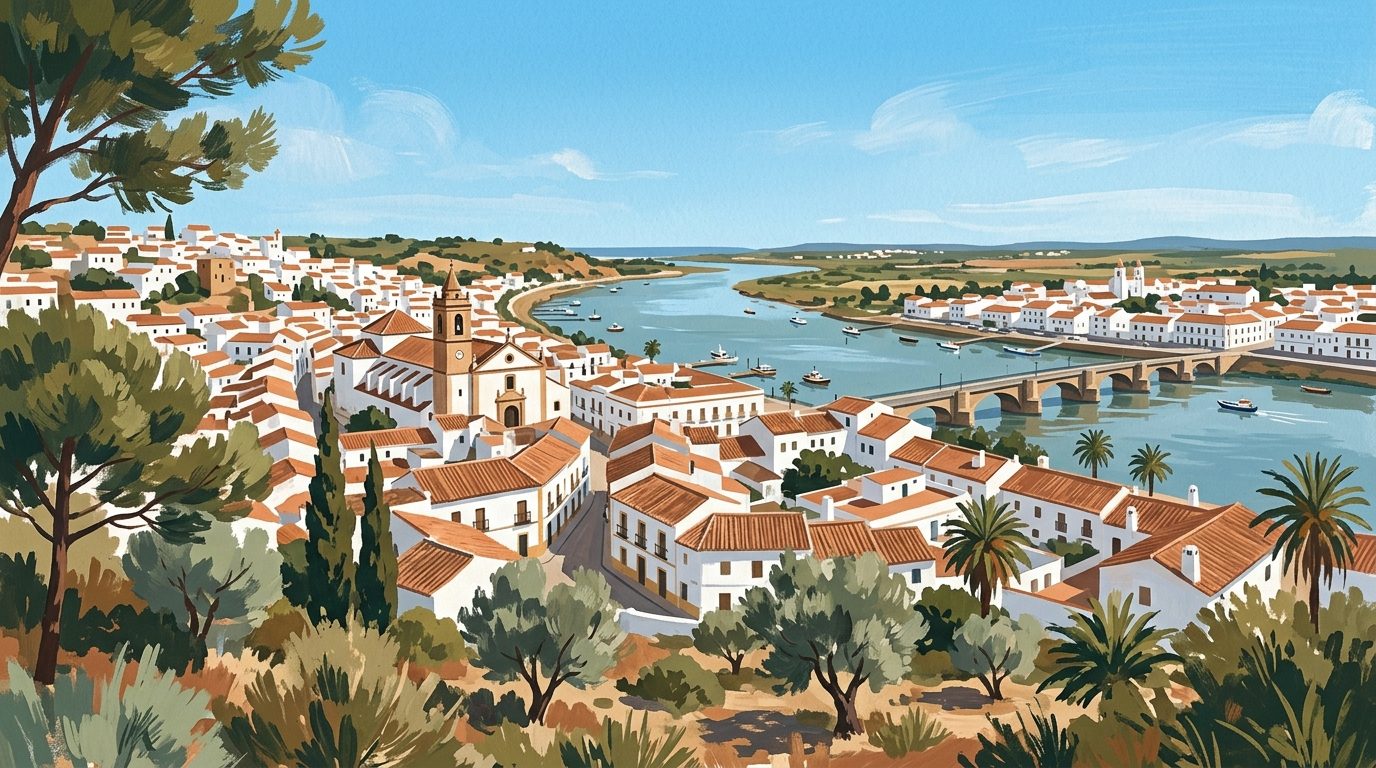
Ayamonte: The River Town Where Spain Meets Portugal
Discover Ayamonte, a captivating border town in Huelva. Explore its whitewashed old quarter, take the ferry to Portugal, and enjoy the vast beaches of Isla Canela.
6 min read
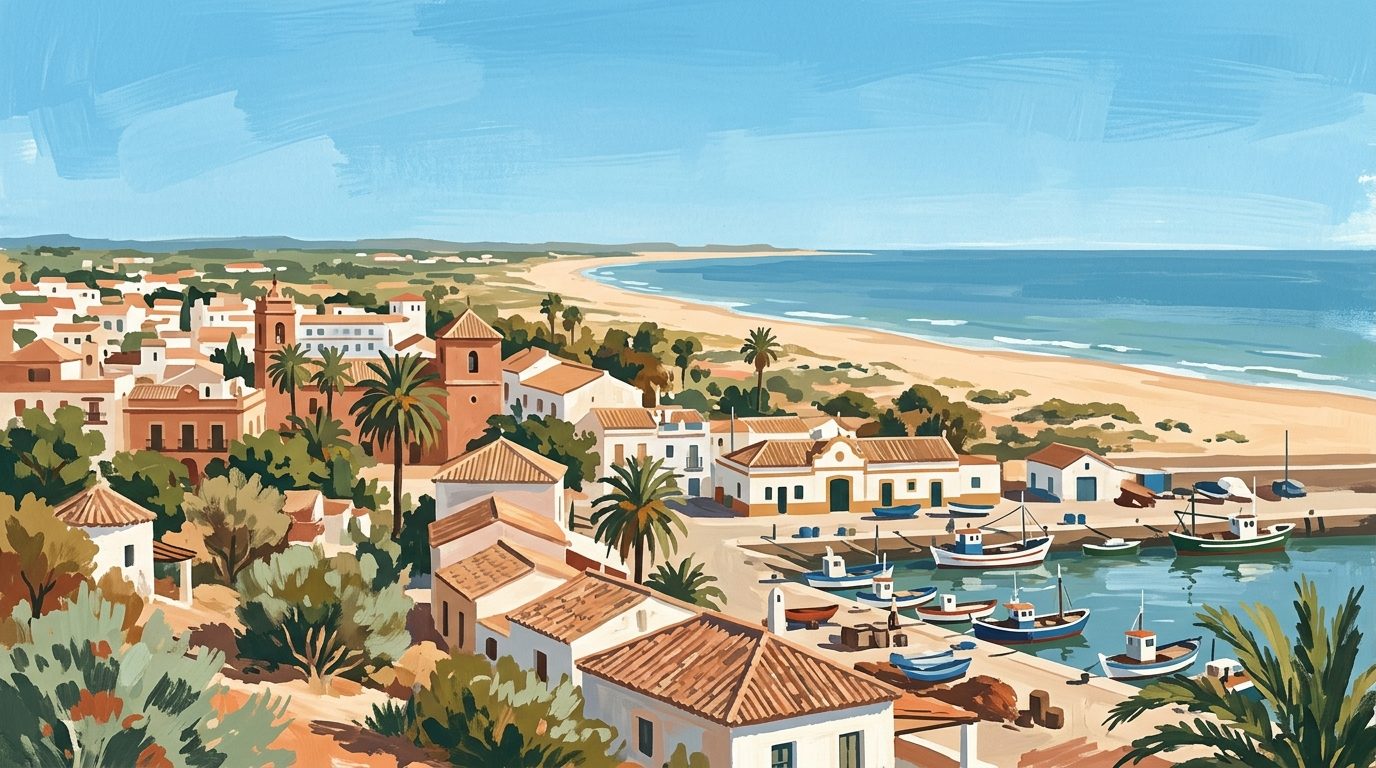
Isla Cristina: The Maritime Heart of the Costa de Huelva
Discover Isla Cristina, Huelva's premier fishing port, where you can explore vast Atlantic beaches, traditional salt pans, and some of Spain's freshest seafood.
6 min read
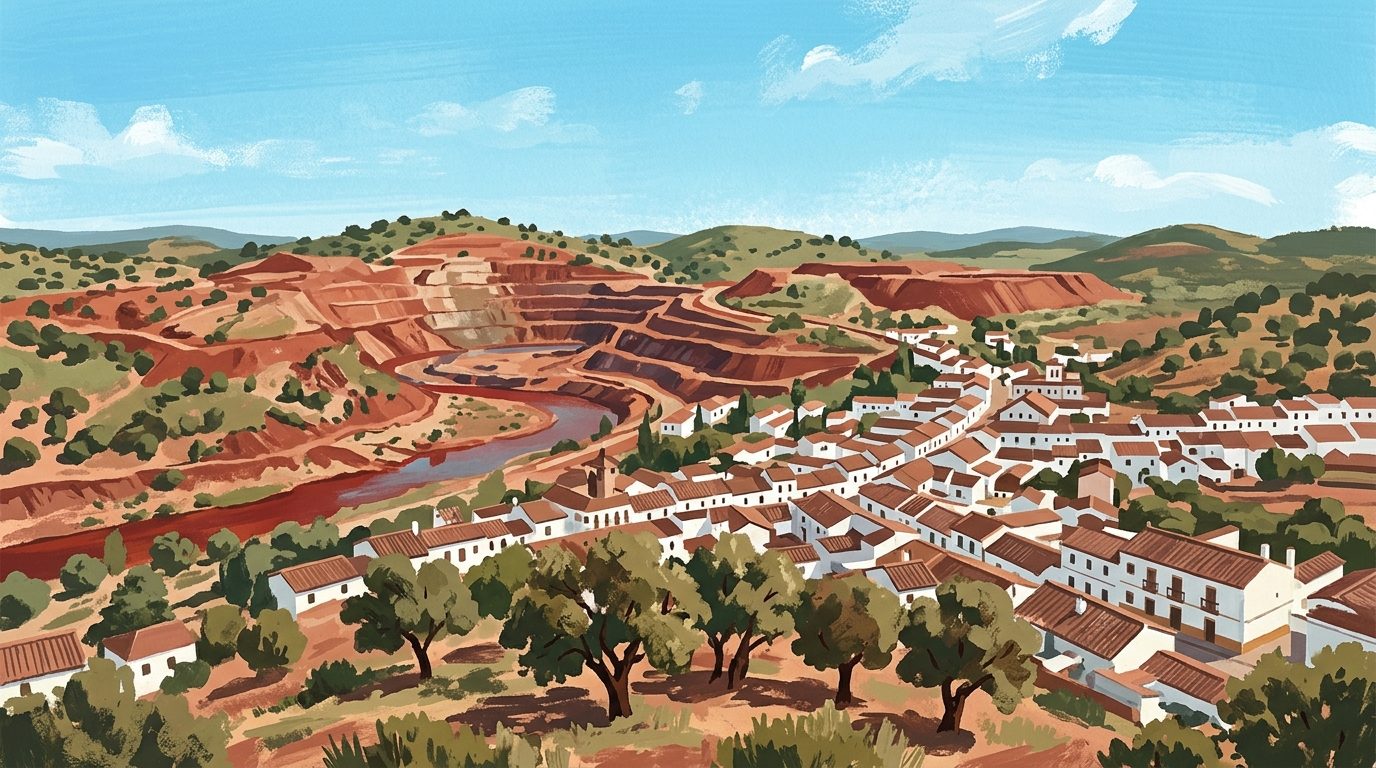
Mars on Earth: A Guide to Minas de Riotinto and Nerva
Discover the otherworldly red landscapes of the Rio Tinto mines in Huelva, where you can explore Victorian British colonies and ride a 19th-century mining train.
5 min read
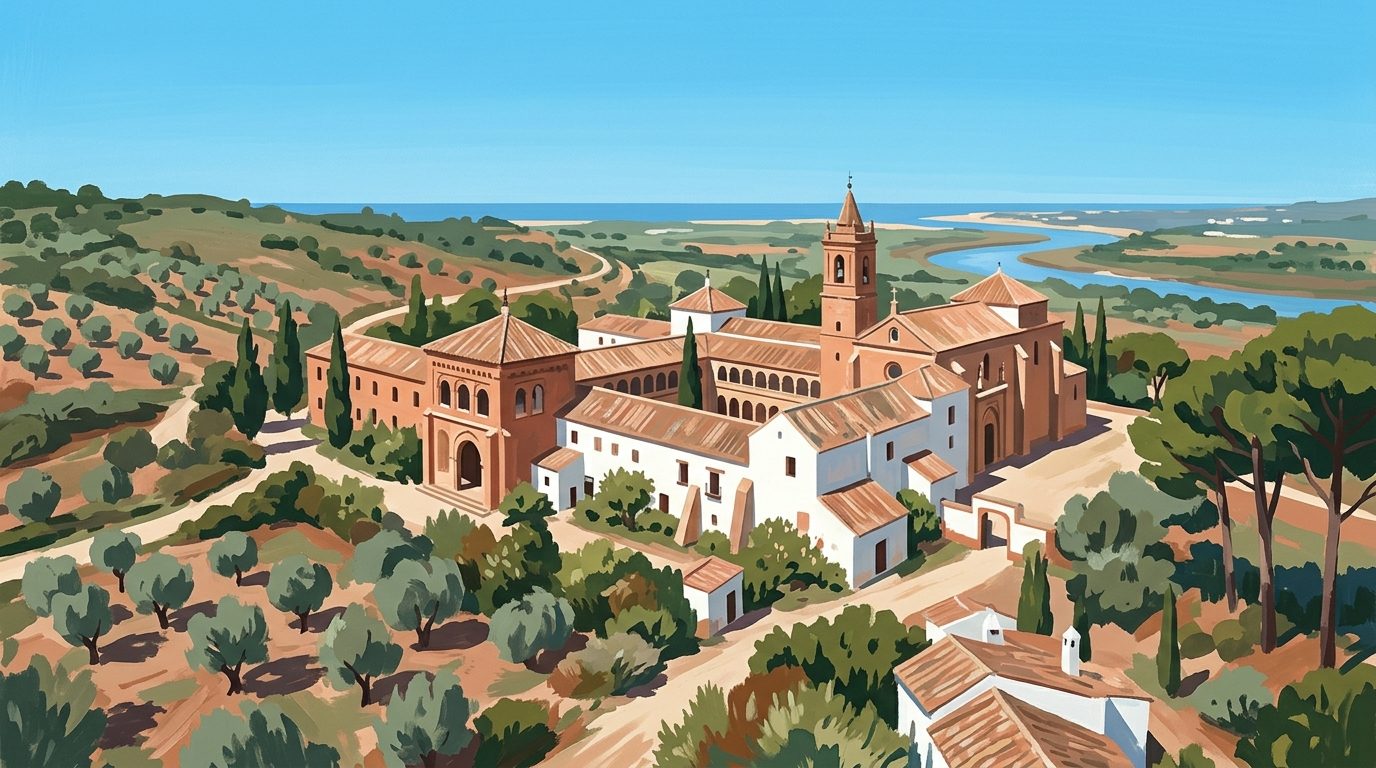
A Guide to La Rábida Monastery: The Franciscan Cradle of Discovery
Discover the Franciscan friary where Christopher Columbus planned his first voyage and explore the beautiful Mudéjar architecture overlooking the Tinto river.
6 min read
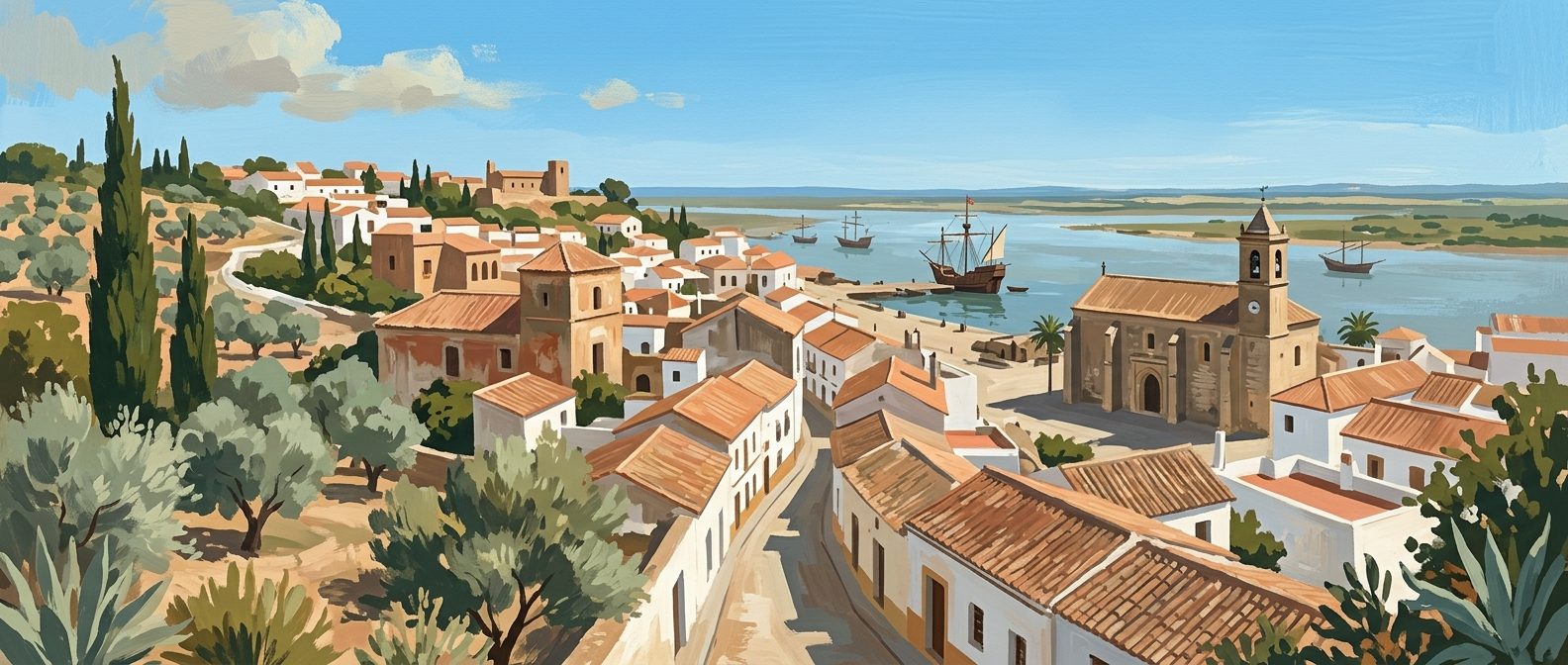
A Guide to Palos de la Frontera: The Port of Discovery
Discover the maritime history of Palos de la Frontera, the port where Columbus's voyage began, and explore the famous Wharf of the Caravels.
6 min read
Newsletter
More stories from Andalucía
Weekly notes, seasonal picks, and the next guides worth bookmarking.