
attraction · Almería
Centro de Visitantes Las Amoladeras
Andalucía 365 · Updated 18 July 2026
Our Verdict
“An essential first stop for understanding the extreme landscapes, volcanic geology and fragile ecosystems of Cabo de Gata-Níjar Natural Park.”
Last verified: July 2026
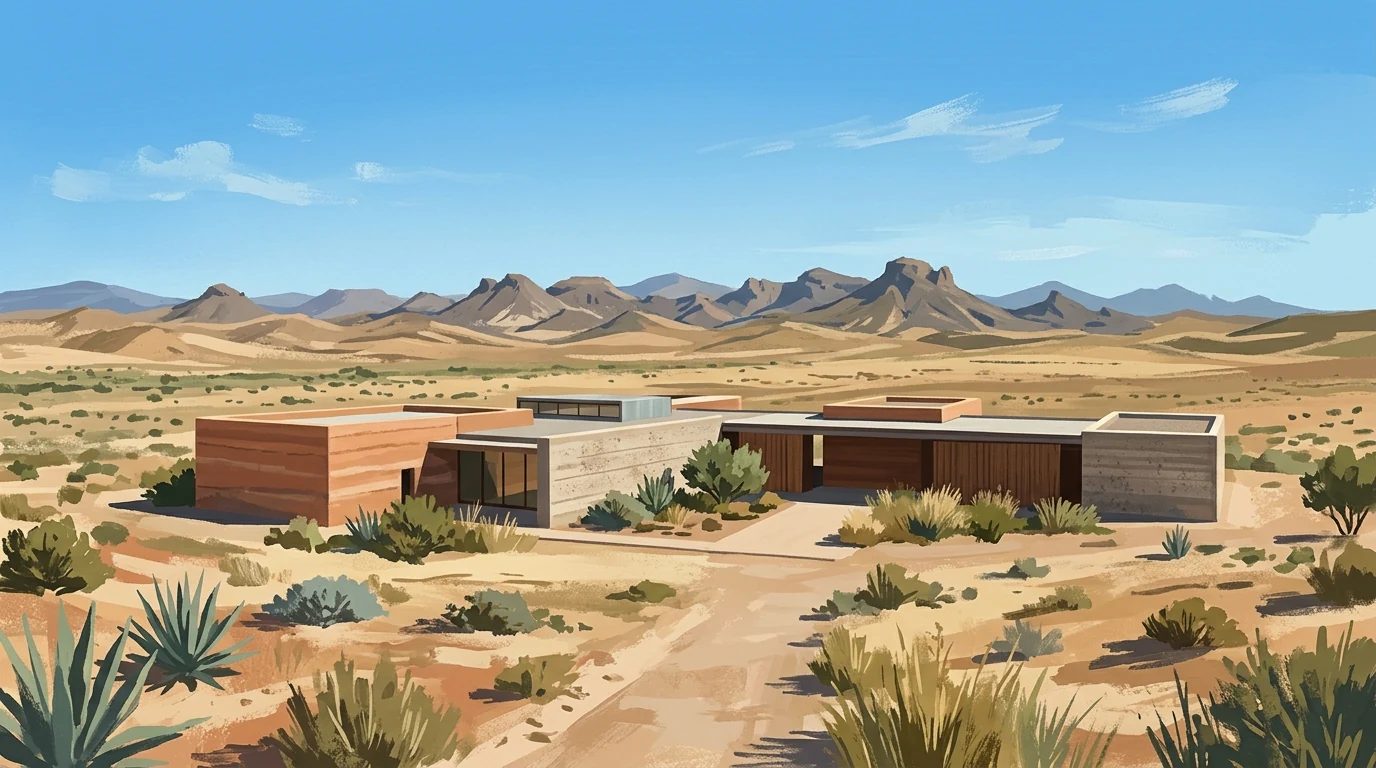
Set on the arid plains leading into Cabo de Gata-Níjar Natural Park, the Centro de Visitantes Las Amoladeras serves as the principal gateway to one of Europe's most distinctive coastal landscapes. This modern, low-slung building blends seamlessly with its semi-desert surroundings, offering an essential primer on the region's volcanic geology, marine ecosystems and human history. For first-time arrivals, the centre provides vital context that transforms a simple beach visit into an understanding of a complex, fragile biosphere. Whether you are planning to hike the rugged coastal trails, dive among the protected seagrass meadows or simply admire the stark beauty of the salt flats, an hour spent here equips you with the knowledge to appreciate the park's unique environmental significance.
Why It Matters
Cabo de Gata-Níjar is not a typical Mediterranean coastal reserve. It is a UNESCO Global Geopark and Biosphere Reserve, defined by its extreme semi-arid climate and dramatic volcanic origins. The visitor centre unpacks this complex ecological web, explaining how millennia of geological upheaval created the jagged cliffs and hidden coves that define the shoreline today. Beyond the natural world, the exhibitions highlight the enduring human presence in this harsh environment. Displays trace the timeline from Neolithic settlements to the agricultural and artisanal practices introduced during the Islamic period, such as esparto grass weaving and traditional pottery. Understanding this balance between human survival and environmental extremes is crucial to grasping the true character of the park.
What to See and Do
Exploring the Exhibition Spaces
The centre is divided into three main exhibition areas that guide visitors through the park's terrestrial and marine environments. The geological displays are particularly striking, detailing the violent volcanic eruptions that shaped the Sierra de Gata. Interactive modules explain the adaptation of endemic flora to the semi-desert climate, showcasing plant species that have evolved to survive with minimal rainfall. The Geopark Corner connects Cabo de Gata to a wider European network of geologically significant landscapes, offering a broader perspective on the region's scientific value.
The Marine and Coastal Ecosystems
A dedicated section of the centre focuses on the protected marine strip that runs parallel to the coastline. This area is vital for understanding the underwater biodiversity of the park, including the extensive Posidonia oceanica meadows that oxygenate the Mediterranean and shelter countless marine species. The exhibits also explore the coastal fringe, detailing the delicate balance of the sand dunes, steppes and salt pans that support migratory birds and specialised wildlife.
Audiovisual Presentations and Local Crafts
Before leaving, visitors should take time to watch the documentary screened in the dedicated projection room, which provides a sweeping visual overview of the park's landscapes and conservation efforts. The reception area also functions as a showcase for local culture, featuring a shop where you can find traditional crafts, including woven jarapas and local pottery, alongside specialised literature and maps to help you navigate the reserve.
Planning Your Visit
Getting There
The centre is located at kilometre 7 on the AL-3115 road, on the stretch between Retamar and Pujaire. It sits just outside the city of Almería, making it a convenient first stop before driving deeper into the natural park towards San Miguel de Cabo de Gata or the salt flats. Ample parking is available on site.
How Long to Allow
Most visitors spend between 45 minutes and an hour exploring the exhibitions and watching the introductory audiovisual presentation. Add extra time if you wish to consult the staff about hiking routes or current trail conditions.
When to Go
The centre is an excellent starting point for any trip, but it is particularly useful to visit early in the day before the heat peaks, allowing you to gather maps and advice before heading out on the trails. It also serves as a welcome, air-conditioned refuge during the intense heat of the Andalusian summer.
Access and Booking
No advance booking is required for individual visitors. The building is designed to be highly accessible, equipped with physical, visual and auditory adaptations for all guests. As opening hours and operational details can fluctuate depending on the season, it is highly recommended to check the official Junta de Andalucía website before travelling.
Good to Know
- Speak to the staff at the information desk to get up-to-date advice on trail closures, weather warnings or the best spots for birdwatching at the nearby salt flats.
- Pick up a physical map of the park here, as mobile phone reception can be highly unreliable in the more remote coastal coves and valleys.
- The surrounding landscape is extremely exposed. If you plan to walk the nearby trails directly from the centre, ensure you have adequate sun protection and plenty of water.
- The on-site shop is an excellent place to purchase authentic local crafts, supporting the artisans who continue the region's traditional industries.
- Use the centre's facilities before heading deeper into the park, as public restrooms are scarce once you leave the main settlements.
Nearby worth your time
A few well-placed stops for extending the day without turning it into a checklist.
Continue through Cabo de Gata-Níjar Natural Park
Step back into the wider landscape with local guides, nearby places and the province overview.
Place guide · 8 min
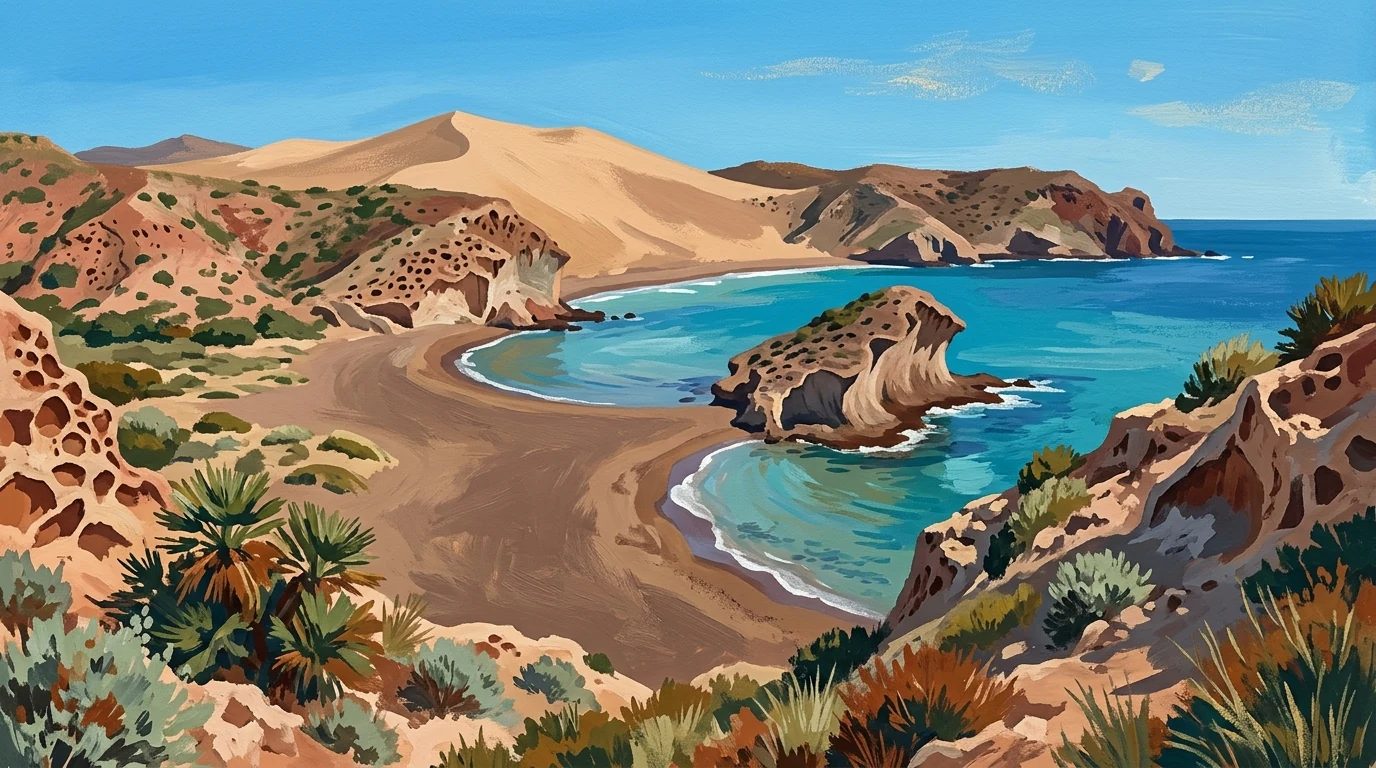
A Local Guide to Playa de Mojácar: Sands, Spirits and Almerían Soul
Experience the diverse 17-kilometre coastline of Mojácar Playa, where volcanic sands meet clear waters and lively chiringuitos offer the perfect Almerían escape.
Place guide · 7 min
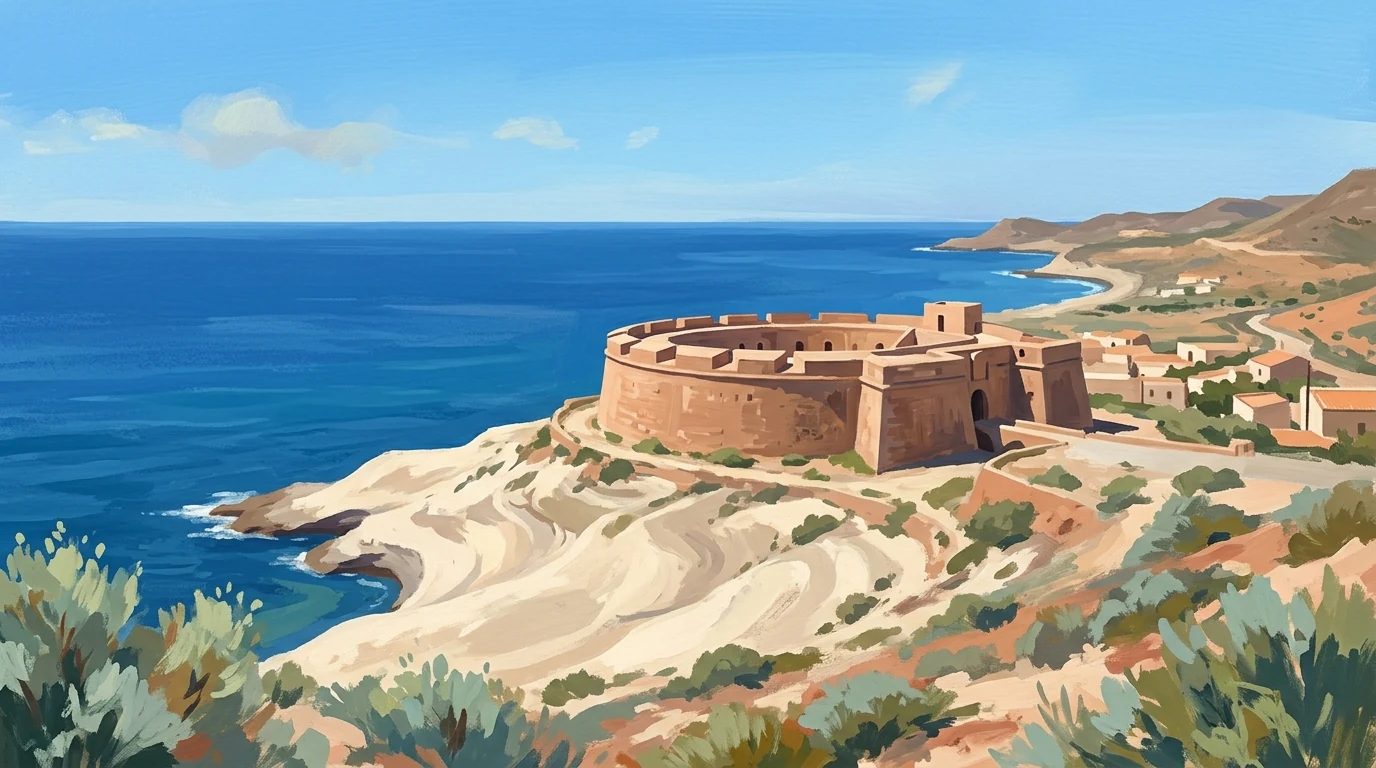
Playa de los Genoveses: A Guide to the Wild Heart of Cabo de Gata
Experience the untouched beauty of Playa de los Genoveses, a vast volcanic bay in Almería where golden sands meet shallow turquoise waters in a protected natural park.
Itinerary · 13 min
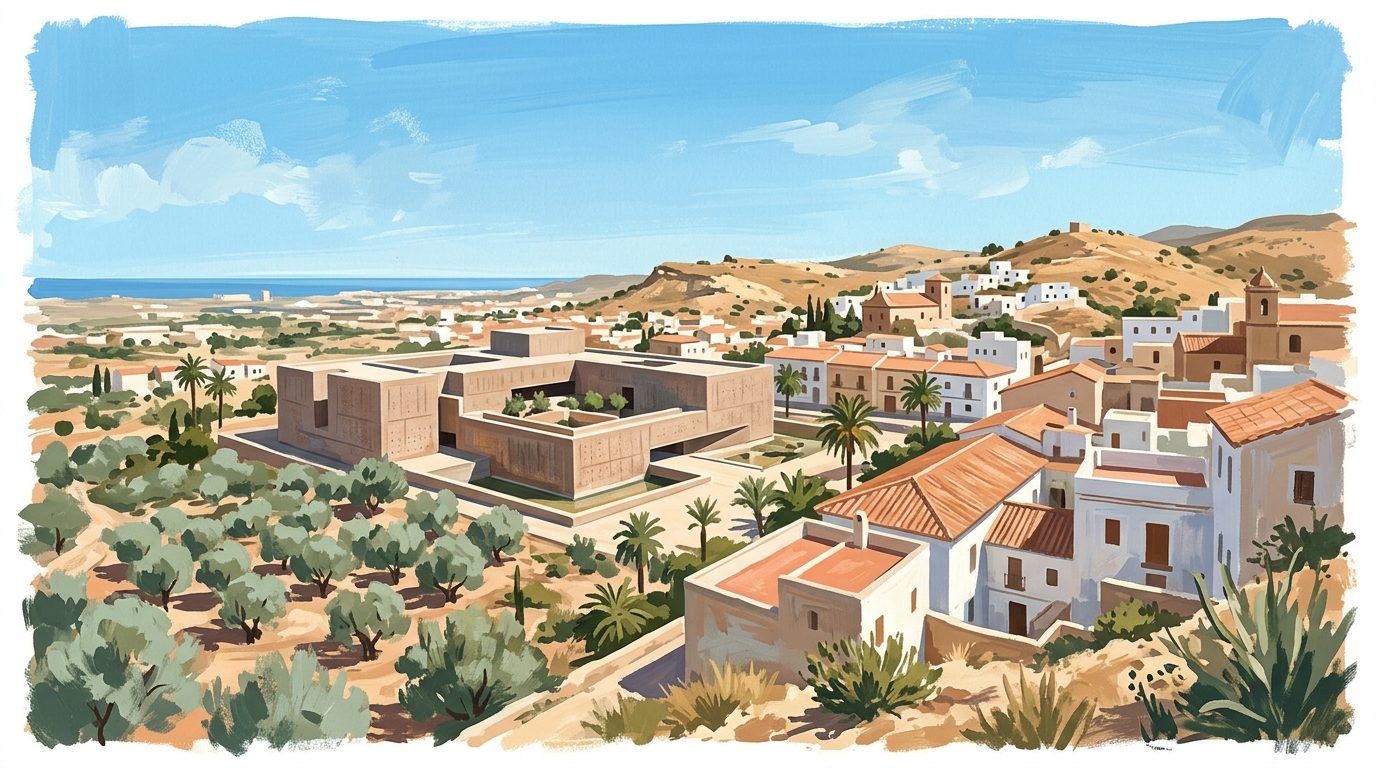
5 Days in Almería: City, Desert and Cabo de Gata
A realistic five-day driving itinerary through Almería province, balancing the historic capital, the cinematic Tabernas badlands, and the protected volcanic shores of Cabo de Gata.