
attraction · Córdoba
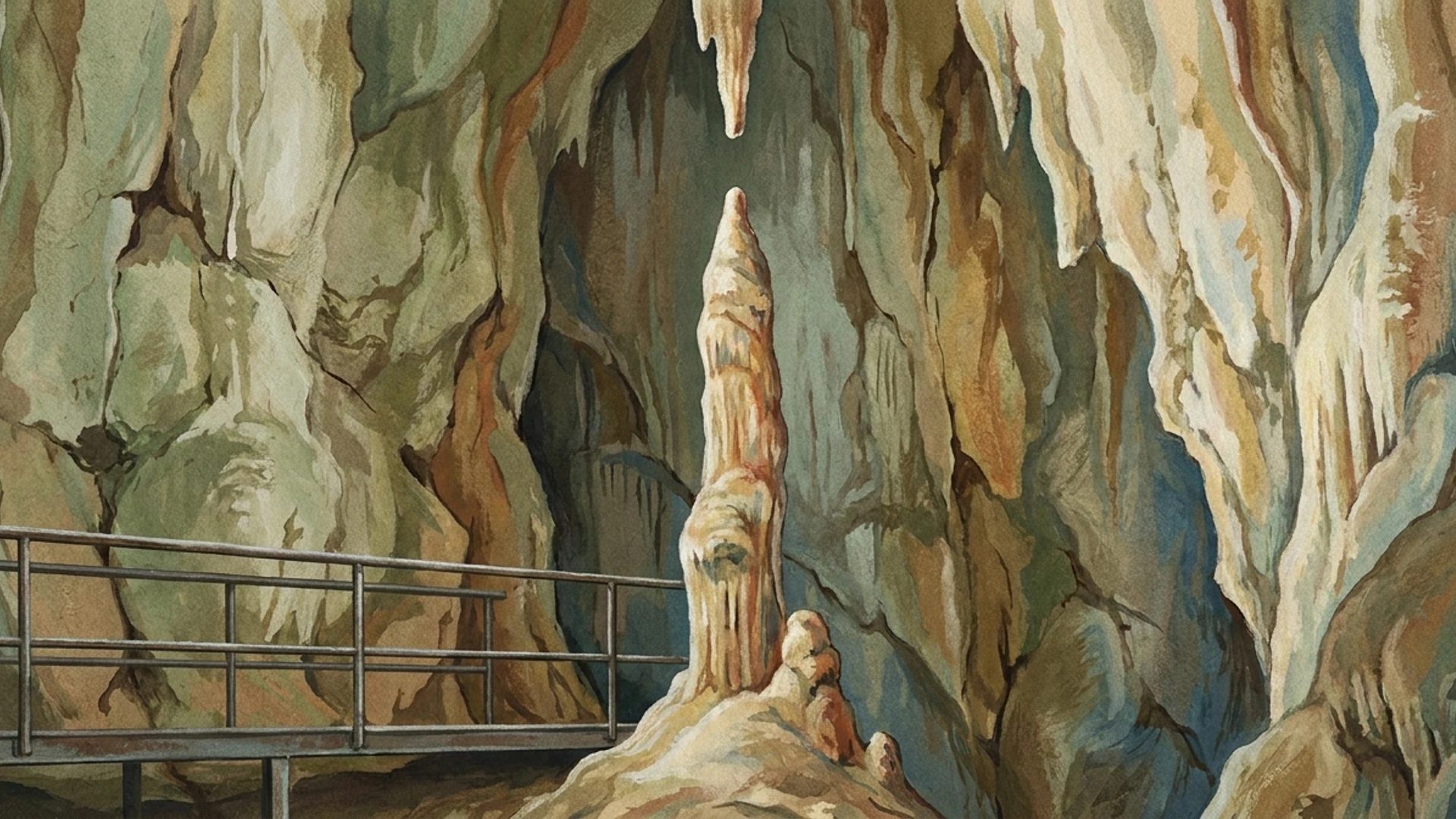
Cueva de los Murciélagos
Andalucía 365 · Updated 18 July 2026
Our Verdict
“The Subbética's standout prehistoric site, combining a substantial cave system with archaeological remains and rock art.”
Last verified: July 2026
High in the limestone crags above the village of Zuheros, the Cueva de los Murciélagos (Cave of the Bats) is the most significant prehistoric site in the Subbética Cordobesa. As the largest mapped cave system in the province, it offers a dual narrative of slow geological formation and early human habitation. Visitors descend through a subterranean landscape of stalactites, subterranean lakes, and dramatic karst formations, while also tracing the footsteps of Neolithic farmers who used the chambers for shelter and burial. The site is best suited to active travellers with an interest in archaeology and geology, as the mandatory guided tour involves navigating a steep, stepped route. It provides a compelling reason to venture into the mountains, adding deep historical context to the surrounding olive groves and white villages.
A Karst Underworld
The cave system is a testament to the slow, persistent power of water on the limestone bedrock of the Sierras Subbéticas. Over millions of years, subterranean rivers and steady percolation have carved out a network that currently measures more than 3,300 metres in length, making it the most extensive known cavity in Córdoba province. The geological history is visible in the sheer variety of speleothems, formed as calcium carbonate precipitated out of dripping water over millennia.
The section open to the public covers a 415-metre route that descends 65 metres into the earth. The temperature drops noticeably as you enter, maintaining a steady nine degrees Celsius year-round. Inside, the chambers are defined by their speleothems, which are mineral deposits that have grown drop by drop. The most prominent of these is known as El Espárrago (The Asparagus), a stalagmite that reaches four metres in height, fed by a comparatively tiny ten-centimetre stalactite on the ceiling above. The route winds through various halls, such as the Sala de las Formaciones and the Sala del Órgano, where the interplay of artificial lighting and natural shadows highlights the sheer scale of the geological forces at work. The latter room is named for the curtain-like formations that resemble the pipes of a grand organ.
Neolithic Discoveries and Rock Art
While the geological formations are impressive, the Cueva de los Murciélagos is equally renowned for its archaeological significance. Although local shepherds knew of the cave for centuries, its first official exploration occurred in 1938 when a group of army officers ventured into the deeper chambers and discovered human remains. This initial find prompted a series of formal investigations that would eventually rewrite the region's prehistory.
Subsequent excavations in the 1960s and beyond revealed that the cave was a crucial site during the Andalusian Neolithic period. The chambers contain rare post-Palaeolithic rock art, including schematic depictions of animals, such as horses and deer, alongside human figures painted in red ochre. These Neolithic and Chalcolithic paintings provide a rare glimpse into the symbolic life of early pastoral communities who used the upper chambers for shelter and ritual purposes.
The most groundbreaking revelation, however, came in 2018. Advanced DNA testing on a skeleton found deep within the cave confirmed it belonged to an early agriculturalist who lived approximately 7,245 years ago. This finding established the individual as the first known farmer in the southern Iberian Peninsula, fundamentally shifting the understanding of how agriculture spread through the region. The discovery underscores the cave's role not just as a temporary refuge, but as a permanent fixture in the lives of early human settlers.
The Ecomuseo and Interpretation
Before beginning the descent, visitors pass through the Ecomuseo, an interpretation centre situated 200 metres from the cave entrance. This small but informative facility provides essential context for the tour. It outlines the geological processes that formed the Sierras Subbéticas and details the local flora and fauna, including the various bat species that give the cave its name. Although the bat population has decreased over the years, several species still inhabit the deeper, inaccessible sections of the cave.
The museum also displays replicas of the archaeological finds and explains the timeline of human occupation. Spending twenty minutes here before the tour helps to clarify the significance of the faint rock art and the burial sites you will see underground, bridging the gap between raw geology and human history.
Our verdict
The Cueva de los Murciélagos is a rigorous and rewarding site that anchors the prehistoric narrative of the region. The combination of monumental karst formations and significant archaeological evidence makes it a standout attraction for anyone exploring Zuheros and the wider area.
However, the physical demands of the visit are substantial. The route involves navigating 700 steps, many of them steep and damp, which makes the cave entirely unsuitable for wheelchair users, those with limited mobility, or visitors with severe claustrophobia. Furthermore, access is strictly by guided tour. While the guides are knowledgeable, this format means you cannot linger at specific formations or explore at your own pace. If you are comfortable with the physical requirements and the structured visit, it remains a highly worthwhile excursion.
Practical Planning
The cave entrance is located at an altitude of 976 metres, approximately four kilometres up a winding, scenic mountain road from the village centre. Driving is the most practical way to reach the site, and there is a dedicated parking area near the Ecomuseo. For those looking for day trips from Córdoba, the drive takes just over an hour.
Because access is strictly controlled to preserve the cave's microclimate and protect the rock art, advance reservations are mandatory. Tickets must be booked through the official municipal tourist office, either online or by phone, and tours frequently sell out during weekends and public holidays. Guided tours are typically conducted in Spanish, though non-Spanish speakers are provided with a printed English translation to follow along with the guide's explanations.
Given the constant subterranean temperature of nine degrees Celsius, a warm layer is essential even at the height of the Andalusian summer. Sturdy, closed-toe footwear with good grip is also necessary to safely navigate the 700 steps, as the ambient moisture can make the limestone surfaces slippery.
Nearby worth your time
A few well-placed stops for extending the day without turning it into a checklist.
Continue through Subbética Cordobesa
Step back into the wider landscape with local guides, nearby places and the province overview.
Things to do · 10 min
Golf in Córdoba Province: Courses, Holidays, and Shops
Discover practical tips, course details, and holiday planning advice for playing golf in Córdoba province, from the mountain fairways of Sierra Morena to the historic greens of Los Pedroches.
Feature · 8 min
The Caliphate of Córdoba
In 929, Abd al-Rahman III declared himself Caliph, breaking religious ties with the Middle East and launching an era of unparalleled architectural and intellectual achievement.
Itinerary · 9 min
A Weekend in Cordoba: Two Days in Andalucía's Caliphate City
Spend 48 hours in Cordoba exploring the mesmerising Mezquita, getting lost in the whitewashed streets of the Judería, and eating excellent salmorejo.