
Things to do · Córdoba
Beyond the Mezquita: The Best Day Trips from Córdoba
Discover the best day trips from Córdoba, from the ruins of Medina Azahara to the white villages and olive groves of the Subbética mountains.
By Dan · Updated 16 July 2026 · 9 min read
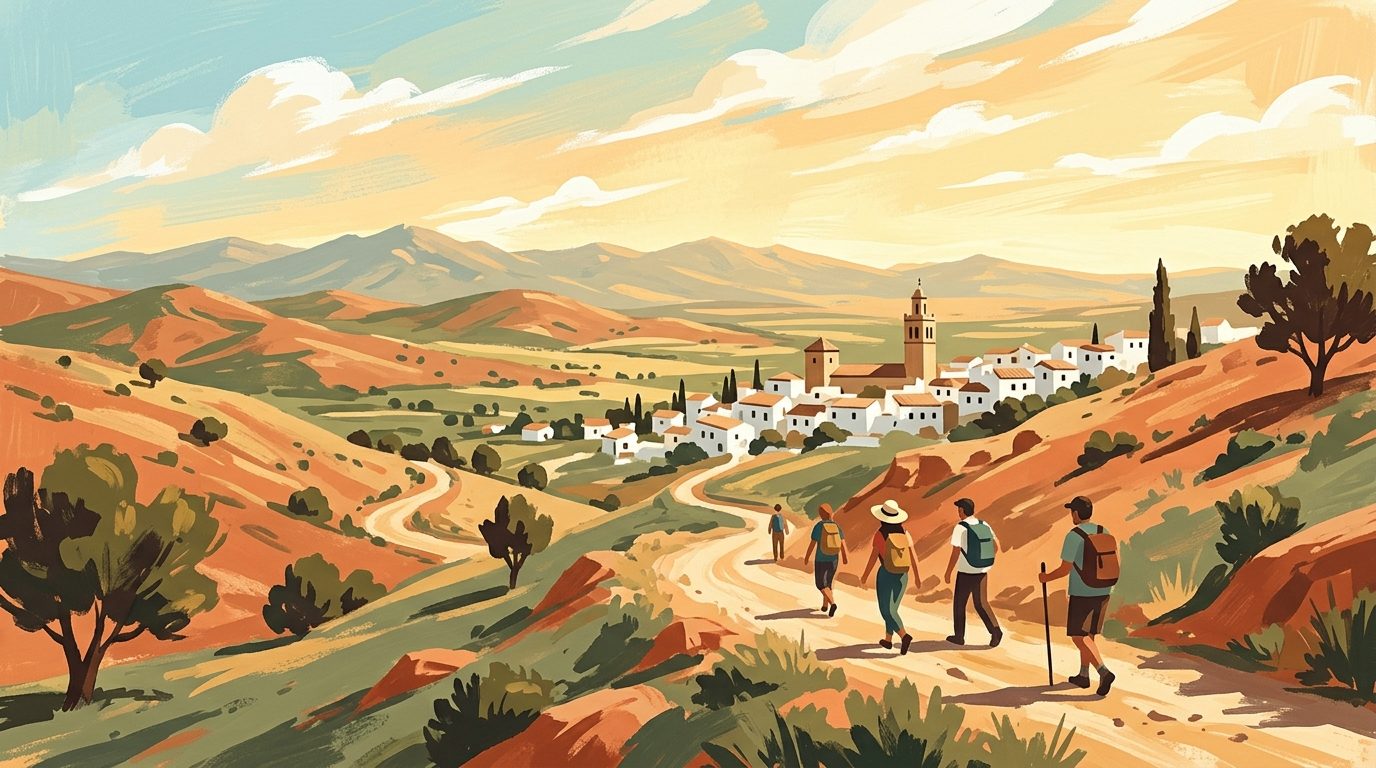
While the mosque-cathedral of Córdoba is the primary draw for most travellers, the province itself offers a much slower, more authentic look at Andalucían life. From the ruins of a lost 10th-century city to the limestone peaks of the Subbética mountains, these day trips reveal the heart of the region beyond the city walls.
Many visitors to Córdoba treat the city as a brief stopover on the high-speed rail line between Madrid and Sevilla. While the Mezquita and the winding streets of the Judería are undeniable highlights, staying an extra few days allows you to venture into a province that remains one of the most traditional in Spain. The landscape here shifts from the flat, fertile plains of the Guadalquivir valley to the rugged, grey-peaked mountains of the south, providing a variety of experiences that most tourists completely overlook.
Exploring the province of Córdoba means swapping the crowded souvenir shops for authentic family-run taverns and quiet mountain trails. For anyone interested in the architectural legacy of the Umayyad Caliphate, the intricate details of Spanish Baroque architecture, or the production of some of the world’s most awarded olive oils, there is a day trip to suit. While some locations are accessible by public transport, hiring a car for a day or two is often the best way to reach the smaller white villages and natural parks where the real character of the region is found. Here are the best locations to explore within easy reach of the city centre.
The Archaeological Wonder: Medina Azahara
The Shining City of the Caliphate
Located just eight kilometres west of the city, Medina Azahara (Madinat al-Zahra) is an essential excursion for anyone interested in the history of Al-Andalus. Built in the mid-10th century by Abd-al-Rahman III, this was once a palatine city intended to demonstrate the power and prestige of the Córdoba Caliphate. Though it stood for less than a century before being destroyed during a civil war, the remains are staggering in their scale and detail.
The site is divided into three terraces. The upper levels housed the royal residence, while the middle and lower sections contained administrative buildings, gardens, and the mosque. The most impressive part of the visit is the Salón Rico (The Rich Hall), where the Caliph received foreign dignitaries. The intricate carvings of marble and the horseshoe arches give a vivid sense of the opulence that once defined this site. The modern visitor centre and museum at the base of the hill are equally impressive, providing context and displaying artefacts found during the excavations.
To get there, you can take a tourist bus that departs from Avenida del Alcázar and Paseo de la Victoria. The dedicated tourist bus costs approximately €10 (check for seasonal price adjustments), which includes the shuttle from the museum to the ruins; we recommend booking via the official Córdoba tourism portal to ensure a seat during peak periods. For current opening hours, consult the official Medina Azahara website. It is important to note that the site is closed on Mondays, and during the peak of summer, it is best to visit as early as possible to avoid the intense heat of the valley floor.
The Baroque Masterpiece: Priego de Córdoba
White Streets and Monumental Fountains
Often referred to as the capital of the Cordoban Baroque, Priego de Córdoba is situated in the heart of the Sierras Subbéticas Natural Park, about an hour and fifteen minutes south of the city. This town is a striking contrast to the flatter landscapes near the Guadalquivir. It is famous for its abundance of water and its extraordinary religious architecture. The highlight for many is the Fuente del Rey (King’s Fountain), a massive 18th-century structure with 139 water spouts and sculptures of Neptune and Amphitrite.
After visiting the fountain, wander into the Barrio de la Villa, the oldest part of the town. This medieval quarter is a labyrinth of whitewashed houses decorated with hundreds of blue flowerpots, reminiscent of Córdoba’s famous patios but far quieter. The streets lead eventually to the Balcón del Adarve, a natural promenade set on a high cliff edge that offers panoramic views over the surrounding olive groves and mountains.
Priego is also home to several churches that showcase the height of Spanish Baroque style, particularly the Church of San Francisco and the Church of La Aurora. The level of detail in the plasterwork and the gilded altarpieces is among the finest in Andalucía (check monument opening times via the official Priego de Córdoba tourism website before your visit). For lunch, look for local specialities like remojón (an orange and cod salad) or turrolate, a local sweet made of chocolate and almonds.
The Peak of the Subbética: Zuheros
Caves, Castles, and Artisan Cheese
Zuheros is frequently cited as one of the most beautiful villages in Spain, and it isn't hard to see why. Perched on a rocky outcrop at the edge of a limestone canyon, the village consists of narrow, steep streets and a 9th-century castle that seems to grow directly out of the stone. It is a small place, easily explored in a few hours, but its location makes it a fantastic base for outdoor activities.
Just a few kilometres uphill from the village is the Cueva de los Murciélagos (Bat Cave). This Neolithic site features impressive stalactites and stalagmites, as well as ancient cave paintings. Guided tours of the Cueva de los Murciélagos are mandatory and must be booked in advance via the Zuheros municipal website, as daily numbers are strictly limited to protect the Neolithic paintings. For those who prefer to stay above ground, the Vía Verde de la Subbética (a former railway line converted into a cycling and walking path) runs past the village. You can hire a bike in the town and cycle through the olive orchards with the mountains as a constant backdrop.
Before you leave, make sure to try the local goat’s cheese. Zuheros is famous for its artisan cheese production, and there is a dedicated shop in the village where you can buy various maturities and styles. If you happen to visit in September, the town hosts a national cheese festival that attracts producers from all over the country.
Nature and Gorge Views: Hornachuelos
The Green Lungs of Córdoba
For a complete change of pace, head west to Hornachuelos. This village sits on the edge of the Sierra de Hornachuelos Natural Park, one of the best-preserved Mediterranean forests in Europe. The village itself is positioned on a hillside overlooking a dramatic gorge, with many houses built directly into the rock. It feels significantly more rugged and less manicured than the towns of the Subbética.
The main draw here is the network of hiking trails. The Sendero del Guadalora is a particularly popular route that follows the river through forests of cork oaks and poplars. It is an excellent place for birdwatching; keep an eye out for griffon vultures and golden eagles soaring above the cliffs. The air here is noticeably cooler and fresher than in the city, making it a popular escape for locals.
Another point of interest nearby is the Palacio de Moratalla. While the palace itself is private, the extensive gardens, designed by the French architect Jean-Claude Nicolas Forestier (who also designed María Luisa Park in Sevilla), are open for pre-booked tours on specific weekends. They feature a sophisticated system of ponds and fountains set amongst ancient trees, offering a tranquil place for a walk.
The Liquid Gold Experience: Baena
Exploring the World of Olive Oil
You cannot travel through the province of Córdoba without noticing the endless sea of olive trees. To understand the importance of this industry, a trip to Baena is essential. This town is the centre of one of Spain’s most prestigious Denominations of Origin for olive oil. The landscape here is dominated by the silver-green leaves of the Picudo and Hojiblanca varieties.
Start your visit at the Museo del Olivar y el Aceite (Olive Grove and Oil Museum), located in an old mill. It explains the history of production, from Roman times to the modern day, and displays the traditional heavy stone presses. For a more hands-on experience, book a visit to a working mill like Núñez de Prado (check opening times and book via the operator's website before travelling). These family-run operations often offer tastings that teach you how to distinguish the peppery, fruity, and grassy notes of high-quality extra virgin olive oil.
The town of Baena itself also has a long heritage, with a medieval castle and several historic churches. However, the oil remains the star attraction. Buying a few tins of the local oil directly from a cooperative (almazara) is significantly cheaper than buying it in the city and ensures you are getting the freshest product possible.
Wine Tasting in Montilla
The Home of Amontillado
South of Córdoba lies the Montilla-Moriles wine region. While often overshadowed by Sherry from Jerez, the wines produced here are world-class and technically distinct. In Montilla, the primary grape is Pedro Ximénez, which is used to create everything from bone-dry Finos to thick, sweet dessert wines. Unlike Jerez, these wines reach their high alcohol content naturally due to the intense summer heat, rather than being fortified with brandy.
A visit to a local bodega is the best way to experience this. Bodegas Alvear is the most famous, being one of the oldest wineries in Spain, founded in 1729. A tour takes you through the cool, dark cellars where the wine ages in stacks of oak barrels known as the solera system. You will learn about the "flor" (the layer of yeast that protects the wine from oxidation) and sample the different stages of the ageing process.
Montilla is an easy 35-minute drive or a short bus journey from Córdoba. The town centre is small and walkable, with several excellent tabernas where you can pair the local wines with regional tapas. Look for flamenquín (a breaded roll of pork and ham) or salmorejo (a thick, cold tomato soup) to round off your visit.
Practical Information
Visiting these locations requires a bit of planning regarding transport. While Medina Azahara and Montilla are easily reached by public transport, the white villages of the Subbética (Priego and Zuheros) are best accessed by car. Car hire is available at the Córdoba train station (AVE), and the roads are generally well-maintained and quiet once you leave the main A-45 motorway. Bus services to these rural towns can vary, so always check current route operators and timetables locally or online before travelling, as schedules are often limited on weekends.
The best time to visit is during the spring (March to May) or autumn (October to November). The summer months in Córdoba can see temperatures exceeding 40°C, making hiking or exploring white villages quite strenuous during the middle of the day. If you do visit in summer, plan your activities for early morning or late evening. Always carry plenty of water and wear comfortable walking shoes, as most of these towns have steep, cobbled streets.
Local Tips
When dining in the smaller towns of the province, remember that the "siesta" is still very much observed. Shops and many smaller historical sites will close between 2:00 PM and 5:00 PM. Plan to have a long, leisurely lunch during this window. If you are looking to buy olive oil, seek out the local almazaras (mills) on the outskirts of towns like Baena or Priego; they often have small shops selling the current season's oil at excellent prices. Finally, always check the local calendar, as many towns have unique festivals that can offer a fascinating glimpse into local traditions.
Last reviewed: 21 June 2026 · Editorial policy
Related guides
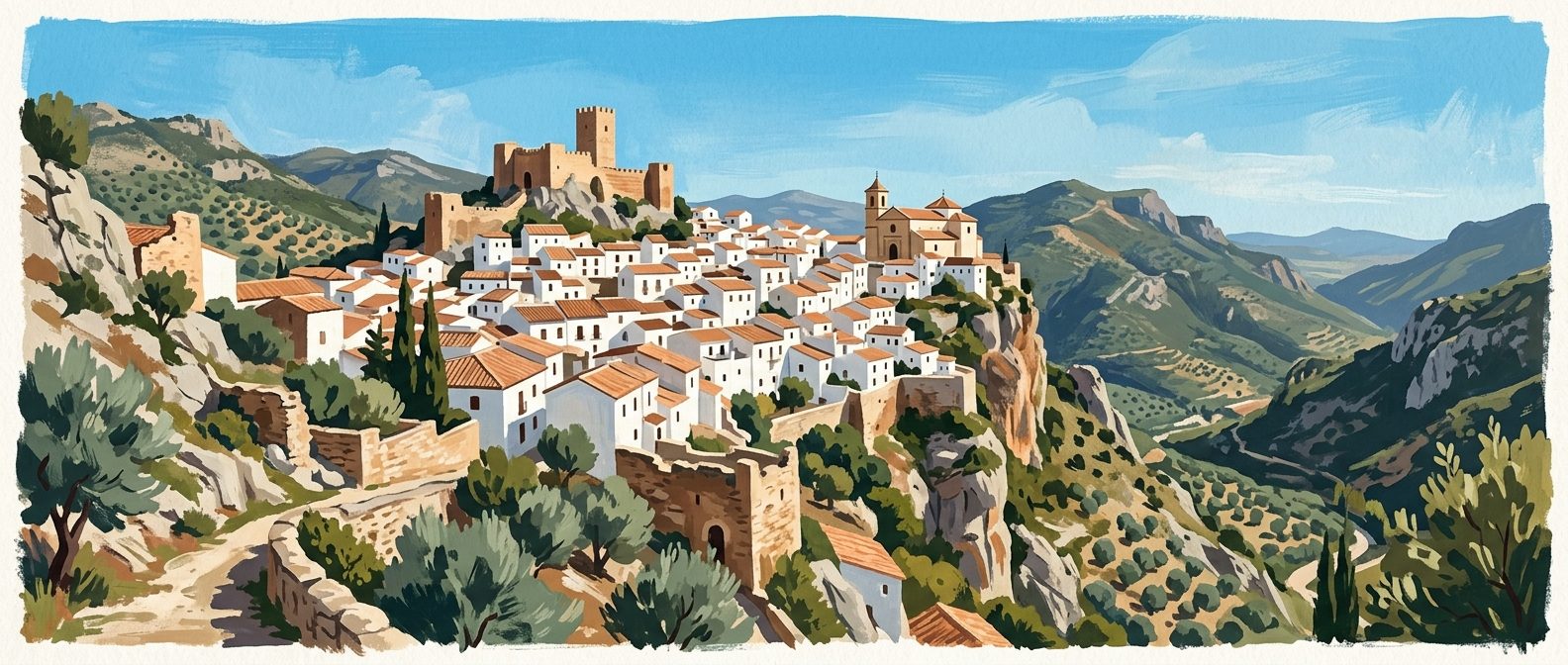
Exploring Zuheros: A High-Altitude Escape in the Subbética Cordobesa
Discover Zuheros, a dramatic clifftop village in Córdoba's Subbética mountains, famous for its Neolithic caves, medieval castle, and award-winning goat cheese.
5 min read
Day Trips from Cádiz: Coastal Castles and Sherry Cities
Discover the best day trips from Cádiz, featuring world-class sherry bodegas in Jerez, the hilltop beauty of Vejer, and the ancient Roman ruins of Bolonia.
7 min read
Discover the Enchanting Pueblos Blancos: Andalucía's Whitewashed Gems Await
Journey through Andalucía's iconic Pueblos Blancos, where historic whitewashed villages cling to dramatic hillsides, offering wide views and authentic Spanish charm.
5 min read
Andalucía's Dazzling White Villages: A Journey Through Cádiz and Málaga
Discover the enchanting White Villages of Andalucía, from the dramatic clifftop settings of Cádiz to the charming hillside gems of Málaga. Explore timeless traditions, long history, and dramatic landscapes.
6 min read
The Best Day Trips from Almería: From Desert Film Sets to Whitewashed Villages
Discover the rugged beauty of Almería with day trips to the volcanic Cabo de Gata coast, the cinematic Tabernas Desert, and the white-washed streets of Mojácar.
6 min read
The Best Day Trips from Huelva
Huelva serves as the perfect launchpad for exploring the crimson Rio Tinto, the caves of Aracena, and the wild marshes of Doñana National Park.
6 min read
More from Córdoba

Golf in Córdoba Province: Courses, Holidays, and Shops
Discover practical tips, course details, and holiday planning advice for playing golf in Córdoba province, from the mountain fairways of Sierra Morena to the historic greens of Los Pedroches.
10 min read
Exploring the Trails of Córdoba: From the Sierra Morena to the Subbética
Escape the city heat and explore the diverse landscapes of Córdoba, from the rugged limestone peaks of the south to the Mediterranean forests of the Sierra Morena.
6 min read

Water Sports in Córdoba: A Guide to the Inland Sea and the Great River
Escape the heat of the city and discover the best spots for kayaking, paddleboarding, and sailing across the province of Córdoba.
6 min read
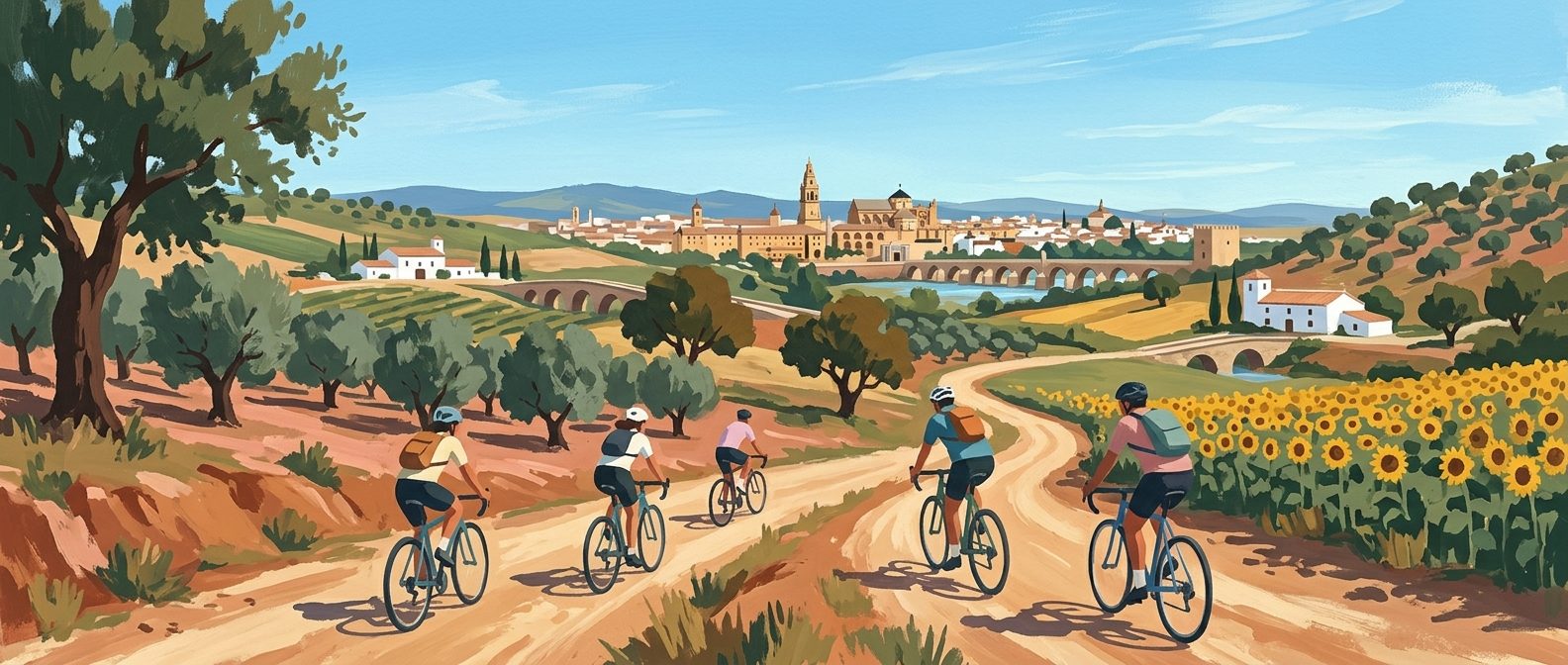
Cycling in Córdoba: The Best Routes and Practical Guide
From the flat trails of the Guadalquivir valley to the rugged peaks of the Sierras Subbéticas, Córdoba offers a diverse landscape for cyclists of all abilities.
6 min read
Newsletter
More stories from Andalucía
Weekly notes, seasonal picks, and the next guides worth bookmarking.