
attraction · Huelva
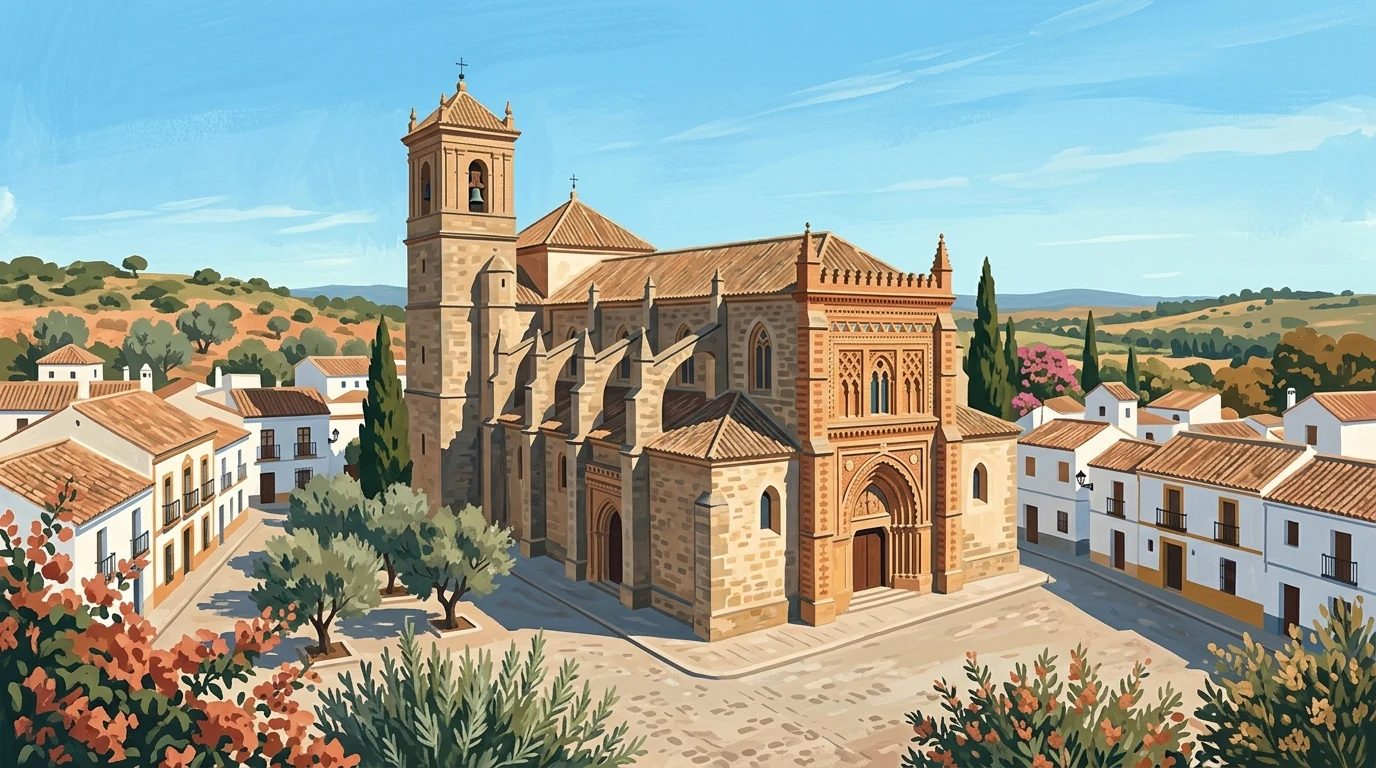
Iglesia de San Jorge Mártir
Andalucía 365 · Updated 18 July 2026
Our Verdict
“This 15th-century Gothic-Mudéjar church offers a profound, tangible connection to the Age of Discovery. It is an essential stop for history enthusiasts wanting to stand exactly where Columbus's crew gathered before changing the world.”
Last verified: July 2026
Standing in the historic centre of Palos de la Frontera, the Iglesia de San Jorge Mártir is a 15th-century Gothic-Mudéjar parish church that served as the literal launching pad for the Age of Discovery. This modest but striking building is where the preparations for Christopher Columbus's 1492 transatlantic voyage were formalised. It was here that the royal decree demanding ships was read to the townsfolk, and where the expedition crew attended their final mass before setting sail. Today, it remains an active place of worship and a cornerstone of Huelva's Lugares Colombinos route. History enthusiasts and architecture lovers will find profound value in walking the exact threshold crossed by the sailors who changed the map of the world.
Why It Matters
The historical weight of this church is inextricably linked to the genesis of the Americas' discovery. In May 1492, the square outside its main doors hosted the public reading of the Royal Provision from the Catholic Monarchs, Isabella and Ferdinand. This decree compelled the town of Palos to supply two fully equipped caravels to Columbus and served as the catalyst for recruiting local mariners, including the influential Pinzón brothers. Months later, in the pre-dawn hours of 3 August 1492, the assembled crew gathered within these walls for a final mass. Declared a National Monument in 1931 and a Bien de Interés Cultural in 1967, the building stands as a remarkably preserved witness to the exact moment the Old World set out to find the New.
What to See and Do
The Puerta de los Novios
The most evocative architectural feature of the church is the Puerta de los Novios, or Door of the Betrothed, located at the rear of the building. Characterised by its intricate, two-tone Mudejar brickwork and elegant archways, this portal holds immense historical significance. Tradition dictates that this is the exact threshold Columbus and his crew crossed after their final prayers. From this doorway, the men descended the hill directly to the historic port to board their waiting caravels.
Gothic-Mudéjar Architecture and Interiors
The church itself is a masterclass in the regional Gothic-Mudéjar style, blending European Gothic structural elements with Moorish-influenced craftsmanship. The exterior is defined by its robust stone walls and a prominent bell tower that has watched over the town for centuries. Inside, the austere but atmospheric naves feature ribbed vaults and house several notable religious artworks. Among the most significant is the 16th-century carving of the Cristo de la Sangre, attributed to the Flemish sculptor Roque Balduque, which adds a layer of rich artistic heritage to the spiritual space.
Tracing the Sailors' Footsteps
The experience of visiting San Jorge extends beyond the church walls. Just a short walk down the slope from the Puerta de los Novios lies La Fontanilla, a 13th-century public fountain. This Mudejar brick structure is where the crew drew their fresh water provisions for the arduous journey ahead. Walking the brief distance between the church and the fountain allows visitors to physically trace the final landbound footsteps of the departing mariners.
Planning Your Visit
Getting There
The church is located on Calle Fray Juan Pérez in the heart of Palos de la Frontera, approximately a 15-minute drive from the city of Huelva. Street parking is generally available in the surrounding historic centre, though the roads can be narrow.
How Long to Allow
Set aside 30 to 45 minutes to admire the exterior brickwork, explore the interior naves, and walk down to the nearby Fontanilla.
When to Go
Morning visits offer the best light for photographing the Mudejar brickwork and provide a quieter atmosphere for reflection. Spring and autumn are ideal to avoid the intense heat of the Andalusian summer.
Access and Booking
As an active parish church within the Diocese of Huelva, entry is free, but access to the interior is strictly dependent on the liturgical schedule. The doors are closed to tourists during mass, weddings, and private ceremonies. Visitors must check the official diocesan website or contact the parish directly for the most current opening hours before travelling.
Good to Know
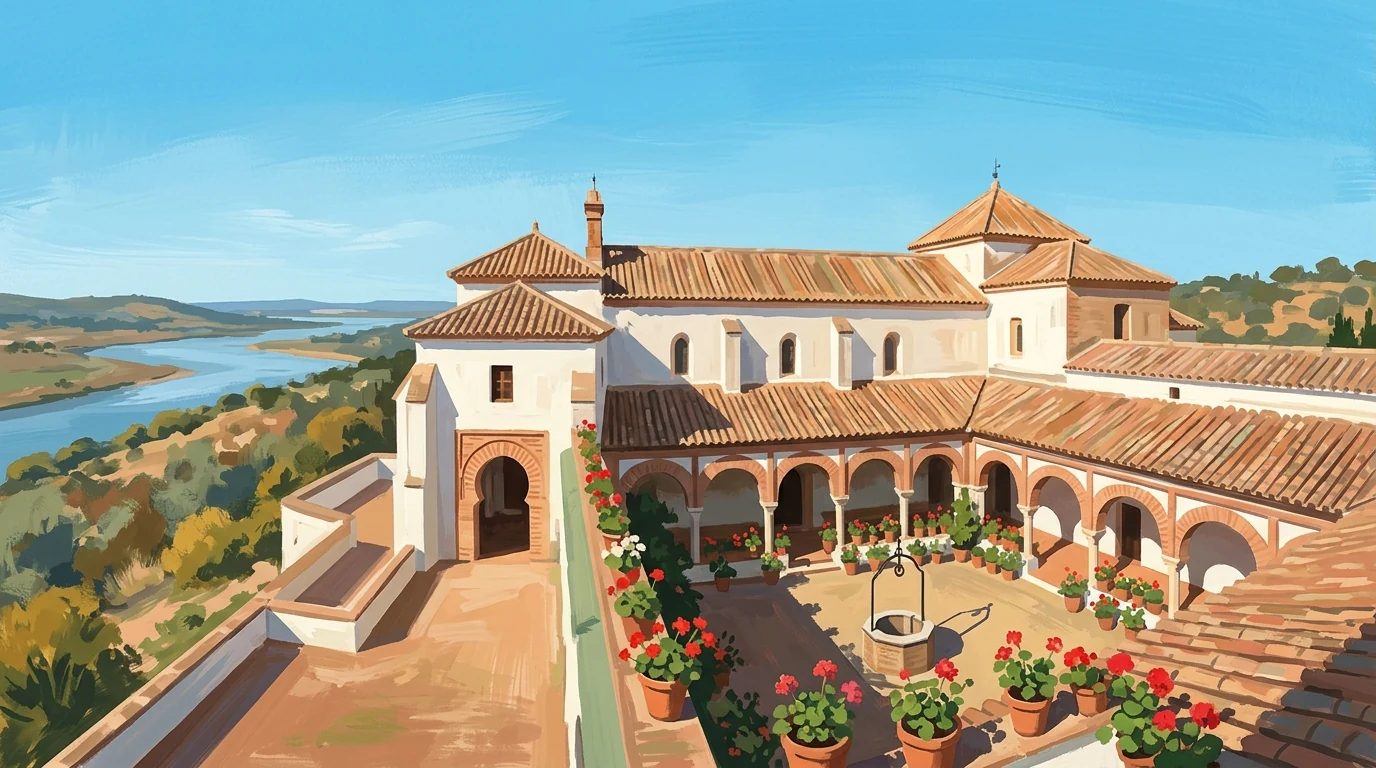
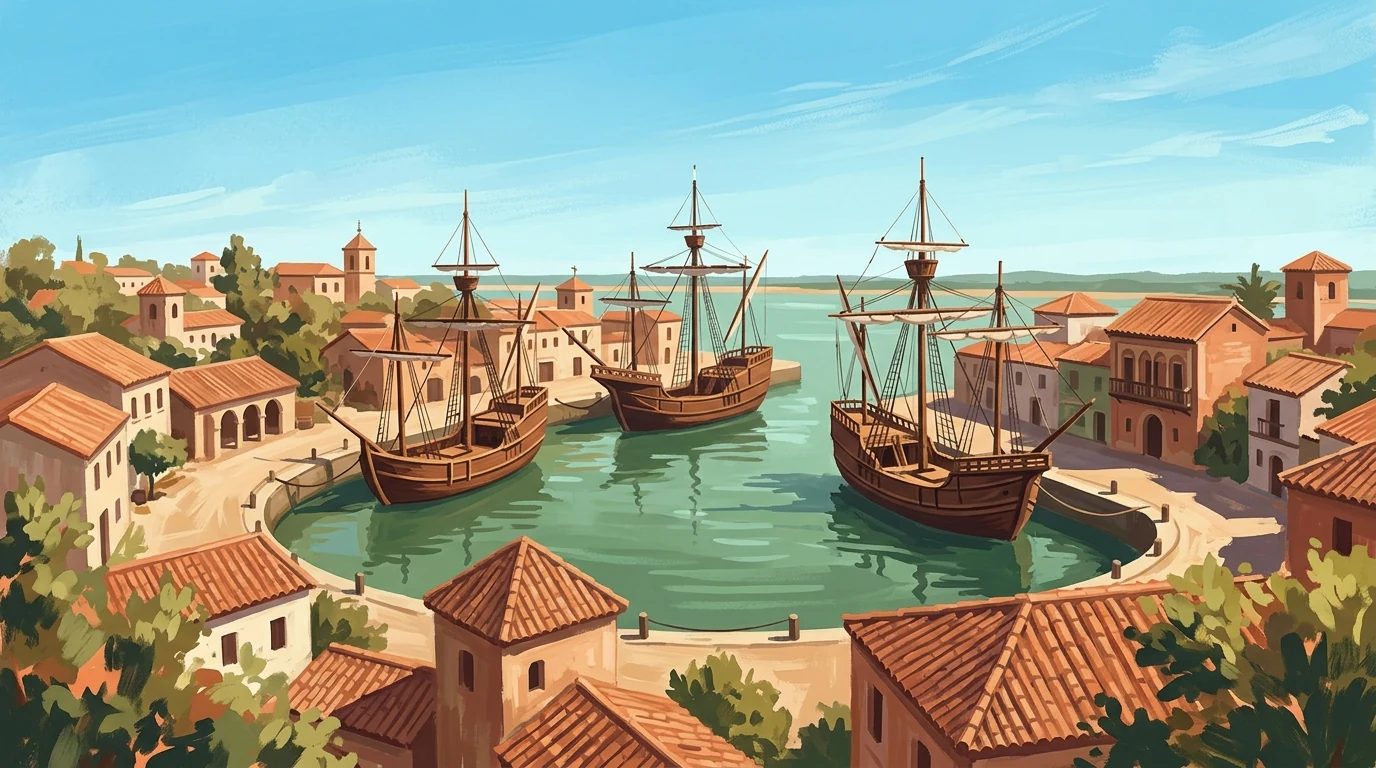
- Combine your visit with the nearby Muelle de las Carabelas and the Monasterio de La Rábida to complete the historical Lugares Colombinos route.
- Dress respectfully if you intend to enter the building, ensuring shoulders and knees are covered in accordance with local parish rules.
- Look for the commemorative plaques in the main square, which detail the historic reading of the Catholic Monarchs' royal decree.
- Photography is usually permitted inside outside of worship times, but the use of flash and tripods is discouraged.
- The walk from the rear doors down to La Fontanilla involves a slight incline, so comfortable walking shoes are recommended.
Nearby worth your time
A few well-placed stops for extending the day without turning it into a checklist.
Continue through Columbus Route
Step back into the wider landscape with local guides, nearby places and the province overview.
Place guide · 7 min
Playa de Castilla: The Wild Frontier of the Doñana Coastline
Playa de Castilla is a vast, 20-kilometre stretch of wild Atlantic coastline bordered by the spectacular orange cliffs of the Doñana National Park.
Place guide · 7 min
Playa de Isla Canela Beach Guide: Huelva Coastline
Playa de Isla Canela is a vast stretch of fine sand where the Guadiana River meets the Atlantic, famous for its shallow lagoons and family-friendly atmosphere.
Itinerary · 12 min
5 Days in Huelva: Atlantic Coast, Doñana and Sierra
A realistic five-day driving route through Huelva province, linking the maritime history of the capital with the tidal wetlands of Doñana and the chestnut forests of the Sierra de Aracena.