
attraction · Huelva
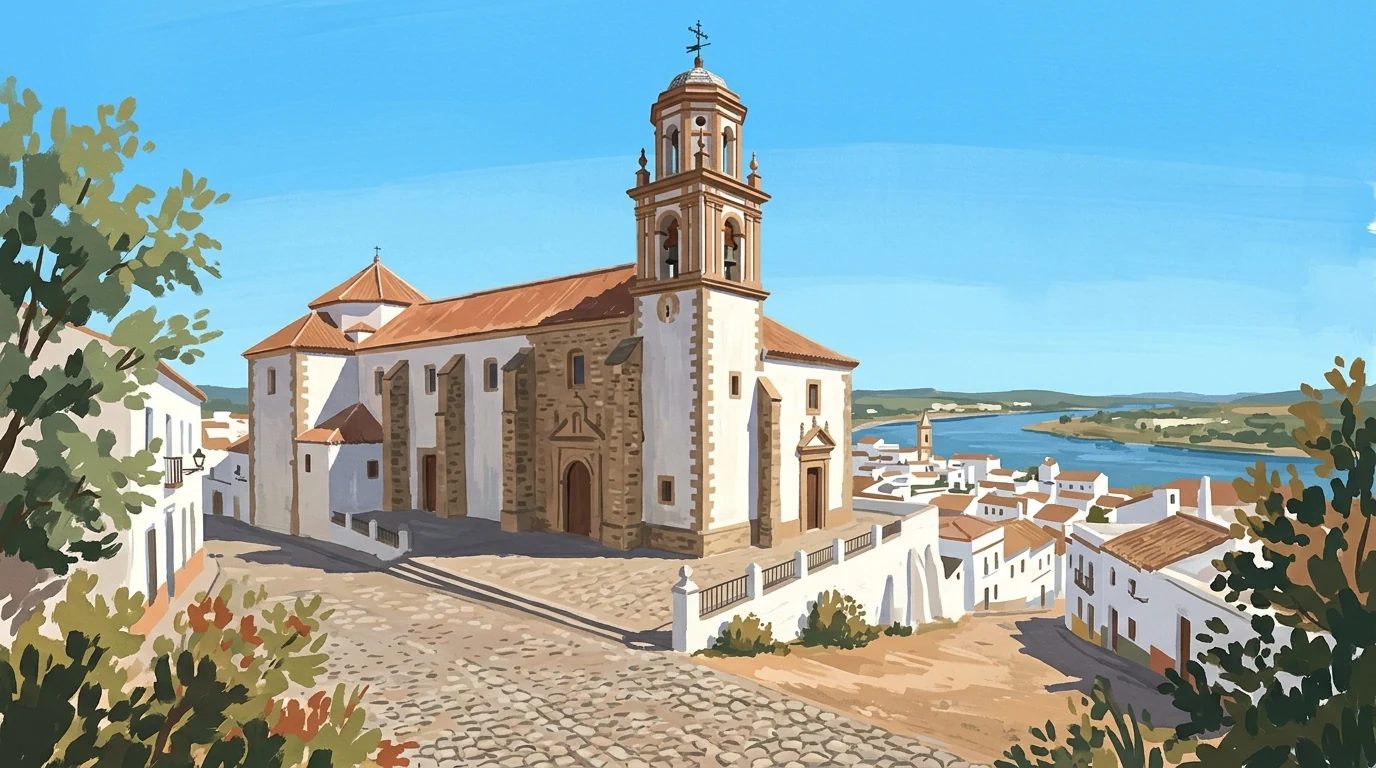
Iglesia del Salvador
Andalucía 365 · Updated 18 July 2026
Our Verdict
“Ayamonte's oldest church is a captivating blend of Mudéjar architecture and Baroque artistry, offering a peaceful retreat and panoramic views from the historic La Villa quarter.”
Last verified: July 2026
Ayamonte's oldest church, the Iglesia del Salvador, commands the highest point of the historic La Villa quarter, overlooking the Guadiana estuary. Built in the fifteenth century on the ruins of an earlier temple, this striking Mudéjar monument serves as the spiritual anchor of the town. Its distinctive silhouette, crowned by a three-tiered bell tower, reflects centuries of transformation, most notably after the 1755 Lisbon earthquake. Today, the church stands as a Bien de Interés Cultural, preserving a rich repository of religious art, from intricate Baroque altarpieces to rare Renaissance murals. For visitors exploring the Costa de Huelva, it offers a profound glimpse into the region's layered history, blending medieval defensive positioning with enduring Andalusian devotion.
Why It Matters
The Iglesia del Salvador is linked to the strategic evolution of Ayamonte. The town's original urban core developed on this elevated terrain to meet the defensive needs of the border region, with the church erected near the medieval castle. Constructed in the Mudéjar style typical of the Kingdom of Seville, the building has survived centuries of conflict and natural disasters. The devastating 1755 Lisbon earthquake necessitated significant eighteenth-century interventions, introducing Baroque elements to its medieval framework. In 2011, the Junta de Andalucía officially inscribed the church as a Monument of Cultural Interest. The surrounding La Villa neighbourhood still converges on the Plaza del Salvador, maintaining a medieval urban layout that mirrors the historical development of the province.
What to See and Do
Architectural Heritage and the Bell Tower
The exterior presents a robust facade belying the richness within. The main seventeenth-century portal features Doric pilasters and a classic entablature, while a secondary sixteenth-century stone entrance displays medallions of Saint Peter and Saint Paul, alongside a rare Renaissance wrought-iron knocker. The building's most prominent external feature is its tower, displaying three distinct construction phases. The plain square base gives way to a fifteenth-century middle section with semicircular arches, topped by a highly ornamented belfry and an octagonal drum crowned with an iron cross.
The Main Altar and Mudéjar Naves
Inside, the church follows a rectangular plan with three naves divided by pointed arches. The central nave is covered by a magnificent wooden roof, decorated with intricate interlaced patterns. The elevated Capilla Mayor is accessed through a large semicircular arch bearing the plaster coat of arms of the Marquisate of Ayamonte. Here, the focal point is the spectacular Baroque main altarpiece, crafted around 1740 by the Medinilla brothers. This elaborate gilded structure features a central niche housing the titular image of the Saviour against a radiant sun, surrounded by garlands and reliefs of the Evangelists.
Chapels and Hidden Murals
The side naves house several notable chapels and artistic treasures. In the Capilla de San José, visitors can admire sculptures by the renowned local artist Antonio León Ortega. The seventeenth-century Capilla Bautismal features an ornate red marble font and intricate plasterwork. Art historians will appreciate the rare mural paintings uncovered during modern restorations. At the altar of the Virgen del Pilar, Renaissance-era murals with Pompeian motifs were discovered in the 1990s. Meanwhile, a striking nineteenth-century discovery reveals a mural of the Apocalyptic Immaculate Conception, depicting the Virgin surrounded by biblical symbols like the sun, moon, and Jacob's ladder.
Planning Your Visit
Getting There
The church sits in the Plaza del Salvador, at the highest point of Ayamonte's Barrio de La Villa. The steep, narrow streets of this historic quarter are best navigated on foot. Visitors can walk up from the lower Barrio de la Rivera, though the incline is notable. Parking in the immediate vicinity is extremely limited, so leave vehicles in the lower town and walk up.
How Long to Allow
Set aside 30 to 45 minutes to explore the interior, examine the altarpieces and appreciate the wooden ceiling. Allow extra time to wander the surrounding streets of La Villa and take in the panoramic views over the Guadiana River.
When to Go
Morning visits offer the best light for appreciating the exterior architecture and hilltop views. The church is an active place of worship, so access for tourists is generally restricted during mass, weddings, and local religious festivals.
Access and Booking
Entry is typically free, though donations towards upkeep are welcomed. As opening hours fluctuate throughout the year and depend heavily on the parish schedule, visitors should check the official diocesan website or enquire at the local tourist office in Ayamonte before travelling to confirm current interior access times.
Good to Know
- Look closely at the sixteenth-century wrought-iron knocker on the side door; it is considered one of the few surviving examples of its kind in the Huelva province.
- The steep walk up to La Villa requires comfortable footwear, as the historic streets are cobbled and uneven.
- Combine your visit with a walk to the nearby Parador de Ayamonte, which occupies the former medieval castle site and offers excellent views.
- Photography is generally permitted outside of religious services, but the use of flash is discouraged to protect the historic murals and gilded altarpieces.
- The church plays a central role in Ayamonte's Holy Week, so expect large crowds and altered access if visiting during the Easter period.
Nearby worth your time
A few well-placed stops for extending the day without turning it into a checklist.
Continue through Costa de Huelva
Step back into the wider landscape with local guides, nearby places and the province overview.
Place guide · 7 min
Playa de Castilla: The Wild Frontier of the Doñana Coastline
Playa de Castilla is a vast, 20-kilometre stretch of wild Atlantic coastline bordered by the spectacular orange cliffs of the Doñana National Park.
Place guide · 7 min
Playa de Isla Canela Beach Guide: Huelva Coastline
Playa de Isla Canela is a vast stretch of fine sand where the Guadiana River meets the Atlantic, famous for its shallow lagoons and family-friendly atmosphere.
Itinerary · 12 min
5 Days in Huelva: Atlantic Coast, Doñana and Sierra
A realistic five-day driving route through Huelva province, linking the maritime history of the capital with the tidal wetlands of Doñana and the chestnut forests of the Sierra de Aracena.