
attraction · Huelva
Paraje Natural Marismas de Isla Cristina
Andalucía 365 · Updated 18 July 2026
Our Verdict
“This sprawling coastal wetland offers exceptional birdwatching and flat, accessible trails that highlight Andalusia's traditional maritime and milling heritage.”
Last verified: July 2026
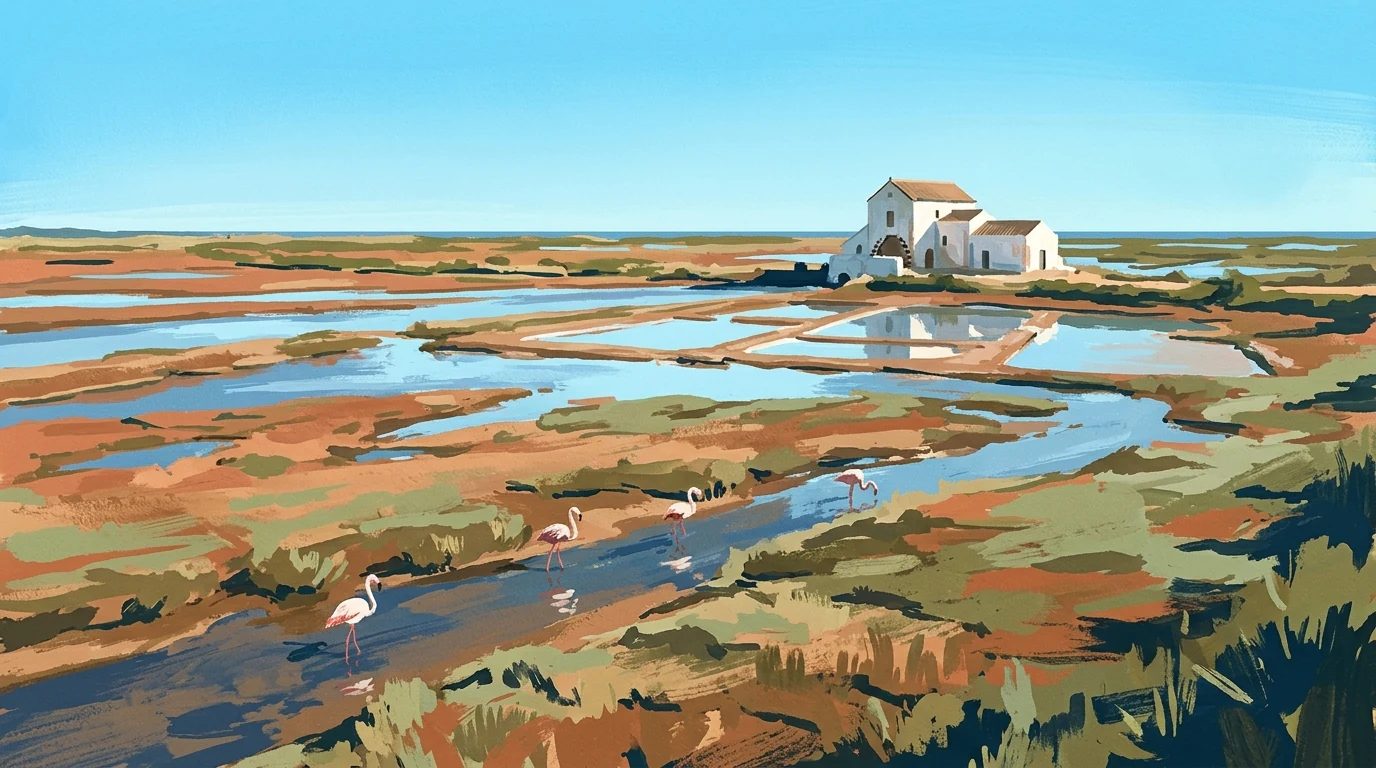
Stretching between the coastal towns of Ayamonte and Isla Cristina, the Paraje Natural Marismas de Isla Cristina is a sprawling 2,145-hectare tidal wetland shaped by the Guadiana and Carreras estuaries. This protected labyrinth of salt marshes, mudflats and tidal channels is a vital refuge for migratory and resident birds, making it a premier destination for ornithologists and nature enthusiasts. Visitors can explore the landscape via a network of flat, signposted trails and an old railway line converted into a greenway. The reserve also preserves the region's traditional salt and milling industries, most notably at the restored eighteenth-century El Pintado tidal mill. Whether you are looking for quiet coastal walks, birdwatching opportunities or a glimpse into Andalusia's maritime heritage, these marshes offer a deeply rewarding escape.
Why It Matters
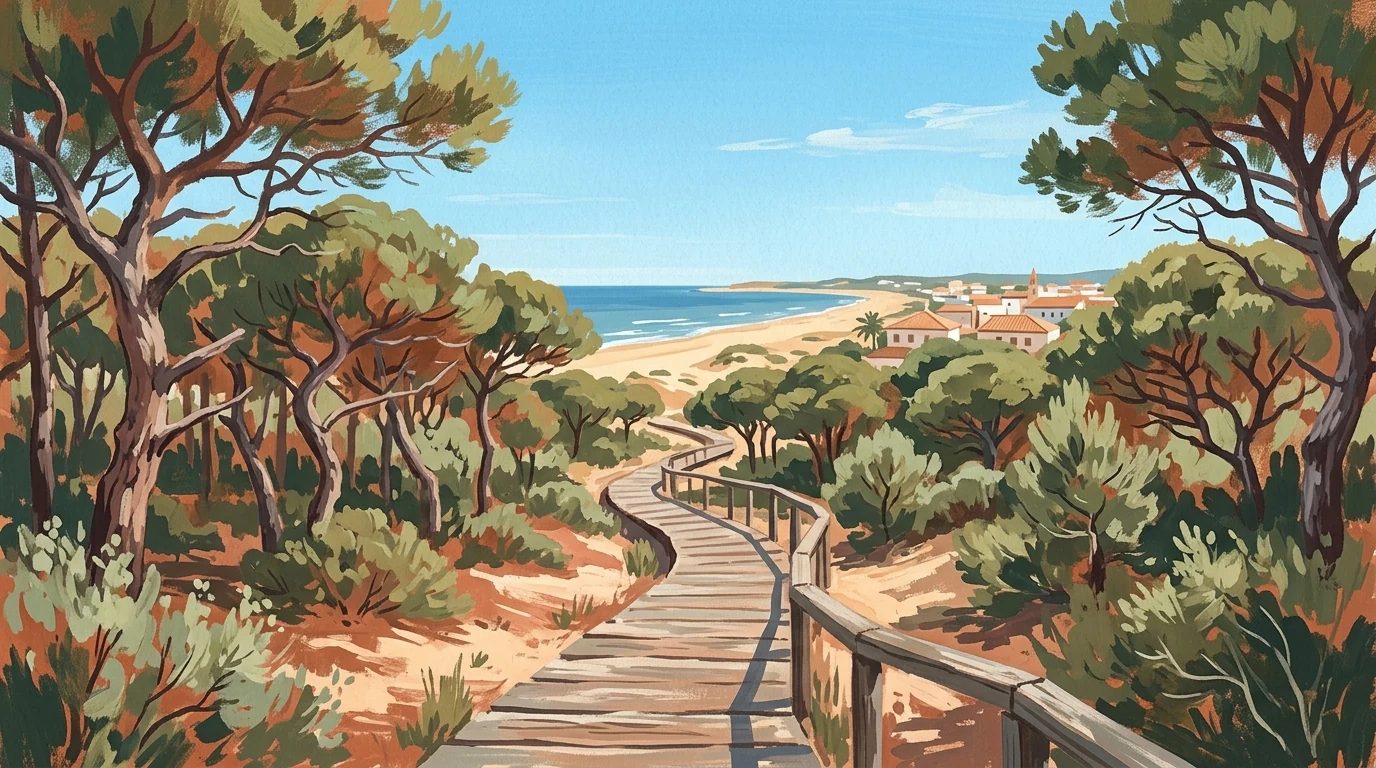
Declared a protected natural area in 1989, the marshes are the result of a complex geological process driven by river sediments and Atlantic tides. For centuries, the local population harnessed this dynamic environment for fishing, salt extraction and milling grain. The wetlands are now a Special Protection Area for Birds, providing critical breeding and feeding grounds for species such as the elegant avocet and the Eurasian spoonbill. In the sandy dune cords that border the marshes, forests of stone pine and Phoenicean juniper shelter the elusive Mediterranean chameleon, far from human disturbance.
What to See and Do
Birdwatching on the Salt Flats
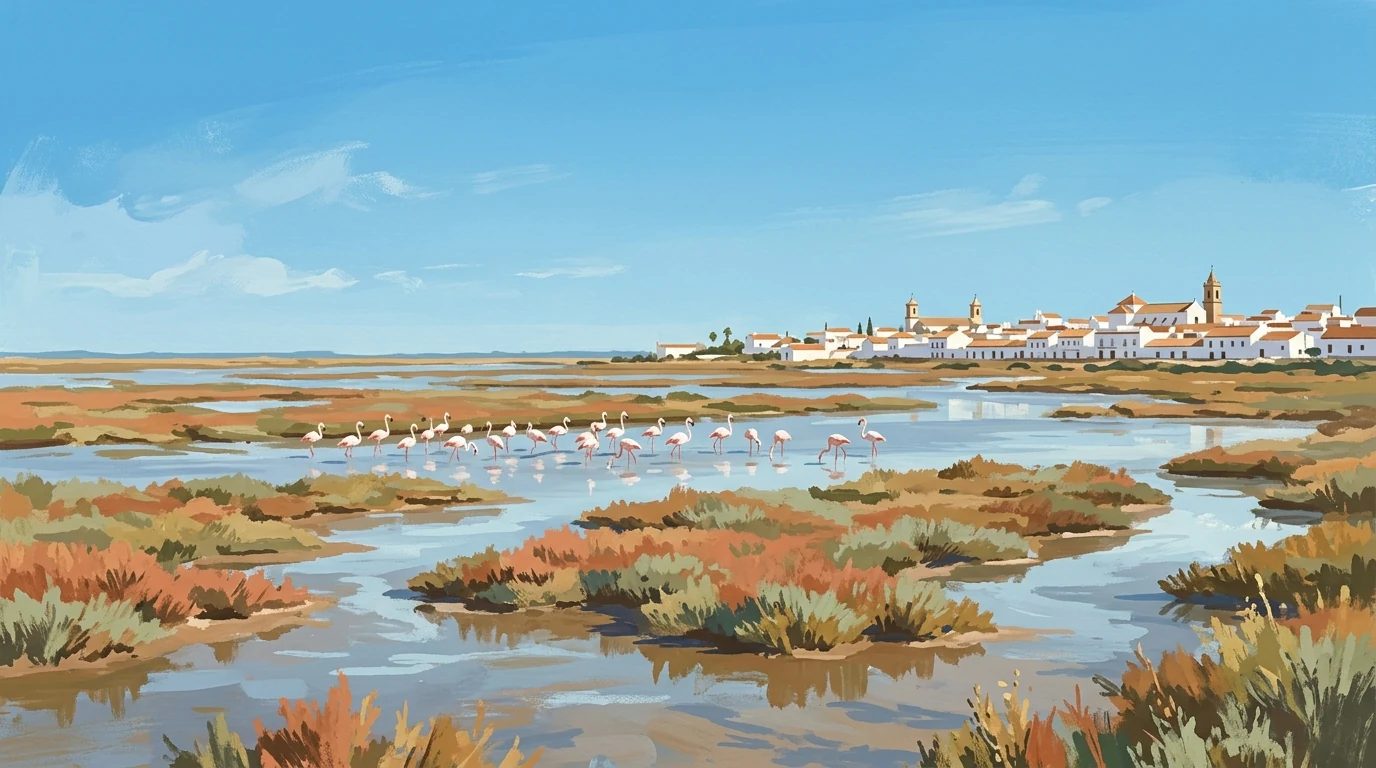
The Salinas del Duque trail offers a seven-kilometre circular route through abandoned salt pans that have been reclaimed by nature. The shallow, saline waters act as a mirror, frequently dotted with the pink and white plumage of greater flamingos, especially during the autumn and winter months. Observation points along the route allow walkers and cyclists to spot wading birds feeding on molluscs and crustaceans in the mudflats.
The Vía Verde and Laguna del Prado
The Vía Verde Litoral follows the dismantled railway line that once connected Huelva to Ayamonte. This flat, accessible path cuts directly through the marshes, providing an easy route for walkers and cyclists. From here, you can branch off onto the Laguna del Prado trail, which leads to a freshwater lagoon formed where the old railway embankment blocked a natural stream. This contrast between fresh and saltwater habitats significantly increases the variety of birdlife visible from the trail's hides.
Ecomuseo Molino Mareal El Pintado
Located in Ayamonte, this meticulously restored eighteenth-century tidal mill serves as the main visitor centre for the natural area. Built by a wealthy local merchant, the mill once used the force of the tides to grind grain and produce fishmeal. Today, its milling room and exhibition spaces explain the mechanics of tidal energy and the ecological importance of the surrounding wetlands. The exterior features picnic areas with sweeping views across the estuary.
Planning Your Visit
Getting There
The marshes lie in the south-western corner of the Huelva province, bordering Portugal. Access points are distributed between Ayamonte, Isla Cristina and the village of Pozo del Camino. The Vía Verde can be joined from multiple locations along the coast, while the El Pintado mill has dedicated parking on the outskirts of Ayamonte.
How Long to Allow
Allow two to three hours to walk the Salinas del Duque trail or cycle a section of the Vía Verde. A visit to the El Pintado tidal mill and its surrounding viewpoints takes around an hour.
When to Go
Autumn and winter are the best seasons for birdwatching, as migratory species arrive in large numbers. Early morning and late afternoon offer the most atmospheric light across the water and the highest levels of avian activity. Summer visits are best kept to the cooler early hours, as the trails offer very little shade.
Access to the trails is free and open year-round. Opening hours for the Ecomuseo Molino Mareal El Pintado vary by season, so visitors should check the official Junta de Andalucía website before travelling.
Good to Know
- Bring binoculars and a zoom lens if you want to get a good view of the flamingos and spoonbills, as they tend to stay far from the paths.
- Mosquito repellent is essential, particularly if you are visiting near dawn or dusk during the warmer months.
- The Vía Verde is completely flat and suitable for wheelchairs, pushchairs and casual cyclists.
- There is no drinking water available along the trails, so carry sufficient supplies for your walk.
- Stay on the marked paths to avoid disturbing nesting birds and to protect the fragile dune ecosystems where chameleons live.
Nearby worth your time
A few well-placed stops for extending the day without turning it into a checklist.

Continue through Costa de Huelva
Step back into the wider landscape with local guides, nearby places and the province overview.
Place guide · 7 min
Playa de Castilla: The Wild Frontier of the Doñana Coastline
Playa de Castilla is a vast, 20-kilometre stretch of wild Atlantic coastline bordered by the spectacular orange cliffs of the Doñana National Park.
Place guide · 7 min
Playa de Isla Canela Beach Guide: Huelva Coastline
Playa de Isla Canela is a vast stretch of fine sand where the Guadiana River meets the Atlantic, famous for its shallow lagoons and family-friendly atmosphere.
Itinerary · 12 min
5 Days in Huelva: Atlantic Coast, Doñana and Sierra
A realistic five-day driving route through Huelva province, linking the maritime history of the capital with the tidal wetlands of Doñana and the chestnut forests of the Sierra de Aracena.