
Feature · Cádiz
The Last Almadraba: Blood, Steel, and the Silver Ghost of Barbate
In the coastal town of Barbate, a three-thousand-year-old ritual of blood and silver continues as the bluefin tuna begin their ancient migration.
By Dan · Updated 16 July 2026 · 7 min read
Story context
This is a narrative feature about the almadraba season on the Cádiz coast. Because bluefin tuna, quotas and sustainability are regulated topics, the story should be read alongside current fisheries sources rather than as a standalone technical reference.
Use the Cádiz coast and food links for trip planning, restaurants and related guides. Use ICCAT, the Spanish fisheries ministry and the Andalucía Barbate page for current institutional context before relying on details about tuna stocks, quotas, season timing or local access.
The Atlantic does not give up its secrets easily, but every spring, it yields a silver harvest that has sustained the Cadiz coastline since the time of the Phoenicians.
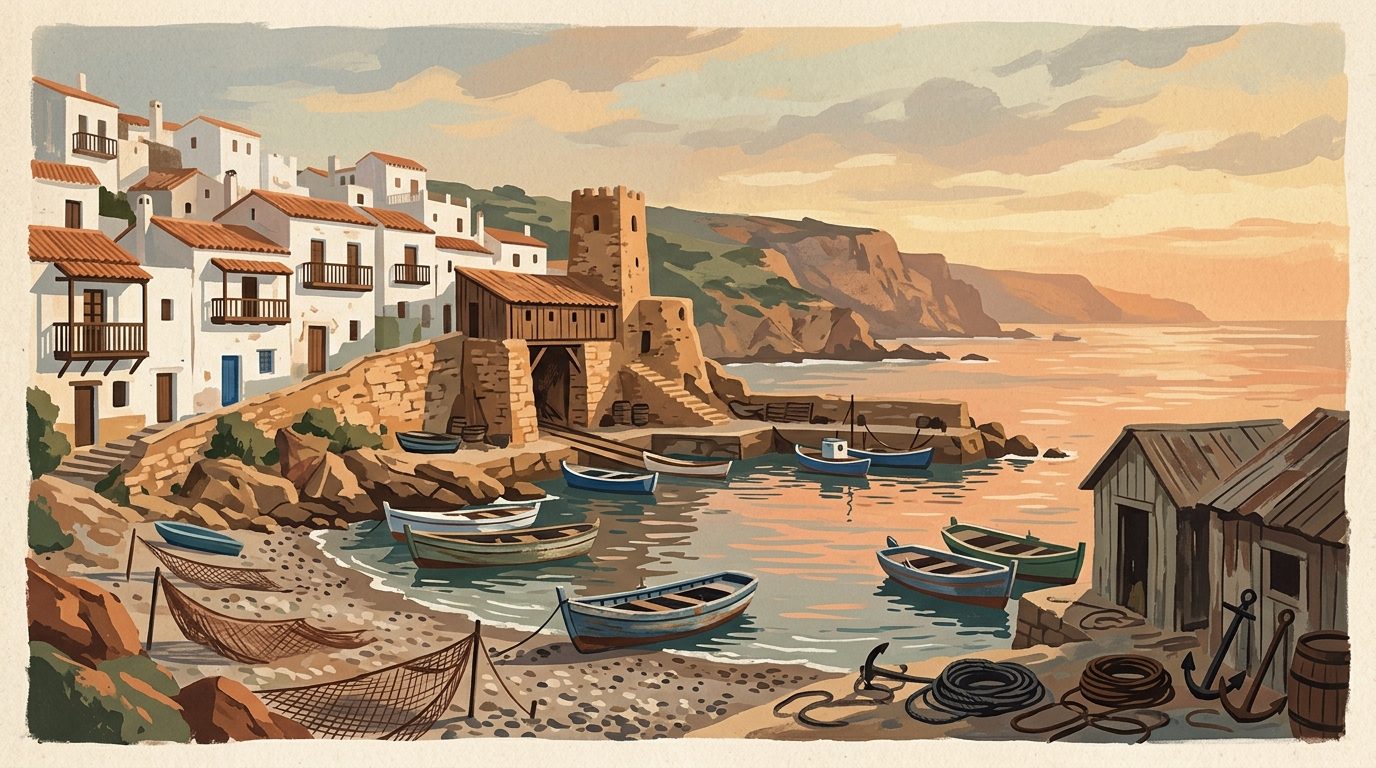
Manolo’s hands are the texture of dried sharkskin, a map of forty years spent pulling ropes against the weight of the sea. He stands on the deck of a weathered fishing vessel, his eyes squinting against the glare of the morning sun bouncing off the Strait of Gibraltar. Below us, the water is a bruised purple, deep and cold. Somewhere in that darkness, the Thunnus thynnus, the Atlantic bluefin tuna, are running. They are moving with the ancient, hard-wired desperation of spawning, swimming from the cold Atlantic into the warmer embrace of the Mediterranean. They have no idea that they are swimming into a trap designed three millennia ago.
This is the almadraba. It is not merely fishing; it is a siege. As the winch begins to groan, the water inside the circle of boats starts to boil. It begins as a shimmer, then a frantic thrashing of tails. These are not the small, tinned fish of supermarket aisles. These are giants, some weighing five hundred kilos, slabs of pure muscle and instinct. As the net rises, the surface erupts. The fishermen call this the levantá, the lifting. It is a chaotic, violent, and strangely beautiful moment where the boundary between the sea and the shore dissolves in a spray of salt and blood.
The Architecture of the Labyrinth
To understand Barbate, you must understand the maze. The almadraba is a series of underwater fences, a complex geography of nets anchored to the seabed with thousands of tons of lead and iron. It is a stationary trap that relies entirely on the tuna’s own biology. They hug the coast to avoid the predatory currents of the deep channel, and in doing so, they funnel themselves into a series of rooms: the cámara, the buche, and finally, the copo, the chamber of death.
The Phoenicians perfected this. They watched the stars and the tides, noting how the fish arrived with the spring equinox. Later, the Romans built sprawling factories along this coast (at Baelo Claudia, just down the shore) to process the fish into garum, the fermented guts-and-blood sauce that flavoured the palates of emperors. The Duke of Medina Sidonia once held the monopoly on these waters, amassing a fortune that rivalled the crown. History here isn't just found in textbooks or the local Museo del Atún; it’s pulled out of the water, gasping and silver.
Walking through the streets of Barbate, the scent of the sea is inescapable. It’s a town built on the backbone of the bluefin. The architecture is utilitarian, salt-eroded, and honest. In the local bars, men talk about the Levante and the Poniente winds with the gravity of generals discussing troop movements. If the wind blows too hard from the east, the nets might tear. If the water gets too warm, the fish might stay deep. In Barbate, the tuna is the only currency that truly matters.
The Dance of the Lupara
As the copo rises to the surface, the atmosphere on the boats shifts from technical preparation to a primal intensity. The Arraez, the captain of the almadraba, stands at the edge of the vessel, barking orders that are lost to the wind but understood by the rhythm of the crew. In decades past, this was a melee: men diving into the water with hooks, a bloody struggle of man against beast. Today, the process is swifter, though no less visceral.
Specialised divers, known as rana (frogs), slip into the churning water. They carry the lupara, a compressed-air harpoon that kills the fish instantly with a single strike to the brain. This is not about cruelty; it is about quality. When a tuna fights, its body temperature rises, and lactic acid floods its muscles, ruining the delicate flavour of the meat. To the Japanese buyers standing on the deck in their pristine rubber boots, a stressed fish is a wasted fish. They want the toro, the fatty belly, to be as butter-soft as possible.
One by one, the giants are hoisted into the air. They hang for a second, shimmering like mercury, before being lowered into a slurry of ice and saltwater. The speed is striking. Within minutes of being pulled from the Atlantic, the fish are being processed in the hold. There is no waste. Every part of the animal has a name and a destination: the descargamento, the facera, the mormo. To the people of Barbate, the tuna is the 'pig of the sea': everything but the shadow is eaten.
The Tokyo Connection
While the history of the almadraba is rooted in the white villages of Cadiz, its future is decided in Tokyo. For decades, approximately eighty per cent of the best bluefin caught in Barbate was immediately deep-frozen to minus sixty degrees and shipped to the Toyosu Market in Tokyo. The relationship is a strange piece of globalisation: the most traditional fishing method in Europe serves the most sophisticated culinary market in Asia.
"The Japanese taught us to value what we already had," says Paco, a local restaurateur whose family has worked the nets for three generations. He slices a piece of mojama, salt-cured tuna loin, with the precision of a diamond cutter. "We used to think the fat was a defect. We wanted lean meat. The Japanese showed us that the fat is where the soul of the fish lives."
This external demand saved the almadraba from obsolescence, but it also changed the stakes. The presence of Japanese quality controllers on the boats has turned a rough-and-tumble tradition into a surgical operation. The fish are measured, fat-graded, and tagged before they even reach the dock. The wealth flowing back from Japan has kept Barbate alive, but it has also made the town vulnerable to the whims of a global economy thousands of miles away.
The Shadows in the Water
The survival of the almadraba is a miracle of sustainability, yet it faces threats that no net can stop. Unlike industrial trawlers that vacuum the ocean floor, the almadraba is passive. It only catches the fish that swim into it, and its large mesh sizes allow the smaller, younger tuna to pass through unscathed. It is, by all accounts, the most ecological way to harvest the sea.
However, the Mediterranean is warming. The migratory patterns that have remained constant since the Bronze Age are beginning to flicker. Some years, the tuna arrive early; some years, they stay further offshore, avoiding the coastal traps entirely. Then there is the pressure of quotas. For years, the bluefin was overfished by international fleets in the open ocean, leading to a near-total collapse of the species. The almadraba fishermen, who had fished responsibly for centuries, found themselves punished for the sins of industrial giants.
There is also the question of the next generation. The work is backbreaking, dangerous, and seasonal. While the Arraez is still a figure of immense respect in Barbate, many of the town’s youth are looking toward the cities of Sevilla or Madrid, or to the tourism industry of the Costa de la Luz. The almadraba requires a specific kind of knowledge, a way of reading the clouds and the currents, that cannot be taught in a classroom. When the old men like Manolo retire, they take a library of the sea with them.
The tension is palpable every spring. Will the fish come? Will the quota be enough to pay the crews? Will the Levante blow the nets to pieces? The almadraba exists on a knife-edge between ancient ritual and modern commerce, always one bad season away from becoming a museum piece.
A Quiet on the Shore
By late afternoon, the boats return to the port of Barbate. The intensity of the levantá has faded into the quiet work of cleaning the decks. The cranes are still, and the Japanese buyers have retreated to their hotels to check the morning’s prices. The sea, once violent with the thrashing of silver fins, has flattened into a sheet of hammered lead.
Manolo sits on a bollard near the fish market, lighting a cigarette with a hand that still smells of salt and iron. He doesn’t look at the water; he has seen enough of it for one day. Instead, he watches a group of children playing football on the dusty patch of ground near the docks. One of them kicks the ball too hard, and it rolls toward the water’s edge. The boy chases it down, stopping for a fraction of a second to stare out at the horizon where the Atlantic meets the sky.
It is a brief moment of stillness in a town that lives by the clock of the migration. The tuna are still out there, moving through the deep, driven by an impulse older than the stones of the town. For now, the nets are holding. For now, the cycle continues. But as the sun dips behind the Cape of Trafalgar, casting long, bloody shadows across the sand, you can’t help but wonder how many more springs the maze will be waiting.
Last reviewed: 21 June 2026 · Editorial policy
Related guides
El Puerto de Santa María: Sherry, Seafood and the Bay of Cádiz
Discover El Puerto de Santa María, a coastal corner of the Sherry Triangle known for its grand merchant palaces, historic bodegas, and fresh Atlantic seafood.
6 min read
A Guide to Conil de la Frontera: Beaches, Tuna and White Streets
Discover Conil de la Frontera, a classic white town on the Costa de la Luz famous for its golden Atlantic beaches and ancient bluefin tuna tradition.
6 min read
Jerez de la Frontera: A Guide to the City of Sherry and Horses
Discover the heart of the Sherry Triangle in Jerez de la Frontera, a city where aristocratic bodegas, elite equestrian schools, and authentic flamenco traditions create a unique Andalucían experience.
6 min read
Sanlúcar de Barrameda: Manzanilla, Mud and Maritime History
Discover Sanlúcar de Barrameda, the coastal corner of the Sherry Triangle famous for Manzanilla, riverfront seafood, and August beach horse races.
6 min read
Beyond the Border: Exploring the Industrial Heart and Strait-Side Life of Campo de Gibraltar
Often overlooked by those racing for the ferry or the Rock, the Campo de Gibraltar offers a gritty, authentic look at life where the Atlantic meets the Mediterranean.
7 min read
Atlantic Winds and Golden Sands: A Local’s Guide to the Costa de la Luz
Beyond the high-rises of the Mediterranean, this stretch of the Atlantic offers wild dunes, ancient Roman ruins, and some of the finest seafood in Europe.
11 min read
More from Cádiz
The White Villages of Andalucía: A Guide to the Pueblos Blancos
Discover the iconic white villages of Cádiz and Málaga, where lime-washed houses and narrow Moorish streets define the rugged mountain landscape of Andalucía.
6 min read
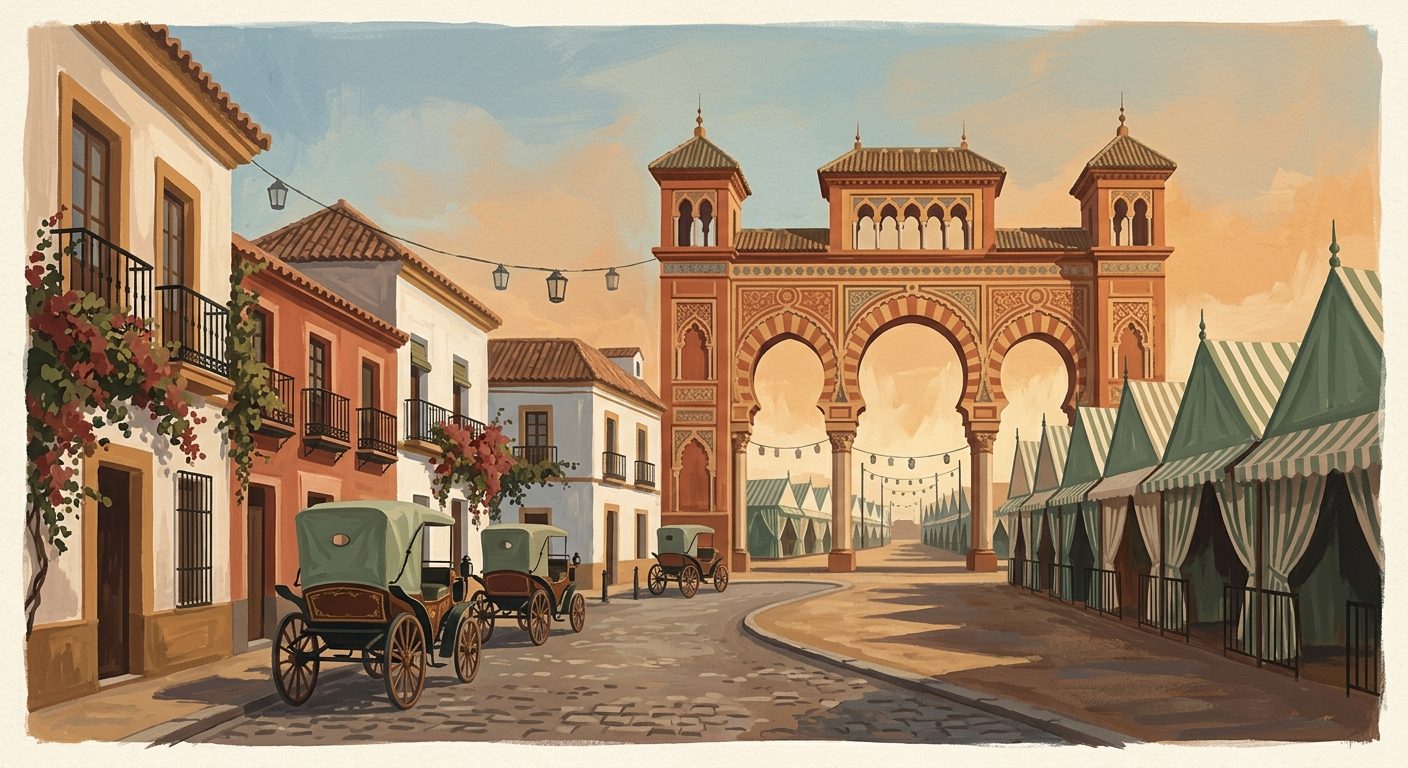
A Complete Guide to the Feria del Caballo in Jerez
The Feria del Caballo in Jerez stands apart from other spring fairs in Andalucía because its casetas are almost entirely open to the public. Here, the aristocratic tradition of the Andalucían horse meets the egalitarian spirit of the city, fuelled by endless cold glasses of fino sherry and native flamenco bulerías.
9 min read
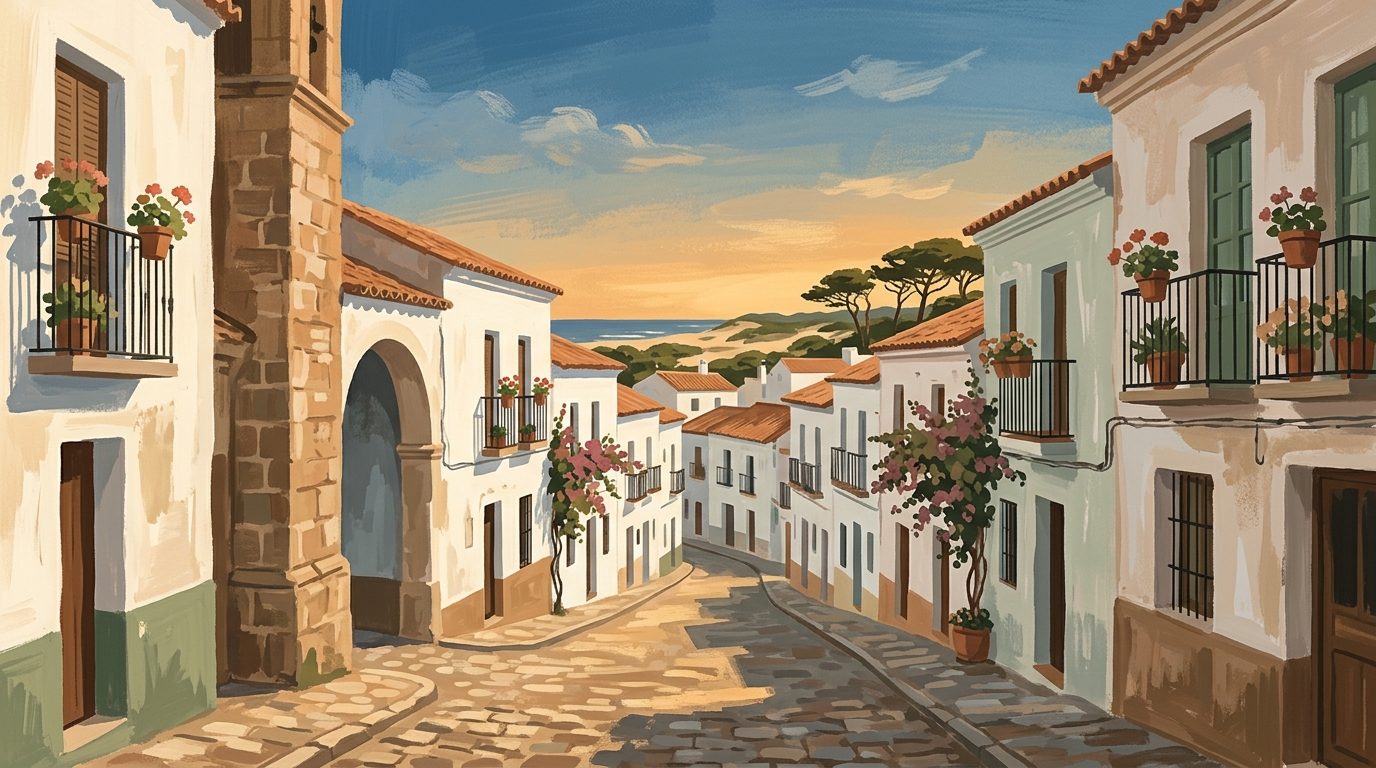
Costa de la Luz: The Complete Guide
The Costa de la Luz is an untamed stretch of Atlantic shoreline defined by wild dunes, pine forests and stiff sea breezes. Spanning the coastlines of Huelva and Cádiz, it offers a stark alternative to the concrete resorts of the Mediterranean.
9 min read
The Albariza English: A Two-Century Shadow in Cádiz
The British presence in Andalucía is more than a seasonal migration; it is a two-hundred-year-old layering of trade, conflict, and quiet assimilation.
6 min read
The Resurrection of the Chalk: How Sherry Escaped the Dusty Sideboard
For decades, the wines of Marco de Jerez were relegated to the back of the liquor cabinet; today, a new generation of winemakers is digging into the white earth to prove Sherry is the world's most misunderstood terroir wine.
7 min read
The Weight of the Water: Life at the Edge of Two Continents
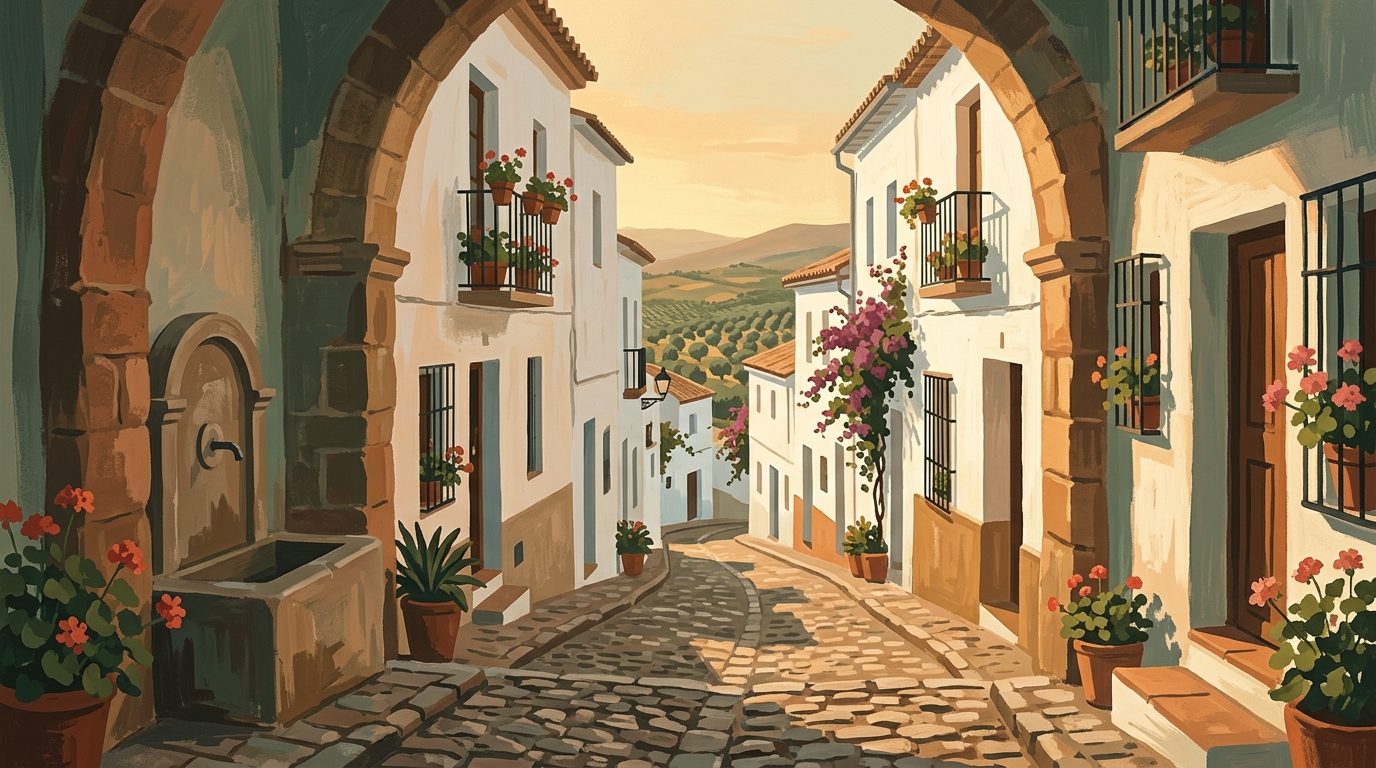
Fourteen kilometres of salt water separate the northern edge of Africa from the southernmost tip of Spain, creating a corridor where geopolitical tension, ecological wonder, and human desperation collide.
7 min read
The Weight of the Blood: How Flamenco Outlives the Stage in Jerez
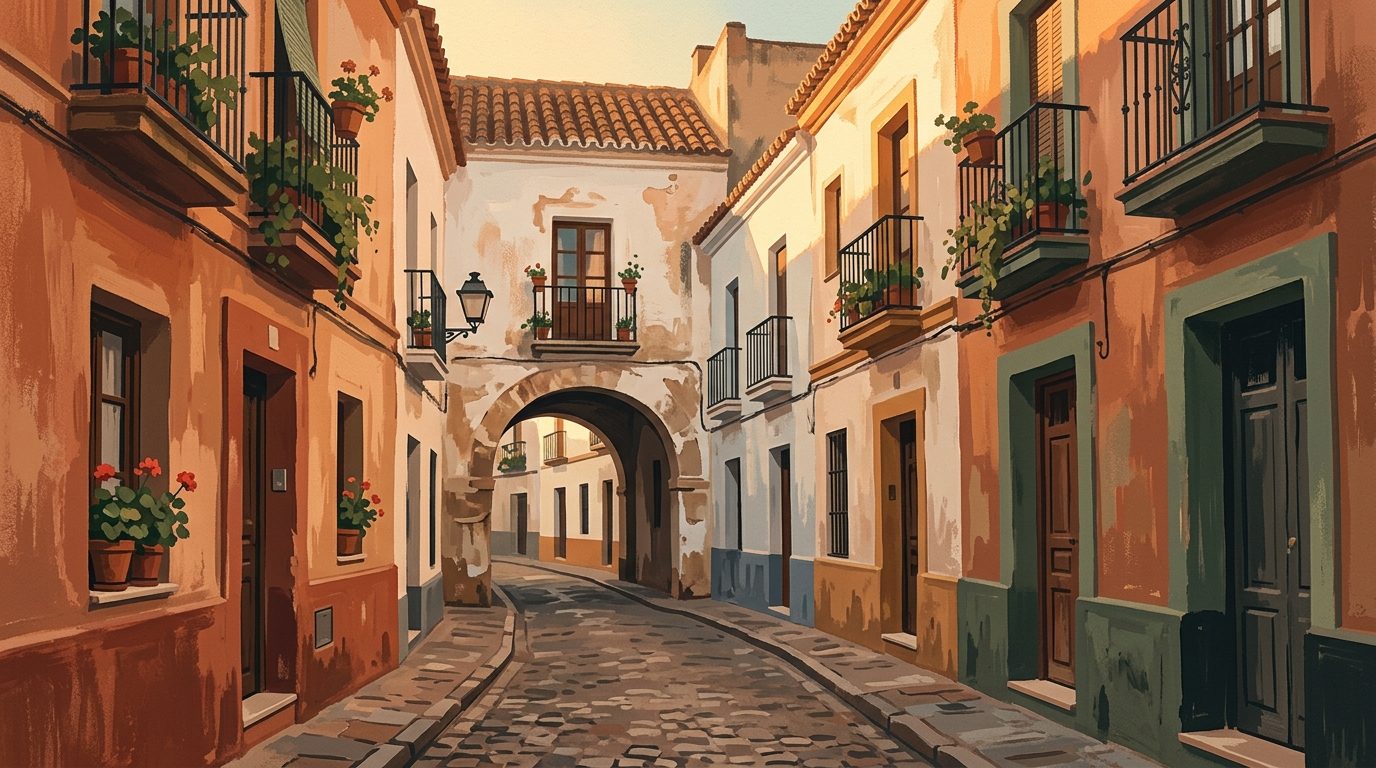
In the back rooms and private social clubs of Jerez, flamenco isn't a show for tourists: it is a gritty, ancestral language passed down through bloodlines and the stubborn memory of the barrios.
7 min read
Newsletter
More stories from Andalucía
Weekly notes, seasonal picks, and the next guides worth bookmarking.