seasonal · Seville
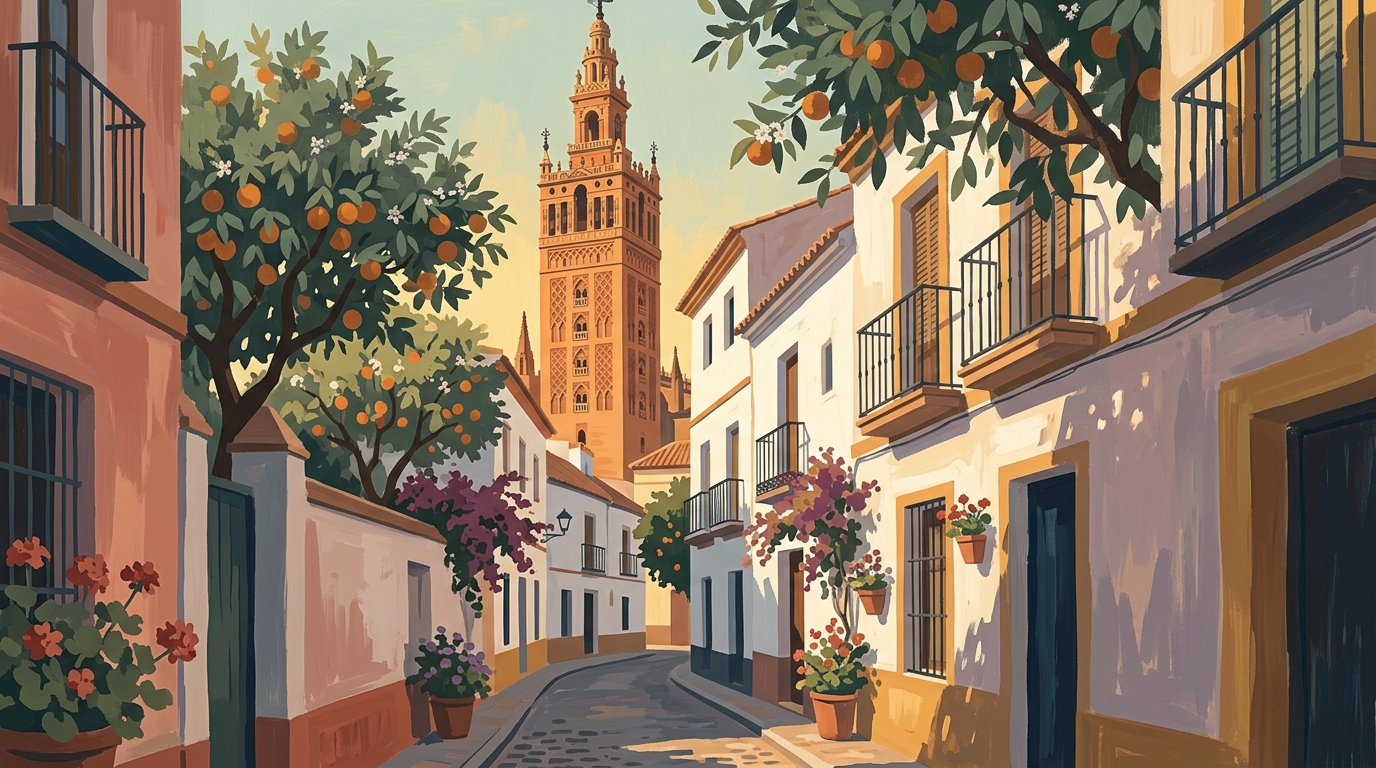
Experience Seville in March, where the scent of orange blossom fills the air and the province prepares for the grandeur of Semana Santa amidst mild spring temperatures.
seasonal · Seville
Seville in March
19 April 2026 · 5 min read · 1,110 words
March brings the arrival of spring to the Guadalquivir valley, marked by the heavy scent of orange blossom and the anticipation of Holy Week. It is a period of transition where the winter chill recedes, making way for clear skies and the first true warmth of the year.
What to Expect: The Scent of Azahar
To visit Seville in March is to witness a province in a state of high anticipation. The primary characteristic of this month is the sensory shift that occurs usually around the second or third week. This is when the 40,000 bitter orange trees that line the city streets and rural plazas bloom simultaneously. The scent, known as Azahar (orange blossom), is thick enough to be tasted and defines the atmosphere of the province for roughly ten to fourteen days. If you are sensitive to strong floral scents, this is something to consider; for most, it is the highlight of the Andalucían calendar.
Beyond the fragrance, the atmosphere is dictated by the lunar calendar. March often hosts Semana Santa (Holy Week), or at the very least, the intense lead-up to it known as Cuaresma (Lent). You will notice a distinct rhythm to the province: marching bands practicing in the distance, the smell of beeswax and incense drifting from churches, and a visible increase in local activity as residents prepare their spring wardrobes. The province sheds its winter lethargy, and the terraces of the city and the small towns in the Aljarafe region fill with people enjoying the first long evenings of sunlight.
Weather: Spring Arrivals
The weather in Seville province during March is arguably the most pleasant of the entire year for those who find the summer heat difficult. In the city of Seville and the surrounding river basin, daytime temperatures typically reach an average high of 20°C to 22°C (68°F to 72°F). However, on clear, sunny days, it is not uncommon for the mercury to climb towards 25°C. The air is crisp and the light is exceptionally clear, making it an excellent time for photography.
Night-time temperatures remain cool, often dropping to around 9°C or 10°C (48°F to 50°F). This requires a layered approach to dressing; a light jacket or wool jumper is essential for the mornings and evenings, while short sleeves are often appropriate by 2:00 PM. Rain is a factor to keep in mind. March sees an average of six to seven days of rainfall. These are rarely persistent downpours but rather passing spring showers that can be heavy but brief. In the Sierra Norte de Sevilla - the mountainous region to the north - temperatures will be roughly 4°C to 5°C cooler than in the city, with a higher chance of mist and rain.
Events & Festivals
The defining event of March is Semana Santa (Holy Week). Because this is a movable feast based on the first full moon of spring, it occasionally falls entirely in March. When it does, the province undergoes a total transformation. Thousands of people fill the streets to watch the pasos (enormous, ornate religious floats) being carried by costaleros (bearers). The solemnity and scale of these processions are unmatched, but they also bring significant crowds and closures.
Even if Holy Week falls in April, March remains dominated by Cuaresma (Lent). During this time, many churches hold Besamanos (ceremonies where the faithful kiss the hand or foot of a statue). It is a fascinating time to observe the deep-seated traditions of the Sevillano people. In the towns of the Sierra Norte, such as Constantina or Cazalla de la Sierra, you may find smaller, more intimate pilgrimages and local food fairs celebrating the end of the winter harvest, specifically focused on Iberian pork products and local liqueurs.
What to Do
March is the ideal month for walking. In the city, a stroll along the Paseo de Cristóbal Colón beside the Guadalquivir river is highly recommended. The riverside park areas are fresh, and the rowing teams are active on the water. This is also the best time to visit the Real Alcázar (Royal Palace). The gardens are beginning to bloom, and the peacocks are active, yet the heat within the walled complex is not yet oppressive.
For those looking to explore the wider province, the Sierra Norte de Sevilla is at its most beautiful. The landscape is lush and green from the winter rains, and the waterfalls, such as the Cascadas del Huéznar, are flowing at full capacity. The hiking trails near San Nicolás del Puerto are accessible and comfortable in the mild March temperatures, whereas they become dangerously hot by June.
In the town of Santiponce, just outside the city, the Roman ruins of Italica are best visited in March. The site is largely unsheltered, and the spring sun provides enough warmth to enjoy the intricate mosaics and the massive amphitheatre without the risk of heat exhaustion that plagues summer visitors.
Who Should Visit
- Culture Seekers: Those interested in religious history and traditional ceremonies will find the Lenten preparations and potential Holy Week processions deeply moving.
- Walkers and Hikers: The mild weather makes the Via Verde de la Sierra and the trails of the northern mountains perfectly accessible.
- Photographers: The quality of the spring light in Seville, combined with the blooming flowers and traditional dress, provides exceptional subjects.
- Couples: The evening atmosphere, scented with orange blossom and lit by soft street lamps, is notably romantic.
Practical Notes
Planning is essential for March. If your visit coincides with Holy Week, you must book accommodation at least six months in advance. Prices for hotels often double or triple during this specific week. Even if you avoid the peak festival days, the orange blossom season is a popular time for domestic tourists, so weekend rates in the city centre remain high.
Crowd levels vary significantly. On weekdays in early March, the city feels spacious and easy to navigate. However, as the month progresses and the weather improves, the historic centre around the Cathedral and the Santa Cruz quarter becomes very active. Regarding dining, March is the season for Torrijas (a traditional sweet similar to French toast, soaked in honey or sugar and cinnamon) and Bacalao (salt cod), which appears on almost every tapas menu in the province during this time.
Monthly Verdict
March is a peak experience for anyone wanting to see Seville province at its most authentic. While you must contend with the possibility of spring showers and rising prices toward the month's end, the trade-off is the extraordinary scent of the orange blossoms and a landscape that is lush and green. It provides the perfect balance of comfortable temperatures for exploration and the deep cultural immersion that defines the Andalucían spring.
More from Seville
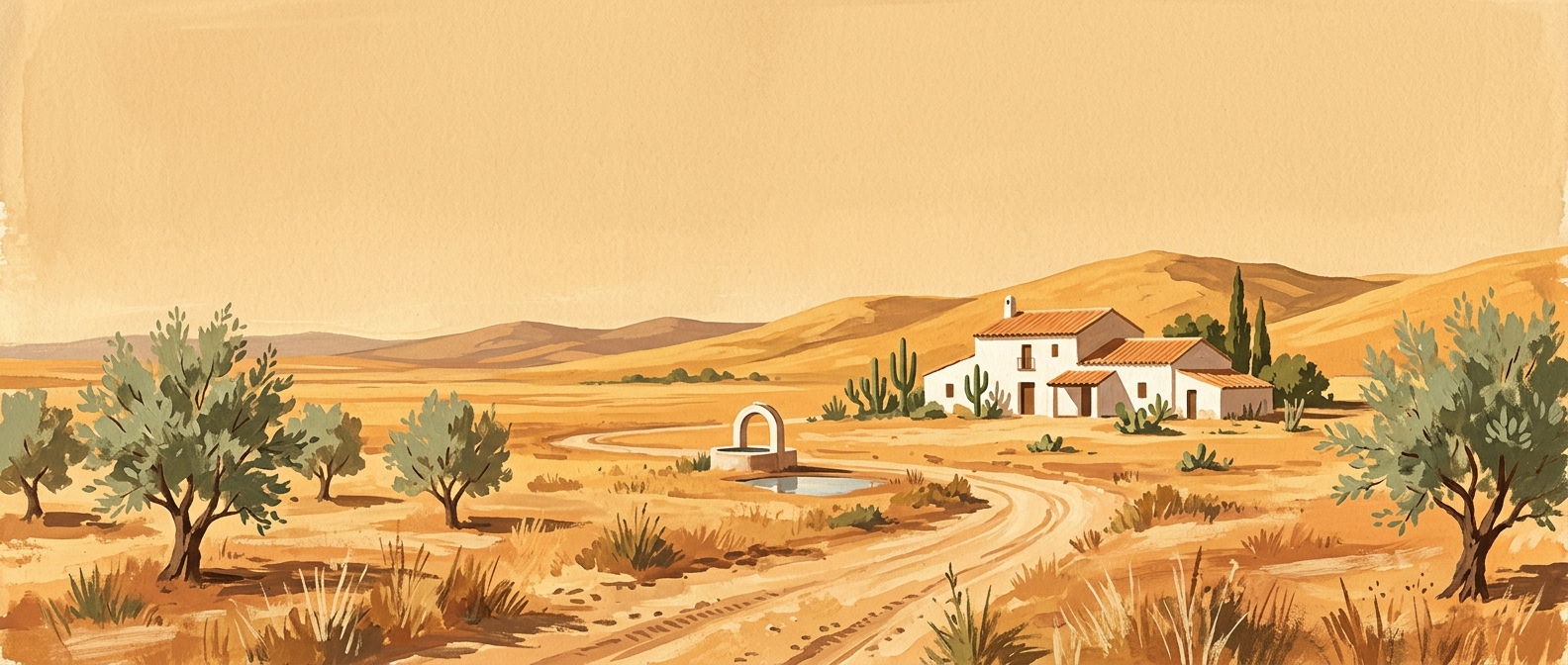
Seville in August: Surviving and Thriving in the Frying Pan of Europe
August in Seville is a time of extreme heat and evocative silences. Learn how to navigate the 40°C temperatures, enjoy local mountain festivals, and experience the city's late-night culture.
6 min read
Read guide →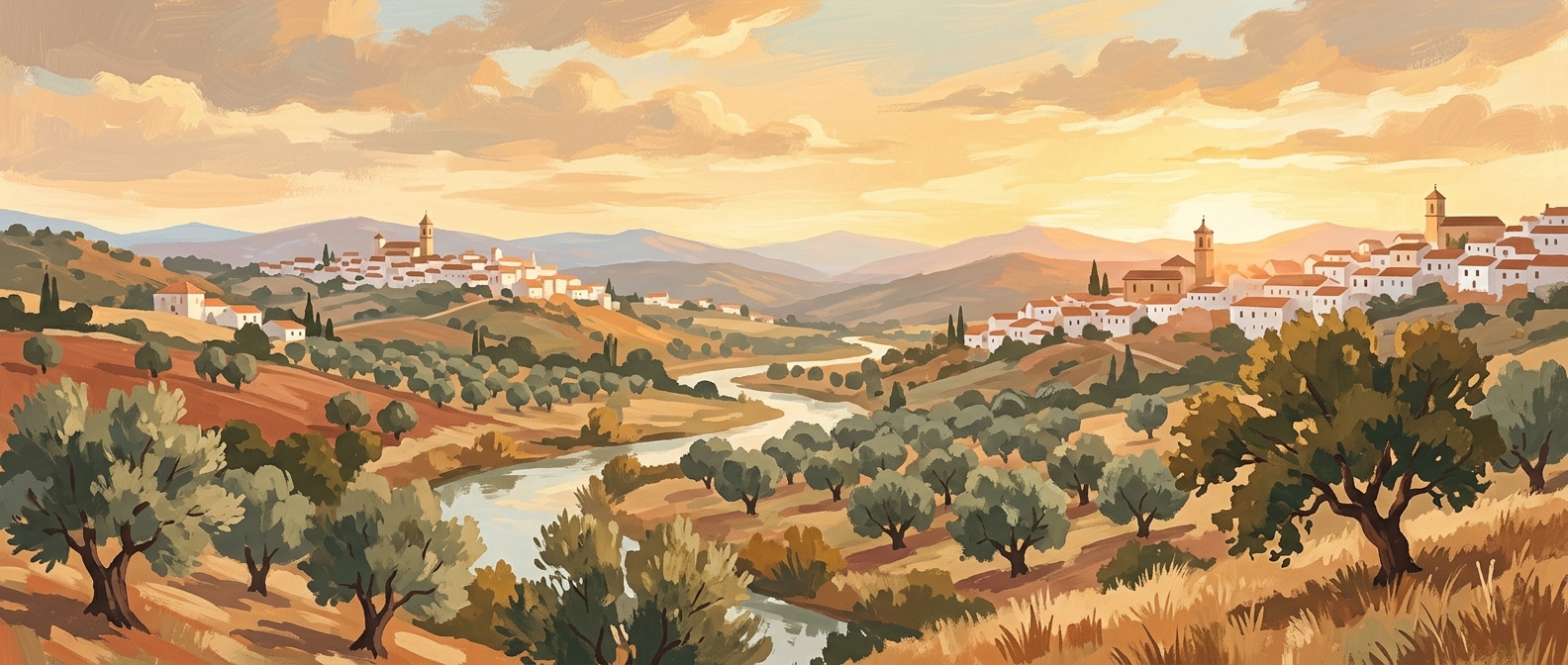
Seville in September: A Reawakening After the Heat
Seville in September offers a graceful transition as the summer heat breaks, the local tapas bars reopen, and the world-renowned Bienal de Flamenco takes centre stage.
6 min read
Read guide →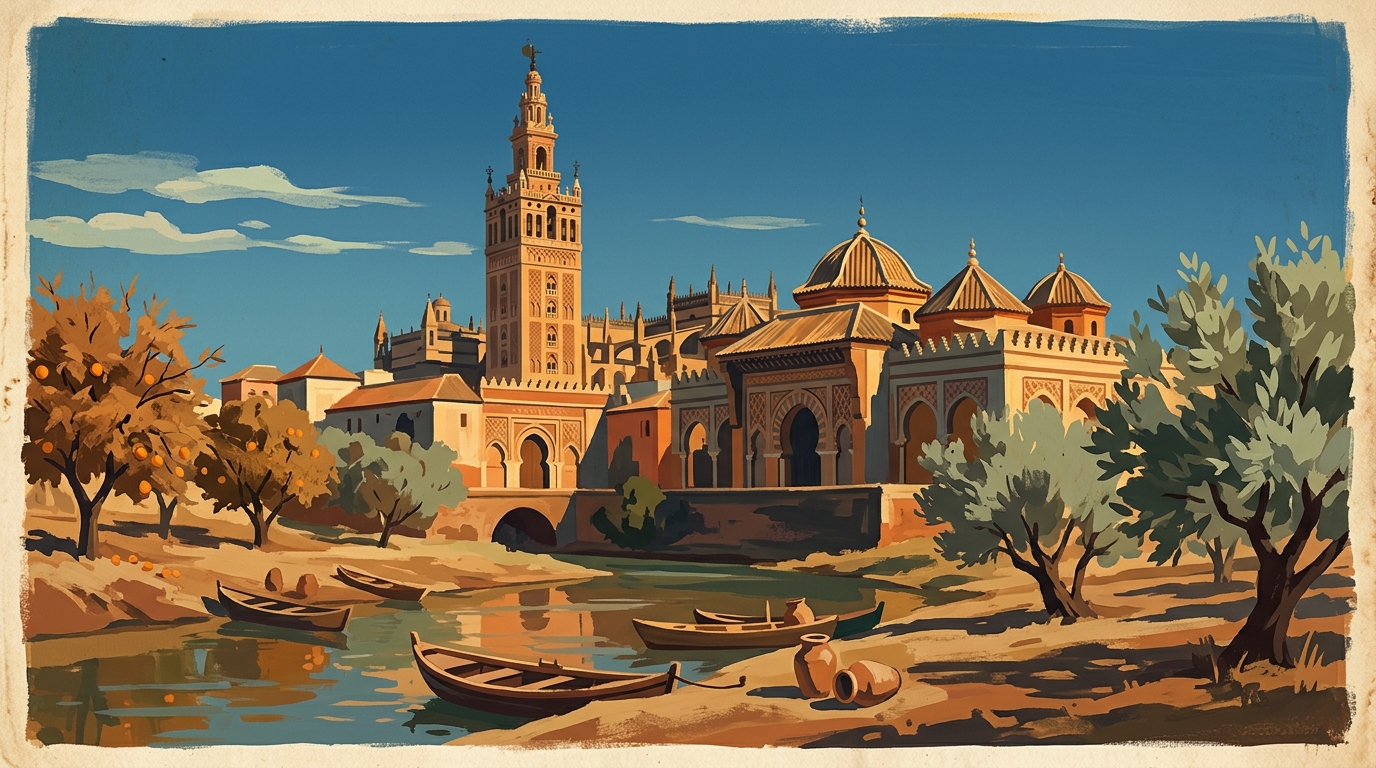
Seville in July: Survival and Splendour in the Sizzling South
Seville in July is a city of extremes, where the midday sun dictates a quiet siesta and the nights come alive with late-night tapas and riverfront festivals.
6 min read
Read guide →
Seville in February: A Guide to the Pre-Spring Thaw
Experience Seville in February, a month of crisp blue skies, early orange blossoms, and exceptional travel deals before the spring crowds arrive.
6 min read
Read guide →
Seville in May: A Purple City in the Pre-Summer Calm
Experience the provincial capital as the jacaranda trees bloom and the heavy crowds of the spring festivals subside. May offers the perfect balance of warm sunshine and accessible culture before the intense summer heat arrives.
6 min read
Read guide →
Seville in January: Crisp Skies and Quiet Streets
Seville in January offers a sharp, clean light and quiet streets that reveal the province's architectural bones. After the epiphany celebrations, the region settles into a calm rhythm perfect for slow exploration.
5 min read
Read guide →Newsletter
More stories from Andalucía
Weekly notes, seasonal picks, and the next guides worth bookmarking.