Seasonal guide
Andalucía in March: A Guide to the Scent of Spring
March is a month of transition where the scent of orange blossom fills the air and the first warmth of spring touches the southern Spanish landscape.
By Dan · Updated 7 June 2026 · 6 min read
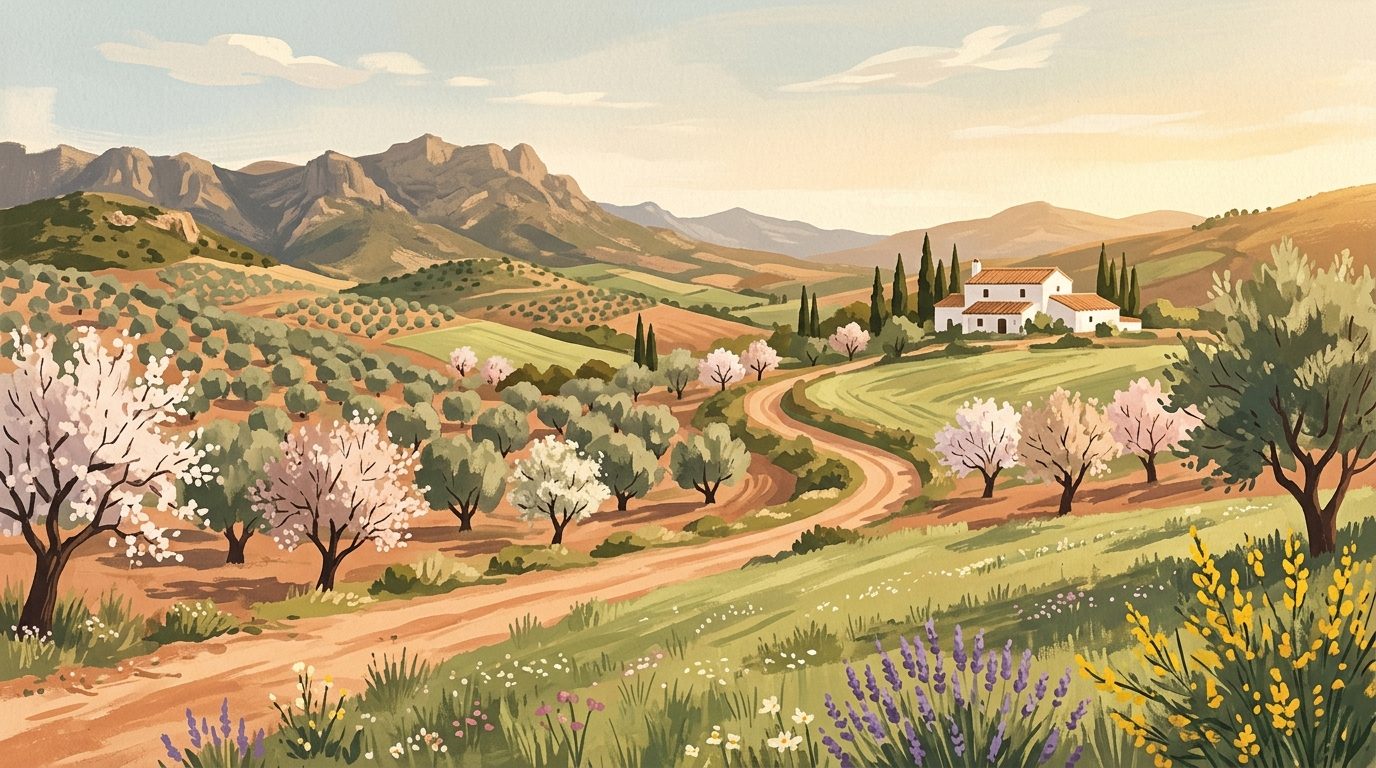
March is the month when the southern landscape awakens, trading the crisp edges of winter for the soft, heady scent of orange blossom. It offers a window of clear light and moderate temperatures, perfect for those who wish to explore the cities and countryside without the intensity of the summer sun.
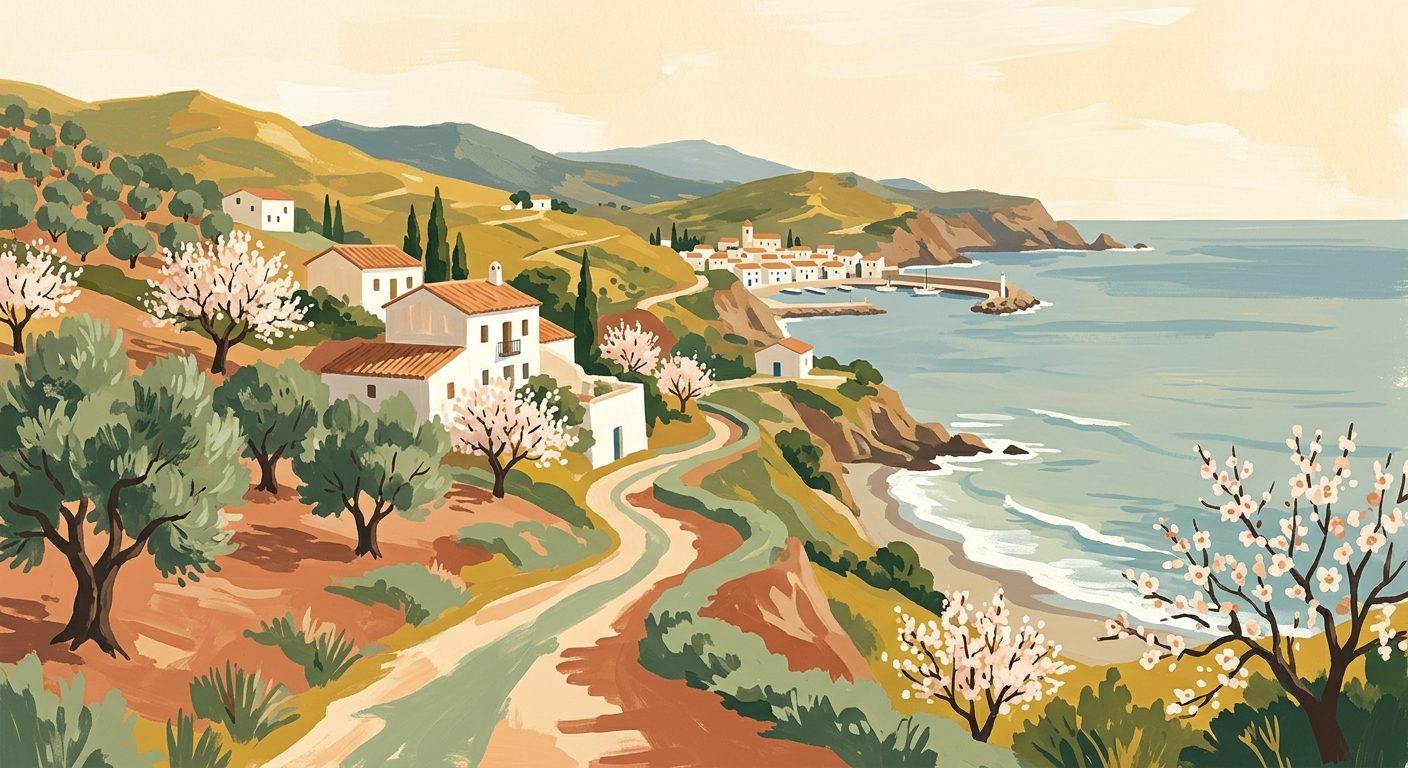
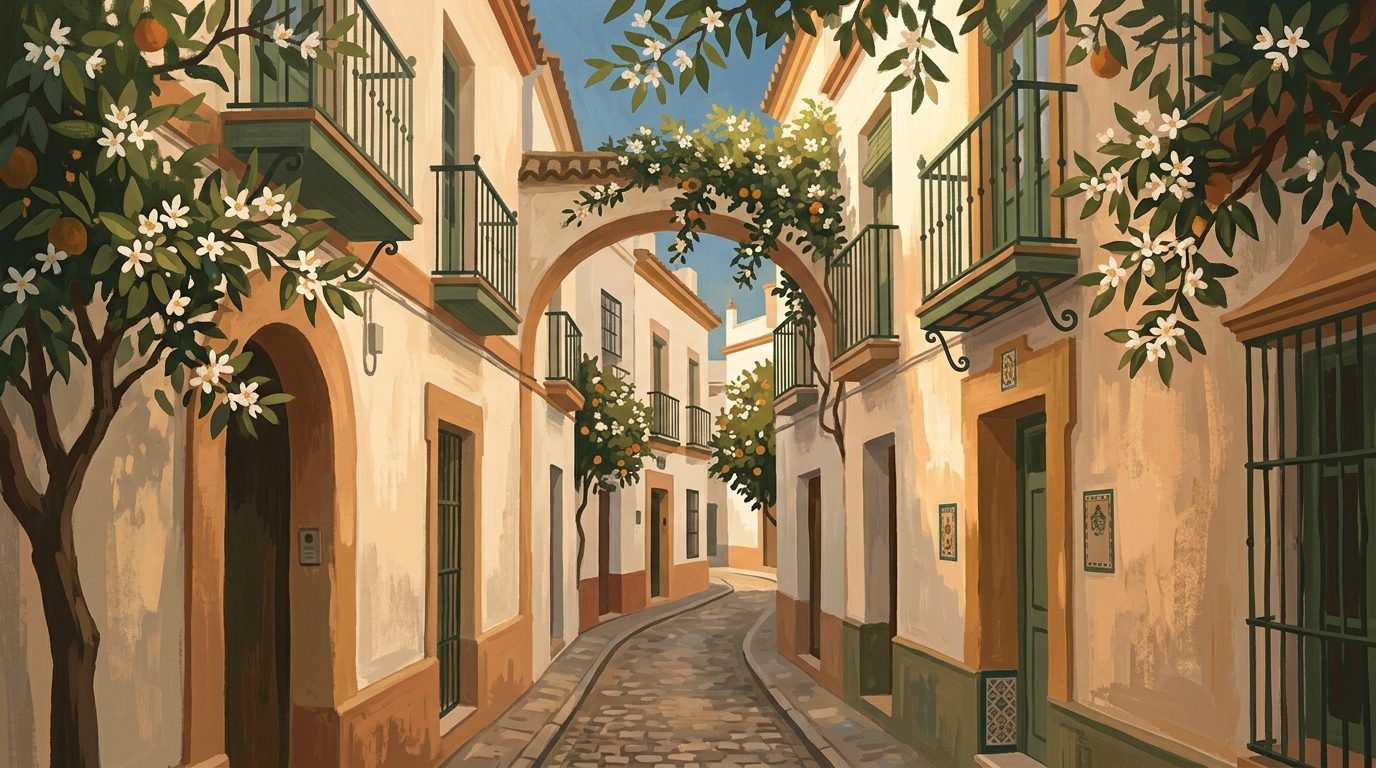
March in Andalucía is a period of profound transformation. As the rest of Europe often remains gripped by the tail end of winter, the south of Spain begins its rapid ascent into spring. The countryside, fuelled by any remaining winter rains, is at its greenest, and the citrus trees that line the streets of Sevilla, Córdoba, and Málaga begin to bloom. This is the month of Azahar (orange blossom), a scent so pervasive in the city centres that it becomes a defining memory for any visitor.
The atmosphere is one of anticipation. Local residents begin to shed their heavy coats, and the outdoor terraces of tapas bars fill up during the lunchtime hours. There is a palpable energy as the region prepares for its most significant religious and cultural events. While the weather can be changeable, the rewards for visiting in March include lower prices, fewer queues at major monuments like the Alhambra, and a landscape that is lush and teeming with wildflowers. It is a time for active exploration, long walks through historic quarters, and observing the meticulous preparations for the festivals that define the Andalucían identity.
Weather: A Tale of Three Climates
Understanding the weather in March requires a distinction between the coast, the inland plains, and the high mountains. Unlike the predictable heat of July, March is a month of variety. You can reasonably expect a mix of bright, sunny days and occasional, heavy spring showers.
Inland Cities (Sevilla, Córdoba, Granada): In Sevilla and Córdoba, daytime temperatures usually hover around 20°C (68°F), though on sunny afternoons, the mercury can easily reach 24°C (75°F). However, once the sun sets, the temperature drops significantly, often falling to 8°C or 9°C (46 to 48°F). Granada is consistently cooler due to its elevation, with daytime highs of 17°C (63°F) and nights that still feel like winter, occasionally dipping towards 4°C (39°F).
The Coasts (Costa del Sol, Costa de la Luz): Along the Mediterranean coast, such as in Málaga or Marbella, the sea acts as a temperature regulator. Expect highs of 18°C to 19°C (64 to 66°F). It is rarely cold, but the sea breezes can be sharp. On the Atlantic side in Cádiz and Huelva, the wind is a significant factor. March can be quite windy on the coast, which is excellent for kite-surfers but may require a windproof jacket for those walking along the shoreline.
The Mountains (Sierra Nevada, Grazalema): In the Sierra Nevada, March is still peak skiing season. The peaks remain white, and temperatures frequently stay below freezing at night. Conversely, the Sierra de Grazalema in Cádiz province, known as one of the wettest spots in Spain, is spectacularly green this month, though you should pack reliable waterproofs as rainfall is more frequent here than in the eastern provinces.
What to wear: The key is layers. A light wool jumper or a denim jacket is essential for the evenings. During the day, t-shirts are often sufficient in the sun, but you will feel the chill the moment you step into the shade of a narrow street. Comfortable walking shoes are a priority, and a compact umbrella is a wise addition to your luggage.
Events & Festivals
March is a heavyweight month for culture in Andalucía, dominated by two major events that attract international attention, alongside the movable dates of the religious calendar.
Semana Santa (Holy Week): Depending on the lunar calendar, Semana Santa often falls in late March (in 2027, it takes place from 21 to 28 March). This is the most important week of the year in Andalucía. Cities like Sevilla, Málaga, and Granada transform as massive tronos or pasos (floats carrying religious statues) are carried through the streets by costaleros (pallbearers). The air is thick with incense and the sound of sombre brass bands. If your visit coincides with this week, expect high prices and massive crowds, but also an unparalleled cultural spectacle.
Festival de Málaga (Málaga Film Festival): Usually held in March, this is the premier event for Spanish-language cinema. The city puts out the red carpet, and the Calle Larios is decorated with film-related installations. It provides a sophisticated atmosphere with screenings, talks, and a chance to see the stars of Spanish cinema in the heart of the city.
Festival de Jerez (Jerez Flamenco Festival): Often concluding in early March, this world-renowned festival focuses on flamenco and Spanish dance. Unlike the more tourist-oriented shows, this is a serious celebration of the art form, featuring the finest guitarists, singers, and dancers. It is a fantastic opportunity to see authentic flamenco in the city that many consider its birthplace.
What to Do in March
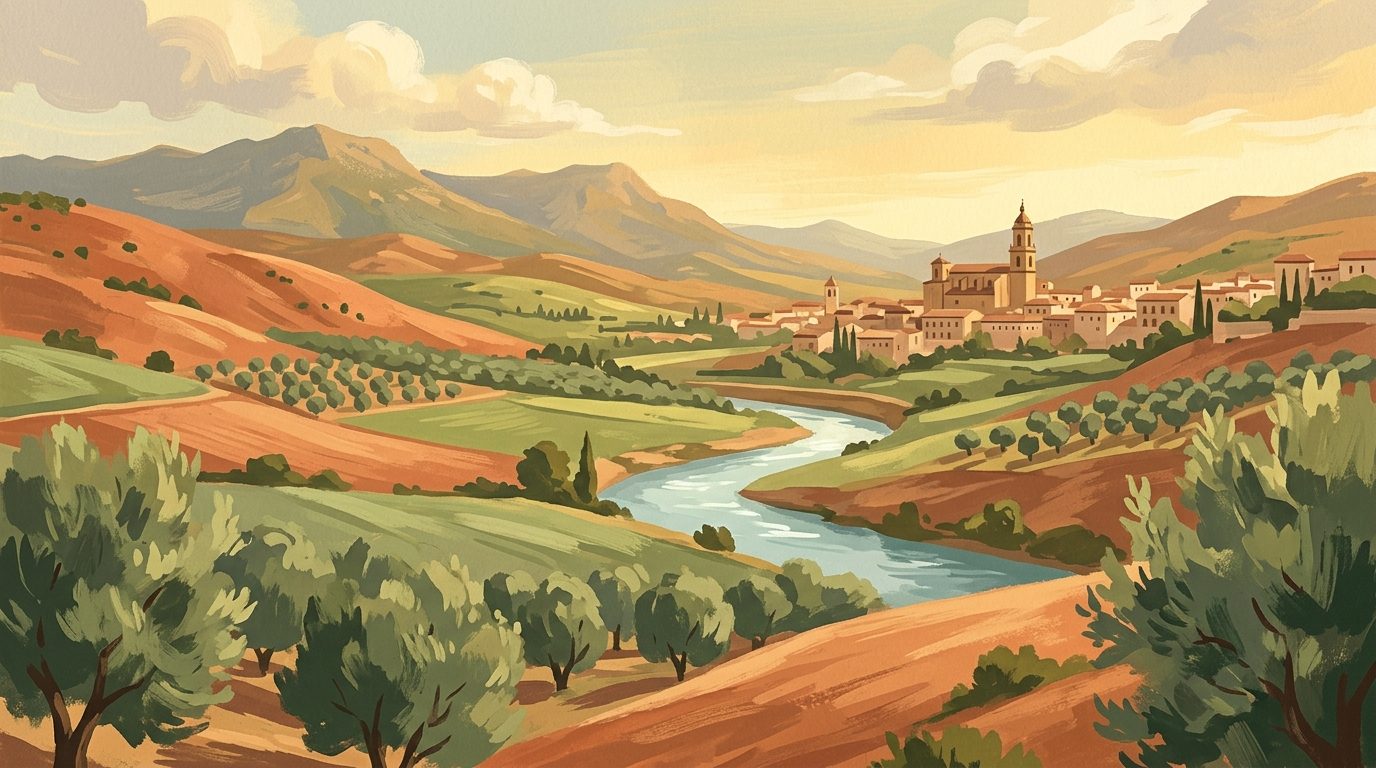
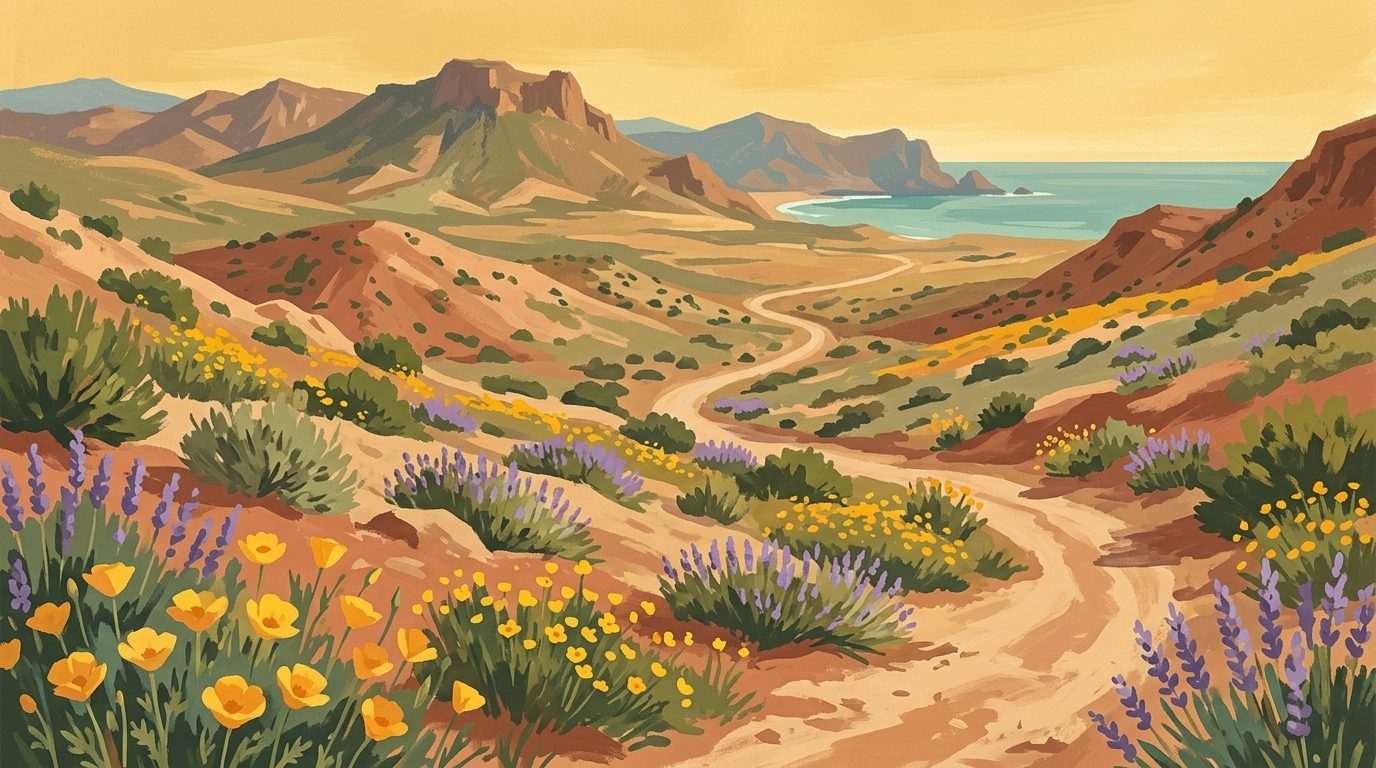
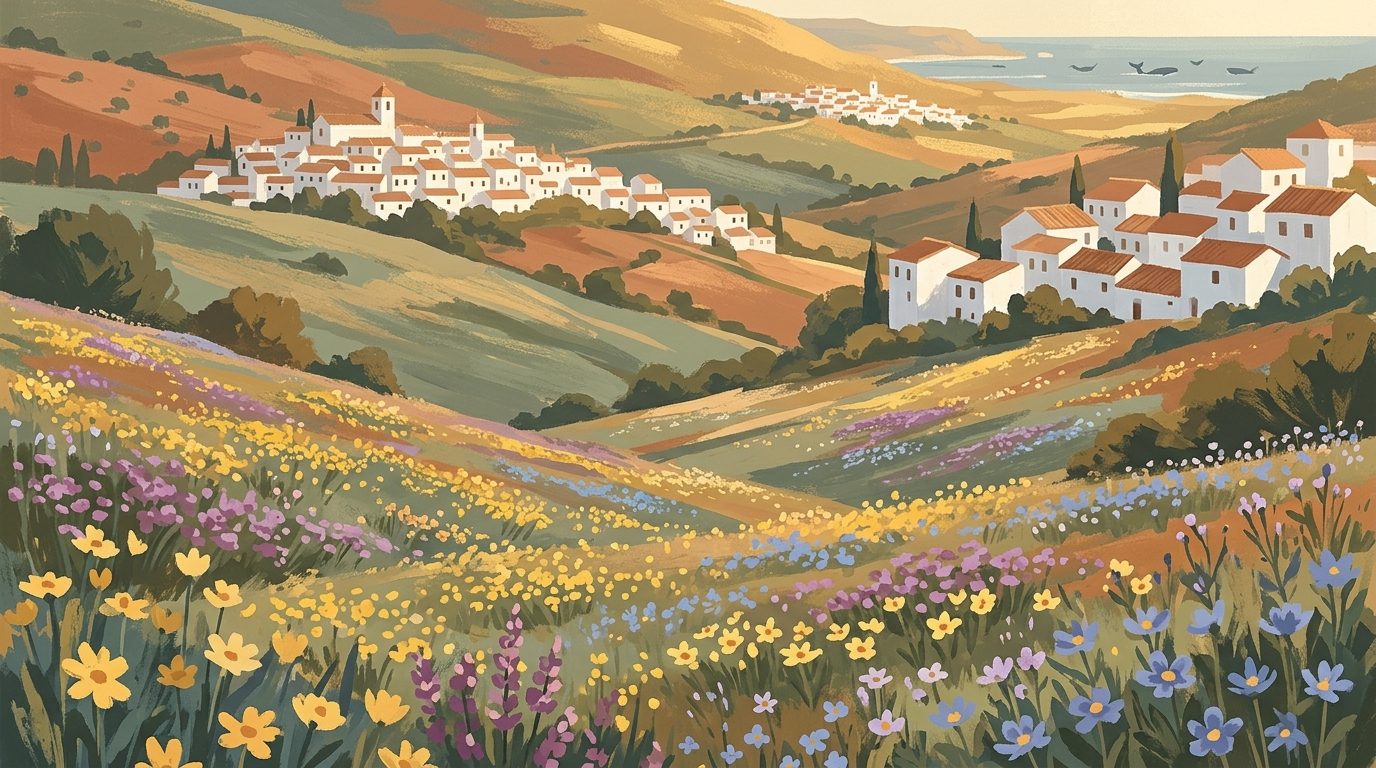
This is the prime month for hiking and outdoor pursuits. The weather is cool enough for strenuous climbs that would be impossible in June. The Caminito del Rey in Málaga province is particularly pleasant in March, as the gorge provides a cool breeze without the scorching heat reflecting off the limestone walls. For those interested in botany, the wildflower displays in the Alpujarras or the Sierra de Aracena are at their peak, with orchids and anemones carpeting the forest floors.
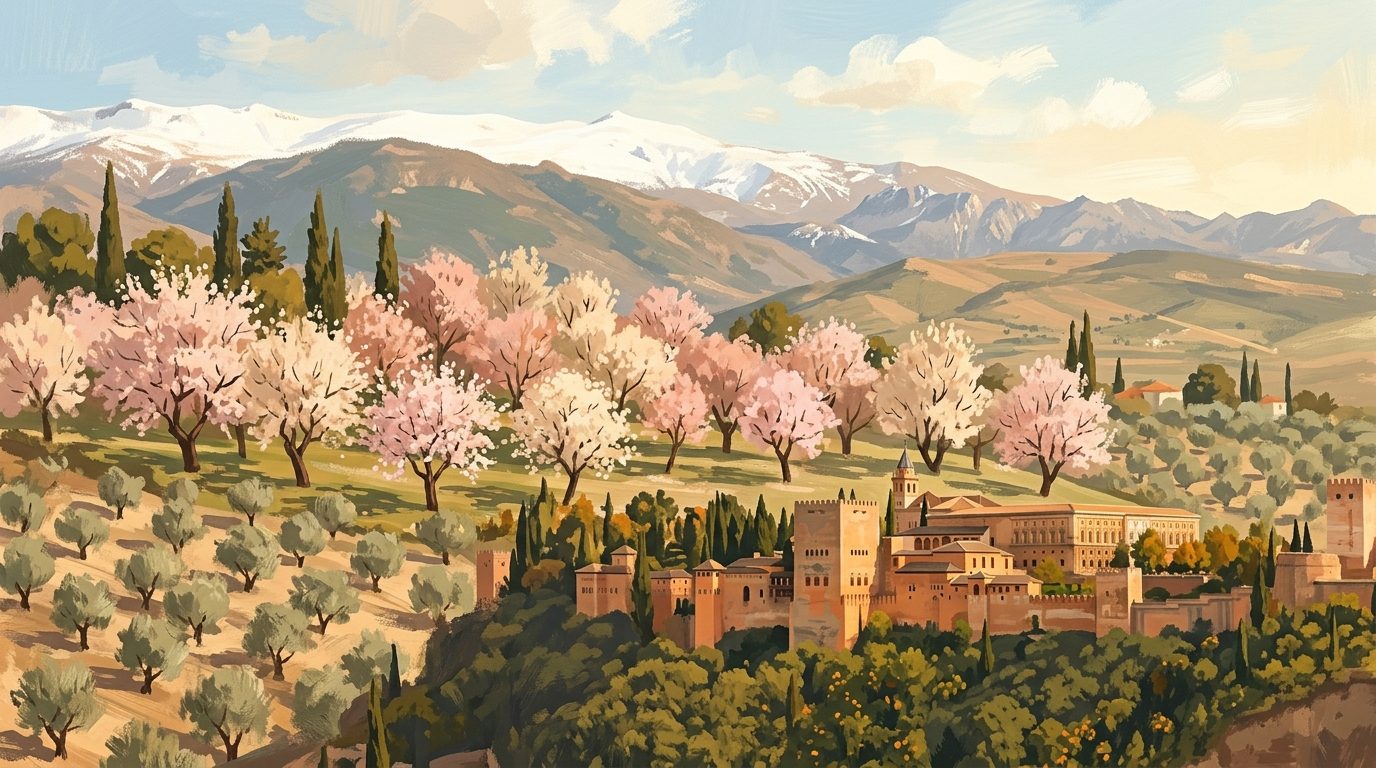
City Sightseeing is also at its most comfortable. Visiting the Alhambra in Granada or the Alcázar in Sevilla involves a lot of walking in exposed gardens. In March, you can enjoy these outdoor spaces for hours without fatigue. Furthermore, the orange trees are in full bloom, particularly in the Patio de los Naranjos in Córdoba’s Mezquita, providing a sensory experience that is unique to this time of year.
For wildlife enthusiasts, March marks the beginning of the spring migration. Doñana National Park becomes a hive of activity as birds return from Africa. It is one of the best times for birdwatching, as, in years with sufficient winter rainfall, the marshes typically fill with water, attracting immense birdlife before the summer drought begins to set in.
Who Should Visit?
- Hikers and Cyclists: The mild temperatures and green landscapes make this the best time for active holidays.
- Culture Lovers: With the film and flamenco festivals and the potential for Semana Santa, the cultural calendar is full.
- Budget Travellers: Outside of the Easter week, accommodation prices are significantly lower than in the late spring and summer.
- Photography Enthusiasts: The light in March is crisp and clear, and the contrast between the green fields and the white villages (pueblos blancos) is stunning.
Not ideal for: Beach-goers looking to swim. The Mediterranean and Atlantic waters are at their coldest in March, usually around 15°C (59°F), and while the sand is perfect for walking, it is not yet tanning weather for most.
Practical Notes
Crowds: In a standard year, March is relatively quiet. You can often book tickets for major sites just a few days in advance. However, if March coincides with Semana Santa, the situation reverses. Hotels in Sevilla and Málaga can be booked out months in advance, and prices can triple. Always check the Easter dates before booking your flights.
Prices: Expect excellent value for money in early and mid-March. Flight prices from UK hubs are generally low, and many car rental companies offer their best rates of the year before the spring peak begins.
Dining: Seasonal produce in March includes artichokes, asparagus, and broad beans. Look for Habas con Jamón on the menu, a classic Andalucían spring dish of broad beans with cured ham.
Monthly Verdict
March is a connoisseur’s month in Andalucía. It rewards those who prefer exploration over sunbathing and who appreciate the subtle details of a landscape in transition. While you must remain prepared for the occasional shower, the reward of seeing the region in its most verdant state, scented by citrus blossom and free from the oppressive heat of summer, makes it one of the most intelligent times to visit the south of Spain.
Last reviewed: 21 June 2026 · Editorial policy
Related guides
Andalucía in April
April brings the intoxicating scent of orange blossom and the dramatic spectacle of Semana Santa to Andalucía, offering the perfect balance of warm weather and cultural depth.
7 min read
Andalucía in May: A Guide to Spring Weather and Festivals
May is the peak of spring in Andalucía, offering the perfect balance of warm sunshine and famous cultural events like the Córdoba Patio Festival.
6 min read
Andalucía in October
October brings a soft, golden light to the olive groves and a fresh clarity to the mountain air. This is the month of the second spring, where parched landscapes recover their greenery and the coastal waters remain warm enough for a final swim.
6 min read
A Guide to Visiting Córdoba in March
Experience the intoxicating scent of orange blossom and the first flush of spring wildflowers in the Subbética mountains as Córdoba awakens from winter.
6 min read
Cádiz in April: Wildflowers, White Villages, and the Atlantic Spring
Experience the Atlantic spring in Cádiz, where the Sierra de Grazalema blooms with wildflowers and the white villages host the dramatic processions of Semana Santa.
6 min read
Málaga in February: Almond Blossom and Winter Sun
February in Málaga province offers a quiet transition, where the scent of almond blossom fills the air and the city streets remain peaceful before the spring rush.
7 min read
More guides
September in Jaén: Golden Light and the Call of the Wild
Experience the cooling temperatures and the dramatic start of the deer rut in Jaén this September. Discover the golden light of Úbeda and Baeza as the province transitions from the heat of summer to the clarity of autumn.
7 min read
Almería in October: Desert Hikes and Coastal Solitude
October in Almería brings a soft, golden light and a gentle 23°C warmth, making it the perfect month for desert hiking, birdwatching, and enjoying the secluded beaches of Cabo de Gata.
6 min read
Almería in August: Desert Heat and Coastal Cool
August in Almería is defined by the stark beauty of the desert and the refreshing sanctuary of the Mediterranean coast. It is a month for slow movements, late nights, and embracing the true spirit of the Spanish summer.
6 min read
Almería in June: Coastal Clarity and Desert Life
Experience the Mediterranean at its most transparent and the Tabernas desert before the peak summer heat takes hold.
6 min read
Huelva in July: Atlantic Breezes and Endless Sands
Experience the vast Atlantic beaches and fresh seafood of Huelva in July, where cool sea breezes provide a welcome escape from the Andalucían summer heat.
6 min read
Huelva in September: Warm Atlantic Waters and the Harvest Moon
September in Huelva marks a gentle transition where the intense Atlantic summer heat softens into a golden warmth, leaving the wide beaches to those who value quietude.
6 min read
Almería in January: Desert Solitude and Winter Sun
January in Almería offers the sunniest winter skies in Europe, with crisp desert air, empty volcanic beaches, and the lowest prices of the year.
7 min read
Huelva in August: Atlantic Breezes and the High Summer Rhythm
Experience the authentic Spanish summer in Huelva this August. From the cooling Atlantic breezes of Islantilla to the festive nights of the Colombinas, discover a province in its peak season.
6 min read
Huelva in March: Wildflowers, Wetlands, and Quiet Hills
March in Huelva signals a quiet awakening where the Atlantic breeze meets the scent of budding rockrose in the northern hills. It is a time of soft light and solitude before the summer heat settles over the western edge of Andalucía.
6 min read
Newsletter
More stories from Andalucía
Weekly notes, seasonal picks, and the next guides worth bookmarking.