seasonal · Seville
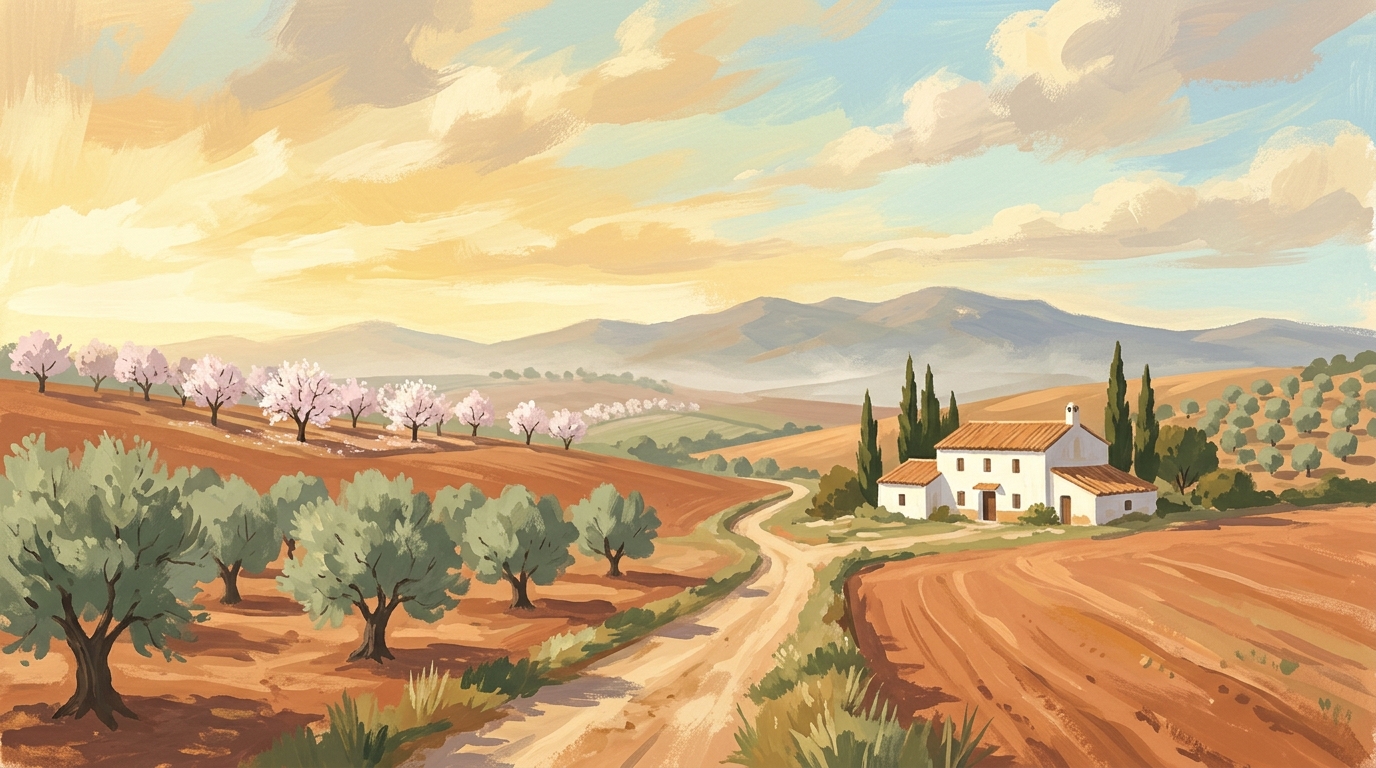
Experience Seville in February, a month of crisp blue skies, early orange blossoms, and exceptional travel deals before the spring crowds arrive.
seasonal · Seville
Seville in February: A Guide to the Pre-Spring Thaw
19 April 2026 · 6 min read · 1,259 words
February in Seville is a time of quiet anticipation, where the sharp winter chill begins to yield to the first tentative warmth of the Andalusian sun. It is a month for those who prefer the scent of fresh rain on stone and the first hint of orange blossom over the heavy heat of summer.
February is often overlooked by travellers in favour of the headline-grabbing spring festivals, but this is a mistake. In the province of Sevilla, this month represents a unique atmospheric window. The heavy, stagnant heat of the Guadalquivir valley is months away, and the biting winds of January have usually softened. It is a period of transition where the city feels like it belongs to the locals again. You will see Sevillanos reclaiming the outdoor terraces, wrapped in scarves but soaking up the midday sun with a glass of manzanilla sherry.
The city’s pace is slower, more deliberate. While the rest of Europe is often shivering under grey skies, Seville frequently experiences bright, cobalt-blue days. The light in February is particularly crisp, making it an excellent time for photography as the long shadows play across the ochre and oxblood facades of the historic centre. There is also a distinct sense of preparation in the air. In the backstreets of the Alfalfa and San Lorenzo neighbourhoods, you might hear the faint, rhythmic beat of drums as Semana Santa (Holy Week) brotherhoods begin their rehearsals, a subtle reminder that the city’s biggest event is on the horizon.
Weather: Bright Days and Cold Shadows
Weather in the province of Sevilla during February is famously fickle, yet generally pleasant for those used to Northern European winters. In the city itself, daytime temperatures typically reach a comfortable 18°C (64°F), though on particularly sunny years, it can climb to 22°C. However, do not be fooled by the afternoon sun; as soon as it drops behind the horizon, the temperature plunges rapidly to around 7°C or 8°C (45°F). Shadows in the narrow streets of the Barrio Santa Cruz remain significantly cooler than the open plazas.
Rainfall is a possibility, with an average of six or seven days of rain throughout the month. These are rarely persistent downpours; instead, expect passing showers followed by clear skies. In the Sierra Norte de Sevilla, the mountainous region to the north of the province, conditions are markedly different. It is significantly colder here, with frost common in the early mornings and temperatures often sitting 5°C lower than in the city. If you are heading to the hills for hiking, thermal layers and waterproof gear are essential. For the city, the rule is simple: dress like an onion. Multiple layers allow you to adapt as you move from a cold, cavernous cathedral into a sun-drenched square.
Events & Festivals
While February lacks the massive scale of the April Fair, it offers several deeply traditional celebrations that provide a more authentic look at local life. The most significant is Día de Andalucía (Day of Andalucía) on 28 February. This is a public holiday across the region, and Seville city sees a variety of institutional acts, though the real charm is found in the smaller towns of the province where residents hang the green-and-white regional flag from their balconies and gather for communal breakfasts of tostada con aceite y azúcar (toast with oil and sugar).
In the province, Carnaval takes centre stage. While Cádiz is the world-famous destination for this, Sevilla province has its own spirited traditions. The Carnaval de Carmona is one of the most established, featuring chirigotas (satirical musical groups) and comparsas (costumed troupes) performing in the streets and theatres. The Carnaval de Fuentes de Andalucía is also noteworthy for its unique máscara tradition, where participants disguise their identity and voice to tease friends and neighbours. These festivals usually take place in the middle to late part of the month, depending on the lunar calendar.
What to Do: From Azahar to the Sierra
One of the great joys of Seville in February is witnessing the very beginning of the azahar (orange blossom) season. While the peak fragrance arrives in March, a warm February will see the first white buds appearing on the 40,000 bitter orange trees that line the city streets. A walk through the Parque de María Luisa is particularly rewarding this month, as the winter jasmine and early camellias are in bloom, and the crowds around the Plaza de España are thin enough to actually appreciate the tile work without a sea of selfie sticks.
February is also the ideal time to visit the Real Alcázar (Royal Palace). In the summer, the heat in the gardens can be oppressive, but in February, the manicured hedges and water features are serene and refreshing. You can spend hours wandering the grounds without the physical exhaustion brought on by the July sun. For those interested in the religious culture of the city, this is the time to visit the smaller churches like Iglesia de San Luis de los Franceses. Without the peak-season queues, the silence inside these Baroque masterpieces feels more profound.
Outside the city, the Sierra Norte de Sevilla is at its greenest. This is a UNESCO Global Geopark and provides excellent hiking trails through cork oak forests. The cooler temperatures make the steep climbs much more manageable than in the spring. Visit the Cerro del Hierro, an ancient iron mine that has been weathered into a surreal landscape of limestone pinnacles. It is a stark, beautiful contrast to the refined architecture of the city centre.
Who Should Visit
- Budget Travellers: February is one of the cheapest months for accommodation. Four-star hotels in the city centre often drop their rates by 40-50% compared to April or May prices.
- Culture Lovers: With fewer tourists, you can access museums like the Museo de Bellas Artes and the Cathedral with minimal wait times and more room to breathe.
- Hikers and Walkers: The mild daytime temperatures in the province are perfect for long-distance walking without the risk of heatstroke.
- Foodies: This is the height of the alcachofa (artichoke) and habas (broad bean) season. Local restaurants feature these fresh ingredients heavily in their seasonal tapas.
Practical Notes
Crowd levels in February are some of the lowest of the year. You can often walk into popular tapas bars like El Rinconcillo or Casa Morales and find a spot at the bar without a struggle. However, be aware that 28 February (Día de Andalucía) can see a spike in local travel, so if you are planning to visit smaller towns or use regional trains around this date, it is wise to book in advance.
Prices for dining remain consistent, but look out for menú del día (menu of the day) deals which are particularly good value this month as restaurants cater to a local, working-day crowd rather than tourists. Booking advice for the big attractions remains the same: even in low season, buy your tickets for the Cathedral and the Alcázar online to skip the ticket office queue, though you will find the security lines are much shorter than usual.
Monthly Verdict
February is the thinking person’s month to visit Seville. It lacks the explosive energy of the spring fairs, but it compensates with an intimate, authentic atmosphere and exceptional value for money. You get the best of the Andalusian light and the first whispers of spring growth without the crushing crowds or the physical toll of the heat. It is a month for long lunches, quiet walks, and observing the city as it prepares to burst into its famous, frantic spring.
More from Seville
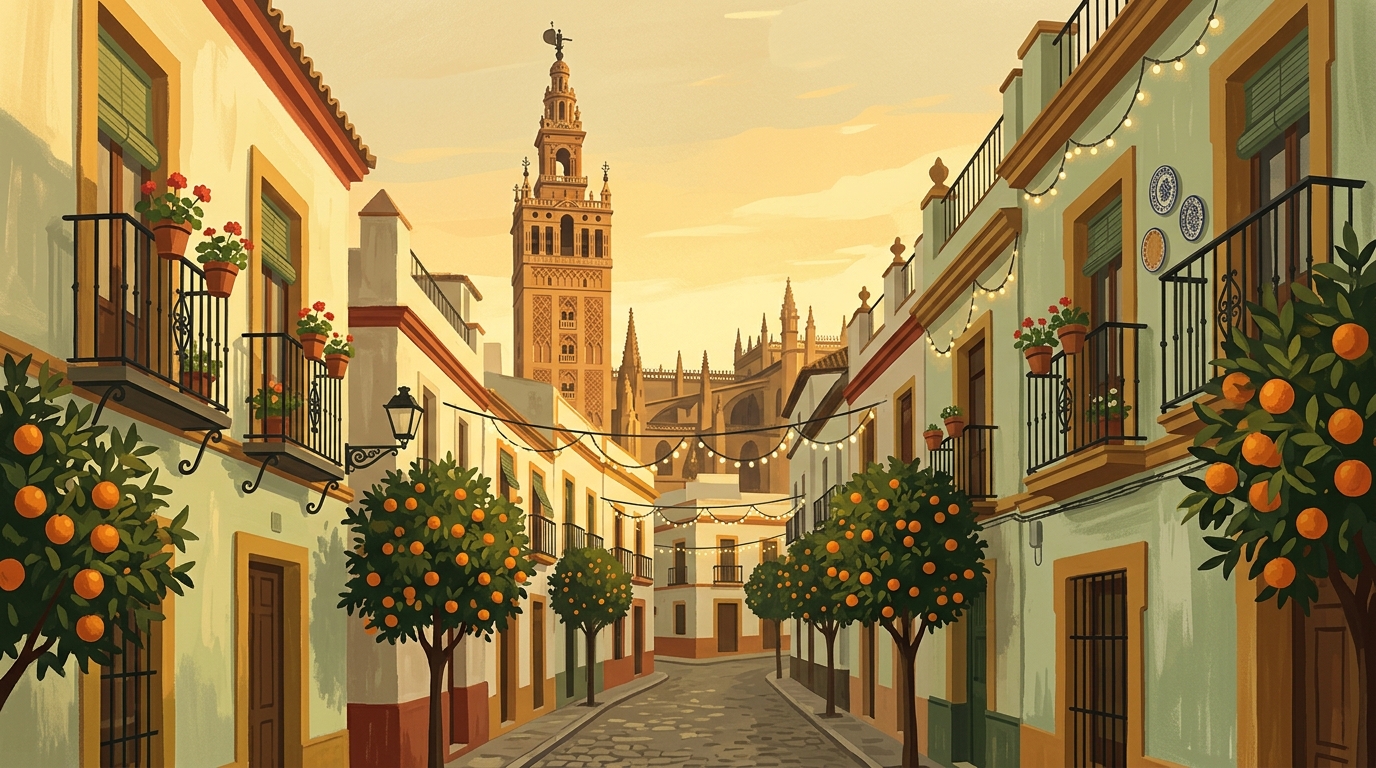
Seville in December: Traditions, Winter Tapas, and Golden Sunsets
Experience the magic of Seville in December, from the traditional Belén nativity trails and flamenco carols to the crisp, sunny days perfect for winter tapas.
6 min read
Read guide →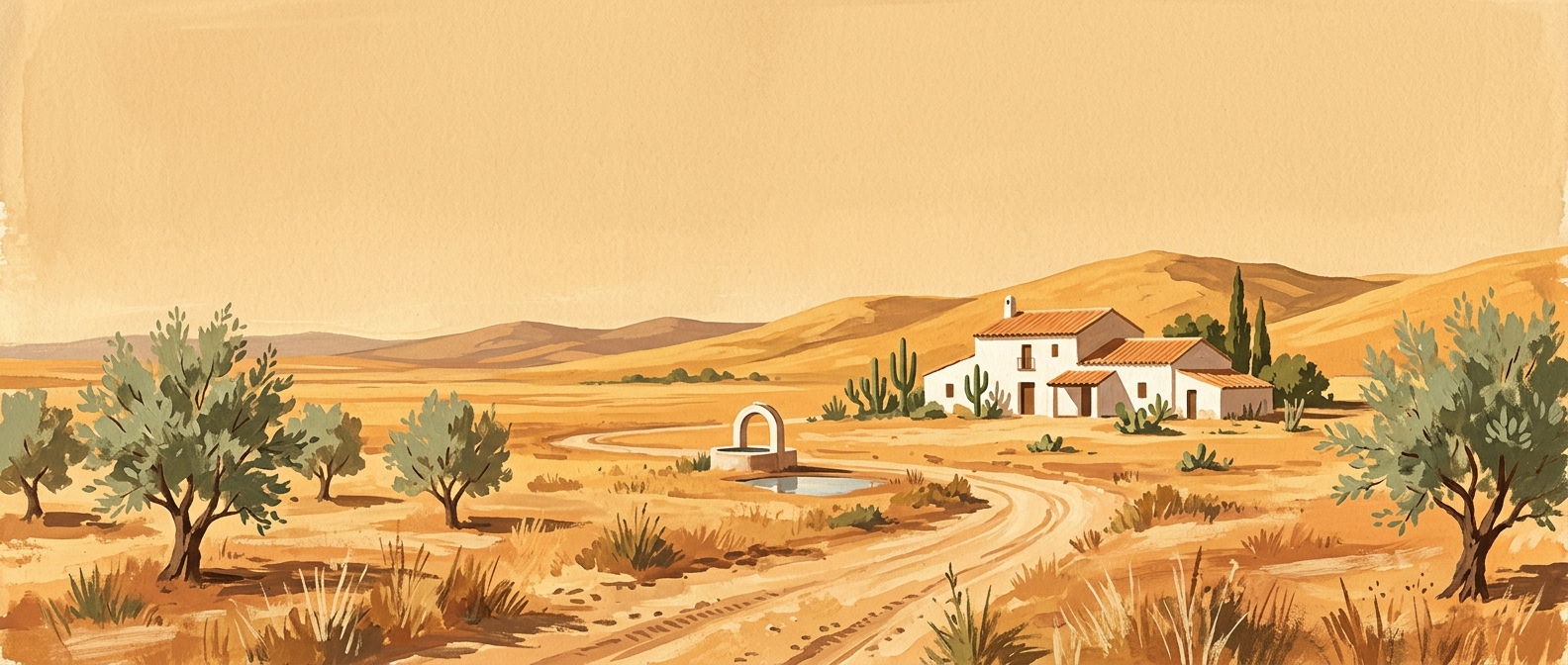
Seville in August: Surviving and Thriving in the Frying Pan of Europe
August in Seville is a time of extreme heat and evocative silences. Learn how to navigate the 40°C temperatures, enjoy local mountain festivals, and experience the city's late-night culture.
6 min read
Read guide →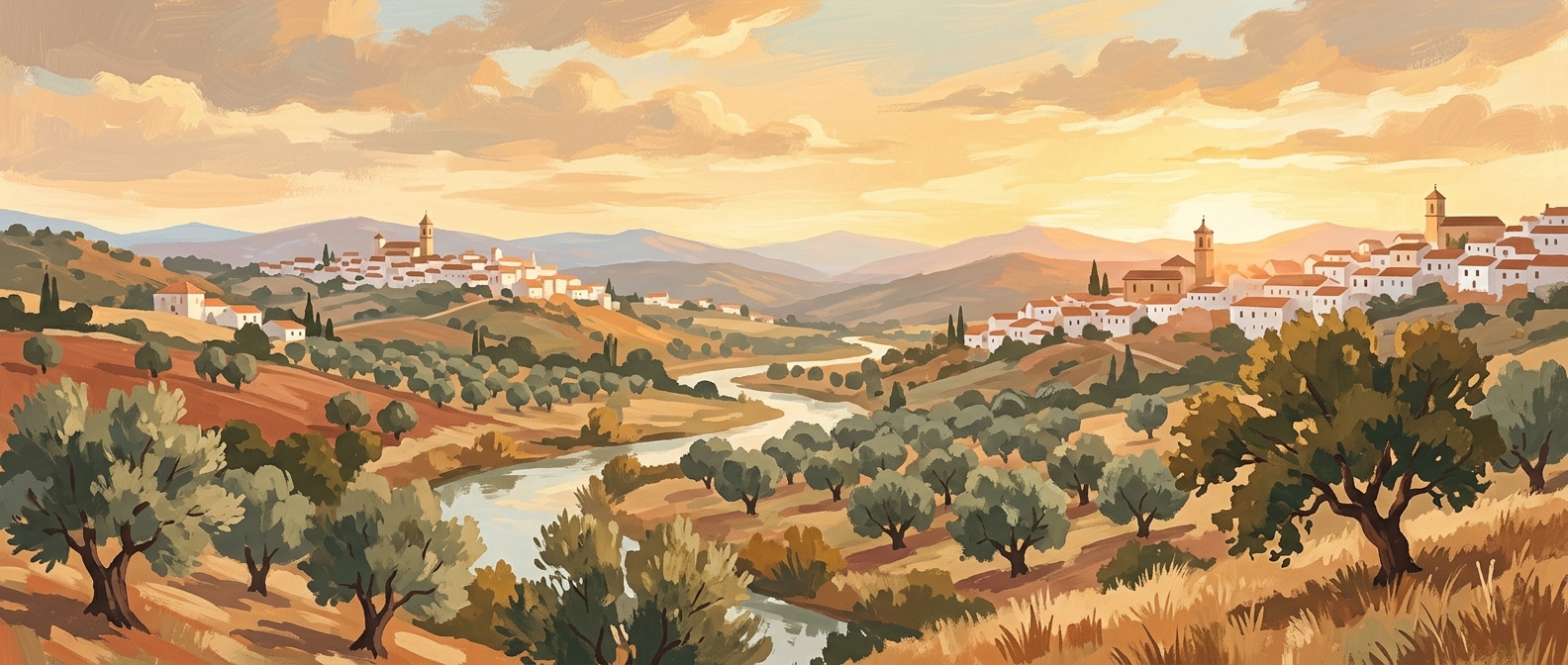
Seville in September: A Reawakening After the Heat
Seville in September offers a graceful transition as the summer heat breaks, the local tapas bars reopen, and the world-renowned Bienal de Flamenco takes centre stage.
6 min read
Read guide →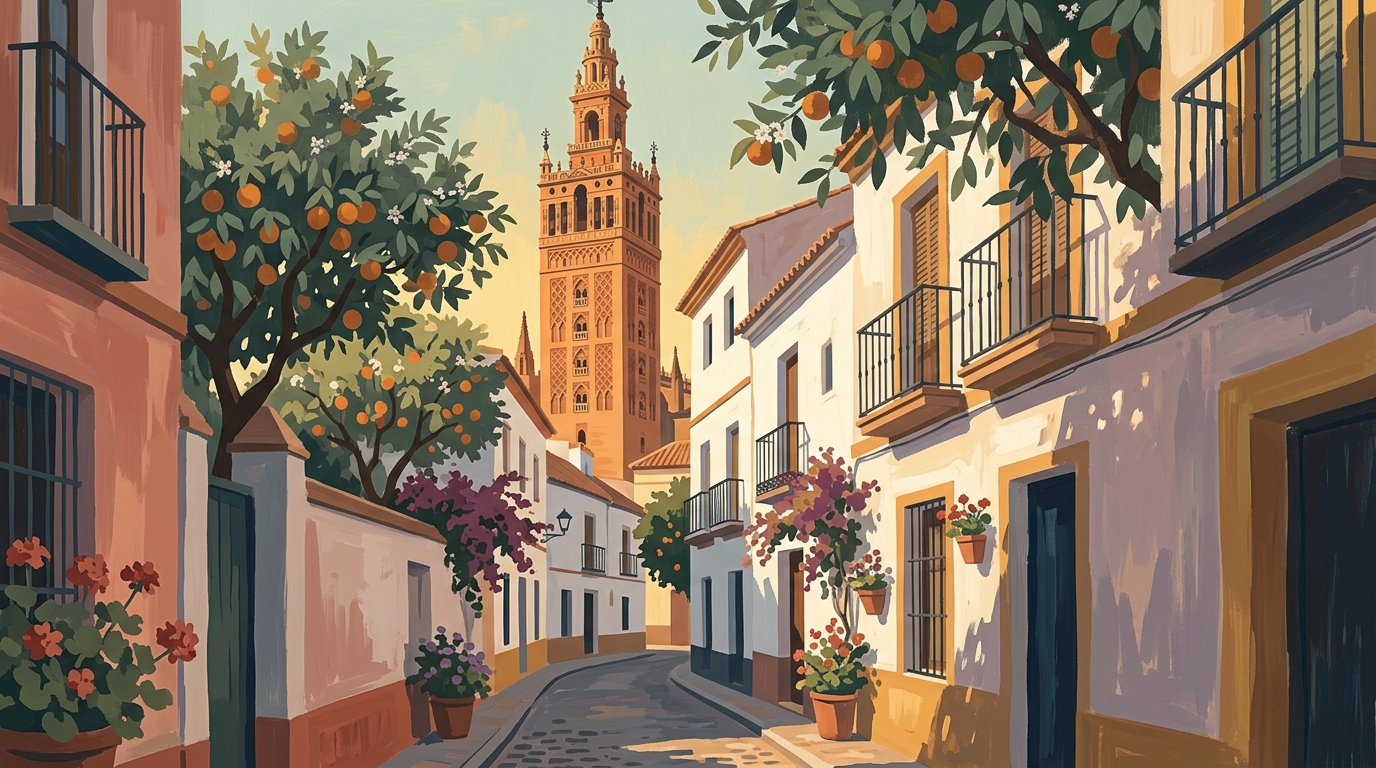
Seville in March
Experience Seville in March, where the scent of orange blossom fills the air and the province prepares for the grandeur of Semana Santa amidst mild spring temperatures.
5 min read
Read guide →
Seville in July: Survival and Splendour in the Sizzling South
Seville in July is a city of extremes, where the midday sun dictates a quiet siesta and the nights come alive with late-night tapas and riverfront festivals.
6 min read
Read guide →
Seville in June: Golden Hours and the Rising Heat
June in Seville marks the final transition before the searing intensity of high summer, offering long, golden evenings and the scent of jasmine lingering in the cooling air.
6 min read
Read guide →
Seville in November: A Local Rhythm Under Soft Autumn Light
November in Seville province offers a cool, crisp clarity after the heat, where the scent of roasting chestnuts replaces the summer jasmine. The city transitions into a quiet, local rhythm, perfect for those who prefer art and history over crowds and queues.
7 min read
Read guide →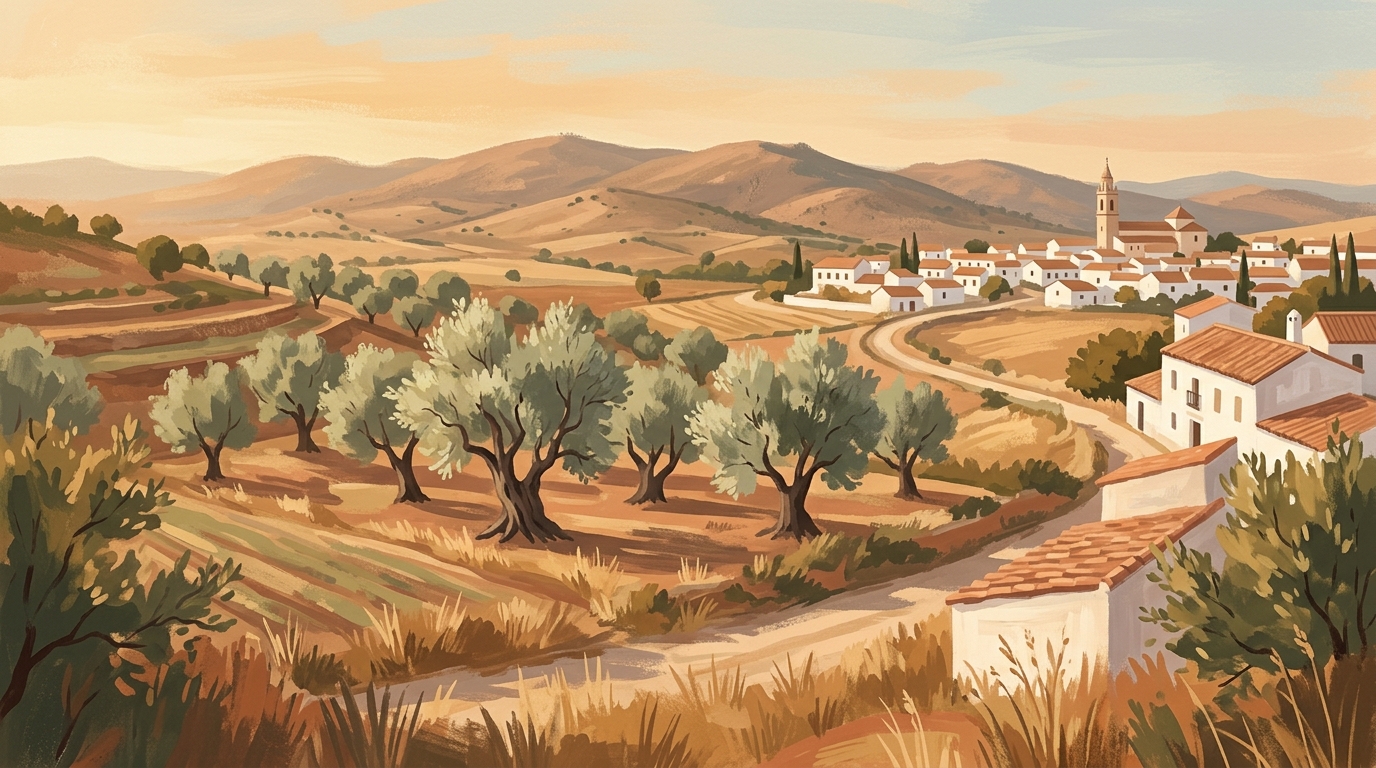
A Guide to Seville in October: Golden Light and Cultural Awakening
October brings a sigh of relief to the province of Seville, as the intense summer heat fades into a gentle warmth that makes the historic streets and rural towns accessible once more.
6 min read
Read guide →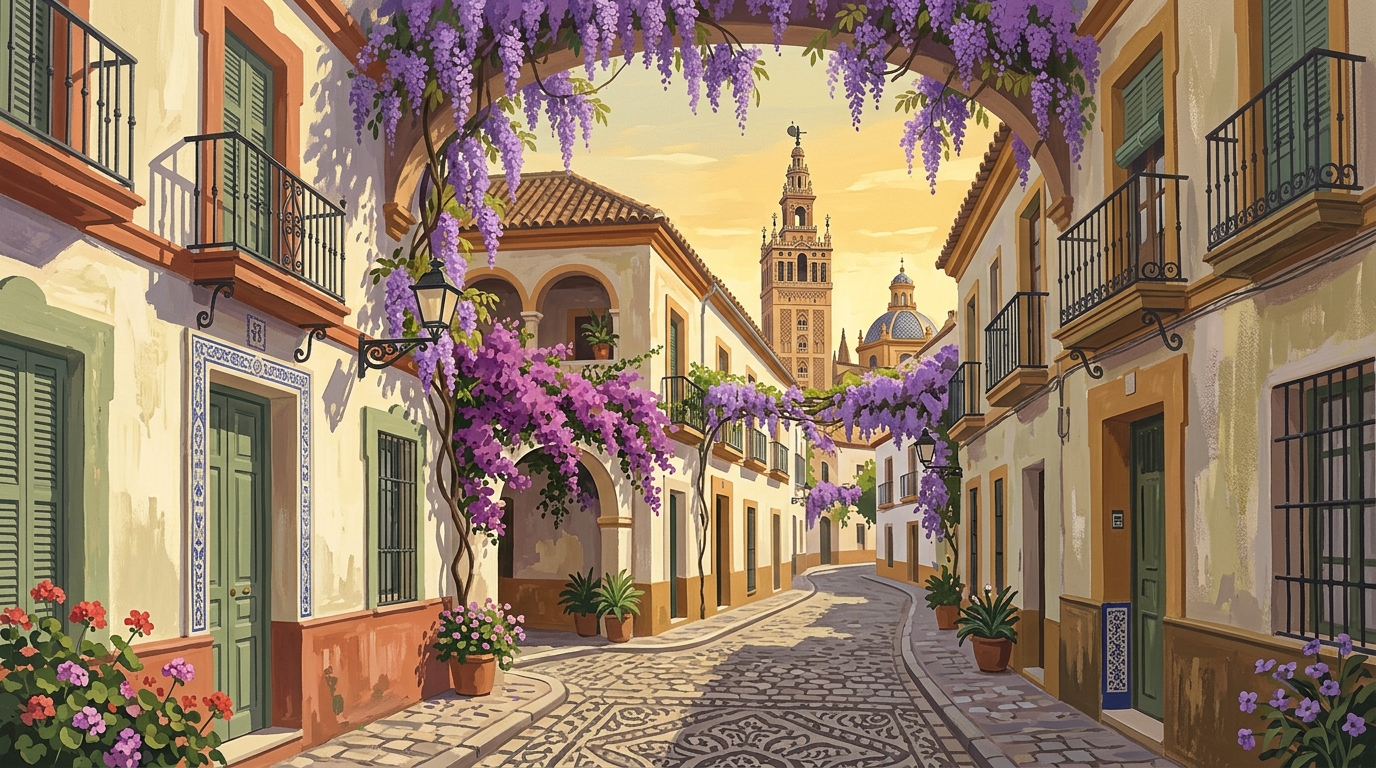
Seville in May: A Purple City in the Pre-Summer Calm
Experience the provincial capital as the jacaranda trees bloom and the heavy crowds of the spring festivals subside. May offers the perfect balance of warm sunshine and accessible culture before the intense summer heat arrives.
6 min read
Read guide →Newsletter
More stories from Andalucía
Weekly notes, seasonal picks, and the next guides worth bookmarking.