seasonal · Seville
August in Seville is a time of extreme heat and evocative silences. Learn how to navigate the 40°C temperatures, enjoy local mountain festivals, and experience the city's late-night culture.
seasonal · Seville
Seville in August: Surviving and Thriving in the Frying Pan of Europe
19 April 2026 · 6 min read · 1,309 words
August is the month when Seville transforms into a quiet, sun-bleached stage, where the pace of life slows to a near-halt during the day before erupting into life well after midnight. It is a time for those who find beauty in high temperatures and the unique stillness of a city whose residents have largely fled for the coast.
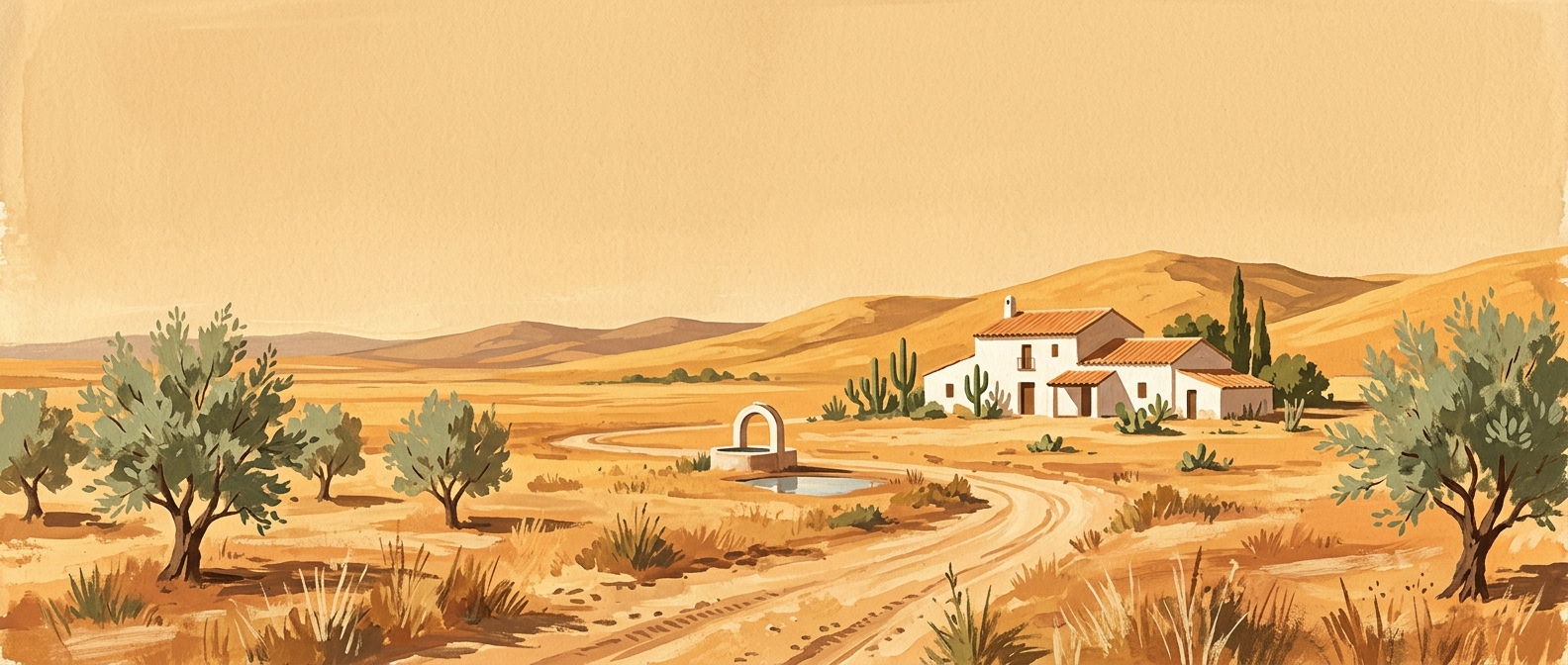
To visit the province of Sevilla in August is to experience the raw power of the Andalucian sun. Known locally as la sartén de Andalucía (the frying pan of Andalucía), the region experiences some of the highest temperatures on the European continent. However, for the traveller who plans their day with precision, August offers a version of the city and its surrounding towns that is remarkably different from the crowded spring months. This is a season of long shadows, ice-cold gazpacho, and the scent of night-blooming jasmine hanging heavy in the warm midnight air.
During this month, the province undergoes a social exodus. As the mercury rises, many Sevillanos close up their shops and apartments to head for the cooler Atlantic breezes of Huelva or Cádiz. This results in a curious atmosphere: the main tourist arteries remain functional, but the residential neighbourhoods feel eerily quiet during the daylight hours. The usual frantic energy of the city is replaced by a dignified, heat-induced lethargy. It is a period where the architecture takes centre stage, stripped of the usual throngs of people, allowing for a more contemplative exploration of the province’s monuments and natural landscapes.
The Weather: Heat as a Way of Life
Weather in August is predictable, relentless, and bone-dry. In the city of Seville and the lowland plains of La Campiña, daily highs regularly reach 40°C (104°F) or 42°C (108°F). It is not uncommon for the temperature to remain above 30°C well past midnight. Rainfall is almost non-existent; you can expect 31 days of cloudless blue skies. The air is dry, which makes the heat slightly more manageable than humid tropical climates, but the intensity of the sun is formidable.
In the northern part of the province, the Sierra Norte de Sevilla offers a slight reprieve. These mountain towns, such as Cazalla de la Sierra or Constantina, are often four or five degrees cooler than the city. While still hot during the day, the evenings in the mountains provide a crispness that is entirely absent in the Guadalquivir valley. If you are planning to visit the province in August, clothing should be restricted to natural, breathable fabrics like linen and cotton. A wide-brimmed hat and high-factor sunscreen are essential tools for survival.
Events & Festivals: Traditional Celebrations
While the heavy hitters like Semana Santa and the Feria de Abril are long gone, August holds its own traditional charms. The most significant date in the calendar is 15 August, the Festividad de la Asunción de la Virgen (Feast of the Assumption). In the city, this centres around the Virgen de los Reyes (Virgin of the Kings), the patroness of Seville. A solemn procession takes place at the earliest, coolest hour of the morning - usually starting around 8:00 am - around the perimeter of the Cathedral. It is a rare opportunity to see the local population gathered in devotion before they retreat back into the shade.
In the wider province, August is the month of the Velá or Feria in many smaller villages. These local fairs are less formal and more intimate than the massive April Fair in the city. For instance, the Feria de Constantina or the celebrations in Alanís involve traditional music, local wines, and dancing that lasts until the sun begins to rise. These provincial fairs offer a glimpse into the rural heart of the province, where the community gathers to celebrate the harvest and the height of summer under strings of coloured lanterns.
What to Do: Navigating the Heat
The secret to enjoying Seville in August lies in the siesta. From 2:00 pm until 8:00 pm, the city effectively shuts down. Attempting to sightsee during these hours is not only exhausting but can be dangerous. Instead, adopt the local rhythm: visit the Real Alcázar (Royal Palace) or the Cathedral as soon as they open at 9:00 am. At this time, the stone floors are still cool, and the gardens are fresh with the morning’s irrigation.
The Guadalquivir river becomes a focal point for activity. At dawn, the river is at its most atmospheric; the water is still, and the air is as cool as it will be all day. Rowing or kayaking on the river at 7:00 am is an exceptional way to see the city skyline before the heat haze sets in. For a different water experience, the Isla Mágica theme park and its water park, Agua Mágica, provide a necessary cooling-off point for those with children.
As the sun sets, the city moves to the rooftops. Seville has a sophisticated roof-terrace culture. Places like the EME Cathedral Mercer or the Hotel Doña María offer views of the Giralda tower illuminated against the dark sky. This is when the city breathes again. Dinner rarely starts before 10:00 pm, and the tapas bars in Triana or the Alameda de Hércules remain packed until 2:00 am. For those in the province, a trip to the Cerro del Hierro in the Sierra Norte offers spectacular stargazing opportunities, as the air is clear and light pollution is minimal in the protected natural park.
Who Should Visit
- Budget Travellers: Hotel prices in August are often significantly lower than in the peak spring and autumn months. Many luxury hotels offer substantial discounts to fill rooms during the heat.
- Culture Lovers: The absence of massive tour groups means you can often walk into major monuments like the Archivo de Indias without a long wait.
- Night Owls: If you prefer to sleep during the day and explore at night, the late-night culture of Seville in August is perfectly suited to your rhythm.
- Solo Travellers: The quieter streets and the communal atmosphere of the evening tapas bars make it an easy time to experience the city at a slower, more personal pace.
August is not recommended for families with very young children, the elderly, or those with underlying health conditions that make them sensitive to extreme heat. Hikers should also exercise caution; while the Sierra Norte is beautiful, mountain trails can be perilous in 40-degree weather without proper acclimatisation and vast quantities of water.
Practical Notes: Logistics and Booking
Crowd levels in August are generally lower than at any other time of the year, with the exception of the very centre of the old town where international tourism remains steady. However, you should be aware that many independent, family-run restaurants and shops close for the entire month for their summer break. This means your favourite local taberna might have its shutters down. It is always wise to check the social media pages of specific eateries before making a journey across town.
Booking advice: Always ensure your accommodation has high-quality air conditioning. This is not a luxury in Seville; it is a necessity for sleep. If you are staying in the province, look for rural houses (casas rurales) that include a private pool. Public transport continues to run on a summer schedule, which may mean slightly fewer buses or trains, so plan journeys with a bit more buffer time.
Monthly Verdict
August in the province of Sevilla is a month of extremes. It demands respect for the climate and a total shift in your daily routine. While the heat is brutal, the rewards are found in the quiet mornings, the cut-price luxury accommodation, and the magic of a city that truly comes alive under the cover of darkness. It is an honest experience of Andalucian life, stripped of its springtime finery and presented in its most scorched, authentic form.
More from Seville
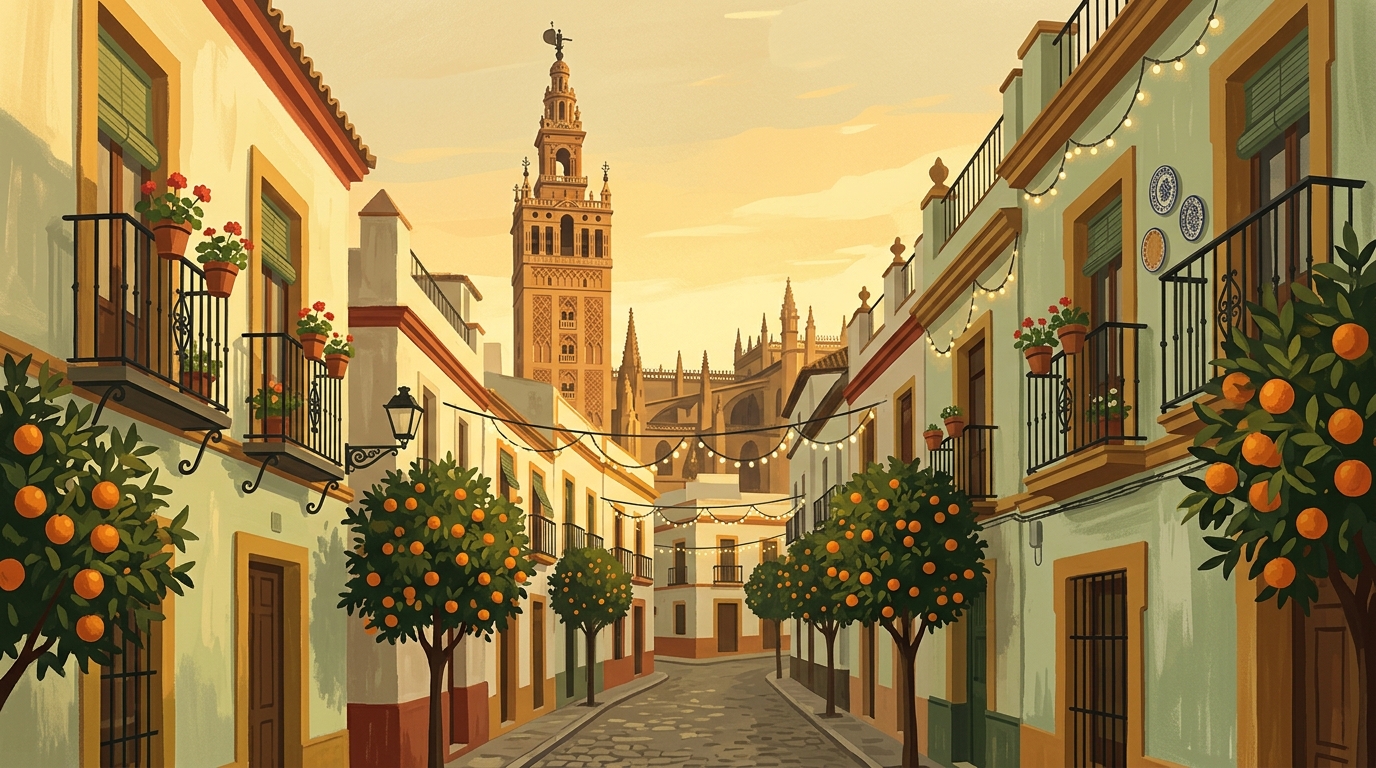
Seville in December: Traditions, Winter Tapas, and Golden Sunsets
Experience the magic of Seville in December, from the traditional Belén nativity trails and flamenco carols to the crisp, sunny days perfect for winter tapas.
6 min read
Read guide →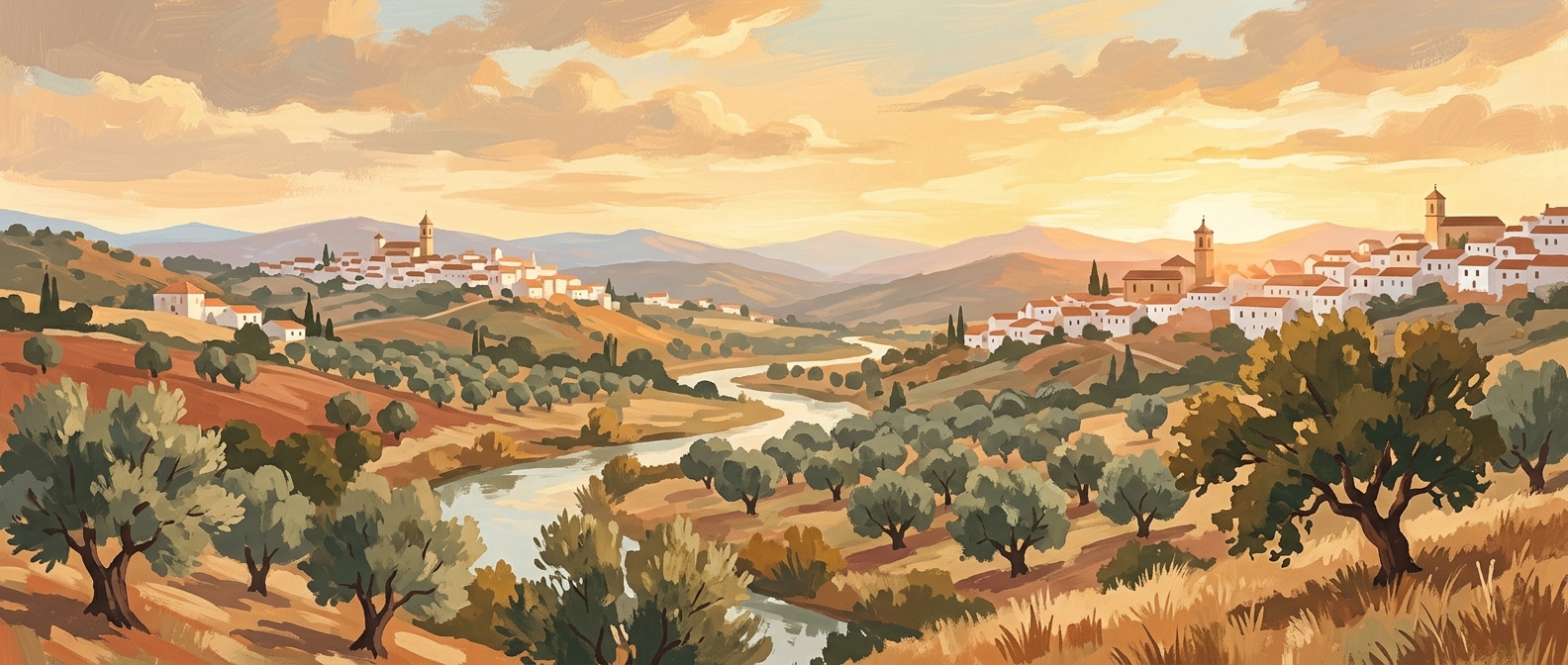
Seville in September: A Reawakening After the Heat
Seville in September offers a graceful transition as the summer heat breaks, the local tapas bars reopen, and the world-renowned Bienal de Flamenco takes centre stage.
6 min read
Read guide →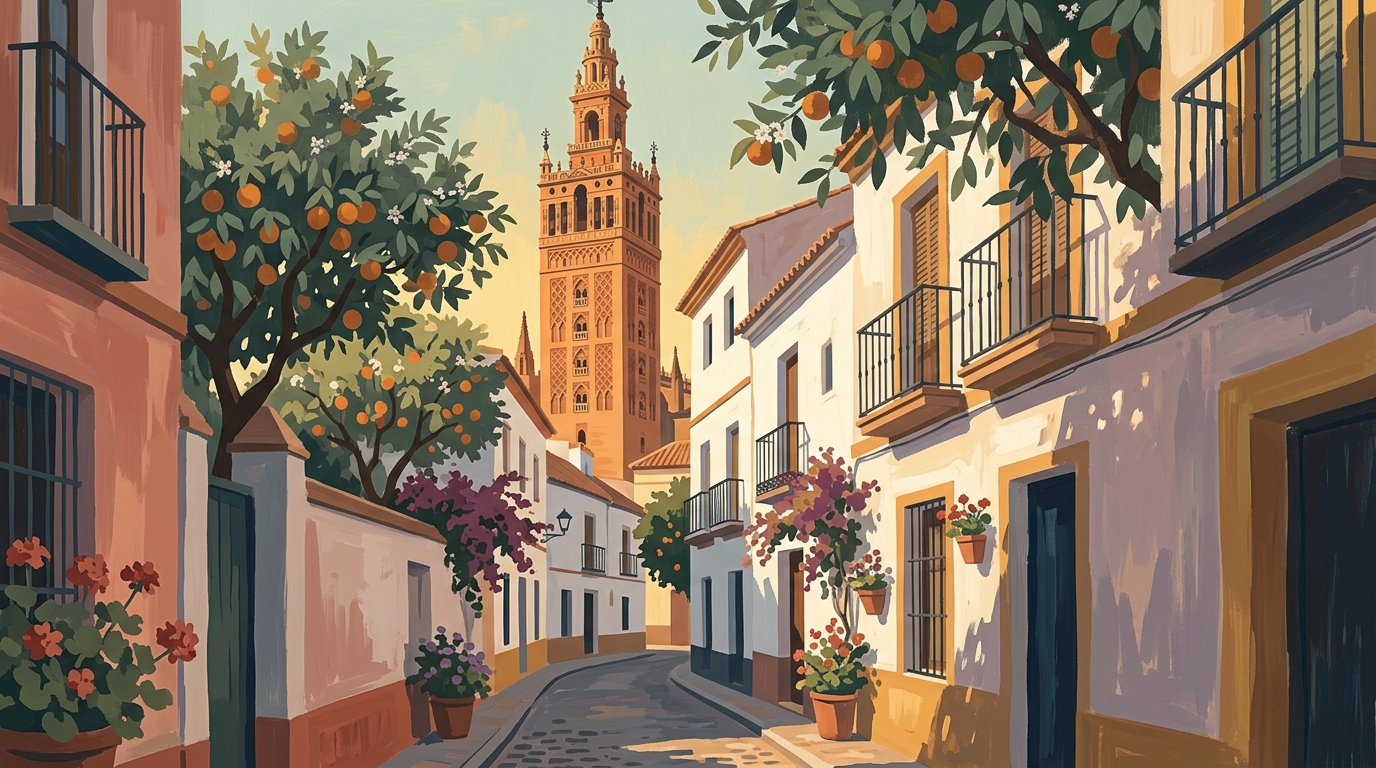
Seville in March
Experience Seville in March, where the scent of orange blossom fills the air and the province prepares for the grandeur of Semana Santa amidst mild spring temperatures.
5 min read
Read guide →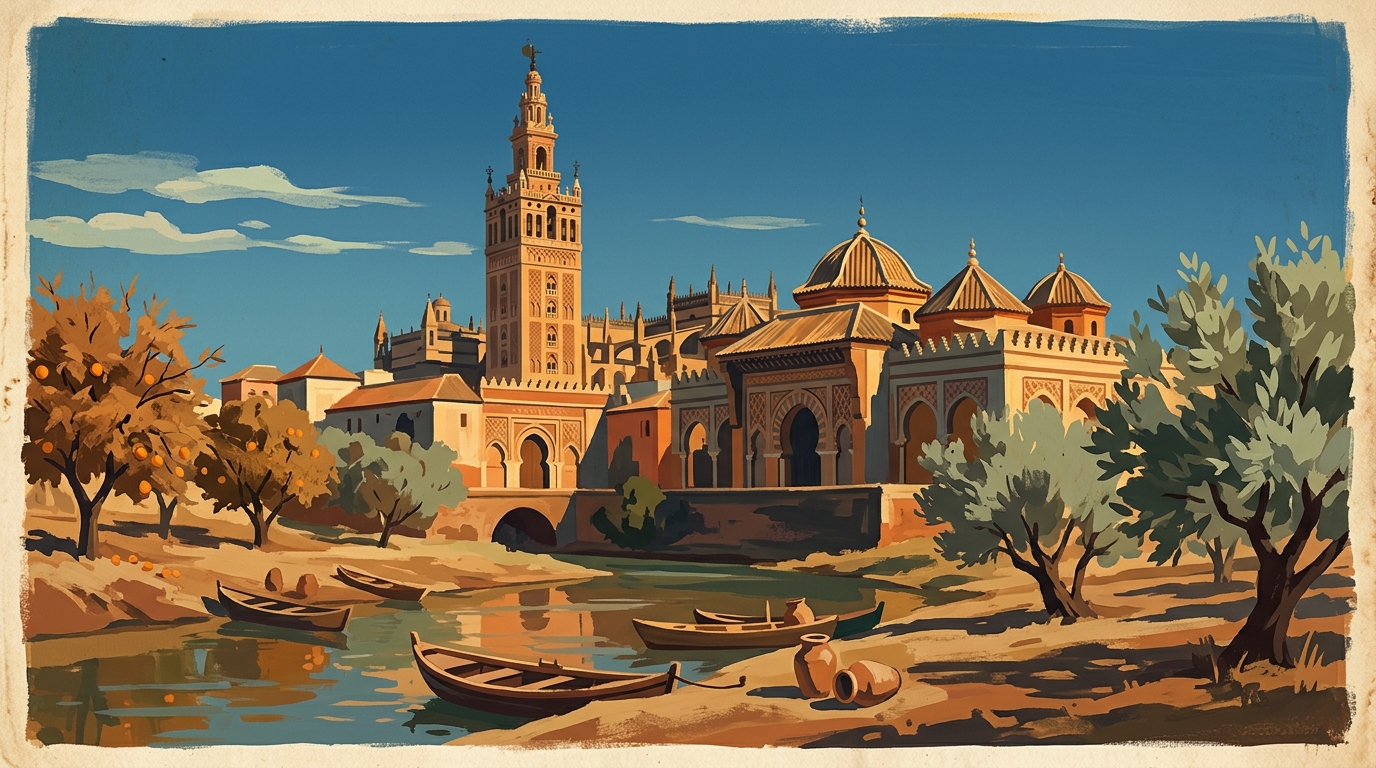
Seville in July: Survival and Splendour in the Sizzling South
Seville in July is a city of extremes, where the midday sun dictates a quiet siesta and the nights come alive with late-night tapas and riverfront festivals.
6 min read
Read guide →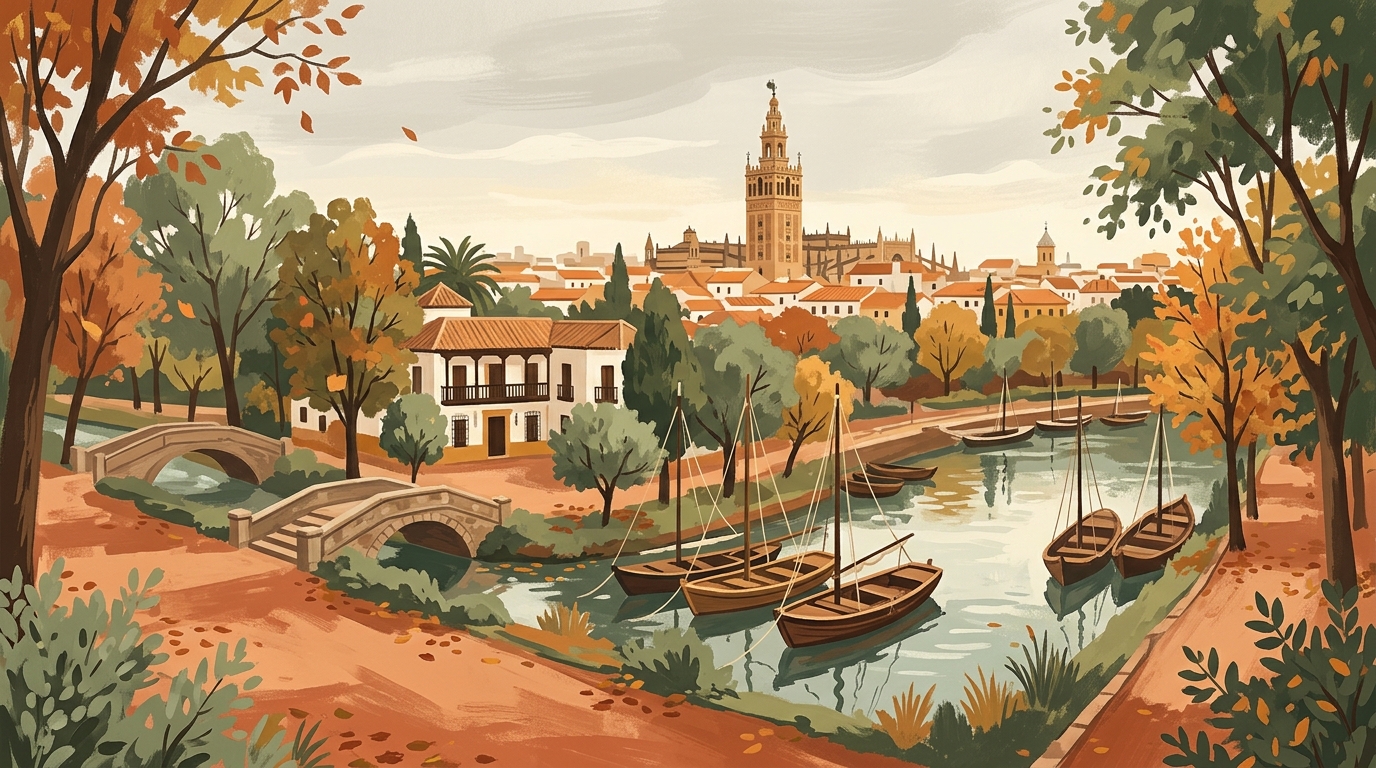
Seville in November: A Local Rhythm Under Soft Autumn Light
November in Seville province offers a cool, crisp clarity after the heat, where the scent of roasting chestnuts replaces the summer jasmine. The city transitions into a quiet, local rhythm, perfect for those who prefer art and history over crowds and queues.
7 min read
Read guide →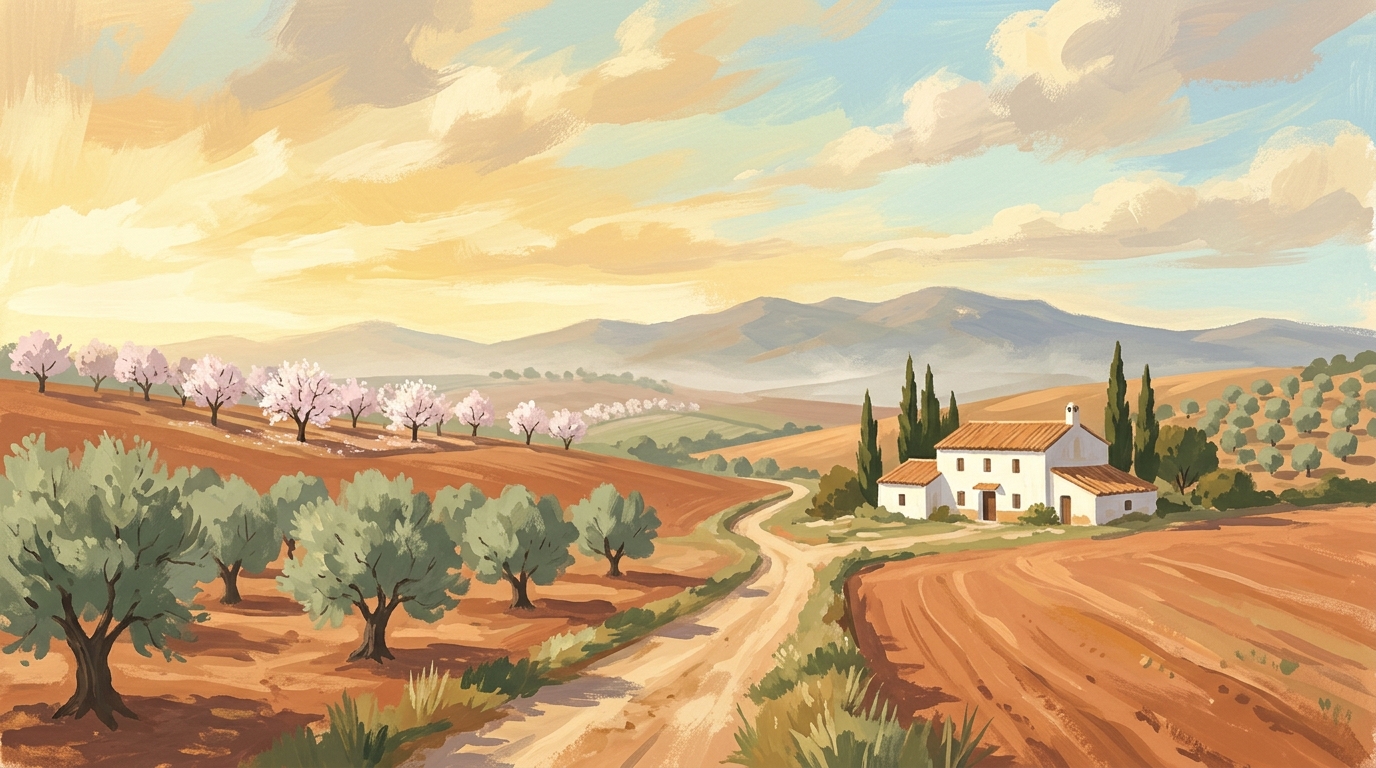
Seville in February: A Guide to the Pre-Spring Thaw
Experience Seville in February, a month of crisp blue skies, early orange blossoms, and exceptional travel deals before the spring crowds arrive.
6 min read
Read guide →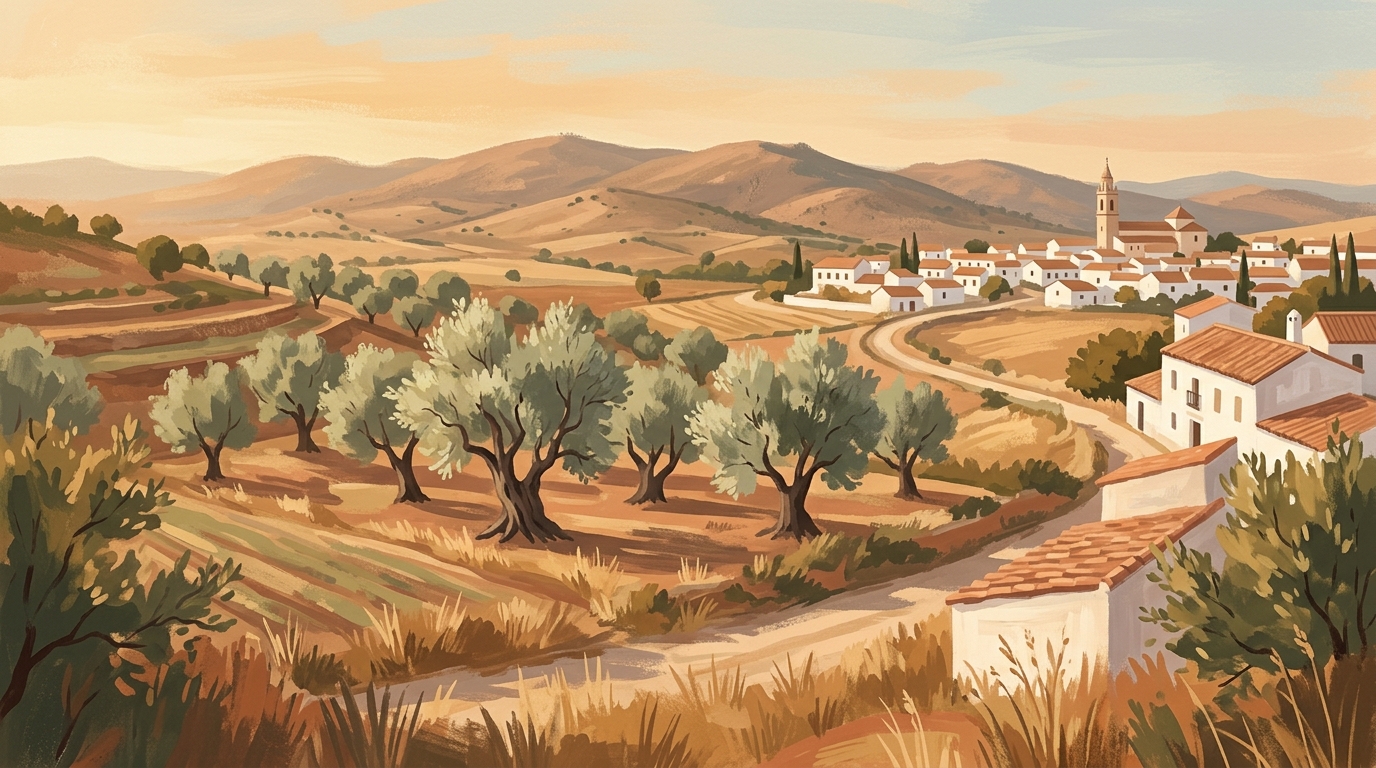
A Guide to Seville in October: Golden Light and Cultural Awakening
October brings a sigh of relief to the province of Seville, as the intense summer heat fades into a gentle warmth that makes the historic streets and rural towns accessible once more.
6 min read
Read guide →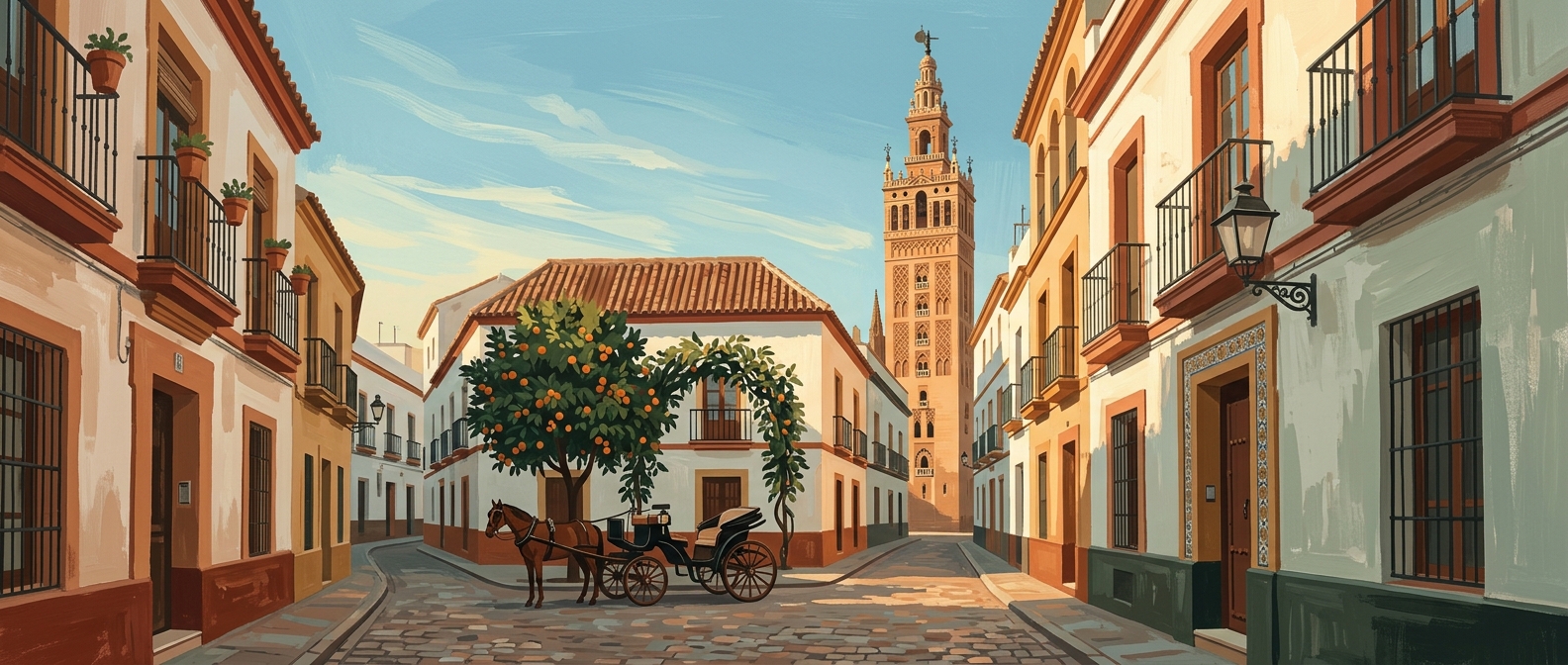
Seville in January: Crisp Skies and Quiet Streets
Seville in January offers a sharp, clean light and quiet streets that reveal the province's architectural bones. After the epiphany celebrations, the region settles into a calm rhythm perfect for slow exploration.
5 min read
Read guide →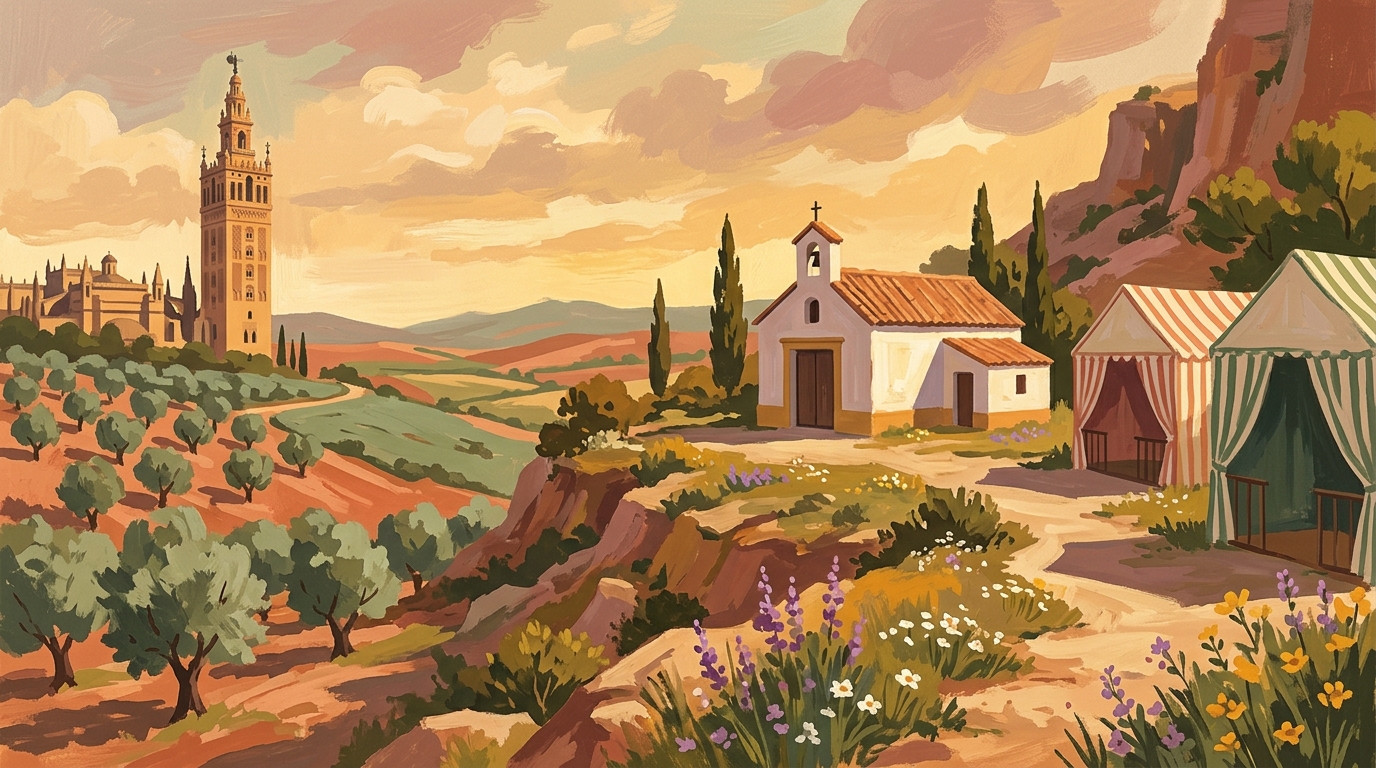
Seville in April: Semana Santa & Feria
April is Seville's most iconic month, featuring the solemn processions of Semana Santa and the exuberant celebrations of the Feria de Abril.
5 min read
Read guide →Newsletter
More stories from Andalucía
Weekly notes, seasonal picks, and the next guides worth bookmarking.