seasonal · Seville
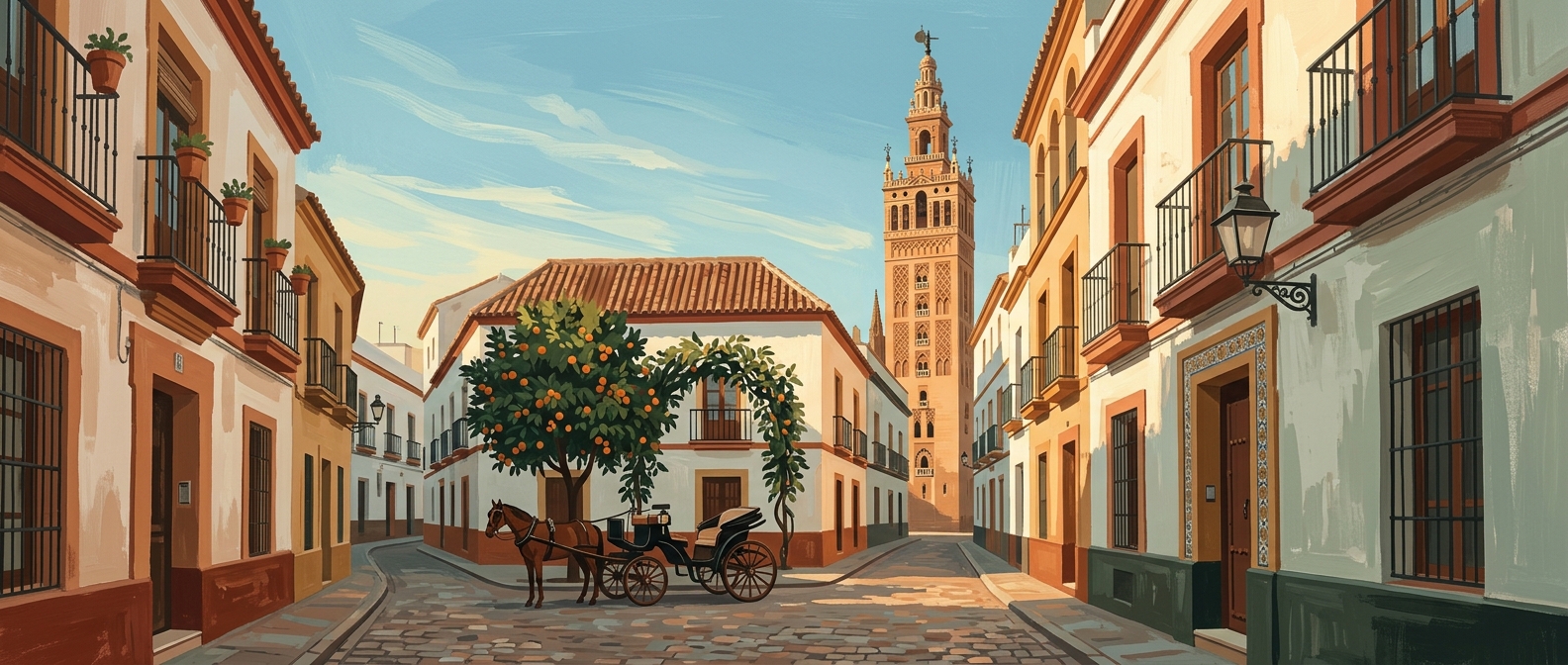
Seville in January offers a sharp, clean light and quiet streets that reveal the province's architectural bones. After the epiphany celebrations, the region settles into a calm rhythm perfect for slow exploration.
seasonal · Seville
Seville in January: Crisp Skies and Quiet Streets
19 April 2026 · 5 min read · 1,106 words
Seville in January offers a sharp, clean light and quiet streets that reveal the province's architectural bones. After the epiphany celebrations, the region settles into a calm rhythm perfect for slow exploration.
January in the province of Sevilla is a period of transition and clarity. While much of northern Europe is shrouded in grey, Seville often enjoys bright, cerulean skies and a piercing sun that provides genuine warmth during the middle of the day. The frantic energy of the autumn festivals and the Christmas rush dissipates after the first week, leaving the city and its surrounding towns to the locals. This is a month defined by the scent of woodsmoke in the rural Sierra Norte and the sight of orange trees laden with bitter fruit that no one picks - they are destined for British marmalade factories.
Visitors will find the provincial capital remarkably tranquil. The orange-lined avenues of the Santa Cruz quarter are easy to navigate without the heat-induced lethargy of summer or the suffocating crowds of spring. In the wider province, towns like Carmona and Osuna stand in stark relief against the winter light, their baroque facades appearing sharper and more defined. It is a time for long, lingering lunches in wood-panelled taverns and brisk walks through the olive groves of the Aljarafe. While the nights are cold, the lack of humidity compared to the coast makes the temperature manageable with the right clothing.
Weather
January is the coldest month in the province of Sevilla, but it is rarely miserable. In the city, daytime temperatures typically reach a pleasant 15°C to 16°C. However, as soon as the sun dips behind the Giralda, the temperature drops significantly, often falling to 4°C or 5°C overnight. Frost is rare in the city but common in the rural reaches of the Sierra Norte de Sevilla mountain range, where morning temperatures can hover around freezing.
Rainfall is unpredictable but usually arrives in short, sharp bursts rather than days of persistent drizzle. You can expect roughly six or seven days of rain across the month. The air is crisp and the visibility is excellent, making it a favoured month for photographers. When packing, layers are essential. A heavy wool coat or a light puffer jacket is necessary for the mornings and evenings, but you will often find yourself carrying it by 2:00 PM when the sun is at its strongest. Do not forget sunglasses; the winter sun in southern Spain is surprisingly intense.
Events & Festivals
The first week of January is dominated by the finale of the Christmas season. The most significant event is the Cabalgata de Reyes Magos (Three Kings Parade) on the evening of 5 January. In Seville city, this is a massive undertaking with dozens of floats, bands, and thousands of kilos of sweets thrown into the crowds. Every town in the province, from Lebrija to Cazalla de la Sierra, hosts its own version, which is often more intimate and traditional.
On 6 January, the Día de los Reyes Magos (Epiphany) is a public holiday. This is the day Spanish families exchange gifts and eat Roscón de Reyes, a ring-shaped cake topped with candied fruits. Most shops and many restaurants will close on this day.
Starting from 7 January, the Rebajas (winter sales) begin. This is a major event for those interested in Spanish fashion, with significant discounts found in the shopping districts of Calle Sierpes and Calle Tetuán. For a more spiritual experience, 17 January marks San Antón, where in many rural villages, locals bring their animals to the church to be blessed.
What to Do
The greatest luxury of Seville in January is the lack of queues. The Real Alcázar, which can require booking weeks in advance during the spring, is far more accessible. Walking through the Hall of Ambassadors without a sea of selfie sticks allows you to actually appreciate the Mudéjar craftsmanship. Similarly, the Seville Cathedral and its Giralda tower are much quieter, offering a more contemplative experience.
In the Triana neighbourhood, flamenco remains a nightly staple. Unlike the tourist-heavy shows of the summer, January performances in the smaller peñas (social clubs) feel authentic and local. The cool weather is also the perfect excuse to indulge in a traditional merienda (afternoon snack) of churros and thick chocolate at the historic stalls near the Triana Bridge.
Beyond the city, January is the prime season for hiking in the Sierra Norte de Sevilla. The trails around Constantina and San Nicolás del Puerto are beautiful in the cold air, and the local restaurants serve hearty winter fare such as caldereta de venado (venison stew) and castañas (chestnuts). It is also the best time to visit the Roman ruins of Itálica in Santiponce; the lack of shade makes this site unbearable in summer, but in January, you can explore the amphitheatre in total comfort.
Who Should Visit
- Budget Travellers: This is the cheapest month for accommodation. Four-star hotels in the city centre often drop their rates by 50% compared to April prices.
- Culture Lovers: Enjoy museums like the Museo de Bellas Artes without the noise of large tour groups.
- Photographers: The winter light is low and golden, and the visibility across the Guadalquivir valley is at its peak.
- Walkers and Hikers: The province's natural parks are far more inviting for physical activity than during the scorching summer months.
Practical Notes
Crowd levels are at their lowest for the year once the Three Kings have departed on 6 January. You will rarely need to book a table at tapas bars, and you can be more spontaneous with your itinerary. However, be aware that because it is low season, some smaller hotels or rural guesthouses might take the opportunity to perform maintenance or close for a short break.
Prices for flights into San Pablo Airport (SVQ) are generally at their floor. While the city is very walkable, if you plan to visit the white towns of the province or the Sierra Norte, a hire car is recommended as bus frequencies can be reduced during the winter months. One final tip: traditional Seville houses are designed to stay cool in summer, which means they can be draughty in winter. Ensure your accommodation specifically mentions heating or air conditioning with a heat pump.
Monthly Verdict
January is the best-kept secret for those who value authenticity over heat. It is a month of sharp blue skies, affordable luxury, and the opportunity to see the real Seville without the filter of mass tourism. While you will need a coat for the evenings, the ability to wander the Alcázar in near-silence is a trade-off well worth making.
More from Seville
Seville in August: Surviving and Thriving in the Frying Pan of Europe
August in Seville is a time of extreme heat and evocative silences. Learn how to navigate the 40°C temperatures, enjoy local mountain festivals, and experience the city's late-night culture.
6 min read
Read guide →
Seville in September: A Reawakening After the Heat
Seville in September offers a graceful transition as the summer heat breaks, the local tapas bars reopen, and the world-renowned Bienal de Flamenco takes centre stage.
6 min read
Read guide →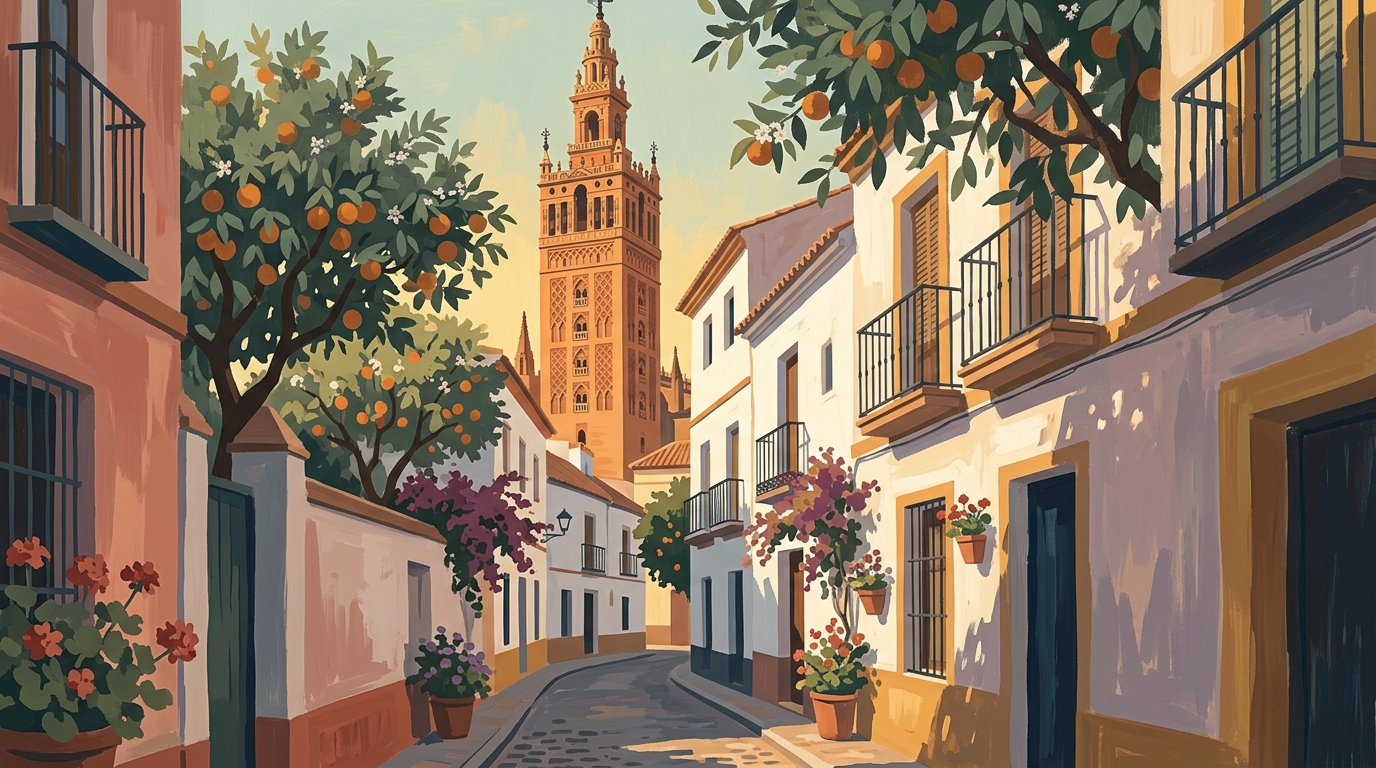
Seville in March
Experience Seville in March, where the scent of orange blossom fills the air and the province prepares for the grandeur of Semana Santa amidst mild spring temperatures.
5 min read
Read guide →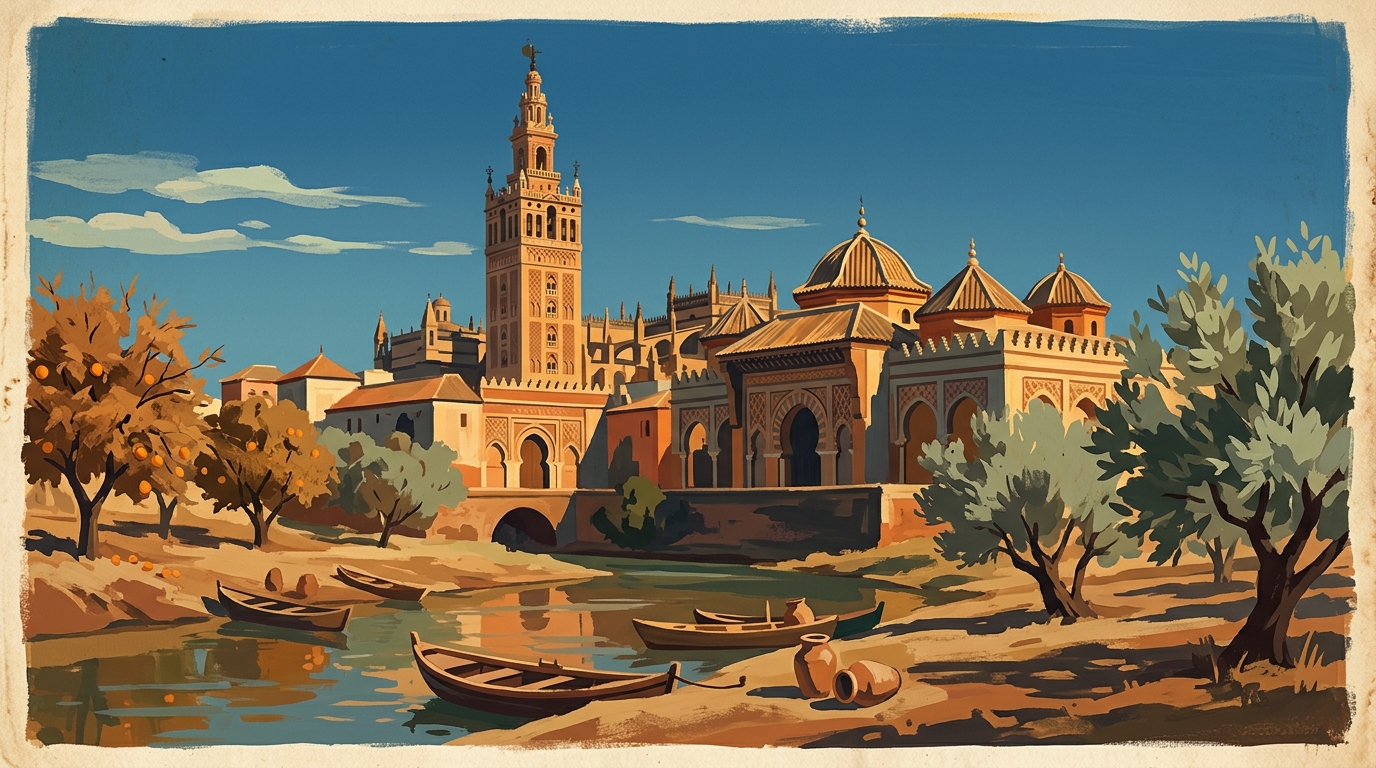
Seville in July: Survival and Splendour in the Sizzling South
Seville in July is a city of extremes, where the midday sun dictates a quiet siesta and the nights come alive with late-night tapas and riverfront festivals.
6 min read
Read guide →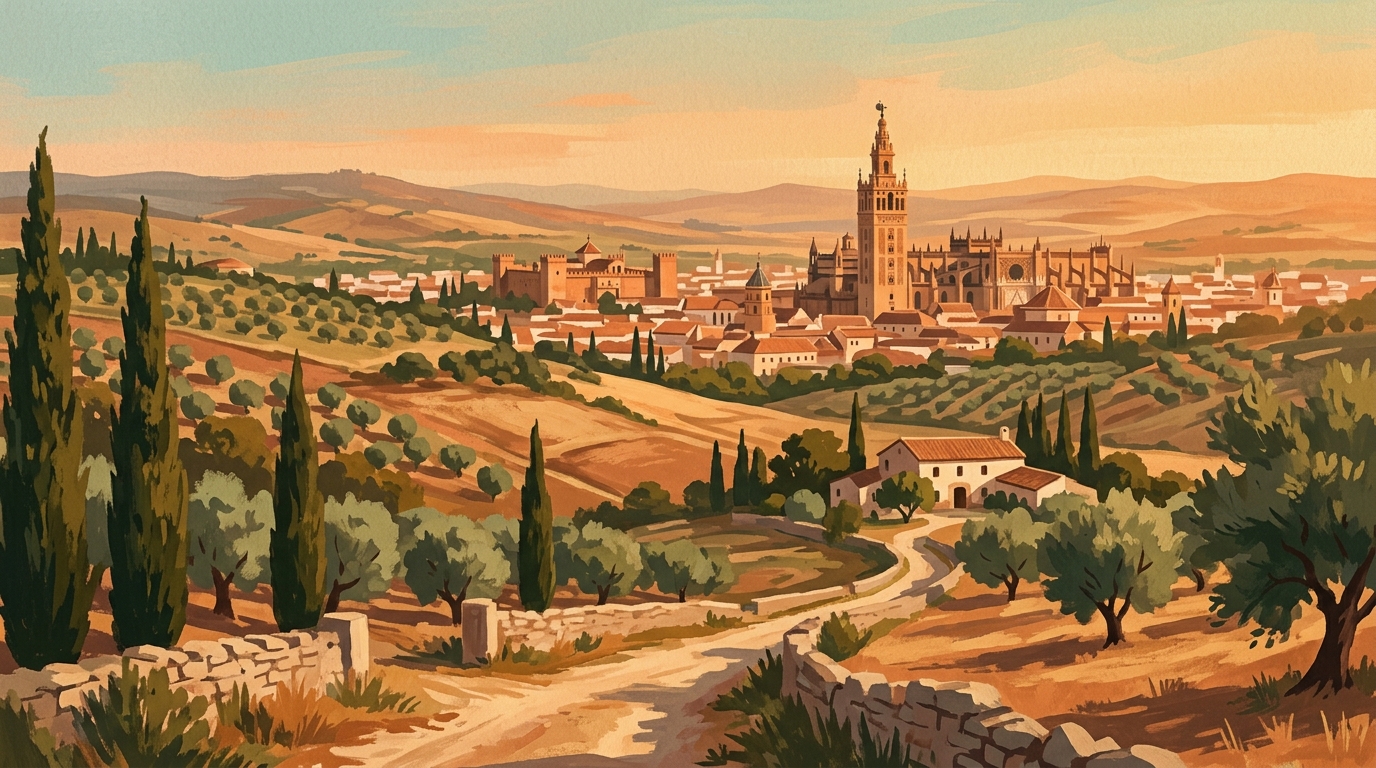
Seville in June: Golden Hours and the Rising Heat
June in Seville marks the final transition before the searing intensity of high summer, offering long, golden evenings and the scent of jasmine lingering in the cooling air.
6 min read
Read guide →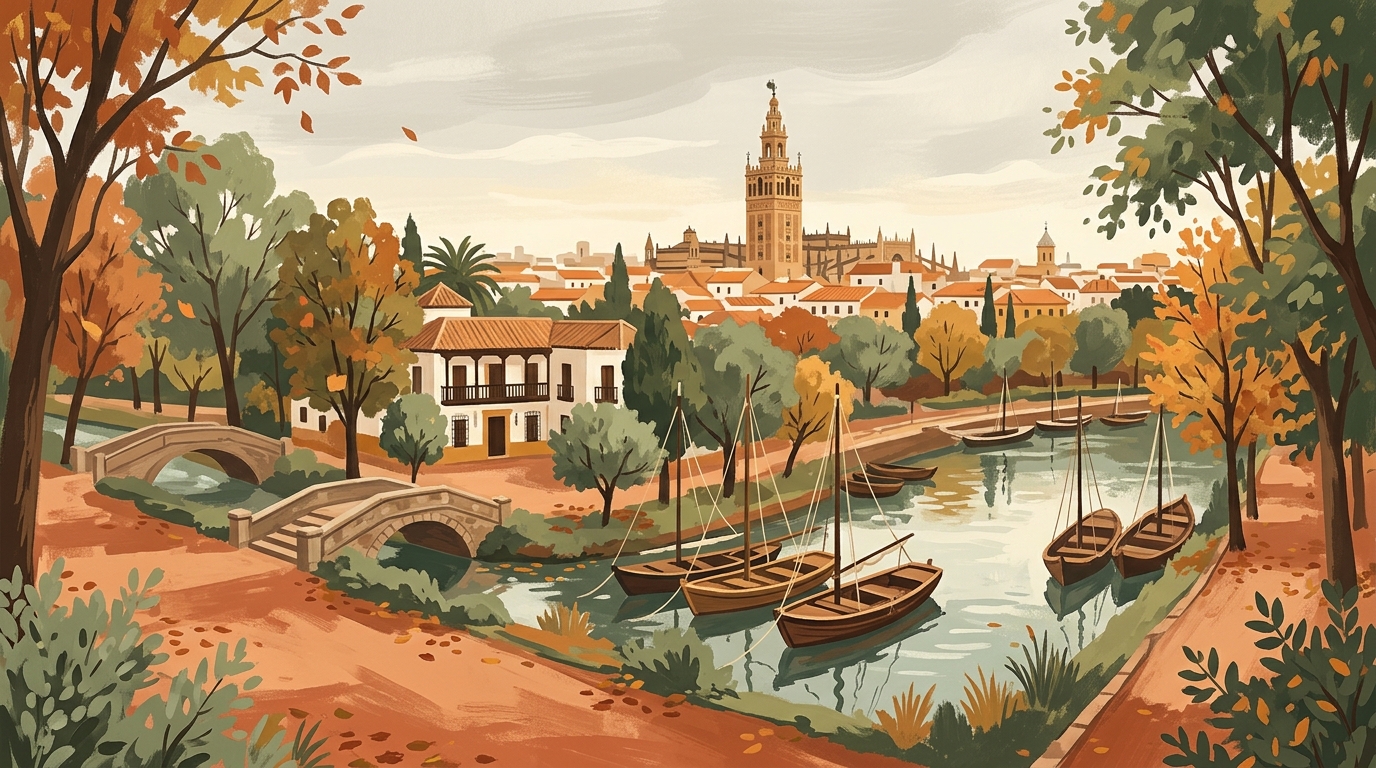
Seville in November: A Local Rhythm Under Soft Autumn Light
November in Seville province offers a cool, crisp clarity after the heat, where the scent of roasting chestnuts replaces the summer jasmine. The city transitions into a quiet, local rhythm, perfect for those who prefer art and history over crowds and queues.
7 min read
Read guide →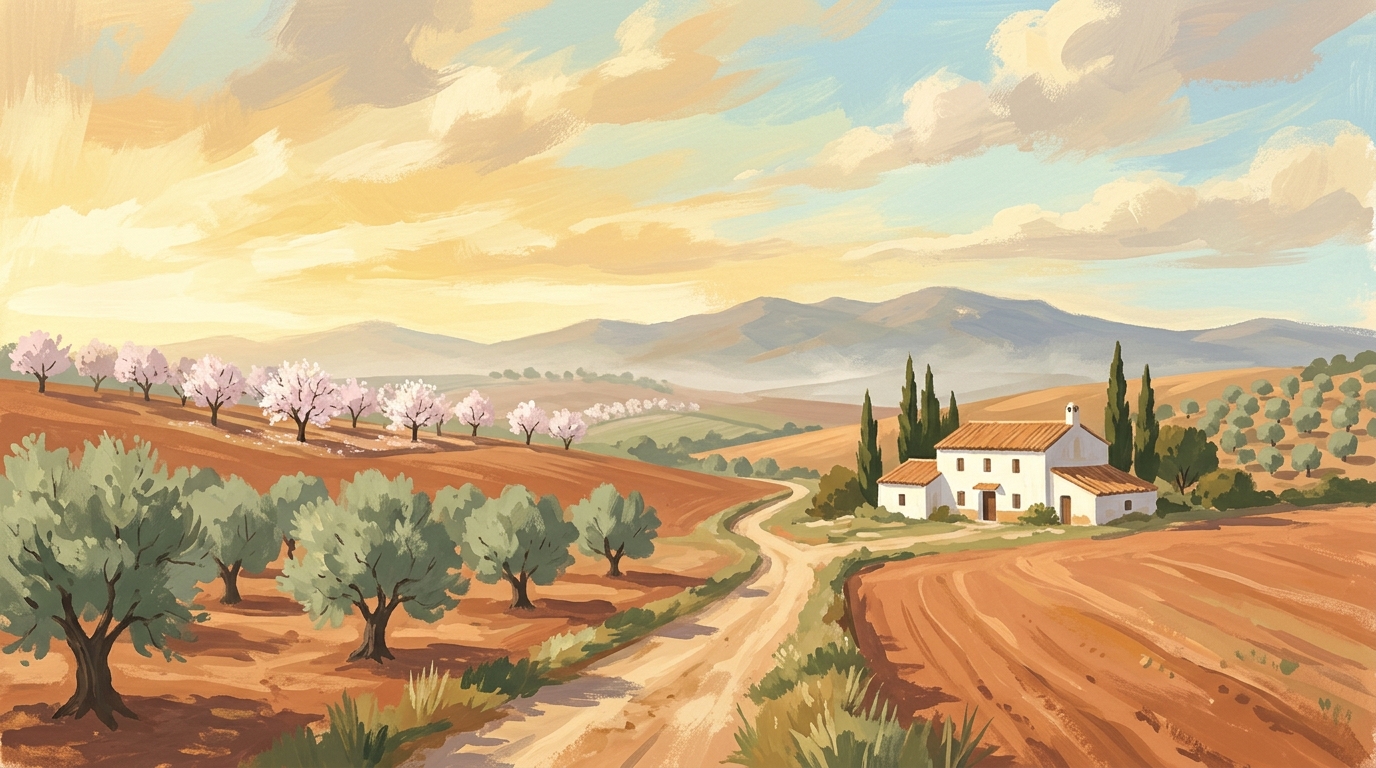
Seville in February: A Guide to the Pre-Spring Thaw
Experience Seville in February, a month of crisp blue skies, early orange blossoms, and exceptional travel deals before the spring crowds arrive.
6 min read
Read guide →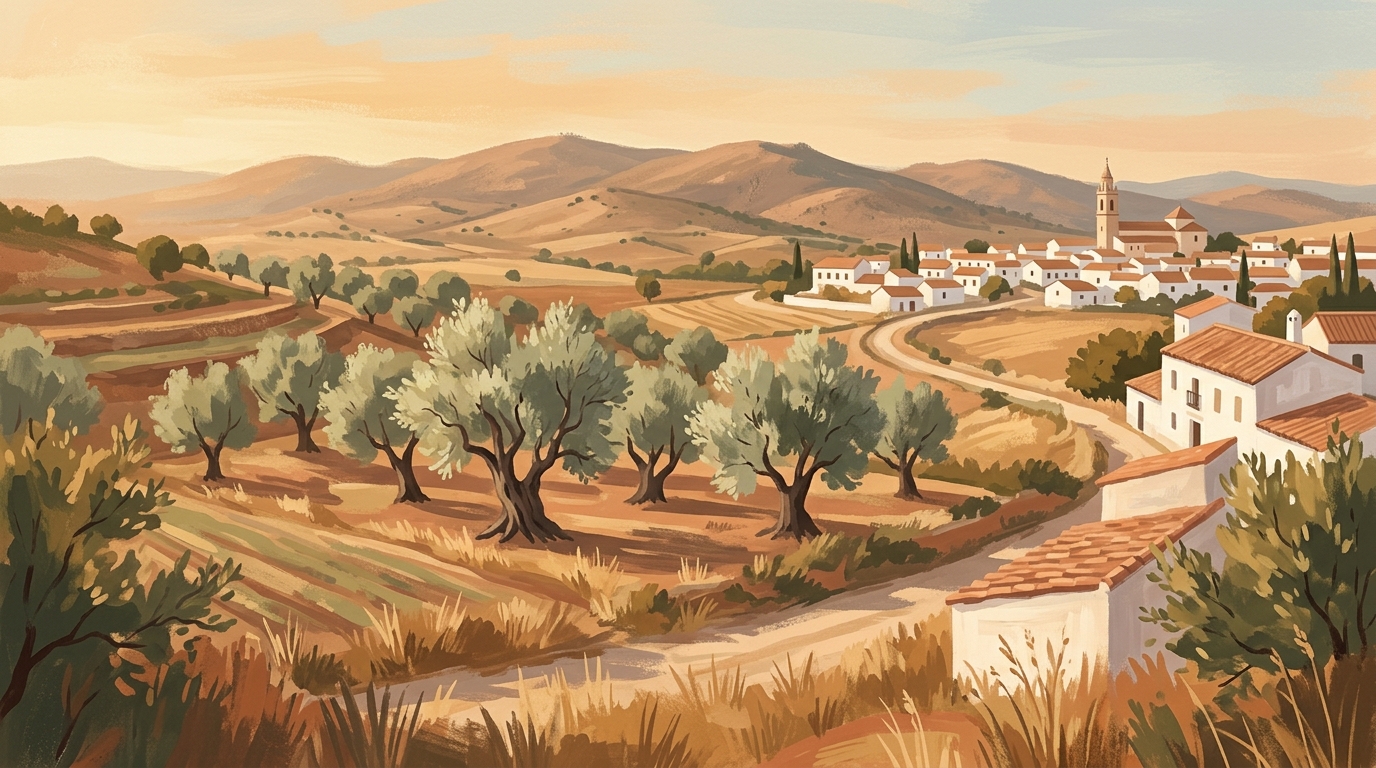
A Guide to Seville in October: Golden Light and Cultural Awakening
October brings a sigh of relief to the province of Seville, as the intense summer heat fades into a gentle warmth that makes the historic streets and rural towns accessible once more.
6 min read
Read guide →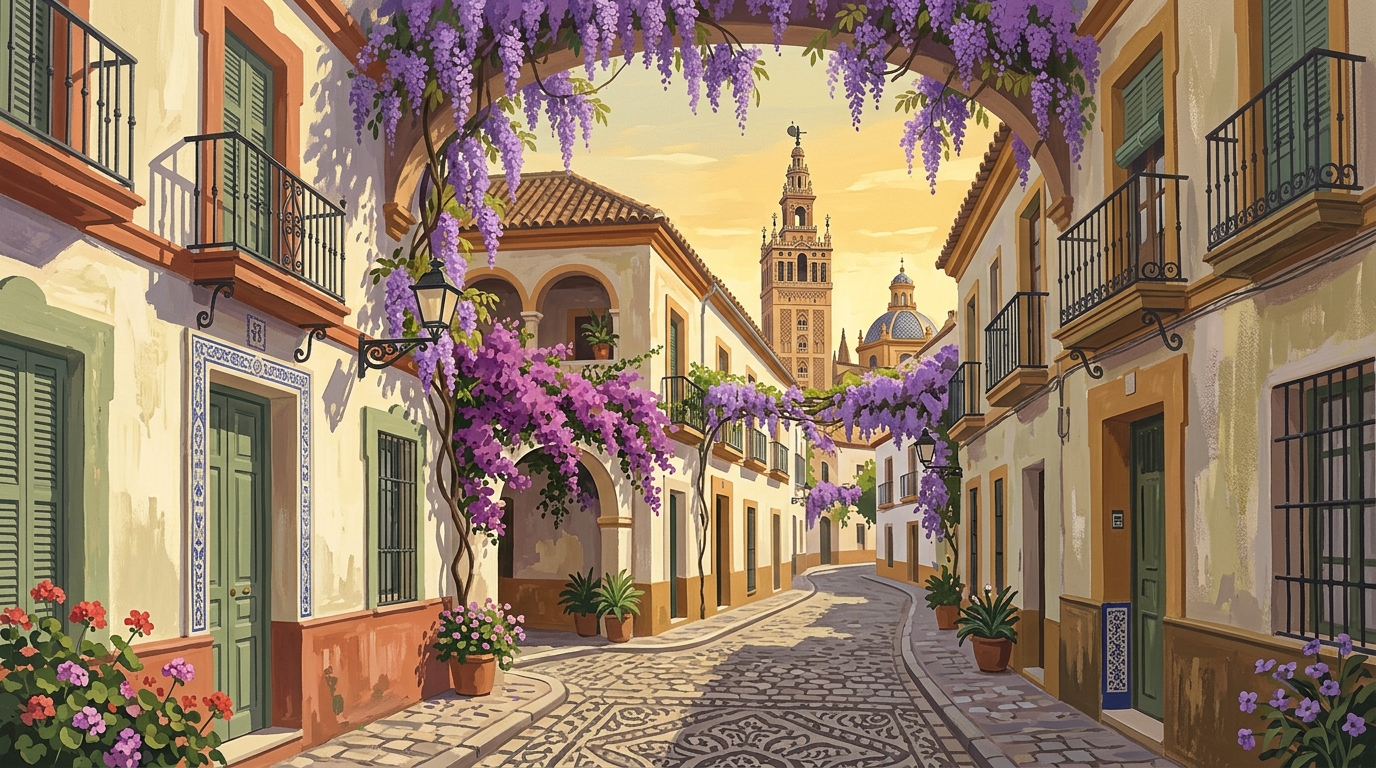
Seville in May: A Purple City in the Pre-Summer Calm
Experience the provincial capital as the jacaranda trees bloom and the heavy crowds of the spring festivals subside. May offers the perfect balance of warm sunshine and accessible culture before the intense summer heat arrives.
6 min read
Read guide →Newsletter
More stories from Andalucía
Weekly notes, seasonal picks, and the next guides worth bookmarking.