
Food & drink
The Art of the Andalucían Breakfast and Merienda
To understand the soul of Andalucía, one must sit at a crowded bar at 10:00 am and wait for the scent of toasted bread and olive oil. It is a daily ritual that prioritises the simple pleasure of a slow morning over the rush of the working day.
By Dan · Updated 16 July 2026 · 6 min read
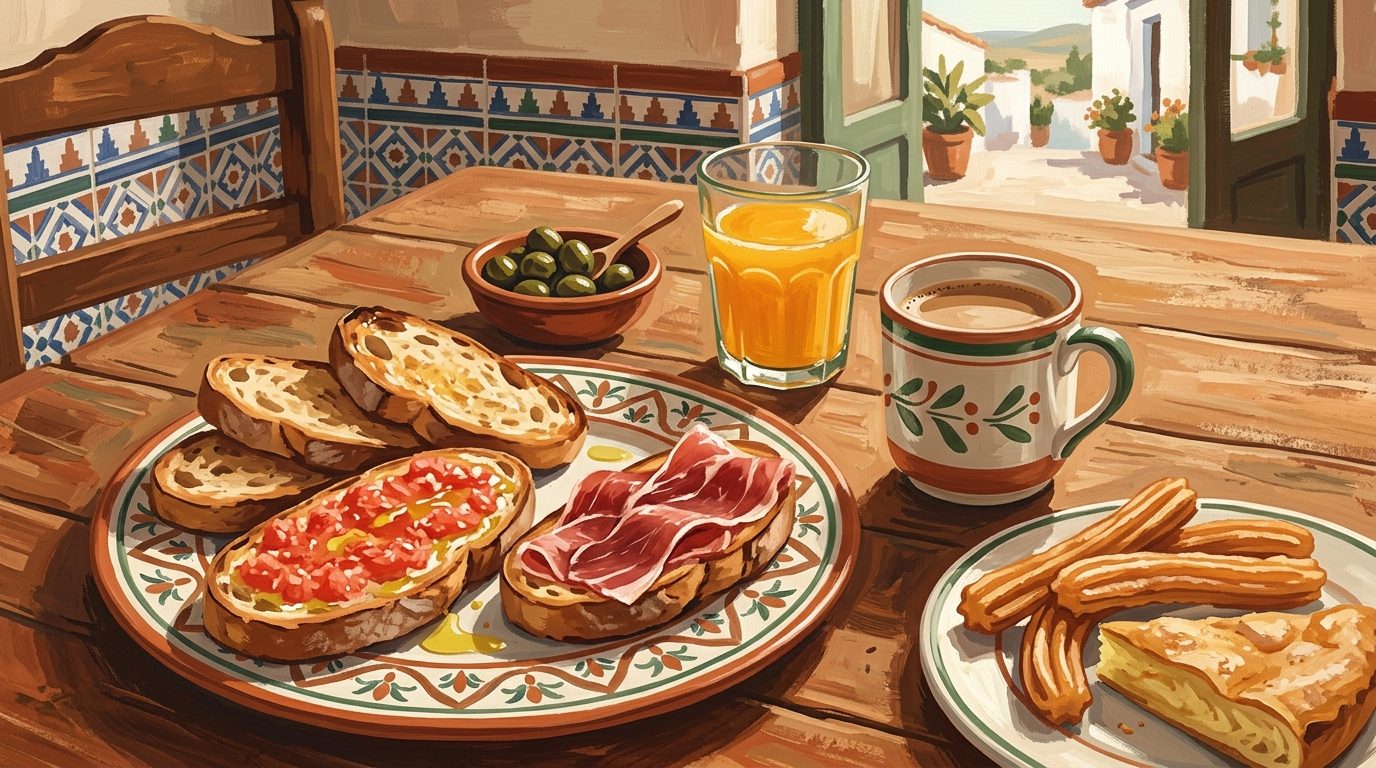
To understand the soul of Andalucía, one must sit at a crowded bar at 10:00 am and wait for the scent of toasted bread and olive oil. It is a daily ritual that prioritises the simple pleasure of a slow morning over the rush of the working day.
In Andalucía, breakfast is not a meal eaten in haste over a kitchen sink. It is a public event, a social anchor, and a source of immense regional pride. While the rest of the world might settle for a bland cereal or a generic pastry, the Andaluz turns the first meal of the day into a masterclass of simplicity. Between 9:00 am and 11:00 am, the sound of metal knives scraping against toasted crusts provides the soundtrack to every village square and city alleyway. This is the desayuno andaluz, a ritual so significant that it is even served to schoolchildren on Andalucía Day to instil a sense of cultural identity through the medium of bread and olive oil.
The culinary journey does not end with the morning. The afternoon brings the merienda, a late-day bridge between lunch and the notoriously late Spanish dinner. Occurring around 5:00 pm or 6:00 pm, this is the time for something sweet, a strong coffee, and a moment of pause as the heat of the day begins to relent. To eat like a local in the south of Spain, you must learn the specific vocabulary of the cafetería, the geography of bread shapes, and the unwritten rules of the churrería. For in the mountain villages of the Alpujarra or the maritime streets of Cádiz, the quality of the ingredients, from theaceite de oliva virgen extra (extra virgin olive oil) to the sea salt and the vine-ripened tomatoes, remains the non-negotiable foundation of every bite.
The Anatomy of the Tostada
The tostada (toast) is the undisputed king of the Andalucían morning. However, do not expect a standard slice of supermarket white. The bread used is specific to the region. In Antequera, they produce the mollete, a pale, soft, leavened bun that is lightly toasted so the exterior achieves a delicate crunch while the interior remains pillowy. In Málaga, you will find the pitufo (literally 'smurf'), a small individual loaf, while in the countryside, you often see rebanadas: thick, irregular slices cut from a massive pan de pueblo (village bread) that can be the size of a tractor wheel.
Ordering is a precise business. The most iconic version is the tostada con tomate y aceite. The waiter will bring you your bread, often already drizzled with oil, accompanied by a small bowl of tomate natural (freshly grated tomato). You spread the tomato, sprinkle a pinch of salt, and perhaps add a thin layer of jamón ibérico if you are feeling indulgent (€€). For those with a more adventurous palate, there is manteca colorá, lard flavoured with paprika, bay leaves, and bits of pork (known as zurrapa). It is a heavy, savoury spread that dates back to the era of intense manual farm labour, and it remains a favourite in traditional ventas (roadside inns).
Churros: A Ritual of Patience
Churros in Andalucía are a far cry from the cinnamon-dusted versions found in international cinema. Here, they are a savoury affair, made simply from flour, water, and salt, then fried in high-quality oil. There are two primary varieties: the churro de rueda (wheel), which is thick, airy, and served in long segments, and the thinner, knotted tejeringos, which are common in Málaga and Granada. The latter are more labour-intensive, hand-piped into the oil in individual loops.
Locals rarely eat churros alone; they are almost always accompanied by a chocolate a la taza, a thick, pudding-like hot chocolate designed for dipping. In many towns, the churrero operates from a small kiosk on the street. It is perfectly acceptable to buy a brown paper cone of hot churros from the stall and take them to a nearby café, provided you order your drinks there. This symbiosis between the street vendor and the bar owner is a cornerstone of the local economy.
The Afternoon Merienda
As the clock strikes five, the merienda begins. This is not just for children; it is a vital social window for adults to catch up before the evening's activities. In Granada, the merienda of choice is often the pionono. These small, syrup-soaked sponge cakes, topped with toasted cream, originated in the nearby town of Santa Fe and are named after Pope Pius IX (Pio Nono). They are tiny, intense, and perfectly paired with a bitter café solo (espresso).
Elsewhere, you might find tortas de aceite, particularly the famous ones from Inés Rosales in Sevilla. These are hand-patted olive oil biscuits flavoured with aniseed and sugar, brittle and light as air. In the colder months, the merienda might involve a pastela (a sweet-and-savoury Moorish meat pie) or simply a suizo, a soft brioche-style bun with a crust of sugar.
Ordering Like a Local
Nowhere is local knowledge more tested than when ordering coffee, especially in Málaga. While the rest of Andalucía follows the standard café con leche (half milk, half coffee) or manchado (mostly milk), Málaga has its own unique scale. It was famously devised by the Café Central (which closed its doors in 2022) to avoid wasting coffee. You must choose between a nube (a 'cloud', mostly milk with a splash of coffee), a sombra (a 'shadow', one finger of coffee), or a mitad (exactly half and half). If you ask for a café con leche in Málaga, you might be met with a confused blink before they ask you to specify your 'level'.
When ordering your tostada, remember the size: a media is a half-portion (one slice or one side of a bun), while an entera is the whole thing. If you want your bread extra crispy, ask for it bien tostadito. And never, ever ask for butter unless you are in a high-end hotel; in the land of the olive grove, aceite is the only fat that matters.
Where to Find the Best
Sevilla
Bar El Comercio: Famous for having the best churros in the city. The chocolate is dark and incredibly thick, and the interior, with its traditional tiling and wooden counters, feels like a step back in time. (€)
Abacería del Postigo: Located near the Cathedral, this is the place for a high-quality tostada with jamón ibérico hand-carved on the spot. (€€)
Málaga
Casa Aranda: An institution. This café occupies almost an entire alleyway near the central market. The waiters move with lightning speed, delivering ruedas of churros to a mix of locals and travellers. (€)
Recyclo Bike Café: For a modern twist on the desayuno, this spot offers excellent molletes with creative toppings like avocado or local goat cheese, while maintaining the relaxed spirit of the traditional bar. (€)
Cádiz
Café Royalty: For a grand merienda, this restored 1912 café is spectacular. It is the only historic romantic-style café left in Andalucía, serving exquisite hand-made cakes and picatostes (fried bread fingers). (€€€)
Churrería La Guapa: Found right next to the central market, this stall has been serving the same perfect churros for generations. Grab a dozen and find a seat at one of the surrounding bars. (€)
Granada
Gran Café Bib-Rambla: Situated in the square of the same name, this is the oldest café in the city. It is the spiritual home of the leche rizada (frozen spiced milk) and classic churros. (€€)
Pastelería Isla: If you want to try the authentic pionono, go to the source. Their locations across the city are the gold standard for these syrupy delights. (€)
Last reviewed: 21 June 2026 · Editorial policy
Related guides
The Liquid Gold of Andalucía: A Deep Dive into the World’s Best Olive Oil
Discover the secrets of Andalucía's liquid gold, from the vast groves of Jaén to the art of the perfect breakfast tostada. This guide covers varieties, harvest secrets, and the best mills to visit.
6 min read
Authentic Tortas de Aceite: The Andalucían Olive Oil Biscuit
Discover the secret to making Tortas de Aceite, the iconic crisp olive oil biscuits of Sevilla. These aromatic treats are perfect with coffee or a glass of sherry.
4 min read
Beyond the Tapas Bar: A Guide to Andalucían Street Food
Discover the authentic taste of the south, from the salt-crusted sardine skewers of Málaga to the morning ritual of churros in Sevilla. This guide avoids the tourist traps to highlight where locals truly eat on the move.
6 min read
A Calendar of Flavour: The Best Food Festivals in Andalucía
From the smoky beach fires of Málaga to the prestigious ham auctions in Huelva, Andalucía’s food festivals offer a seat at the table of the region’s most authentic traditions.
7 min read
Discovering Liquid Gold: A Journey Along Andalucía's Olive Oil Routes
Embark on a golden journey through Andalucía's sun-drenched olive groves, exploring the ancient routes of liquid gold and discovering the region's unparalleled Extra Virgin Olive Oil heritage. Taste, learn, and immerse yourself in the heart of Spain's olive oil production.
7 min read
A Gastronomic Guide to Andalucía: From Sherry Bodegas to Olive Groves
Discover the authentic flavours of Southern Spain, from the sherry bodegas of Jerez to the ancient olive groves of Jaén and the world-renowned ham of Jabugo.
6 min read
More guides
Beyond the Caña: The Rise of Craft Beer and Botanical Gin in Andalucía
Discover the artisanal side of Southern Spain, from the microbreweries of Málaga's Soho district to the sophisticated gin-tonic culture of Sevilla and Granada.
6 min read
Where to Eat in Nerja: A Food Lover’s Guide to the Axarquía Coast
From wood-fired paella on the sands of Burriana to the crowded tapas bars of the old quarter, Nerja offers an authentic taste of the Málaga coastline.
6 min read
The Best Places to Eat in Jaén: A Guide to the World Capital of Olive Oil
Jaén remains one of the few places in Spain where the tradition of the free tapa is still treated with reverence. It is a city defined by its golden olive oil and a stubborn commitment to honest, seasonal cooking.
6 min read
Jamón Ibérico: The Ultimate Guide to Andalucía’s Cured Gold
Discover the art of Jamón Ibérico, from the acorn-fed pastures of Jabugo to the high-altitude curing rooms of Trevélez. Learn how to decode the colour-coded labels and where to find the finest hand-carved plates in Andalucía.
6 min read
A Guide to Eating in Almería: Tapas, Seafood, and Desert Traditions
Discover the unique food culture of Almería, from the tradition of free-choice tapas to the legendary 'cherigan' toast and the freshest red prawns in the Mediterranean.
7 min read
A Guide to Seasonal Eating in Andalucía
Discover the culinary calendar of Andalucía, from the sun-drenched tropical fruits of Granada to the smoky chestnut festivals of the Sierra mountains.
6 min read
Where to Eat in Huelva: From Atlantic Prawns to the Heights of Jabugo
Discover the culinary secrets of Spain's southwestern corner, where the Atlantic's finest white prawns meet the world's best acorn-fed ham.
6 min read
A Guide to Eating and Drinking in Ronda
Ronda’s culinary identity is built on rugged mountain ingredients, world-class red wines and the slow-braised richness of rabo de toro. From refined cliffside terraces to sawdust-floored tapas bars, here is where to find the town’s authentic flavours.
7 min read
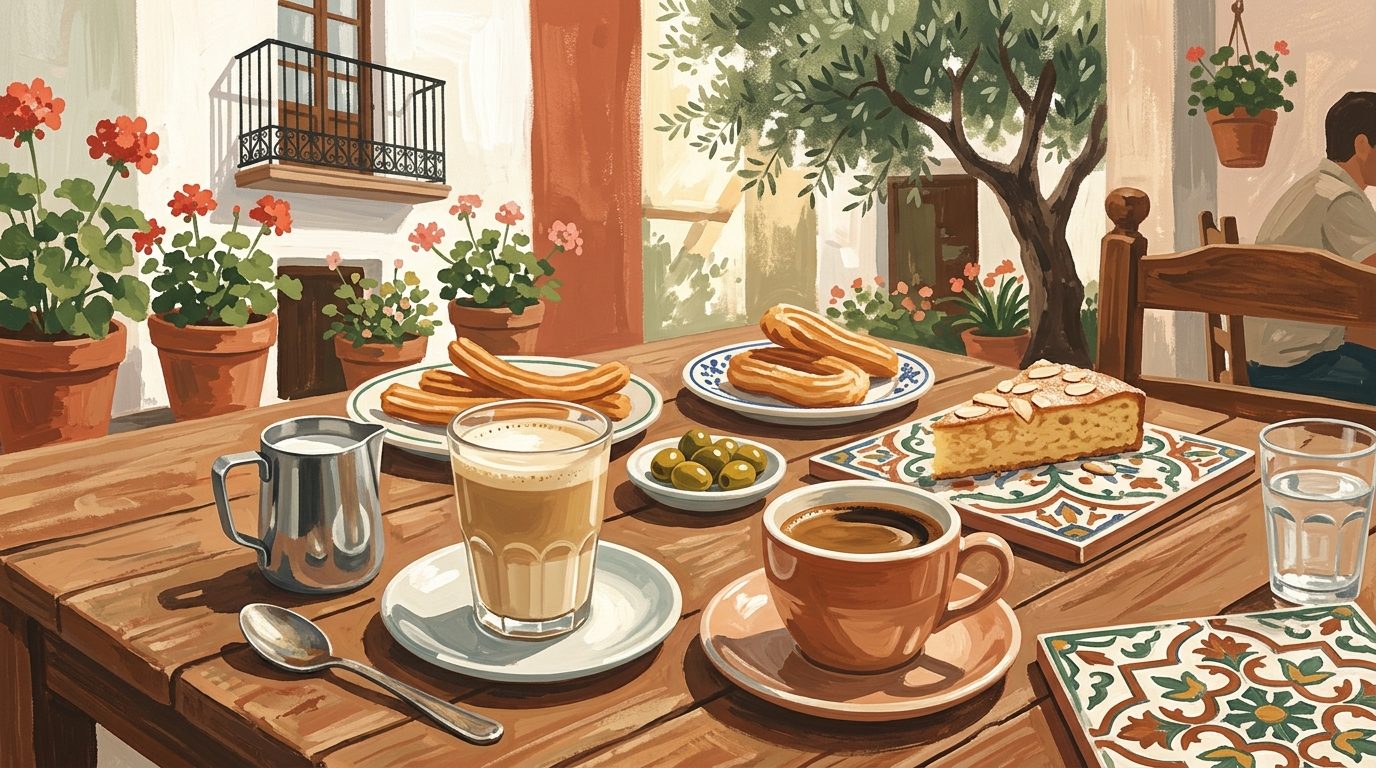
Coffee Culture in Andalucía: From Málaga's Nubes to Sevilla's Speciality Roasts
A deep dive into the unique rituals, specific terminology, and the best third-wave roasters across the eight provinces of Southern Spain.
7 min read
Newsletter
More stories from Andalucía
Weekly notes, seasonal picks, and the next guides worth bookmarking.