
Food & drink
A Guide to Seasonal Eating in Andalucía
Discover the culinary calendar of Andalucía, from the sun-drenched tropical fruits of Granada to the smoky chestnut festivals of the Sierra mountains.
By Dan · Updated 7 June 2026 · 6 min read
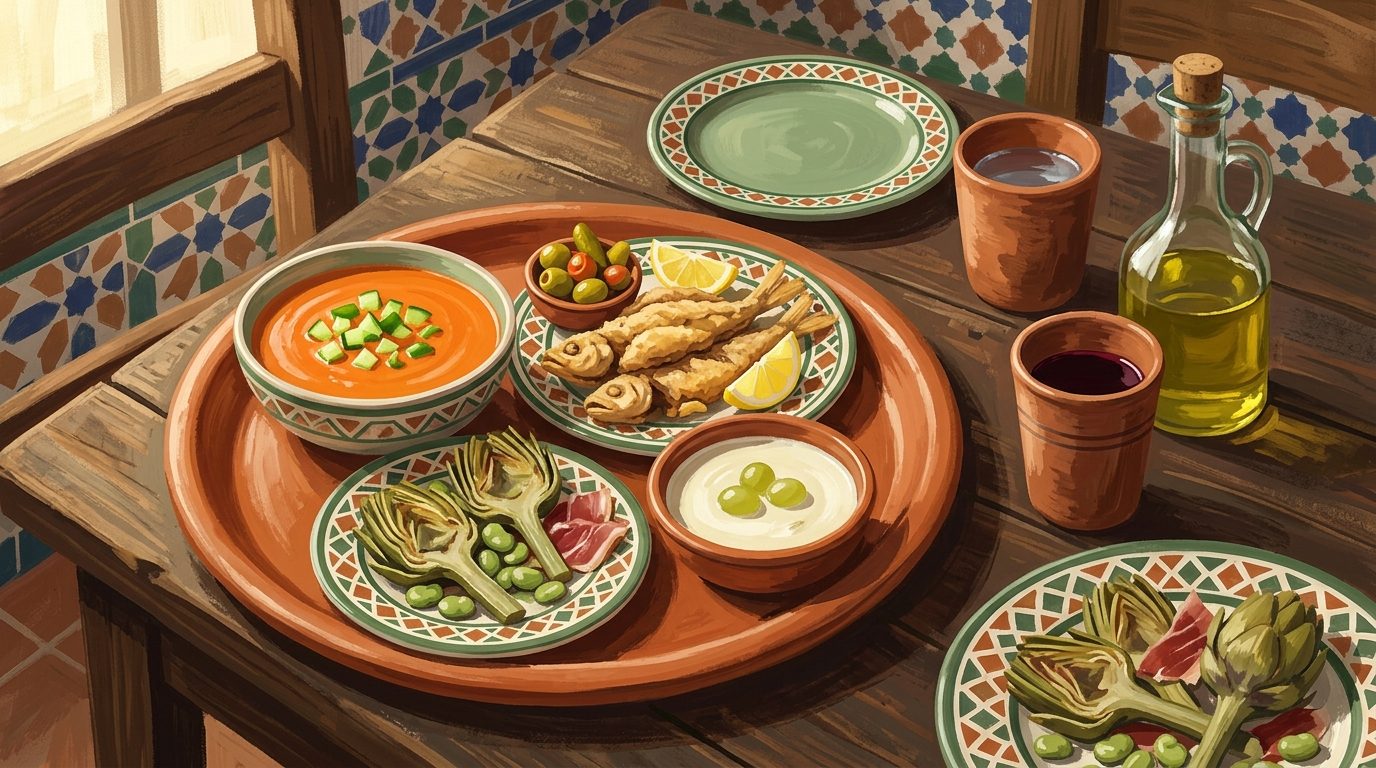
Eating in Andalucía means following the calendar, from the first Huelva strawberries in January to the smoky chestnut stalls of November. It is a region where the proximity to the coast and the mountains dictates exactly what lands on your plate.
In Andalucía, the concept of eating seasonally isn't a modern culinary trend; it is a way of life that has remained largely unchanged for centuries. While supermarkets stock year-round imports, the locals still flock to the mercado de abastos (central food market) to see what has arrived from the fields that morning. The region is a massive agricultural powerhouse, containing everything from the snow-capped peaks of the Sierra Nevada to the sub-tropical microclimates of the Granada coast and the Atlantic marshes of Huelva.
Understanding the calendar is essential for any food-loving traveller. Ordering a gazpacho in December marks you out as a tourist, as the tomatoes lack the sun-drenched sweetness required for the dish. Similarly, seeking out sardines in the winter is a fruitless task if you want the oily, plump fish that the region is famous for. This guide explores the rhythms of the Andalucían harvest, ensuring you eat the right ingredients at the peak of their flavour, just as the locals do.
The Red Gold of Huelva: Strawberry Season
The province of Huelva, in the far west of Andalucía, is responsible for the vast majority of Spain’s strawberry production, supported by agricultural associations like Interfresa. Known locally as fresón de Huelva, these aren't the watery, pale berries often found in northern European supermarkets. They are large, deep red, and remarkably sweet. The season starts surprisingly early, with the first crops appearing in late January, peaking through February and March, and winding down by May.
During these months, you will see fresones sold by the kilo in wooden crates at every roadside stand and market stall. In Huelva towns like Moguer and Palos de la Frontera, the air smells faintly of sugar and earth. While many are exported, the best fruit stays local. Look for them served simply with a splash of Vinagre de Jerez (Sherry Vinegar) DOP and a dusting of sugar, a combination that heightens their natural acidity and sweetness. As the strawberry season fades, it makes way for raspberries and blackberries, which thrive in the same sandy soils near the Doñana National Park.
The Silver Summer: Espeto Sardine Season
If there is one scent that defines summer on the Costa del Sol, it is the smell of olive wood smoke and grilling fish. The espeto, sardines skewered on bamboo canes and roasted over an open fire in a sand-filled boat, is a Málaga institution. However, there is a strict local rule: only eat sardines in the months without an 'R' (May, June, July, and August).
During these months, the Mediterranean waters are warmer, and the sardines develop a thick layer of fat that makes them incredibly succulent. Outside of this window, the fish are leaner and less flavourful. A traditional espeto usually consists of six or seven sardines, seasoned only with coarse sea salt. You eat them with your fingers, stripping the charred, salty skin away to reach the moist flesh beneath. Pair them with a cold caña (small draught beer) or a glass of tinto de verano (red wine mixed with lemon soda) at a chiringuito (beach restaurant) for the authentic experience.
The Tropical Microclimate: Chirimoya and Mango
The Costa Tropical in Granada province and the Axarquía region in Málaga are home to a microclimate found nowhere else in Europe. Sheltered by the mountains, these areas produce an array of tropical fruits that feel more Caribbean than Mediterranean. The most prized is the chirimoya (custard apple), which holds a Protected Designation of Origin (DOP) status overseen by the Consejo Regulador de la DOP Chirimoya de la Costa Tropical de Granada. Available from September to January, the fruit has a green, scaly skin and a white, creamy interior that tastes like a blend of pineapple, banana, and strawberry.
Following the chirimoya, the mango harvest begins in late August and runs through October. The local Osteen variety is particularly fibre-less and sweet. Avocado season is longer, with different varieties like Hass and Fuerte harvested from November through to April. When these fruits are in season, you will find them used in innovative ways: mangoes in salmorejo (a thick cold tomato soup) or avocados served simply with local cane honey from Frigiliana. The quality of this produce is so high that it rarely requires more than a squeeze of lime or a pinch of salt.
Autumn Smoke: The Chestnut Season
As the heat of summer breaks and the first autumn rains arrive, the mountains of Andalucía turn shades of copper and gold. This is castaña (chestnut) season, particularly in the Valle del Genal near Ronda and the Sierra de Aracena in Huelva. From late October through November, the harvest is a major communal event. In the villages, you will encounter the tostón, a traditional roasting of chestnuts over an open fire, often accompanied by local anise liqueur.
In the cities, small metal kiosks appear on street corners, venting sweet-smelling smoke into the evening air. For a couple of euros, you get a paper cone of hot, charred chestnuts. Beyond snacking, chestnuts are a staple of the autumn kitchen, used in potajes (thick stews) with wild boar or processed into marrón glacé. This period also coincides with the arrival of setas (wild mushrooms). If the rains have been kind, look for boletus edulis and the orange-hued níscalos (chanterelles) on restaurant menus, usually sautéed with garlic and jamón.
Ordering Like a Local
To eat like a local, you must pay attention to the sugerencias del día (daily suggestions) written on chalkboards. These items represent what the chef found at the market that morning. In the spring, look for habas con jamón (broad beans with cured ham), a classic Granadino dish where the beans are so tender they can be eaten with their skins. In late winter, keep an eye out for alcachofas (artichokes), often served a la montillana with a sauce made from Montilla-Moriles wine. When ordering fish, always ask which catch is del día (of the day). If a waiter tells you the boquerones (anchovies) are particularly good, it is because they have just arrived from the port. Avoid ordering heavy stews in the height of summer; instead, look for ajoblanco, a cold almond and garlic soup that is the seasonal precursor to gazpacho, typically served with green grapes or slices of melon.
Where to Find the Best
Málaga and the Coast
For the best espetos, head away from the city centre to the old fishing districts of El Palo and Pedregalejo. The beach is lined with simple wooden structures where the fish are grilled over charcoal.
El Tintero (€): A chaotic, famous spot where waiters shout out the dishes.
Chiringuito El Madero (€€): Exceptional sardines and conchas finas (large local clams) in Estepona.
Granada and the Costa Tropical
To experience the tropical harvest, visit the municipal markets in Almuñécar or Motril. Here, the stalls are piled high with chirimoyas and avocados at prices far lower than the inland cities.
Restaurante Lute y Jesús (€€): Located in Almuñécar, they excel at incorporating local tropical fruits into seafood dishes.
Mercado San Agustín (€): In Granada city, this market offers stalls where you can buy seasonal produce and have it cooked for you on the spot.
Huelva and the Sierra
The Sierra de Aracena is the heart of both chestnut and mushroom country. In the autumn, every village restaurant features forest finds on the menu.
Restaurante Arrieros (€€): Located in Linares de la Sierra, this is a temple to seasonal mountain cooking, particularly mushrooms and Iberian pork.
Confitería Rufino (€): In Aracena, famous for their crema de castañas (chestnut cream) and traditional pastries.
Sevilla and the Guadalquivir Valley
Sevilla is the place to enjoy the citrus harvest and the early spring vegetables from the fertile valley.
Mercado de Feria (€): One of the oldest markets in the city, perfect for seeing the seasonal shift in vegetables.
Cañabota (€€€): A high-end seafood spot that focuses entirely on the seasonal catch from the Atlantic coast near Cádiz and Huelva.
Last reviewed: 21 June 2026 · Editorial policy
Related guides
Master the Art of the Andalucían Kitchen: The Best Cooking Classes in Southern Spain (2026 Guide)
Discover the secrets of the Andalucían kitchen, from masterclasses in the markets of Sevilla to sherry-infused cooking in the hills of Cádiz.
7 min read
Beyond the Tapas Bar: A Guide to Andalucían Street Food
Discover the authentic taste of the south, from the salt-crusted sardine skewers of Málaga to the morning ritual of churros in Sevilla. This guide avoids the tourist traps to highlight where locals truly eat on the move.
6 min read
A Guide to Markets and Food Shopping in Andalucía
To understand the rhythm of life in Andalucía, you must follow the morning queue at the local food market. The mercado de abastos remains the undisputed heart of every town, where seasonal quality dictates the daily menu.
6 min read
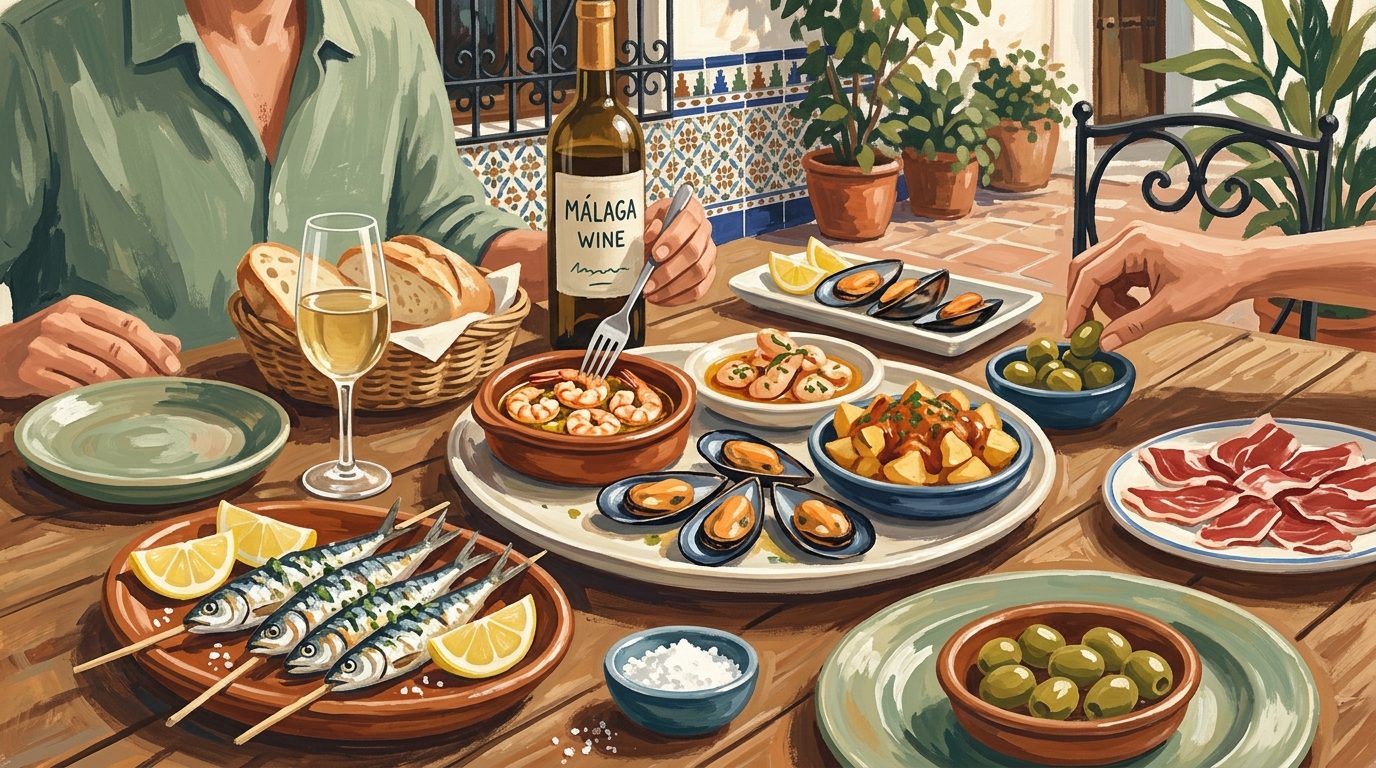
Where to Eat in Málaga: From Beachfront Espetos to Soho Small Plates
Forget its reputation as a mere transit point; Málaga has transformed into one of Spain’s most compelling food cities, balancing salt-crusted beach traditions with a sharp, modern dining scene.
7 min read
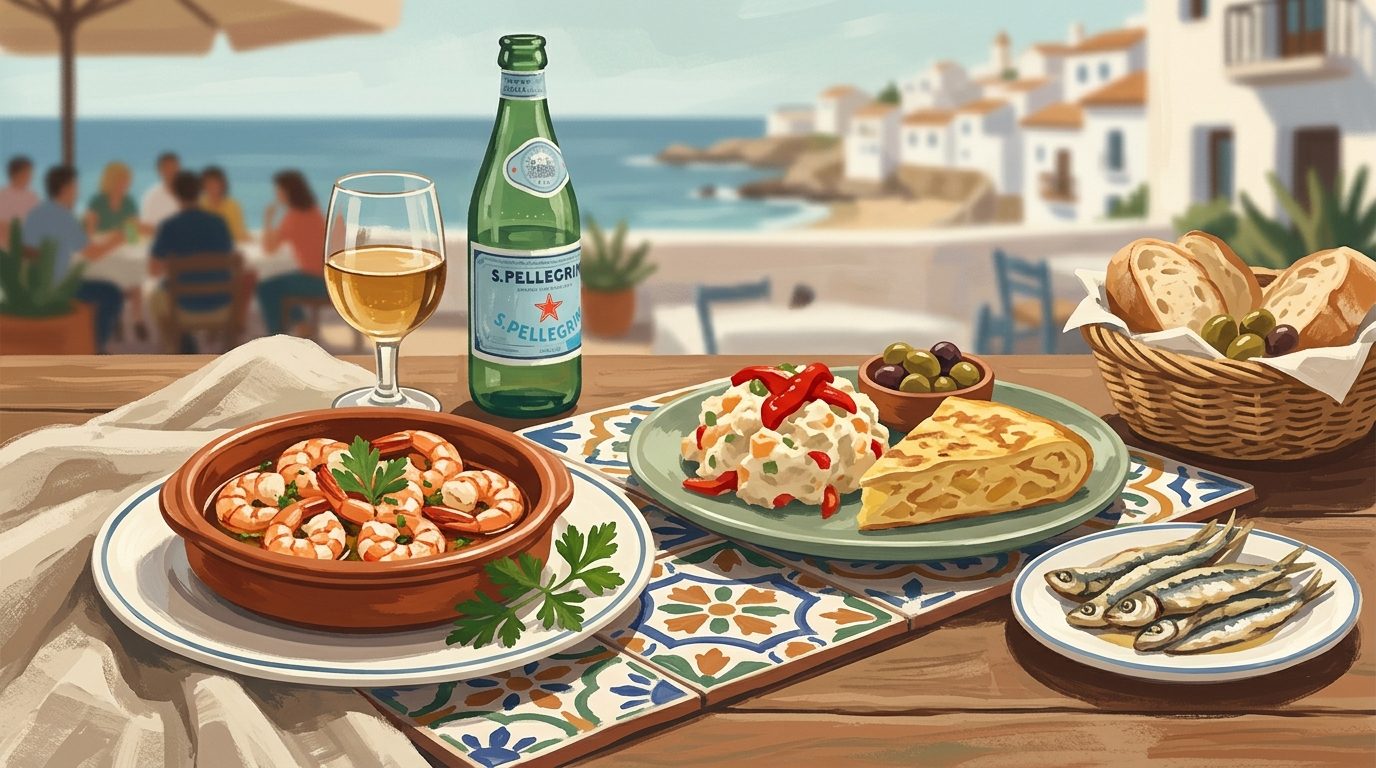
Where to Eat in Cádiz: From Atlantic Seafood to Market Tapas
Discover the salt-tangled flavours of Europe’s oldest city, where bluefin tuna, paper cones of fried fish, and crispy shrimp fritters define the culinary landscape.
6 min read
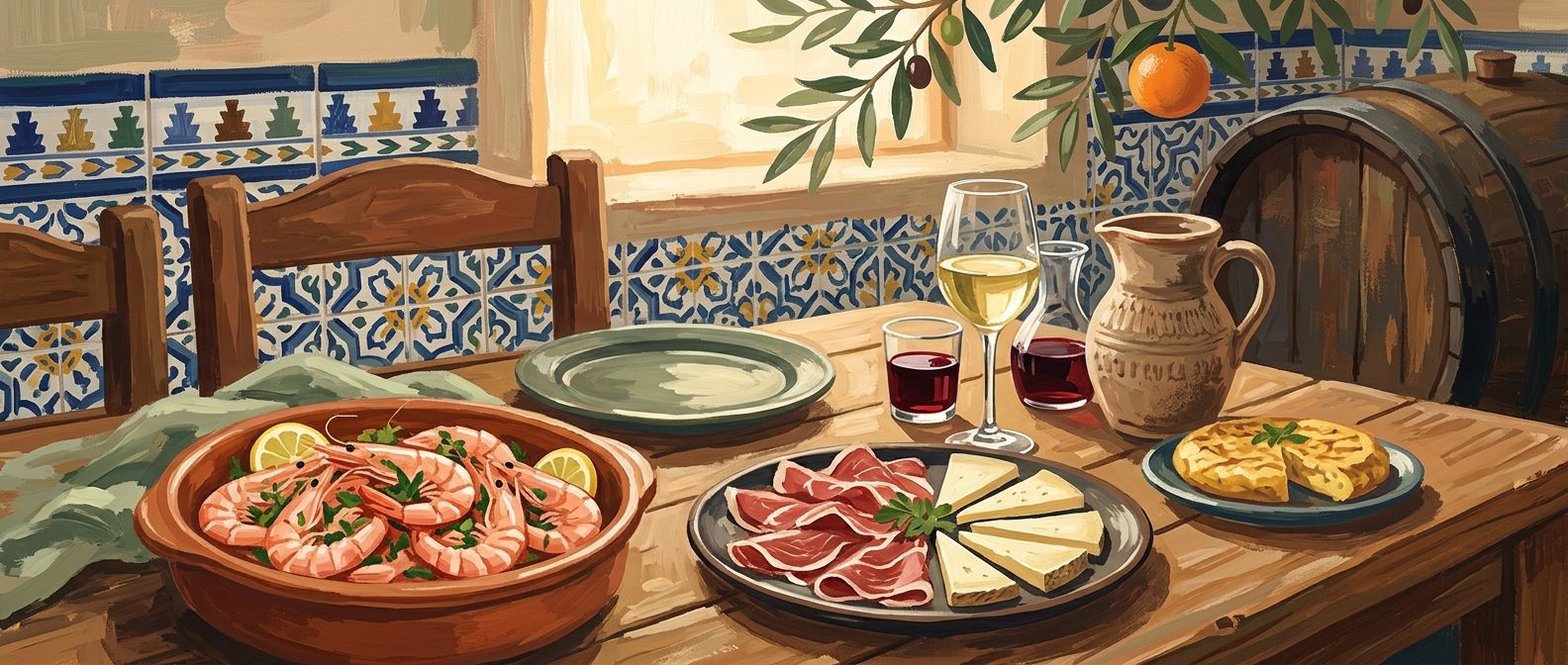
Where to Eat in Huelva: From Atlantic Prawns to the Heights of Jabugo
Discover the culinary secrets of Spain's southwestern corner, where the Atlantic's finest white prawns meet the world's best acorn-fed ham.
6 min read
More guides
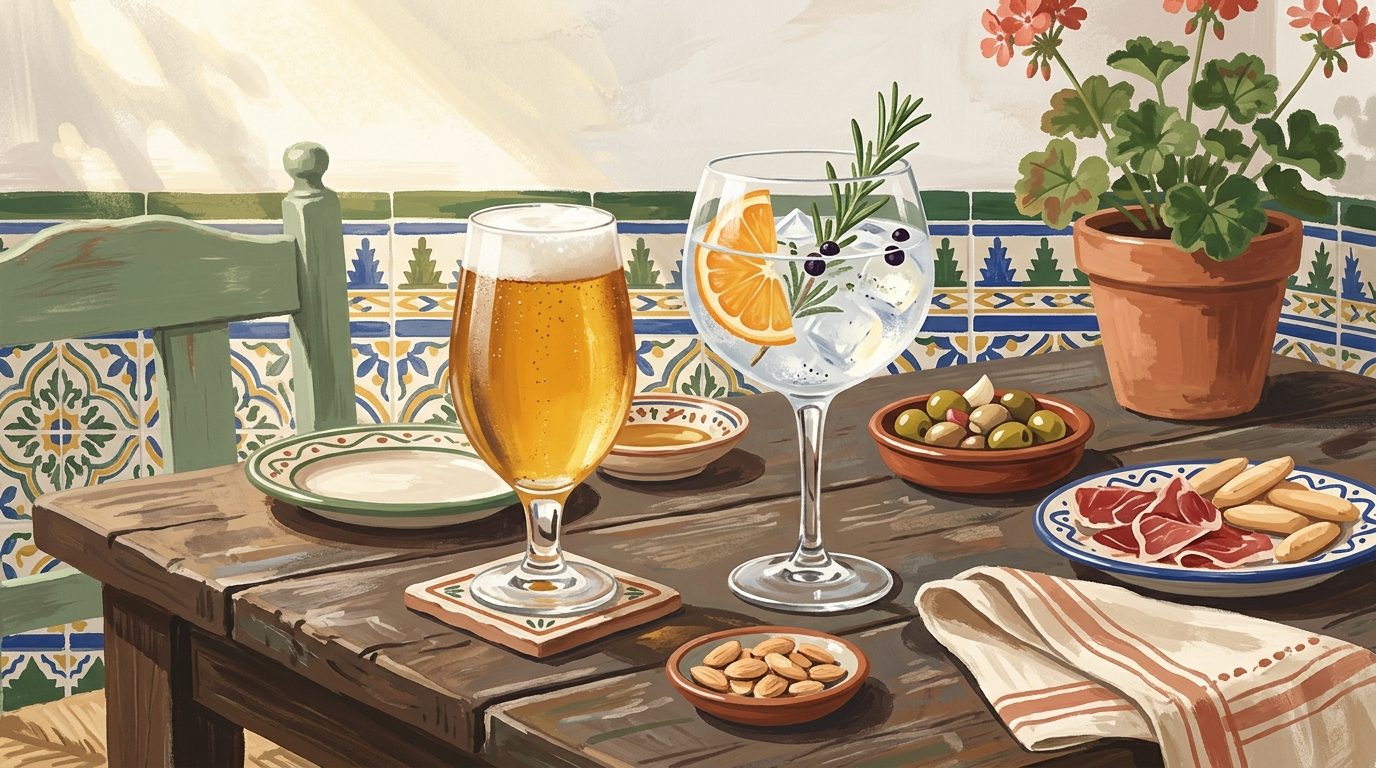
Beyond the Caña: The Rise of Craft Beer and Botanical Gin in Andalucía
Discover the artisanal side of Southern Spain, from the microbreweries of Málaga's Soho district to the sophisticated gin-tonic culture of Sevilla and Granada.
6 min read
Where to Eat in Nerja: A Food Lover’s Guide to the Axarquía Coast
From wood-fired paella on the sands of Burriana to the crowded tapas bars of the old quarter, Nerja offers an authentic taste of the Málaga coastline.
6 min read
The Art of the Andalucían Breakfast and Merienda
To understand the soul of Andalucía, one must sit at a crowded bar at 10:00 am and wait for the scent of toasted bread and olive oil. It is a daily ritual that prioritises the simple pleasure of a slow morning over the rush of the working day.
6 min read
The Best Places to Eat in Jaén: A Guide to the World Capital of Olive Oil
Jaén remains one of the few places in Spain where the tradition of the free tapa is still treated with reverence. It is a city defined by its golden olive oil and a stubborn commitment to honest, seasonal cooking.
6 min read
Jamón Ibérico: The Ultimate Guide to Andalucía’s Cured Gold
Discover the art of Jamón Ibérico, from the acorn-fed pastures of Jabugo to the high-altitude curing rooms of Trevélez. Learn how to decode the colour-coded labels and where to find the finest hand-carved plates in Andalucía.
6 min read
A Guide to Eating in Almería: Tapas, Seafood, and Desert Traditions
Discover the unique food culture of Almería, from the tradition of free-choice tapas to the legendary 'cherigan' toast and the freshest red prawns in the Mediterranean.
7 min read
A Calendar of Flavour: The Best Food Festivals in Andalucía
From the smoky beach fires of Málaga to the prestigious ham auctions in Huelva, Andalucía’s food festivals offer a seat at the table of the region’s most authentic traditions.
7 min read
The Liquid Gold of Andalucía: A Deep Dive into the World’s Best Olive Oil
Discover the secrets of Andalucía's liquid gold, from the vast groves of Jaén to the art of the perfect breakfast tostada. This guide covers varieties, harvest secrets, and the best mills to visit.
6 min read
A Guide to Eating and Drinking in Ronda
Ronda’s culinary identity is built on rugged mountain ingredients, world-class red wines and the slow-braised richness of rabo de toro. From refined cliffside terraces to sawdust-floored tapas bars, here is where to find the town’s authentic flavours.
7 min read
Newsletter
More stories from Andalucía
Weekly notes, seasonal picks, and the next guides worth bookmarking.