
Food & drink · Almería
A Guide to Eating in Almería: Tapas, Seafood, and Desert Traditions
Discover the unique food culture of Almería, from the tradition of free-choice tapas to the legendary 'cherigan' toast and the freshest red prawns in the Mediterranean.
By Dan · Updated 7 June 2026 · 7 min read
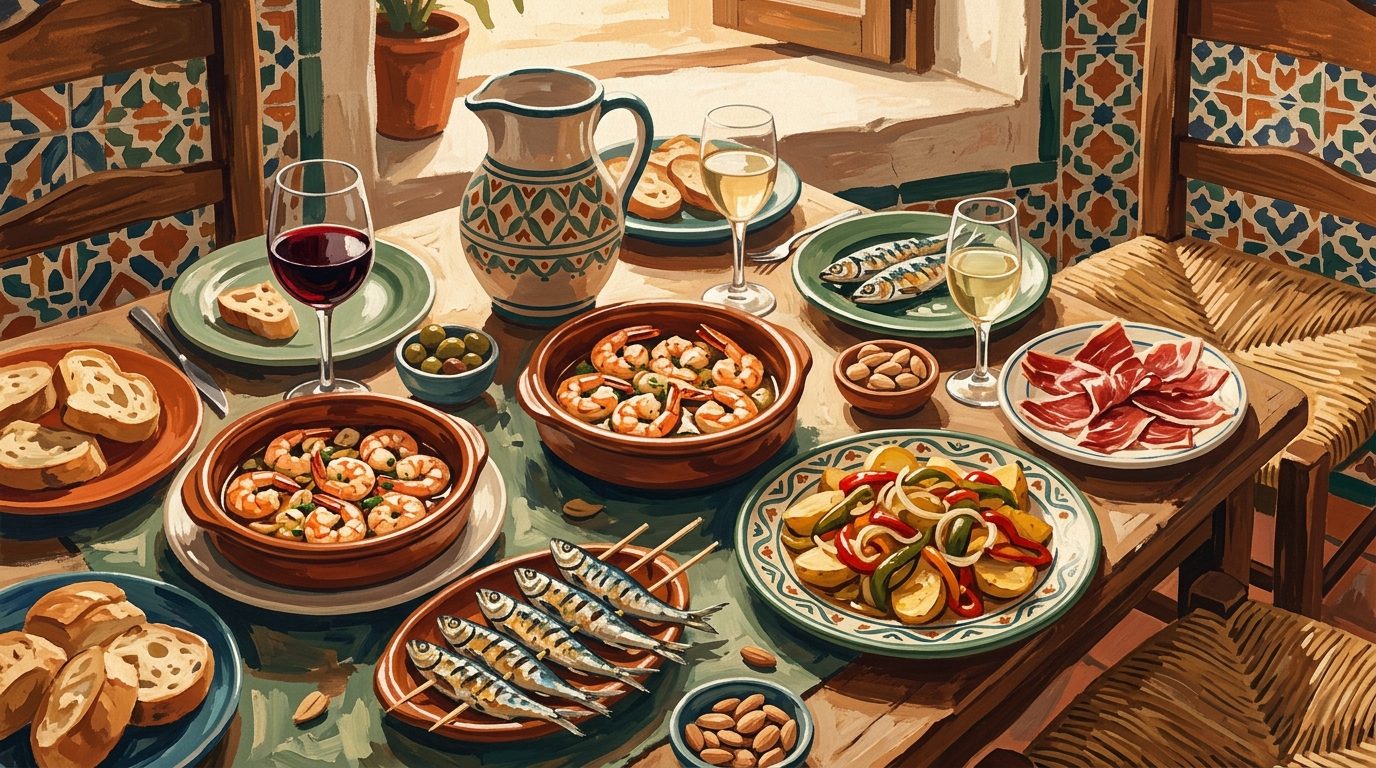
Almería remains one of the few places in Spain, alongside Granada and Jaén, where the tradition of choosing your own free tapa with every drink is strictly upheld. From the toasted ‘cherigan’ to the prized red prawns of Garrucha, this is a city that prioritises flavour over artifice.
Almería often feels like Andalucía’s best-kept secret. While crowds flock to the bars of Sevilla or the beaches of Marbella, this corner of the southeast remains rugged, authentic, and remarkably affordable. It is a city defined by its relationship with the sun and the sea, situated on the edge of the Tabernas Desert and the Mediterranean. This unique geography has created a larder unlike any other in Spain. The city was the Spanish Capital of Gastronomy in 2019, and while that title has moved on, the quality of the cooking has only improved.
Eating here is an exercise in simplicity and generosity. You will find that the local identity is fiercely defended in the kitchen. Whether it is a bowl of gurullos con conejo (small pasta grains with rabbit) or a simple plate of calamares del campo (fried onions and peppers), the focus is on the raw quality of the ingredients. The province produces a significant portion of Europe’s vegetables, but for the local chef, the best produce never leaves the city limits. Here is how to navigate the bars, markets, and beachfronts of Almería like a seasoned local.
The Last Bastion of the Free Tapa
In most of Andalucía, a tapa de cortesía (complimentary snack) is something the waiter decides for you, usually a bowl of olives or a small portion of whatever is in the kitchen. Almería operates differently. Here, when you order a caña (small beer) or a glass of wine, you are handed a menu. You choose your tapa, and it is included in the price of the drink. This culture of choice makes Almería one of the most rewarding cities in Spain for a tapas crawl.
Start your evening at Casa Puga on Calle Jovellanos. This is an institution that dates back to 1870, with its marble counters and floor-to-ceiling shelves of dust-covered wine bottles. Order a glass of white wine and the gambas rebozadas (battered prawns) or the bacalao ahumado (smoked cod). There are no frills here, just the clatter of plates and the scratching of chalk on the bar as the waiters keep track of your tab.
For something more contemporary, head to La Mala. They have reimagined the tradition with creative options like tortilla de patatas served with truffle or goat’s cheese and caramelised onion. Even in these modern settings, the rule remains: drink first, choice of food second.
The Legend of the Cherigan
You cannot claim to have eaten in Almería without trying a cherigan. This local staple is essentially a thin, extra-crunchy slice of toasted bread spread with a light layer of all-i-oli (garlic mayonnaise) or tomato, then topped with everything from tuna and egg to jamón or morcilla (black pudding).
The name is a wonderful bit of local history. It is a corruption of "The Sheriff." Back in the mid-20th century, the chef at the now-defunct Café Parrilla Pasaje was nicknamed "The Sheriff" because of his perceived authority in the kitchen. His signature toasted snacks became known as "The Sheriff’s" and eventually morphed into cherigan. The best place to sample the original style is Bar Parrilla Pasaje, where the cherigan de york y queso (ham and cheese) remains a nostalgic favourite for locals. It is the ultimate bar snack, salty, crunchy, and perfect with a cold tercio (330ml bottle) of Victoria or Alhambra beer.
Mercado Central: The Heart of the City
The Mercado Central de Almería is a temple to the province’s agriculture and fishing industry. Located at the top of the Paseo de Almería, this iron-framed building is where you truly see the diversity of the local diet. The bottom floor is dedicated to the sea. Look for the Gamba Roja de Garrucha (red prawns from Garrucha), which are famous for their intense, sweet flavour and bright red hue. They are expensive, but they are perhaps the finest crustacean in the Mediterranean.
The market is also the place to find raf tomatoes. These are ugly, ribbed, and green-shouldered, but they are prized for their incredible balance of acidity and sweetness. Locals eat them sliced with nothing more than a drizzle of extra virgin olive oil and a sprinkle of sea salt. If you want to eat at the market, Habibi is a stall that often prepares fresh produce, but the real joy is visiting Bar El Mercado. You can buy your fish or meat from the stalls downstairs, and for a small fee (the recargo), they will grill it for you on the spot, served with a simple salad and a cold drink.
Seafood and Chiringuitos of Cabo de Gata
A short drive from the city takes you into the Cabo de Gata-Níjar Natural Park. This volcanic landscape is home to some of the most pristine beaches in Spain and a culinary tradition focused on pescado de roca (rockfish). In the small fishing villages like Las Negras, San José, and Agua Amarga, the cooking is elementary and exceptional.
At a chiringuito (beach bar) in Cabo de Gata (many of which close or operate on limited hours between October and April, so check ahead before travelling), you should look for arroz a banda, a fisherman’s rice cooked in a deep, dark fish stock, usually served with a side of potent all-i-oli. Unlike the flamboyant paellas of Valencia, this is a humble dish where the rice absorbs every drop of flavour from the sea. Another local favourite is gallopedro (John Dory), often floured and deep-fried whole. The meat is succulent, and the fins become as crispy as potato crisps.
In the village of Isleta del Moro, Hogar del Pensionista offers some of the best value seafood with views directly over the crashing waves. It is unassuming, but the freshness of the calamaritos (small squid) and boquerones (anchovies) is undeniable.
Spoons and Stews: The Interior Flavours
While the coast belongs to the fish, the interior of Almería is the realm of platos de cuchara (spoon dishes). These are hearty, warming stews designed to sustain labourers in the desert heat or the cool mountain air of the Alpujarra Almeriense.
The most iconic is gurullos con conejo. Gurullos are small, hand-rolled pasta grains shaped like rice or pine nuts. They are simmered in a rich broth with rabbit, snails, and chickpeas. It is an earthy, comforting dish that reflects the Moorish influence on the region's history. Another essential dish is Trigo, a thick stew made with wheat berries, pork ribs, morcilla, and fennel. The fennel provides a bright, aniseed lift to what is otherwise a very heavy, satisfying meal.
To try these traditional dishes in the city, visit El Quinto Toro near the market. This bullfighting-themed bar is famous for its patatas a lo pobre (poor man’s potatoes), slow-fried slices of potato with peppers and onions, topped with a fried egg or a piece of fried fish. Their daily stews are written on a chalkboard and usually sell out by 2:00 PM.
Ordering Like a Local
To navigate Almería’s food scene, you need to understand the rhythm. Lunch is the main event, usually starting around 2:00 PM. Tapas bars will be packed, and the noise level will be high. If you want a seat, arrive by 1:30 PM.
When ordering beer, ask for a caña if you want a small glass, or a tubo if you want a taller, thin glass. If you prefer a bottle, ask for a tercio. If you are not a beer drinker, a tinto de verano (red wine mixed with lemon soda or sweetened carbonated water) is the standard refreshing choice.
Do not be afraid to ask for the especiales. Many bars have a standard free tapas menu, but they also have a secondary list of "extra" tapas that might cost a Euro or two more. These are often where the kitchen shows off its best work, such as presa ibérica (a prime cut of pork) or grilled pulpo (octopus).
Where to Find the Best
Almería City Centre
- Casa Puga: The place for history and classic seafood tapas. Try the champiñones (mushrooms) or the fried anchovies. €€
- El Quinto Toro: Best for traditional stews and patatas a lo pobre. A authentic local atmosphere. €
- Bar Parrilla Pasaje: The home of the cherigan. Essential for a quick snack or a casual dinner. €
- Taberna Entrefinos: A great choice for those who want a mix of traditional and slightly more refined tapas. Their bacalao dishes are excellent. €€
Cabo de Gata & The Coast
- La Ola (Isleta del Moro): Excellent rice dishes and fresh fried fish with a terrace overlooking the sea. €€
- Restaurante El Parque (San José): Known for its arroz caldoso (soupy rice) and fresh local catches. €€€
- Casa Joaco (Aguadulce): Just outside the city, this is a fantastic spot for high-quality seafood and larger portions of grilled fish. €€
Speciality Producers
- La Dulce Alianza: Located on the Paseo de Almería, this is the city's most famous pastry shop, open since 1888. Try the glaseados. €
- Embutidos de Serón: If you see this brand on a menu, order it. Serón is a village in the mountains of Almería famous for its cured meats and hams.
Last reviewed: 21 June 2026 · Editorial policy
Related guides
Master the Art of the Andalucían Kitchen: The Best Cooking Classes in Southern Spain (2026 Guide)
Discover the secrets of the Andalucían kitchen, from masterclasses in the markets of Sevilla to sherry-infused cooking in the hills of Cádiz.
7 min read
Where to Eat in Málaga: From Beachfront Espetos to Soho Small Plates
Forget its reputation as a mere transit point; Málaga has transformed into one of Spain’s most compelling food cities, balancing salt-crusted beach traditions with a sharp, modern dining scene.
7 min read
Where to Eat in Cádiz: From Atlantic Seafood to Market Tapas
Discover the salt-tangled flavours of Europe’s oldest city, where bluefin tuna, paper cones of fried fish, and crispy shrimp fritters define the culinary landscape.
6 min read
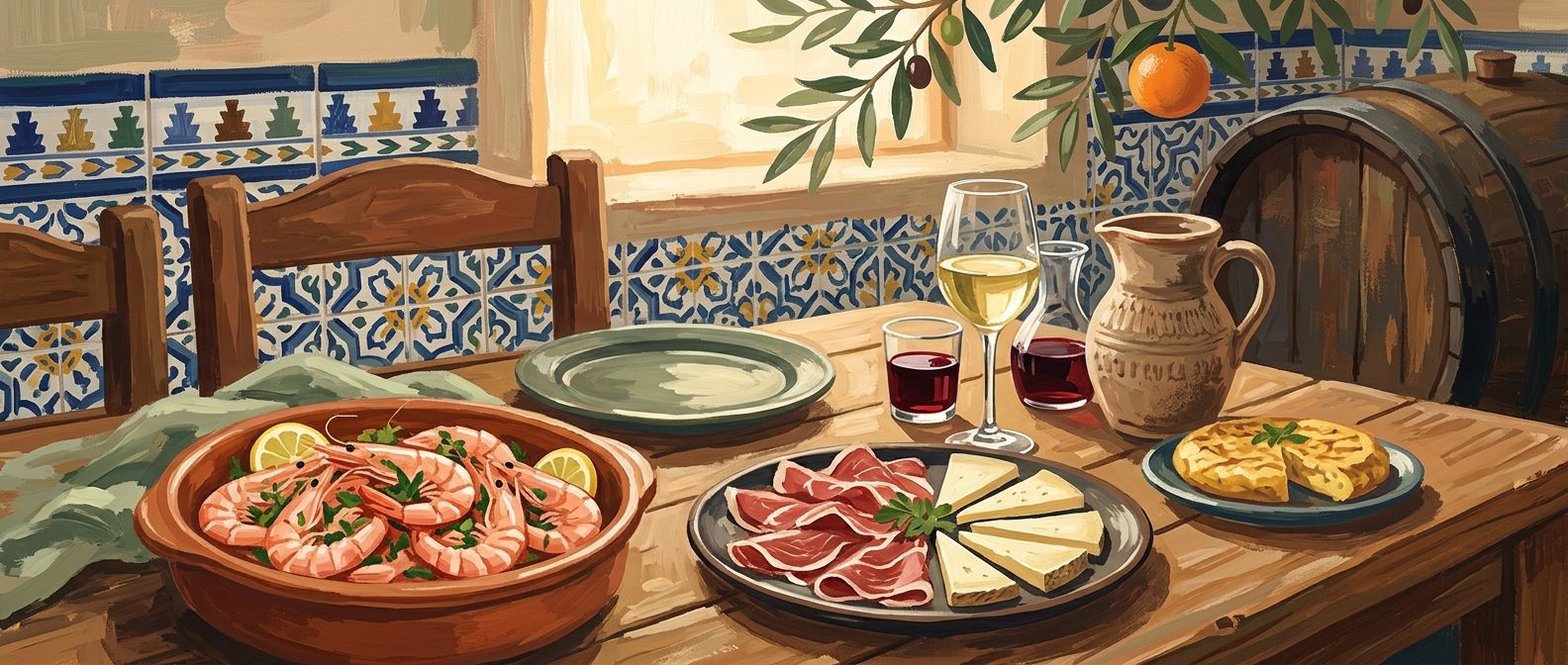
Where to Eat in Huelva: From Atlantic Prawns to the Heights of Jabugo
Discover the culinary secrets of Spain's southwestern corner, where the Atlantic's finest white prawns meet the world's best acorn-fed ham.
6 min read
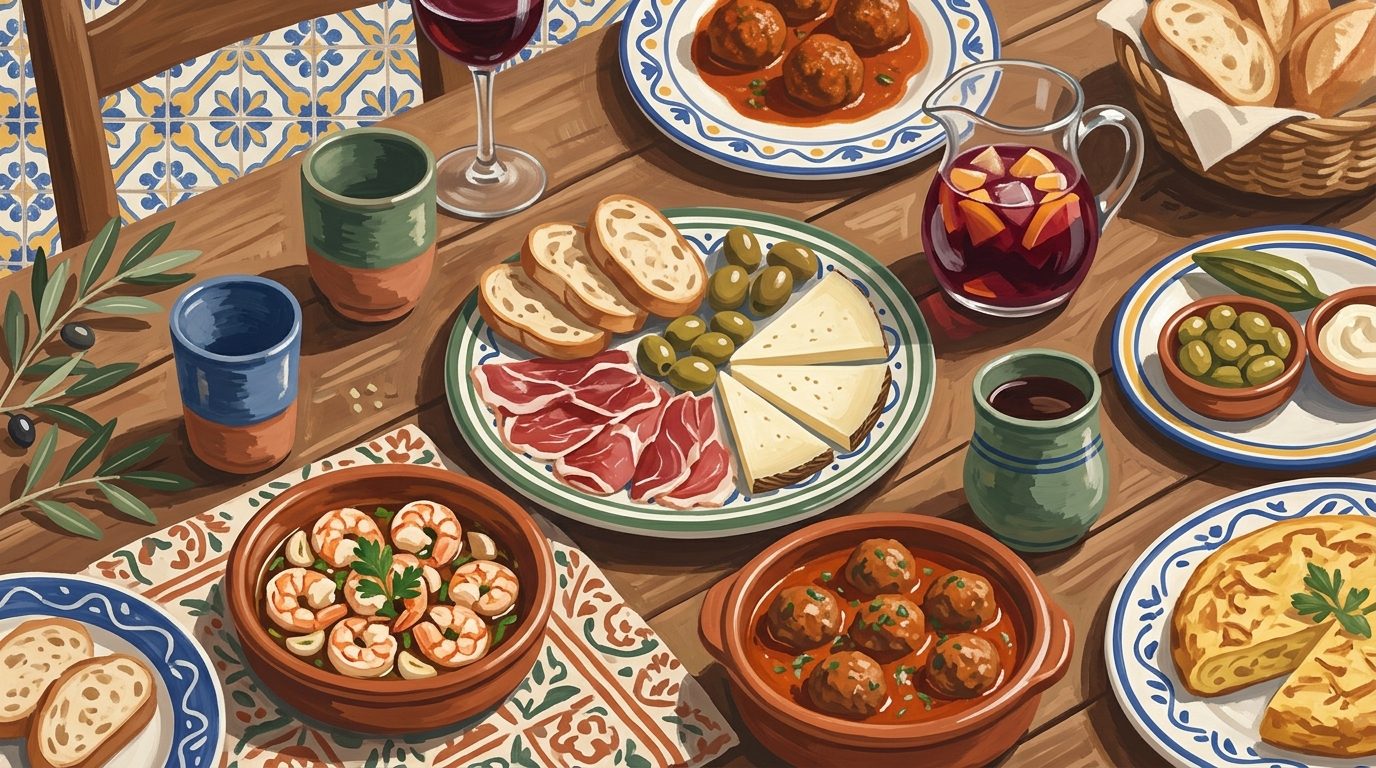
Beyond the Tapas Bar: A Journey Through the Flavours of Andalucía
Discover the essential dishes of Southern Spain, from the chilled salmorejo of Córdoba to the smoky espetos of the Málaga coast.
7 min read
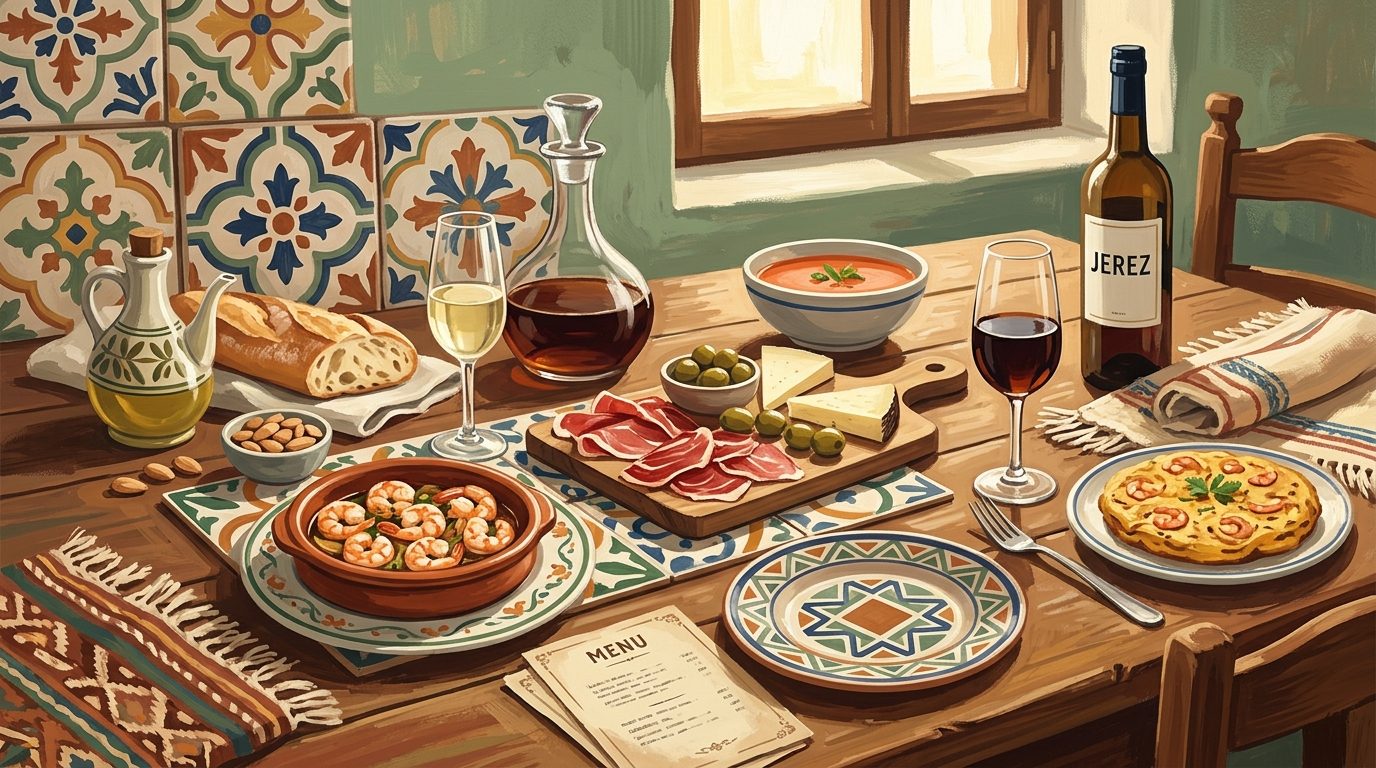
A Local’s Guide to Eating and Drinking in Jerez de la Frontera
Discover the authentic taste of Jerez de la Frontera, from the traditional tabancos serving sherry from the cask to the rich, slow-cooked stews of the Santiago quarter.
7 min read
Newsletter
More stories from Andalucía
Weekly notes, seasonal picks, and the next guides worth bookmarking.