
Food & drink · Jaén
The Best Places to Eat in Jaén: A Guide to the World Capital of Olive Oil
Jaén remains one of the few places in Spain where the tradition of the free tapa is still treated with reverence. It is a city defined by its golden olive oil and a stubborn commitment to honest, seasonal cooking.
By Dan · Updated 9 May 2026 · 6 min read
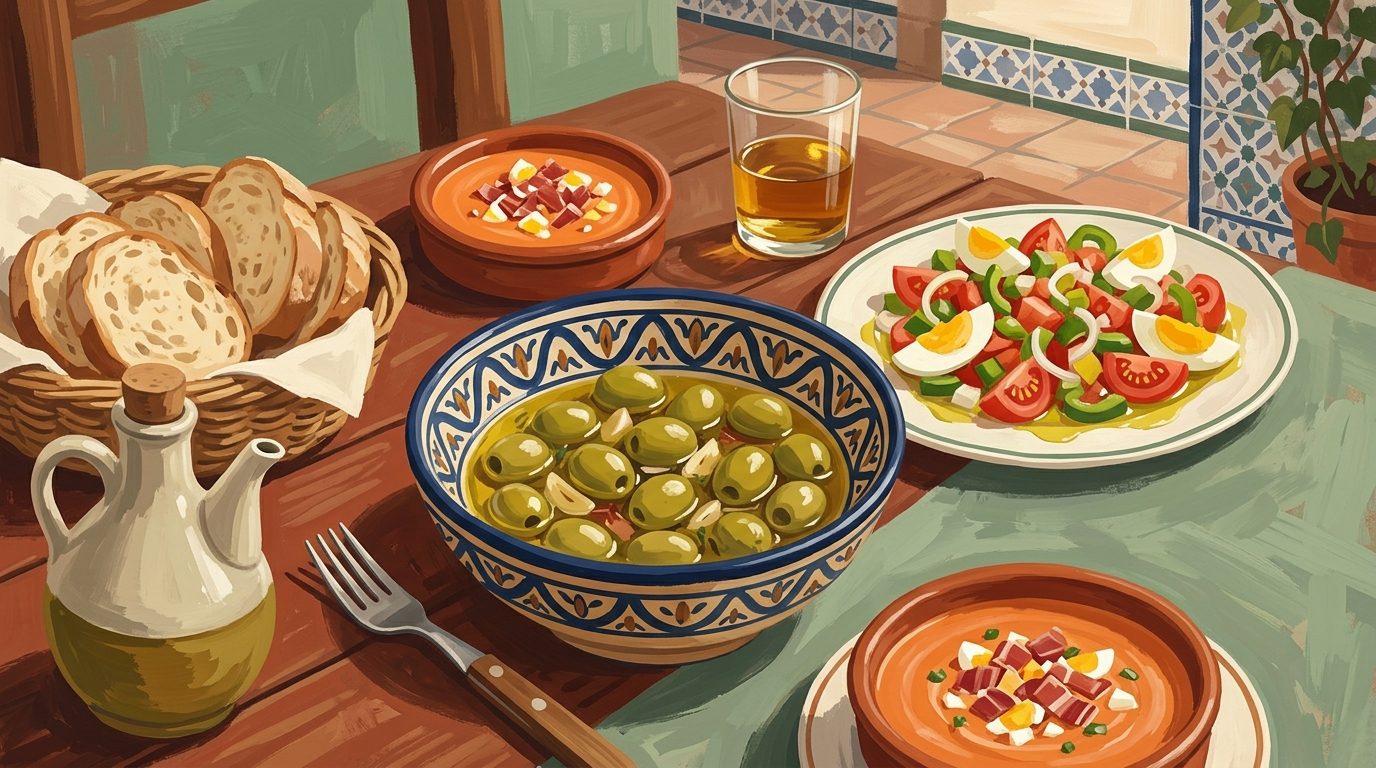
Jaén remains one of the few places in Spain where the tradition of the free tapa is still treated with reverence. It is a city defined by its golden olive oil and a stubborn commitment to honest, seasonal cooking.
To understand the food of Jaén, you must first understand the landscape. As you approach the city, the horizon is dominated by an endless sea of olive trees: sixty-six million of them, to be precise. This is the world capital of Aceite de Oliva Virgen Extra (Extra Virgin Olive Oil), or AOVE, and specifically the Picual olive. In Jaén, olive oil is not merely a fat used for cooking; it is the primary seasoning, the base of every sauce, and frequently the star of the plate. Unlike the coastal provinces of Andalucía that rely on fried fish, or the mountain villages of Huelva known for ham, Jaén’s kitchen is built on the fruit of the olive tree and the rugged produce of the Sierras.
The city itself is often overlooked by travellers rushing to the more famous cities of Córdoba or Granada, which is a significant tactical error for any food lover. Because Jaén sees fewer international tourists, the dining scene remains resolutely local. Here, the tradition of serving a substantial free tapa with every drink is alive and well. You don’t need a thick wallet to eat exceptionally well; you simply need to know which narrow alleyways to disappear into. From the shadow of the magnificent Renaissance cathedral to the historic taverns of the San Ildefonso neighbourhood, Jaén offers a dining experience that feels authentic, unpretentious, and deeply rooted in the soil.
The Golden Standard: Olive Oil and Tapas Culture
In Jaén, your culinary journey begins with the oil. In many local bars, the first thing placed on your table isn't bread, but a small saucer of bright, peppery green oil and some sea salt. This is usually Picual, known for its high polyphenol content and its distinct bite at the back of the throat. When visiting, look for Panaceite (€€) near the Plaza de la Constitución. They are specialists in promoting local oils, and their menu allows you to sample different varieties alongside traditional mountain cheeses and cured meats. It is the perfect place to learn the nuances between a harvest in early October and a late-season press.
The tapas culture here is competitive. Order a caña (a small draught beer) or a copa de vino, and you will be presented with a small plate of food at no extra cost. This isn't just a bowl of olives; it might be a small portion of migas (fried breadcrumbs with garlic and peppers) or a miniature ceramic dish of estofado (stew).
Signature Flavours: Pipirrana and Espinacas con Garbanzos
If Jaén has a national dish, it is Pipirrana Jaenera. While other provinces have their own versions of this salad, the Jaén variety is specific. It involves peeling tomatoes and pounding them into a near-pulp with garlic, green peppers, and salt, before emulsifying the mixture with a generous amount of AOVE. It is topped with hard-boiled eggs and canned tuna. It is refreshing, acidic, and incredibly moreish when mopped up with crusty bread. You will find excellent versions at Taberna Casa Antonio (€€), where they respect the traditional ratios that define the dish.
Another staple is espinacas con garbanzos (spinach with chickpeas). While popular across all of Andalucía, the Jaén version often leans heavily into the spice of cumin and the richness of fried bread used to thicken the sauce. It is a humble, Moorish-influenced dish that tastes best in the winter months when the wind whistles down from the mountains. For an authentic experience, head to Taberna El Gorrión (€), one of the oldest bars in the city. Located in the narrow Arco del Consuelo, its wood-panelled walls and dusty wine bottles provide the perfect backdrop for traditional clay-pot cooking.
Lizana and the Cathedral Quarter
The area surrounding the Cathedral and Calle Maestra is the heart of the city's social life. Calle Lizana, and the streets branching off it, are home to several institutions where the menus haven't changed in decades. La Manchega (€€) is a classic example. It has been serving locals since the late 19th century. Try their morcilla de caldera, a local blood sausage that is spreadable rather than sliced, usually served warm on toasted bread. It is seasoned with pine nuts and cinnamon, offering a sweet-savoury profile that is unique to the region.
For those looking for something slightly more modern but still tied to the land, Los Montañeses (€€) near the Plaza del Pósito is a reliable choice. They excel at seasonal vegetables and alcachofas (artichokes) when in season, always finished with a flourish of local oil. The atmosphere in this part of town is at its best on Friday evenings when groups of friends move from one bar to the next, a ritual known locally as the tapeo.
Ordering Like a Local
Navigating a Jaén tapas bar requires a bit of strategy. First, do not rush to order a full ración (large plate) immediately. Start with a drink and see what the free tapa of the day is; often, two or three rounds of drinks will constitute a full meal. When you do decide to order from the menu, look for Ochíos. These are small, pimentón-dusted bread rolls made with olive oil. They are often split open and filled with morcilla or atún (tuna). They are a quintessential Jaén snack, originally associated with the town of Úbeda but now a city staple.
If you see Ajoatao on the menu, order it. It is a thick emulsion of garlic, potato, egg, and olive oil, similar to a very dense alioli but with a creamier texture from the potato. It is typically served with grilled meats or as a dip. Finally, always ask which AOVE they are using. Showing an interest in the oil will usually result in the barman bringing out their best bottle for you to sniff and sample.
Where to Find the Best
The Best Pipirrana
Taberna San Miguel (Casa de los Quesos): Located near the cathedral, this bar is famous for its extensive cheese selection, but their pipirrana is legendary. They manage the perfect balance of tomato acidity and the peppery bite of the local oil. It is a small, standing-room-only kind of place where the floor is often covered in napkins, a sign of a popular local spot. (€)
Restaurante El Ciervo: A more sit-down affair where the pipirrana is treated with the respect of a main course. They use high-quality preserves and the freshest seasonal tomatoes from the nearby orchards. (€€)
The Best Traditional Tapas
Bar Bomba: Famous for its papas rellenas (stuffed potatoes), this is a no-frills establishment where the service is fast and the food is hot. It is the definition of a local neighbourhood bar where you can eat well for very little. (€)
La Barra: Known for its rossini (a specific type of sandwich) and its excellent seafood tapas, which are surprisingly good for an inland city. It’s always packed, so arrive early if you want a spot at the bar. (€€)
The Best Modern Interpretation
Bagá: While this guide focuses on traditional spots, it would be remiss not to mention Pedro Sánchez’s Michelin-starred space on Calle Reja de la Capilla. It is tiny, with only a few tables, and focuses on the absolute essence of Jaén ingredients, like sea anemone with Iberian ham fat or desserts featuring olive oil. Booking is essential months in advance (check the operator's website for availability). (€€€)
Malak: Located in Plaza de la Constitución, this restaurant is gaining a reputation for taking the mountain flavours of the Sierra de Segura and presenting them with contemporary techniques. Their use of local game and foraged mushrooms is exceptional (check on the operator's website before travelling). (€€€)
Last reviewed: 21 June 2026 · Editorial policy
Related guides
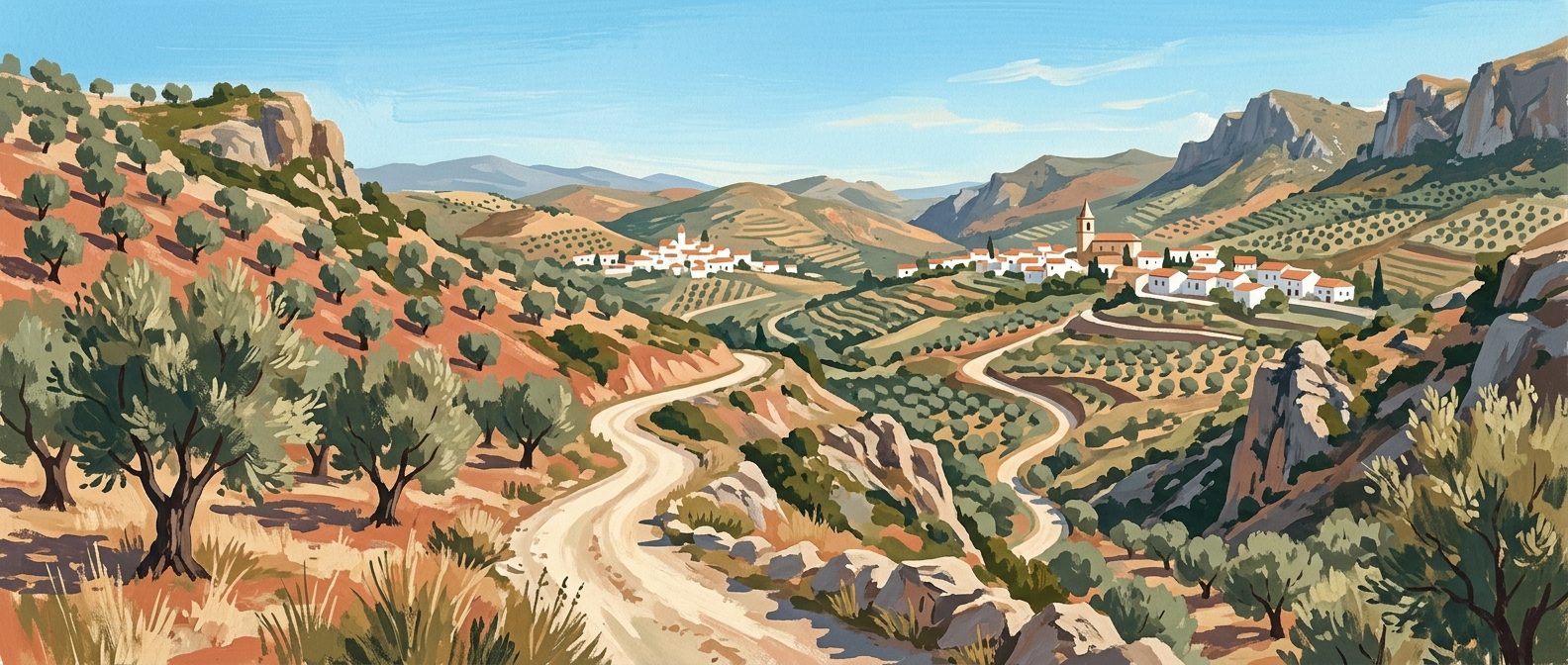
The Ultimate Andalucían Olive Oil Route: Jaén and the Subbética
Driving through Jaén means navigating a landscape defined by sixty-six million olive trees marching in perfect geometric lines to the horizon. This route decodes the complex, fiercely competitive world of Andalucían liquid gold, from traditional family presses to high-altitude mountain harvests.
8 min read
Master the Art of the Andalucían Kitchen: The Best Cooking Classes in Southern Spain (2026 Guide)
Discover the secrets of the Andalucían kitchen, from masterclasses in the markets of Sevilla to sherry-infused cooking in the hills of Cádiz.
7 min read
Where to Eat in Málaga: From Beachfront Espetos to Soho Small Plates
Forget its reputation as a mere transit point; Málaga has transformed into one of Spain’s most compelling food cities, balancing salt-crusted beach traditions with a sharp, modern dining scene.
7 min read
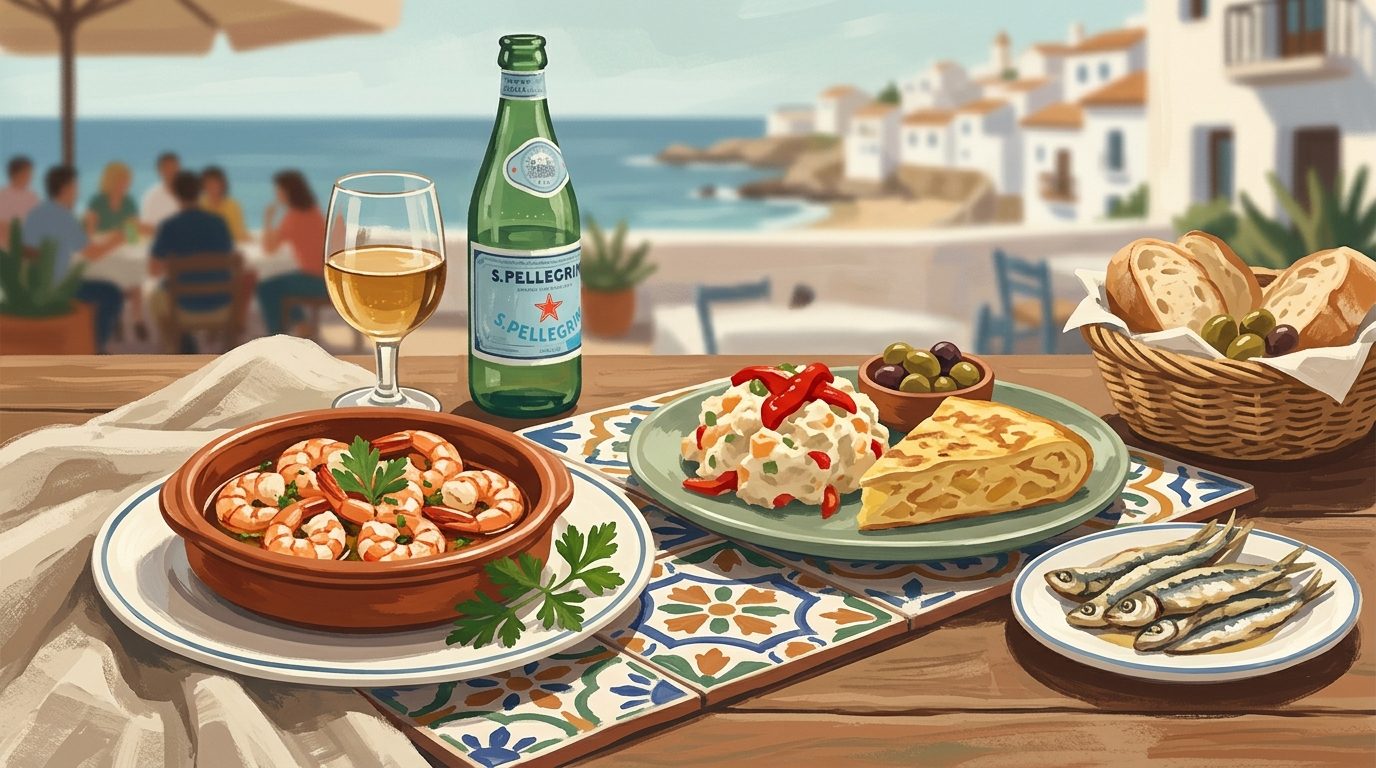
Where to Eat in Cádiz: From Atlantic Seafood to Market Tapas
Discover the salt-tangled flavours of Europe’s oldest city, where bluefin tuna, paper cones of fried fish, and crispy shrimp fritters define the culinary landscape.
6 min read
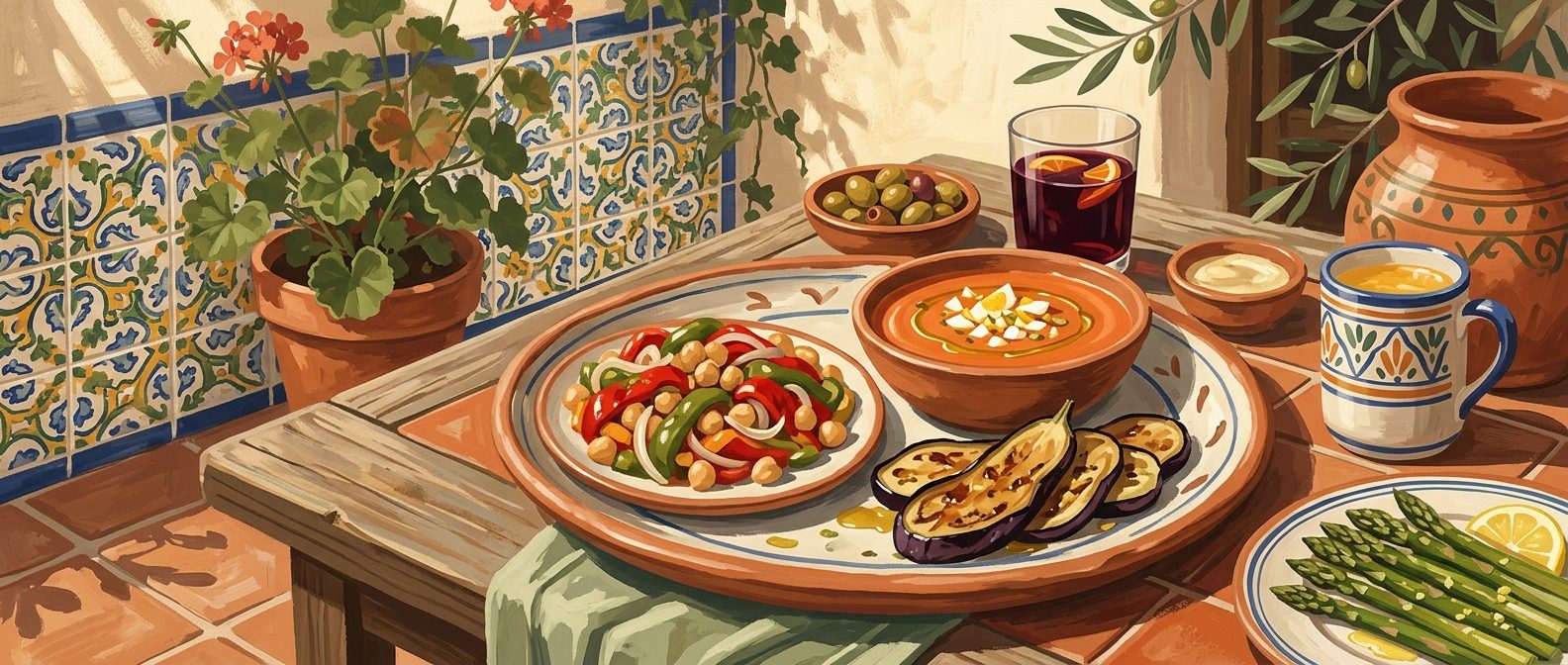
Eating Plant-Based in the South: A Guide to Vegetarian and Gluten-Free Andalucía
Navigating Andalucía as a vegetarian or coeliac is a journey through the region's rich 'cocina de la huerta'. From traditional spinach and chickpea tapas to modern vegan bistros, the south offers an abundance of plant-based delights.
6 min read
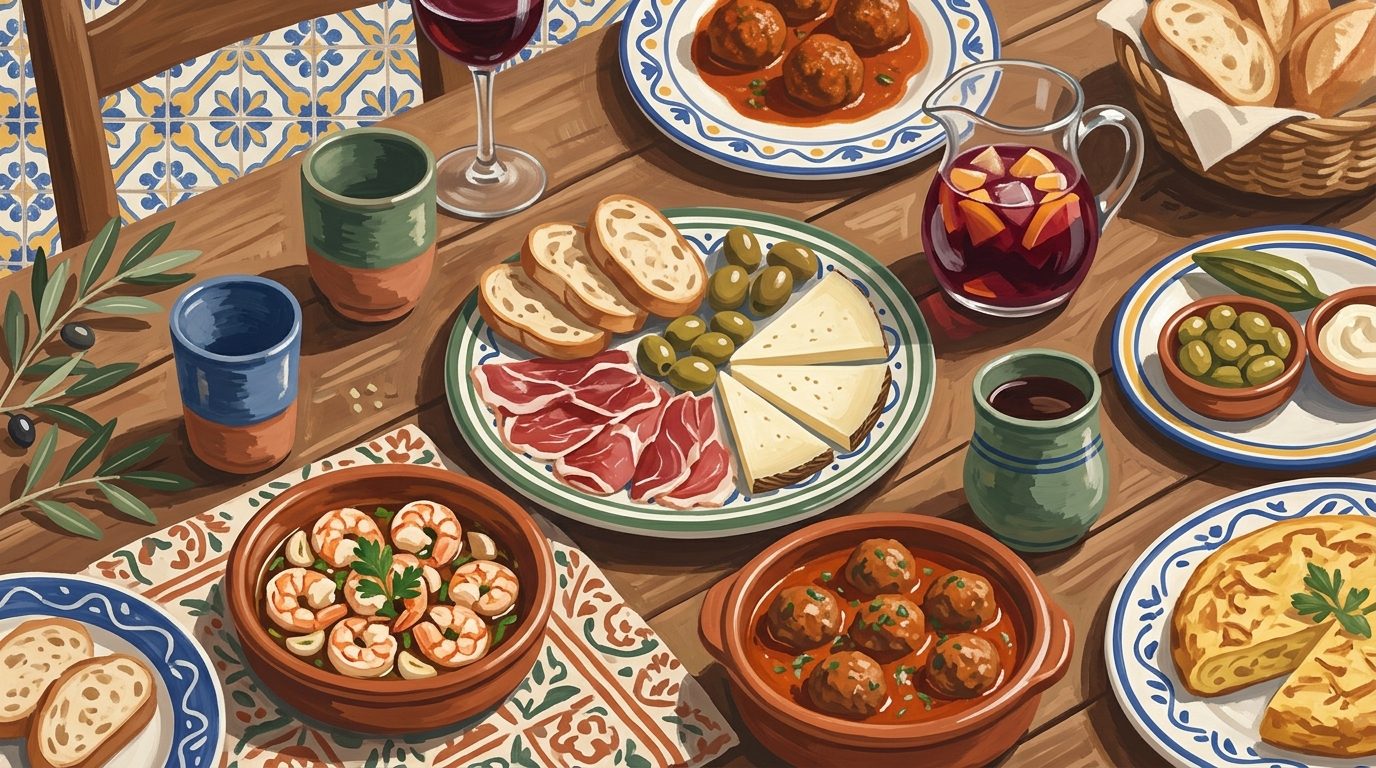
Beyond the Tapas Bar: A Journey Through the Flavours of Andalucía
Discover the essential dishes of Southern Spain, from the chilled salmorejo of Córdoba to the smoky espetos of the Málaga coast.
7 min read
Newsletter
More stories from Andalucía
Weekly notes, seasonal picks, and the next guides worth bookmarking.