
Things to do · Almería
The Best Water Sports in Almería: A Coastal Guide
Discover the rugged volcanic coastline of Almería through world-class diving, kayaking, and paddleboarding in the protected waters of Cabo de Gata.
By Dan · Updated 16 July 2026 · 6 min read
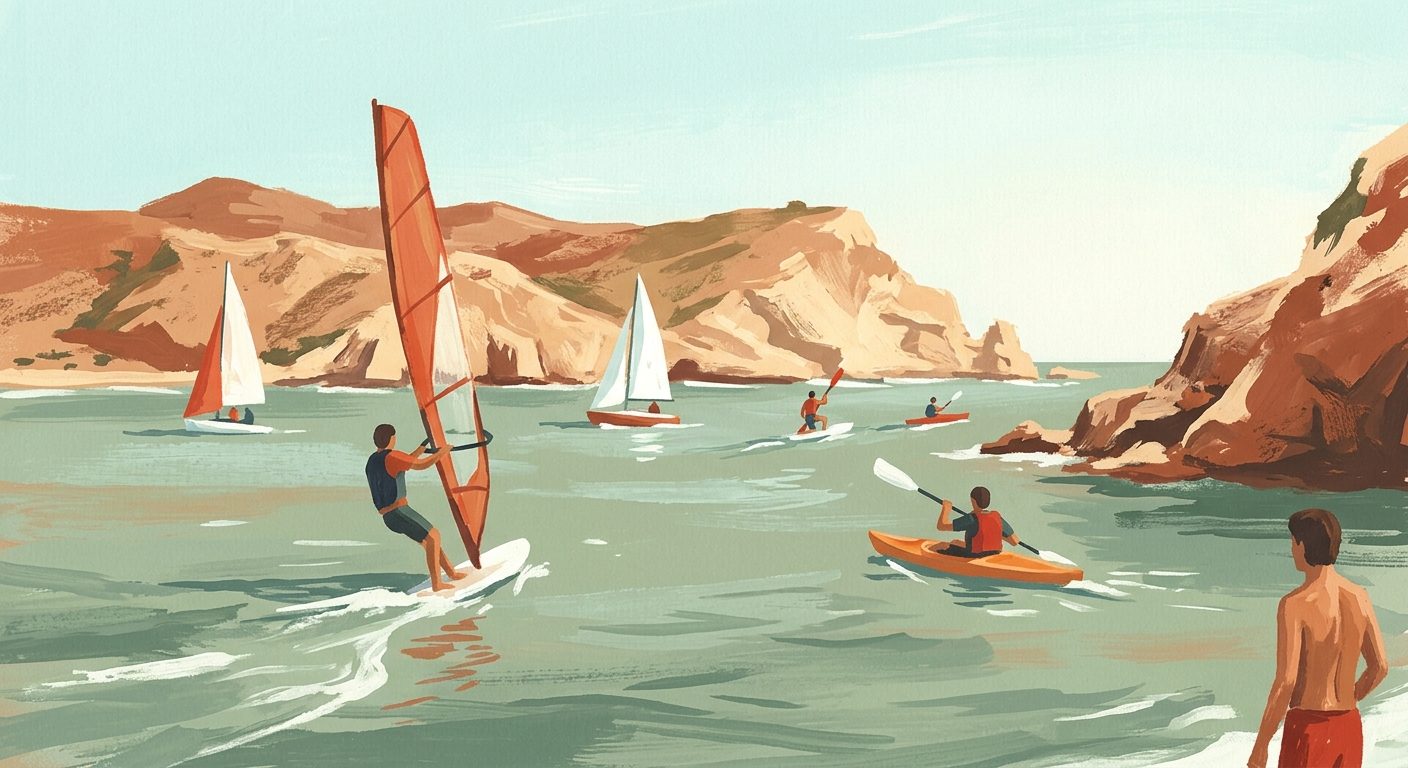
Almería offers some of the clearest waters in the Mediterranean, perfect for exploring volcanic reefs and seagrass meadows. For paddling through sea caves or diving into the depths of a protected marine reserve, the coastline provides a raw alternative to the more developed costas.
Almería is often defined by its desert landscape, but for those who look towards the horizon, the real action happens in the water. This corner of Andalucía is home to the Cabo de Gata-Níjar Natural Park, a protected maritime-terrestrial space that encompasses over 12,000 hectares of marine reserve. Because large-scale development is prohibited here, the water quality remains exceptional, often providing visibility of up to 20 or 30 metres. This clarity makes it a premier destination for anyone interested in exploring what lies beneath the surface.
The coastline is a mix of volcanic cliffs, fossilised dunes, and small coves that are frequently inaccessible by road. This geography creates a natural playground for kayakers and paddleboarders who want to find a quiet spot away from the summer crowds. Meanwhile, the consistent winds that blow across the Alboran Sea make certain stretches of the coast, particularly around Roquetas de Mar and Mojácar, ideal for windsurfing and kitesurfing. Almería offers a variety of conditions that cater to different skill levels and energy requirements for a seasoned diver or a family looking for a morning of snorkelling.
Cabo de Gata-Níjar: The Diving Heartland
The marine reserve of Cabo de Gata is the main draw for underwater enthusiasts. The seabed is covered with Posidonia oceanica, a type of seagrass that acts as a lung for the Mediterranean, oxygenating the water and providing a nursery for countless species. Because of the protected status of the park, fish populations are healthy and diverse.
San José and the High South
San José is the main hub for diving in the park. The town serves as a base for several professional outfits that take divers to sites like the Arrecife de las Sirenas or the Cala Higuera. You can expect to see groupers, octopuses, and occasionally barracudas. One of the most reputable operators is Isub San José, located right in the harbour. They offer everything from 'try dives' for beginners to advanced certifications. As of early 2026, prices for a single boat dive usually start around €45, including tank and weights, with full equipment rental costing an additional €15 to €20 (check on the operator's website before travelling).
Las Negras and the Northern Reefs
Further up the coast, the village of Las Negras offers a different underwater topography. The sites here are often characterised by volcanic tunnels and arches. Centro de Buceo Las Negras operates in this area, taking groups out to the dark rock formations of Cerro del Negro. The water here is deep and clear, and the lack of boat traffic makes for a peaceful experience. It is a fantastic spot for night diving, where you can see Mediterranean moray eels and Conger eels emerging from their crevices.
Snorkelling and Coastal Kayaking
If you prefer to stay on or near the surface, Almería’s volcanic coastline is arguably the best in Spain for kayaking and snorkelling. The dark rock contrasts with the turquoise water, and the lack of sand-stirring currents keeps visibility high.
Isleta del Moro to Los Escullos
The route between Isleta del Moro and Los Escullos is a classic for kayakers. You will paddle past the Embarcadero beach and along the massive fossilised dunes of Los Escullos. There are several sea caves along this stretch that are only accessible by small craft. Zonaktiva, based in nearby Rodalquilar, runs guided kayak tours that include snorkelling stops in coves you cannot reach by foot. These tours typically last three hours and cost approximately €30 to €35 per person (check on the operator's website before travelling). It is a physical workout, especially if the Levante wind picks up, but the view of the Castillo de San Felipe from the water is worth the effort.
The Coves of San José
For snorkelling without the need for a boat, head to the beaches of Mónsul and Genoveses. While these are famous for their appearances in films, the rocky edges of these bays are teeming with life. Or, for a more secluded experience, hike to Cala de Enmedio or Cala del Plomo. These coves have white limestone cliffs that reflect the light, making the water look like something from the Caribbean. Bring your own mask and fins, as there are no rental shops on these remote beaches.
Mojácar and Carboneras: Paddleboarding and Wind Sports
While the central park area is about conservation and quiet exploration, the towns of Mojácar and Carboneras offer more space for board sports. The coastline here is more open, catching the winds that are necessary for sailing and surfing.
Stand-Up Paddleboarding (SUP) in Mojácar
The long, sandy stretches of Mojácar Playa are perfect for paddleboarding, particularly in the early morning before the sea breeze kicks in. Extreme Surf Shop on the Paseo del Mediterráneo offers rentals and lessons. SUP is an excellent way to see the coastline from a different perspective. A one-hour rental usually costs around €15. On calm days, you can paddle quite far south towards the Castillo de Macenas.
Windsurfing and Kitesurfing
Almería is second only to Tarifa for wind reliability in Andalucía. Roquetas de Mar and Almerimar (to the west of the city) are the primary spots for kitesurfing and windsurfing due to the thermal winds. However, Mojácar also sees plenty of action when the Levante (the easterly wind) blows. The waves aren't usually massive, which makes it a good spot for intermediates to practise their carving and speed. Victor Fernández Center in Almerimar is world-class, run by a world champion windsurfer, and is the place to go for high-end coaching.
Practical Information
Costs: Most water sports in Almería are reasonably priced. A kayak rental for two hours will be around €25, while a guided snorkelling boat trip might cost €30. Diving is the most expensive activity, with a full PADI Open Water course ranging between €350 and €450 (prices verified in early 2026, though always check with operators before travelling).
What to Bring: Even in summer, the Mediterranean can have cold thermoclines. If you are snorkelling for a long time, a 2mm shorty wetsuit or a decent rash guard is recommended. Most importantly, ensure you have biodegradable, reef-safe sunscreen. The ecosystem in the Cabo de Gata is fragile, and standard sunscreens can harm the Posidonia seagrass.
Best Season: The season runs from May to October. July and August are the busiest and hottest, with water temperatures reaching 26°C. However, May and September offer the best balance of warm water and fewer crowds on the beaches.
Local Tips
Always check the wind forecast before heading out. In Almería, the two dominant winds are the Levante (from the East) and the Poniente (from the West). If the Levante is blowing hard, the sea in Mojácar will be rough, but the coves around San José might be sheltered. Conversely, a strong Poniente can make the water in Cabo de Gata choppy. Use a specialised forecast app like Windy or WillyWeather to plan your location. Also, remember that the Natural Park is a strictly 'no-take' zone: do not remove shells, stones, or marine life.
Last reviewed: 21 June 2026 · Editorial policy
Related guides
A Guide to Water Sports in Andalucía: Where to Surf, Dive, and Paddle
From the windswept Atlantic coast to the calm waters of the Mediterranean, Andalucía offers world-class conditions for surfing, diving, and kayaking.
5 min read
A Guide to Water Sports in Granada: From Reservoirs to the Tropical Coast
Discover the best spots for diving, kayaking, and reservoir swimming in Granada, from the marine reserves of La Herradura to the turquoise waters of Los Bermejales.
6 min read
A Guide to Water Sports in Málaga: From SUP to Scuba
Discover the best locations for stand-up paddleboarding, diving, and jet skiing along the Costa del Sol with our practical guide to Málaga's water sports.
6 min read
Where to Find the Best Water Sports in Jaén
Discover the unexpected side of Jaén, where mountain reservoirs and limestone gorges offer world-class kayaking, rafting, and canyoning away from the coastal crowds.
6 min read
Mastering the Atlantic: A Guide to Water Sports in Huelva
From the Atlantic swells of Islantilla to the rust-coloured waters of the Río Tinto, Huelva offers a distinct maritime playground for kayaking, surfing, and sailing.
6 min read

Camping and Caravanning in Andalucía: A Practical Guide
A practical camping and caravanning guide to Andalucía, covering wild-camping rules, motorhome areas, protected land, fire risk, waste disposal and official checks.
7 min read
More from Almería

The Best Day Trips from Almería: From Desert Film Sets to Whitewashed Villages
Discover the rugged beauty of Almería with day trips to the volcanic Cabo de Gata coast, the cinematic Tabernas Desert, and the white-washed streets of Mojácar.
6 min read
Cycling in Almería: The Ultimate Guide to Desert Trails and Mountain Passes
Discover the rugged beauty of Almería on two wheels, from the cinematic Tabernas Desert to the challenging switchbacks of the Alto de Velefique.
6 min read
Hiking and Walking in Almería: Deserts, Volcanic Coasts and High Sierras
Discover the raw beauty of Almería’s diverse landscapes, from the volcanic cliffs of Cabo de Gata to the rugged badlands of the Tabernas Desert.
6 min read
Newsletter
More stories from Andalucía
Weekly notes, seasonal picks, and the next guides worth bookmarking.