
Recipe
Berenjenas con Miel Recipe: Fried Aubergines with Cane Honey
A classic Andalucían tapa that perfectly balances the crunch of fried aubergine with the dark sweetness of cane honey. A simple yet addictive snack from the south of Spain.
By Dan · Updated 16 July 2026 · 8 min read
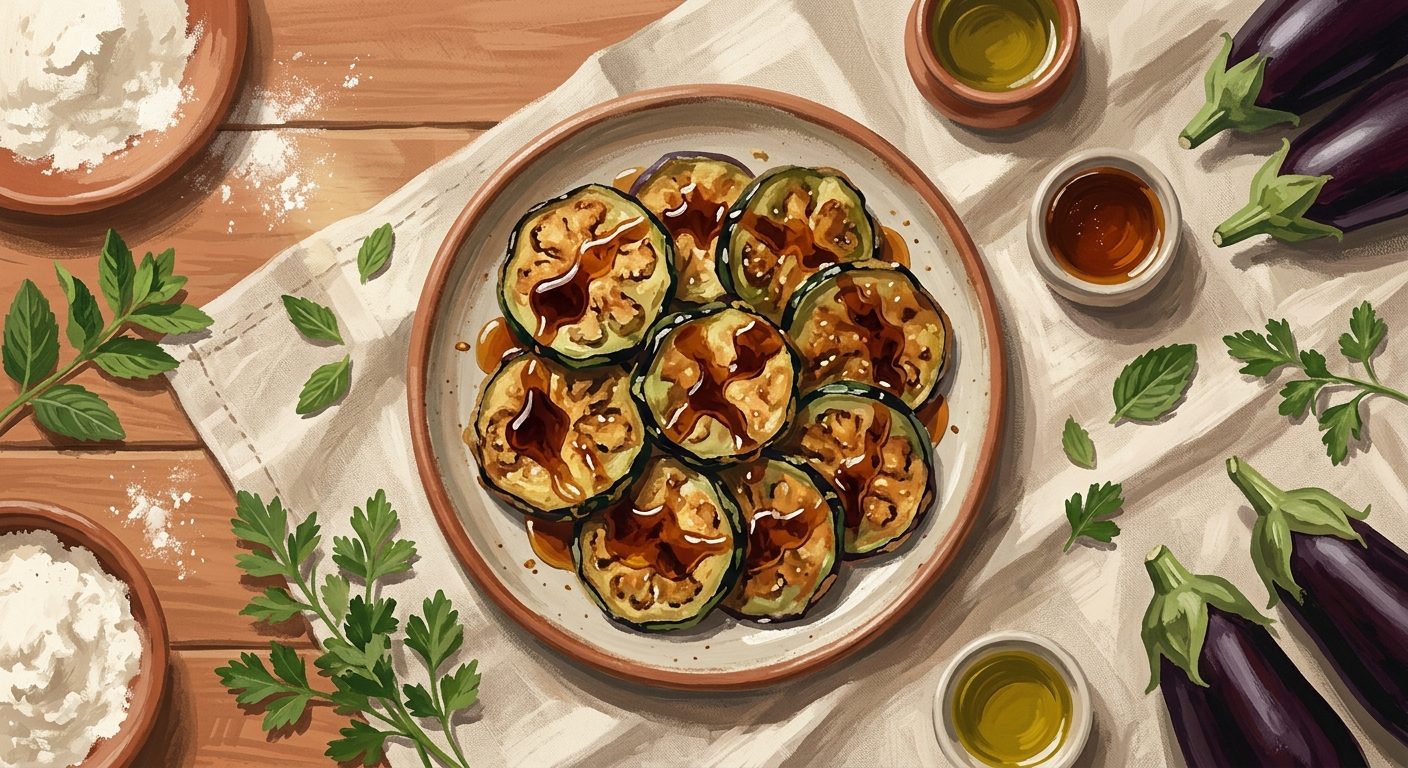
Crispy fried aubergine slices drizzled with dark cane honey are a staple of Andalucían tapas culture. This dish perfectly balances the earthiness of the vegetable with a deep, smoky sweetness.
While found across the region, Berenjenas con Miel is most famously associated with the cities of Córdoba and Málaga. It is a legacy of the Sephardic and Moorish influence on Andalucían cuisine, where the combination of salty and sweet was highly prized. In the tapas bars of the south, you will see these served either as thin circular crisps or as thick, meaty batons, always served piping hot from the fryer.
The star ingredient is Miel de Caña, which is not actually bee honey but a thick, dark syrup made from sugar cane. The historic Ingenio Nuestra Señora del Carmen in Frigiliana, in the province of Málaga, remains Europe's most famous and traditional producer of this syrup. If you cannot find the authentic Frigiliana syrup, a high-quality dark honey or even a mild molasses makes a respectable substitute for the home cook outside of Spain.
Serves: 4 · Prep: 20 min · Cook: 15 min
Ingredients
- 2 large aubergines (approx. 600g / 1.3 lbs)
- 500ml (18 fl oz) whole milk or sparkling water, for soaking
- 100g (3.5 oz) plain flour or specialised tempura flour
- 500ml (18 fl oz) olive oil or a high-quality sunflower oil for frying
- 4 tbsp Miel de Caña (Spanish cane syrup) or dark honey
- A generous pinch of sea salt flakes
Method
- Slice the aubergines into rounds about 5mm thick, or into batons similar in size to a thick-cut chip.
- Place the aubergine pieces in a large bowl and cover them with the milk or sparkling water and a pinch of salt. Let them soak for at least 20 minutes: this prevents them from absorbing too much oil and removes any lingering bitterness.
- Drain the aubergines thoroughly and pat them dry with a clean kitchen towel. They must be dry to ensure the flour coating stays crispy.
- Place the flour in a wide dish and dredge the aubergine pieces until they are lightly and evenly coated, shaking off any excess.
- Heat the oil in a deep frying pan or a wide saucepan to 180C (350F). If you do not have a thermometer, drop a small cube of bread into the oil: it should turn golden brown in about 30 seconds.
- Fry the aubergines in small batches to avoid crowding the pan, which would drop the oil temperature and lead to greasiness. Fry for 2 to 3 minutes per side until they are a deep golden colour.
- Remove with a slotted spoon and drain on a plate lined with kitchen paper to remove excess oil.
- Transfer to a serving platter while still hot. Drizzle the cane honey generously over the top and finish with a sprinkle of sea salt flakes.
Tips & variations
- For an extra light and crispy texture, many modern Andalucían chefs use sparkling mineral water instead of milk for the soaking stage.
- If you prefer a thicker crust, you can use chickpea flour (harina de garbanzo), which is a common gluten-free alternative used in the south of Spain for frying seafood.
- Do not drizzle the honey until the very moment you are ready to serve, otherwise the aubergines will lose their crunch.
- To ensure the oil stays at the right temperature, keep the heat on medium-high and wait a few seconds between batches.
Getting the texture right
The whole dish lives or dies on texture. Aubergine is a sponge, so the goal is to season it, dry it and fry it fast enough that the outside crisps before the inside collapses. Spanish cooks argue about salting, milk soaking and sparkling water. I use milk when the aubergines are large or a little tired, because it softens any bitterness and gives a gentle sweetness. Sparkling water gives a cleaner, lighter result. Salting works too, but rinse and dry the slices very well or the flour turns pasty.
Cut shape changes the dish. Thin rounds become crisp and almost chip-like, good for sharing with drinks. Batons are meatier and show off the creamy centre, but they need a steady oil temperature. Plain flour is fine, though a mix of plain flour and a little chickpea flour gives a more Andalucían crunch. Dredge lightly. If the aubergine looks buried in flour, shake more off.
Oil temperature is the common home-kitchen problem. Too cool and the aubergine drinks oil; too hot and the flour browns before the centre cooks. Aim for 180C, work in small batches, and give the oil half a minute to recover between batches. Drain on kitchen paper briefly, then move to a rack or warm plate. Do not pile the pieces in a bowl, as trapped steam makes them soggy before the syrup reaches the table.
Common mistakes and easy fixes
If your aubergines turn heavy, start with the drying stage. After soaking, press them gently between clean tea towels and leave them for a few minutes before flouring. Surface moisture is the enemy of crisp edges. If the flour clumps, the pieces are still too wet. If the coating slides off, the slices were probably crowded in the pan or moved too soon.
Another mistake is frying too much at once. A home hob rarely has the recovery power of a bar fryer, so patience matters. Fry in batches small enough that the pieces float or sit in a single loose layer. Keep finished batches warm in a low oven with the door slightly ajar, but only for a short time. This is not a dish that improves by waiting.
Finally, treat the miel de caña as a finishing seasoning, not a sauce to soak in. Warm it very gently if it is stiff, drizzle from a spoon, then add flaky salt. The contrast between hot aubergine, dark syrup and salt is the point.
How bars serve them across Andalucía
In Córdoba, berenjenas con miel often arrive as slim slices or fingers with the syrup drizzled at the last moment. The sweetness is not meant to drown the aubergine. You should still taste salt, hot oil, flour and vegetable underneath. Some kitchens add sesame seeds, salmorejo on the side or a little local cheese, but the plain version is the one I use to judge a bar.
Granada bars tend to serve them as part of a broader tapas spread, sometimes beside fried fish, croquetas or tomato salad. In Málaga, where sugar cane once shaped the coastal economy, the link with miel de caña feels especially natural. Inland, you may see thicker batons, especially in ventas and family restaurants where plates are built for sharing rather than nibbling. None of these versions is the single correct one. The common thread is speed: fried, salted, drizzled and eaten while still audibly crisp.
If you are cooking for guests, fry them last. Everything else can wait. Put the syrup in a small jug and let people add more at the table, because some like only a thin line and others want a proper glossy coat. Serve the plate as soon as it is dressed. Five minutes at the table can be the difference between crackly edges and a soft, sweet heap.
Where to order them
Córdoba is the city I would choose first for this dish, especially around the Judería and the lanes near the Mezquita-Cathedral. Menus change, so check current cartas before making a special journey. One reliable starting point is Bodegas Mezquita, whose official menu lists berenjenas califales. Casa Pepe de la Judería and El Caballo Rojo are also long-running Córdoba names associated with classic local cooking, but I would still confirm the day’s menu before booking.
Málaga is the other useful reference point because the cane-syrup tradition belongs to the eastern side of the province as much as to Córdoba’s bar culture. If your route passes through Frigiliana, look for miel de caña in local shops and bring a tin home. It keeps well, travels easily and turns a quick plate of fried aubergine into something that tastes properly Andalucían.
For a wider food day, fold the dish into a slow crawl rather than treating it as a main course. Start with aubergines, move on to salmorejo or flamenquín, then finish with something lighter if you still have room. If you are planning a food-focused trip, the eat and drink guide is a useful way to connect this recipe with sherry, tapas, seafood and inland cooking across the region.
What to serve it with
This dish is classically served as a ración (sharing plate) alongside other fried snacks. It pairs exceptionally well with a glass of chilled Fino or Manzanilla sherry, as the dry, salty notes of the wine cut through the sweetness of the syrup. For those who prefer beer, a cold, crisp lager is the standard local choice. Serve it as a starter followed by a light salad or some grilled prawns.
Last reviewed: 16 July 2026 · Editorial policy
Related guides
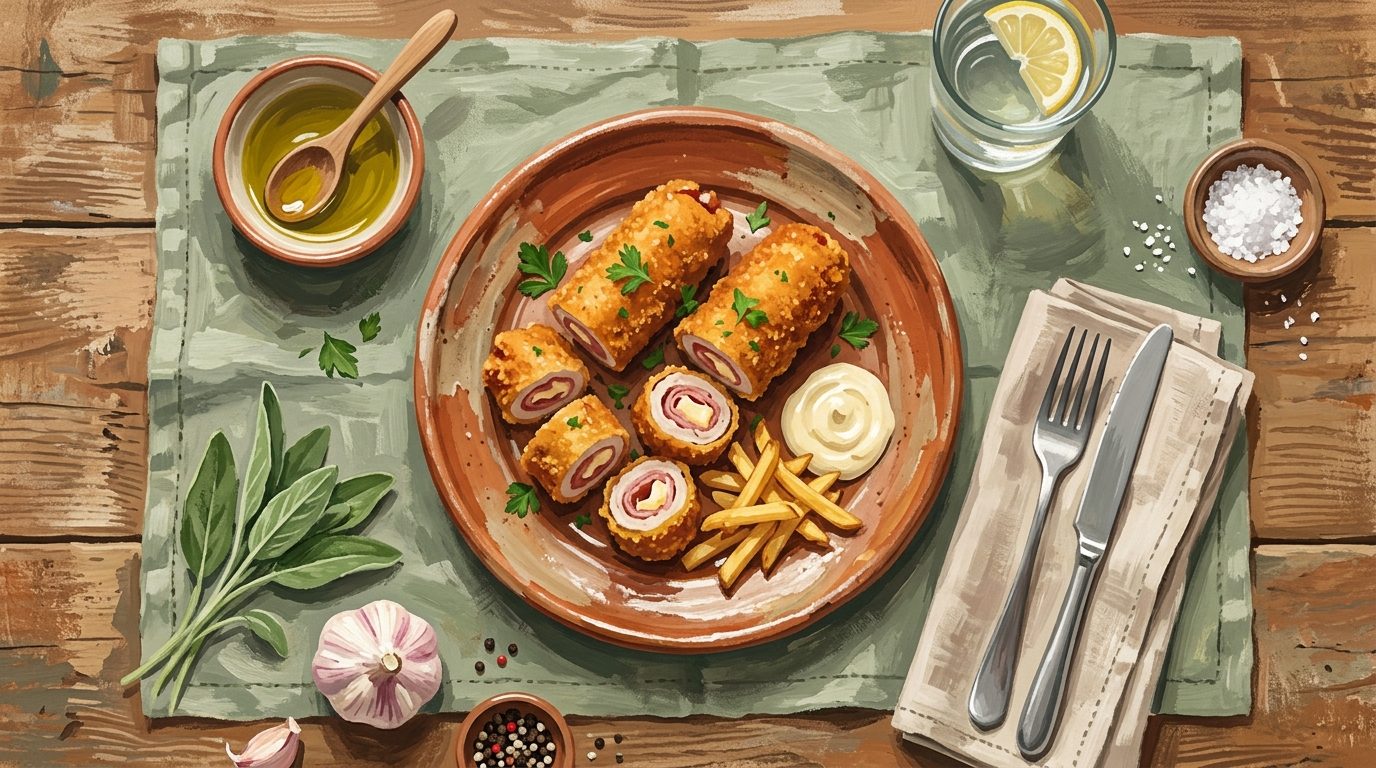
Authentic Flamenquines Cordobeses Recipe
Master the art of the perfect Cordoban flamenquín, a crisp roll of pork loin and serrano ham that is a staple of southern Spanish cuisine.
3 min read
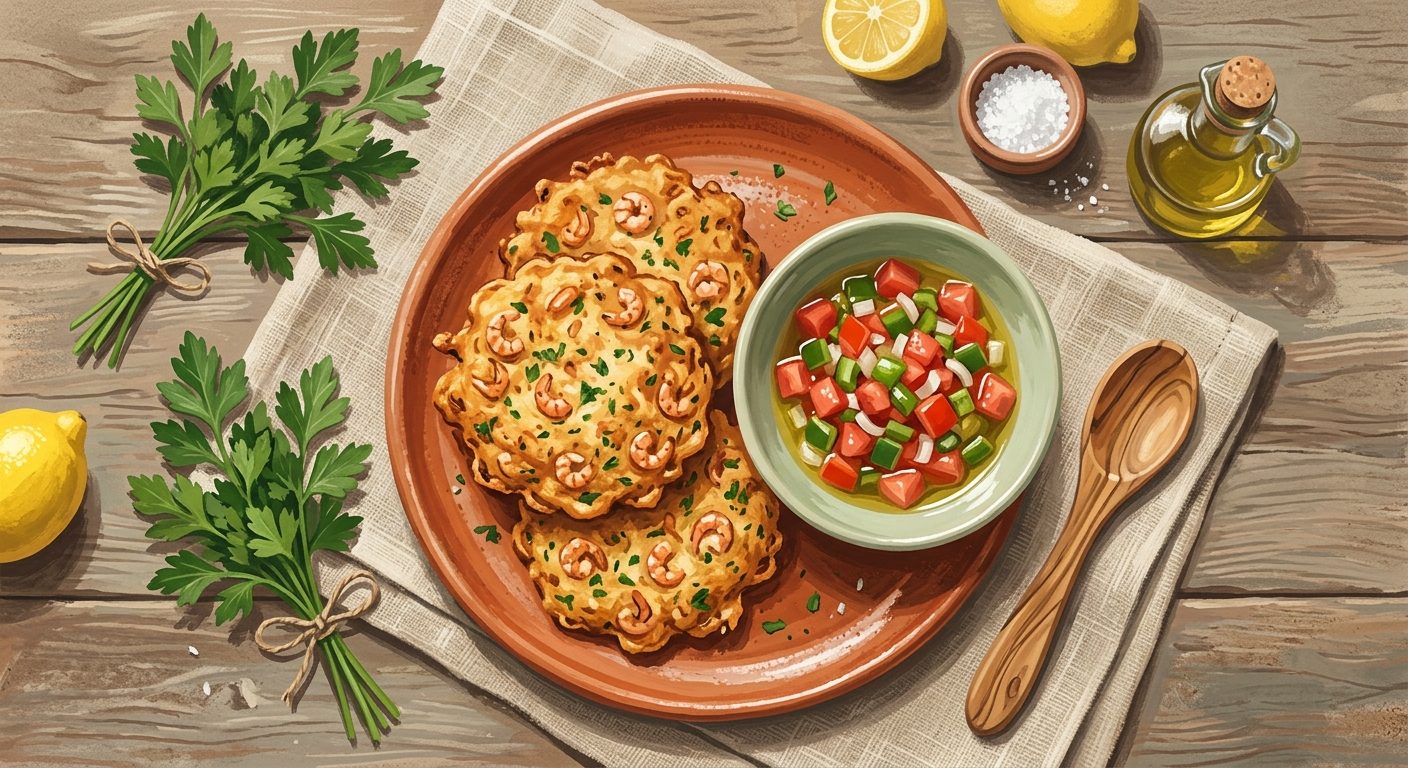
Authentic Tortillitas de Camarones Recipe
These lacy, golden shrimp fritters are the signature snack of the Bay of Cádiz, offering a crunch that defines the coast of Andalucía.
4 min read

Language Guide for Andalucía: Communication Tips for Visitors and Expats
Mastering communication in Andalucía means understanding the local Andaluz dialect and knowing how to navigate Spanish bureaucracy. Discover essential phrases, regional quirks, and practical tips for daily life.
7 min read
Master the Art of the Andalucían Kitchen: The Best Cooking Classes in Southern Spain (2026 Guide)
Discover the secrets of the Andalucían kitchen, from masterclasses in the markets of Sevilla to sherry-infused cooking in the hills of Cádiz.
7 min read
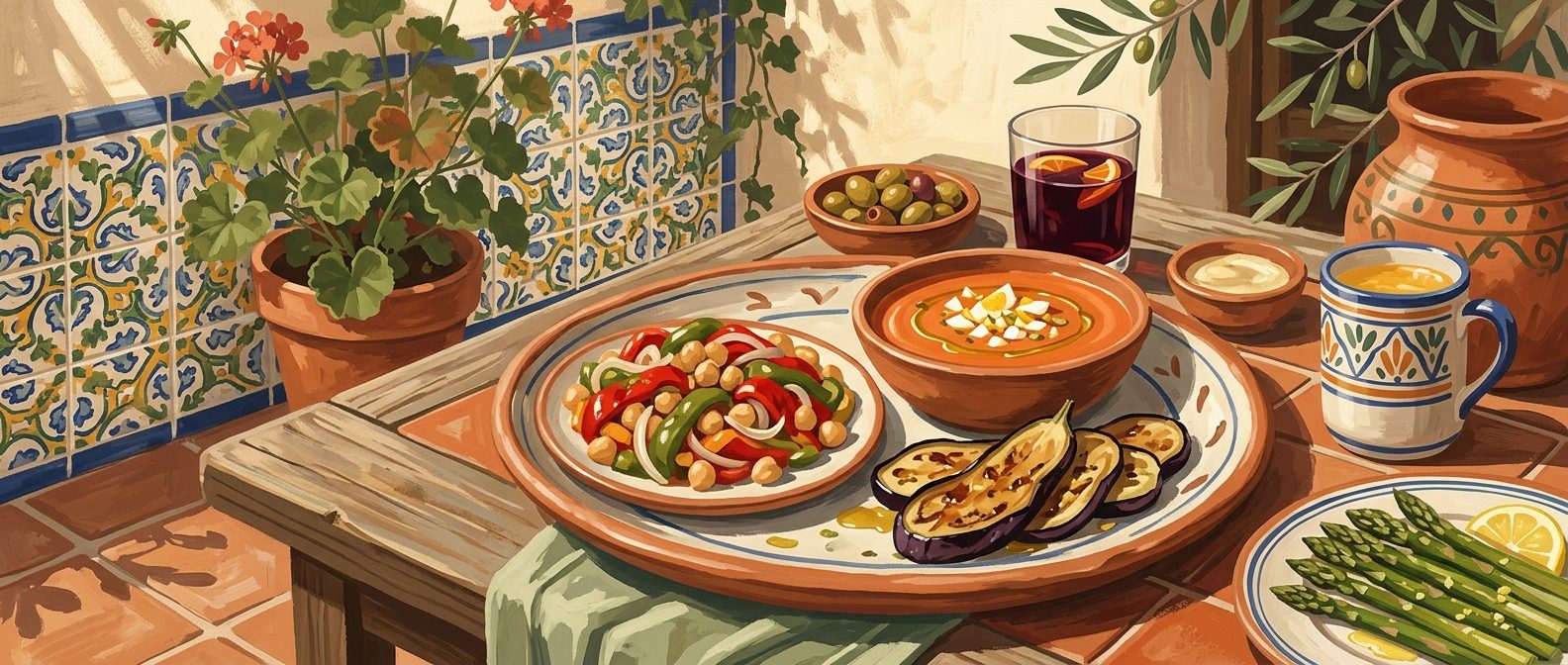
Eating Plant-Based in the South: A Guide to Vegetarian and Gluten-Free Andalucía
Navigating Andalucía as a vegetarian or coeliac is a journey through the region's rich 'cocina de la huerta'. From traditional spinach and chickpea tapas to modern vegan bistros, the south offers an abundance of plant-based delights.
6 min read
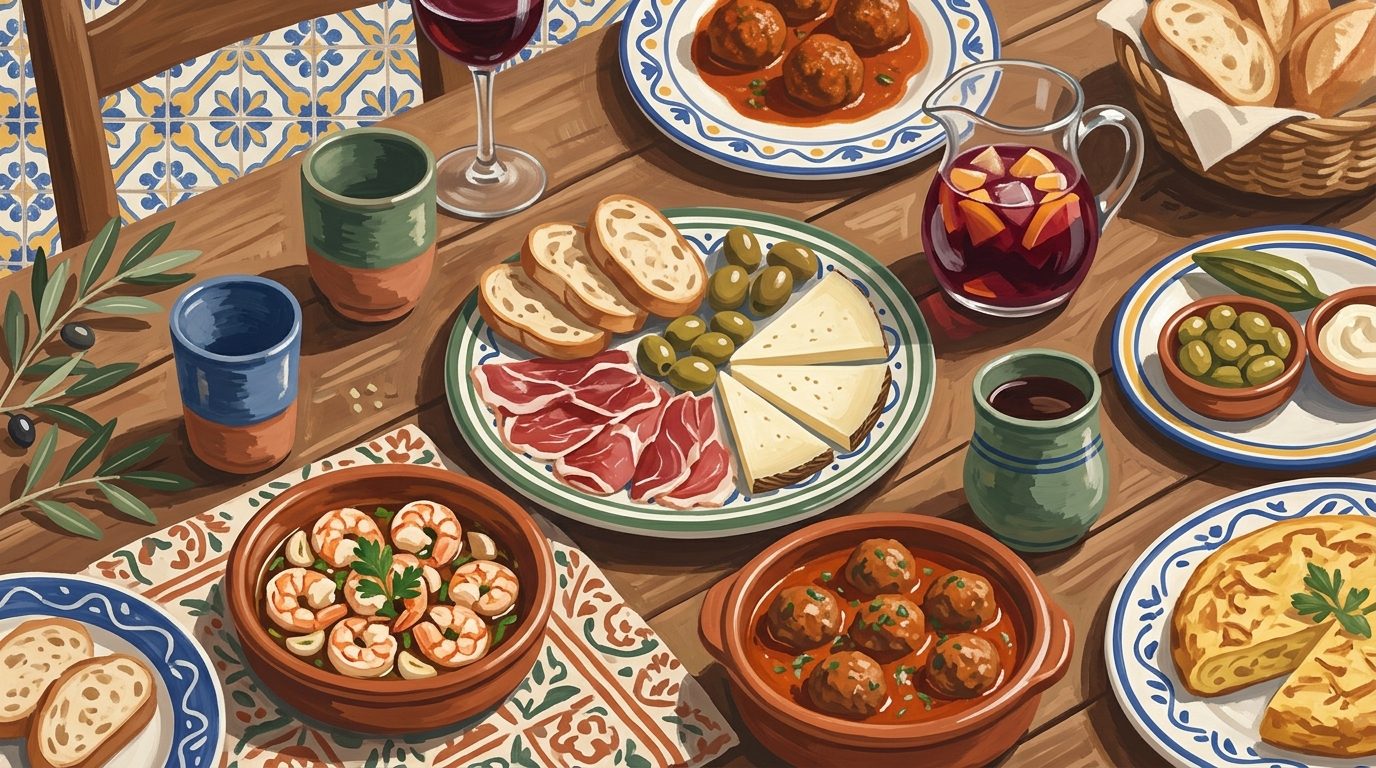
Beyond the Tapas Bar: A Journey Through the Flavours of Andalucía
Discover the essential dishes of Southern Spain, from the chilled salmorejo of Córdoba to the smoky espetos of the Málaga coast.
7 min read
More guides
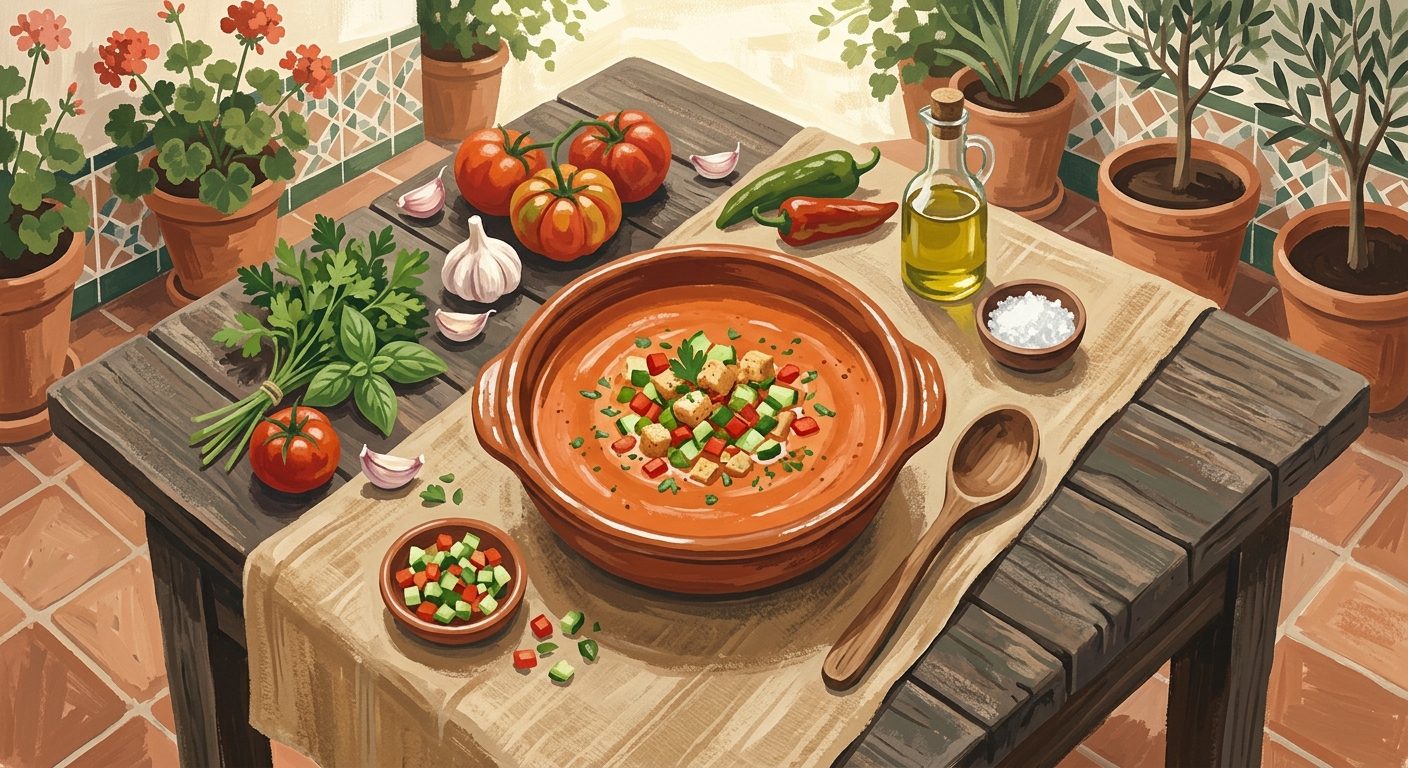
Authentic Gazpacho Andaluz Recipe
A refreshing liquid salad that defines summer in Southern Spain. This traditional chilled soup relies on quality olive oil and ripe tomatoes for its signature flavour.
3 min read
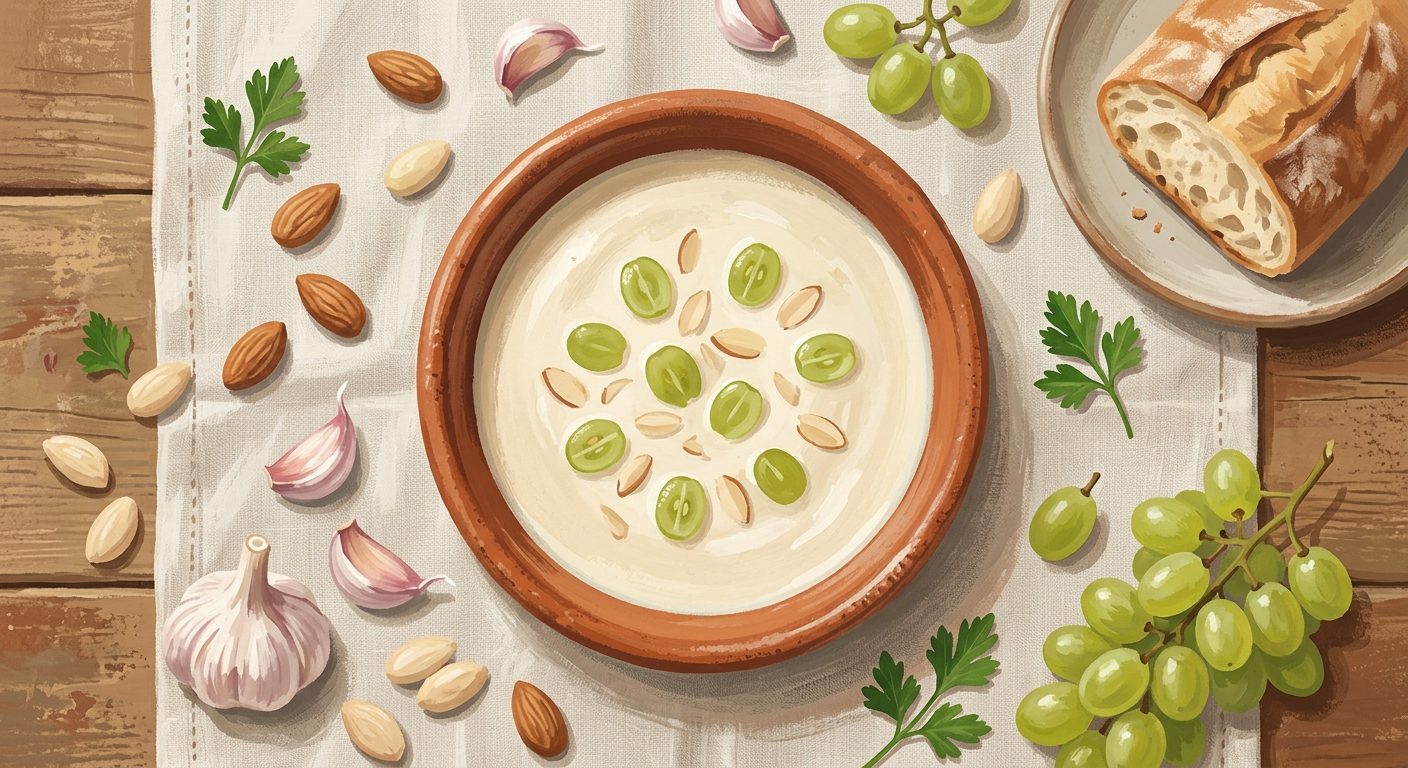
Ajoblanco Malagueño: The Original Cold Almond Soup of Málaga
Often called the white gazpacho, this chilled almond and garlic soup is a refreshing staple of Málaga. It remains one of the most elegant dishes in the Andalucían repertoire.
3 min read
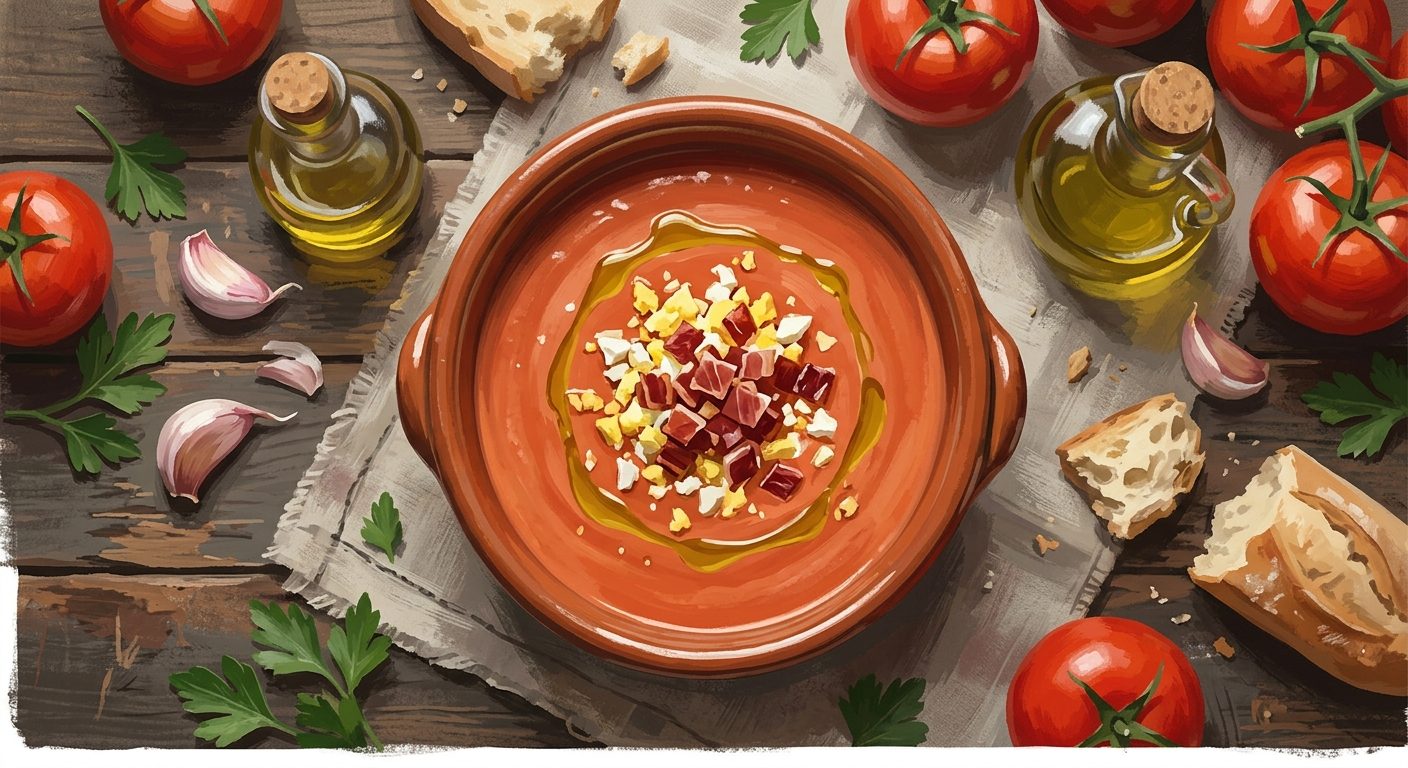
Traditional Salmorejo Cordobés Recipe
A thick, velvety cold tomato soup from Córdoba that relies on high-quality olive oil and sun-ripened tomatoes. This staple of Andalucía provides a cooling, nutritious meal.
3 min read
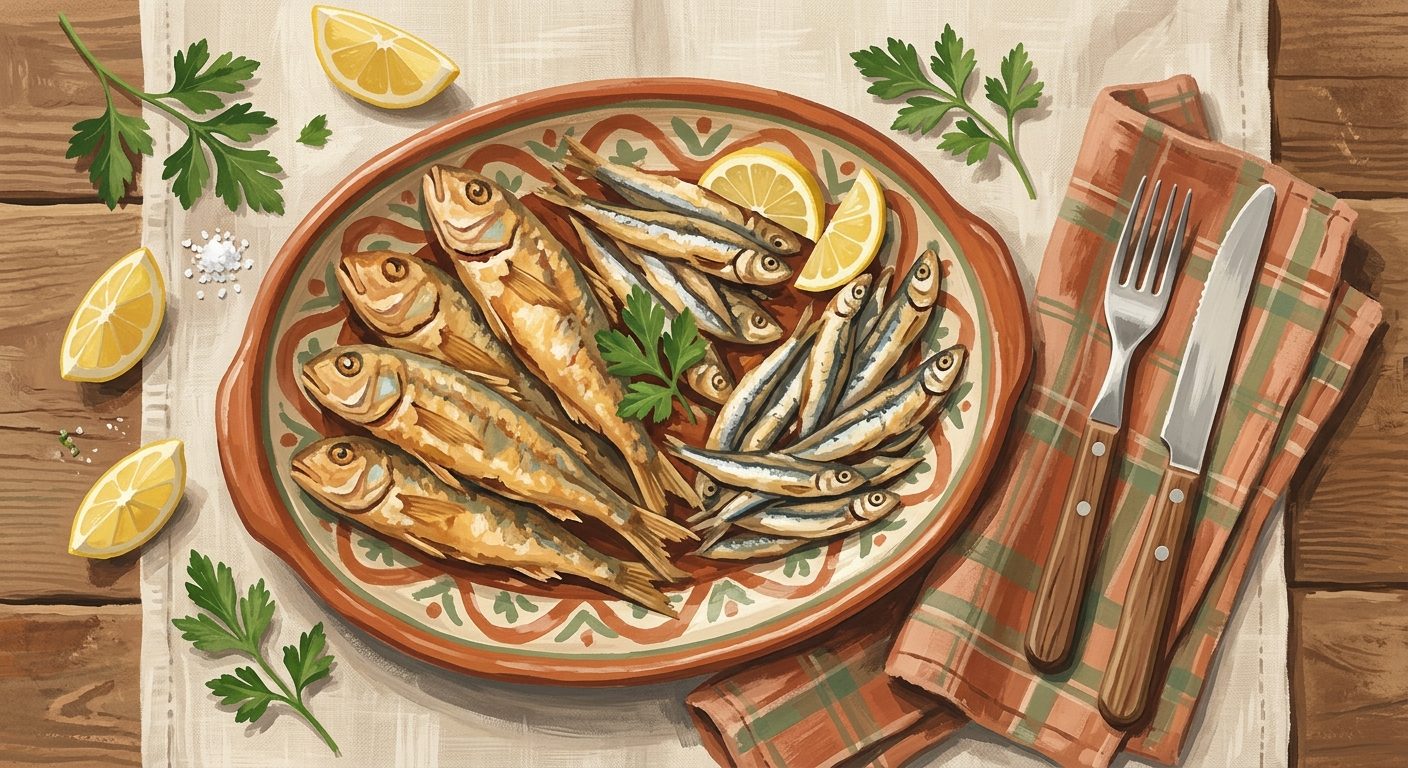
Authentic Pescaíto Frito: The Secret to Perfect Andalucían Fried Fish
A staple of the Andalucían coastline, Pescaíto Frito relies on extremely fresh fish and a light, crisp coating. This technique ensures the seafood remains tender while the exterior provides a satisfying crunch.
3 min read
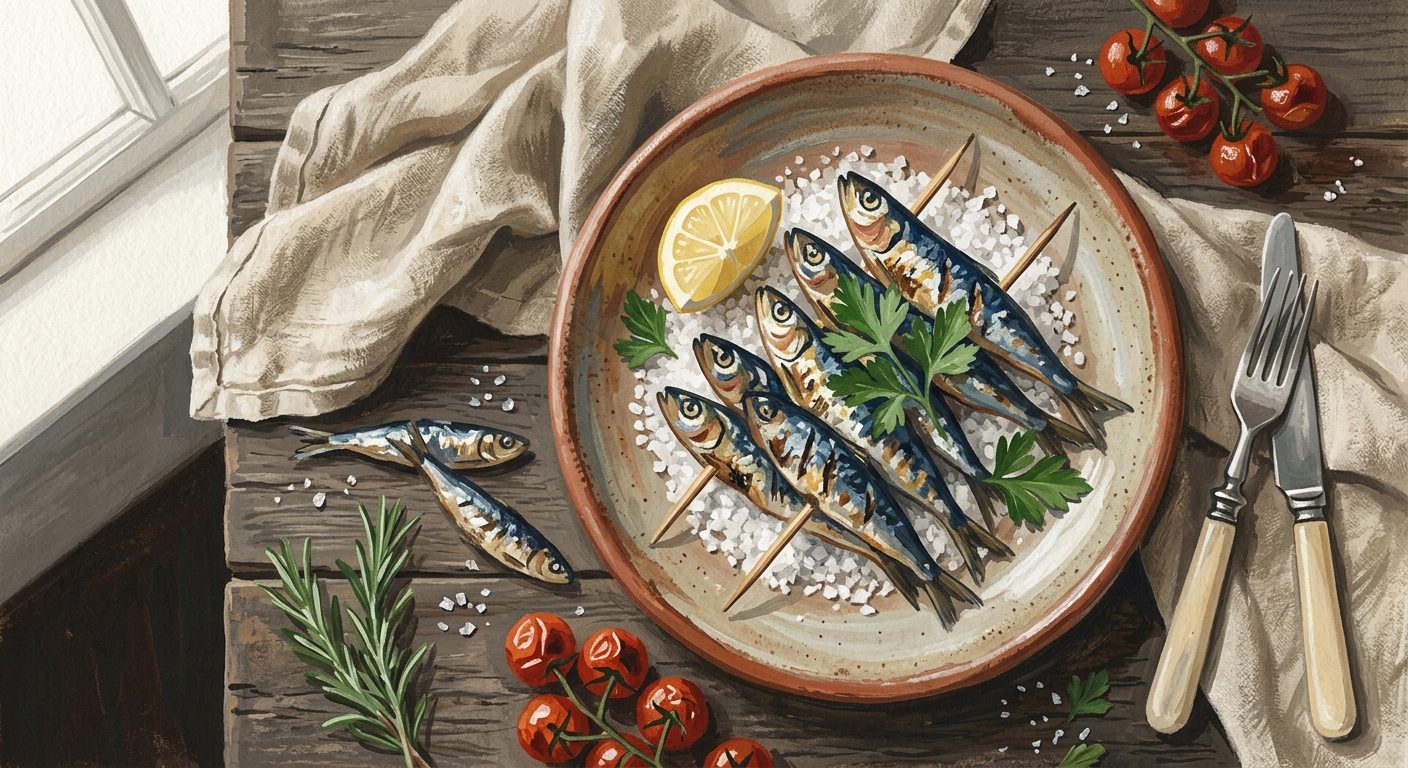
Traditional Espetos de Sardinas: The Taste of Málaga
Discover how to prepare authentic Espetos de Sardinas, the iconic grilled skewers from the beaches of Málaga, using traditional Andalucían techniques.
4 min read
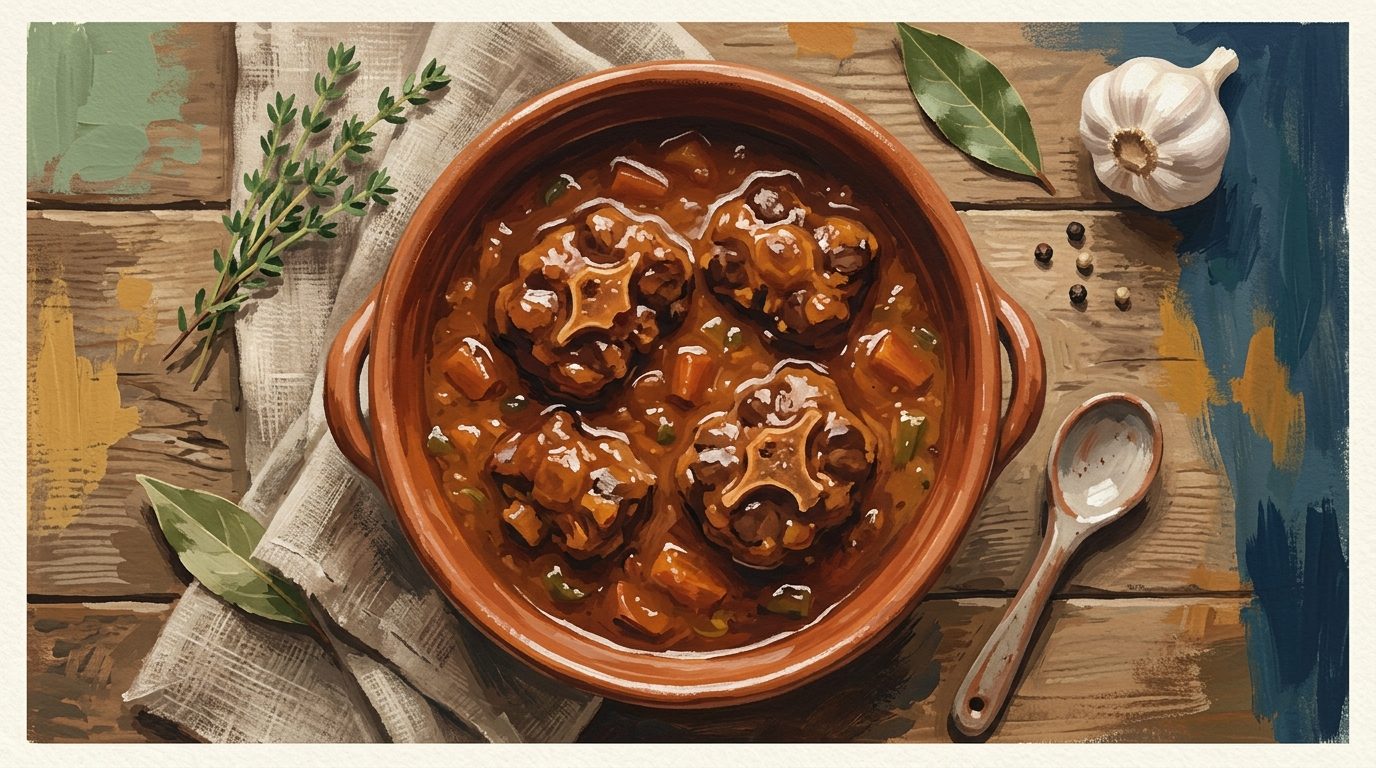
Slow-Cooked Rabo de Toro: An Andalucían Oxtail Stew
This traditional Andalucían oxtail stew is a masterclass in slow cooking, resulting in meat that falls away from the bone in a rich, silken sauce.
3 min read
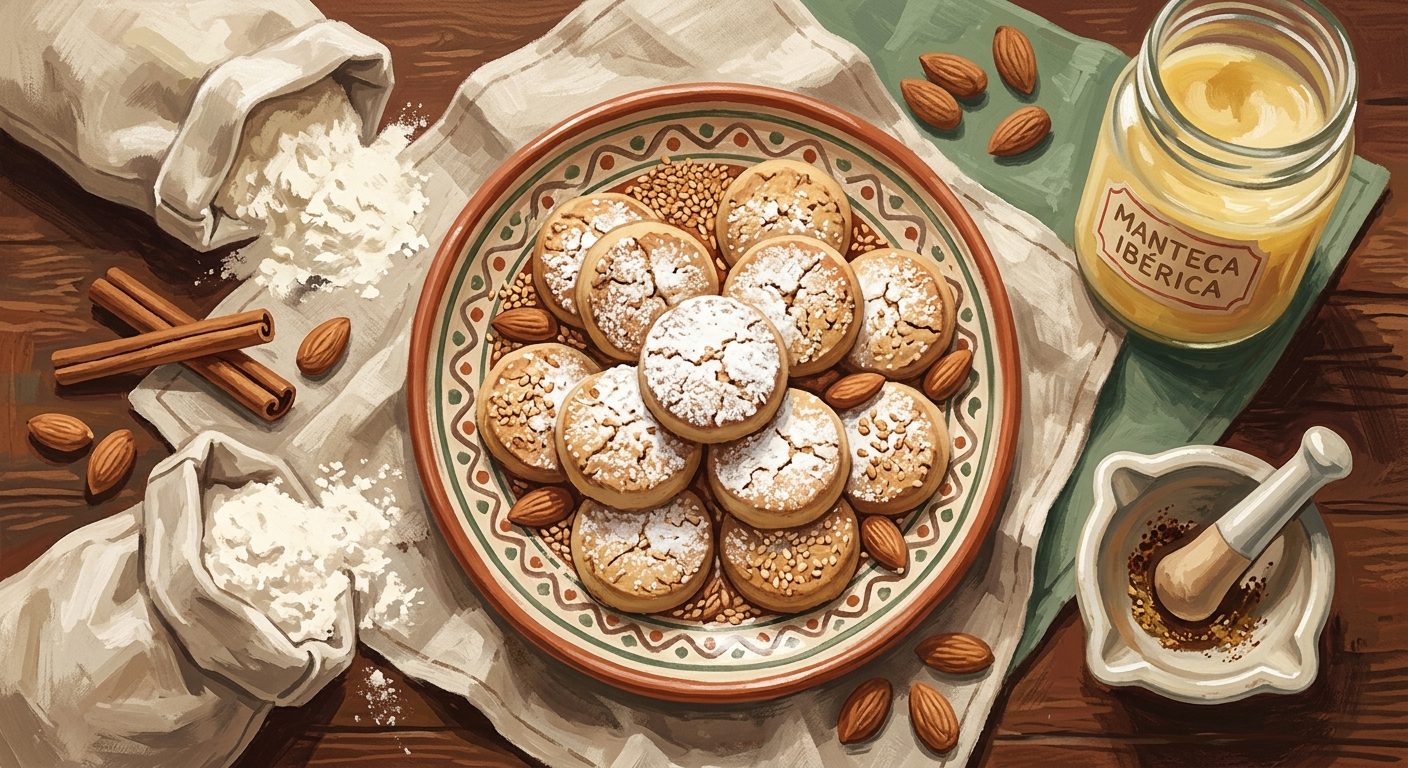
Traditional Mantecados: The Iconic Andalucían Christmas Biscuit
These crumbly, toasted-flour biscuits are a festive staple in Andalucía. Learn how to achieve the perfect sandy texture using traditional methods from Estepa and Antequera.
4 min read
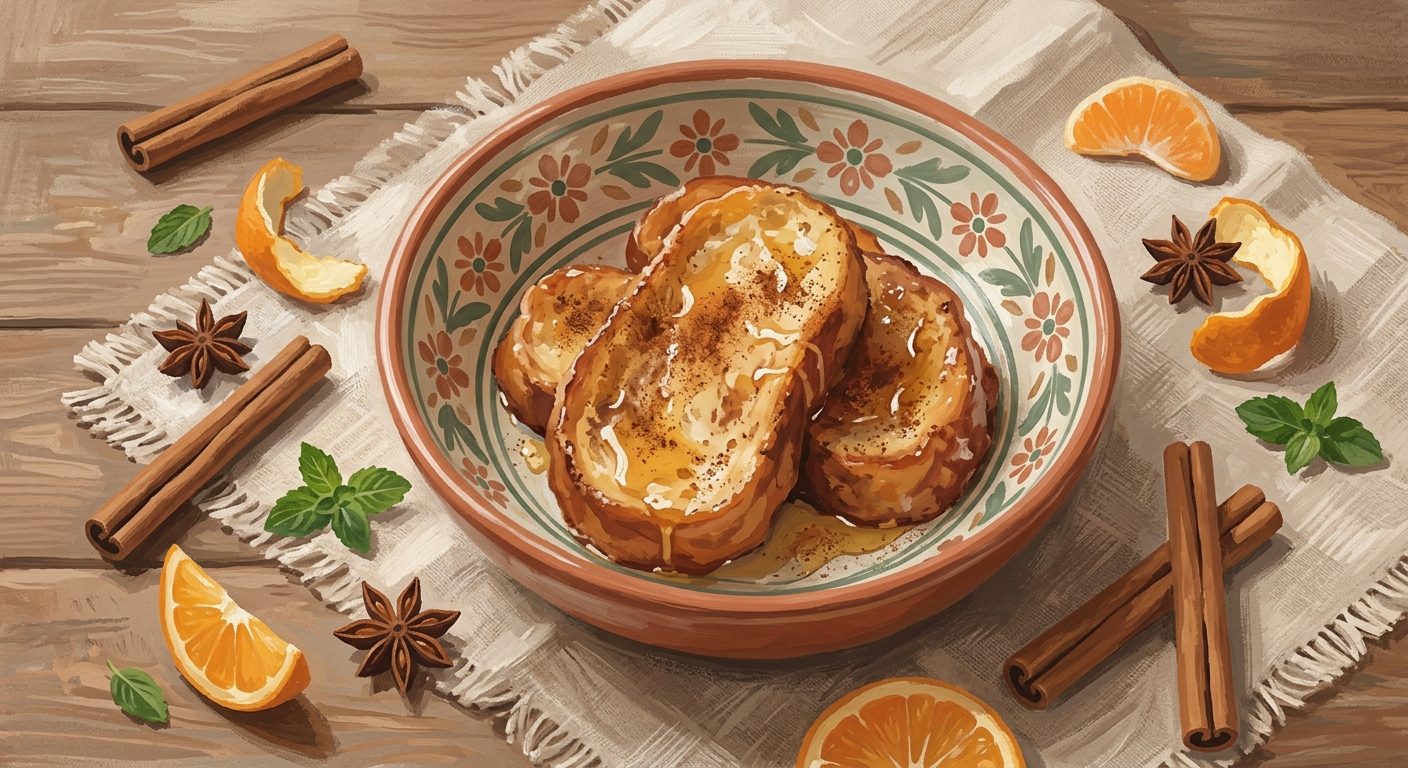
Torrijas: The Essential Holy Week Treat of Andalucía
A humble sweet treat transformed into a decadent delight, torrijas are the cornerstone of Easter celebrations across the region. These honey-soaked bread slices offer a comforting taste of Andalucían tradition in every bite.
3 min read
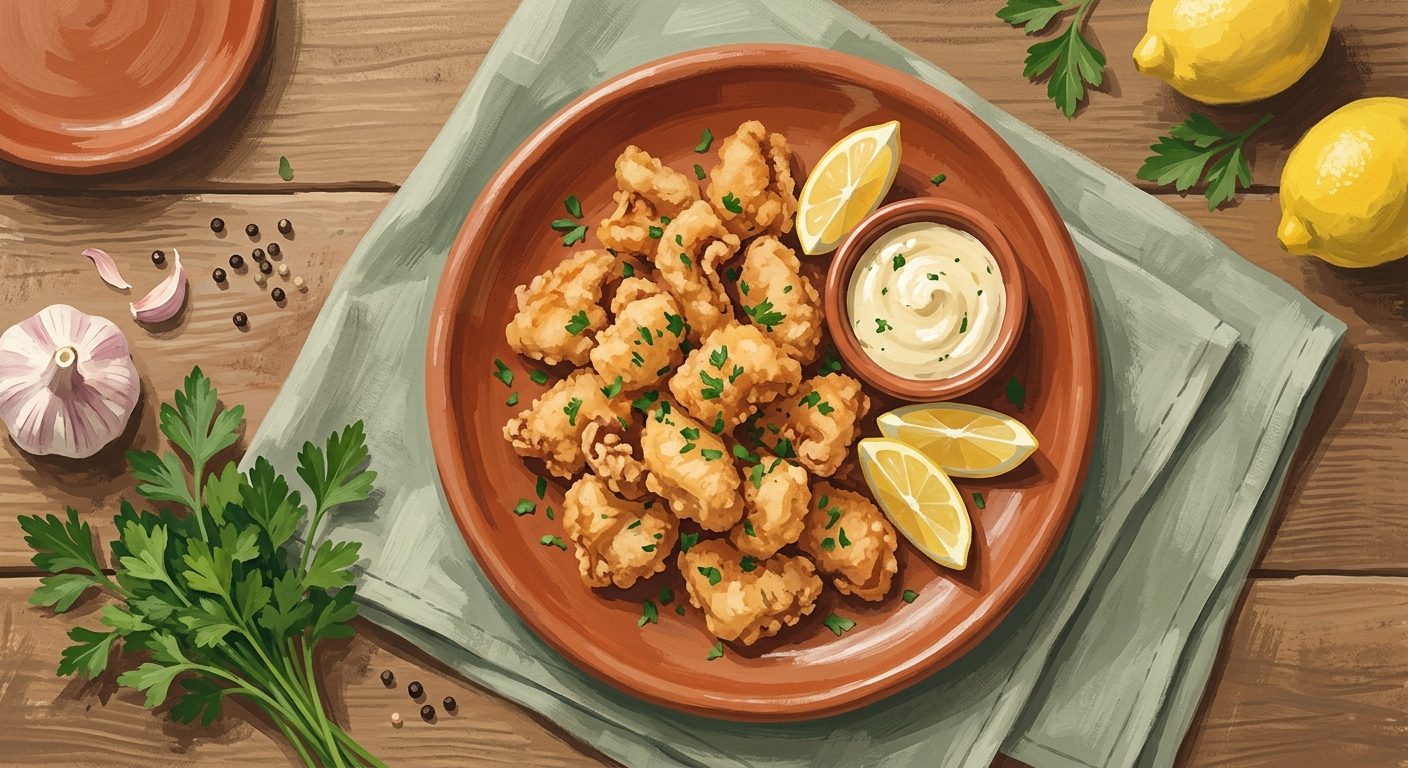
Traditional Andalucían Choco Frito Recipe
A crispy, golden staple of the Huelva and Cádiz coastlines, this fried cuttlefish dish relies on high-quality olive oil and a specific flour blend for its signature crunch.
3 min read
Newsletter
More stories from Andalucía
Weekly notes, seasonal picks, and the next guides worth bookmarking.