
Food & drink · Córdoba
A Guide to Eating and Drinking in Córdoba
Discover the culinary heart of Córdoba, from the creamy depths of salmorejo cordobés to the historic wine taverns serving Montilla-Moriles.
By Dan · Updated 9 May 2026 · 7 min read
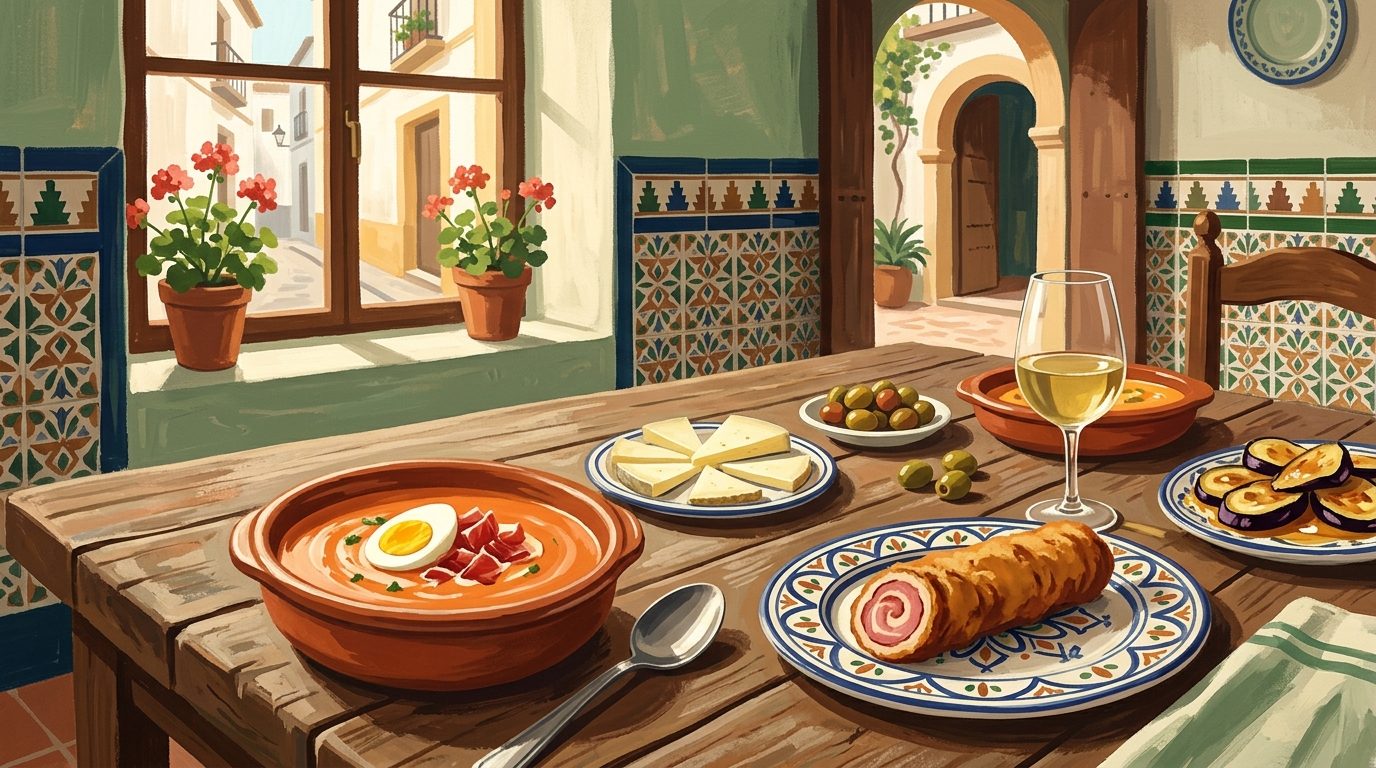
Córdoba is a city where the scent of orange blossom mixes with the aroma of fried aubergines and slow-cooked oxtail. From the oldest wine taverns to the modern gourmet stalls of Mercado Victoria, the city offers a distinct culinary identity shaped by its Roman and Islamic heritage.
Editor's note: All venues listed were operating as of May 2026. As prices and opening hours can change, please check directly with the operator's website before travelling.
While Sevilla often takes the limelight for its scale and Granada for its free tapas, Córdoba quietly maintains a claim as the culinary soul of Andalucía. This is a city defined by its intense summer heat and its deep-rooted connection to the countryside. The food here is designed to sustain and cool, reflecting a heritage that spans from the Roman introduction of olive oil to the sophisticated agricultural techniques of the Umayyad Caliphate. Eating in Córdoba is an exercise in appreciating simplicity done perfectly, whether that is a bowl of chilled tomato cream or a glass of dry, nutty wine poured straight from a barrel.
The city’s geography plays a major role in its flavours. To the north lies the Sierra Morena, providing game and honey, while the south connects to the rolling vineyards of Montilla-Moriles. This intersection creates a menu that feels more grounded and rustic than the coastal provinces. You will find that locals take immense pride in their specific versions of regional staples. They do not just eat food; they eat tradición (tradition). To eat well here, you must move beyond the immediate perimeter of the Mezquita and seek out the taverns where the white-washed walls are lined with black-and-white photos of bullfighters and poets.
The King of the Table: Salmorejo Cordobés
If there is one dish that defines this city, it is salmorejo. To the uninitiated, it may look like its cousin, gazpacho, but the two are distinct. Salmorejo cordobés is significantly thicker, creamier, and more substantial. It is an emulsion of sun-ripened tomatoes, extra virgin olive oil, garlic, and pan de telera, a local sourdough bread with a dense, fine crumb that gives the soup its velvet-like texture.
A proper salmorejo should be thick enough to hold its own against a spoon. It is almost always topped with a generous scattering of jamón ibérico (Iberian ham) and chopped hard-boiled egg. The beauty lies in the balance of the sharp garlic against the sweet tomatoes and the grassy finish of the oil. You will find it on almost every menu in the city, from the humblest bar to the most refined dining rooms. For a truly authentic version, head to Taberna San Miguel ‘Casa El Pisto’ (€€) at Plaza de San Miguel, 1. This tavern, dating back to 1880, serves a version that is widely considered the gold standard in the city. The setting, surrounded by old posters and colourful tiles, only enhances the experience.
The Mighty Flamenquín
While salmorejo provides the cool, the flamenquín provides the crunch. This is Córdoba’s favourite fried indulgence. A traditional flamenquín consists of slices of pork loin wrapped around strips of Serrano ham, which are then breaded and deep-fried until golden. The result is a long, cigar-shaped roll that is crispy on the outside and tender within.
Though its origins are debated, with the nearby town of Bujalance often claiming the crown, Córdoba has made it its own. You will find variations that include cheese or even roasted peppers, but the purists stick to pork and ham. For a no-frills, local experience, visit Hermanos Bonillo (€) on Calle Sagunto, 27 in the Levante district. They are famous for their oversized flamenquines, which can often reach the length of a forearm. It is a dish that perfectly illustrates the Andalucían love for the fryer, executed with skill rather than grease.
Navigating the Judería and Beyond
The Judería (Jewish Quarter) is the most famous part of Córdoba, a labyrinth of narrow alleys and flower-filled courtyards. Because it is the primary focus for visitors, it is easy to fall into tourist traps offering mediocre menus. However, there are several standout locations that remain loyal to the city’s culinary roots. Casa Pepe de la Judería (€€) on Calle Romero, 1 is a classic choice. It offers a rooftop terrace with views of the Mezquita and a menu that balances traditional recipes with modern presentation. Their berenjenas con miel de caña (aubergines with cane syrup) are light, crispy, and lack any trace of bitterness.
For a taste of the city’s Sephardic heritage, Casa Mazal (€€) at Calle Tomás Conde, 3 offers dishes that reflect the historical Jewish influence on the region. Here, you can find lamb stews with dried fruits and almond-based desserts that feel like a step back in time. It is a reminder that Córdoba’s food is a layers-deep history of the people who have lived here.
The Wine Taverns of Montilla-Moriles
You cannot understand Córdoba without understanding its wine. While the world knows Sherry from Jerez, Córdoba produces a remarkably similar, and arguably more versatile, range of wines in the Montilla-Moriles region. The primary difference is the grape: while Jerez uses Palomino, Córdoba uses Pedro Ximénez.
The best way to experience these is in a taberna (tavern). These are the social hubs of the city. Look for Taberna Salinas (€€), located at Calle Tundidores, 3 near the Plaza de la Corredera. It is an atmospheric spot where you can order a glass of Fino (dry and crisp) or an Amontillado (nutty and dark) straight from the barrel. If you have a sweet tooth, the Pedro Ximénez dessert wine is essentially raisins in liquid form: thick, dark, and incredibly complex. Pair your wine with a plate of queso manchego or some mazamorra, an almond-based cold soup that predates the arrival of tomatoes from the Americas.
Modern Flavours at Mercado Victoria
For a change of pace from the historic taverns, Mercado Victoria (€ to €€) on Paseo de la Victoria offers a contemporary take on the Spanish market hall. Located in a 19th-century wrought-iron pavilion in the Jardines de la Victoria, it was the first gourmet market in Andalucía. It is a fantastic spot if you are travelling in a group and cannot agree on what to eat.
The market contains over twenty stalls offering everything from local cheeses and embutidos (cured meats) to fresh seafood and international fusion. It is a lively, social space where you can grab a drink and graze your way through different specialities. Look out for the stall dedicated to ostras (oysters) or the one serving rabo de toro (oxtail) croquettes. It provides a more relaxed, informal atmosphere than a traditional sit-down restaurant and is particularly popular during the tardeo (afternoon drinks) hours.
Ordering Like a Local
In Córdoba, the rhythm of the meal is important. Locals rarely order a heavy three-course meal in one go. Instead, start with a caña (a small draught beer) or a copa of Fino and a few small plates to share. The concept of the media ración (half portion) is your best friend here; it allows you to taste more dishes without being overwhelmed.
When you see rabo de toro on the menu, order it. This oxtail stew is a city speciality, slow-cooked in a red wine sauce until the meat falls away from the bone. It is rich, dark, and deeply satisfying. Also, look for japuta en adobo, which is marinated and fried dogfish, a staple of the local tavern culture. Don't be afraid to stand at the bar; often the best service and the most authentic atmosphere are found there rather than at the tables in the back.
Where to Find the Best
The Best Salmorejo
Taberna San Miguel ‘Casa El Pisto’ (€€, Plaza de San Miguel, 1): This is the definitive place for salmorejo. The texture is perfect, and the setting in a former 19th-century house is unbeatable. Their pisto (a Spanish ratatouille topped with a fried egg) is also legendary.
The Best Oxtail (Rabo de Toro)
El Caballo Rojo (€€€, Calle Cardenal Herrero, 28): Located just steps from the Mezquita, this restaurant is an institution. While it is more formal and expensive than the taverns, their rabo de toro is exquisite, following a recipe that has remained unchanged for decades. They also specialise in Mozarabic cuisine, using ingredients like pine nuts and raisins in savoury dishes.
The Best Traditional Atmosphere
Taberna Sociedad de Plateros (€€, Calle San Francisco, 6): There are several of these in the city, but the one on Calle San Francisco is particularly charming. It is a cooperative tavern that has been around since the 1800s. It is the place to go for a glass of their own-brand Montilla-Moriles wine and a plate of bacalao con naranja (cod with orange), a classic local salad.
The Best Modern Tapas
Garum 2.1 (€€, Calle San Fernando, 120): This renowned venue takes traditional ingredients and gives them a creative twist. The presentation is beautiful, and the flavours are fresh. It is a great alternative when you want something a little lighter than the usual tavern fare. (Check on the operator's website before travelling).
Last reviewed: 21 June 2026 · Editorial policy
Related guides
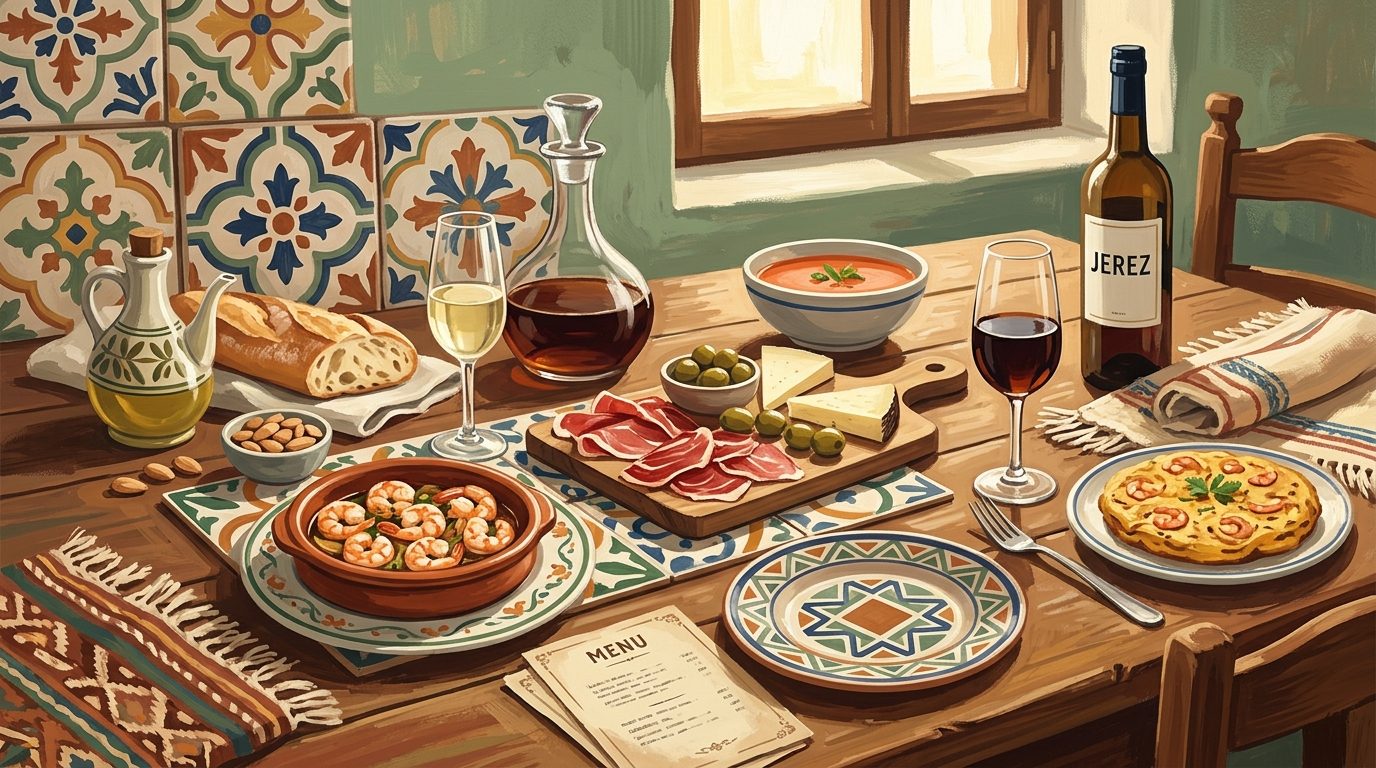
A Local’s Guide to Eating and Drinking in Jerez de la Frontera
Discover the authentic taste of Jerez de la Frontera, from the traditional tabancos serving sherry from the cask to the rich, slow-cooked stews of the Santiago quarter.
7 min read
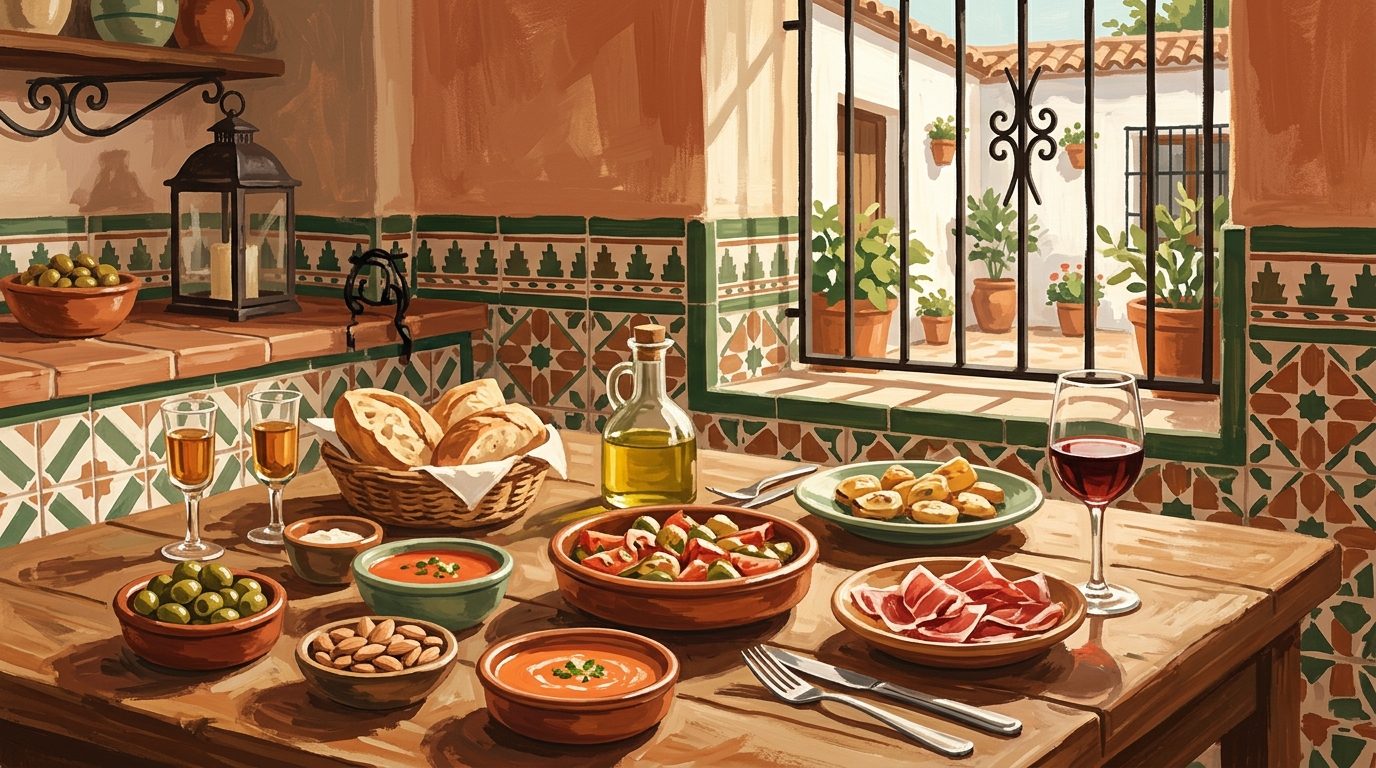
Master the Art of the Andalucían Kitchen: The Best Cooking Classes in Southern Spain (2026 Guide)
Discover the secrets of the Andalucían kitchen, from masterclasses in the markets of Sevilla to sherry-infused cooking in the hills of Cádiz.
7 min read
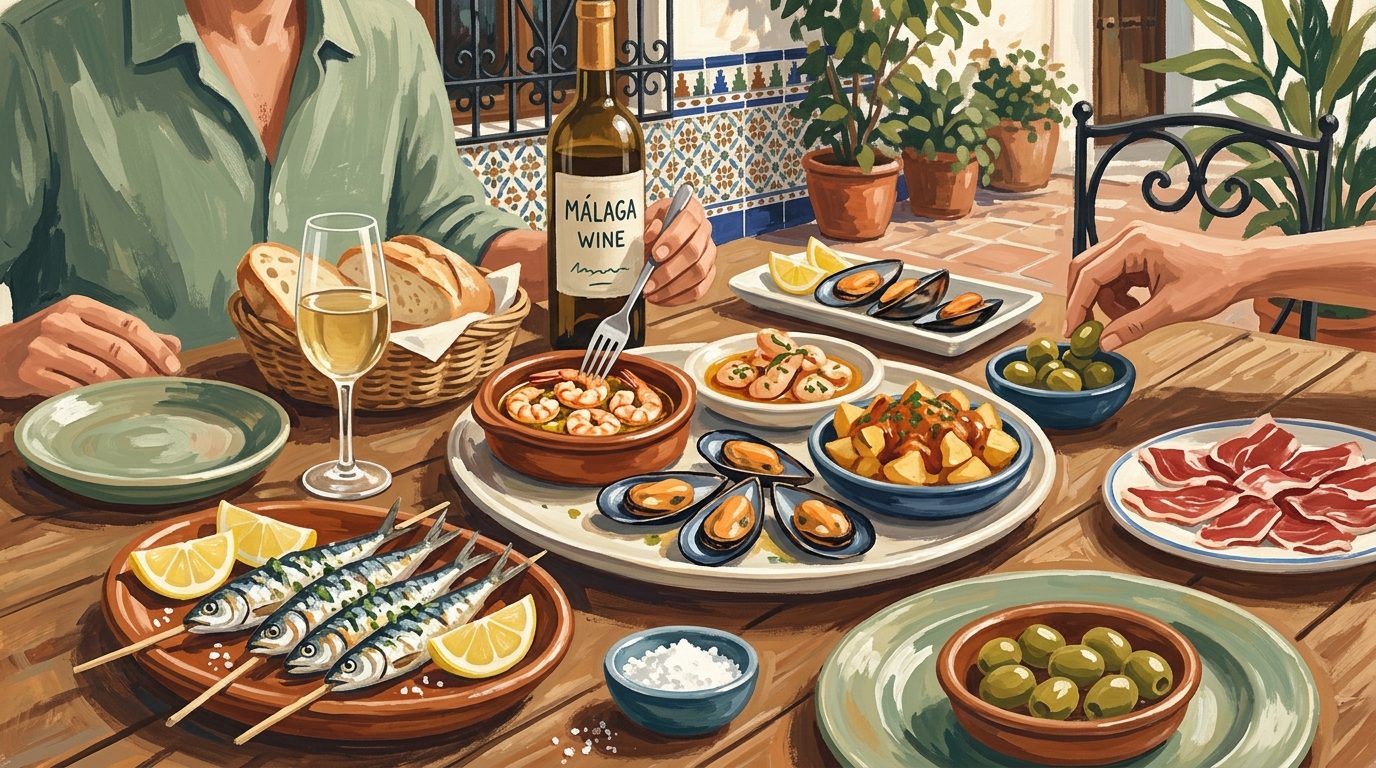
Where to Eat in Málaga: From Beachfront Espetos to Soho Small Plates
Forget its reputation as a mere transit point; Málaga has transformed into one of Spain’s most compelling food cities, balancing salt-crusted beach traditions with a sharp, modern dining scene.
7 min read
Where to Eat in Cádiz: From Atlantic Seafood to Market Tapas
Discover the salt-tangled flavours of Europe’s oldest city, where bluefin tuna, paper cones of fried fish, and crispy shrimp fritters define the culinary landscape.
6 min read
The Art of the Tapeo: A Local Guide to Tapas Culture in Andalucía
Discover the unwritten rules of the Andalucían tapeo, from the legendary free tapas of Granada to the historic tabernas of Sevilla.
6 min read
A Serious Eater's Guide to Granada: From Free Tapas to Fine Dining
Beyond the Alhambra lies a city where the drink-to-food ratio remains the best in Spain, anchored by a free tapas culture that rewards the adventurous diner.
7 min read
Newsletter
More stories from Andalucía
Weekly notes, seasonal picks, and the next guides worth bookmarking.