
Food & drink
Beyond the Tapas Bar: A Guide to Andalucían Street Food
Discover the authentic taste of the south, from the salt-crusted sardine skewers of Málaga to the morning ritual of churros in Sevilla. This guide avoids the tourist traps to highlight where locals truly eat on the move.
By Dan · Updated 7 June 2026 · 6 min read
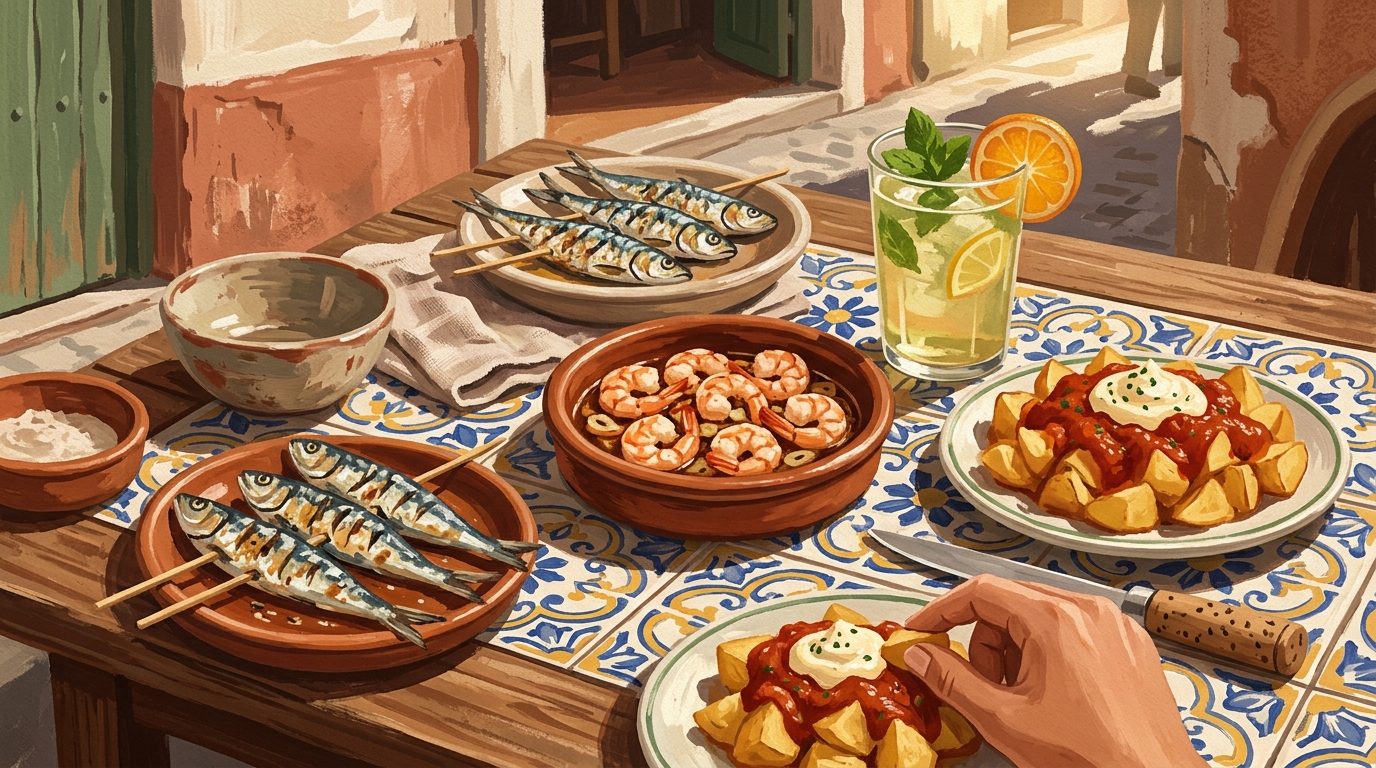
Street food in the south of Spain is less about modern food trucks and more about the seasonal rhythm of sardines on the beach and chocolate-dipped dough in the city squares. From the salt-crusted grills of the coast to the wood-fired chestnut drums of the mountains, eating on the move is an Andalucían birthright.
While the rest of the world caught on to the street food trend via colourful vans and fusion tacos, Andalucía has been quietly serving its own version for centuries. Here, the concept of eating in the open air is not a gimmick; it is a necessity dictated by the climate and a culture that lives almost entirely in the calle (street). You won’t find many nomadic trucks selling overpriced burgers, but you will find puestos (stalls) that have occupied the same corner for generations, serving snacks that change with the calendar.
To understand Andalucían street food, you must understand the paseo, the evening stroll. Whether it is a cone of fried fish in Cádiz or a cup of snails in Sevilla, these snacks are designed to be eaten while walking, talking, or standing at a high marble table. It is food that prioritises freshness and locality over presentation. There is an unwritten code to this way of eating: the best churros are found where the queue is longest at 8:00 am, and the best espetos are only eaten when the moon is right. This guide explores the authentic snacks that define the southern Spanish pavement.
The Morning Ritual: Churros and Porras
Breakfast in Andalucía is rarely a sit-down affair involving eggs and bacon. Instead, it revolves around the churrería. These are often small, utilitarian shops or even temporary trailers that specialise in deep-frying dough to order. In Sevilla and Huelva, you will often find churros de papa, thin, star-shaped loops made with a potato-based flour that results in a light, airy crunch. In Málaga, the locals prefer tejeringos, which are shaped by hand into individual rings, or the thicker, spongier porras.
Authentic churros are never dusted with cinnamon and sugar: that is a Mexican tradition. Here, they are served plain with a side of thick, dark chocolate a la taza for dipping. The dough is fried in aceite de oliva (olive oil) or high-quality sunflower oil, and the hallmark of a good vendor is the lack of grease left on the papel de estraza (brown absorbent paper) they are served in. Expect to pay between €3 and €5 for a generous portion that can easily be shared between two people.
Coastal Soul: Espetos de Sardinas
If you find yourself on the Costa del Sol during the summer, the scent of burning olive wood and sea salt is unmistakable. This belongs to the espeto. Traditionally, six or seven fresh sardinas (sardines) are skewered onto a sharpened bamboo stick and propped up in the sand next to a fire, usually built inside an old wooden fishing boat called a barca.
The amoratador (the person tending the fire) must position the skewers so the wind blows the smoke away from the fish, allowing the skin to crisp up while the flesh remains succulent. The local rule of thumb is to only eat espetos in the months without an ‘r’ (May, June, July, and August), as this is when the sardines are at their fattiest and most flavourful. While many chiringuitos (beach bars) offer table service, the true street food experience is grabbing a plate and eating them with your fingers on the sand. Prices are remarkably low, usually ranging from €2 to €6 per skewer depending on the popularity of the beach.
Autumnal Aromas: Castañas Asadas
As the intense heat of the Andalucían summer fades and the Sierra Nevada peaks begin to see snow, the streets of Granada, Córdoba, and Jaén fill with a distinct, smoky haze. This marks the arrival of the castañero. These vendors operate small, locomotive-shaped ovens or charcoal-filled drums, roasting castañas (chestnuts) over high heat.
The chestnuts are scored with a single slit before being tossed in coarse salt and roasted until the shells blacken and peel away easily to reveal the sweet, creamy nut inside. They are served in a cucurucho, a cone made from recycled newspaper or scrap paper. It is the ultimate winter comfort food, costing just a few Euros for a dozen. There is no better way to warm your hands while navigating the narrow alleys of the Albayzín in Granada.
The Market Stand: Freidurías and Chicharrones
The mercado de abastos (central market) is the beating heart of any Andalucían town. While these are primarily places to buy raw ingredients, they have increasingly become hubs for ready-to-eat snacks. In Cádiz, the freidurías (fried fish shops) are legendary. You can order a cartucho (paper cone) filled with cazón en adobo (marinated dogfish), puntillitas (baby squid), or tortillitas de camarones (ultra-thin shrimp fritters).
In the inland provinces like Jerez or Arcos de la Frontera, look for stalls selling chicharrones. These are not the airy pork rinds found in packets, but rather slow-cooked pork belly seasoned with garlic, oregano, and salt, then sliced thin or served in chunks. Often served on a simple piece of wax paper, they represent the pinnacle of Andalucían pork butchery.
Artisanal Chill: Helado Artesanal
Ice cream in Andalucía is treated with the same reverence as wine or olive oil. We aren't talking about mass-produced tubs, but helado artesanal. Many of the most famous heladerías in the region were founded by families from the Alicante region (specifically Jijona) who brought their knowledge of turrón (nougat) making to the south.
Look for flavours that reflect the local landscape: mantecado (based on the traditional cinnamon and lard biscuit), pasa y Pedro Ximénez (raisins soaked in sweet sherry), or higo (fig). In Málaga, the eponymous 'Málaga' flavour (cream with sweet wine and raisins) is mandatory. These shops are social hubs during the merienda (afternoon snack) hour, typically between 5:00 pm and 8:00 pm.
Ordering Like a Local
To eat like a local, you must forget the term "street food". If you ask for comida callejera, people will point you towards a burger king. Instead, use the verb picar (to nibble or peck at food). When at a market or churrería, pay attention to the queue; often there isn't a formal line, but rather a system of asking "¿Quién es el último?" (Who is the last person?). This establishes your place in the invisible pecking order.
Timing is everything. Churros disappear by 11:00 am, and espetos aren't fired up until the sun is high in the sky. If you are ordering fried fish, ask for a variado if you want a mix of everything the freidor has deemed freshest that morning. Most importantly, don't be afraid of the paper cone, as it is the universal signifier of quality Andalucían snacks.
Where to Find the Best
Sevilla
Churrería El Comercio: Situated near the Cathedral, this spot serves some of the thickest chocolate and freshest churros de papa in the city. Expect to stand at the bar. (€)
Mercado de Triana (official website): Cross the bridge to find stalls serving everything from local oysters to papelón de jamón (platters of cured ham). (€€)
Málaga
Casa Aranda: An institution for tejeringos since 1932. It occupies almost an entire alleyway near the central market. (€)
El Palo and Pedregalejo: These former fishing villages are now part of the city. Walk along the promenade and choose any barca where the espetos are being grilled over olive wood. (€)
Cádiz
Freiduría Las Flores: Located in the Plaza de las Flores, this is the gold standard for fried fish. Buy a cone and eat it on the nearby stone benches. (€)
Mercado Central de Abastos (official website): The ‘Rincón Gastronómico’ section of the market features stalls selling tuna mojama (salt-cured tuna) and local Sherry by the glass. (€€)
Granada
Plaza Bib-Rambla: While touristy, the churrerías here offer the classic Granada experience of churros with a view of the Cathedral. (€)
Heladería Los Italianos: Often cited as the best ice cream in Spain, the queues on Gran Vía are legendary but move fast. Try the cassata. (€)
Last reviewed: 21 June 2026 · Editorial policy
Related guides
Master the Art of the Andalucían Kitchen: The Best Cooking Classes in Southern Spain (2026 Guide)
Discover the secrets of the Andalucían kitchen, from masterclasses in the markets of Sevilla to sherry-infused cooking in the hills of Cádiz.
7 min read
A Guide to Markets and Food Shopping in Andalucía
To understand the rhythm of life in Andalucía, you must follow the morning queue at the local food market. The mercado de abastos remains the undisputed heart of every town, where seasonal quality dictates the daily menu.
6 min read
A Guide to Seasonal Eating in Andalucía
Discover the culinary calendar of Andalucía, from the sun-drenched tropical fruits of Granada to the smoky chestnut festivals of the Sierra mountains.
6 min read
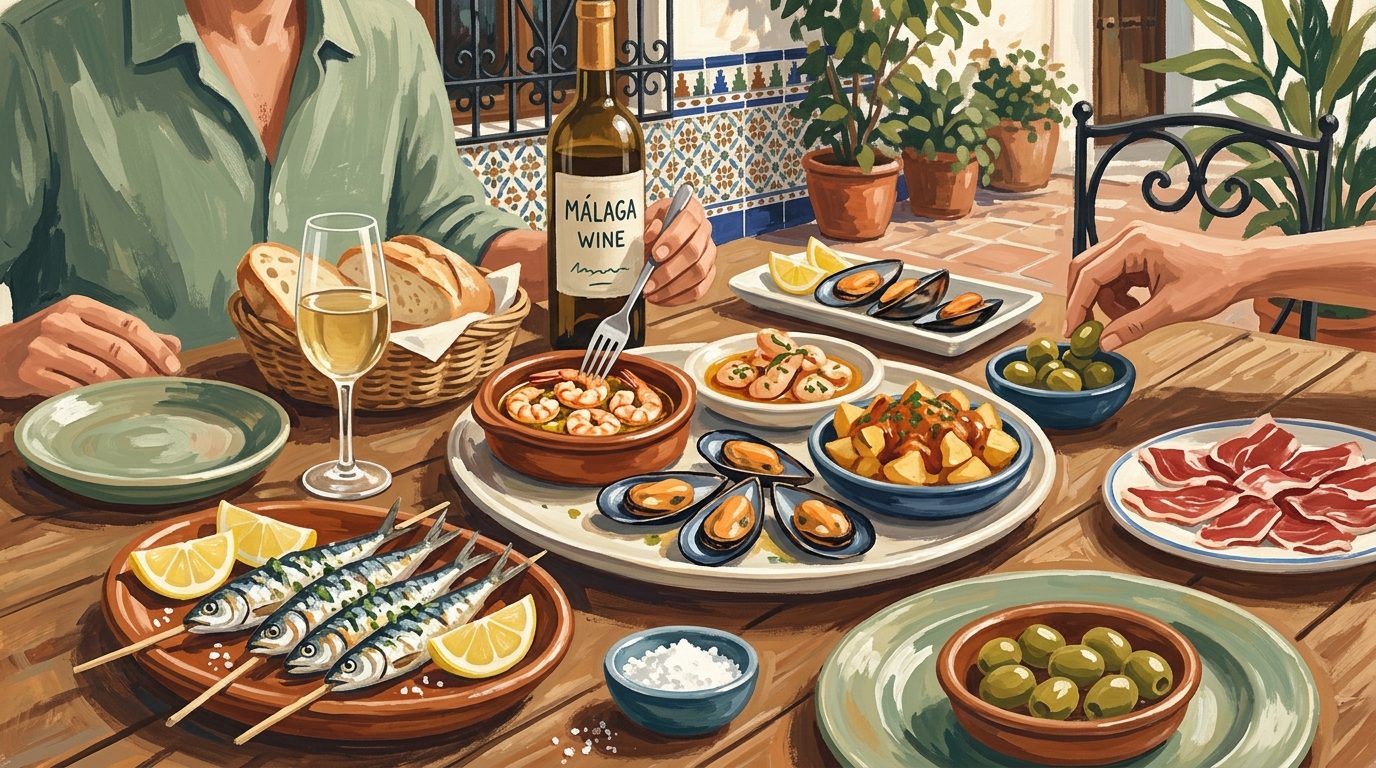
Where to Eat in Málaga: From Beachfront Espetos to Soho Small Plates
Forget its reputation as a mere transit point; Málaga has transformed into one of Spain’s most compelling food cities, balancing salt-crusted beach traditions with a sharp, modern dining scene.
7 min read
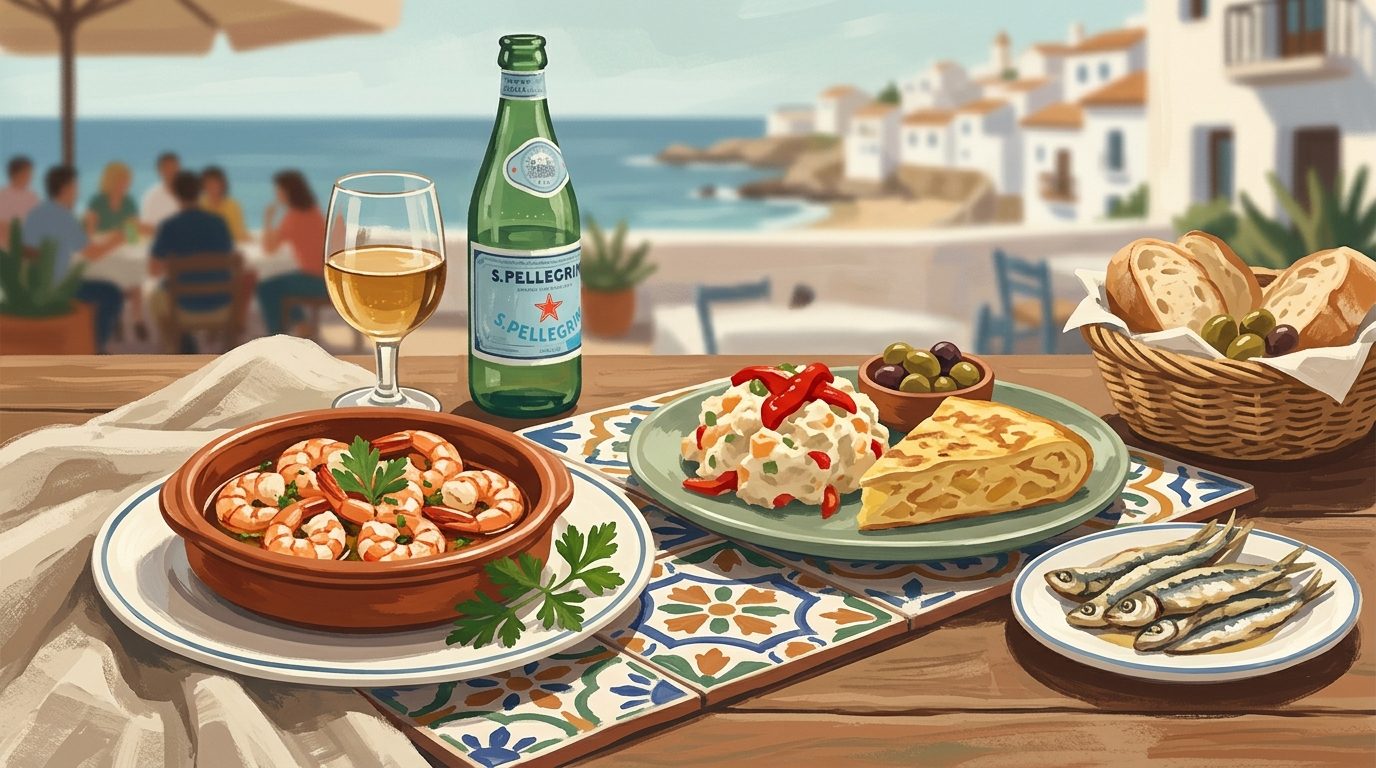
Where to Eat in Cádiz: From Atlantic Seafood to Market Tapas
Discover the salt-tangled flavours of Europe’s oldest city, where bluefin tuna, paper cones of fried fish, and crispy shrimp fritters define the culinary landscape.
6 min read
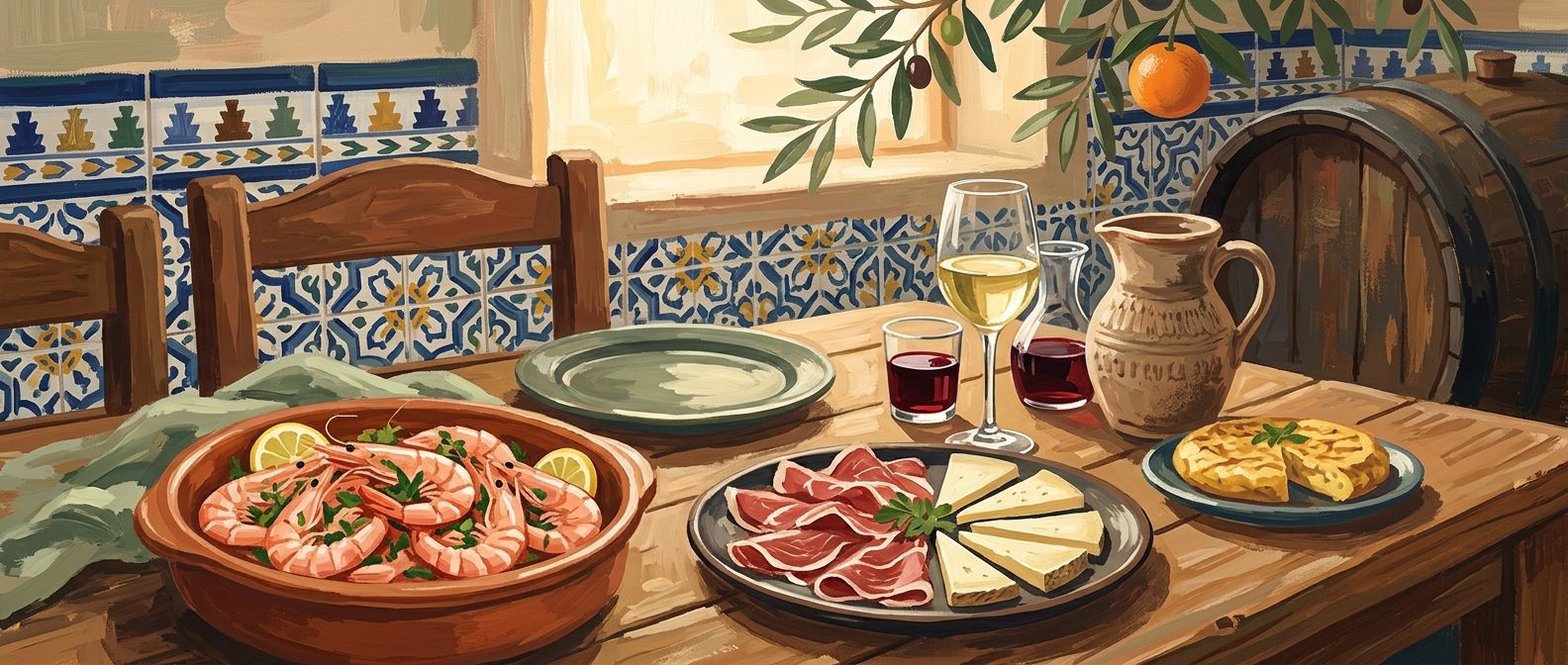
Where to Eat in Huelva: From Atlantic Prawns to the Heights of Jabugo
Discover the culinary secrets of Spain's southwestern corner, where the Atlantic's finest white prawns meet the world's best acorn-fed ham.
6 min read
More guides
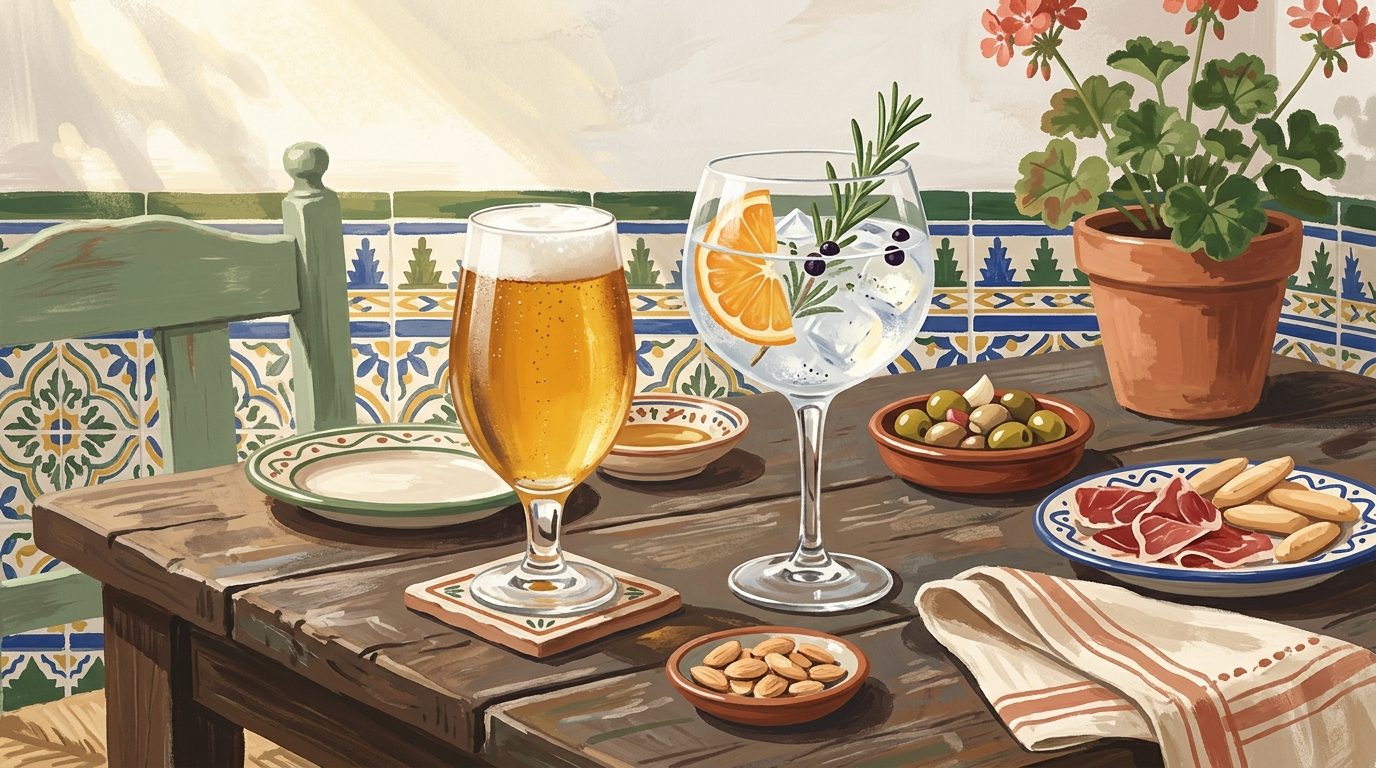
Beyond the Caña: The Rise of Craft Beer and Botanical Gin in Andalucía
Discover the artisanal side of Southern Spain, from the microbreweries of Málaga's Soho district to the sophisticated gin-tonic culture of Sevilla and Granada.
6 min read
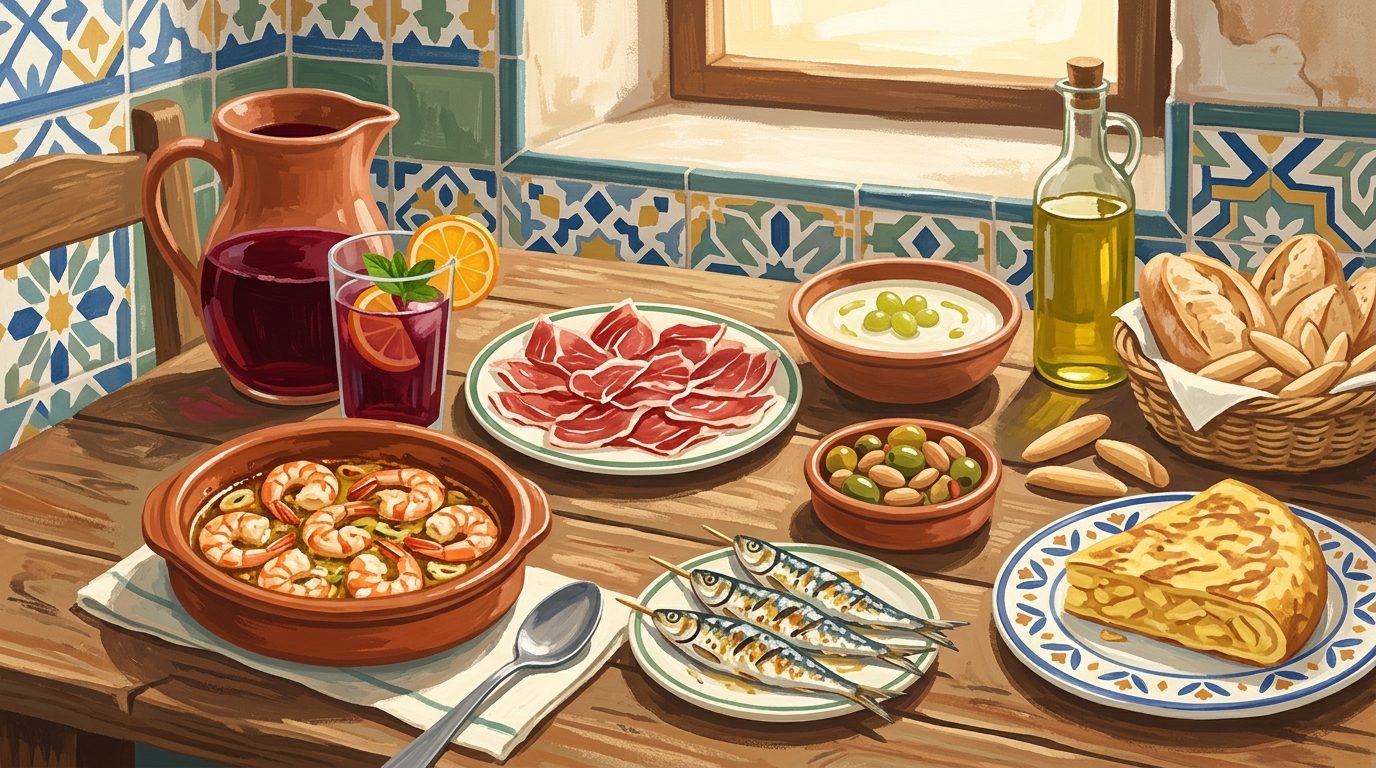
Where to Eat in Nerja: A Food Lover’s Guide to the Axarquía Coast
From wood-fired paella on the sands of Burriana to the crowded tapas bars of the old quarter, Nerja offers an authentic taste of the Málaga coastline.
6 min read
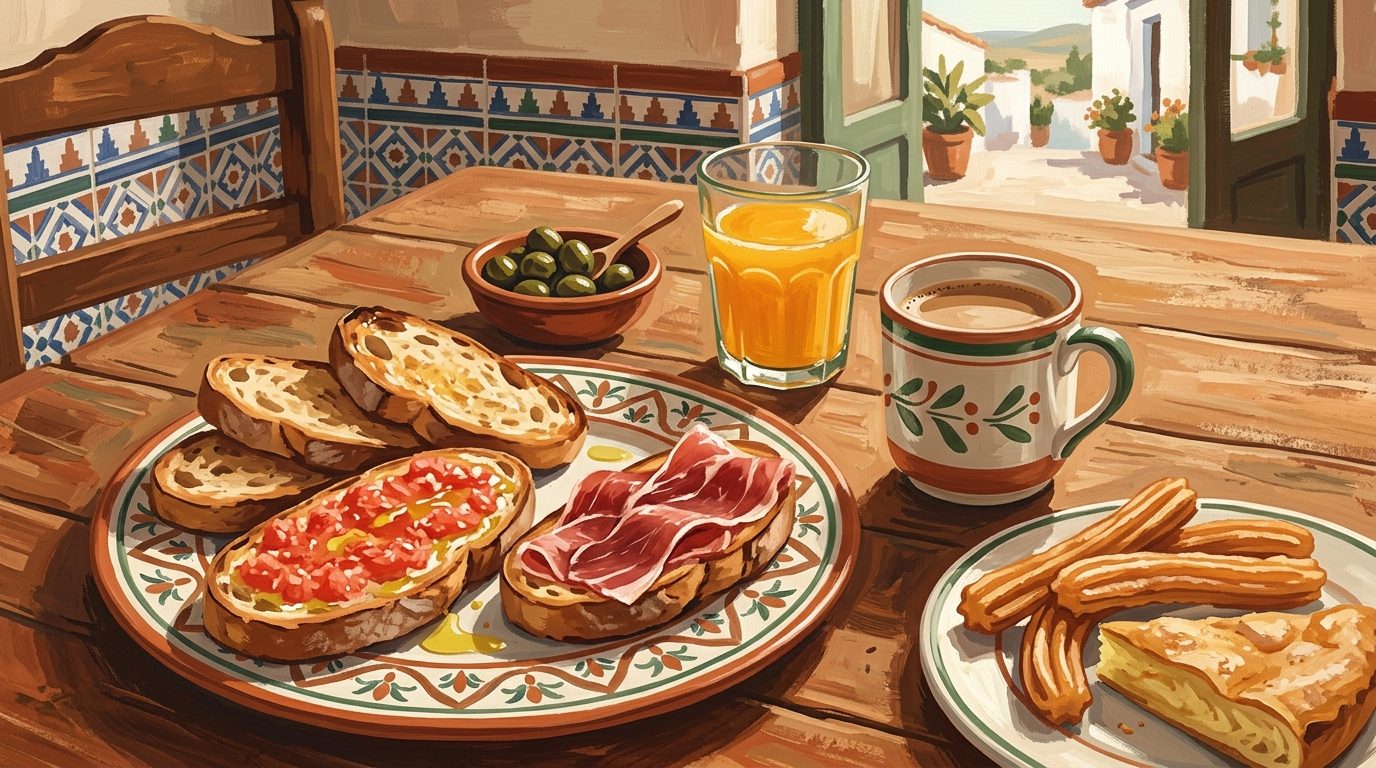
The Art of the Andalucían Breakfast and Merienda
To understand the soul of Andalucía, one must sit at a crowded bar at 10:00 am and wait for the scent of toasted bread and olive oil. It is a daily ritual that prioritises the simple pleasure of a slow morning over the rush of the working day.
6 min read
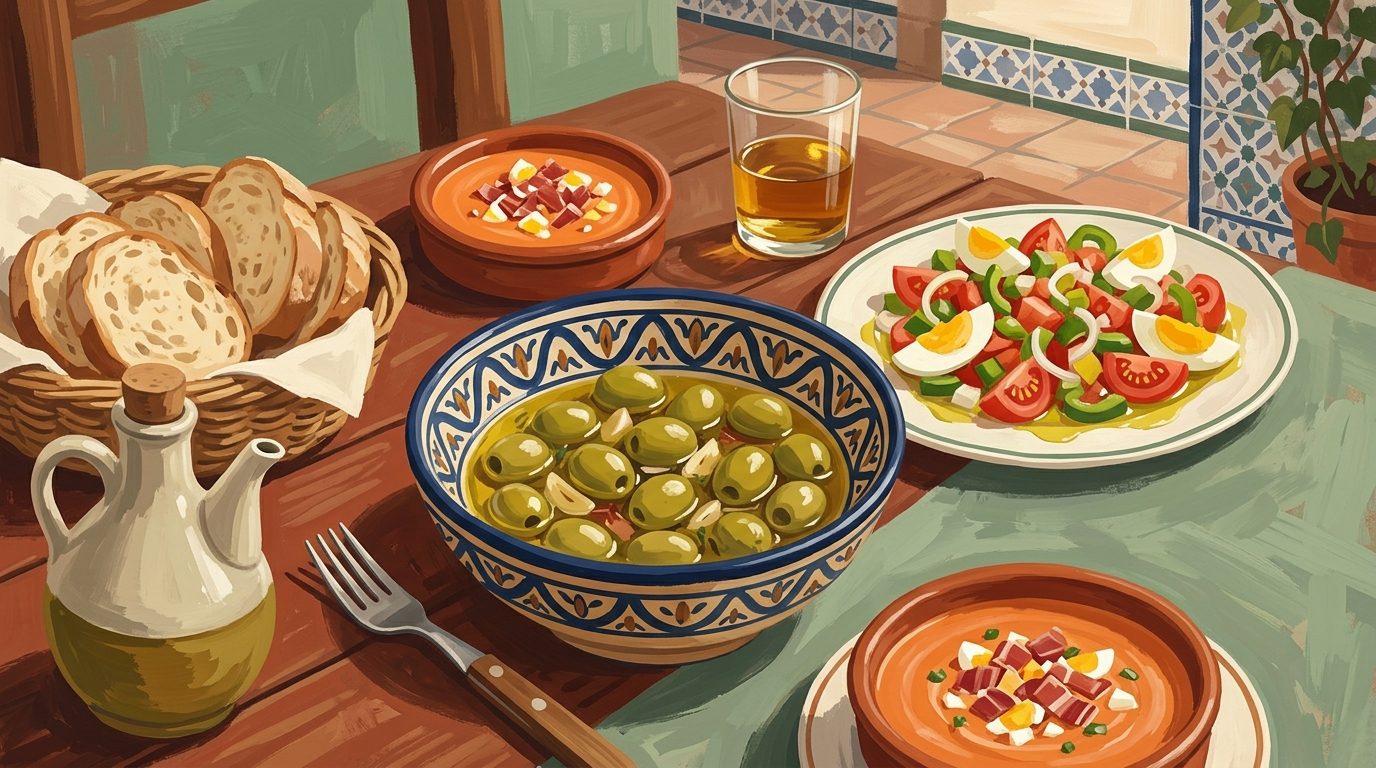
The Best Places to Eat in Jaén: A Guide to the World Capital of Olive Oil
Jaén remains one of the few places in Spain where the tradition of the free tapa is still treated with reverence. It is a city defined by its golden olive oil and a stubborn commitment to honest, seasonal cooking.
6 min read
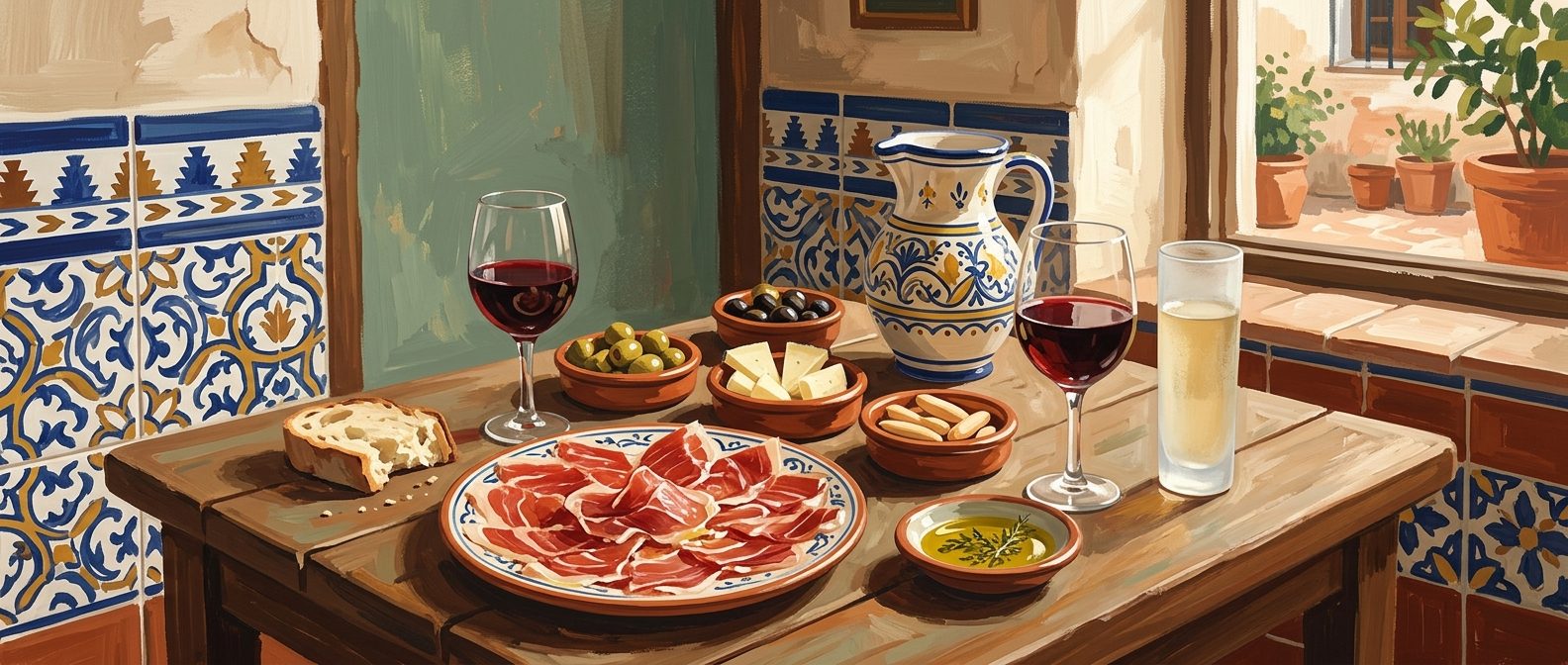
Jamón Ibérico: The Ultimate Guide to Andalucía’s Cured Gold
Discover the art of Jamón Ibérico, from the acorn-fed pastures of Jabugo to the high-altitude curing rooms of Trevélez. Learn how to decode the colour-coded labels and where to find the finest hand-carved plates in Andalucía.
6 min read
A Guide to Eating in Almería: Tapas, Seafood, and Desert Traditions
Discover the unique food culture of Almería, from the tradition of free-choice tapas to the legendary 'cherigan' toast and the freshest red prawns in the Mediterranean.
7 min read
A Calendar of Flavour: The Best Food Festivals in Andalucía
From the smoky beach fires of Málaga to the prestigious ham auctions in Huelva, Andalucía’s food festivals offer a seat at the table of the region’s most authentic traditions.
7 min read
The Liquid Gold of Andalucía: A Deep Dive into the World’s Best Olive Oil
Discover the secrets of Andalucía's liquid gold, from the vast groves of Jaén to the art of the perfect breakfast tostada. This guide covers varieties, harvest secrets, and the best mills to visit.
6 min read
A Guide to Eating and Drinking in Ronda
Ronda’s culinary identity is built on rugged mountain ingredients, world-class red wines and the slow-braised richness of rabo de toro. From refined cliffside terraces to sawdust-floored tapas bars, here is where to find the town’s authentic flavours.
7 min read
Newsletter
More stories from Andalucía
Weekly notes, seasonal picks, and the next guides worth bookmarking.