
Recipe
Authentic Andalucían Migas: The Ultimate Comfort Food
A humble dish of toasted breadcrumbs and seasonal garnishes, migas is the ultimate comfort food for a rainy day in the mountains. This traditional shepherd's meal transforms simple ingredients into a complex balance of salt, smoke, and sweet fruit.
By Dan · Updated 24 June 2026 · 4 min read
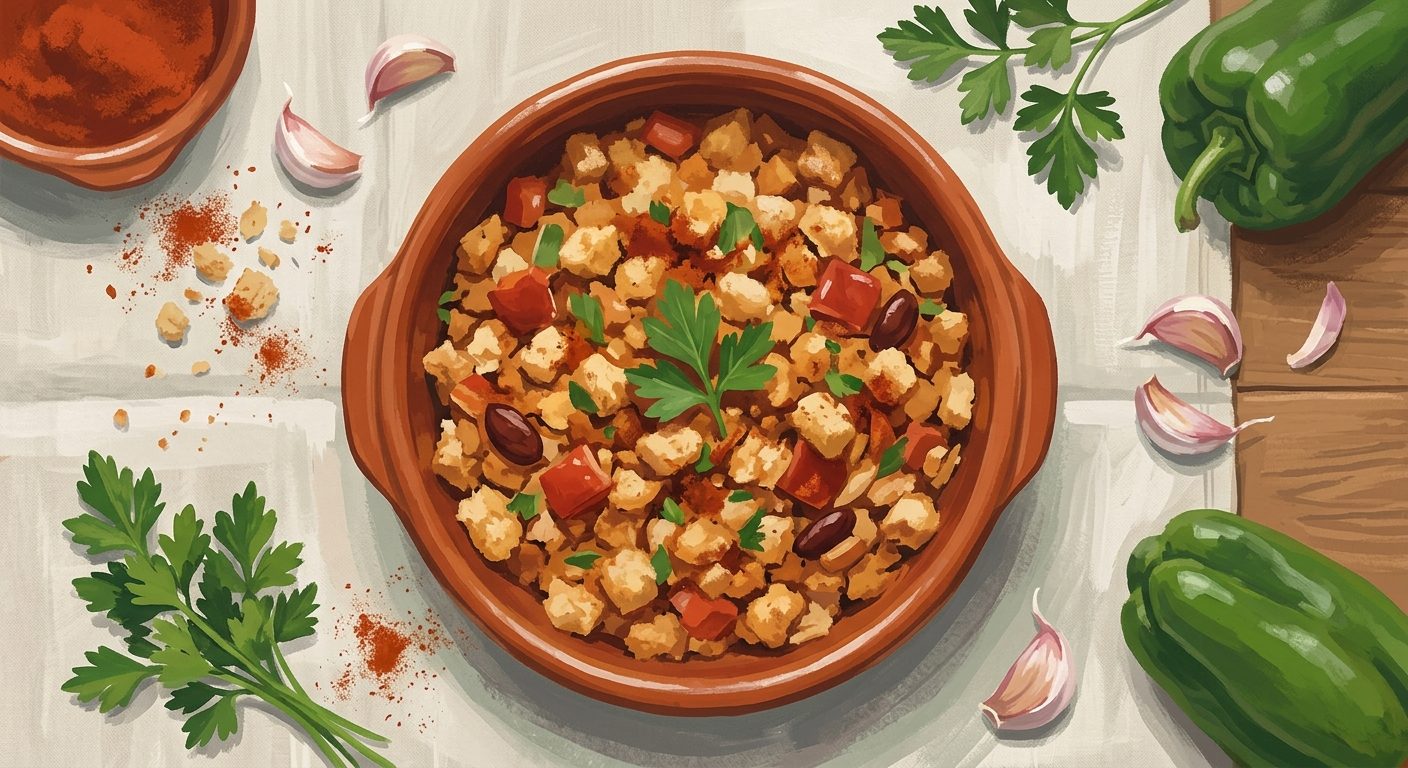
A humble dish of toasted breadcrumbs and seasonal garnishes, migas is the ultimate comfort food for a rainy day in the mountains. This traditional shepherd's meal transforms simple ingredients into a complex balance of salt, smoke, and sweet fruit.
Historically a breakfast for workers in the fields, migas has evolved into a beloved weekend lunch across the region. As highlighted by Andalucía's official gastronomy portal, the dish is deeply rooted in rural life, traditionally prepared in a large heavy-bottomed pan over an open fire. While the province of Almería is famous for its version made with semolina flour, most of Andalucía prepares migas using day-old bread that is lightly hydrated then fried until it achieves a unique, popcorn-like texture.
The beauty of this dish lies in the contrast of flavours. The saltiness of the pancetta and the heat of the chorizo are tempered by the cooling sweetness of fresh grapes or pomegranate seeds. In many Andalucían homes, it remains the go-to meal when the first autumn rains arrive, providing a satisfying and economical way to use up every last crumb of bread.
Serves: 4 | Prep: 20 min (plus 2 hours resting) | Cook: 40 min
Ingredients
- 500g (1 lb 2 oz) stale, crusty white bread. A sourdough or a traditional farmhouse loaf works best. Avoid soft sandwich bread.
- 100ml (3.5 fl oz) water.
- 1 tsp fine sea salt.
- 150ml (5 fl oz) extra virgin olive oil.
- 8 large cloves garlic, unpeeled but smashed with the side of a knife.
- 2 green peppers (Italian style or pointed peppers), chopped into 2cm pieces.
- 200g (7 oz) pancetta or smoked bacon lardons.
- 150g (5 oz) spicy chorizo, sliced into half-moons.
- 1 tsp sweet pimentón (Spanish paprika).
- Fresh green grapes, pomegranate seeds, or even a few segments of orange to serve.
Method
- Cut the stale bread into small cubes, roughly 1cm in size, and place them in a large bowl.
- Dissolve the salt in the water. Lightly flick the salted water over the bread cubes using your fingers, tossing them so they are damp but not soaking wet.
- Cover the bowl with a clean kitchen towel and let it rest for at least 2 hours. This allows the moisture to penetrate the bread evenly, which is the secret to a good crumb.
- Heat the olive oil in a large, deep frying pan or a traditional wide caldero over a medium heat.
- Add the smashed garlic cloves and the green peppers. Fry until the garlic is golden and the peppers are softened. Remove them with a slotted spoon and set aside.
- In the same oil, fry the pancetta and chorizo until the fat has rendered out and the meat is crispy. Remove with a slotted spoon and set aside with the peppers.
- Lower the heat and stir the pimentón into the oil for just 10 seconds to avoid burning. Immediately add the dampened bread cubes.
- This is the most important step: cook the bread over a low-medium heat for 25 to 30 minutes. You must stir and break up the bread constantly with a wooden spoon. The goal is to dry the bread out until each piece is golden, crispy on the outside, and separate from the others.
- Once the bread is toasted and crumbly, stir the cooked garlic, peppers, pancetta, and chorizo back into the pan. Toss everything together for 2 minutes to harmonise the flavours.
- Serve immediately in the centre of the table, garnished generously with fresh grapes, pomegranate seeds, or orange segments.
Tips & variations
- If your bread is very dry, you may need a touch more water, but be careful: if the bread becomes a paste, it will never crumble properly in the pan.
- Modern Andalucían cooks often add a fried egg on top of each serving for a more substantial meal.
- For a more authentic mountain style, some locals add bits of fried sardine or even chocolate on the side, though the savoury meat version is the most common.
- If you cannot find Italian green peppers, a standard green bell pepper is a perfectly acceptable substitute.
What to serve it with
Migas is a self-contained meal, but it is traditionally accompanied by a cold glass of full-bodied white wine or a crisp lager. If you want to follow the local customs of the Axarquía or the Alpujarras, serve it with a side of radishes or a simple salad of sliced oranges and spring onions. A glass of dry Manzanilla sherry also provides a beautiful acidic cut through the richness of the pork fat.
Last reviewed: 21 June 2026 · Editorial policy
Related guides
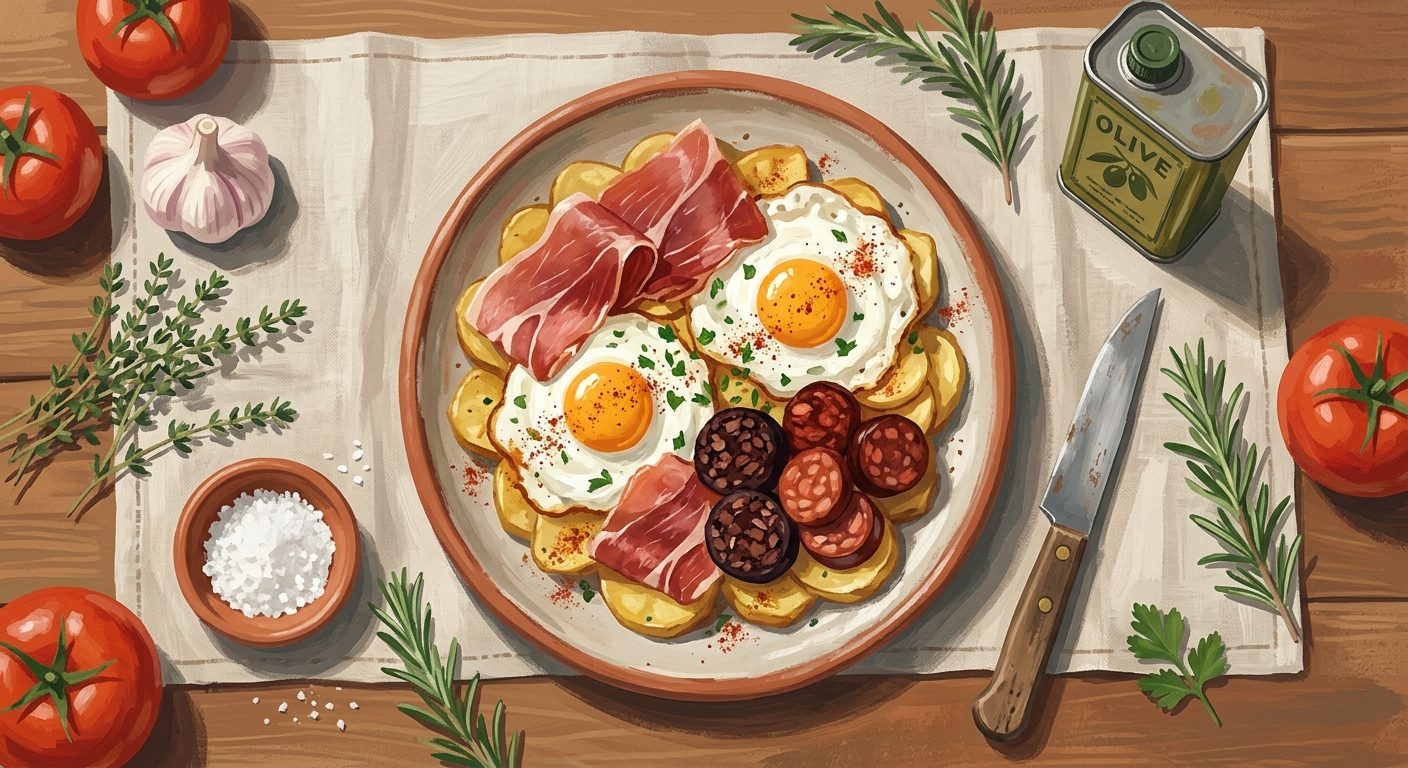
How to Cook an Authentic Plato Alpujarreño
A hearty mountain feast of fried eggs, cured meats, and slow-cooked potatoes from the Alpujarra region of Granada.
3 min read
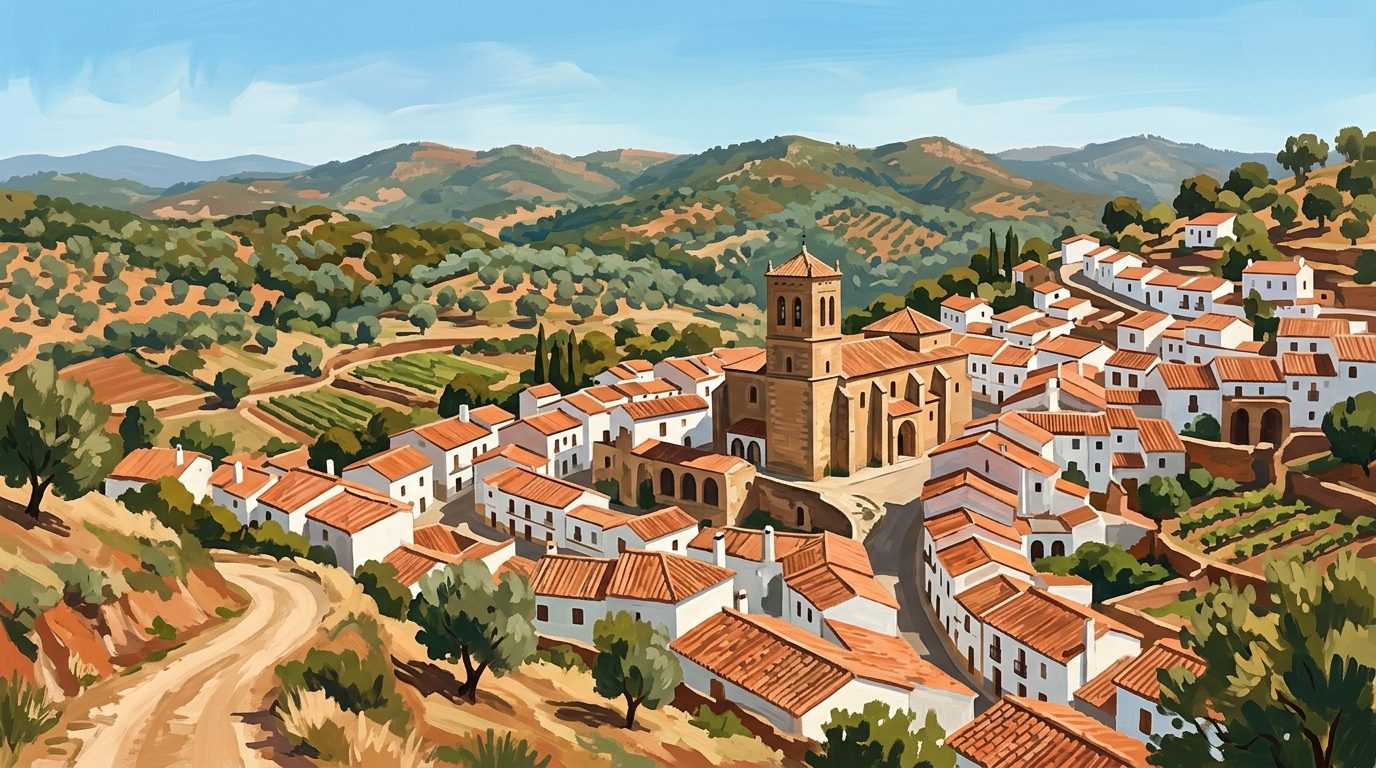
Jabugo: A Guide to the World Capital of Jamón Ibérico
Discover Jabugo, the legendary village in Huelva's Sierra de Aracena where the world's finest Ibérico ham is produced through centuries-old artisanal traditions.
6 min read

Exploring Aracena: From Subterranean Wonders to Gourmet Traditions
Aracena stands as the administrative and cultural heart of Huelva’s northern mountain range, famous for its underground water-formed caves and world-class cured ham. Above ground, the town is a network of whitewashed streets that climb towards a medieval fortress.
6 min read
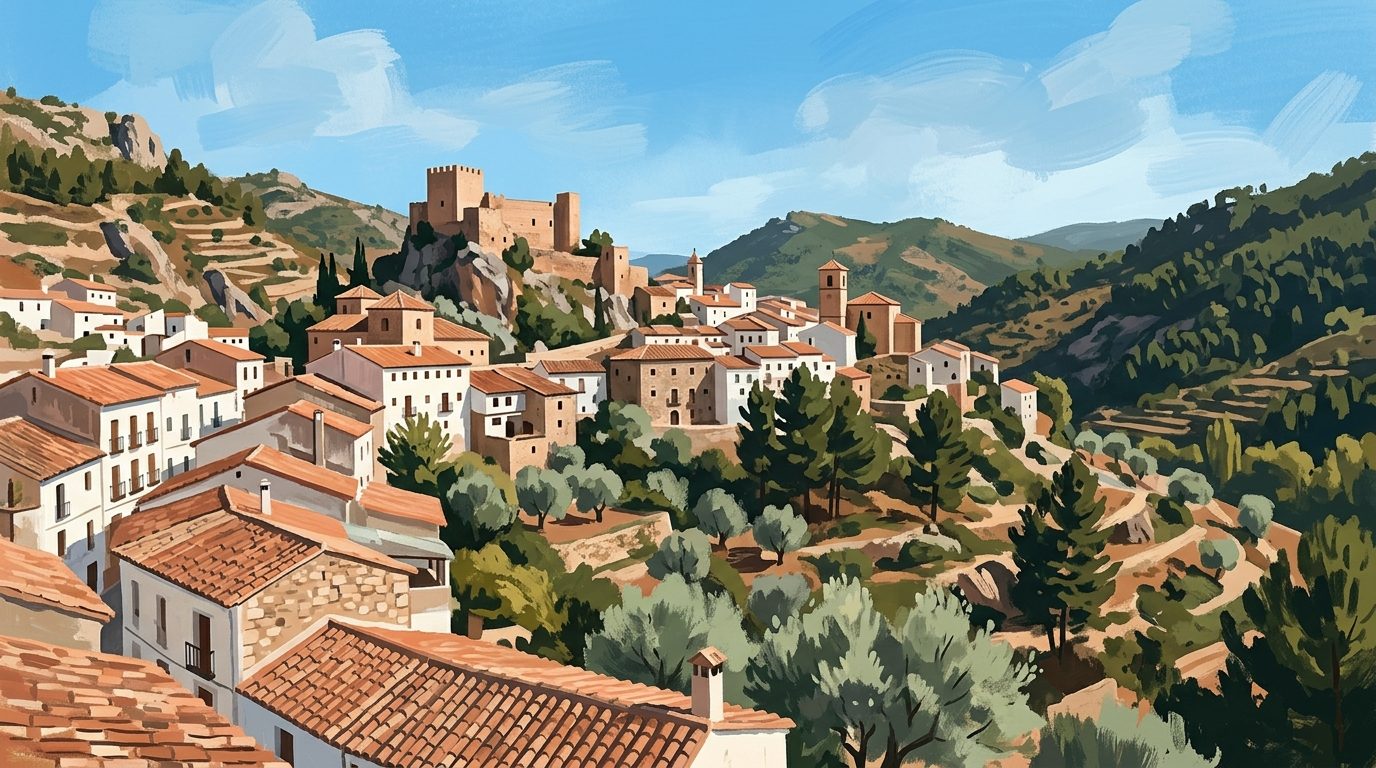
Exploring Cazorla: The Gateway to Spain’s Largest Natural Park
Cazorla serves as the main entry point to the expansive Sierra de Cazorla, Segura y Las Villas Natural Park, offering a blend of medieval architecture and rugged mountain landscapes.
6 min read
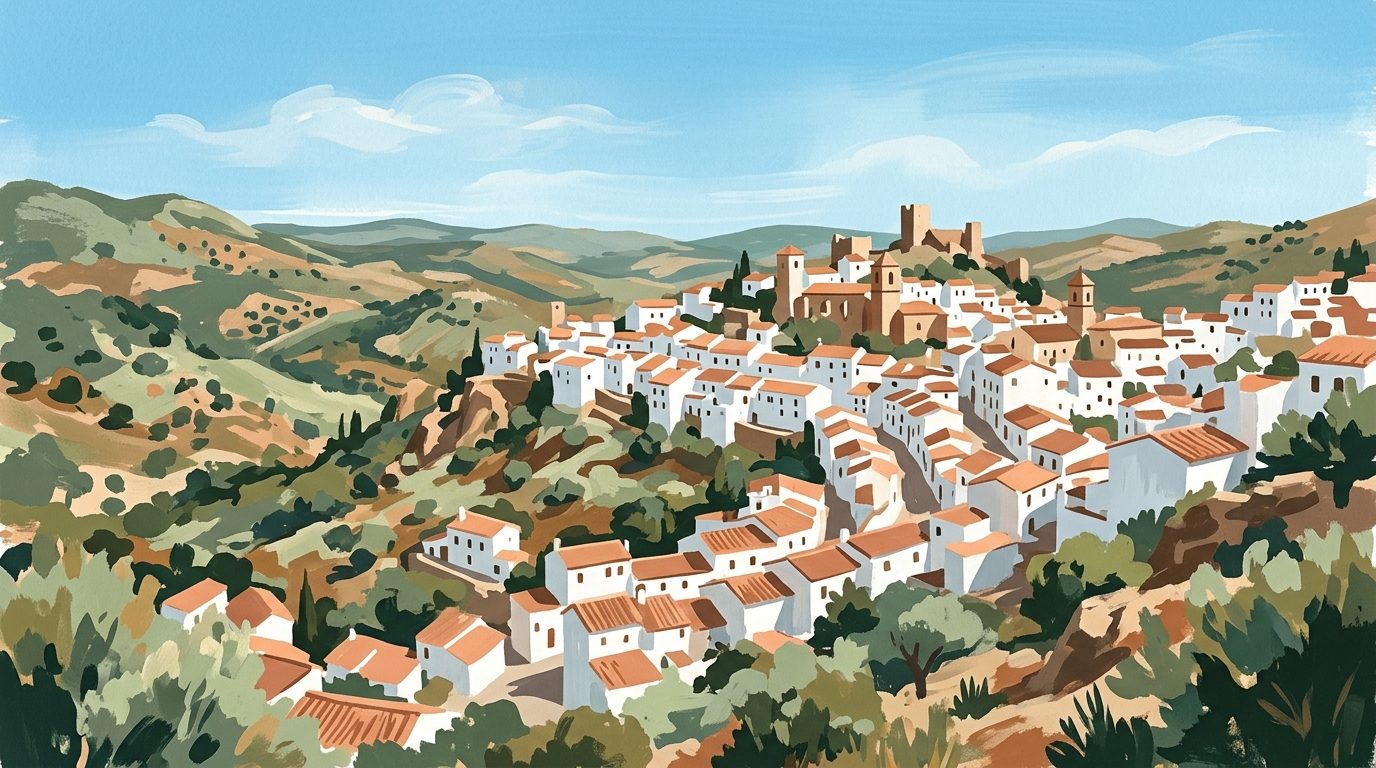
The White Villages of Cádiz: A High-Altitude Journey Through Andalucía’s Limestone Heartland
Beyond the coastal buzz, these mountain outposts offer a look into a slower, vertical way of life. This is where lime-washed walls meet rugged limestone peaks and ancient cork forests.
10 min read
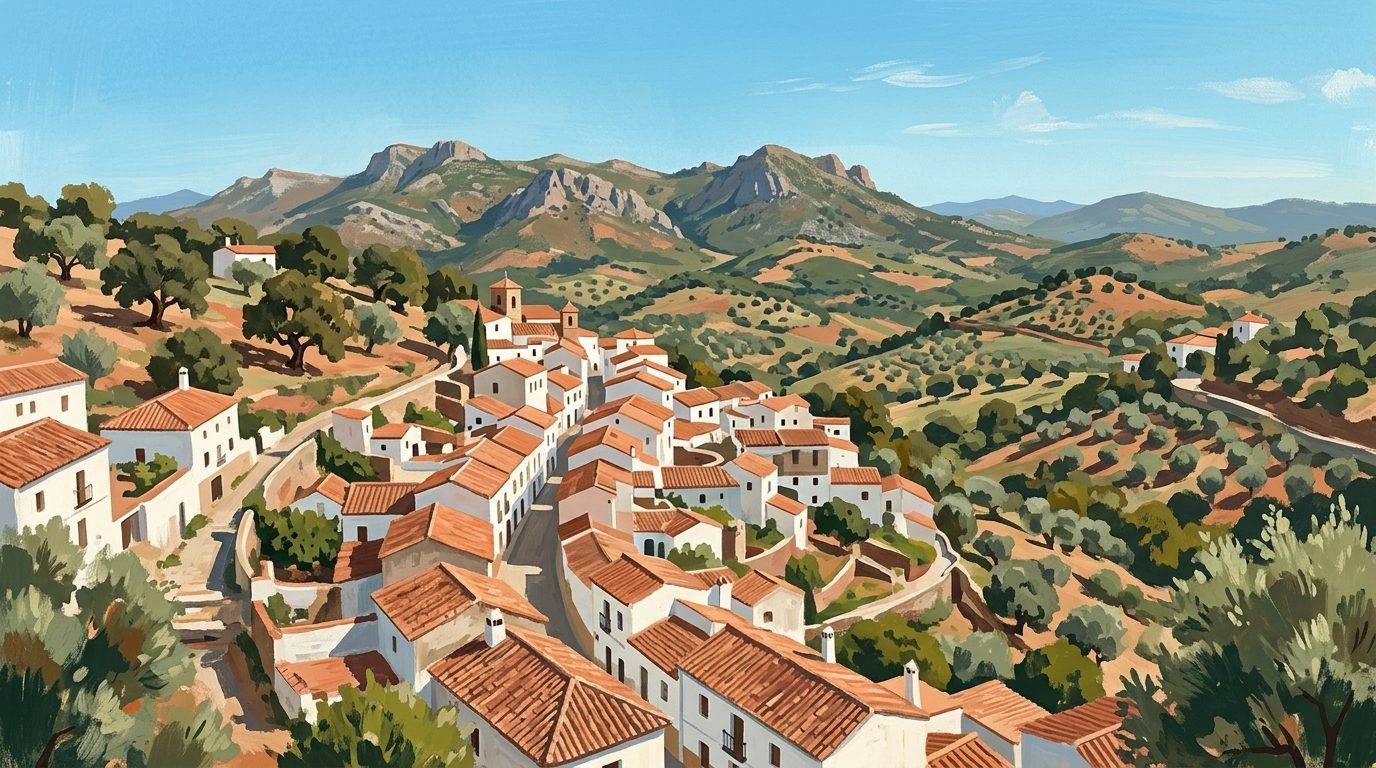
Exploring the Sierra de Aracena: Oak Forests, Ancient Mosques, and the World's Finest Ham
A deep dive into Huelva's northern mountains, where ancient chestnut woods meet the world's most prestigious ham-producing villages.
8 min read
More guides
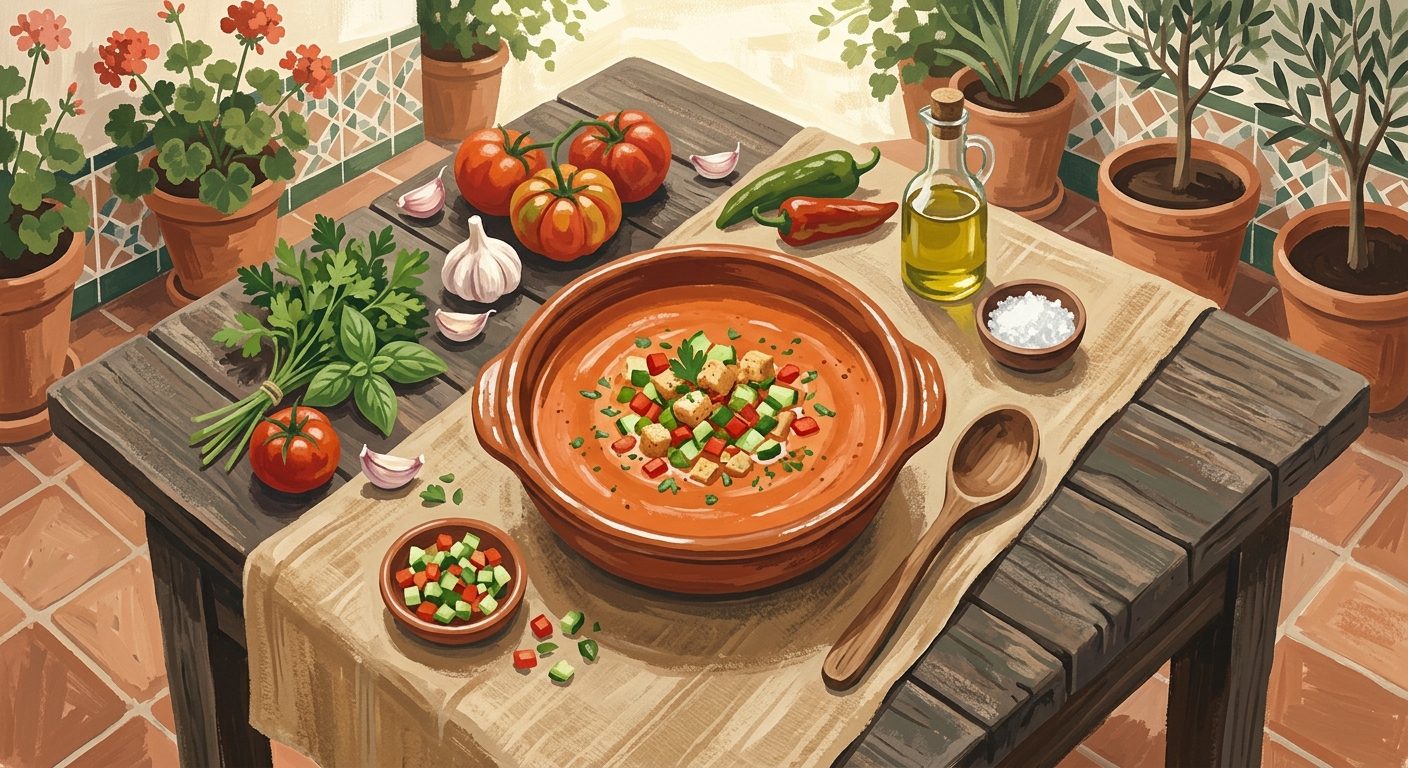
Authentic Gazpacho Andaluz Recipe
A refreshing liquid salad that defines summer in Southern Spain. This traditional chilled soup relies on quality olive oil and ripe tomatoes for its signature flavour.
3 min read
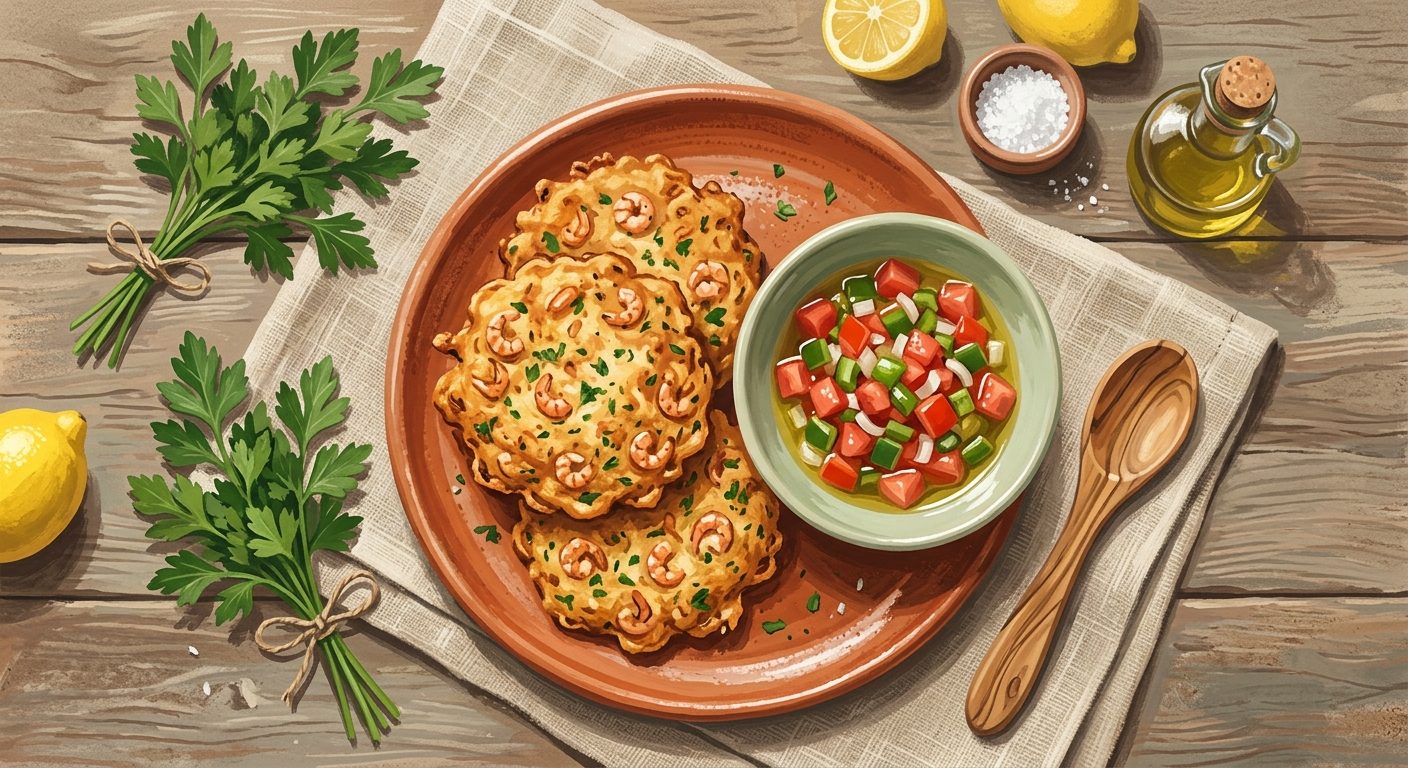
Authentic Tortillitas de Camarones Recipe
These lacy, golden shrimp fritters are the signature snack of the Bay of Cádiz, offering a crunch that defines the coast of Andalucía.
4 min read
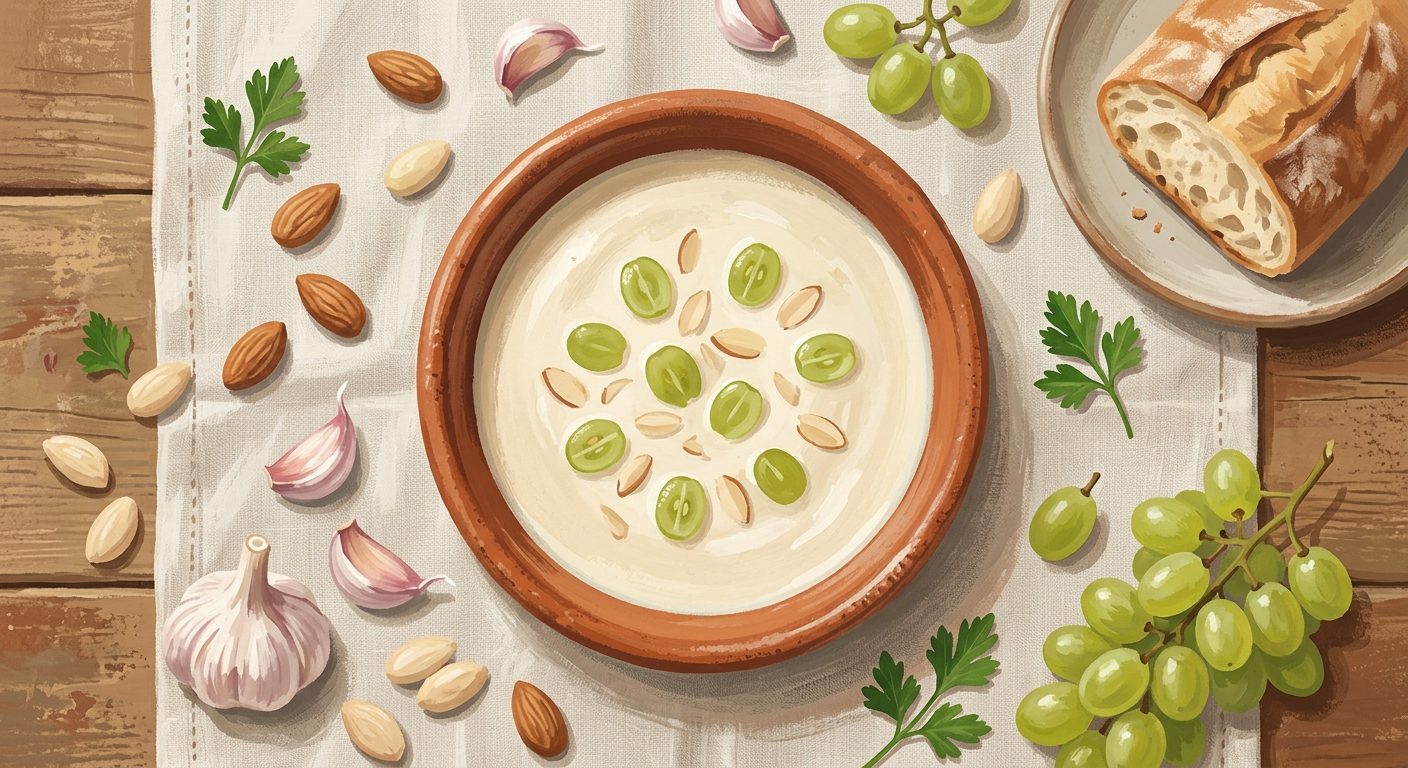
Ajoblanco Malagueño: The Original Cold Almond Soup of Málaga
Often called the white gazpacho, this chilled almond and garlic soup is a refreshing staple of Málaga. It remains one of the most elegant dishes in the Andalucían repertoire.
3 min read
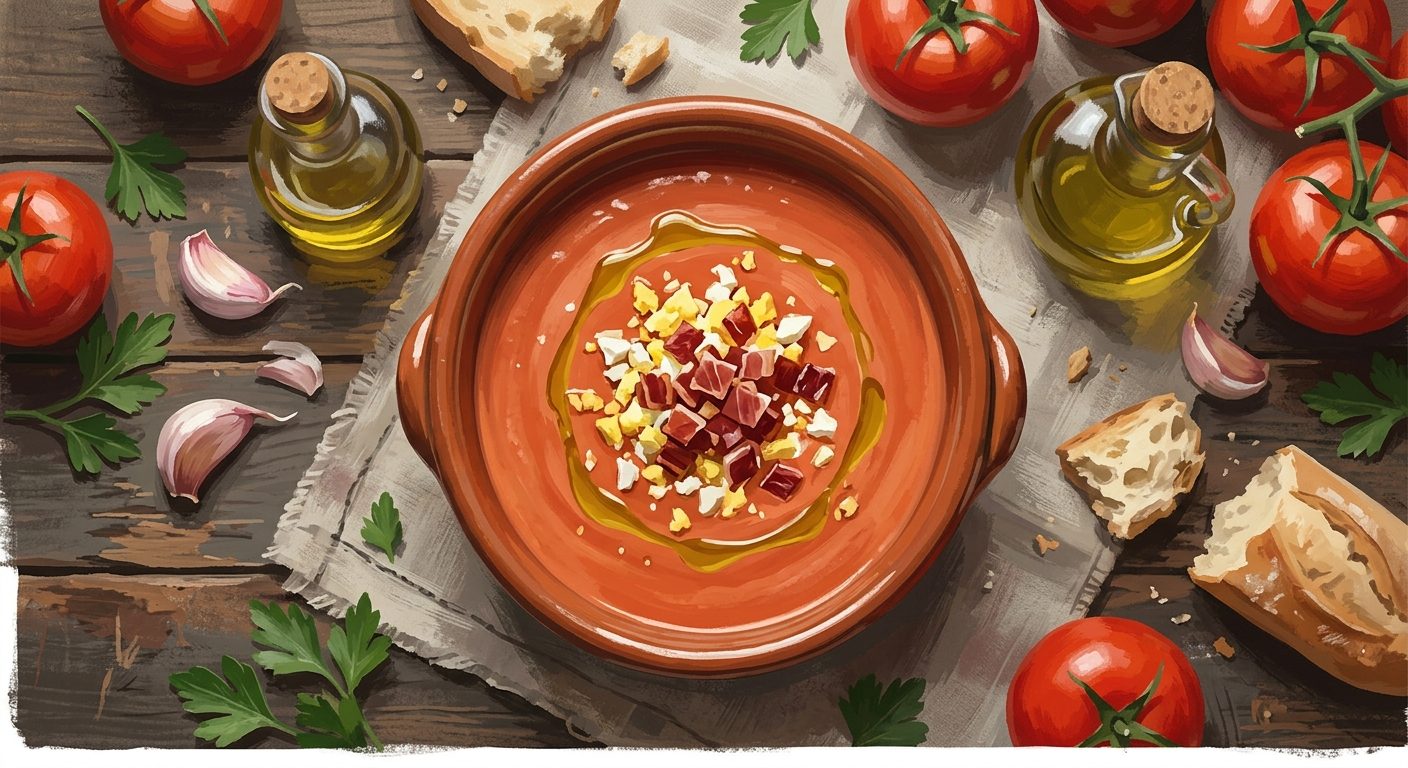
Traditional Salmorejo Cordobés Recipe
A thick, velvety cold tomato soup from Córdoba that relies on high-quality olive oil and sun-ripened tomatoes. This staple of Andalucía provides a cooling, nutritious meal.
3 min read
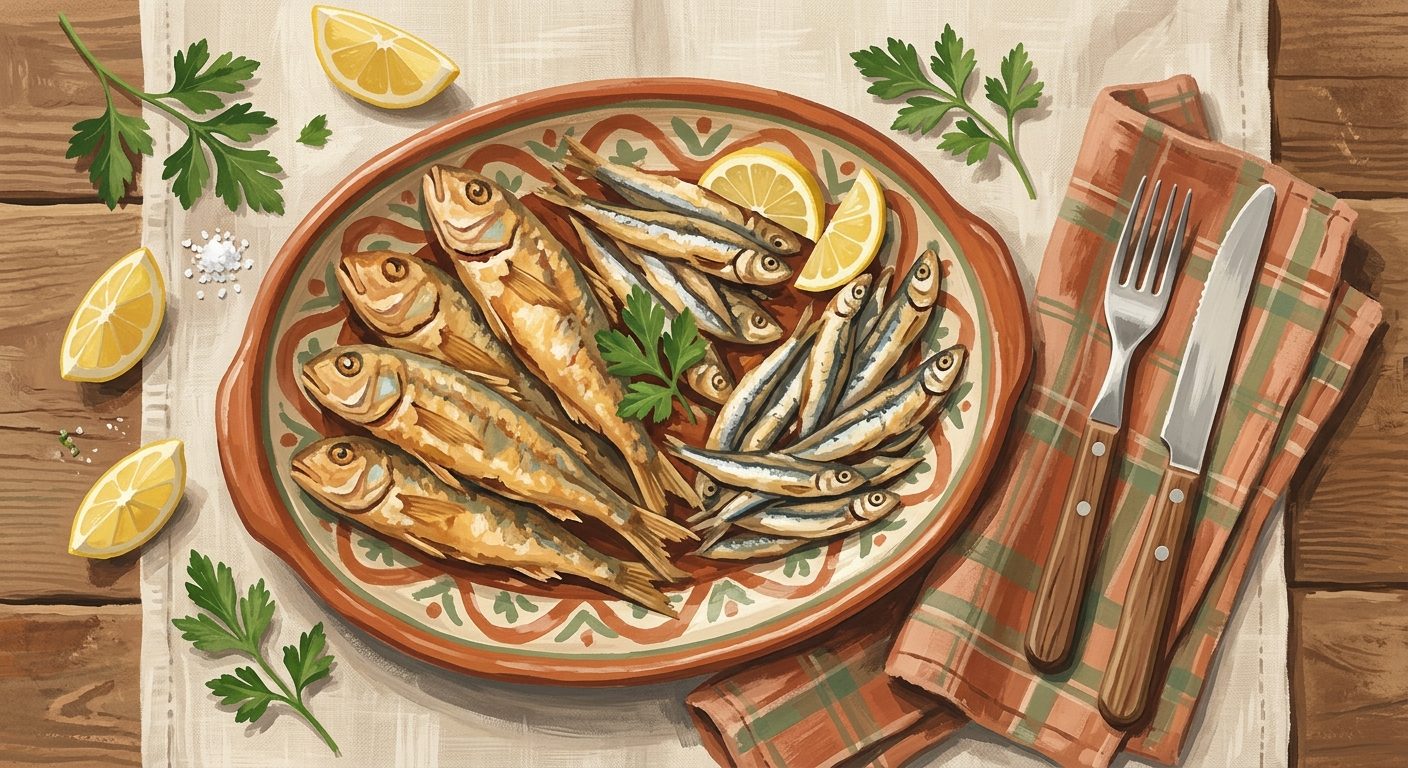
Authentic Pescaíto Frito: The Secret to Perfect Andalucían Fried Fish
A staple of the Andalucían coastline, Pescaíto Frito relies on extremely fresh fish and a light, crisp coating. This technique ensures the seafood remains tender while the exterior provides a satisfying crunch.
3 min read
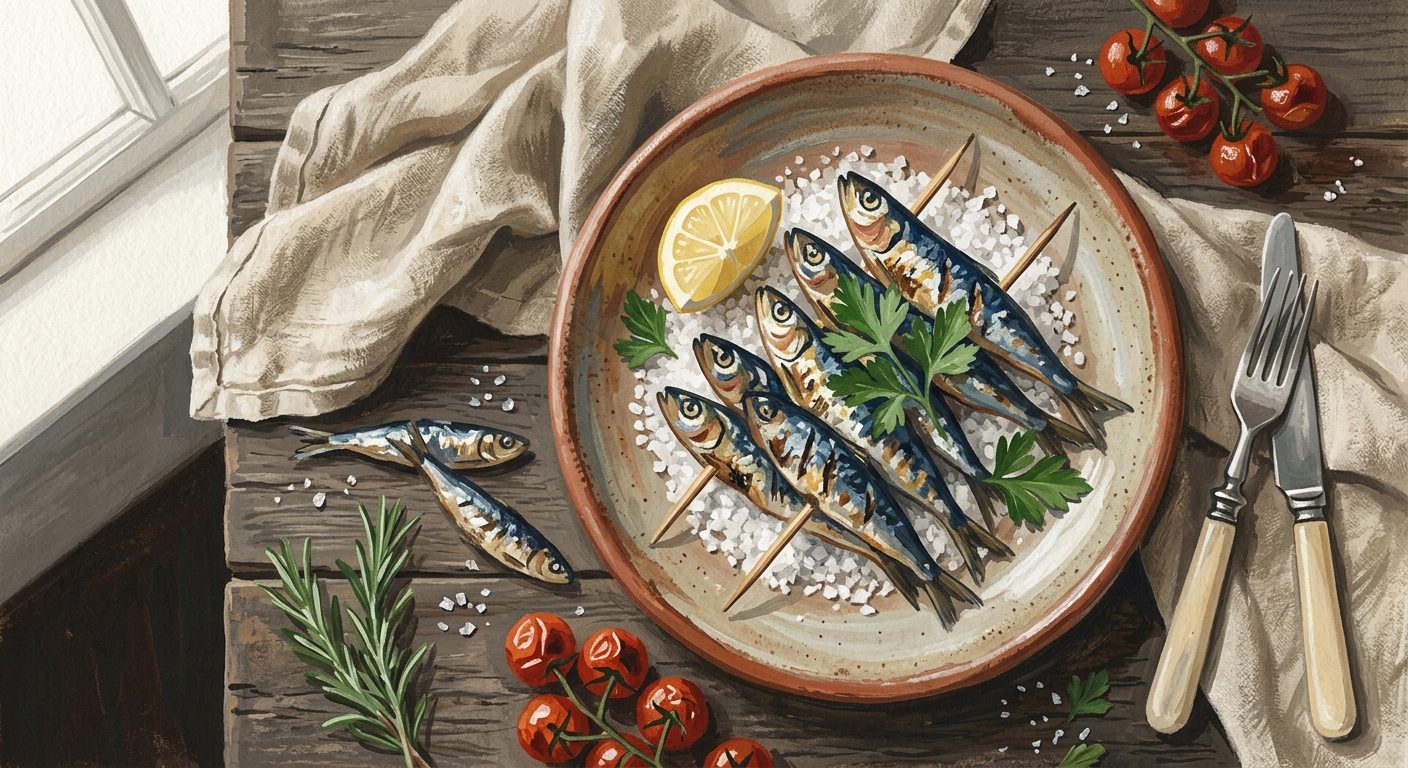
Traditional Espetos de Sardinas: The Taste of Málaga
Discover how to prepare authentic Espetos de Sardinas, the iconic grilled skewers from the beaches of Málaga, using traditional Andalucían techniques.
4 min read
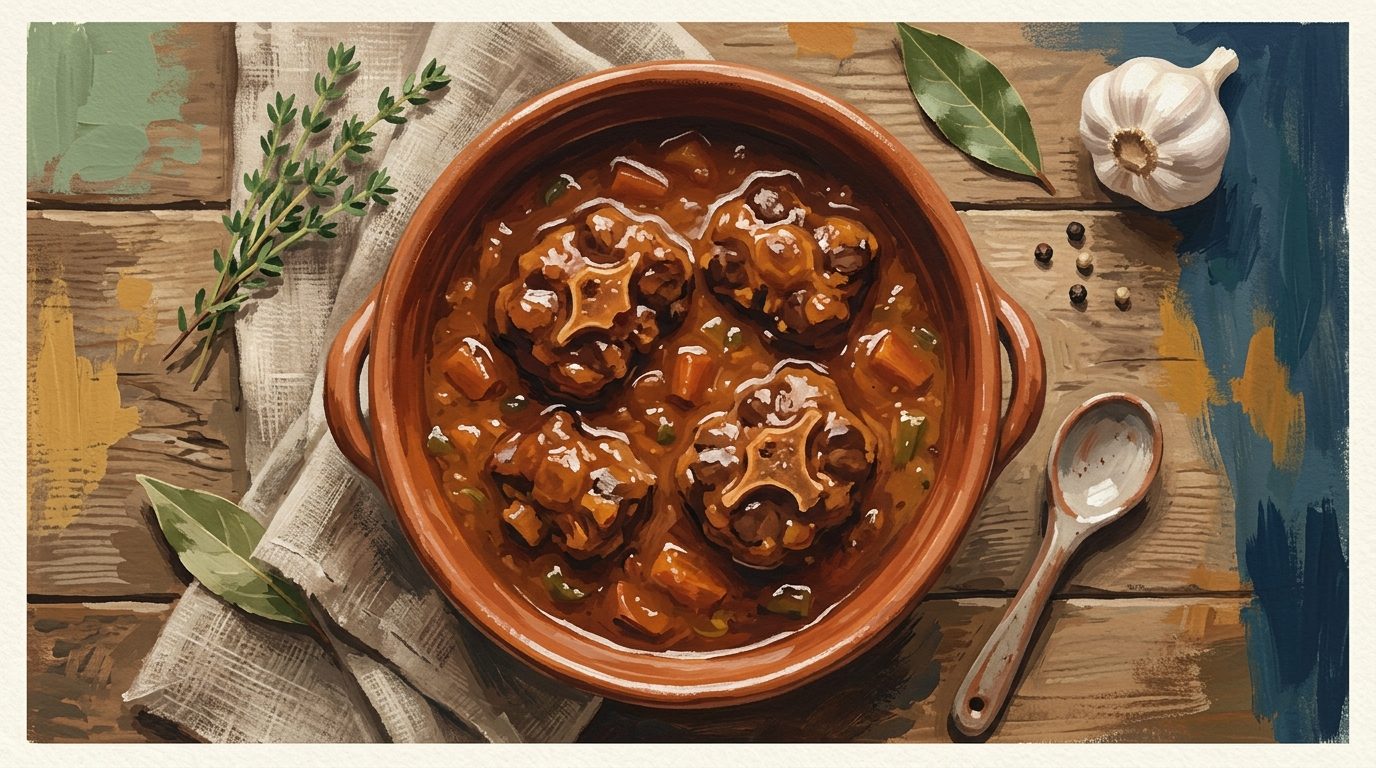
Slow-Cooked Rabo de Toro: An Andalucían Oxtail Stew
This traditional Andalucían oxtail stew is a masterclass in slow cooking, resulting in meat that falls away from the bone in a rich, silken sauce.
3 min read
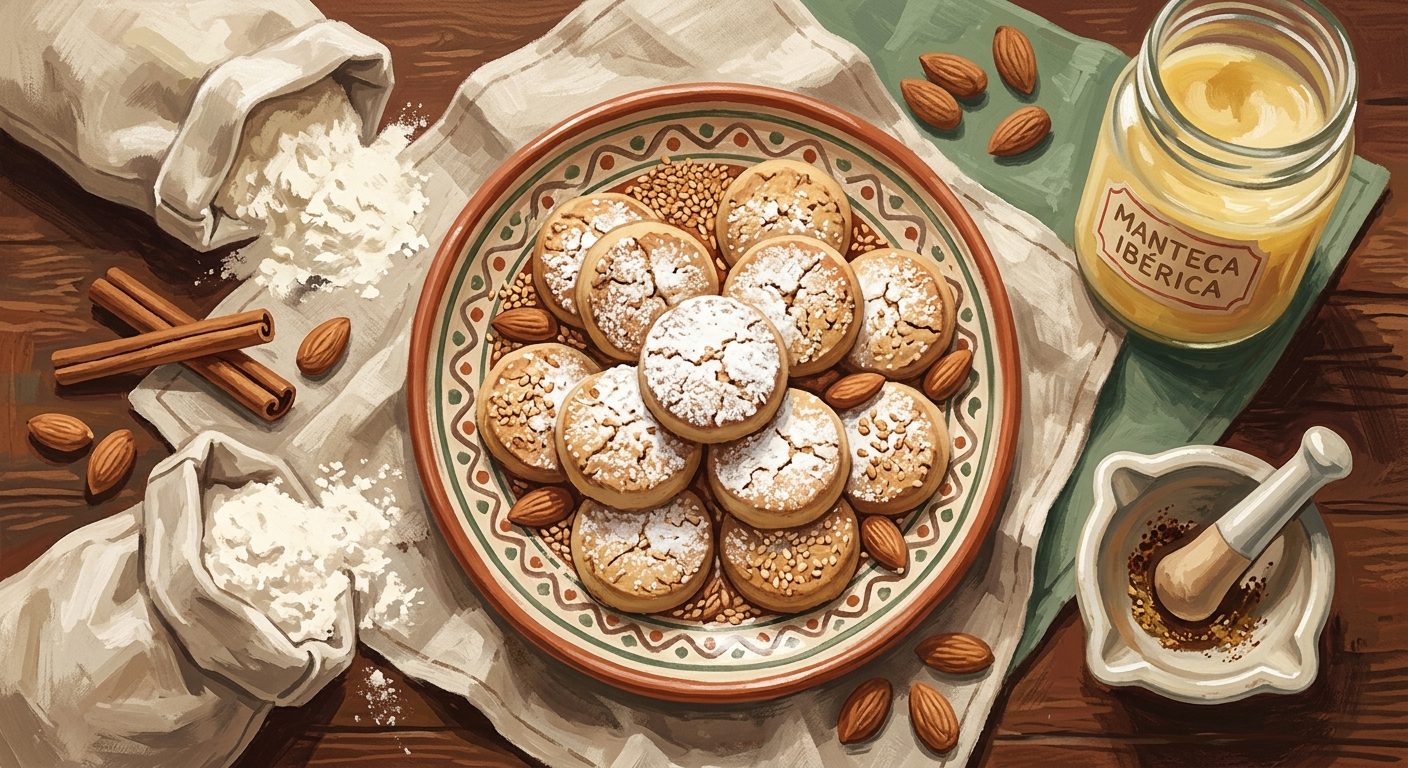
Traditional Mantecados: The Iconic Andalucían Christmas Biscuit
These crumbly, toasted-flour biscuits are a festive staple in Andalucía. Learn how to achieve the perfect sandy texture using traditional methods from Estepa and Antequera.
4 min read
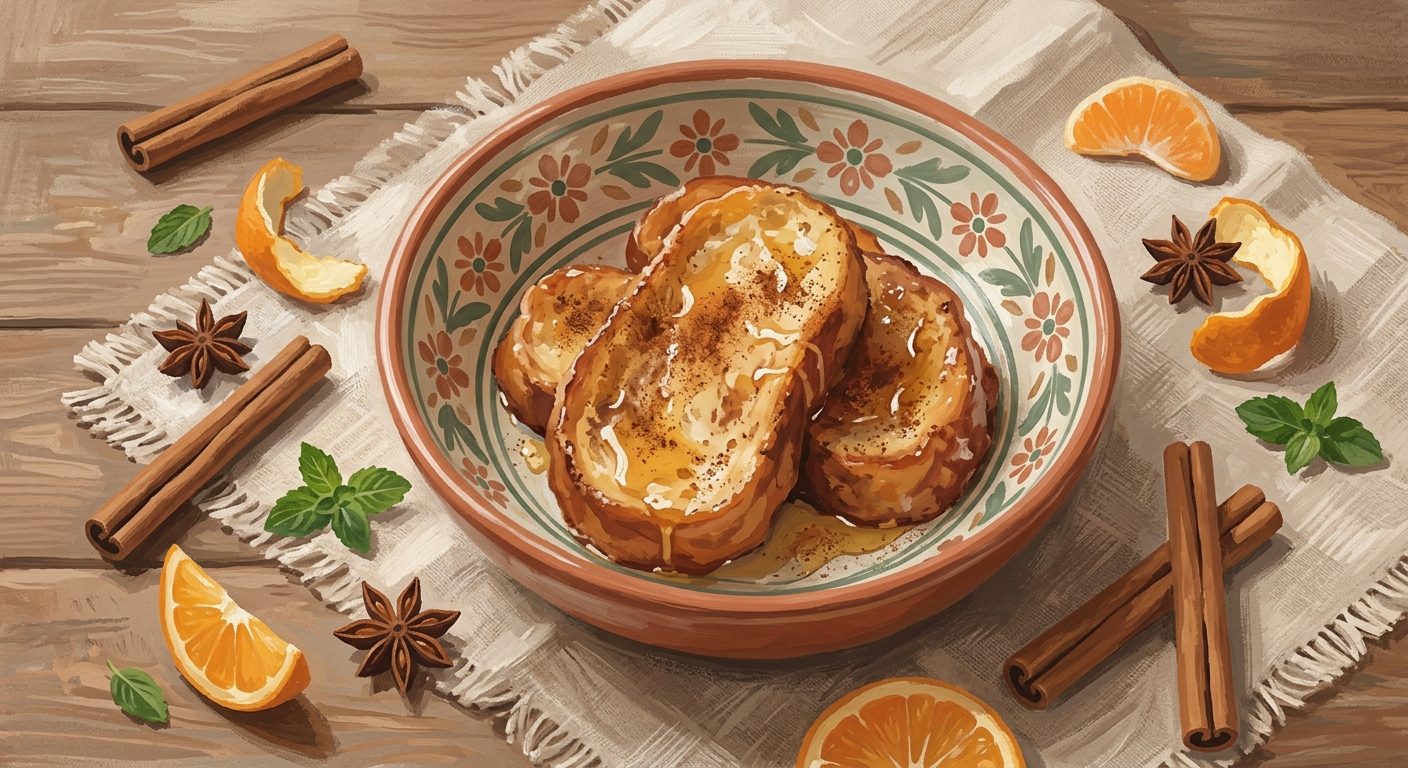
Torrijas: The Essential Holy Week Treat of Andalucía
A humble sweet treat transformed into a decadent delight, torrijas are the cornerstone of Easter celebrations across the region. These honey-soaked bread slices offer a comforting taste of Andalucían tradition in every bite.
3 min read
Newsletter
More stories from Andalucía
Weekly notes, seasonal picks, and the next guides worth bookmarking.