
Things to do
A Guide to Rock Climbing in Andalucía: The Best Crags and Routes
With over 10,000 routes across the region, Andalucía is arguably Europe’s premier winter climbing destination for sport enthusiasts.
By Dan · Updated 16 July 2026 · 6 min read
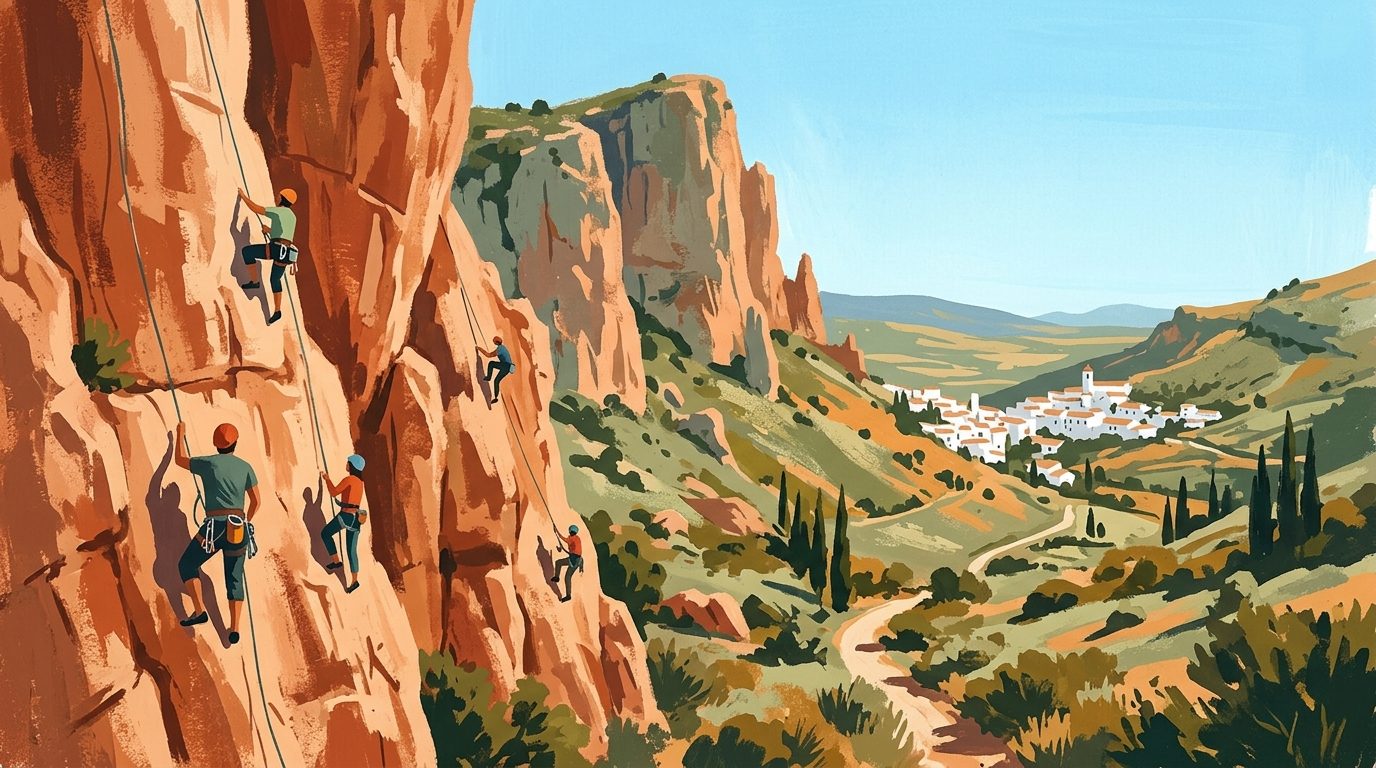
With over 10,000 routes etched into high-quality limestone, Andalucía is arguably Europe’s premier winter climbing destination. From the vertical walls of El Chorro to the otherworldly karst formations of El Torcal, the region offers world-class sport climbing for every ability.
Andalucía is a vertical playground that has attracted climbers for decades. While the rest of Europe is shivering under grey skies and rain, the south of Spain often enjoys crisp, sunny days perfect for gripping warm limestone. The variety of climbing here is staggering; you can find everything from single-pitch technical slabs to 300-metre multi-pitch adventures and thrilling via ferrata routes. The accessibility is a major draw too, with many of the best crags located within an hour’s drive of Málaga or Sevilla airports.
What makes this region stand out is the sheer density of established routes. There is a sense of community here that is hard to find elsewhere. In the local climber hangouts, you will find people from all over the world sharing topo guides and beta over a cheap beer. You can the crags of Andalucía deliver if you are a total beginner looking for an introductory course or a seasoned pro hunting for your next 8a project.The rock is primarily limestone, known for its incredible friction and interesting features like pockets, tufas, and sharp crimps. It is an environment that rewards technical skill as much as raw strength.
Best Places to Climb in Andalucía
El Chorro: The Vertical Heart of Málaga
El Chorro is more than just a climbing area; it is a legendary destination known by climbers across the globe. Located about an hour north of Málaga, this village is surrounded by massive limestone cliffs and three turquoise reservoirs. The climbing is varied, with over 2,000 routes spanning all grades. The village itself serves as a hub, with the legendary ‘Olive Branch’ guesthouse and ‘Finca la Campana’ acting as the epicentre for the climbing community.
The sectors are spread out, meaning you can always find shade or sun depending on the time of day. For those looking for easier, well-bolted lines, sectors like ‘Las Encantadas’ offer a great introduction with fantastic views over the valley. If you are looking for something more challenging, ‘Makinodromo’ is world-renowned for its steep, overhanging tufa lines. Many climbers also come for the multi-pitch routes on the ‘Frontales’, massive walls that provide hundreds of metres of vertical gain.
El Torcal de Antequera: A Karst Wonderland
Located at a higher altitude near the town of Antequera, El Torcal is one of the most unique landscapes in Europe. The limestone here has been eroded into strange, horizontal stacks that look like piles of pancakes. Climbing here is a technical affair; the routes often involve delicate footwork and an ability to read unusual rock features. Because of its elevation, El Torcal stays much cooler than the coastal crags, making it a brilliant option when the thermometer starts to rise in late spring.
The climbing is mostly sport, but the atmosphere is what sets it apart. You will often find yourself sharing the crag with local mountain goats (Ibex) while looking out over a sea of white rocks. The routes here aren't usually very long, but they are consistently interesting. Just be aware that the area is a protected natural park, so it is essential to stay on established paths and respect any seasonal climbing restrictions that may be in place for nesting birds.
Archidona and Central Málaga
Archidona is frequently overlooked by those rushing to El Chorro, but it holds some of the best-kept secrets in the province. The Cueva de la Graja is a standout spot, featuring a massive natural cave with routes that will test your endurance and power. The limestone here is exceptionally compact and offers a mix of steep roofs and technical vertical walls. It is an excellent place for those who want to escape the crowds of the more famous sectors.
The town itself is a lovely place to base yourself, with traditional tapas bars that offer much better value than the tourist-heavy spots on the coast. Climbing here feels authentic and local. The nearby crags of Loja and Villanueva del Rosario (home to some of the hardest routes in the world, like Chilam Balam) are also within easy reach, making this central hub a fantastic choice for a road-trip style climbing holiday.
Via Ferrata: High-Altitude Access for Everyone
If you want the thrill of being high on a cliff face without the technical requirement of lead climbing, Andalucía has an incredible network of Via Ferrata. These are protected climbing routes where you are permanently clipped into a steel cable. The Via Ferrata in Comares is a highlight, featuring one of the longest zip wires in Spain and stunning views across the Axarquía region.
Another excellent option is the Via Ferrata in Archidona, which offers a more vertical and challenging experience. These routes are perfect for groups with mixed abilities or for families looking for an adventure. Most require a specific kit (harness, helmet, and a via ferrata lanyard with energy absorbers), which can be rented from local operators in the nearby towns.
Jaén: The Understated Giant
Jaén province is often passed by on the way to the coast, but for climbers, it is a paradise. Reguchillo is the primary crag here, featuring nearly 300 routes on impeccable grey and orange limestone. The quality of the rock is arguably some of the best in the south, and the sheer number of routes in the 6th and 7th grade range makes it a perfect destination for intermediate climbers. The atmosphere is quiet, the approaches are short, and the local olive oil is the best you will ever taste.
San Bartolo: Climbing with Atlantic Views
Right down at the tip of Spain near Tarifa lies San Bartolo. This crag is unique because it offers a mix of limestone and sandstone, with views stretching across the Strait of Gibraltar to the mountains of Morocco. It is often windy here, but on a calm day, it is one of the most beautiful places to climb in the country. The routes are varied, and the proximity to the surf beaches of Tarifa means you can climb in the morning and hit the water in the afternoon.
Practical Information
Costs: Rock climbing is an inherently high-risk activity; ensure you have appropriate insurance and experience. It is a relatively low-cost activity if you have your own gear. If you need to hire a guide, expect to pay between €50 and €100 per person for a full day, depending on group size. Gear hire (shoes, harness, helmet) usually costs around €20 per day.
What to Bring: For sport climbing, a 70-metre rope is essential, though an 80-metre rope is increasingly useful for the longer pitches found in El Chorro. Bring 16 to 18 quickdraws to be safe. Even in winter, the sun is strong, so pack high-factor sunscreen and plenty of water (at least 2 litres per person). A good topo guide, such as the Rockfax ‘Andalucía’ book or digital apps like 27Crags and TheCrag, is indispensable for navigating the crags.
Best Season: October to April is the prime climbing season. During these months, the temperatures are usually between 15°C and 22°C. While you can climb in the shade during May and September, the peak summer months of July and August are generally too hot for serious climbing, as the rock becomes unpleasant to touch and the risk of dehydration is high.
Local Tips
Always check the local regulations regarding nesting birds; some sectors close between March and August to protect vultures and eagles. For up-to-date safety and licensing information, consult the Federación Andaluza de Deportes de Montaña, Escalada y Senderismo (FAM). If you are climbing in El Chorro, the tap water in the village is generally fine to drink, but many locals prefer to fill their bottles at the natural springs found along the access roads. Respect the olive farmers; many crags are accessed through private groves, so stay on the paths and never park in a way that blocks tractor access. Finally, end your day as the locals do: with a cold ‘caña’ and a plate of olives at the nearest village bar.
Last reviewed: 21 June 2026 · Editorial policy
Related guides
Exploring the Heavens: A Practical Guide to Stargazing in Andalucía
Andalucía offers some of Europe’s clearest night skies, particularly within its expansive Starlight Reserves. This guide covers the best locations and practical tips for observing the Milky Way across the southern Spanish landscape.
6 min read
Bikepacking in Andalucía: A Complete Guide to Two-Wheeled Adventures
Discover how to plan the ultimate bikepacking adventure in southern Spain. Our guide covers route planning, essential gear, weather windows, and tips for navigating wild terrain.
13 min read
Motorcycle Touring in Andalucía: The Ultimate Rider's Guide
Forget the motorways; Andalucía’s true character is carved into its mountain passes, where immaculate asphalt drapes across deep ravines and high-altitude plateaus. This is a landscape built for motorcycles, offering thousands of kilometres of technical riding.
9 min read
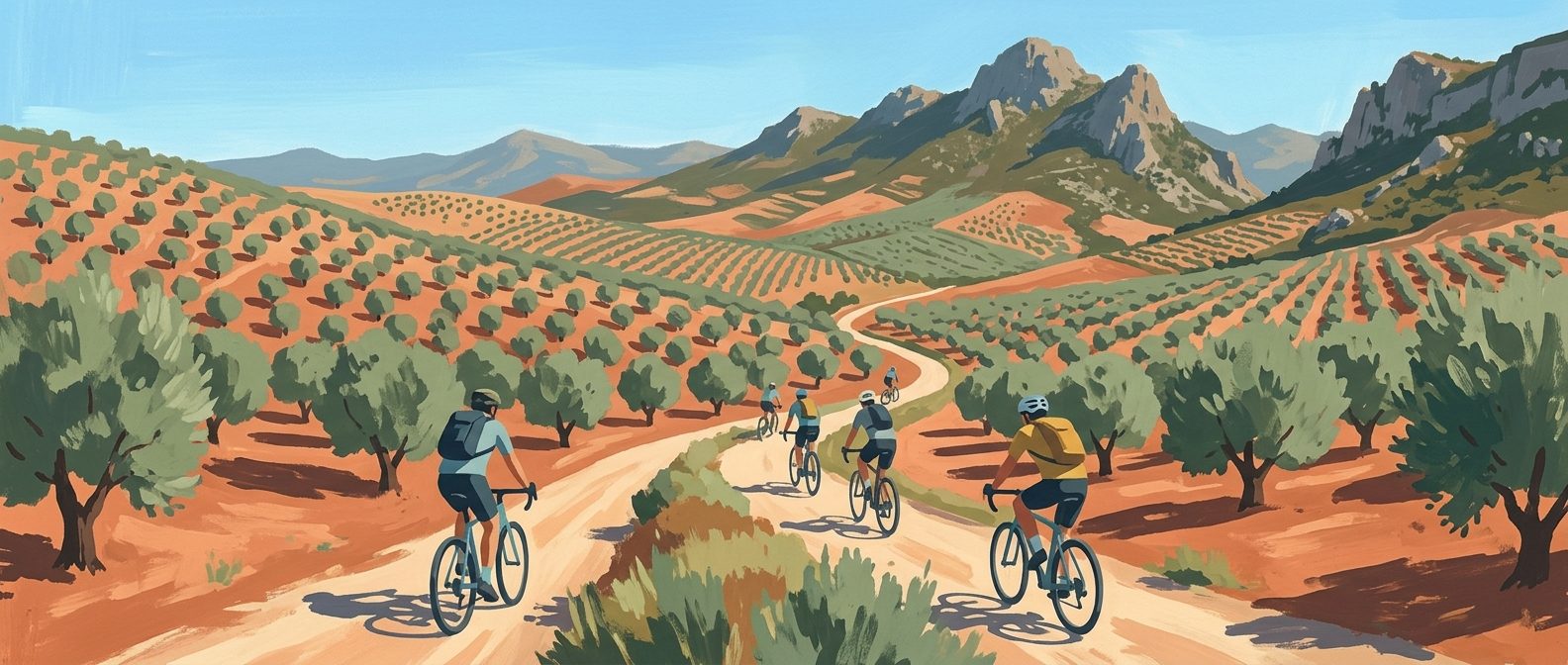
Cycling in Jaén: From Infinite Olive Groves to Rugged Mountain Peaks
Discover why Jaén is Spain’s best-kept secret for cyclists, from the flat Vía Verde del Aceite to the technical trails of the Sierras de Cazorla.
6 min read
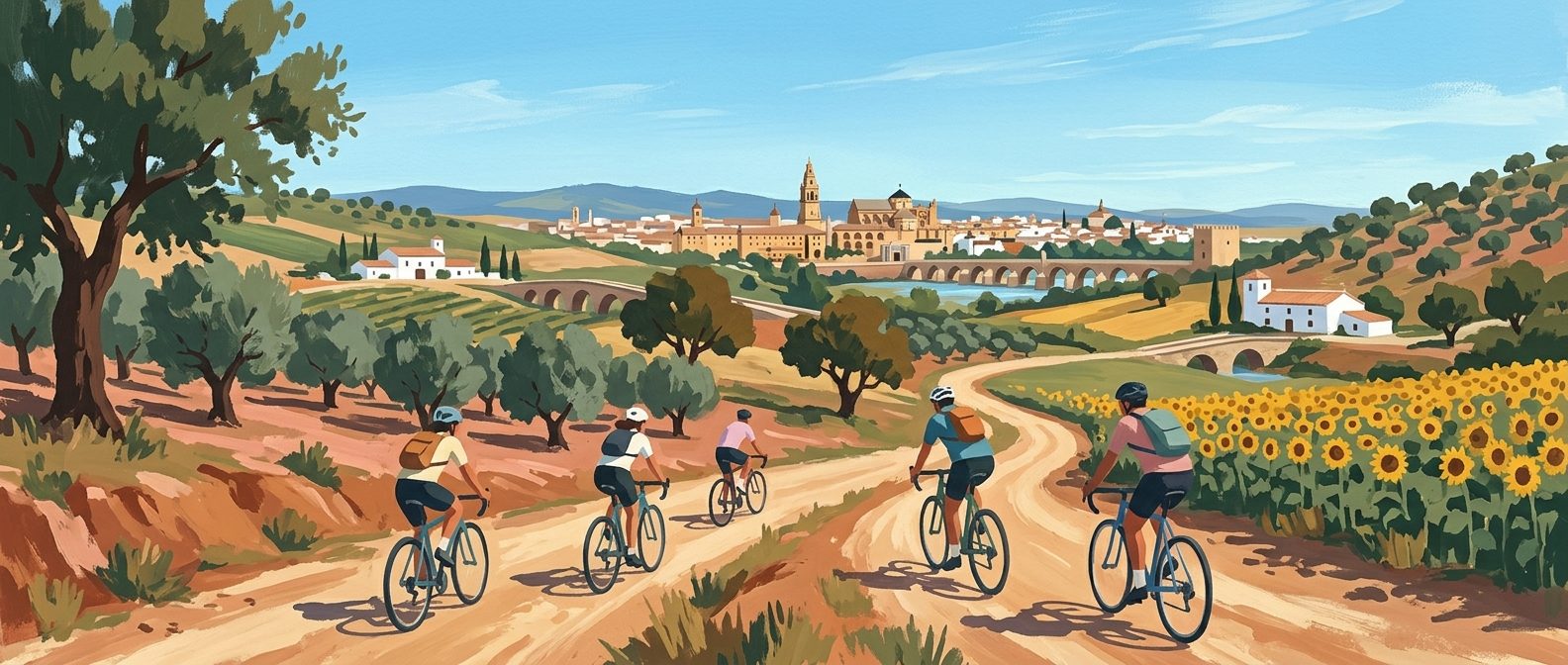
Cycling in Córdoba: The Best Routes and Practical Guide
From the flat trails of the Guadalquivir valley to the rugged peaks of the Sierras Subbéticas, Córdoba offers a diverse landscape for cyclists of all abilities.
6 min read
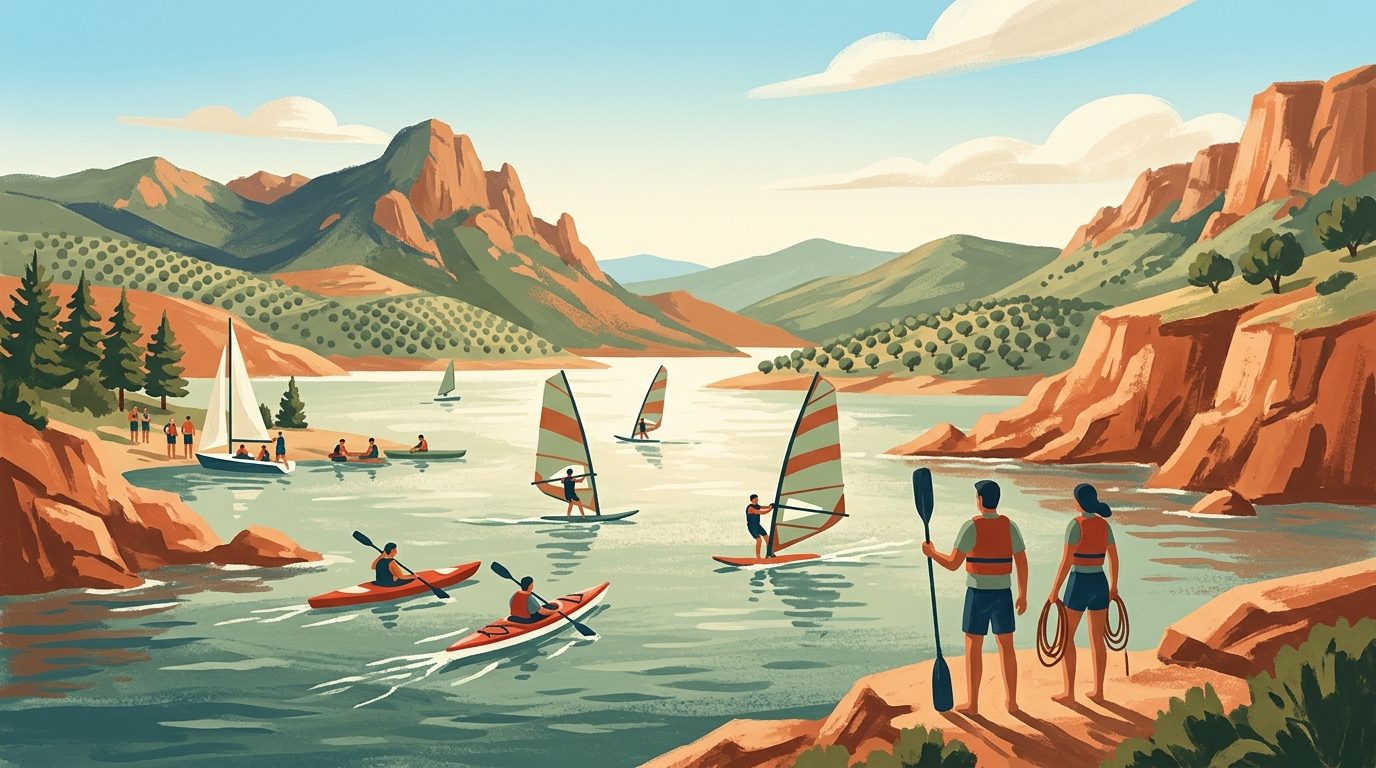
Where to Find the Best Water Sports in Jaén
Discover the unexpected side of Jaén, where mountain reservoirs and limestone gorges offer world-class kayaking, rafting, and canyoning away from the coastal crowds.
6 min read
More guides

The Definitive Guide to Feria de Abril in Sevilla
Discover the cultural nuances, strict dress codes, and insider advice for navigating Sevilla's exclusive spring fair like a seasoned local.
9 min read
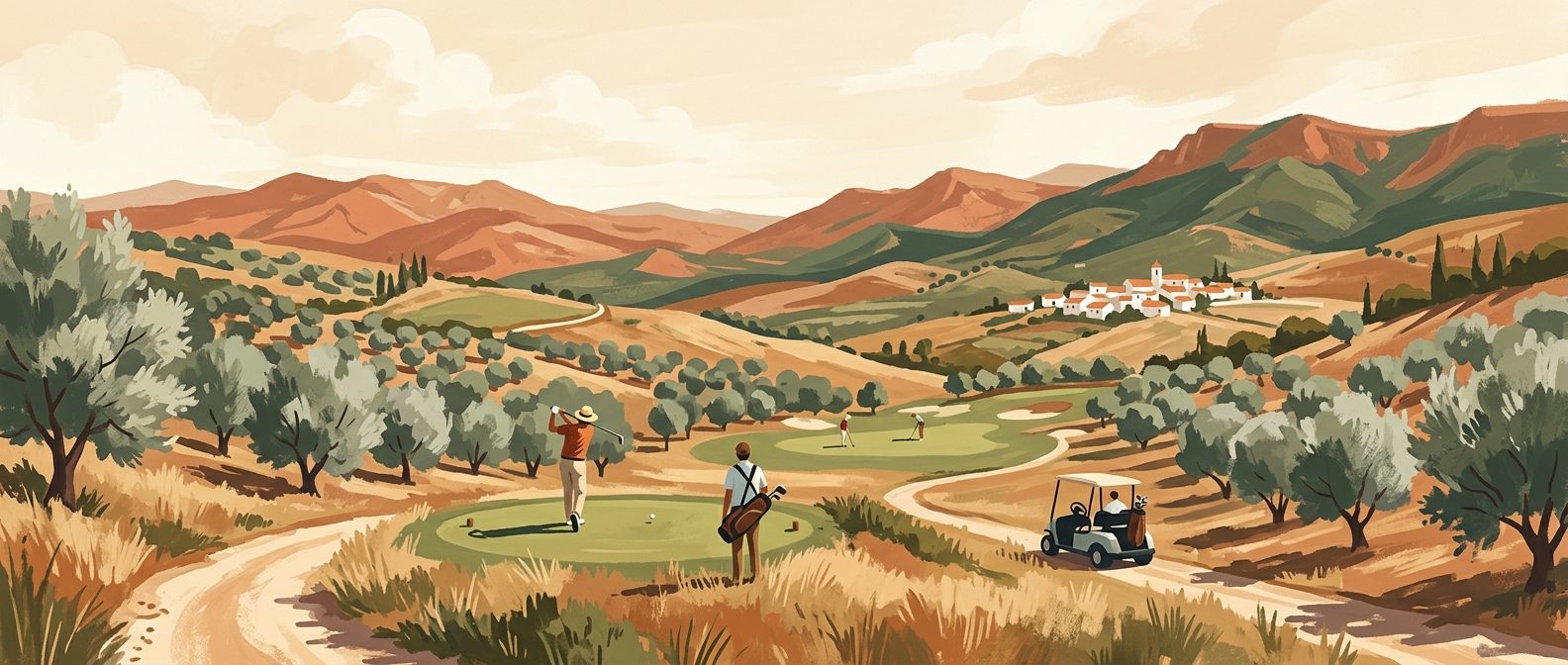
Golf in Jaén Province: A Practical Guide to Courses, Clubs, and Holidays
Discover the reality of playing golf in Jaén. From the 9-hole course at La Garza to local societies and combining rounds with olive oil tourism.
12 min read

Golf in Córdoba Province: Courses, Holidays, and Shops
Discover practical tips, course details, and holiday planning advice for playing golf in Córdoba province, from the mountain fairways of Sierra Morena to the historic greens of Los Pedroches.
10 min read

The Ultimate Guide to Golf in Cádiz Province
Discover the finest golf courses, resorts, and practical tips for planning your next golf holiday in the province of Cádiz. From championship layouts to essential details on green fees and club hire, everything you need is covered.
11 min read

Golf in Sevilla Province: Courses, Holidays and Local Pro Shops
Swap the crowded coastal fairways for the refined courses of Sevilla province. Discover top layouts designed by golfing legends, local shops, and expert tips for your next trip.
10 min read

A Complete Guide to Golf in Málaga Province
From championship courses in Marbella to practical advice on club rentals and tee times, discover everything you need to know about playing golf in Málaga province.
11 min read

Golf in Granada Province: A Practical Guide to Courses, Holidays and Gear
Plan your perfect golfing trip with our practical guide to Granada's 18-hole courses. Discover green fees, club rental, and the best locations for a golf holiday.
12 min read

Hands-on Gastronomy: The Best Cooking Classes in Andalucía
Discover the art of Andalucían cuisine through hands-on workshops, from Triana's market-based schools to specialist Sherry cooking classes in Vejer.
6 min read
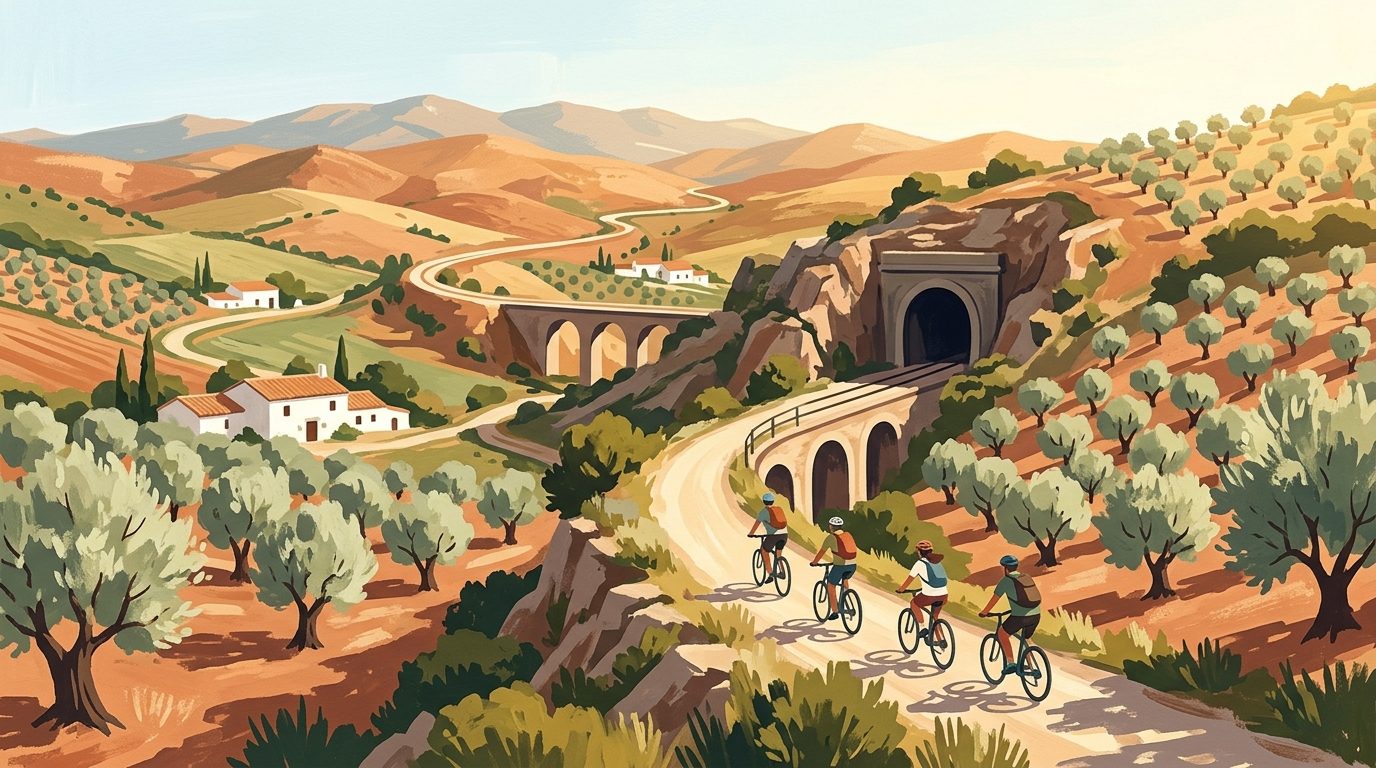
Cycling the Vías Verdes of Andalucía: A Complete Guide
Explore the disused railway lines of Andalucía. Discover the best Vías Verdes for cycling, from the tunnels of Cádiz to the olive groves of Jaén.
7 min read
Newsletter
More stories from Andalucía
Weekly notes, seasonal picks, and the next guides worth bookmarking.