
Itinerary · Córdoba
Three Days in Cordoba: An Itinerary for Independent Travellers
A three-day stay allows you to experience Cordoba without the typical day-tripper rush. Take time to explore aristocratic palaces, authentic tapas taverns and the ruined caliphate city of Medina Azahara.
By Dan · Updated 12 May 2026 · 8 min read
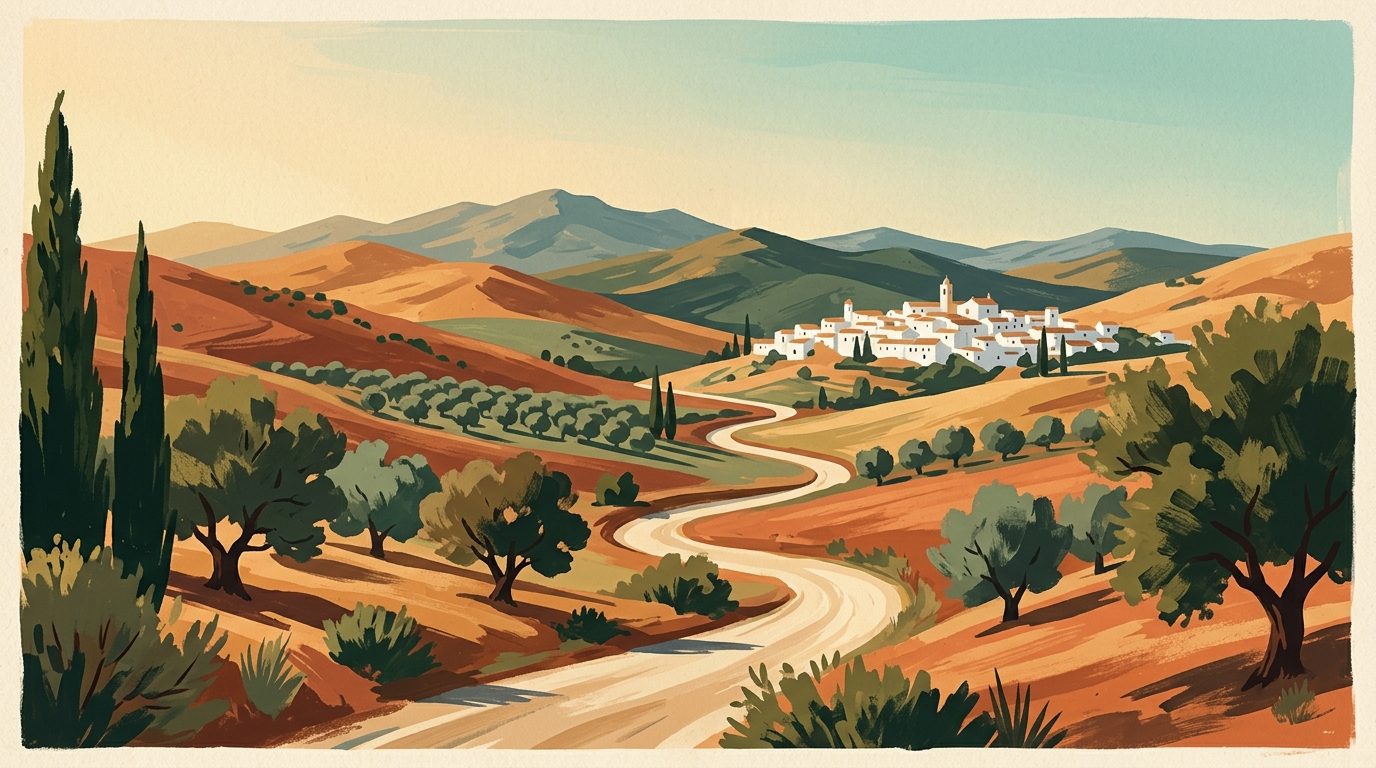
A three-day stay allows you to experience Cordoba without the typical day-tripper rush. After exploring the iconic Mezquita and the winding streets of the Jewish Quarter, you have time to discover aristocratic palaces, authentic tapas taverns and the ruined caliphate city of Medina Azahara.
Most visitors give Cordoba a mere six hours. They arrive on the early train, sprint to the Mezquita-Catedral, grab a quick lunch and leave before the afternoon heat peaks. While you can technically tick off the major sights this way, you miss the true essence of the city. With three full days, you can settle into a proper Andalucían rhythm. You will have time to see the headline monuments before the large tour groups arrive, retreat for a long lunch, respect the afternoon siesta and experience the city squares coming alive late into the evening.
This itinerary covers the monumental core first, then moves outwards to the residential patios of the Viana Palace, and finishes with a trip to the tenth-century ruins of Medina Azahara on the city outskirts. Dedicating three days means you never have to rush. The pace assumes a slow start, a proper sit-down meal at two o'clock, a quiet museum visit or rest in the afternoon, and tapas from nine o'clock onwards. If you are short on time, you could compress the city centre sights into two days and skip the Medina Azahara, but staying the full three days ensures a far more rewarding trip.
Day 1: The Monumental Core and the Judería
Morning
Start your first day at the absolute centre of Cordoba: the Mezquita-Catedral. Book your tickets online at least a month in advance to secure an entry time between 9:30 AM and 10:00 AM. Arriving early means you enter just after the morning mass finishes (typically held 8:30 AM to 9:30 AM, Monday to Saturday), beating the worst of the coach tour crowds. Spend an hour walking through the mesmerising forest of red and white striped arches, taking time to examine the intricate mosaics of the Mihrab and the startling Christian cathedral built directly into the centre of the mosque. Before you enter, sit in the Patio de los Naranjos (Courtyard of the Orange Trees) to appreciate the sheer scale of the exterior walls.
Lunch
Walk five minutes north into the Judería (the former Jewish Quarter) for lunch. The narrow streets here offer plenty of tourist traps, but Casa Pepe de la Judería on Calle Romero remains a highly reliable mid-budget choice. It is an excellent place to try authentic Cordobese specialities. Order the thick, cold salmorejo soup topped with Iberian ham and boiled egg, followed by a crispy flamenquín (a pork loin and ham roll, breaded and fried). Arrive by 1:30 PM to secure a table in the atmospheric internal courtyard without a reservation.
Afternoon
Spend the afternoon exploring the twisting alleys of the Judería. Keep your map handy but expect to get lost. Stop at the Córdoba Synagogue on Calle de los Judíos. It is small and takes only fifteen minutes to view, but it stands as one of only three remaining pre-Inquisition synagogues in Spain. From here, walk ten minutes south to the Alcázar de los Reyes Cristianos. You must pre-book this ticket. The interior fortress is relatively austere, but the terraced water gardens are spectacular. If you are visiting in July or August, do not attempt the gardens before 6:00 PM due to the intense midday heat.
Evening
For your first evening, walk fifteen minutes away from the tourist-heavy riverbank towards Plaza de las Tendillas. Take a table at Taberna Salinas on Calle Tundidores. Operating since 1889, this tavern serves excellent local wine and traditional plates in a classic Andalucían courtyard setting. Try their fried aubergines with cane honey and the spinach with chickpeas. The kitchen opens for dinner at 8:30 PM, which is exceptionally early for locals, making it easy for hungry visitors to get a seat.
Day 2: Palaces, Patios and Roman Ruins
Morning
Cordoba is famous for its internal courtyards. While the May Patio Festival is highly competitive for tickets and accommodation, you can view incredible examples year-round at the Palacio de Viana. Walk twenty minutes north from the Mezquita area into the Santa Marina neighbourhood. This aristocratic palace contains twelve distinct courtyards, each planted with different seasonal flowers and citrus trees. You can buy a ticket just for the patios or include a guided tour of the house. The patio ticket alone takes around an hour to fully appreciate.
Lunch
Stay in the northern part of the city for lunch. Walk ten minutes south from Viana to Taberna La Montillana on Calle San Álvaro. This is a brilliant, slightly modernised tavern that focuses entirely on the produce and wines of the Cordoba province. The braised Iberian pork cheeks are exceptional, and the staff are very helpful at pairing local Montilla-Moriles wines (which are similar to sherry but unfortified) with your food.
Afternoon
Walk five minutes to the Templo Romano on Calle Capitulares. You cannot walk inside these reconstructed Roman columns, but they stand impressively above street level. Continue another five minutes to the Plaza de la Corredera. This vast, enclosed seventeenth-century square feels more like Madrid than southern Spain. Find a shaded table at one of the perimeter cafés, order a café con leche and enjoy some excellent people-watching. If you enjoy art, walk another ten minutes to the Museo Julio Romero de Torres to see the brooding portraits painted by Cordoba's most famous early twentieth-century artist.
Evening
Time your evening to cross the Puente Romano (the Roman Bridge) just before sunset. The fading light turns the stone of the Mezquita and the bridge a deep, golden yellow. Once you reach the far side of the river, you can photograph the entire old city skyline. Walk back across the bridge and head east along the Paseo de la Ribera. This riverside avenue is packed with excellent contemporary dining options. Regadera offers a superb mid-budget menu featuring local ingredients cooked with modern techniques. Book a table on their terrace a few days in advance.
Day 3: The Caliphate City and Local Life
Morning
Leave the city centre behind to visit Medina Azahara. This vast archaeological site was built in the tenth century as a magnificent palace-city by Abd ar-Rahman III, only to be sacked and ruined less than a century later. The easiest way for an independent traveller to visit is to book the official daily tourist bus, which typically departs from the Paseo de la Victoria at 10:15 AM (check current schedules on the Turismo de Córdoba website, as times vary by season). The journey takes twenty minutes. The ticket includes transport to the site museum and the shuttle bus up to the ruins themselves. Expect to spend two and a half hours walking among the partially restored horseshoe arches and royal reception halls.
Lunch
The tourist bus returns you to Paseo de la Victoria around 1:30 PM. From your drop-off point, you are a two-minute walk from the Mercado Victoria. This nineteenth-century forged-iron pavilion in the park has been converted into a gourmet food market. It is the perfect place for a casual lunch. You can browse dozens of stalls selling everything from traditional salmorejo to fresh oysters, empanadas and grilled octopus. Grab a stool at the communal tables and enjoy the lively atmosphere.
Afternoon
Walk south into the San Basilio neighbourhood, also known as Alcázar Viejo. This quiet residential area features whitewashed houses, narrow streets and local artisans. Several private patio owners here open their doors to visitors year-round for a small fee. Look for signs offering "Patios Abiertos" and knock on the doors. It provides a much more intimate, domestic contrast to the grand courtyards of the Palacio de Viana. Use the rest of the afternoon to pick up any souvenirs, perhaps browsing the local leather goods or ceramics near the Mezquita.
Evening
For your final night, head to the eastern side of the old town to Bodegas Campos on Calle Corregidor Luis de la Cerda. Originally a wine cellar, this sprawling restaurant is a local institution. The walls are lined with wine barrels signed by celebrities, politicians and bullfighters. You can either book a formal table in the dining room or eat casually in the tavern area at the front. Order a glass of Pedro Ximénez wine to finish your meal, raising a glass to a perfectly paced three days.
Where to stay
The Judería is the most obvious choice for a first visit. Staying near the Mezquita means you can return to your room easily during the afternoon heat. The downside is that the streets are heavily congested with walking tours from late morning until early evening, and hotel prices reflect the premium location.
San Lorenzo and San Andrés offer a much more authentic local experience. Located to the north and east of the commercial centre, these neighbourhoods feature quiet plazas, beautiful churches and excellent, reasonably priced tapas bars. Walking to the Mezquita takes about twenty minutes, but the journey through the winding streets is highly enjoyable.
La Ribera is the area running along the Guadalquivir River. It has seen significant investment in recent years and is now the top spot for modern gastronomy. Staying here gives you immediate access to great evening dining and open riverside views, while still being only a ten-minute walk from the major monuments.
Practical notes
Arrival logistics: Cordoba is incredibly easy to reach by train. The high-speed AVE train connects Madrid to Cordoba in under two hours, and Sevilla to Cordoba in just forty-five minutes. The main train station is a twenty-minute walk or a ten-minute taxi ride to the historic centre. There is no commercial airport in the city.
Getting around: You will rarely need a taxi or a bus. Cordoba is flat and entirely walkable. The historic centre is largely pedestrianised, which makes walking pleasant but driving a nightmare. If you arrive by rental car, ensure your hotel has guaranteed parking, as street parking in the centre is effectively non-existent.
Advance tickets: You must buy tickets for the Mezquita-Catedral, the Alcázar de los Reyes Cristianos and the Medina Azahara bus well in advance. During the peak spring season, try to book at least a month ahead. Keep in mind that almost all state-run museums, including the Alcázar, are closed on Mondays.
Weather and seasons: Cordoba experiences some of the highest summer temperatures in Europe, routinely exceeding 40 degrees Celsius in July and August. If you visit in summer, you must adopt the local schedule: sightsee early, sleep in the afternoon and go out for dinner after 9:00 PM. Winter is generally mild but can be damp, requiring layers. May is the most famous month to visit due to the Cruces de Mayo and the Patio Festival, but expect huge crowds and peak hotel prices.
Last reviewed: 21 June 2026 · Editorial policy
Related guides
Boutique Hotels in Cordoba: Historic Patios and Manor Houses
Discover the nuances of Cordoba boutique hotels, from historical patio houses in the Judería to grand manor houses in the quiet Santa Marina district.
6 min read
Two Days in Cordoba: A Complete Itinerary
Two days in Cordoba gives you enough time to look beyond the famous arches of the Mezquita and explore the quiet residential courtyards that define the city.
8 min read
A Weekend in Cordoba: Two Days in Andalucía's Caliphate City
Spend 48 hours in Cordoba exploring the mesmerising Mezquita, getting lost in the whitewashed streets of the Judería, and eating excellent salmorejo.
9 min read
Three Days in Ronda: The Complete Itinerary
A three-day stay in Ronda allows you to look beyond the famous bridge and properly explore the ancient Moorish quarters, local wineries, and the spectacular gorge.
8 min read
Two Days in Ronda: The Complete Itinerary
Two days in Ronda allows you to explore the dramatic gorge, walk the ancient walls, and sample local wines at a relaxed pace. This itinerary balances major landmarks with quiet local squares and traditional dining.
8 min read
A Perfect Weekend Itinerary for Malaga
Spend 48 hours in Malaga discovering a coastal city that balances centuries of Moorish architecture with excellent art galleries and outstanding local seafood. This weekend plan helps you navigate the historic centre, avoid the longest queues, and eat at the best neighbourhood tapas bars.
9 min read
More from Córdoba
Newsletter
More stories from Andalucía
Weekly notes, seasonal picks, and the next guides worth bookmarking.