
Itinerary · Córdoba
Seven Days in Cordoba: The Complete One-Week Itinerary
Seven days in Cordoba allows you to sink into the slow rhythm of Southern Spain. Beyond the famous Mosque Cathedral, a full week gives you time to explore aristocratic palaces, sip local wines in ancient taverns, and venture out to the olive groves and castles of the surrounding province.
By Dan · Updated 24 July 2026 · 13 min read
This article contains affiliate links. If you book through them, we may earn a small commission at no extra cost to you.
Seven days in Cordoba allows you to sink into the slow rhythm of Southern Spain. Beyond the famous Mosque Cathedral, a full week gives you time to explore aristocratic palaces, sip local wines in ancient taverns, and venture out to the olive groves and castles of the surrounding province.
Most visitors treat Cordoba as a quick stopover between Sevilla and Granada, rushing through the historic centre in a few hours. Dedicating seven days to this Andalucían city changes the experience entirely. You will not just see the headline monuments. You will have time to understand the layered Islamic, Jewish and Roman past, wander through residential neighbourhoods far from the tourist trail, and take unhurried day trips into the dramatic Subbetica mountains.
A full week means you can embrace the local schedule without feeling rushed. You can take a two-hour lunch, retreat to your hotel during the peak afternoon heat (an absolute necessity from May to September, when temperatures can exceed 40°C), and emerge for late evening tapas when the streets cool down. The itinerary below builds a logical path through the historic centre before expanding outwards to the province. If you only have three days, focus on days one to three and save the countryside for another trip. Expect to walk heavily, navigate uneven cobbled streets, and adjust your eating times to match the Spanish clock.
Day 1: The Core Monuments
Morning
Start your week at the defining monument of Cordoba: the Mezquita, or Mosque Cathedral. You must book your entry ticket online at least a month in advance. Aim for the 8:30 AM slot (Monday to Saturday). On Sundays and religious holidays, tourist visiting hours are reduced to accommodate mass, typically beginning around 11:30 AM or 1:00 PM. Always check the official calendar before booking. This early weekday hour allows you to walk through the forest of red and white stone arches before the large tour groups arrive from other cities. Expect to spend at least two hours examining the intricate mihrab and the Renaissance cathedral built directly into the centre of the original Islamic structure. When you exit into the Patio de los Naranjos, take a ten-minute walk down Calle Cardenal Herrero to the Calleja de las Flores. This is the perfect time to photograph the famous narrow alleyway, framed by blue flower pots and the cathedral tower, before it becomes entirely blocked by daytime crowds.
Lunch
Walk five minutes into the heart of the Juderia (Jewish Quarter) to Bodegas Mezquita on Calle Corregidor Luis de la Cerda. This is the place to order your first salmorejo. Unlike gazpacho, this is a thick, cold emulsion of tomatoes, local olive oil, and bread, usually topped with diced Iberian ham and hard-boiled egg. Pair it with a plate of fried aubergine drizzled in Pedro Ximenez honey.
Afternoon
Take a slow ten-minute stroll southwest to the Alcazar de los Reyes Cristianos. This fortress requires advance booking. While the interior rooms are relatively austere, the terraced water gardens are magnificent. Spend an hour walking among the cypress trees, fountains, and rectangular pools. Afterwards, respect the Spanish siesta and return to your accommodation to rest during the hottest part of the day.
Evening
Emerge around 7:30 PM and walk down to the Guadalquivir river. Cross the Puente Romano (Roman Bridge) as the sun sets, providing the best light for photographing the city skyline. Walk back across the bridge and head to Garum 2.1 on Calle San Fernando for dinner. This contemporary tapas bar serves modern takes on traditional Andalucían food, including an award-winning oxtail stew (rabo de toro). Arrive by 8:30 PM to secure a table without a reservation.
Day 2: Palaces and Patios
Morning
Leave the immediate tourist centre and head north to the Santa Marina neighbourhood. Your destination is the Palacio de Viana, a 14th-century aristocratic mansion. The palace is highly regarded for its twelve interconnected courtyards, each planted with different seasonal flowers, citrus trees, and climbing vines. It takes roughly 90 minutes to explore the patios and the interior rooms. Because you are visiting in the morning, the courtyards will be shaded and cool.
Lunch
Walk 15 minutes south through the winding streets to Plaza de la Corredera. This grand, rectangular plaza is unique in Andalucía, resembling the enclosed squares of Madrid. Grab an outdoor table at La Cazuela de la Esparteria. Order a portion of flamenquin, a traditional Cordoban dish consisting of pork loin wrapped around serrano ham, coated in breadcrumbs, and deep-fried.
Afternoon
Just a five-minute walk from the plaza is the Templo Romano, where the reconstructed columns of a Roman temple stand above the modern street level. From here, walk another five minutes to the Archaeological Museum in Plaza de Jeronimo Paez. The museum is built over the remains of the city's Roman theatre, which you can see in the basement. Keep in mind that all public museums in Andalucía, including the Archaeological Museum and the Fine Arts Museum, close on Mondays and frequently alter their hours on bank holidays, so check ahead. If your Day 2 falls on a Monday, swap this day's itinerary with Day 3.
Evening
For dinner, walk to Taberna Salinas near Plaza de las Tendillas. Operating since 1889, this tavern features a traditional central courtyard. Order the spinach with chickpeas (espinacas con garbanzos) and a glass of crisp Montilla-Moriles white wine. The atmosphere is loud, informal, and deeply local.
Day 3: The Caliphate City
Morning
Today involves a half-day trip to Medina Azahara, the ruined 10th-century palace city built by Abd al-Rahman III. The site lies eight kilometres west of Cordoba. Book the official yellow shuttle bus that departs from Paseo de la Victoria; the journey takes 20 minutes. You will need two to three hours to explore the extensive archaeological site and the excellent, subterranean museum. The ruins offer a fascinating look into the immense wealth and power of the Umayyad Caliphate before it collapsed into civil war.
Lunch
Catch the 1:30 PM shuttle bus back to the city centre. The bus drops you off right next to the Mercado Victoria. Housed in a wrought-iron pavilion dating back to 1877, this is the city's premier gourmet food market. It is the perfect spot for an informal lunch. Browse the various stalls to pick up freshly shucked oysters, grilled octopus, or a simple slice of Spanish omelette, and eat at the communal high tables.
Afternoon
Walk south into the San Basilio district, also known as Alcazar Viejo. This area is associated with the city's Patio Festival in May, but several private homeowners open their courtyards year-round. Look for signs offering access to the Patios de San Basilio. For a small entry fee, you can walk directly into private homes to admire walls entirely blanketed in potted geraniums and carnations, maintained meticulously by the residents (note that during the Fiesta de los Patios in early May, typical opening hours for these private homes may differ significantly from standard monument hours).
Evening
Return to the Juderia for a sit-down meal at Casa Pepe de la Juderia. If the weather is clear, book a table on their rooftop terrace, which looks directly across to the illuminated bell tower of the Mezquita. The menu leans heavily on local ingredients, offering excellent grilled Iberian pork (secreto iberico) and regional cheeses.
Day 4: Wine Tasting in Montilla
Morning
Take a break from the city and board a regional train from Cordoba Central Station to Montilla. The journey takes roughly 40 minutes. Montilla is the capital of the Montilla-Moriles wine region. Unlike sherry from Jerez, the sweet Pedro Ximenez wines produced here achieve their high alcohol content naturally in the sun, without fortification. Book a 10:00 AM tour at Bodegas Alvear, the oldest winery in Andalucía, founded in 1729. You will walk through the cool, cathedral-like aging rooms and sample wines drawn directly from the barrel.
Lunch
Stay in Montilla for lunch at Taberna Bolero. This family-run restaurant pairs local wines with seasonal dishes. Try their slow-cooked artichokes or the garlic prawns. The pace of service here is intentionally slow, allowing you to enjoy a genuinely relaxed Spanish lunch.
Afternoon
Take the train back to Cordoba. Spend the late afternoon browsing the commercial streets around Plaza de las Tendillas and Calle Cruz Conde. This is the modern heart of the city, lined with independent boutiques, local bakeries, and high-street fashion brands. It is a sharp, interesting contrast to the ancient alleyways of the historic core.
Evening
Head to the San Lorenzo neighbourhood for dinner. This area is rarely visited by tourists but is packed with excellent local bars. Find a table at Taberna Sociedad de Plateros on Calle Maria Auxiliadora. Originally founded as a silversmiths' guild in the 19th century, it is now one of the best places in the city to drink local fino wine and eat fried cod (bacalao frito).
Day 5: A Castle in the Sky
Morning
Head to the main bus station and catch the M-250 regional bus to Almodovar del Rio, a journey of 45 minutes (check the current timetable on the operator's website before travelling). Your target is the Castillo de Almodovar del Rio, a spectacularly preserved Moorish fortress that crowns a steep hill above the town. The 20-minute walk up from the bus stop is demanding, but the panoramic views over the Guadalquivir river valley are incredible. Film fans will recognise the battlements as the setting for Highgarden in Game of Thrones. Allow 90 minutes to walk the ramparts and climb the main towers.
Lunch
Return to Cordoba by bus. Head back to the San Basilio district for a late lunch at Taberna La Viuda. The decor is deeply traditional, and the kitchen specialises in hearty, comforting Andalucían dishes. The slow-cooked cheeks of Iberian pork (carrillada) are exceptional.
Afternoon
Spend your afternoon focusing on the Jewish history of the city. Visit the Casa de Sefarad, a small but highly informative museum dedicated to Sephardic culture, music, and daily life. Directly across the street is the Cordoba Synagogue. Built in 1315, it is one of only three medieval synagogues remaining in Spain. The interior is small, and a visit takes no more than 20 minutes, but the intricate Mudejar stucco work on the walls is remarkable.
Evening
Dress up slightly for an evening at Hotel Hospes Palacio del Bailio. You do not need to be a guest to order a cocktail at their courtyard bar. The bar features a glass floor that reveals a preserved Roman villa underneath. It is a quiet, sophisticated spot to end your day.
Day 6: The Subbetica Mountains
Morning
To truly understand the province, rent a car for the day and drive south into the Sierras Subbeticas Natural Park. Drive one hour to the village of Zuheros, a cluster of whitewashed houses clinging to a limestone cliff. Pre-book a morning entry to the Cueva de los Murcielagos (Bat Cave), located high above the village (check the official Zuheros tourism website before travelling for seasonal tour times). The guided tour takes you deep underground to see impressive stalactite formations and Neolithic cave paintings.
Lunch
Drive down into the village of Zuheros and find a table at Los Palancos. This rustic tavern serves mountain food, which is heavier and earthier than the food in the city. Order the local roast lamb or a platter of regional sheep's milk cheese accompanied by local olive oil.
Afternoon
Drive 25 minutes further south to Priego de Cordoba. Known as the capital of Andalucían baroque, the town is visually stunning. Walk through the Barrio de la Villa, a medieval Moorish quarter of narrow alleys and flower-potted facades. The alleys lead to the Balcon de los Adarves, a cliff-edge viewpoint looking out over miles of olive groves. Before driving back to Cordoba, step inside the Iglesia de la Asuncion to look at the Sagrario, a blindingly ornate white plasterwork chapel. Return the rental car in Cordoba by early evening.
Evening
Keep your evening simple after a long day of driving. Walk to Bar Santos, located right against the eastern wall of the Mezquita. This tiny, standing-room-only bar is famous for one thing: massive, incredibly thick Spanish omelettes. Grab a slice on a paper plate, order a cold beer, and lean against the ancient stones of the cathedral wall to eat it.
Day 7: Art, Leather and Farewell
Morning
Start your final day in Plaza del Potro, a historic square mentioned in Cervantes' Don Quixote. The square houses two important art museums in one courtyard. Start at the Museo de Bellas Artes to see classic Andalucían religious painting and sculpture. Then cross the courtyard to the Museo Julio Romero de Torres. This museum is entirely dedicated to the early 20th-century Cordoban painter famous for his intense, symbolic portraits of local women.
Lunch
Walk north towards Plaza de las Tendillas and find Taberna Góngora on Calle Conde de Torres Cabrera. This is a classic hunting tavern adorned with mounted deer heads. The kitchen specialises in game meats from the Sierra Morena mountains. Order the venison in Pedro Ximenez sauce or the wild boar stew.
Afternoon
Spend your final afternoon picking up locally made souvenirs. Cordoba has a centuries-old tradition of leatherworking, specifically embossed and painted leather known as cordoban. Browse the artisan workshops around Calleja de las Flores and Calle Tomas Conde. Afterwards, take one last, unhurried walk along the banks of the Guadalquivir river, looking up at the defensive walls and the waterwheels (norias) that once supplied the palace gardens.
Evening
For your final dinner, choose between two exceptional modern Andalucían dining experiences. If you have booked several months in advance, dine at Noor. Chef Paco Morales holds Michelin stars for his meticulous recreation of historical Andalusi banquets, using only ingredients available in the 10th century. If you cannot secure a table at Noor, book at Choco, another Michelin-starred venue offering highly creative tasting menus based on local provincial ingredients. Both offer a spectacular end to a week in the city.
Where to stay
The Juderia: This is the most convenient neighbourhood for first-time visitors, placing you within a five-minute walk of the Mezquita and the Alcazar. The narrow, winding streets are highly evocative. However, you must accept that the main arteries will be heavily congested with day-trippers between 10:00 AM and 4:00 PM. It is best enjoyed early in the morning or late at night.
San Basilio: Located just west of the Alcazar, this residential neighbourhood is closely tied to its flower-filled courtyards. It offers a quieter, more authentic atmosphere than the Juderia, yet remains within a ten-minute walk of the major monuments. The local taverns here cater more to residents than to tourists.
Santa Marina: Situated in the northern part of the historic centre, this is a traditional, working-class neighbourhood with a strong bullfighting heritage. It is home to the Palacio de Viana and dozens of excellent, unpretentious tapas bars. Staying here requires a 20-minute walk to the Mezquita, but you will entirely escape the tourist crowds.
Centro (Plaza de las Tendillas): The modern commercial heart of the city sits just north of the medieval core. The streets are wider, the hotels tend to offer larger rooms and more reliable air conditioning, and you are much closer to the main train and bus stations. It is a highly practical choice for a week-long stay involving day trips.
Practical notes
Arrival logistics: Cordoba is a major hub on the high-speed AVE train network. The journey takes under two hours from Madrid, 45 minutes from Sevilla, and one hour from Malaga. The main train station is located just outside the historic centre. You can walk to Plaza de las Tendillas in 15 minutes, but if your hotel is deep inside the cobbled Juderia, taking a local taxi from the station rank is highly recommended.
Getting around: The entire historic core is either strictly pedestrianised or restricted to residents' vehicles. You will be walking for the vast majority of this itinerary. The paving heavily features rounded river stones, which look beautiful but are notoriously hard on the feet. Pack thick-soled, supportive walking shoes. Leave high heels at home.
Tickets to pre-book: You must book your tickets for the Mezquita, the Alcazar de los Reyes Cristianos, and the Medina Azahara shuttle bus before you arrive in the city. During the peak spring season, these attractions sell out weeks in advance. Do not expect to walk up to the ticket office and buy entry for the same day. Remember that almost all municipal and regional museums close on Mondays.
What to wear by season: If you visit between late May and September, you must prepare for extreme heat. Daytime temperatures regularly exceed 40 degrees Celsius. Bring lightweight linen clothing, a wide-brimmed hat, sunglasses, and a refillable water bottle. You must plan for a strict siesta indoors between 2:00 PM and 6:00 PM in summer. In winter (December to February), the mornings are crisp and cold, but the afternoons are usually sunny and mild, requiring layered clothing.
Crowd management: The city experiences its absolute peak in May during the Fiesta de los Patios. Accommodation prices triple, and the streets are incredibly busy. If you travel in May, especially during the Fiesta de los Patios, you must book your hotel at least six months ahead. For a much quieter experience with excellent walking weather, aim for late October, November, or March.
Last reviewed: 14 July 2026 · Editorial policy
Related guides
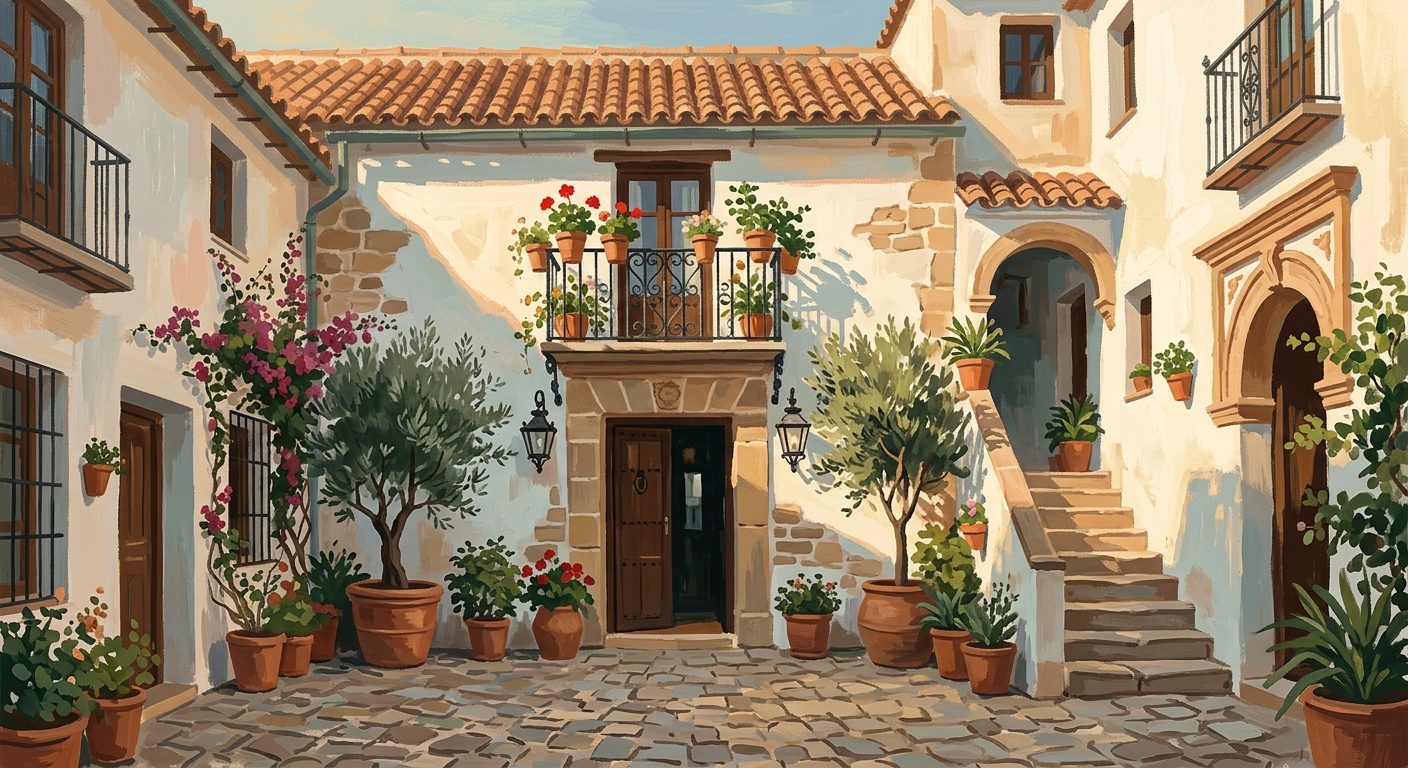
Boutique Hotels in Cordoba: Historic Patios and Manor Houses
Discover the nuances of Cordoba boutique hotels, from historical patio houses in the Judería to grand manor houses in the quiet Santa Marina district.
6 min read
A Weekend in Cordoba: Two Days in Andalucía's Caliphate City
Spend 48 hours in Cordoba exploring the mesmerising Mezquita, getting lost in the whitewashed streets of the Judería, and eating excellent salmorejo.
9 min read
Andalucía by Train: Rail Journey from Málaga to Granada
Ditch the car hire queues and traverse southern Spain using the high-speed AVE network on this 10-day rail adventure from the coast to the Sierra Nevada.
9 min read
Seven Days in Cadiz: A One-Week Itinerary
Spend a full week absorbing the maritime rhythm of Europe's oldest continuously inhabited city. This seven-day plan balances morning markets and long beach walks with easy day trips across the Bay of Cadiz.
14 min read
Two Days in Ronda: The Complete Itinerary
Two days in Ronda allows you to explore the dramatic gorge, walk the ancient walls, and sample local wines at a relaxed pace. This itinerary balances major landmarks with quiet local squares and traditional dining.
8 min read
One Week in Sevilla: A Complete Seven Days Itinerary
Spending a full week in Sevilla allows you to slow down and adopt the local rhythm. You can explore the monumental centre, wander through neighbourhood markets, and take the train to nearby Andalucían cities without feeling rushed.
13 min read
More from Córdoba
Three Days in Cordoba: An Itinerary for Independent Travellers
A three-day stay allows you to experience Cordoba without the typical day-tripper rush. Take time to explore aristocratic palaces, authentic tapas taverns and the ruined caliphate city of Medina Azahara.
8 min read
Two Days in Cordoba: A Complete Itinerary
Two days in Cordoba gives you enough time to look beyond the famous arches of the Mezquita and explore the quiet residential courtyards that define the city.
8 min read
Newsletter
More stories from Andalucía
Weekly notes, seasonal picks, and the next guides worth bookmarking.