
Things to do · Huelva
The Best Day Trips from Huelva
Huelva serves as the perfect launchpad for exploring the crimson Rio Tinto, the caves of Aracena, and the wild marshes of Doñana National Park.
By Dan · Updated 16 July 2026 · 6 min read
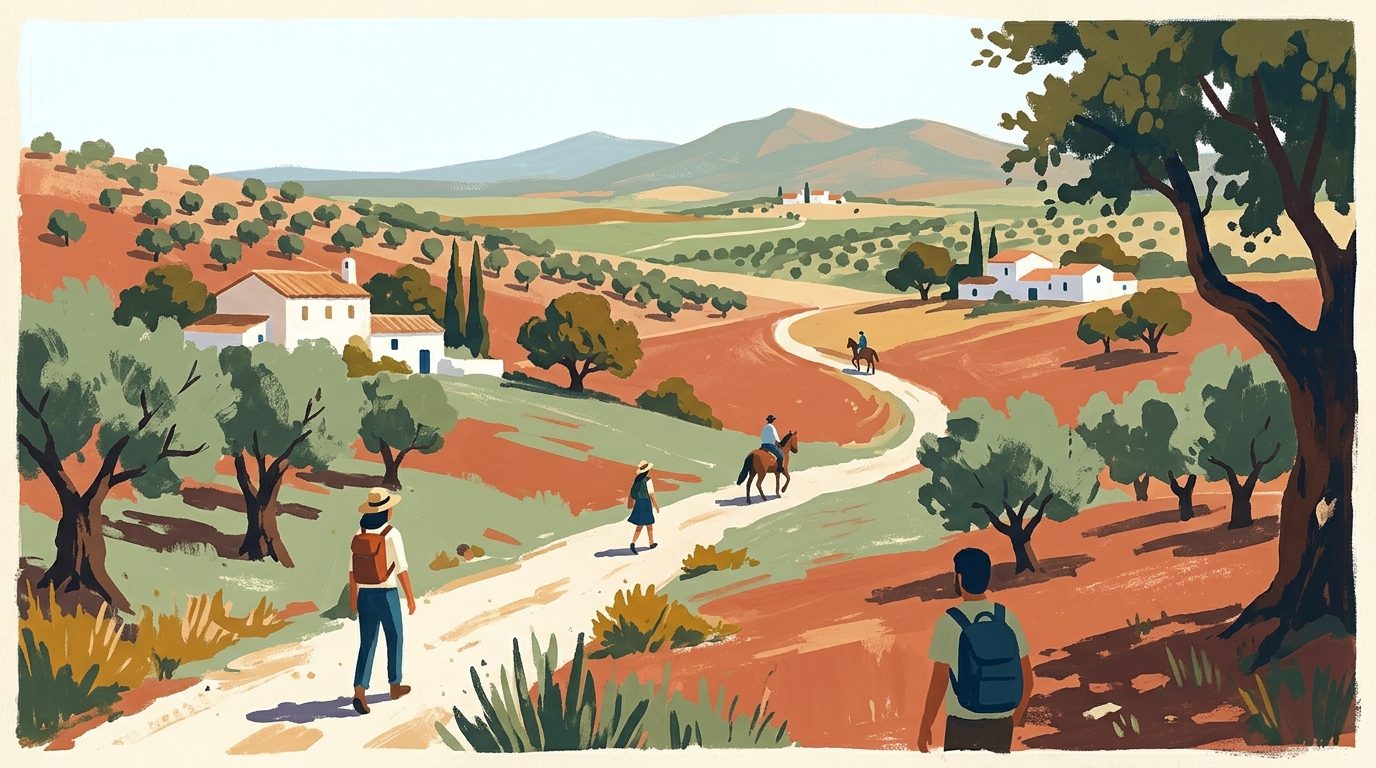
Huelva offers far more than its maritime industry suggests, serving as a gateway to the copper-coloured Rio Tinto and the sprawling wetlands of Doñana. From the cavernous wonders of Aracena to the quiet border crossings into Portugal, these day trips highlight the diverse character of western Andalucía.
Huelva is often the quietest of Andalucía’s provincial capitals, frequently bypassed by travellers heading straight for the beaches of the Costa de la Luz or across the border into the Algarve. However, this maritime city serves as an exceptional base for exploring a part of Spain that feels distinct from the white villages of Cádiz or the Moorish grandeur of Sevilla. To the north, the landscape transforms into the cork forests and chestnut groves of the Sierra de Aracena. To the east, the vast marshes of Doñana provide a sanctuary for some of Europe’s rarest wildlife.
The beauty of staying in Huelva lies in its accessibility. Within an hour’s drive, you can find yourself walking through a 15th-century monastery where Christopher Columbus planned his voyages, or standing on the banks of a river so acidic and red that NASA uses it to simulate the environment of Mars. These excursions are not just about sightseeing; they are about understanding the industry, the exploration, and the unique ecology that defines this corner of the Iberian Peninsula. For anyone interested in the industrial archaeology of the British-run mines or the simple pleasure of a ferry ride to Portugal, Huelva provides a starting point for some of the most authentic experiences in the region.
Industrial Wonders and Alien Landscapes
The Minas de Riotinto
Roughly 75 kilometres north of Huelva city lies the Parque Minero de Riotinto. This is not merely a museum but an entire landscape reshaped by over five thousand years of mining. The Rio Tinto river runs a deep, translucent crimson due to the high concentration of iron and heavy metals in the water. It is a surreal sight that attracts scientists and photographers alike.
The experience is best managed through the Fundación Río Tinto. You should start at the Museo Minero in the town of Riotinto, which provides the necessary context for the scale of the operations here. A highlight of the visit is the 19th-century railway journey. The renovated wooden wagons take you along the banks of the red river, passing abandoned industrial machinery and rusted locomotives. You should also visit the Corta Atalaya, once the largest open-cast mine in the world. For a change of pace, the Bella Vista neighbourhood offers a look at the Victorian-style houses built for the British managers of the Rio Tinto Company Limited, who ran the mines from 1873 to 1954.
The Columbus Heritage Trail (Lugares Colombinos)
Just across the Odiel river from Huelva city, you will find the sites where the first voyage to the Americas was conceived. The Monasterio de la Rábida is a Franciscan friary where Columbus stayed while seeking support from the Spanish monarchs. The Gothic-Mudéjar architecture is understated and peaceful, a sharp contrast to the monumental scale of his eventual discovery.
A short walk from the monastery is the Muelle de las Carabelas (Wharf of the Caravels). Here, you can board full-scale replicas of the Pinta, the Niña, and the Santa María. Standing on the decks of these surprisingly small vessels gives a genuine sense of the bravery, or madness, required to cross the Atlantic in 1492. The site also includes a recreation of a 15th-century port and an indigenous village as encountered by the explorers. Entry fees are modest, usually around €5 for adults, making it an affordable and educational afternoon out.
Nature and Subterranean Marvels
The Gruta de las Maravillas and Aracena
Heading further north into the Sierra de Aracena and Picos de Aroche Natural Park, the air cools and the landscape turns a deep green. The town of Aracena is famous for the Gruta de las Maravillas (Grotto of Marvels). This cave system, located right beneath the town’s hilltop castle, features twelve cavernous rooms and six subterranean lakes. The stalactite and stalagmite formations are illuminated with subtle lighting that emphasises the natural colours of the rock.
After the caves, take the time to explore the town itself. Aracena is the centre of the jamón ibérico trade. A visit to the Museo del Jamón provides insight into the life of the pata negra pigs that roam the local dehesas (oak forests). For lunch, seek out a local mesón to try 'presa' or 'pluma', succulent cuts of Iberian pork that are local specialities. The walk up to the 13th-century church and castle ruins offers a panoramic view of the red-tiled roofs and the surrounding forest.
Doñana National Park
Doñana is one of Europe's most important wetlands and a UNESCO World Heritage site. Access from the Huelva side is typically via the El Acebuche Visitor Centre near Matalascañas or the village of El Rocío. El Rocío is an extraordinary place in its own right; the streets are made of sand, and every house features a hitching post for horses, giving it the appearance of a town from a Western film.
To truly see the park, you must book a guided 4x4 tour, as independent vehicle access is strictly limited to protect the habitat of the Iberian lynx and the Spanish imperial eagle. Cooperativa Marismas del Rocío operates official tours that take you through the various ecosystems: the moving sand dunes, the pine forests, and the vast marismas (marshes). Depending on the season, you may see thousands of flamingos, deer, and wild boar. Tours usually last about four hours and cost approximately €30 to €35 per person.
The Portuguese Border and the Coast
Ayamonte and Vila Real de Santo António
Ayamonte sits at the mouth of the Guadiana River, marking the border between Spain and Portugal. It is a traditional fishing town with wide plazas and excellent seafood restaurants. The real charm here is the ease of international travel. You can take a small ferry from the Ayamonte docks across to Vila Real de Santo António in Portugal for a couple of euros. The crossing takes about fifteen minutes and offers views of the Guadiana International Bridge.
Vila Real was built on a grid system following the 1755 earthquake, and its Pombaline architecture gives it a distinct feel from the Spanish side. Spend an hour or two browsing the Portuguese linens and towels that the town is famous for, and enjoy a coffee in the Praça Marquês de Pombal before catching the ferry back to Spain. It is a relaxed, low-pressure way to experience two cultures in a single afternoon.
Practical Information
To make the most of these day trips, hiring a car is highly recommended. While there are bus links to Aracena and Ayamonte, they can be infrequent, and reaching the Riotinto mines or Doñana visitor centres via public transport is difficult. Most sites are within a 60 to 90-minute drive from Huelva city via the A-49 motorway or the N-435. Entry fees for the main attractions are generally reasonable, ranging from €5 for the Columbus ships to €15 for the Aracena caves. If you plan to visit the Gruta de las Maravillas, booking online in advance is essential, especially on weekends and public holidays, as group sizes are limited. The best time to visit is during the spring or autumn; the summer months can reach temperatures well above 35°C in the mines and the sierra, making outdoor exploration taxing.
Local Tips
When visiting the Sierra de Aracena, try to time your trip for a weekday. The area is a favourite weekend retreat for residents of Sevilla and Huelva, and the best restaurants can get very crowded on Sundays. If you are heading to El Rocío, wear comfortable shoes that you don't mind getting dusty, as the sandy streets are no place for heels or smart suede. Finally, when in Ayamonte, remember that Portugal is one hour behind Spain; keep an eye on your watch so you don't miss the last ferry back across the river.
Last reviewed: 21 June 2026 · Editorial policy
Related guides
Beyond the Mezquita: The Best Day Trips from Córdoba
Discover the best day trips from Córdoba, from the ruins of Medina Azahara to the white villages and olive groves of the Subbética mountains.
9 min read
Beyond the Port: Discovering the Maritime Soul and Culinary Depth of Huelva City
Huelva is a city of salt air and maritime grit, often overlooked for its neighbours but rewarding those who stay for its incredible seafood and red-earth history.
7 min read
Beyond the Orange Trees: The Best Day Trips from Sevilla
Broaden your Andalucían horizons with these essential day trips, ranging from the Roman ruins of Itálica to the dramatic clifftop views of Ronda.
7 min read
Day Trips from Cádiz: Coastal Castles and Sherry Cities
Discover the best day trips from Cádiz, featuring world-class sherry bodegas in Jerez, the hilltop beauty of Vejer, and the ancient Roman ruins of Bolonia.
7 min read
Exploring Beyond the Main Hubs: The Best Day Trips in Andalucía
Discover the best day trips across Andalucía, from the dramatic cliffs of Ronda to the Roman ruins of Bolonia and the historic streets of Córdoba.
7 min read
A Birder’s Guide to Andalucía: Migration, Marshes, and Mountains
Andalucía is a global birdwatching hotspot, offering everything from massive raptor migrations over the Strait of Gibraltar to the iconic flamingo colonies of Doñana.
7 min read
More from Huelva
Exploring Huelva on Two Wheels: From Martian Landscapes to Coastal Pines
Discover the diverse cycling routes of Huelva, from the iron-red trails of the Rio Tinto to the shady chestnut forests of the Sierra de Aracena.
6 min read
Mastering the Atlantic: A Guide to Water Sports in Huelva
From the Atlantic swells of Islantilla to the rust-coloured waters of the Río Tinto, Huelva offers a distinct maritime playground for kayaking, surfing, and sailing.
6 min read
Hiking and Walking in Huelva: Trails from the Mountains to the Atlantic
Huelva offers a remarkable variety of terrain, from the dense chestnut forests of the Sierra de Aracena to the salt marshes of the Atlantic coast. It remains one of the least developed provinces for walking, providing quiet trails and authentic mountain villages.
6 min read
Newsletter
More stories from Andalucía
Weekly notes, seasonal picks, and the next guides worth bookmarking.