
Things to do · Almería
The Best Day Trips from Almería: From Desert Film Sets to Whitewashed Villages
Discover the rugged beauty of Almería with day trips to the volcanic Cabo de Gata coast, the cinematic Tabernas Desert, and the white-washed streets of Mojácar.
By Dan · Updated 8 May 2026 · 6 min read
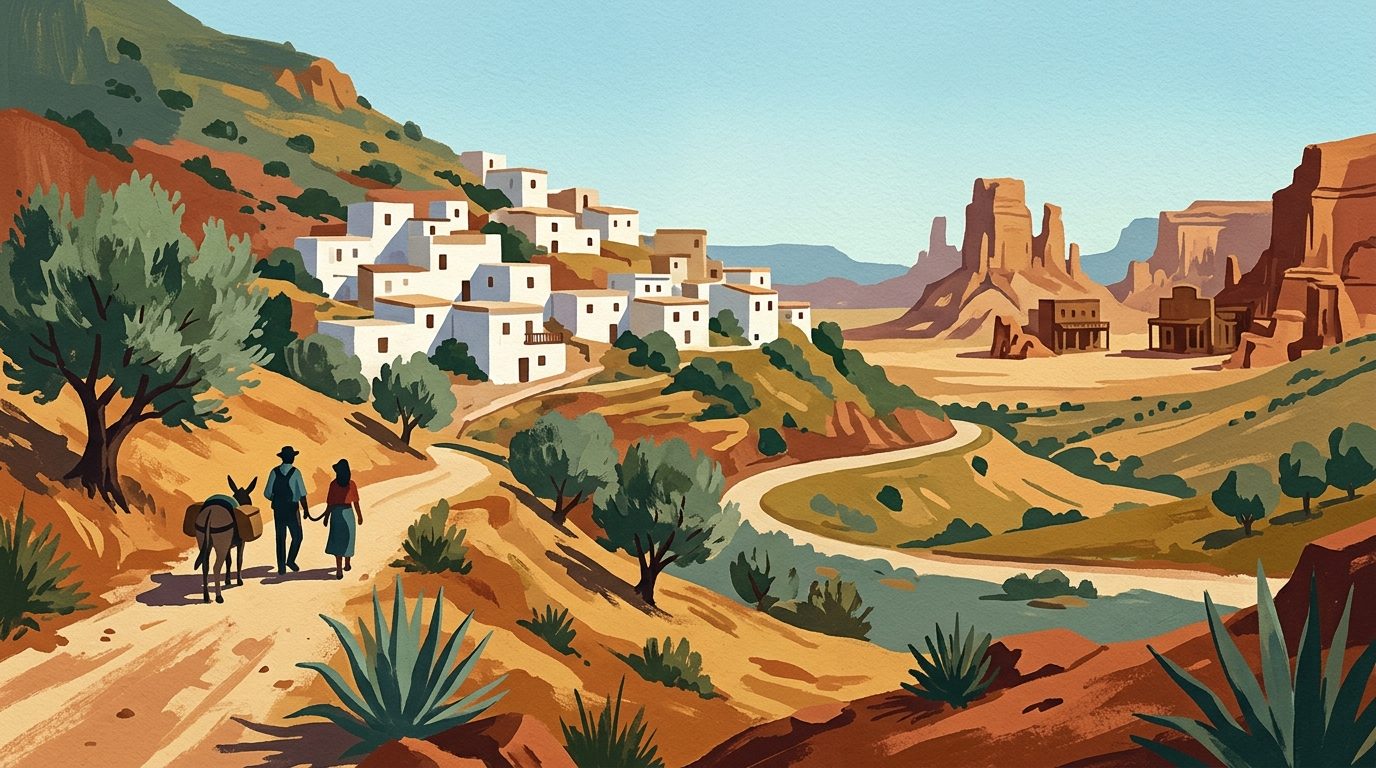
Almería city serves as a gateway to some of the most surreal and starkly beautiful landscapes in southern Spain. From the volcanic cliffs of Cabo de Gata to the dusty plains of the Tabernas desert, these day trips reveal a side of Andalucía far removed from the typical olive groves.
While Almería city itself is famous for its massive Alcazaba fortress and its unique cathedral, the surrounding province is where the real adventure begins. Unlike the lush, green valleys of the west, Almería is defined by its arid beauty, rocky coastlines, and a sense of space that is hard to find elsewhere in Europe. This is a region shaped by wind, sea, and an extraordinary geological past that has attracted everyone from Hollywood directors to adventurous geologists.
Exploring the province requires a bit of planning, as public transport can be infrequent once you leave the main coastal routes. However, for those with a rental car or who book onto specific excursions, the rewards are immense. You can spend the morning walking through the only true desert on the continent and the afternoon swimming in crystal-clear waters in a protected maritime park. The following locations offer a comprehensive look at the variety of the Almerian landscape, providing practical options for day-long excursions from the provincial capital.
Cabo de Gata-Níjar Natural Park
Located just a 30-minute drive east of the city, Cabo de Gata is Spain’s largest protected coastal area. This volcanic landscape is characterised by craggy cliffs, salt flats, and some of the most pristine beaches in the country. A day trip here usually starts with a drive along the AL-3115 towards the lighthouse (Faro de Cabo de Gata). Along the way, you will pass the Salinas, where you can often spot flamingos and other migratory birds from the roadside wooden hides.
San José and the Wild Beaches
San José is the main hub of the park. It is a small, low-rise village with a relaxed atmosphere and plenty of places to grab a coffee before heading to the beaches of Mónsul or Los Genoveses. These beaches are famous for their unique volcanic rock formations. Mónsul was even used as a filming location for Indiana Jones and the Last Crusade. During the summer months, access to these beaches is restricted for private cars to prevent overcrowding, but a shuttle bus runs regularly from San José (check the local council website for current seasonal prices before travelling).
Las Negras and Kayaking
Further north, the village of Las Negras offers a more bohemian feel. The shoreline here is rocky, but the water is exceptionally clear, making it a top spot for snorkelling. If you want to see the coastline from a different perspective, consider a guided kayak tour to explore the sea caves and secluded coves that are inaccessible by foot. MedialunAventur is a well-known operator in the area, offering three-hour coastal tours (check the operator's website for current pricing).
The Tabernas Desert
Heading north from Almería on the A-92 motorway, the landscape transforms into a barren, sun-baked wilderness. The Tabernas Desert is famous for being the setting of hundreds of "Spaghetti Westerns" in the 1960s and 70s. The eroded badlands and dry riverbeds (ramblas) create a stark, cinematic environment that feels more like Arizona than Spain.
Western Theme Parks
There are several "Mini Hollywood" sites where you can walk through old film sets. Oasys MiniHollywood is the largest and most developed, featuring a complete Western town, live shoot-out shows, and a large zoo. Entry prices vary, so check the official website for current rates. For a more rugged and authentic feel, Fort Bravo (Texas Hollywood) is often preferred by film buffs, as it remains an active filming location and feels less like a theme park (check current prices online before your visit).
Níjar: The Pottery Hub
On your way back from the desert, a stop in the town of Níjar is worthwhile. It is renowned for its traditional crafts, specifically its colourful glazed ceramics and hand-woven rugs known as jarapas. The town itself is a maze of white streets where you can watch potters at work in their studios, such as Alfarería Juan Simón. It is a practical place to pick up authentic, locally-made souvenirs that haven't been imported from elsewhere.
Mojácar: The Village on the Hill
About an hour’s drive northeast of Almería lies Mojácar, a town of two halves. Mojácar Playa is a modern resort strip with several kilometres of sandy beaches and beach bars (chiringuitos). However, for a day trip, the real interest lies in Mojácar Pueblo, the old village situated high on a hill overlooking the Mediterranean.
The village is a classic example of Moorish-influenced architecture, with winding, narrow alleys and flat-roofed houses draped in bougainvillaea. It is a steep climb, so most visitors park at the bottom and take the local bus or the lift up to the main square. Visit the Plaza Nueva for panoramic views across the Valley of the Pyramids and the Sierra de los Filabres.
The Sorbas Caves
For those who prefer to go underground, the Cuevas de Sorbas offer a fascinating look at the Karst en Yesos (Gypsum Karst) natural area. This is one of the most important gypsum cave systems in the world, formed over thousands of years by rainwater eroding the soft rock. Located near the town of Sorbas, about 45 minutes from Almería, the caves are only accessible via guided tours.
The operator, Cuevas de Sorbas, offers various routes. The Basic Route is suitable for families and takes about two hours. For the more adventurous, the Technical Route involves crawling and some light climbing through more narrow passages. Check the operator's website for current pricing before travelling. It is a cool escape from the Almerian heat, with the temperature inside the caves staying a constant 18 to 20°C year-round.
Vera and its Coastline
Vera is situated slightly further north and is famous for its long, wide sandy beaches. It is particularly well-known for having one of the largest naturist beaches in Europe (El Playazo), with dedicated nudist hotels and urbanisations. If that isn't your speed, the southern end of the beach is standard textile-use and is exceptionally clean with excellent facilities.
On Saturdays, the town of Vera holds a large street market that takes over much of the old centre. It is a great place to buy local produce, from Almerian tomatoes to cured meats. If you are travelling with children, the Parque Acuático Vera is a reliable way to spend a day, with plenty of slides and pools to occupy a full afternoon (check the park's website for current ticket prices).
Practical Information
The most efficient way to see these spots is by car. Car rental at Almería Airport or the train station is straightforward, with prices varying depending on the season. If you are driving into the desert or the Cabo de Gata interior, ensure your petrol tank is full, as stations are few and far between in the protected zones.
The best time to visit is from April to June or September to October. July and August can be punishingly hot, especially in the Tabernas desert where temperatures frequently exceed 40°C. For any trip to the coast, bring plenty of water, high-factor sunscreen, and sturdy shoes if you plan on walking the coastal paths, as the volcanic rock is sharp and unforgiving.
Local Tips
When in Almería, don't forget to try a Cherigan. It is a local speciality consisting of a thin, long piece of toasted bread spread with aioli or tomato and topped with ingredients like tuna, ham, or mackerel. They make for a perfect, quick lunch during a day of exploring. Also, be mindful of the wind. Before heading to the beaches of Cabo de Gata, check the wind forecast. If the 'Levante' (east wind) is blowing, the western beaches will be calm; if the 'Poniente' (west wind) is strong, head to the eastern coves for better swimming conditions.
Last reviewed: 21 June 2026 · Editorial policy
Related guides
Beyond the Mezquita: The Best Day Trips from Córdoba
Discover the best day trips from Córdoba, from the ruins of Medina Azahara to the white villages and olive groves of the Subbética mountains.
9 min read
Coastal Drive: Cádiz to Almería
Driving the coastline of southern Spain is an exercise in geological and cultural whiplash, taking you from the wind-whipped Atlantic shores of Cádiz to the scorched volcanic deserts of Almería. This route traces the very edge of the continent, offering a masterclass in coastal navigation along the legendary N-340 and beyond.
10 min read
Carboneras: An Authentic Maritime Gateway to Cabo de Gata
Carboneras offers an authentic look at Almería's fishing traditions and serves as a gateway to the spectacular Playa de los Muertos.
5 min read
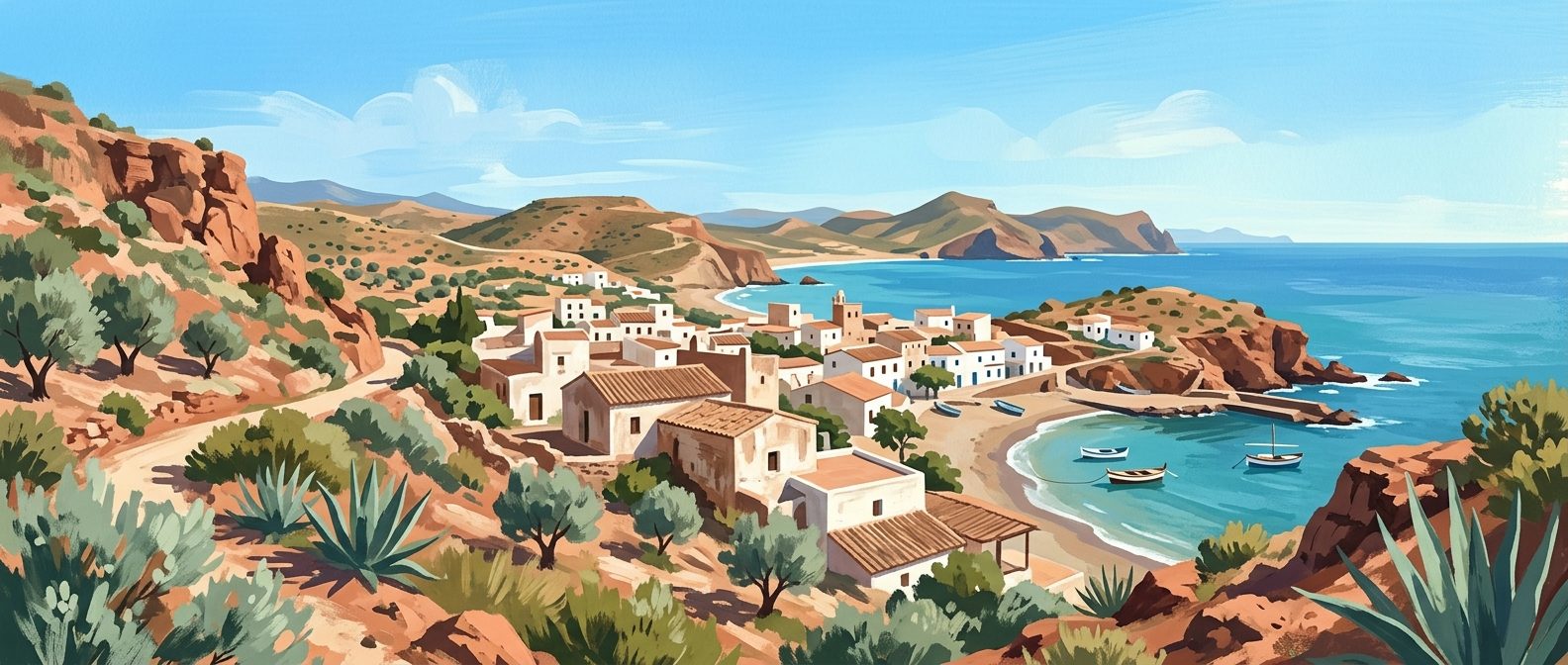
A Guide to Agua Amarga: The Refined Edge of Almería’s Wild Coast
Discover Agua Amarga, a sophisticated white-washed village in the Cabo de Gata Natural Park, famous for its turquoise waters and the nearby Playa de los Muertos.
6 min read
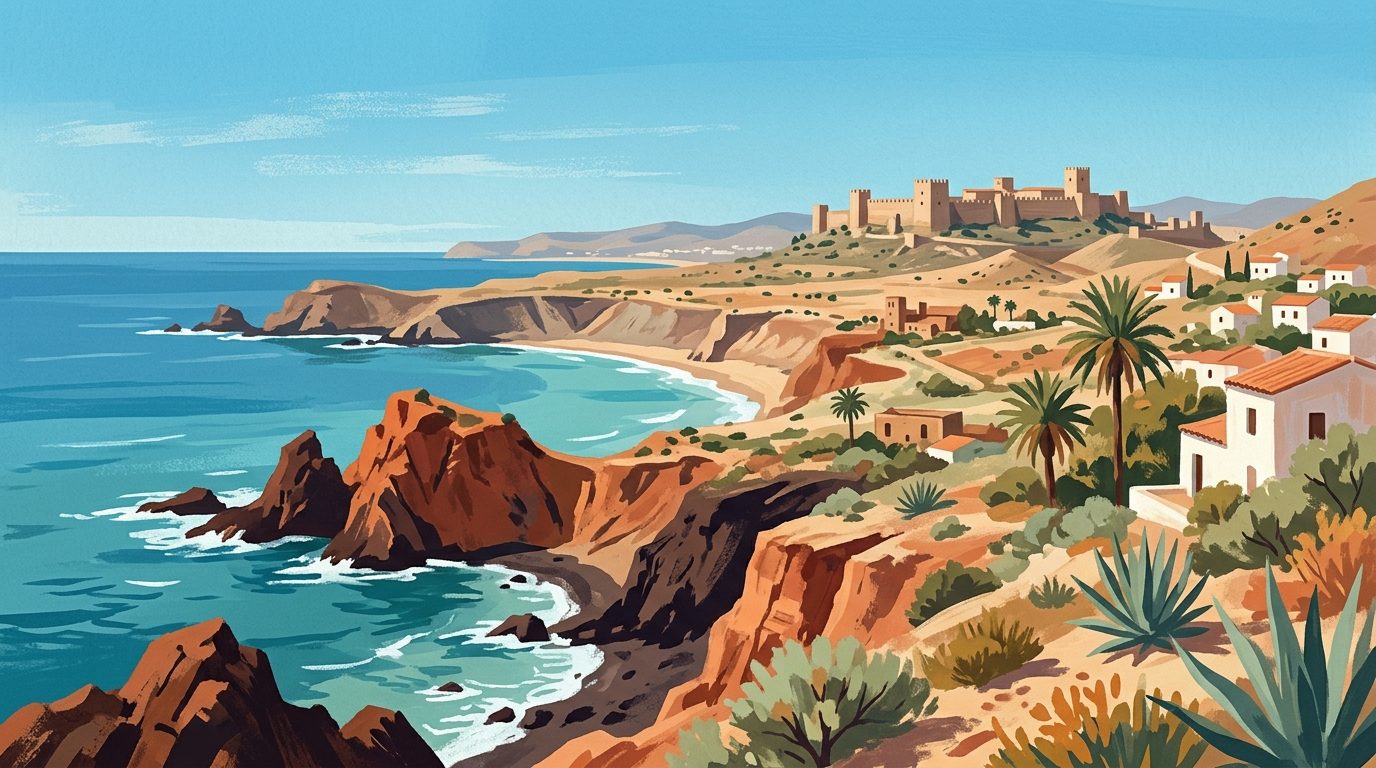
Almería Province Guide: Europe's Desert Frontier and Untamed Coastline
Far removed from the crowded resort towns of the Costa del Sol, Almería remains Andalucía's wildest and most beautifully arid province. Here, sun-scorched deserts crash into the Mediterranean Sea, offering an unfiltered, elemental escape.
8 min read
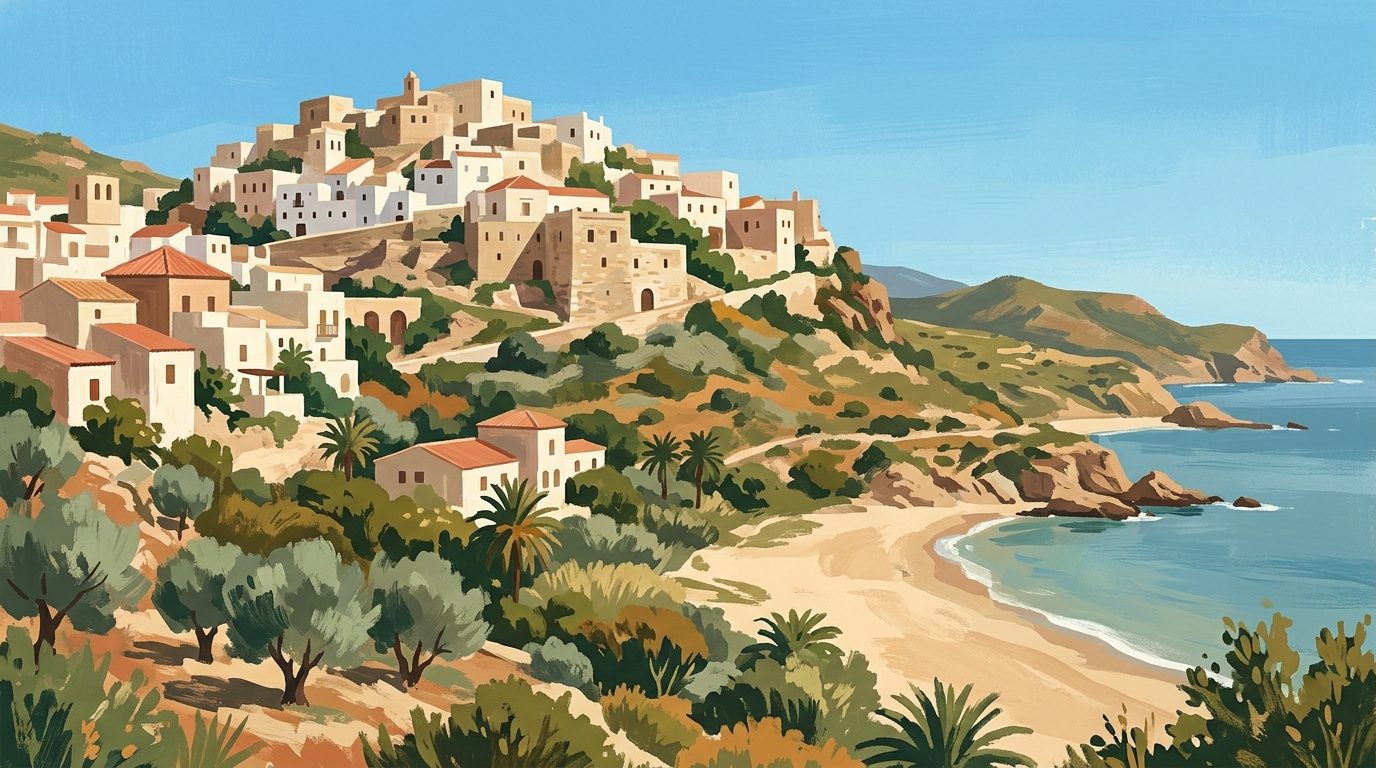
A Guide to Mojácar: Exploring Almería’s Iconic Hilltop Village and Coast
Discover the contrasting charms of Mojácar, from the whitewashed alleys of its hilltop Moorish old town to the long, sun-drenched beaches of the Almerian coast.
6 min read
More from Almería
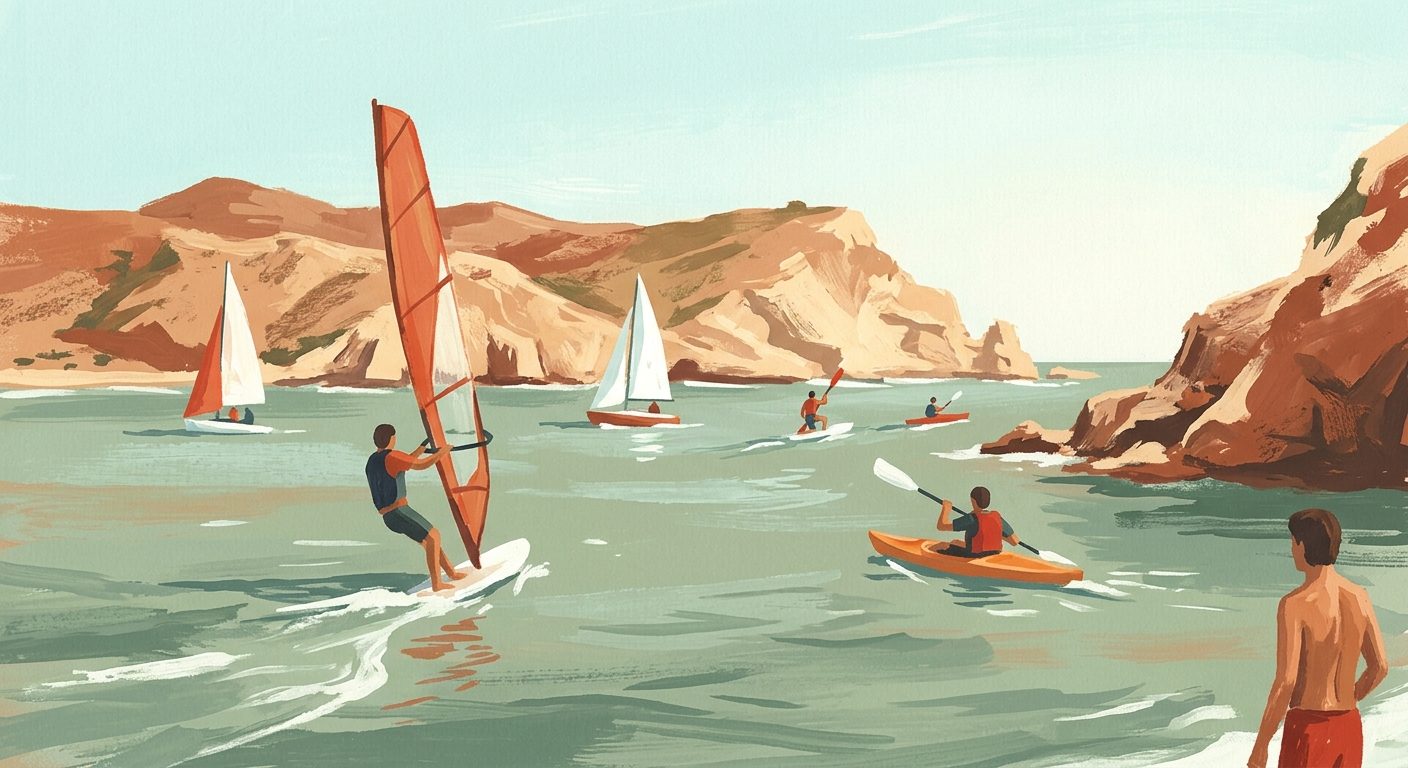
The Best Water Sports in Almería: A Coastal Guide
Discover the rugged volcanic coastline of Almería through world-class diving, kayaking, and paddleboarding in the protected waters of Cabo de Gata.
6 min read
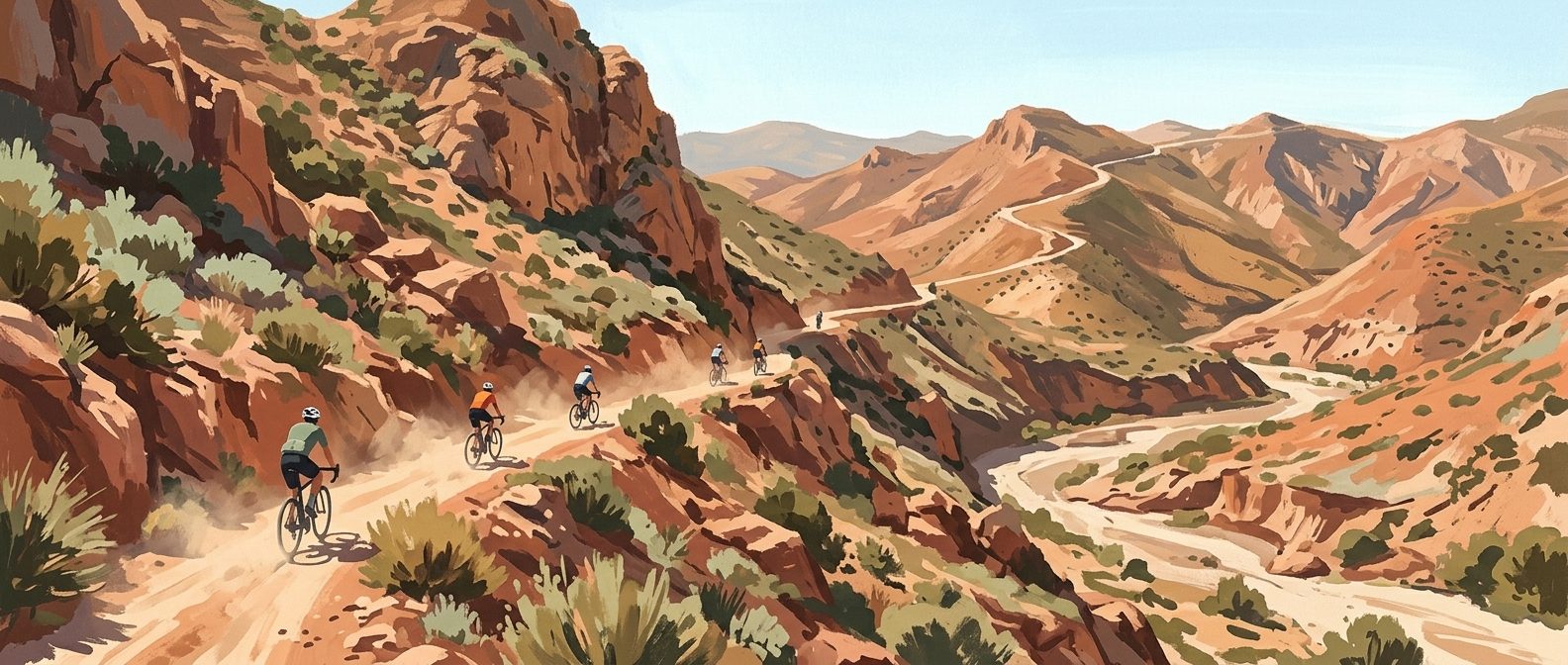
Cycling in Almería: The Ultimate Guide to Desert Trails and Mountain Passes
Discover the rugged beauty of Almería on two wheels, from the cinematic Tabernas Desert to the challenging switchbacks of the Alto de Velefique.
6 min read
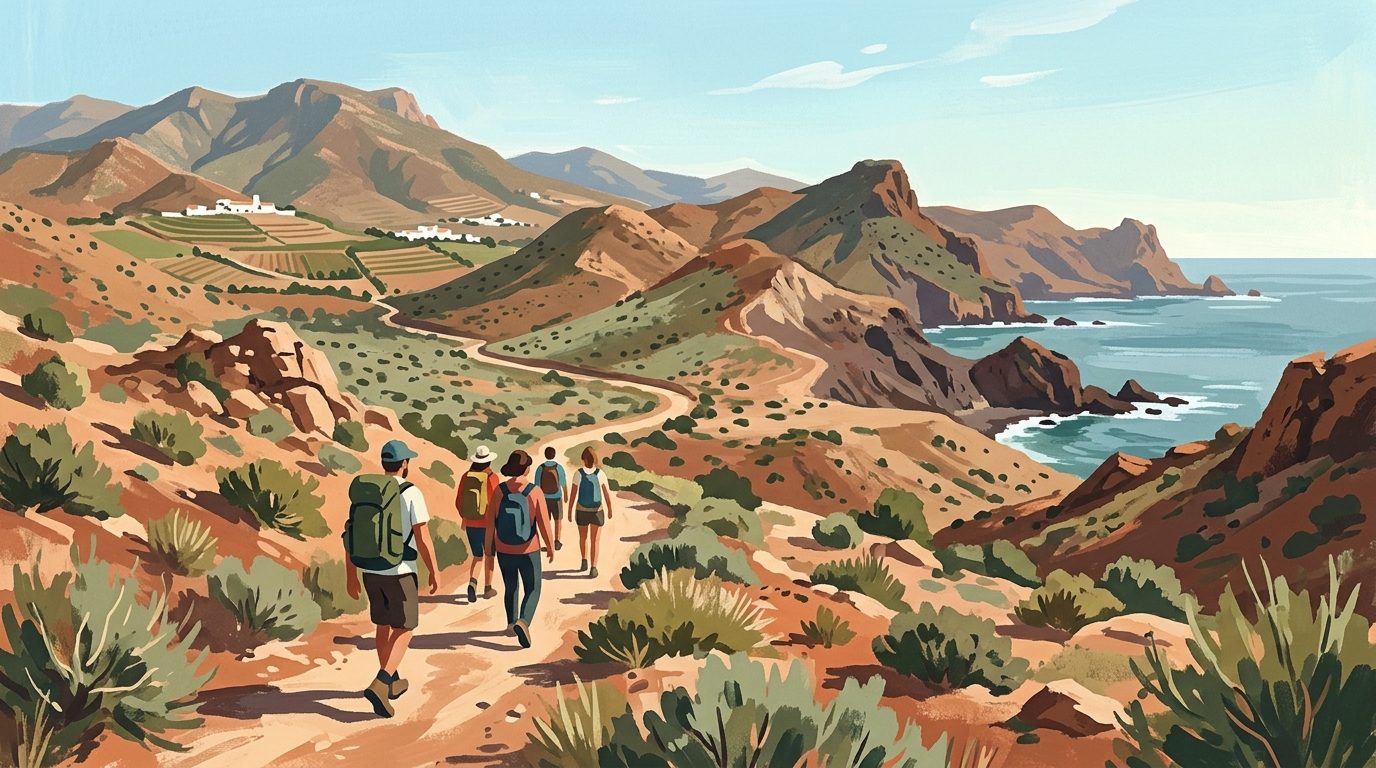
Hiking and Walking in Almería: Deserts, Volcanic Coasts and High Sierras
Discover the raw beauty of Almería’s diverse landscapes, from the volcanic cliffs of Cabo de Gata to the rugged badlands of the Tabernas Desert.
6 min read
Newsletter
More stories from Andalucía
Weekly notes, seasonal picks, and the next guides worth bookmarking.