
Geological Wonders: Caves and Karst Landscapes of Andalucía
Discover the subterranean wonders and prehistoric secrets preserved within the limestone massifs and gypsum deposits of southern Spain.
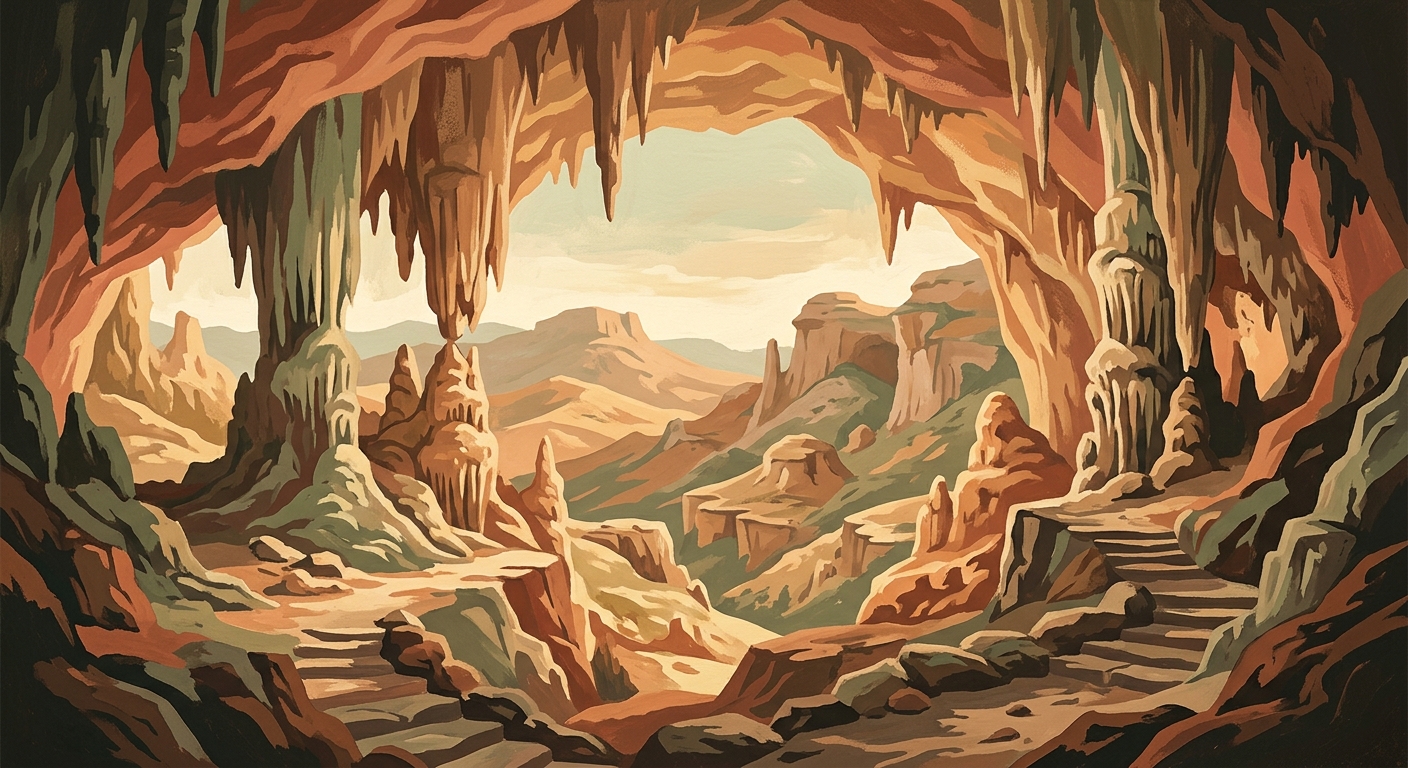
The limestone peaks and subterranean caverns of southern Spain form a complex geological network that has shaped human settlement for millennia. From Palaeolithic art to modern cave dwellings, these karst landscapes provide a profound connection to the ancient environment of the Iberian Peninsula.
The geology of Andalucía is defined by its dramatic limestone massifs and rare gypsum deposits, creating some of the most significant karst systems in Europe. For the traveller, this theme offers more than just a view of stalactites and stalagmites; it provides a window into the origins of European art and the resilience of human adaptation. Major sites such as the Cueva de la Pileta in Benaoján and the Cueva de Nerja contain prehistoric paintings that predate the Roman conquest by tens of thousands of years, offering evidence of how early humans utilised the earth for shelter and ritual. Beyond the archaeological significance, the karst landscapes represent a masterclass in natural engineering. Rainwater, over millions of years, has carved out surreal rock formations and massive underground chambers. These areas often support unique ecosystems and provide essential water sources for the parched lowlands. Understanding these landscapes allows one to appreciate the physical foundation upon which Andalucían culture was built, from the troglodyte villages of the Altiplano to the high-altitude plateaus of the Subbaetic ranges. It is a journey into the quiet, cool interior of a region often defined by its sun and heat, revealing a world of crystalline beauty and silence.
How they cluster
The karst formations of Andalucía are concentrated in specific mountain ranges and geological zones, making it easy to plan visits by province or geological type. In the west, the Sierra de Grazalema and the Serranía de Ronda contain a high density of limestone caves, many of which were used by prehistoric populations. This area in Cádiz and Málaga is home to some of the deepest systems in the peninsula, shaped by the high rainfall these mountains receive from the Atlantic. This cluster is ideal for those interested in the intersection of archaeology and geology.
Moving eastwards into the province of Málaga, the landscape changes to accommodate the Torcal de Antequera, a world-renowned example of karstic erosion where the rocks have been weathered into stacks resembling layered stone. Nearby, the caves of the eastern Costa del Sol, including the marine-formed Cueva del Tesoro in Rincón de la Victoria, provide a different experience. Often located closer to the coast, these sites feature vast, cathedral-like chambers that historically served as natural amphitheatres and shelters. However, due to conservation concerns, modern musical performances are now frequently restricted or held in outdoor gardens to preserve the delicate microclimate within the caverns.
In the north and east, particularly in Granada and Almería, the focus shifts. The Altiplano of Granada is famous for its soft earth and gypsum, which allowed for the development of cave houses that are still inhabited today. This is a living tradition of troglodytism. Meanwhile, the Karst en Yesos de Sorbas in Almería contains some of the few gypsum karst systems in the world that are accessible to visitors, offering a sparkling, crystalline subterranean environment that differs significantly from the limestone caves found in the western provinces.
In what order to visit
To fully appreciate the diversity of these landscapes, a logical route would begin in the western mountains and progress toward the arid eastern plains. Starting in the Sierra de Grazalema allows you to see the raw power of water erosion in a humid environment. Following this with the Serranía de Ronda provides a bridge between the wild caves and those with significant archaeological remains, helping to establish a timeline of human occupancy.
The next logical stop is the Antequera region. This serves as a central hub where the surface karst of El Torcal can be compared with the massive underground voids found further south toward the coast. This middle stage of the journey highlights the sheer scale of geological movement over millions of years, moving from vertical deep-sea deposits to the high-altitude plateaus of today.
Finally, heading into the Granada Altiplano and Almería provides the necessary contrast. Here, the focus moves from natural formation to human interaction and the unique properties of gypsum. Ending in the desert landscapes of Almería allows a traveller to see how different mineral compositions create entirely different subterranean aesthetics. This west-to-east trajectory mirrors the general climatic shift of the region, from the green, rain-lashed peaks of the west to the sun-bleached, mineral-rich soils of the east.
When to go
Caves offer a rare advantage for the year-round traveller: they maintain a constant, cool temperature regardless of the weather outside. This makes them an ideal refuge during the intense heat of July and August. However, to appreciate the karst landscapes on the surface, such as the limestone pavements or rock formations, the shoulder seasons of spring and autumn are preferable. During these months, the temperatures are comfortable for hiking between sites, and the clarity of the air is ideal for viewing the jagged mountain silhouettes.
Spring is particularly beautiful in the western ranges, such as Grazalema and Ronda, as the resurgence of water after winter rains can lead to spectacular displays in certain caves and sinkholes. In contrast, the arid regions of Almería and the Granada Altiplano are best visited in late winter or early spring when the temperatures are mild and the light is particularly clear for photography. If you intend to visit the high-altitude karst plateaus, be aware that winter can bring snow and freezing temperatures, making some trails or access roads difficult to navigate without specialised vehicles.
Practical notes
Planning a visit to Andalucían caves requires some foresight, as many of the most significant sites have strict conservation limits on daily visitor numbers. It is common for popular caves to require booking weeks or even months in advance, especially those containing sensitive prehistoric art that can be damaged by the carbon dioxide exhaled by large groups. Always check the official booking portals, such as the Asociación de Cuevas Turísticas de España (ACTE), rather than relying on turn-up-and-go tickets, which are rarely available at the more famous sites.
Opening hours can vary significantly between seasons, and some sites may close during periods of heavy rain if there is a risk of flooding or if the humidity levels within the cave need to be stabilised. In terms of accessibility, the experience varies. Some show caves have been fitted with paved walkways, handrails, and lighting, making them suitable for most levels of mobility. Others remain in their natural state, requiring sturdy footwear, a reasonable level of physical fitness, and occasionally the use of provided safety equipment like helmets or headlamps. Be aware that exploring non-commercial wild caves in Andalucía often requires a permit from the regional environmental authority (Junta de Andalucía) to ensure safety and environmental protection.
When visiting cave dwellings or troglodyte museums, remember that many of these are located in quiet residential areas. Respect the privacy of those who still call these caves home. For those interested in photography, note that flash is strictly prohibited in almost all caves containing prehistoric paintings or delicate mineral formations, as the light can encourage the growth of damaging algae.
11 guides in this collection
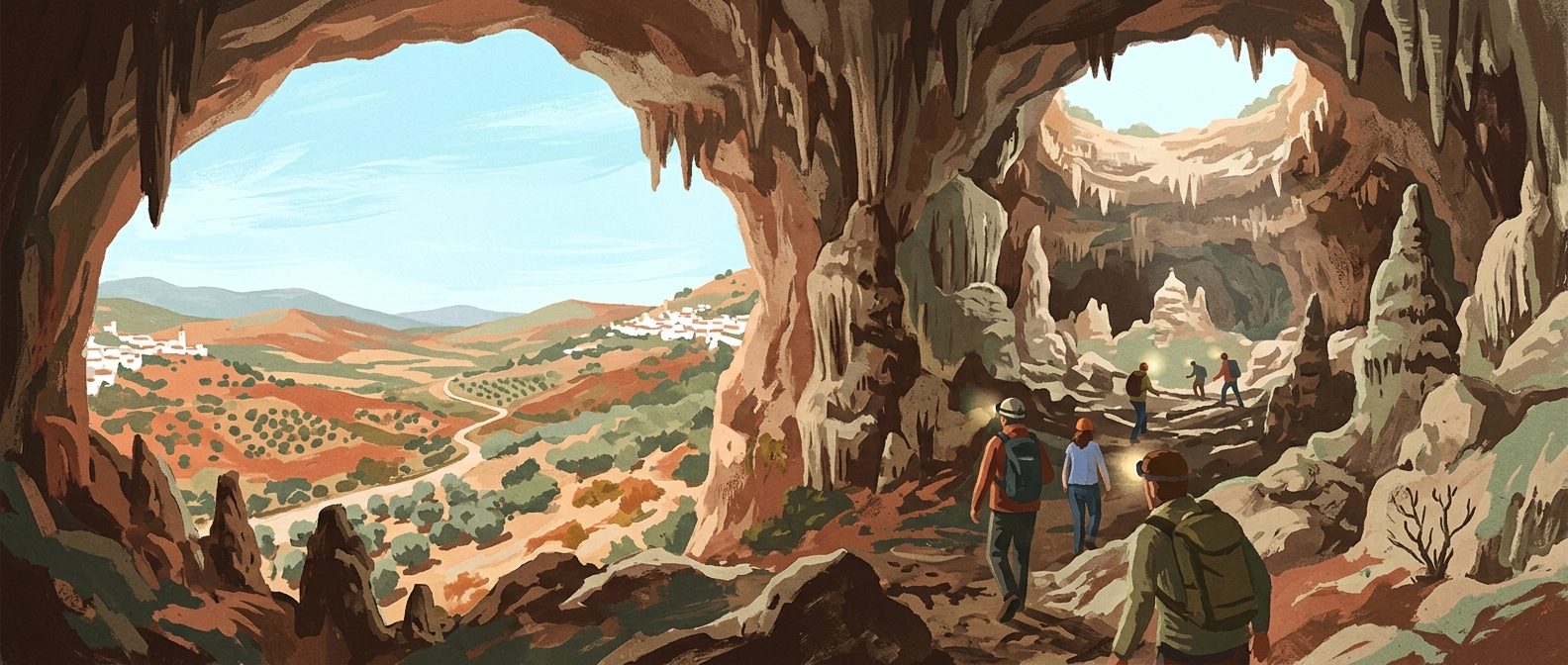
Subterranean Andalucía: A Guide to Caving and Show Caves
Discover the underground wonders of Andalucía, from the record-breaking columns of Nerja to the sparkling gypsum crystals of Sorbas.
7 min read
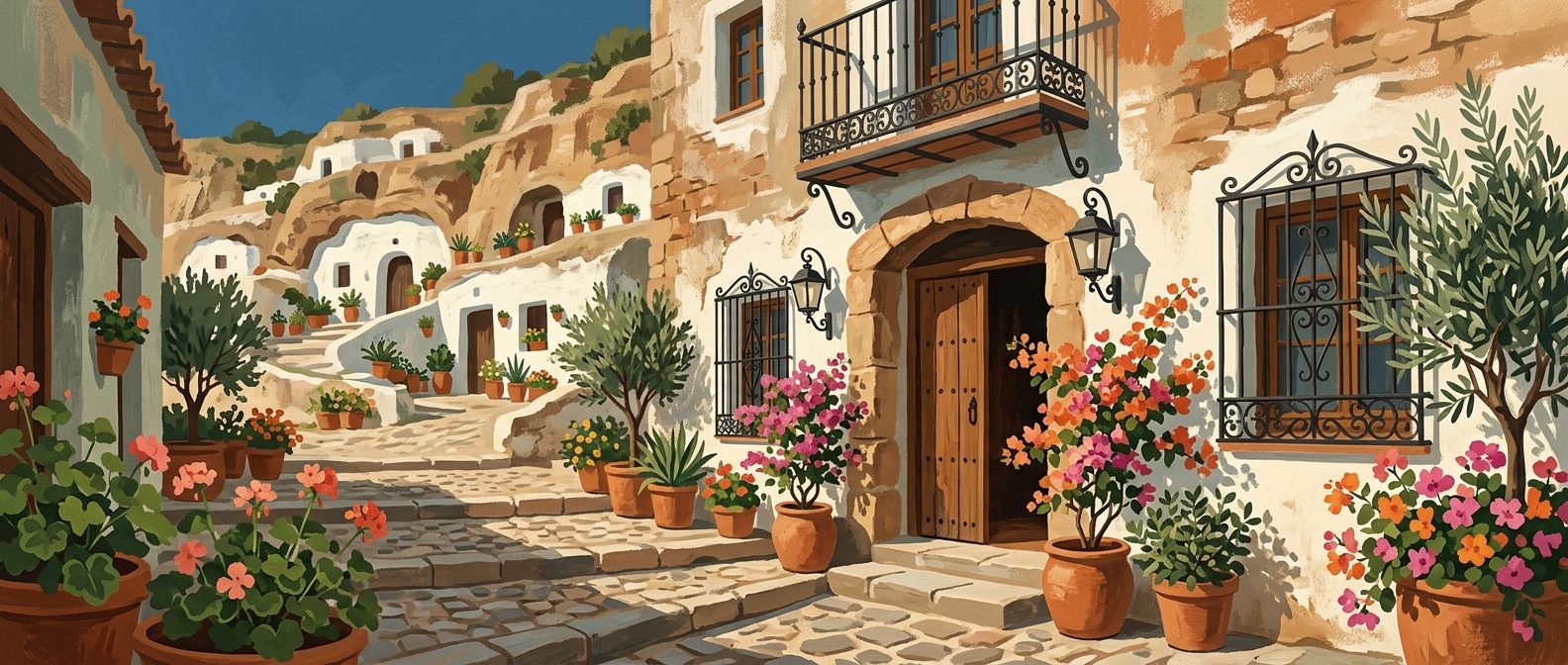
Where to Stay: A Guide to Cave Accommodation in Andalucía
How to choose cave accommodation in Andalucía: Guadix, Sacromonte, the Altiplano and Cazorla, with named stays, access checks and official local links.
3 min read
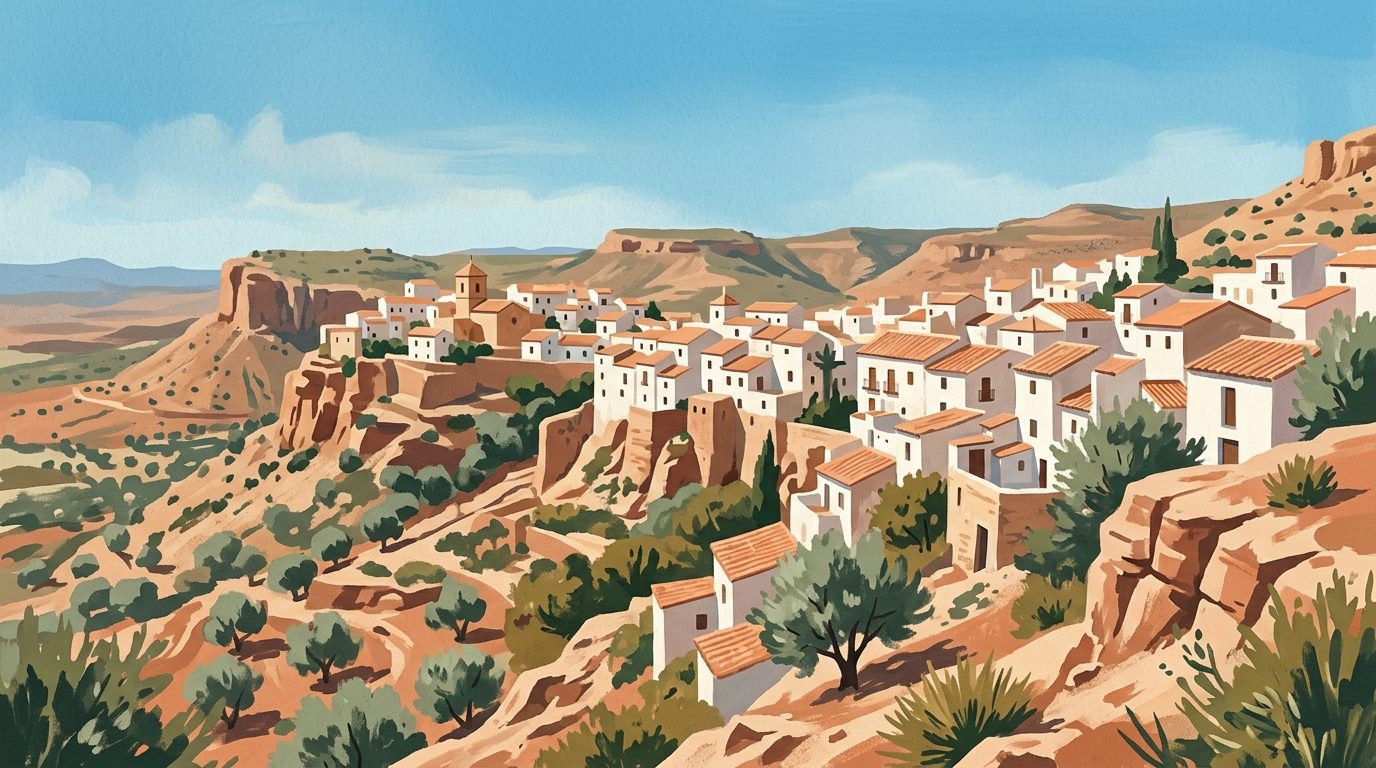
Exploring the Gypsum Karst and Hanging Houses of Sorbas
Discover Sorbas, the Almerian town famous for its precarious hanging houses and Europe's most extensive network of gypsum caves.
6 min read
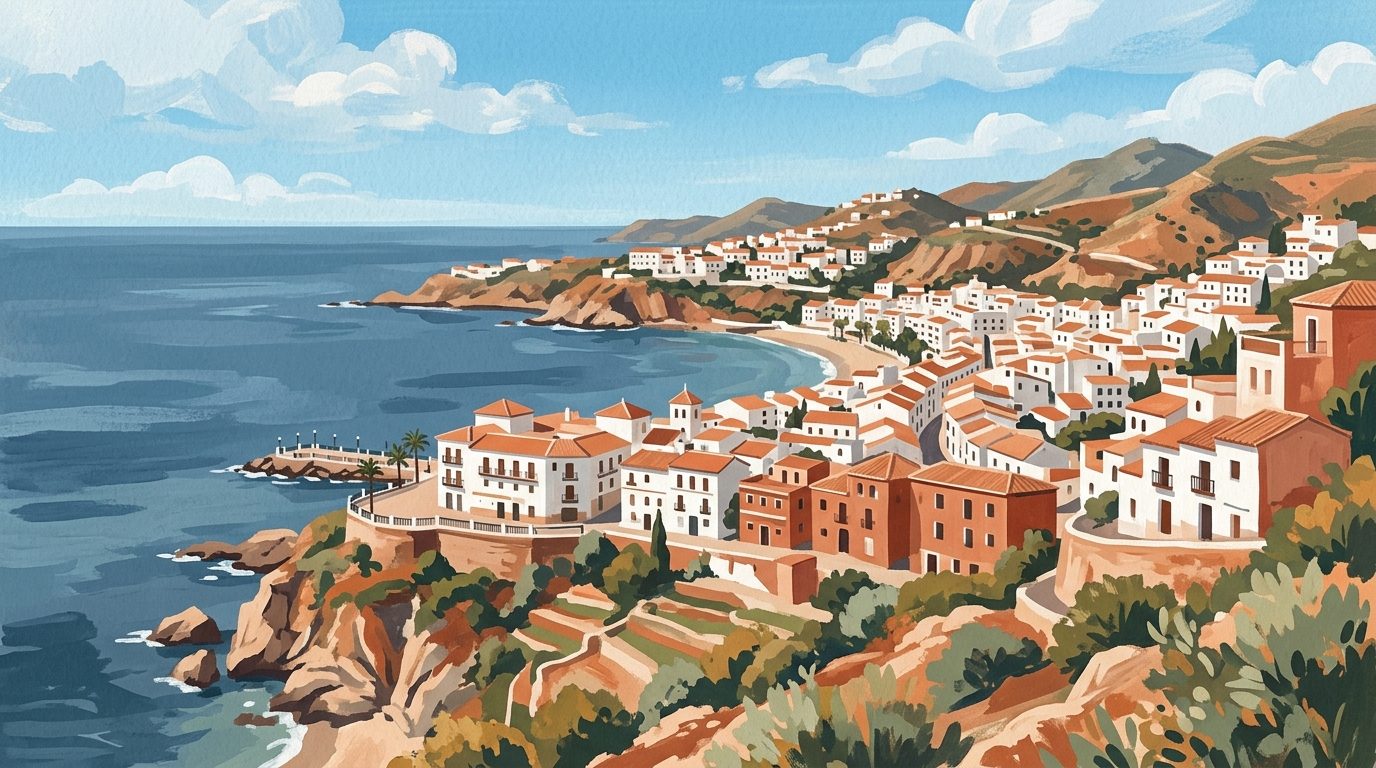
A Local Guide to Nerja: Cliffs, Caves and the Balcón de Europa
Nerja offers a distinct alternative to the high-rise developments of the western Costa del Sol, combining traditional whitewashed streets with dramatic coastal scenery.
6 min read
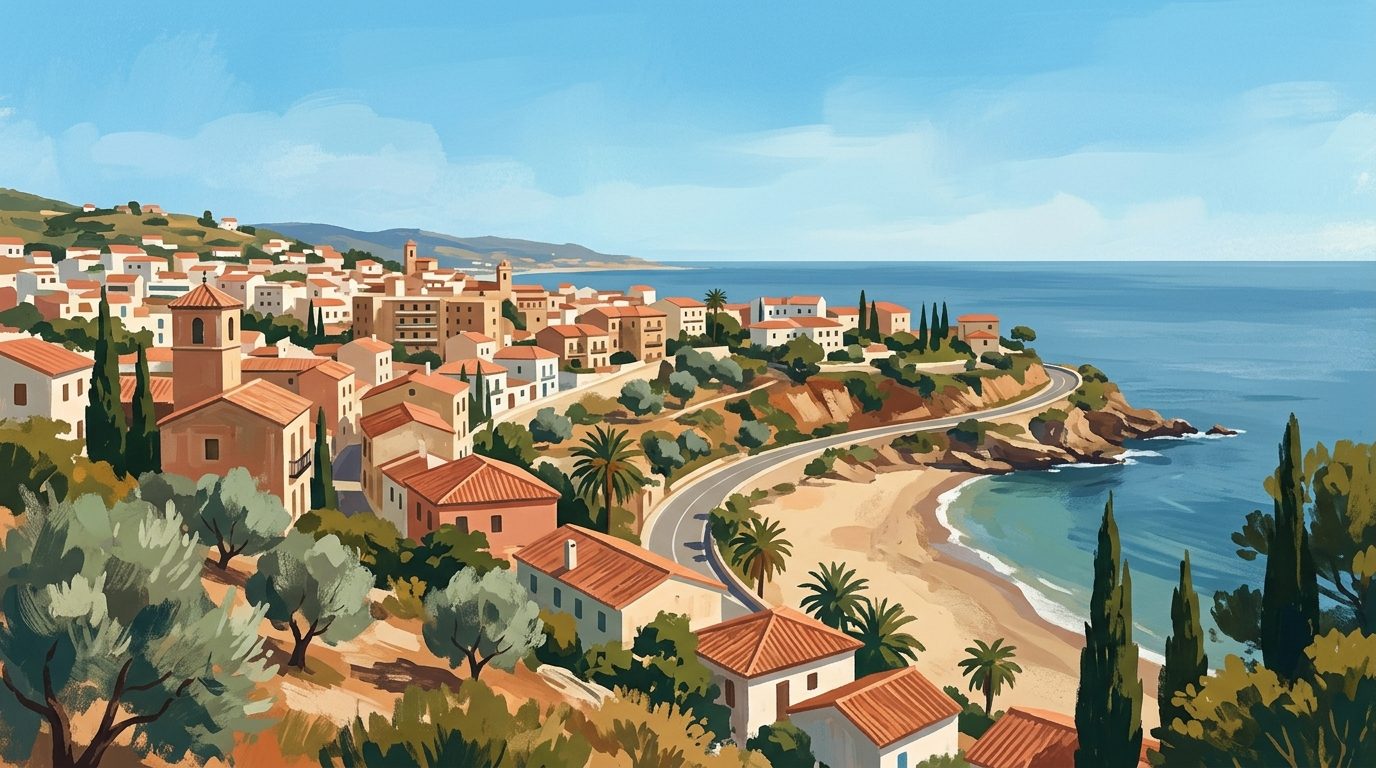
A Guide to Rincón de la Victoria: Gateway to the Axarquía
Discover Rincón de la Victoria, a coastal town near Málaga famous for the sea-formed Cueva del Tesoro and its traditional Spanish atmosphere.
6 min read
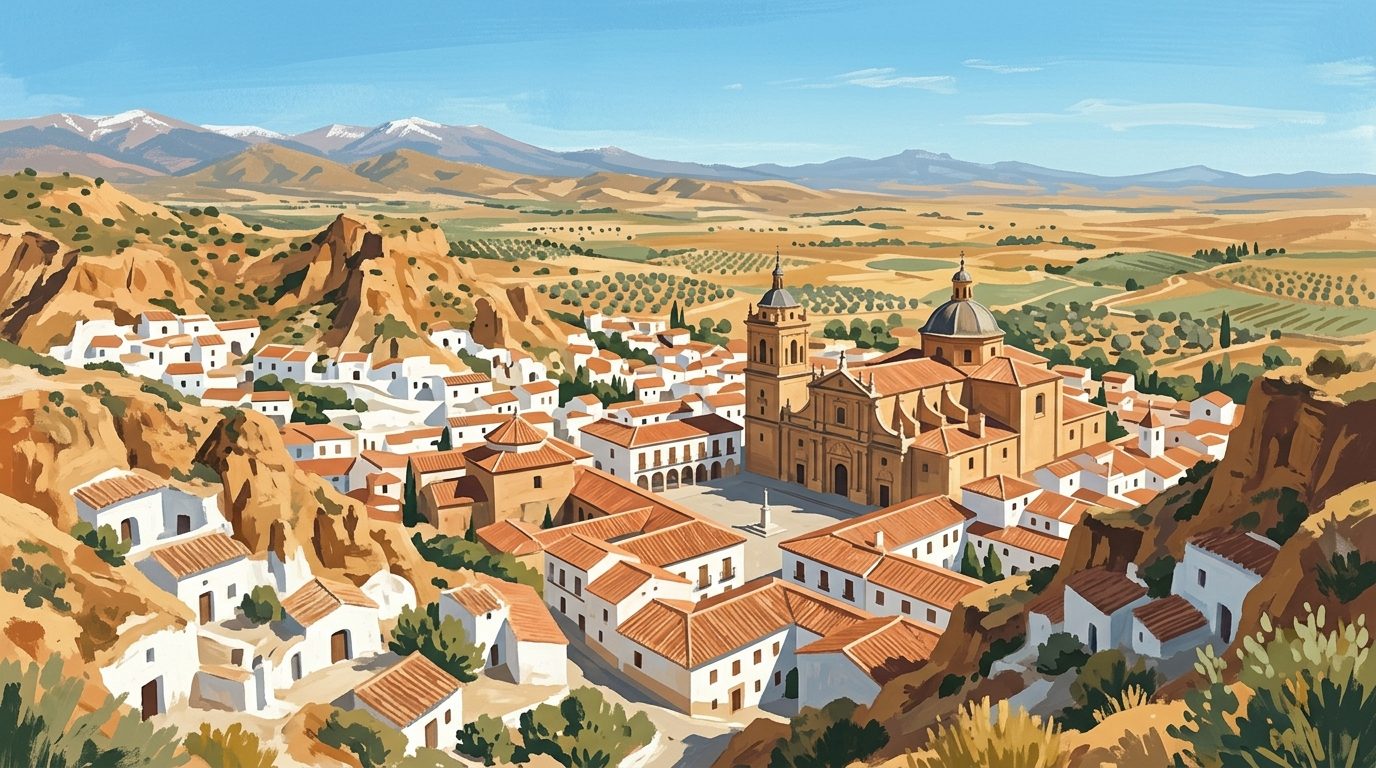
Guadix: A Guide to the Underground City of the Granada Badlands
Discover Guadix, where thousands of residents live in whitewashed caves carved into the clay hillsides. This guide covers the cave district, the grand cathedral, and the best places to stay underground.
5 min read
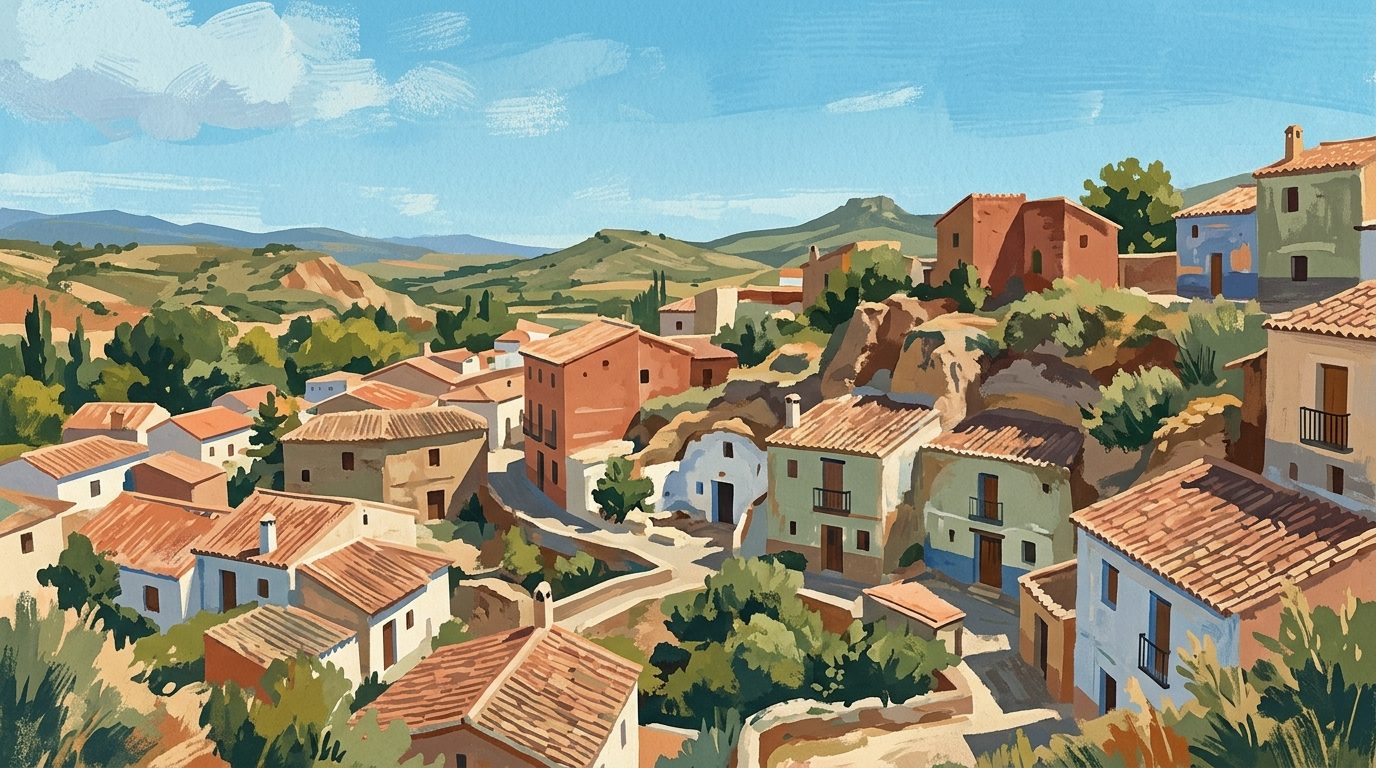
Purullena: A Subterranean Village in the Granada Badlands
Half the homes in Purullena are caves dug into the clay hills of the Guadix basin. Visit for the cave-house museums, the roadside pottery shops and some of the strangest scenery in Granada province.
5 min read
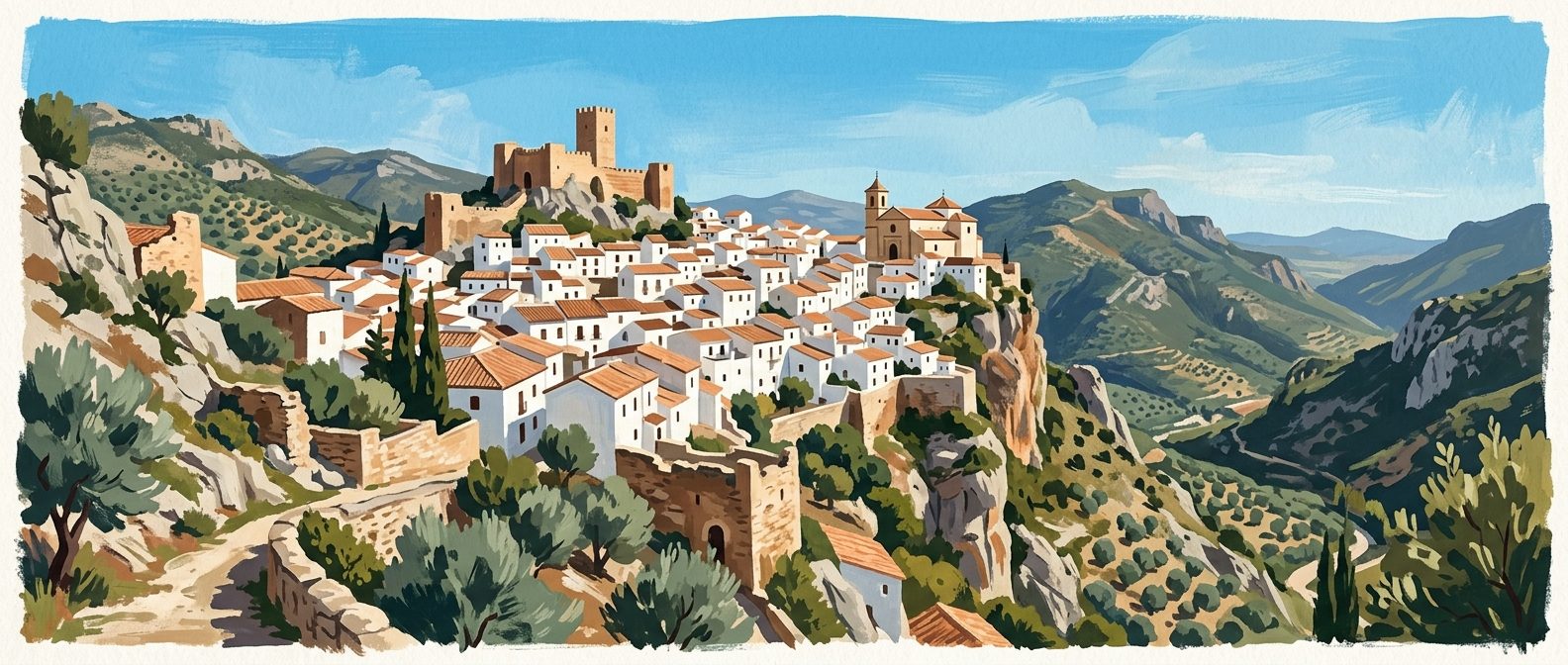
Exploring Zuheros: A High-Altitude Escape in the Subbética Cordobesa
Discover Zuheros, a dramatic clifftop village in Córdoba's Subbética mountains, famous for its Neolithic caves, medieval castle, and award-winning goat cheese.
5 min read
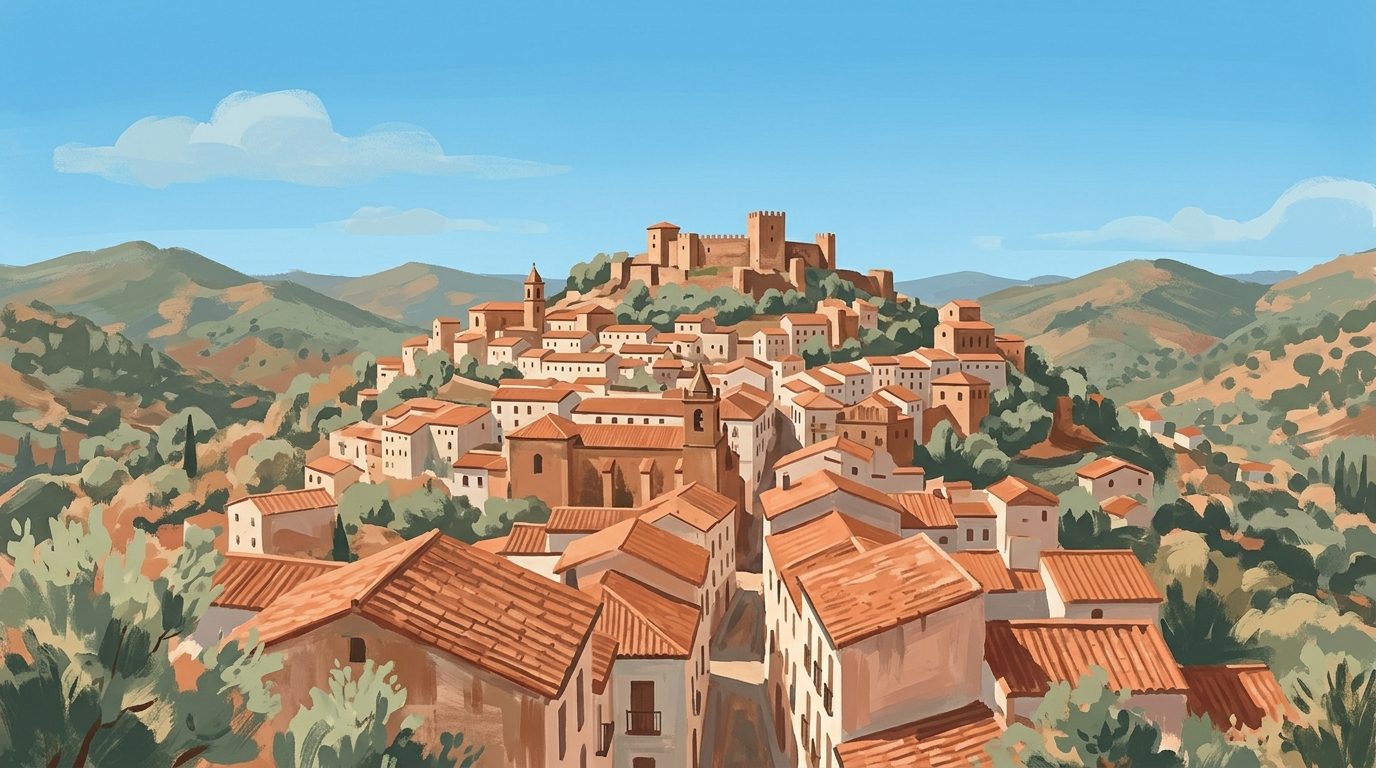
Exploring Aracena: From Subterranean Wonders to Gourmet Traditions
Aracena stands as the administrative and cultural heart of Huelva’s northern mountain range, famous for its underground water-formed caves and world-class cured ham. Above ground, the town is a network of whitewashed streets that climb towards a medieval fortress.
6 min read
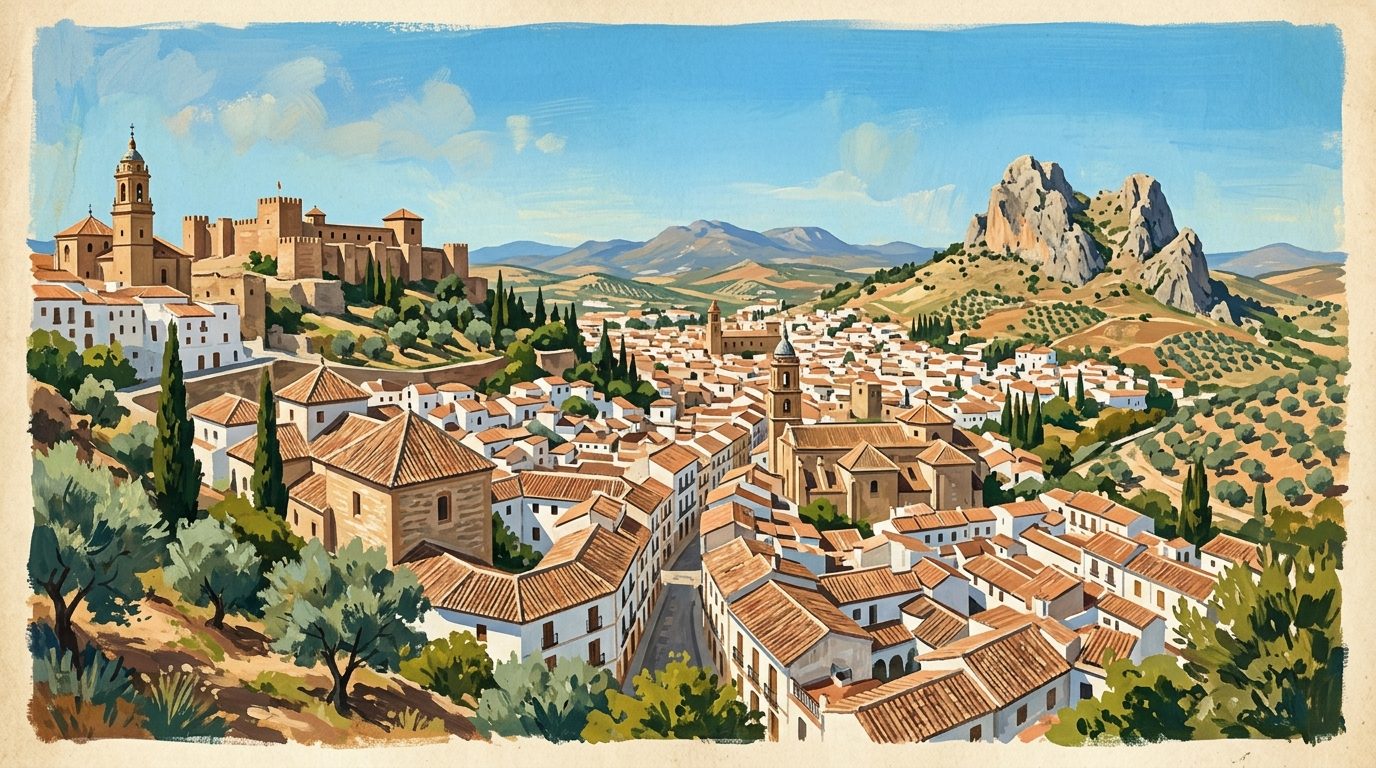
Antequera: The Historic Heartland of Inland Málaga
Discover Antequera, the historic heart of inland Málaga, featuring UNESCO World Heritage dolmens, the extraordinary karst landscape of El Torcal, and a Moorish fortress.
6 min read
UNESCO Geoparks and Natural Wonders of Andalucía
Discover the geological heritage of Southern Spain through its UNESCO-designated geoparks and natural wonders. Explore the tectonic history and diverse ecosystems of Almería, Granada, and Cádiz.
6 min read