
UNESCO Geoparks and Natural Wonders of Andalucía
Discover the geological heritage of Southern Spain through its UNESCO-designated geoparks and natural wonders. Explore the tectonic history and diverse ecosystems of Almería, Granada, and Cádiz.
The geological diversity of Andalucía provides a rare window into the tectonic events that shaped the Mediterranean basin over millions of years. These UNESCO-recognised sites represent some of the most significant environmental landscapes in Southern Europe, offering insights into both ancient climates and human adaptation.
Understanding the geological foundations of the Andalucían landscape is essential for any traveller seeking to move beyond the surface of its cultural history. The region sits at the complex meeting point of the African and Eurasian tectonic plates, a position that has resulted in a landscape of extraordinary variety. From the volcanic remains on the Almería coastline to the vast, arid badlands of the Granada interior, these sites are not merely scenic backdrops: they are living records of the planet's evolution. The designation of a UNESCO Global Geopark or a Biosphere Reserve signifies that these areas possess international geological significance and are managed with a focus on conservation, education, and sustainable development.
For the visitor, this theme offers a chance to explore how the physical earth has dictated the course of human civilisation. The soft sediments of the Guadix-Baza basin, for instance, allowed for the development of unique troglodyte communities that persist today, while the mineral-heavy mountains of the eastern provinces drove mining booms that reshaped local economies. Engaging with these natural wonders requires a slower pace of travel, encouraging a deeper appreciation for the scales of time that dwarf human history. Recognising the importance of these sites helps protect fragile ecosystems while providing a profound sense of place that traditional tourism often overlooks.
How they cluster
While Andalucía hosts four UNESCO Global Geoparks (Cabo de Gata-Níjar, Geoparque de Granada, Sierras Subbéticas in Córdoba, and Sierra Norte de Sevilla), a logical tour of the most diverse landscapes focuses on three primary clusters, each offering a different perspective on the Andalucían environment. In the east, the province of Almería is home to the Cabo de Gata-Níjar UNESCO Global Geopark. This area is defined by its volcanic origins and its status as the only truly arid desert climate in mainland Europe. The landscape here is characterised by fossilised beaches, jagged cliffs of volcanic basalt, and salt flats that support a wide array of migratory bird species. The proximity of the Tabernas Desert adds another layer to this cluster, showcasing the impact of erosion on soft marls and sandstones.
Moving inland to the province of Granada, the Geoparque de Granada represents a completely different geological narrative. This vast territory encompasses the river basins of Guadix and Baza, where millions of years of sedimentation followed by intense river erosion have created a landscape of dramatic gullies and plateaus. This is one of the best-preserved records of the Quaternary period in Europe. Finally, the western cluster in the province of Cádiz focuses on the Sierra de Grazalema and Los Alcornocales. While designated as UNESCO Biosphere Reserves rather than Geoparks, these areas are defined by spectacular karst topography, where water has carved deep canyons and intricate cave systems into the limestone, supported by the highest rainfall levels on the Iberian Peninsula.
In what order to visit
A logical progression for exploring these sites begins on the eastern coast and moves westward, tracing the changes in climate and geology across the region. Starting in Almería allows for an immediate immersion in the coastal and volcanic features of Cabo de Gata. This area is best explored by following the coastline from San José towards the lighthouse, observing the columnar jointing of the ancient volcanic flows. From here, a short journey inland leads to the gypsum karst of Sorbas, where transparent crystals form unique cave environments that contrast sharply with the surface aridity.
Following this, the route should head northwest into the province of Granada to enter the heart of the Geoparque de Granada. This requires several days to appreciate the scale of the badlands. A visit should move from the high-altitude viewpoints near Gorafe, where the megalithic history of the area is visible, down into the valley floors where the clay formations create a labyrinthine environment. The final leg of a multi-stop journey leads to the province of Cádiz. Transitioning from the dry interiors of the east to the green, moisture-heavy peaks of the Sierra de Grazalema provides a striking conclusion to the trip. The change in vegetation and rock type illustrates the sheer diversity of the Andalucían interior, moving from the desert-like marls of Granada to the grey limestone crags of the west.
When to go
Timing is critical when planning a visit to these natural landscapes, particularly given the extreme temperatures found in the eastern provinces. The ideal windows for exploration are during the spring (March to May) and autumn (September to November). Spring is especially favoured in the province of Cádiz and the Granada Geopark, as the landscape remains green and the wildflowers are in bloom, which provides a vivid contrast to the stark rock formations. The temperatures during these months are mild enough for long-distance walking and outdoor photography.
During the summer season (June to August), visitors should approach the Almería and Granada badlands with extreme caution, as temperatures frequently exceed 40 degrees Celsius. The lack of shade in these open geological sites can make exploration difficult and potentially hazardous during the middle of the day. Conversely, winter can be a spectacular time for visiting the Geoparque de Granada, as the clear, crisp air offers exceptional visibility across the canyons, often with the snow-capped peaks of the Sierra Nevada visible in the distance. In the Sierra de Grazalema, winter brings the heavy rains that sustain the unique fir forests, though visitors should be prepared for sudden weather changes and cooler temperatures in the mountains.
Practical notes
Accessing these UNESCO sites often involves navigating rural roads and sensitive environments. While many of the most famous viewpoints are accessible by standard vehicle, some of the more remote parts of the Granada Geopark and the Tabernas area are best reached via authorised 4x4 tours or on foot with a specialised guide. Using a guide is highly recommended for the Geoparks, as they can point out geological features, such as fault lines and fossil beds, that are easily missed by the untrained eye. Many of these sites have dedicated interpretation centres, such as the ones in Gorafe and Guadix for the Geoparque de Granada, which provide essential context before you head into the field.
In terms of logistics, it is important to check the opening hours for specific natural monuments, such as the Sorbas caves (check on the official Cuevas de Sorbas website before travelling) or the restricted walking trails in Grazalema. Specific high-protection trails within the Grazalema Biosphere Reserve, such as El Pinsapar and La Garganta Verde, require permits for entry, particularly during the peak summer months when fire risk is high. It is advisable to book these permits several weeks in advance through the 'Cupo de Autorizaciones' section of the Junta de Andalucía Ventana del Visitante portal. Finally, ensure that you carry sufficient water and sun protection regardless of the season, as the reflective nature of the limestone and desert sands can intensify the sun's effects. The following list provides the specific locations and sites that make up this themed collection, allowing you to plan your individual itinerary through the natural history of Andalucía.
Resources
- Ventana del Visitante: The official Junta de Andalucía portal for booking permits to access restricted trails in natural parks and biosphere reserves.
- Geoparque de Granada: The official site for locating interpretation centres, mapping your visit, and contacting authorised guides.
12 guides in this collection
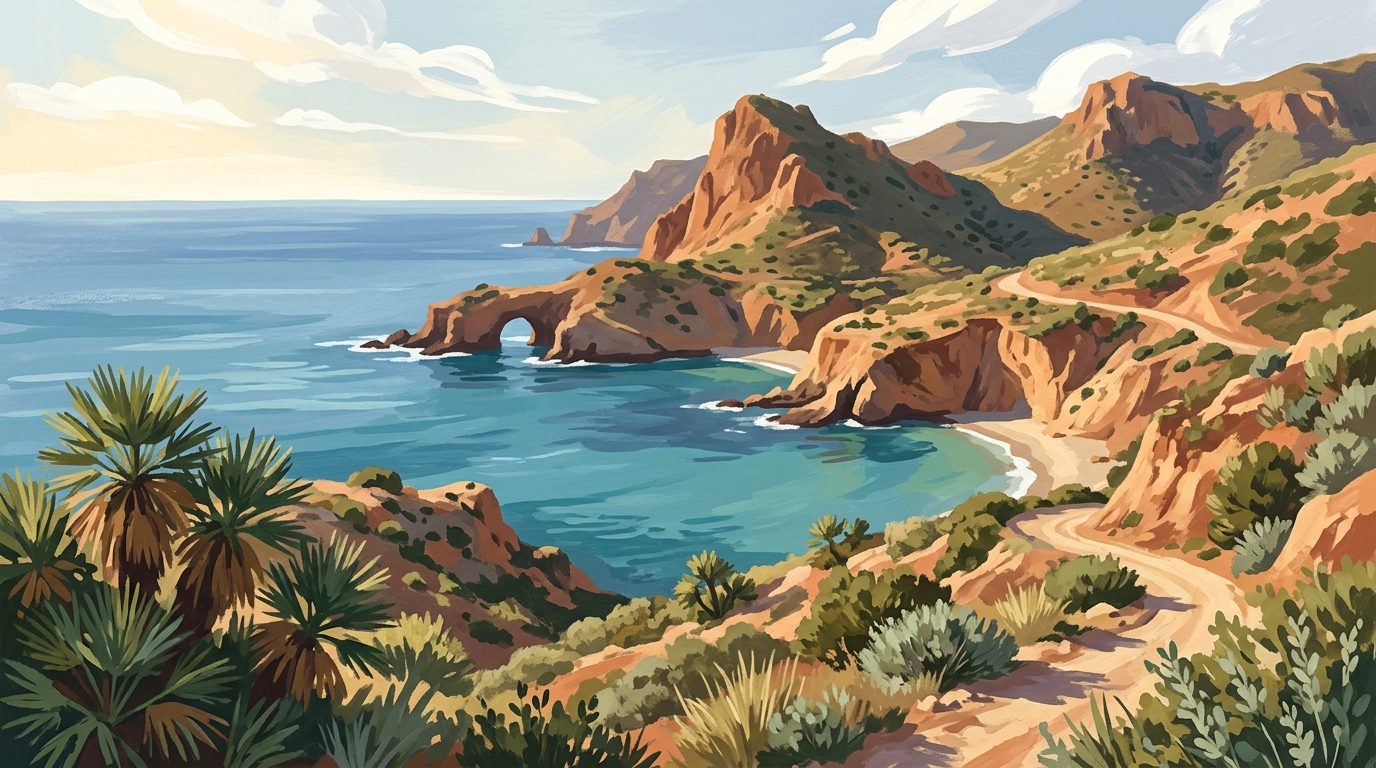
Cabo de Gata Natural Park: Wild Coast Guide
Discover the volcanic cliffs, salt lagoons, and crystalline waters of Cabo de Gata-Níjar Natural Park, Europe’s only warm desert landscape and a haven for rare Mediterranean wildlife.
7 min read
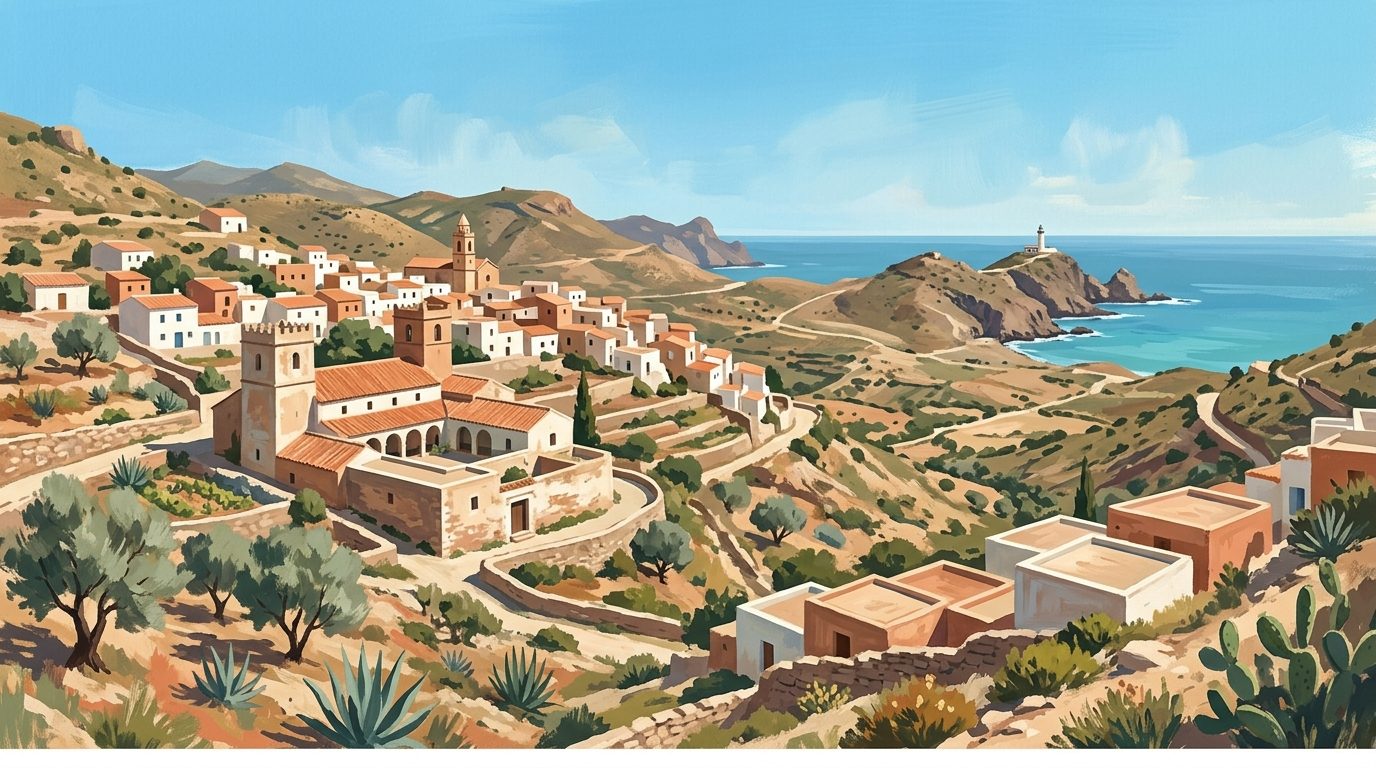
Beyond the Dunes: A Guide to the Volcanic Coast of Cabo de Gata-Níjar
Discover Europe’s only truly arid volcanic maritime park where volcanic cliffs meet turquoise waters. Our guide covers the best beaches, seafood, and villages in Cabo de Gata-Níjar.
8 min read
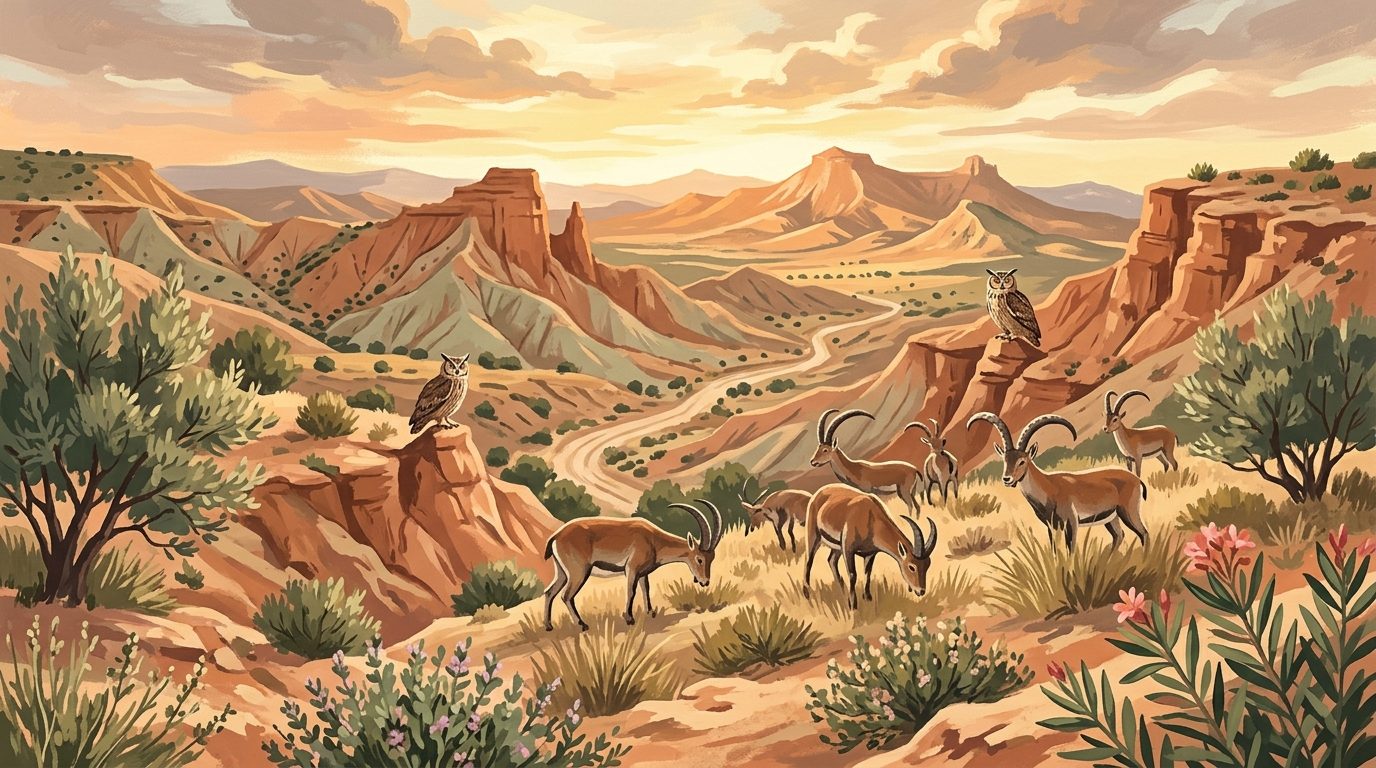
Tabernas Desert: Europe's Only True Desert
Explore the unique ecology of the Tabernas Desert, Europe's only true desert, where Saharan-style badlands provide a sanctuary for rare Trumpeter Finches and specialist flora.
7 min read
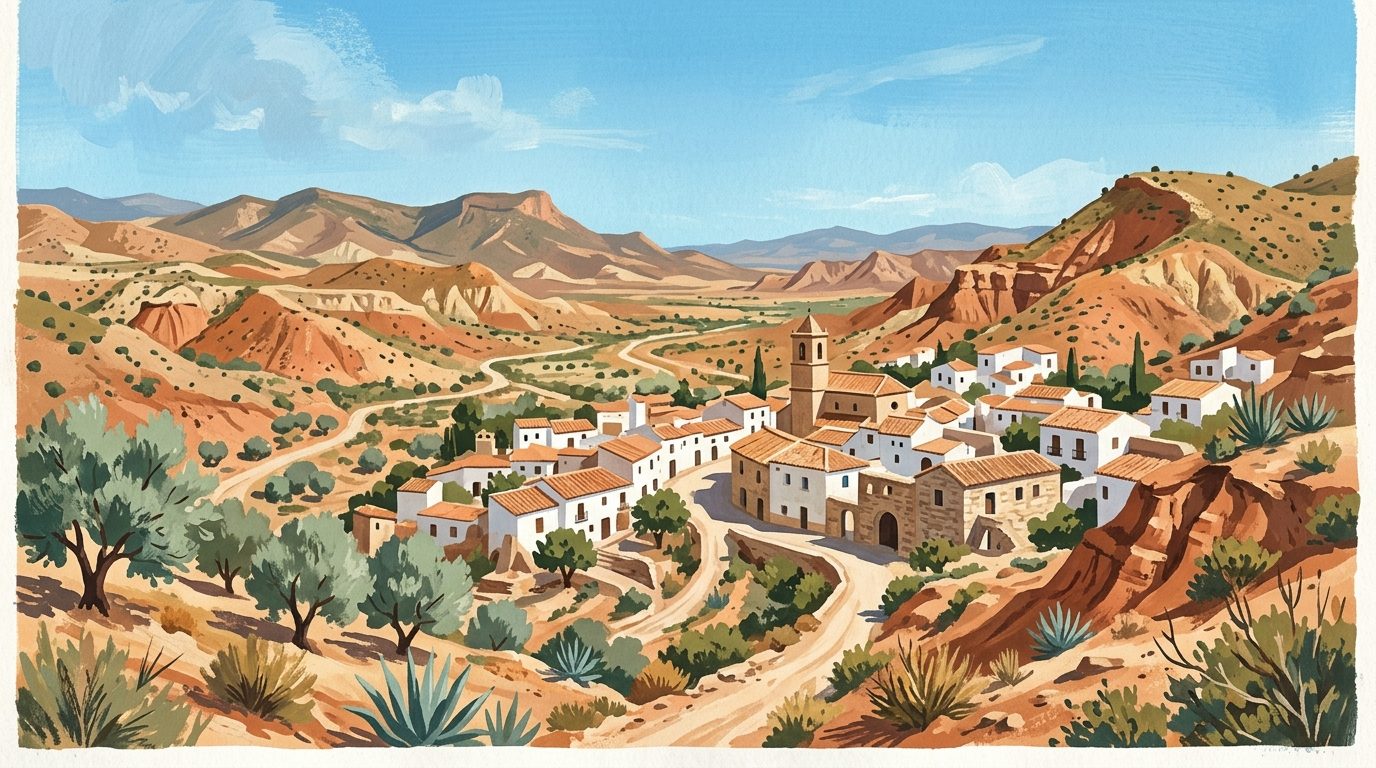
Beyond the Silver Screen: Exploring the Rugged Wilds of the Tabernas Desert
Discover the parched badlands and cinematic history of the Tabernas Desert, Europe's only true desert, where rugged hiking trails meet the ghosts of the Spaghetti Western era.
6 min read
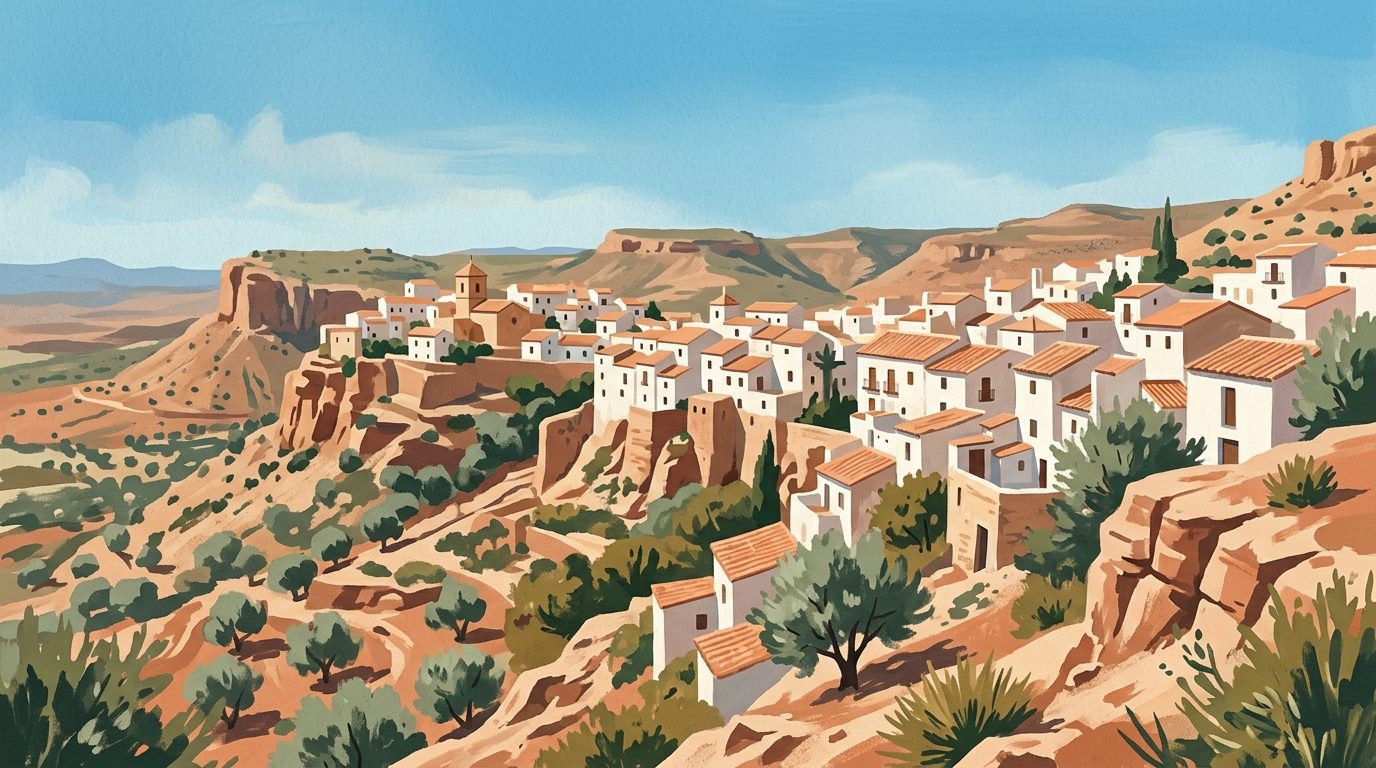
Exploring the Gypsum Karst and Hanging Houses of Sorbas
Discover Sorbas, the Almerian town famous for its precarious hanging houses and Europe's most extensive network of gypsum caves.
6 min read
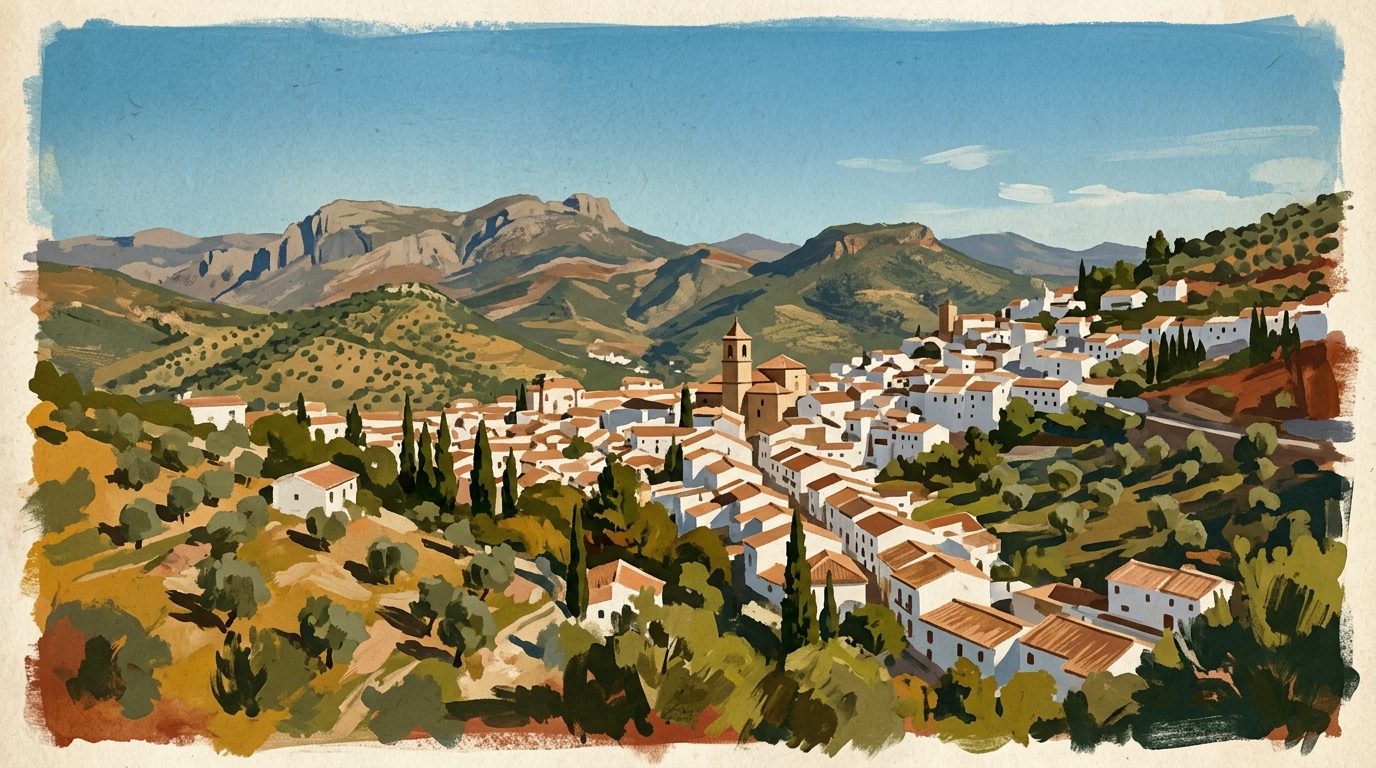
Limestone Peaks and Liquid Gold: A Local Guide to Subbética Cordobesa
Discover the limestone peaks and world-class olive groves of Córdoba's southern mountains, from the Baroque beauty of Priego to the cliffside village of Zuheros.
9 min read
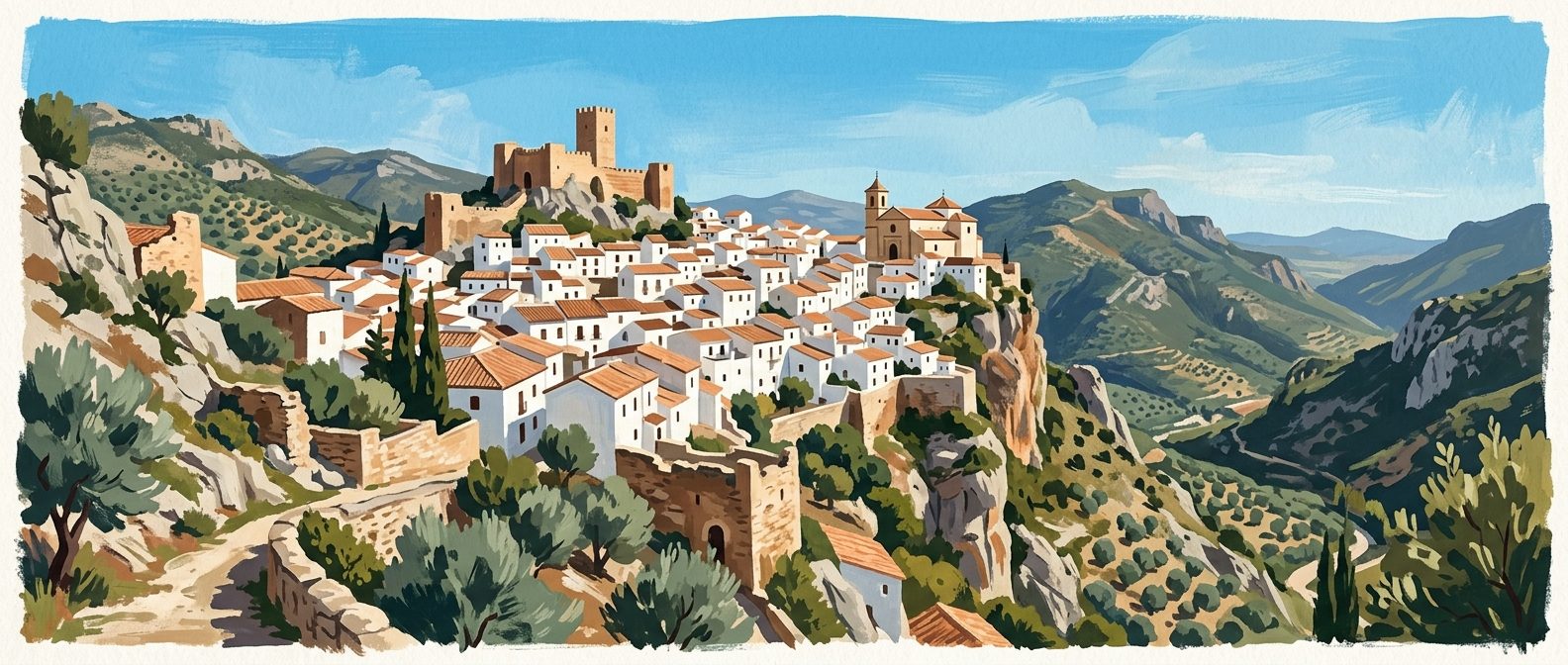
Exploring Zuheros: A High-Altitude Escape in the Subbética Cordobesa
Discover Zuheros, a dramatic clifftop village in Córdoba's Subbética mountains, famous for its Neolithic caves, medieval castle, and award-winning goat cheese.
5 min read
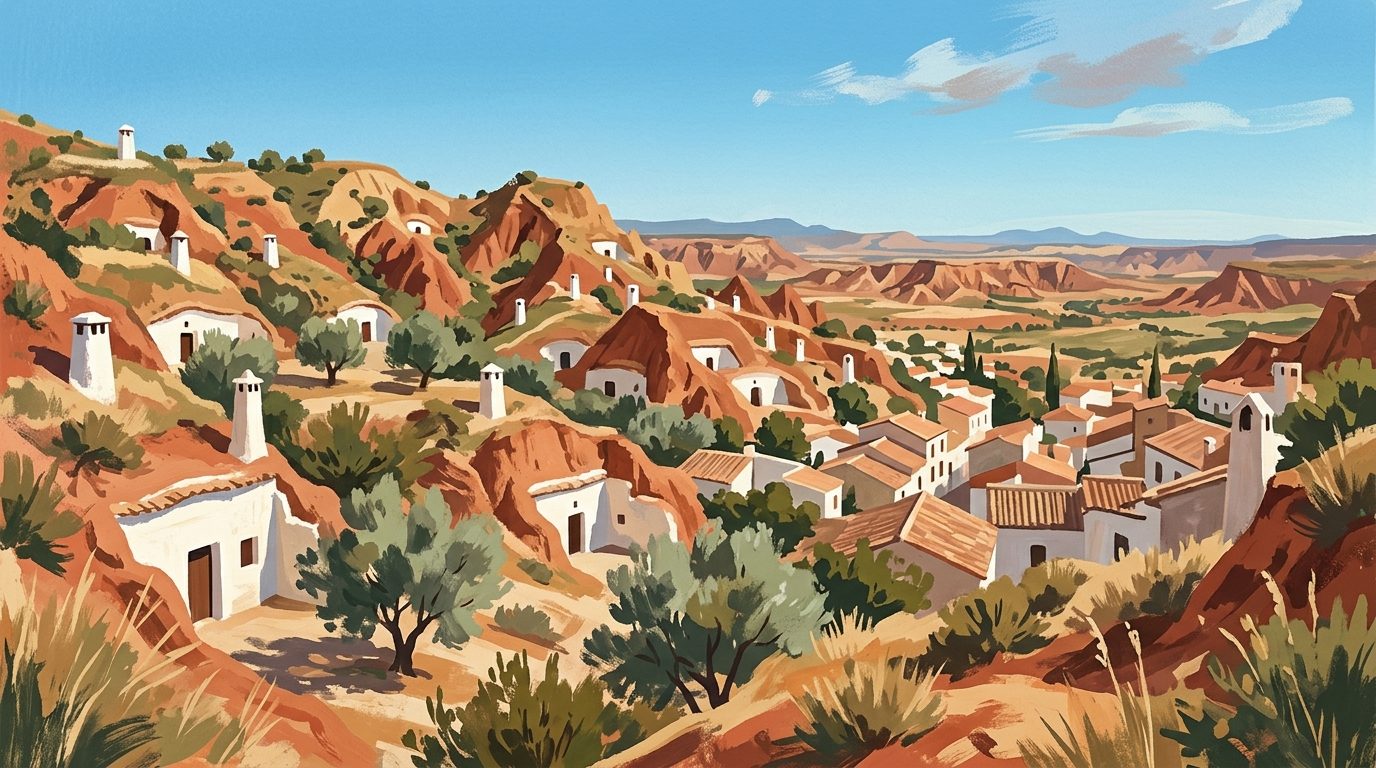
The Subterranean Soul of Granada: Life Beneath the Earth in Guadix and The Marquesado
Discover a prehistoric landscape of red clay badlands and whitewashed chimneys in the Marquesado and Guadix, where centuries-old cave dwellings offer a unique way of life.
6 min read
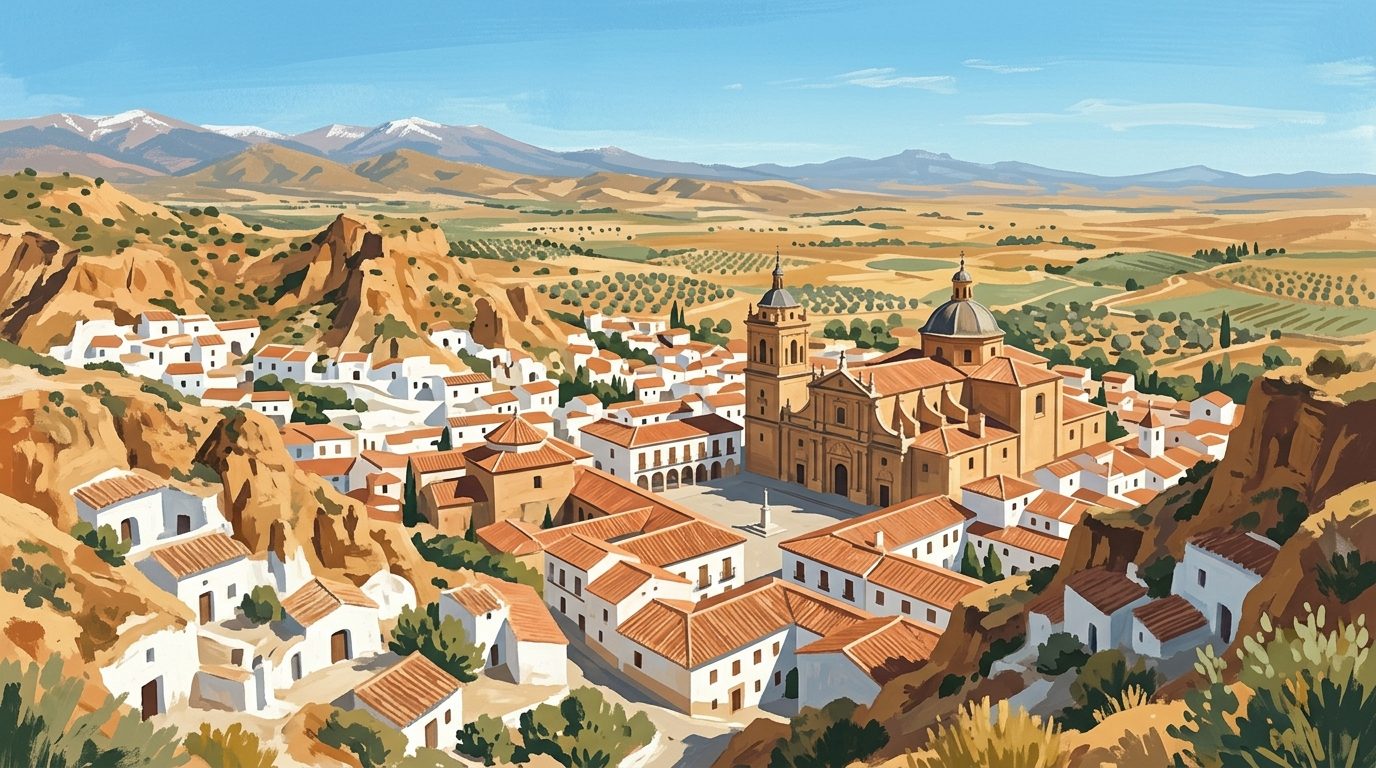
Guadix: A Guide to the Underground City of the Granada Badlands
Discover Guadix, where thousands of residents live in whitewashed caves carved into the clay hillsides. This guide covers the cave district, the grand cathedral, and the best places to stay underground.
5 min read
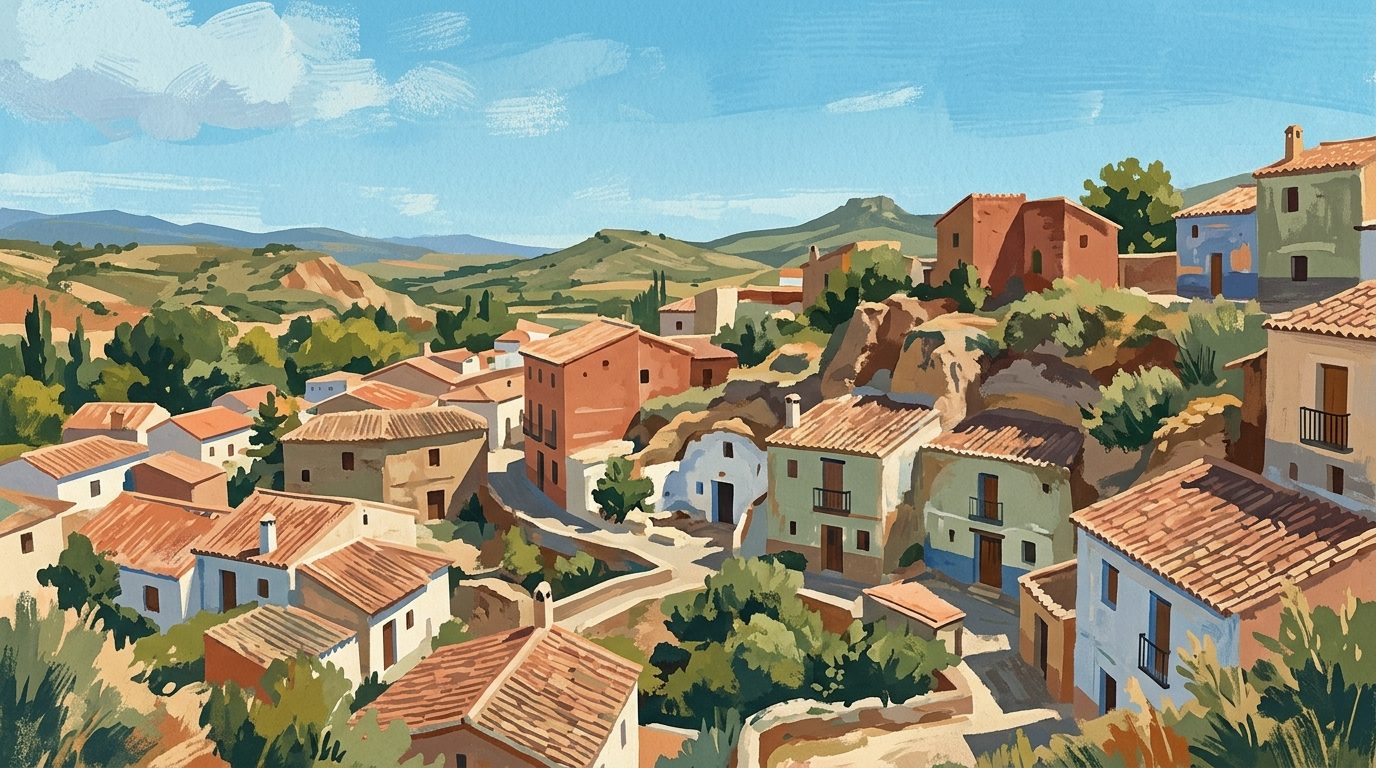
Purullena: A Subterranean Village in the Granada Badlands
Half the homes in Purullena are caves dug into the clay hills of the Guadix basin. Visit for the cave-house museums, the roadside pottery shops and some of the strangest scenery in Granada province.
5 min read
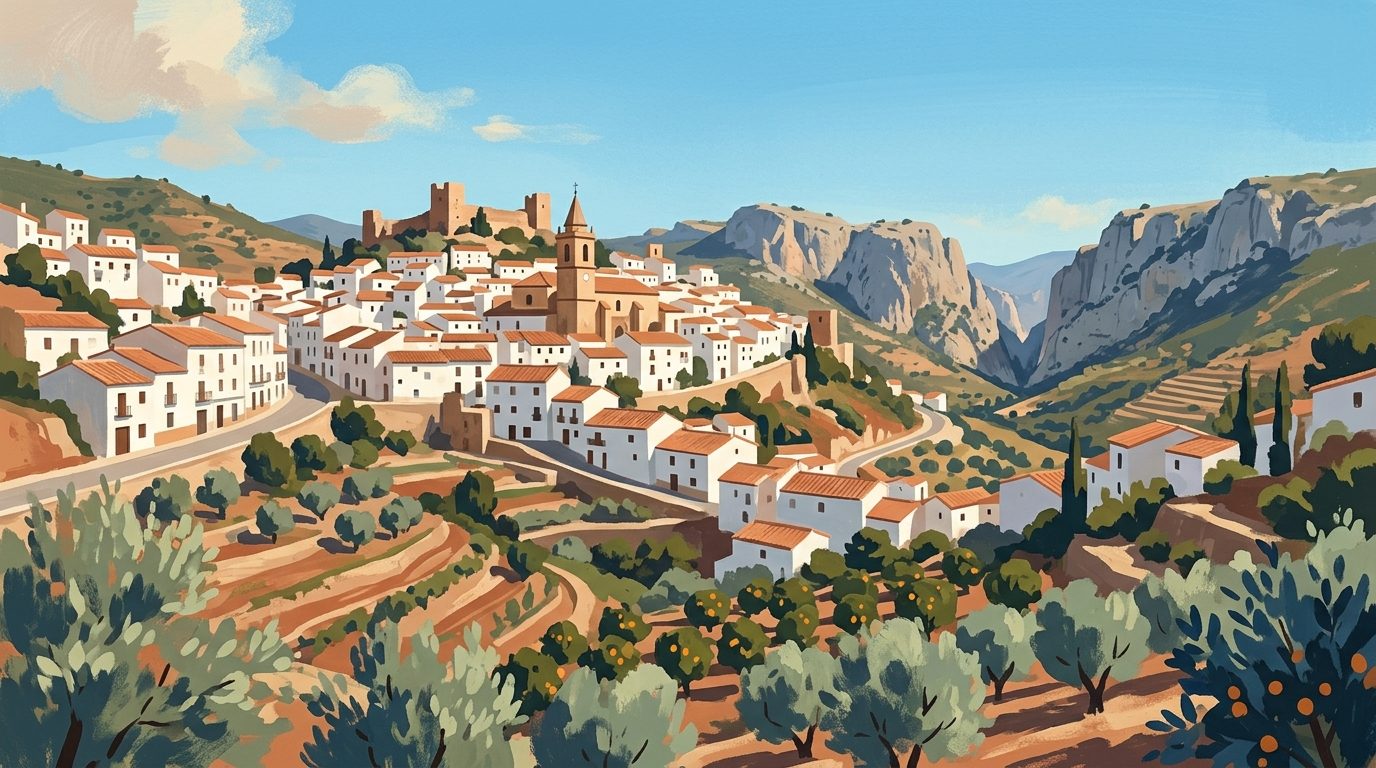
A Guide to Álora and the Adventure Gateway of El Chorro
Discover the gateway to the Caminito del Rey and the limestone cliffs of El Chorro. This guide explores the historic village of Álora and the outdoor adventures of inland Málaga.
6 min read
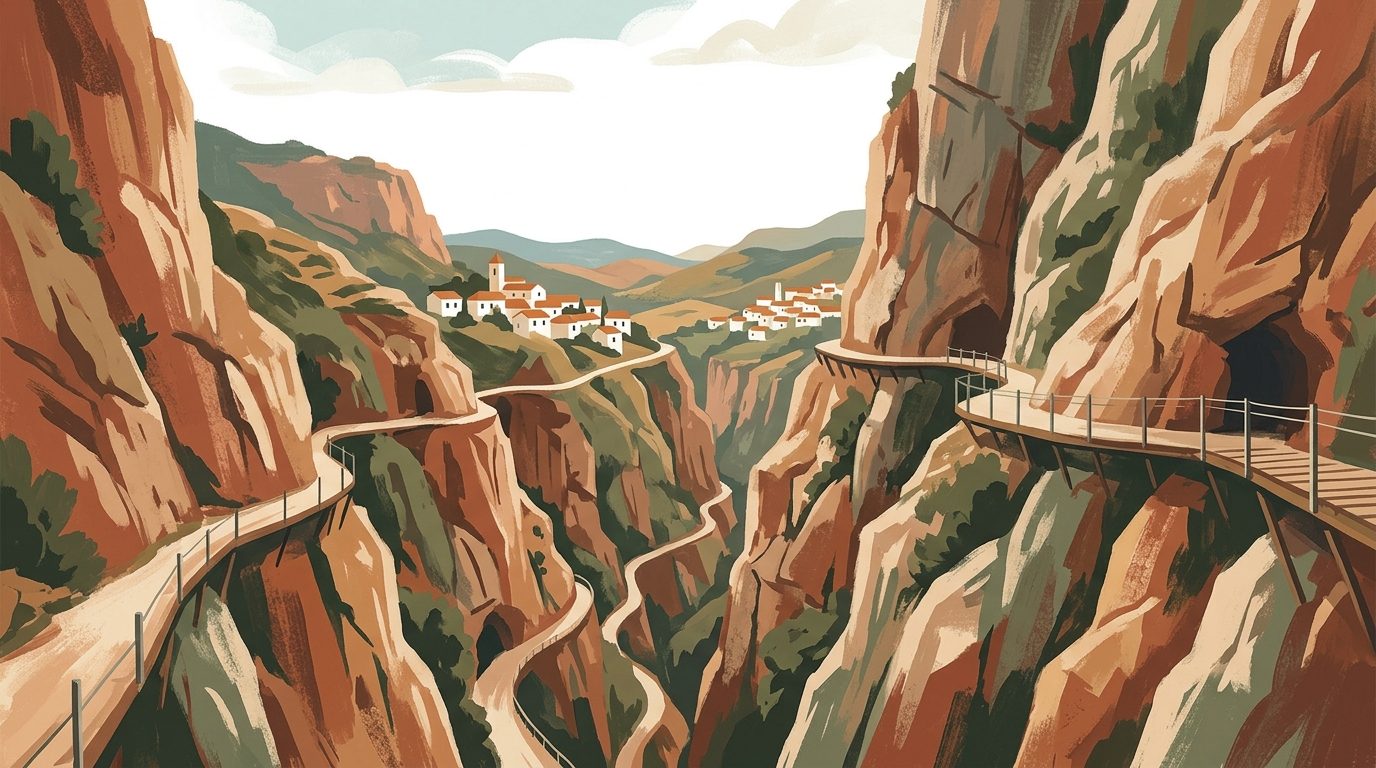
The Complete Caminito del Rey Guide: How to Walk Spain's Most Famous Gorge
Walking the precipitous boardwalks of the Caminito del Rey is a thrilling encounter with sheer limestone cliffs and fascinating engineering heritage. This guide details exactly how to secure tickets, navigate the linear route, and plan your logistics.
10 min read