
Feature · Cádiz
The Weight of the Blood: How Flamenco Outlives the Stage in Jerez
In the back rooms and private social clubs of Jerez, flamenco isn't a show for tourists: it is a gritty, ancestral language passed down through bloodlines and the stubborn memory of the barrios.
By Dan · Updated 7 June 2026 · 7 min read
Story context
This is a cultural essay about Jerez flamenco, not a listings page for shows. The named room-and-singer scene should be read as narrative framing for the atmosphere of the peñas and barrios, while the practical links point to current festival, tourism and institutional flamenco information.
The useful planning question is where public performance, family tradition and formal teaching meet. Start with the Jerez guide or flamenco route for visitor logistics, then use the Festival de Jerez and Junta flamenco links for current programmes, terminology and official cultural context.
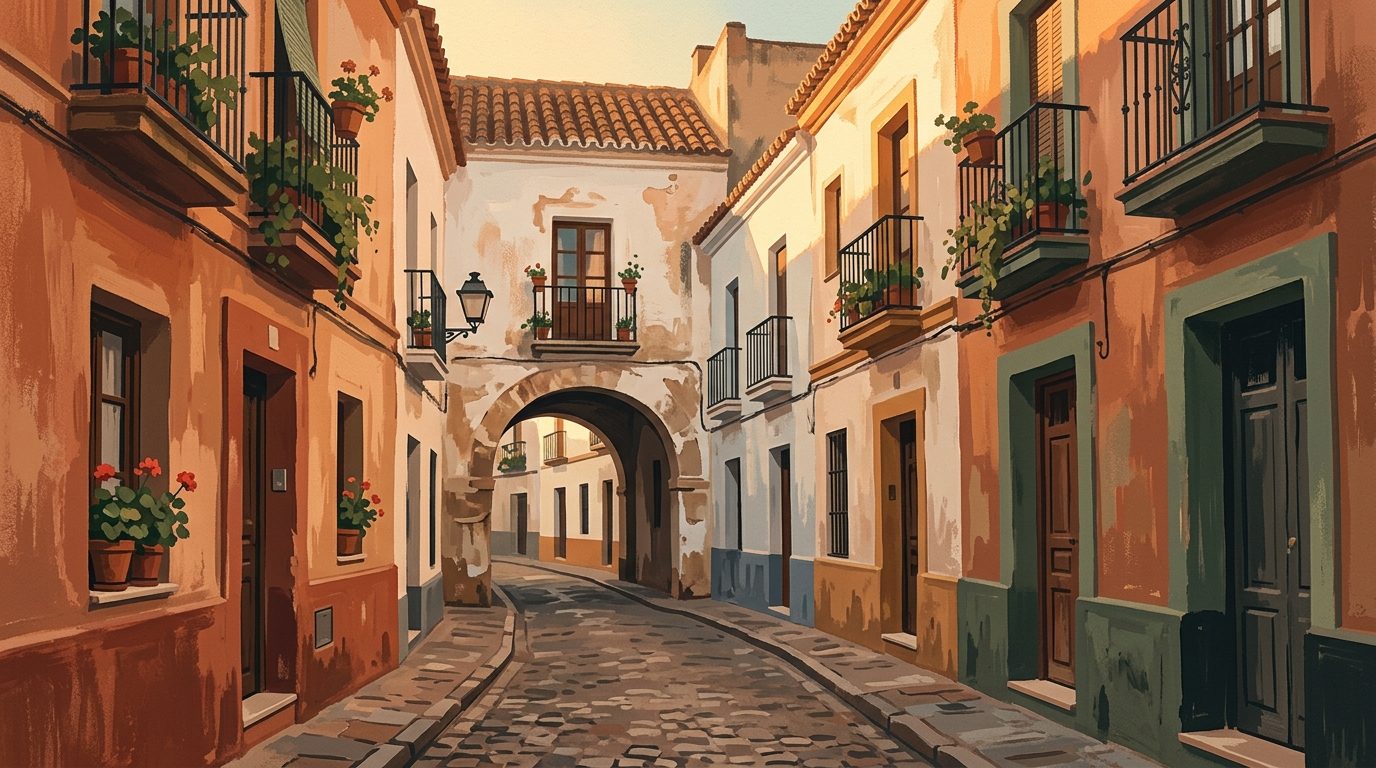
In the shadows of the Barrio de San Miguel, the rhythm is not counted in beats, but in the calloused strike of a knuckle against a sun-bleached wooden table. Here, flamenco is not a performance to be applauded, but a shared inheritance that breathes only when the doors are closed to the uninvited.
Diego does not look at the people in the room. He is seventy-two years old, with skin the colour of cured tobacco and hands that seem too large for his slight frame. He sits on a frayed wicker chair in the back of a social club that smells of spilled Manzanilla, sawdust, and the cold, damp stone of an eighteenth-century bodega. There are no spotlights here. There is no elevated stage. There is only a circle of men and women, some younger, some older, all leaning forward as if trying to catch a physical warmth from the sound he is about to make.
He clears his throat, a dry, rasping sound that feels like gravel shifting in a pan. For a moment, the room is entirely silent, save for the hum of a distant refrigerator. Then, he begins. It is not a song in the way a radio play is a song. It is a seguiriya, a primitive, jagged lament that sounds like it is being torn from his lungs. His face contorts; his eyes close tight, tracing lines of effort that have been etched there by decades of similar nights. He isn’t singing for the room; he is singing for his father, and his father’s father, and for the very pavement of the Calle Sol outside. This is Jerez de la Frontera, and this is how the art survives: not through the grace of the box office, but through the stubborn, private persistence of the bloodline.
The Geography of the Echo
Jerez is a city built on two distinct rhythms: the slow, oxidative aging of sherry in the dark and the explosive, rhythmic pulse of the flamenco barrios. To understand how the art form survives here, one must understand the geography of the Santiago and San Miguel neighbourhoods. These are not merely districts; they are rival schools of thought, distinct dialects of the soul. Santiago is the quarter of the bulería: fast, sharp, witty, and rhythmically complex. San Miguel is the home of the cante jondo, the deep, mournful song that carries the weight of the city’s gypsy history.
For centuries, these streets functioned as a closed circuit. Flamenco was the language of the forge, the field, and the family courtyard. It was never intended to be a spectator sport. In the middle of the twentieth century, as the rest of the world began to package Andalucía into a postcard, Jerez remained strangely insular. While Sevilla developed a sophisticated tablao scene for international visitors, Jerez kept its songs in the kitchen. This insularity, once seen as a lack of commercial ambition, has become its greatest strength. By refusing to perform for the outsider, the city preserved the raw, unpolished edge of the soniquete, that elusive, swinging rhythm that defines the Jerez style.
The Sanctuary of the Peña
The survival of this purity rests almost entirely on the shoulders of the peñas flamencas. These are private cultural clubs, often housed in crumbling townhouses or former wine cellars. Places like Peña Los Cernícalos or Tío José de Paula do not have barkers at the door or glossy menus. They are sanctuaries where the art is treated with the solemnity of a religious rite. Within these walls, the hierarchy is clear: the singer is king, the guitarist is the architect, and the audience is a participant, expected to provide the jaleo (the shouts of encouragement) at exactly the right moment.
In a peña, you will see a ten-year-old boy sitting next to an octogenarian, both of them tapping their fingers in a perfect, syncopated 12-beat cycle. This is the apprenticeship of the ear. There are no conservatories that can teach the specific way a Jerezano singer breaks a note at the end of a phrase. It is learned through osmosis, through the thick air of the peña, where the youth are taught that flamenco is not about how high you can sing, but how much truth you can pack into a single, broken syllable. The peña acts as a filter, stripping away the theatricality of the commercial stage and leaving only the fatiga, the struggle that gives the song its value.
The Bloodlines and the Mantle
If the peñas are the temples, the families are the gods. In Jerez, surnames carry the weight of empires. To be a Moneo, an Agujeta, a Zambo, or a Méndez is to be born with a professional responsibility. These dynasties have acted as living archives, passing down rare styles of songs (tonás, martinetes, soleares) that might otherwise have been lost to the homogenisation of modern media.
Take the house of the Moneos in the Calle Nueva. For generations, they have produced singers with a specific, metallic timbre that seems to vibrate in the listener's marrow. When a young member of the family stands up to sing today, they are not just interpreting a lyric; they are inhabiting a physical memory. They sing with the same phrasing their uncle used forty years ago, not out of a lack of creativity, but out of a profound respect for the lineage. This ancestral transmission ensures that the flamenco of 2026 sounds remarkably like the flamenco of 1926. It is a slow evolution, a glacier moving through a landscape of pop music and digital distraction.
The Tension of the Modern Stage
However, this survival is not without its complications. The world is encroaching on Jerez. Each year, the Festival de Jerez draws thousands of students from Japan, the United States, and across Europe. The city faces a modern paradox: it needs the oxygen of tourism to sustain its economy, but that very oxygen threatens to dry out the moisture that keeps the cante jondo alive. There is an ongoing tension between the professionalisation of the art and its domestic roots.
Younger performers find themselves caught between two worlds. To make a living, they must tour the world, performing in theatres with perfect acoustics and polite, seated audiences. But to keep their 'flamenco credentials' at home, they must return to the dust and the late nights of the Jerez barrios. There is a fear among the elders that the younger generation is becoming too technically proficient and not emotionally scarred enough. 'They have the technique,' Diego tells me later, over a small glass of Oloroso, 'but they haven't cried enough. You can't sing the seguiriya if you haven't lost something you can't replace.'
This friction between the polished professional and the raw amateur is exactly where the energy of the city lies. It prevents the art from becoming a museum piece. The constant debate about what is 'pure' and what is 'commercial' keeps the community engaged and the music evolving, even if that evolution happens at a tectonic pace. The threat of loss is, ironically, what keeps the passion so high.
The Sound in the Night
As the night matures in San Miguel, the formal gathering in the peña dissolves into something more fluid. The chairs are pushed back, and the distinction between performer and observer vanishes. Someone starts a rhythm on the side of a crate. A woman in her sixties, who has spent the day working in a local bakery, stands up and performs a short, defiant dance in the square metre of space before her. It is brief, fierce, and entirely un-choreographed. It is a physical exclamation point.
Walking back through the narrow, winding streets of the city centre at two in the morning, the sound of Jerez follows you. It isn't coming from a loudspeaker or a tourist bar. It is a low hum from a doorway, a sharp clap of hands from a balcony, the sound of a voice cracking in the distance. The art survives here because it is not a choice; it is an atmosphere. It is the way people greet each other, the way they mourn, and the way they endure the heat of the day. In the silence of the limestone alleys, you realise that as long as there is a table to strike and a heart to break, the flamenco of Jerez will never truly be finished. It is a song that doesn't end; it just waits for the next person to pick up the beat.
Last reviewed: 21 June 2026 · Editorial policy
Related guides
Exploring the Living Traditions of Andalucía
Discover the deep-rooted traditions of southern Spain, from the intensity of authentic flamenco to the centuries-old secrets of sherry production.
6 min read
The Resurrection of the Chalk: How Sherry Escaped the Dusty Sideboard
For decades, the wines of Marco de Jerez were relegated to the back of the liquor cabinet; today, a new generation of winemakers is digging into the white earth to prove Sherry is the world's most misunderstood terroir wine.
7 min read
The Albariza English: A Two-Century Shadow in Cádiz
The British presence in Andalucía is more than a seasonal migration; it is a two-hundred-year-old layering of trade, conflict, and quiet assimilation.
6 min read
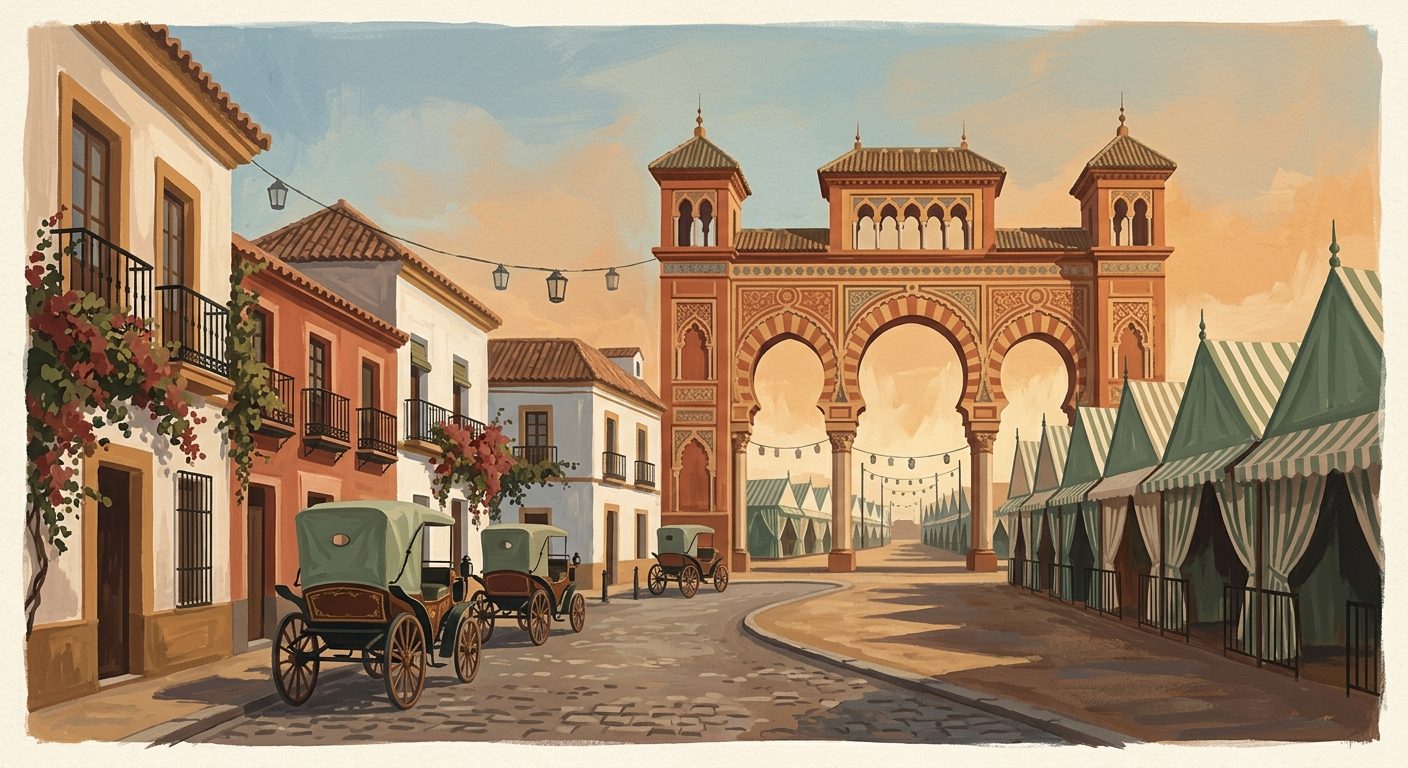
A Complete Guide to the Feria del Caballo in Jerez
The Feria del Caballo in Jerez stands apart from other spring fairs in Andalucía because its casetas are almost entirely open to the public. Here, the aristocratic tradition of the Andalucían horse meets the egalitarian spirit of the city, fuelled by endless cold glasses of fino sherry and native flamenco bulerías.
9 min read
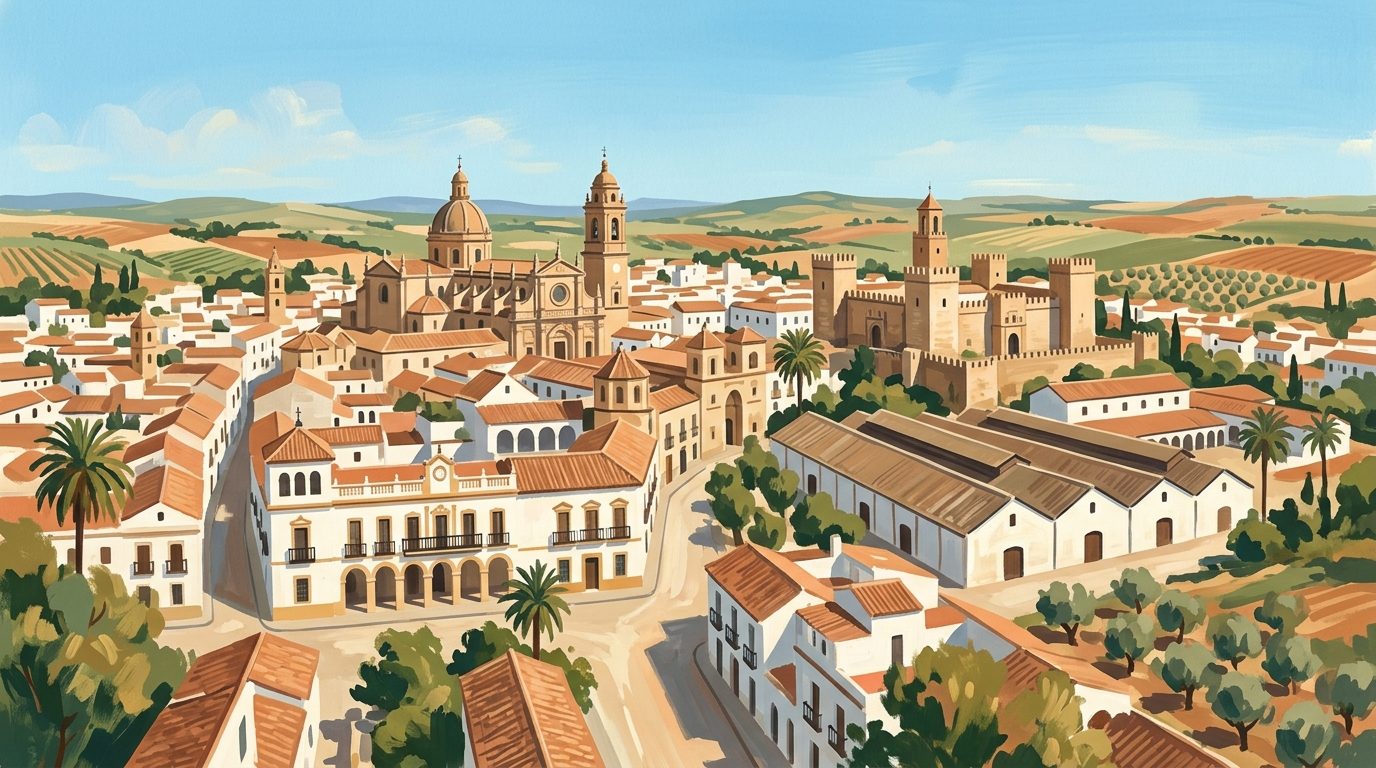
Jerez de la Frontera: A Guide to the City of Sherry and Horses
Discover the heart of the Sherry Triangle in Jerez de la Frontera, a city where aristocratic bodegas, elite equestrian schools, and authentic flamenco traditions create a unique Andalucían experience.
6 min read
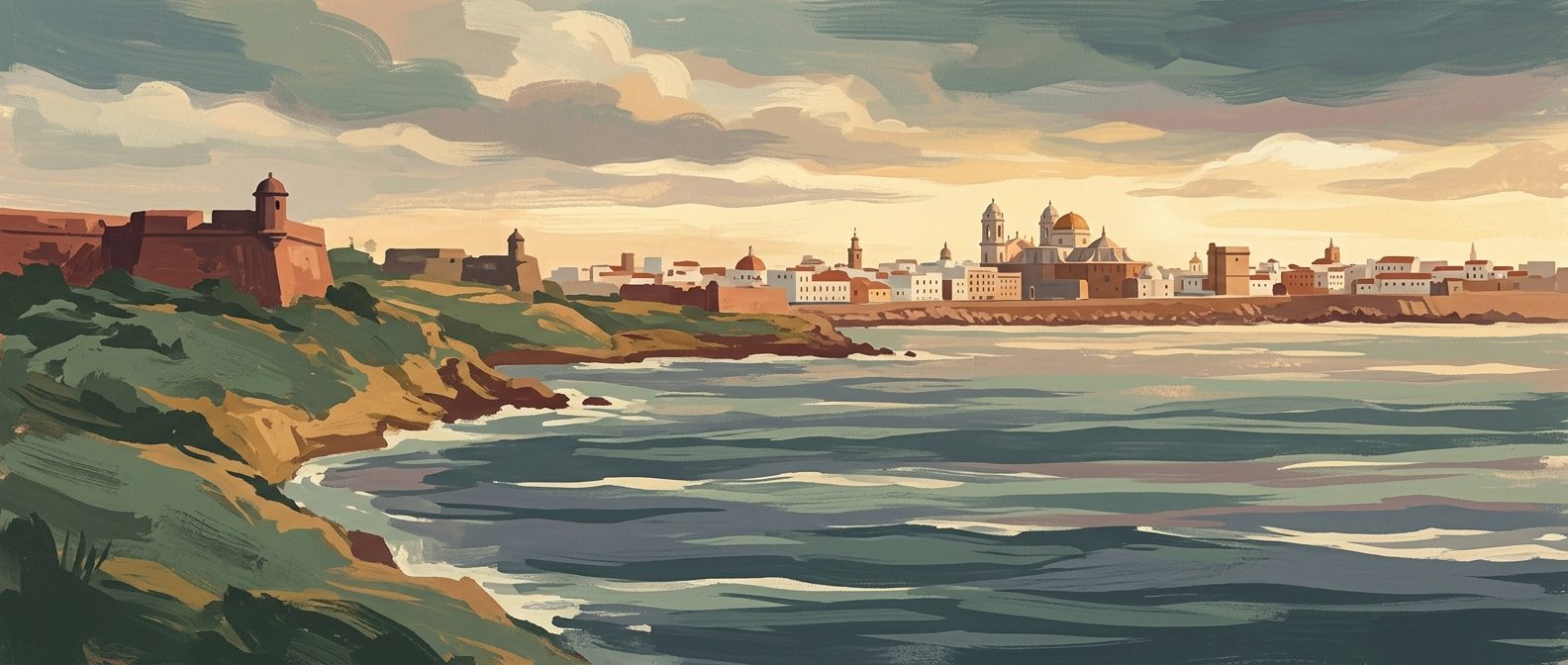
Cádiz in December: Atlantic Drama and Festive Traditions
Atlantic winds meet the warm glow of festive lights, creating a unique coastal Christmas atmosphere where the air smells of roasted chestnuts and sea salt.
6 min read
More from Cádiz
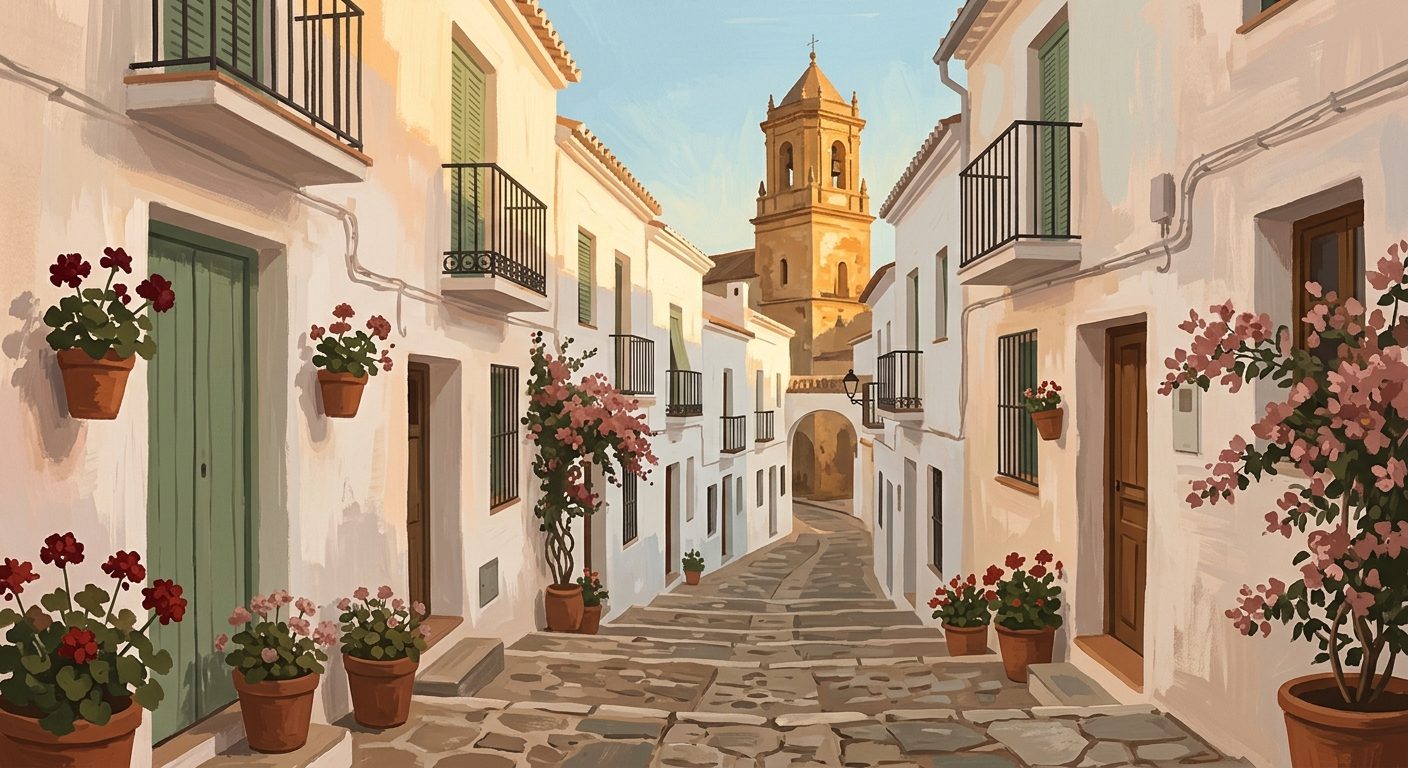
The White Villages of Andalucía: A Guide to the Pueblos Blancos
Discover the iconic white villages of Cádiz and Málaga, where lime-washed houses and narrow Moorish streets define the rugged mountain landscape of Andalucía.
6 min read
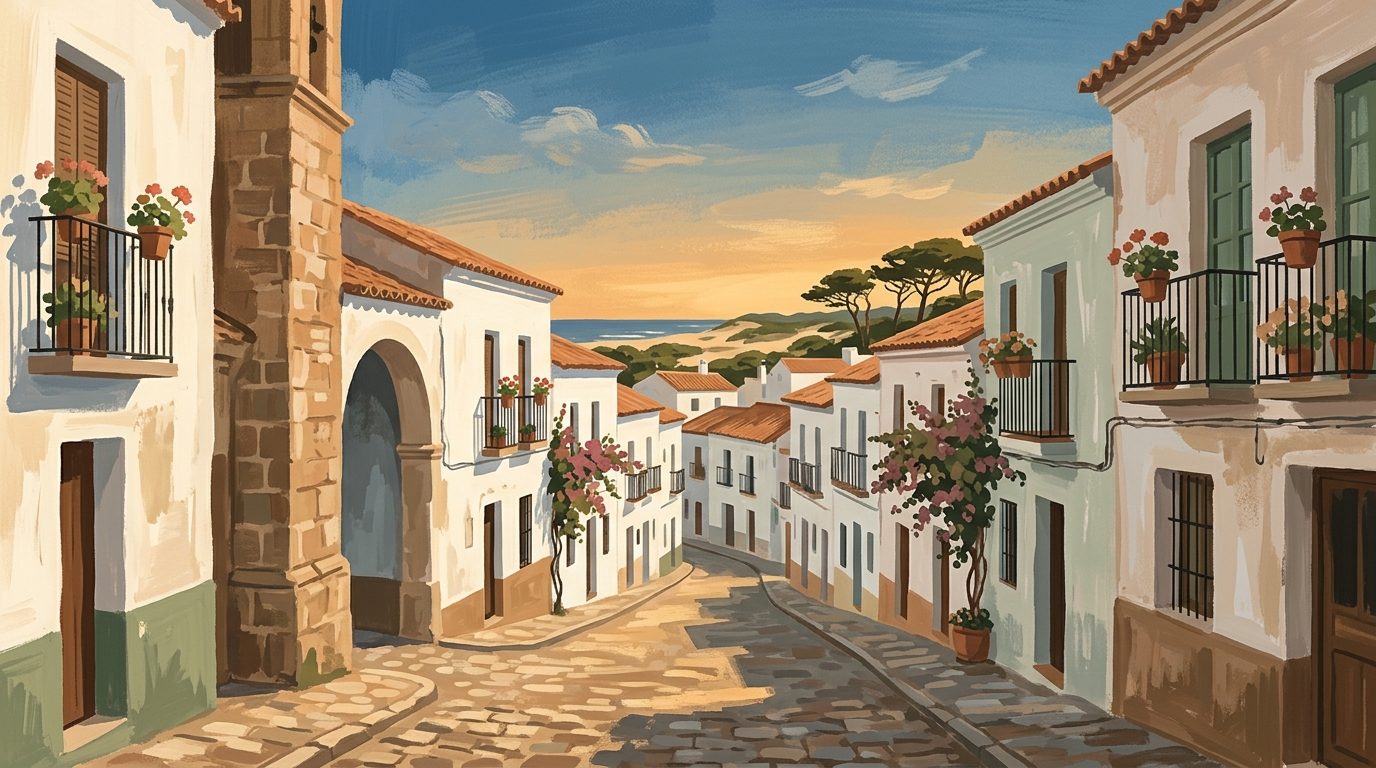
Costa de la Luz: The Complete Guide
The Costa de la Luz is an untamed stretch of Atlantic shoreline defined by wild dunes, pine forests and stiff sea breezes. Spanning the coastlines of Huelva and Cádiz, it offers a stark alternative to the concrete resorts of the Mediterranean.
9 min read
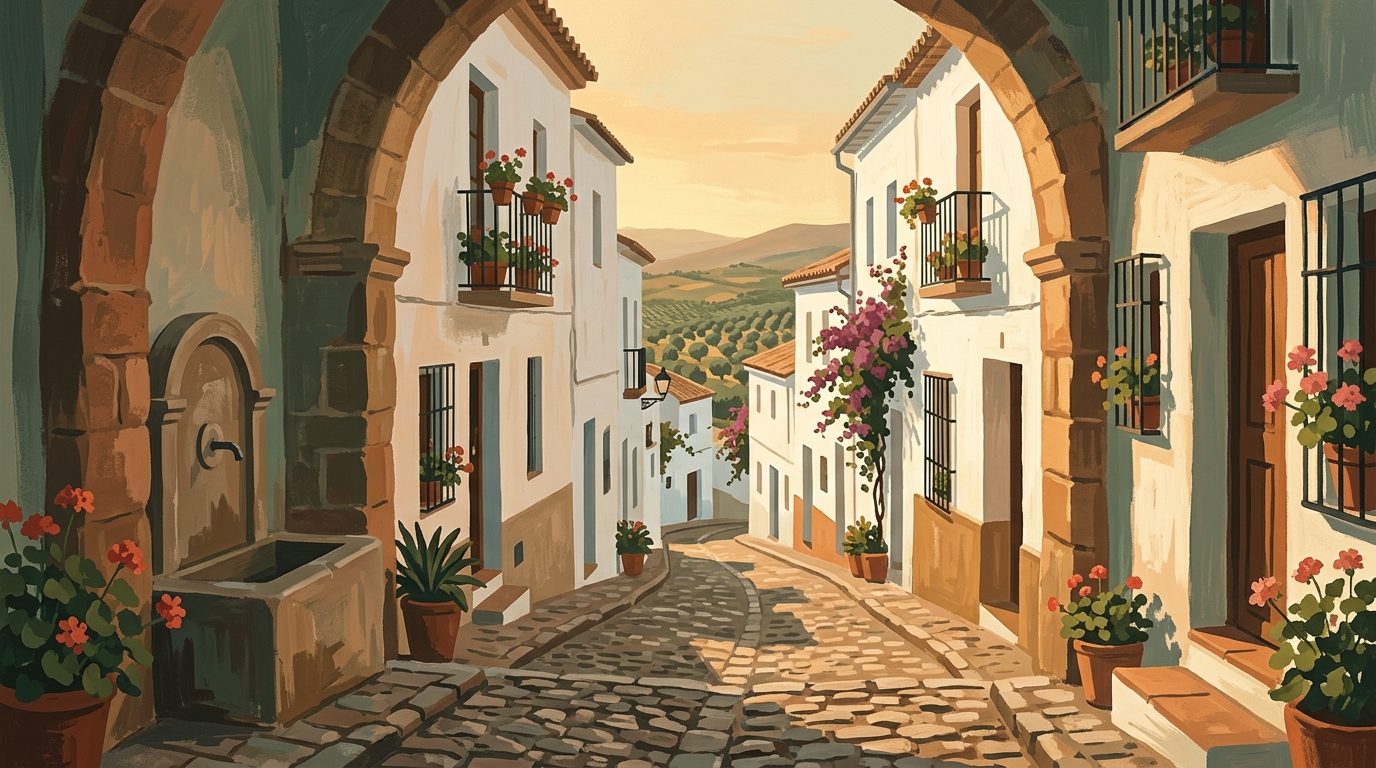
The Weight of the Water: Life at the Edge of Two Continents
Fourteen kilometres of salt water separate the northern edge of Africa from the southernmost tip of Spain, creating a corridor where geopolitical tension, ecological wonder, and human desperation collide.
7 min read
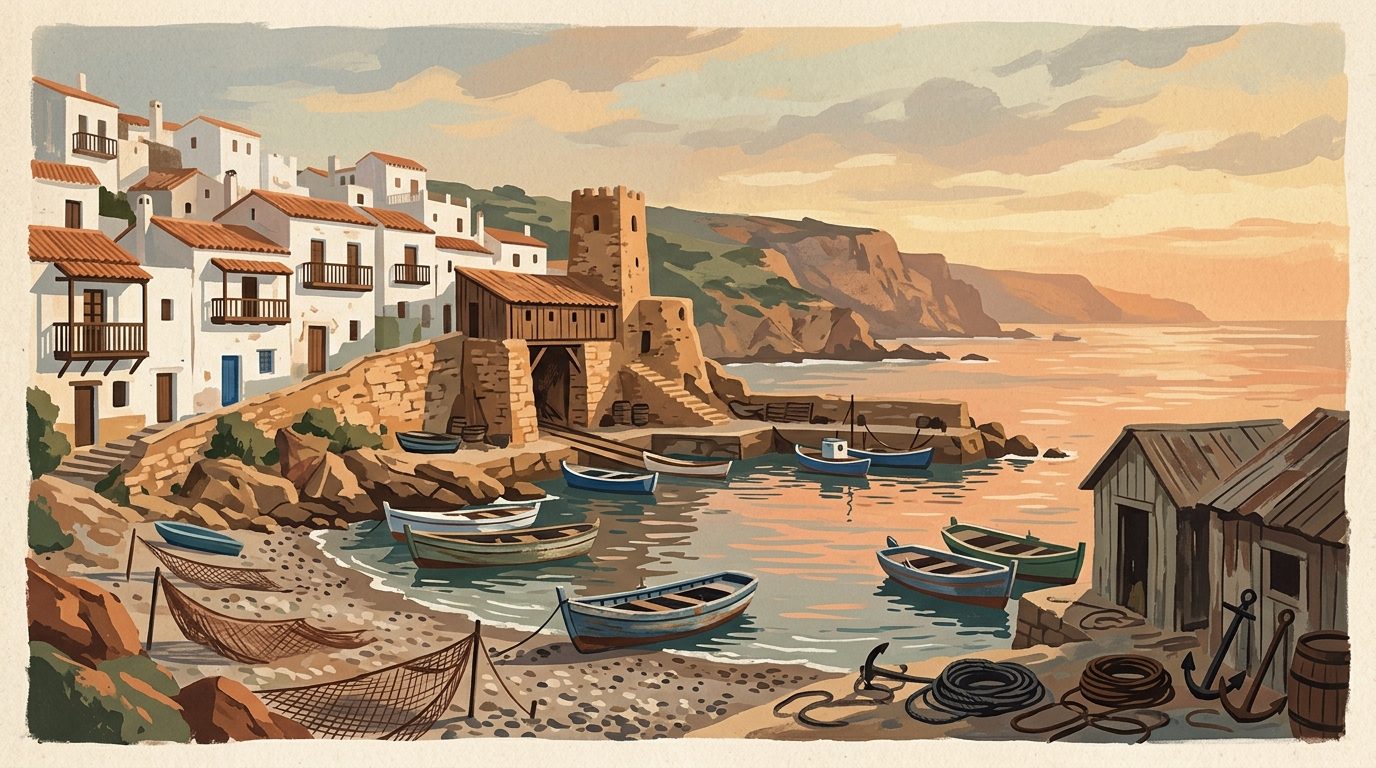
The Last Almadraba: Blood, Steel, and the Silver Ghost of Barbate
In the coastal town of Barbate, a three-thousand-year-old ritual of blood and silver continues as the bluefin tuna begin their ancient migration.
7 min read
Newsletter
More stories from Andalucía
Weekly notes, seasonal picks, and the next guides worth bookmarking.