
Things to do · Huelva
Mastering the Atlantic: A Guide to Water Sports in Huelva
From the Atlantic swells of Islantilla to the rust-coloured waters of the Río Tinto, Huelva offers a distinct maritime playground for kayaking, surfing, and sailing.
By Dan · Updated 16 July 2026 · 6 min read
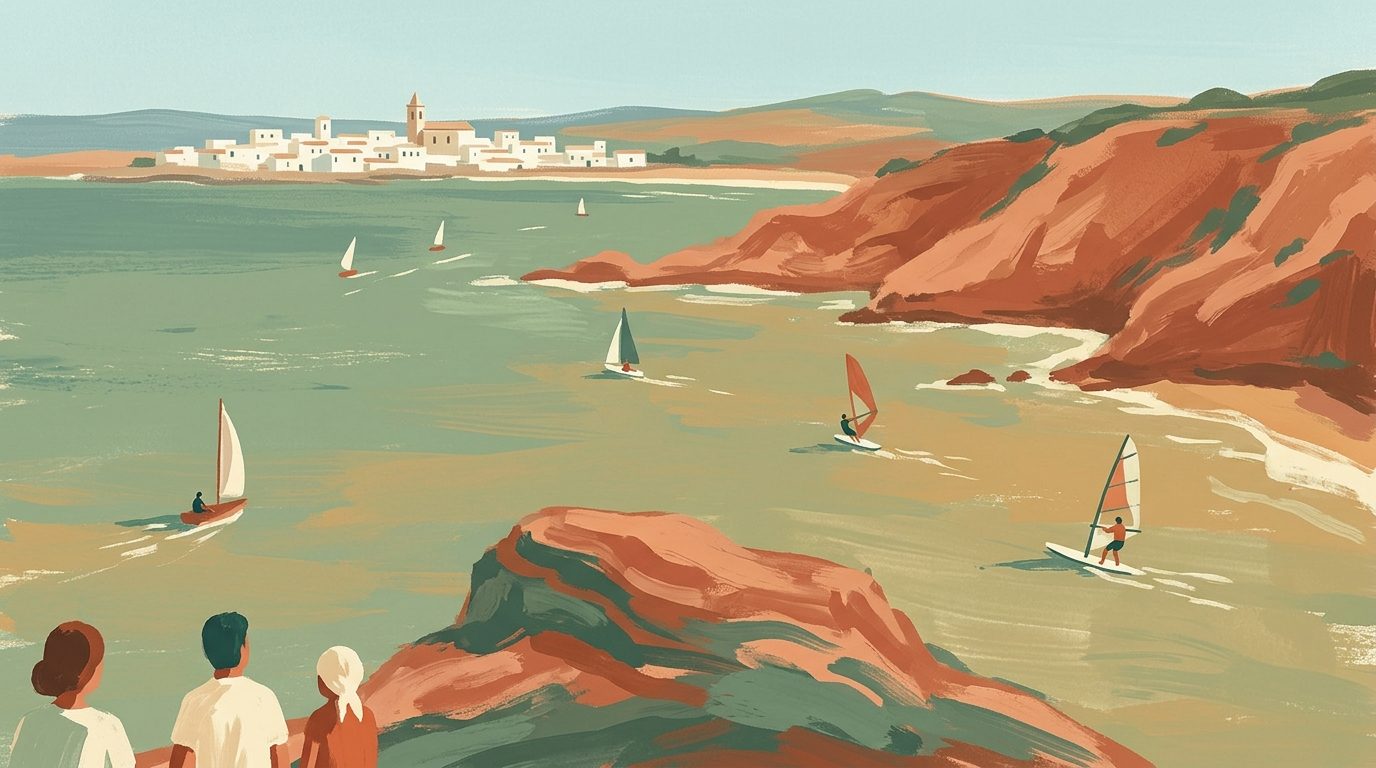
Huelva offers a distinct maritime playground, from the Atlantic swells of Islantilla to the rust-coloured waters of the Río Tinto estuary. This guide explores how to navigate the province’s 120 kilometres of coastline, where wide sandy horizons meet some of the best wind and paddle conditions in Andalucía.
Huelva is often overlooked by those heading straight for the busier shores of the Costa del Sol. However, for those who prefer their coastal experiences with a dose of Atlantic energy and significantly more elbow room, this province is a revelation. The coastline, known as the Costa de la Luz, is defined by its vast, fine-sand beaches and a unique geography where the Atlantic Ocean meets complex river systems and protected wetlands. This creates a versatile environment for water sports, catering to everyone from elite kitesurfers to families looking for a gentle afternoon on a paddleboard.
Unlike the Mediterranean, the Atlantic here is cooler, more tidal, and carries a constant refreshing breeze. This makes the physical demand slightly higher, but the rewards are far greater. The defining characteristic is space, from the tidal channels of the Odiel marshes to a first surf lesson at Islantilla. In Huelva, you aren't fighting for a patch of water; you are often the only person on the horizon. The local culture is deeply connected to the sea, not just for tourism but through a long-standing fishing heritage that ensures the marinas are active, functional, and equipped with top-tier facilities for visiting sailors and athletes.
Best Places for Water Sports in Huelva
Sailing and Windsurfing in Isla Cristina
Isla Cristina is a cornerstone of Huelva’s maritime identity. Located near the Portuguese border, it features a unique layout surrounded by marshes and the open sea. The Escuela de Vela Isla Cristina is the primary hub here, offering professional instruction in dinghy sailing and windsurfing. The conditions are particularly favourable for windsurfing because the thermal winds are consistent during the summer months without being overly aggressive for intermediate learners.
The town’s beaches, such as Playa Central and Playa del Hoyo, offer wide-open water with minimal obstacles. If you prefer something more tranquil, the Marismas de Isla Cristina provide a network of sheltered channels perfect for exploring by kayak. The combination of open ocean and protected marshland means you can tailor your day based on the wind strength, heading to the sea when the breeze picks up and retreating to the marshes when you want a calm paddle through the salt pans.
Surfing and Paddleboarding in Islantilla and La Antilla
While Andalucía isn't as famous for surfing as northern Spain, the beaches of Islantilla and La Antilla offer reliable swells, particularly during the autumn and winter months. The waves here tend to be beach breaks, which are softer and more forgiving for those learning the craft. During the summer, the water is calmer, making it an ideal location for Stand-Up Paddleboarding (SUP). The Escuela de Vela Islantilla provides equipment hire and guided SUP tours that take advantage of the crystal-clear mornings before the afternoon breeze sets in.
Surfing here is about the long game; it requires checking the tide charts carefully. The best conditions often occur around mid-tide when the Atlantic rollers hit the shallow sandbanks. For those looking for a social atmosphere, the surf schools here often organise sunset paddles, which provide a spectacular view of the sun dropping directly into the Atlantic, a sight you won't get on the Mediterranean coast.
Kayaking the "Martian" Waters of the Río Tinto Estuary
The Río Tinto is world-renowned for its acidic, deep-red waters, a result of the heavy mineral deposits in the Sierra de Huelva. While you cannot paddle in the most extreme acidic sections upstream, the estuary where the river meets the Odiel near Huelva city offers a surreal kayaking experience. The water retains an ochre hue, and the landscape is unlike anything else in Europe. Companies like Fletomar or Rumbeando operate tours that navigate these waters, passing under the historic Muelle del Tinto, a massive Victorian iron pier built by the British mining companies.
Kayaking here is as much about the scenery as the sport. You glide past industrial monuments and natural mudflats, seeing the city from a perspective few tourists ever encounter. It is a flat-water experience, suitable for all fitness levels, though you should be prepared for the tidal pull which can be strong near the confluence of the two rivers.
Canoeing through the Marismas del Odiel
The Odiel marshes are a UNESCO Biosphere Reserve and represent one of the most important wetland systems in the Iberian Peninsula. For water sports enthusiasts who enjoy wildlife, this is the premier spot in the province. Navigating the labyrinthine channels by canoe allows you to get incredibly close to colonies of flamingos, spoonbills, and ospreys without disturbing them. The water is exceptionally still, making it a meditative and low-impact way to exercise.
Most excursions depart from the area near the Muelle de las Canoas in Huelva or from the visitor centre at Calatilla. It is highly recommended to go with a guide, as the tide can drastically change the landscape in a matter of hours, turning deep channels into impassable mudflats. The silence of the marshes, broken only by the sound of your paddle and the call of birds, is a stark and welcome contrast to the more energetic beach resorts.
Kitesurfing in Punta Umbría and El Portil
Punta Umbría is the spiritual home of kitesurfing in Huelva. The area known as La Canal provides the perfect corridor for the Poniente wind, which blows steadily from the west. Because the beaches are so wide, there is plenty of space to launch and land kites safely, which is a major advantage over the cramped beaches of Tarifa. Schools like KiteSurf Huelva offer courses for all levels, and the local community is welcoming to newcomers.
Further along the coast, El Portil offers a unique geographical feature: a long sandbar known as the Flecha del Rompido. This creates a lagoon of flat water on one side and the open Atlantic on the other. Kitesurfers love this spot because they can choose between the flat water of the Río Piedras, perfect for practising freestyle tricks, and the waves of the open ocean just a few metres across the sand.
Practical Information
The main season for water sports in Huelva runs from May to October, when the water temperature is comfortable and the chiringuitos (beach bars) are fully operational. However, surfing is best from November to March. Expect to pay around €20 to €25 for two hours of kayak or SUP hire. A full day of sailing or a multi-day kitesurfing course will range from €150 to €400 depending on the level of instruction (check on the operators' websites for current 2026 pricing before travelling). Always bring a high-factor, water-resistant sunscreen; the Atlantic breeze can be deceptive, making you feel cool while the sun is intense. If you are paddling in the marshes, a light long-sleeved shirt and insect repellent are essential. Most operators provide wetsuits, but if you are visiting in winter, a 4/3mm wetsuit is recommended for the Atlantic waters.
Local Tips
Always consult the tide tables (tabla de mareas) before heading out. The Atlantic tides in Huelva are significant, often receding hundreds of metres, which can leave you stranded with a heavy kayak far from the water's edge. If you are looking for post-activity food, skip the tourist menus and head to the local ports for "chocos fritos" (fried cuttlefish), the fuel of choice for Huelva’s watermen. Lastly, keep an eye on the wind direction; a strong Levante (east wind) can blow you out to sea, so beginners should stick to days when the Poniente (west wind) is blowing towards the shore.
Last reviewed: 21 June 2026 · Editorial policy
Related guides
A Guide to Water Sports in Granada: From Reservoirs to the Tropical Coast
Discover the best spots for diving, kayaking, and reservoir swimming in Granada, from the marine reserves of La Herradura to the turquoise waters of Los Bermejales.
6 min read
A Guide to Water Sports in Málaga: From SUP to Scuba
Discover the best locations for stand-up paddleboarding, diving, and jet skiing along the Costa del Sol with our practical guide to Málaga's water sports.
6 min read
Water Sports in Sevilla: Navigating the Guadalquivir
Discover the best ways to explore Sevilla's Guadalquivir river, from sunset paddleboarding and city kayaking to professional rowing and nature tours in the marshes.
6 min read
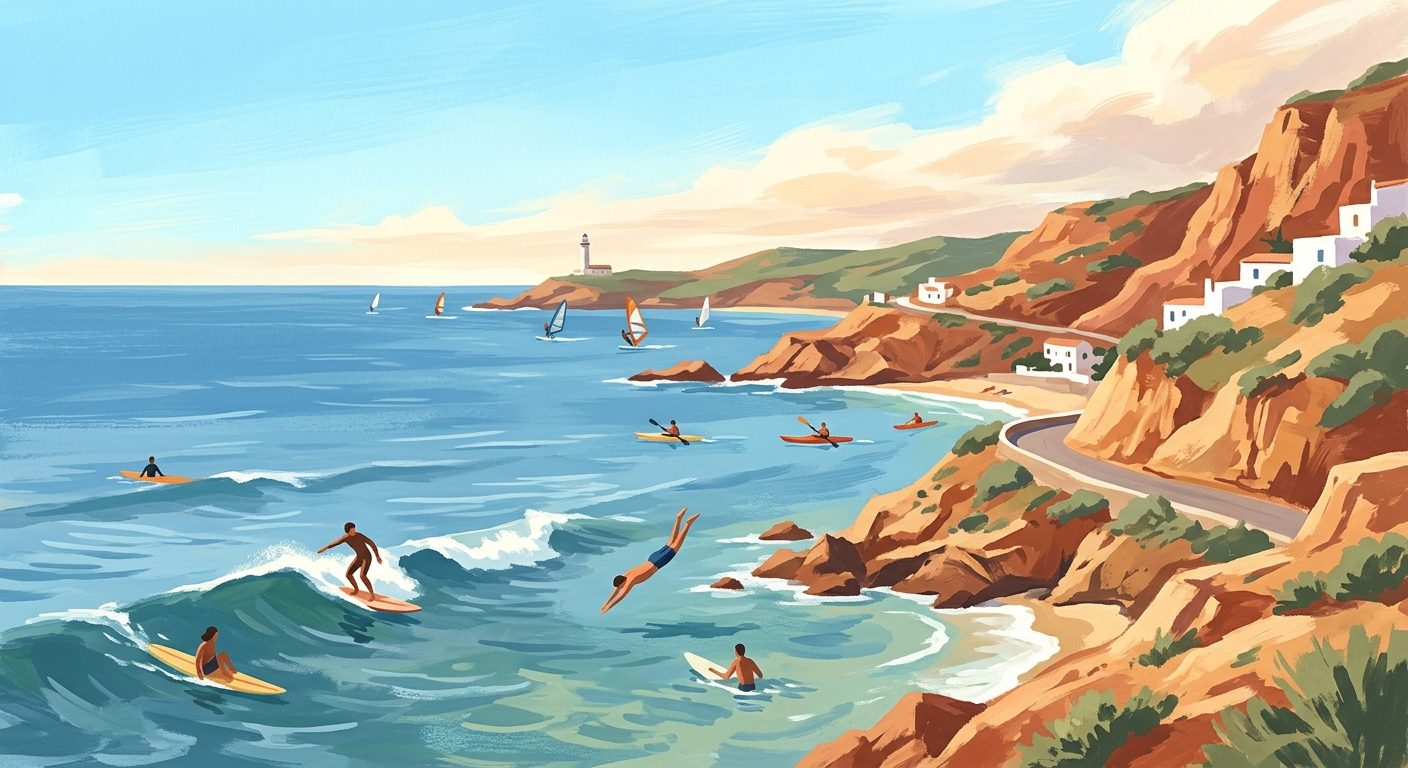
A Guide to Water Sports in Andalucía: Where to Surf, Dive, and Paddle
From the windswept Atlantic coast to the calm waters of the Mediterranean, Andalucía offers world-class conditions for surfing, diving, and kayaking.
5 min read
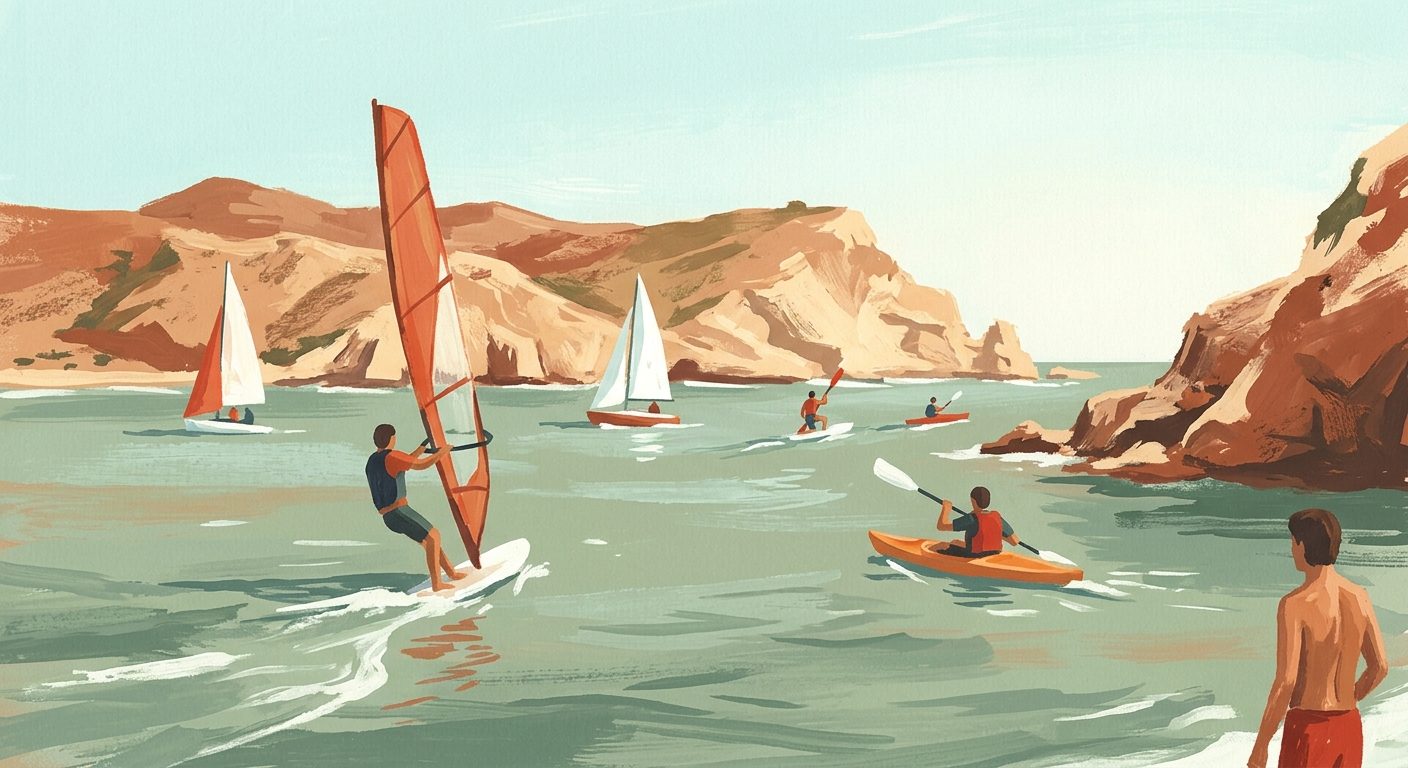
The Best Water Sports in Almería: A Coastal Guide
Discover the rugged volcanic coastline of Almería through world-class diving, kayaking, and paddleboarding in the protected waters of Cabo de Gata.
6 min read
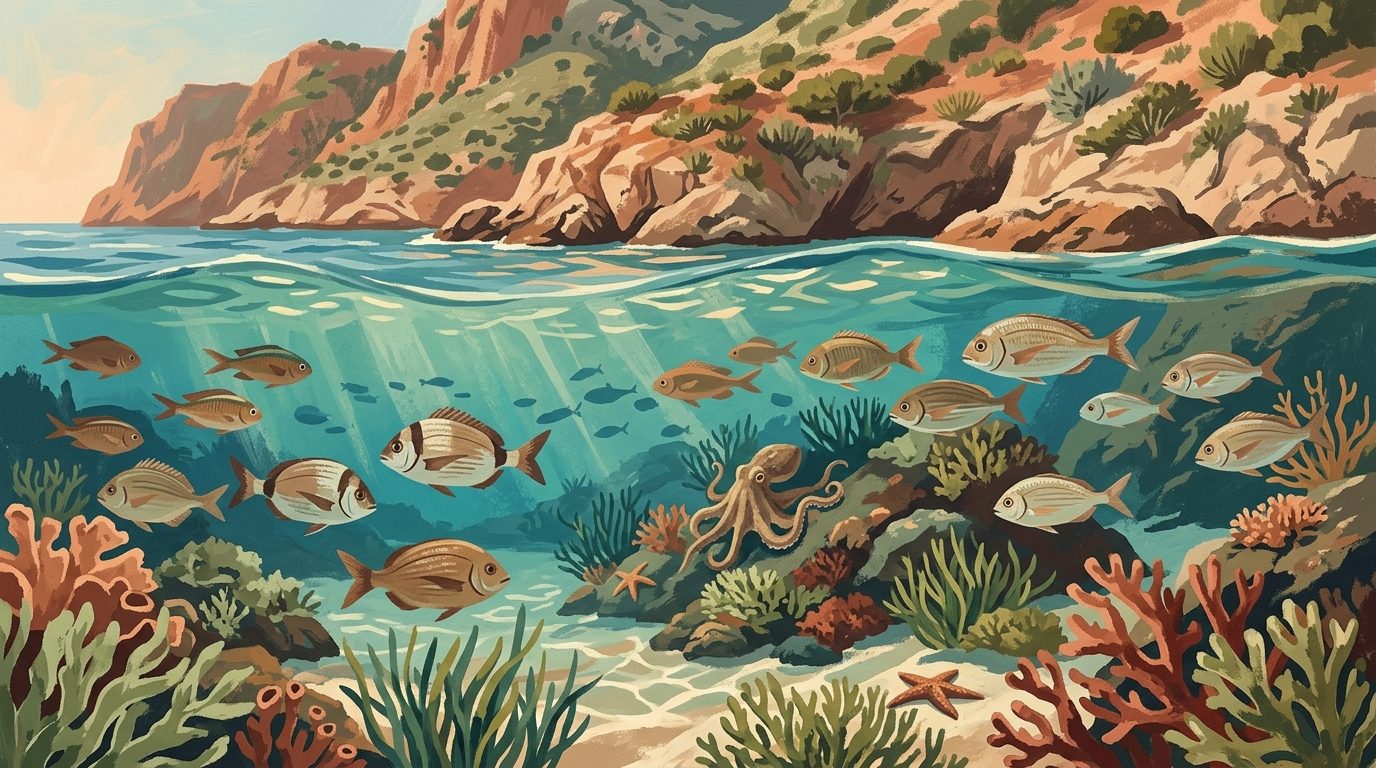
Snorkelling & Marine Life of the Costa Tropical
Discover the underwater world of Granada's Costa Tropical, where clear Alborán waters host octopus, peacock wrasse, and protected seagrass meadows.
6 min read
More from Huelva

The Best Day Trips from Huelva
Huelva serves as the perfect launchpad for exploring the crimson Rio Tinto, the caves of Aracena, and the wild marshes of Doñana National Park.
6 min read
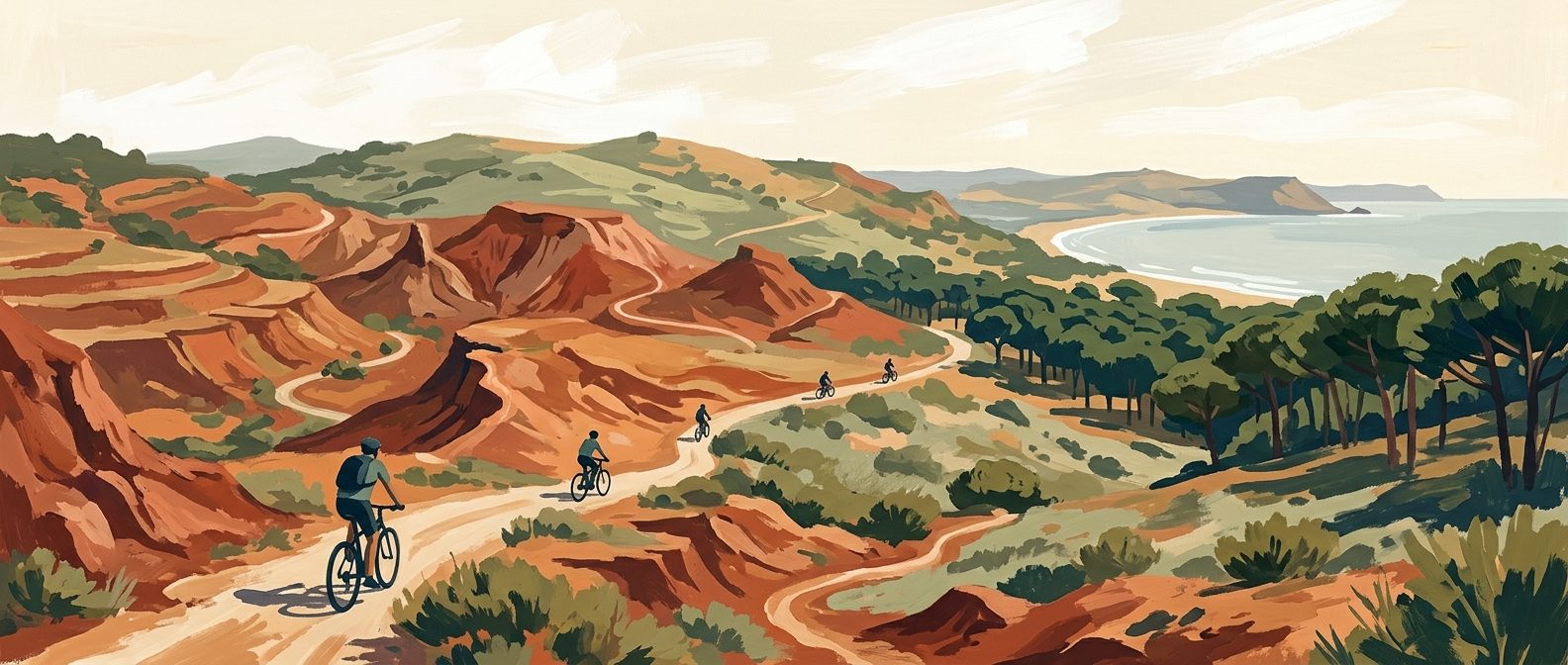
Exploring Huelva on Two Wheels: From Martian Landscapes to Coastal Pines
Discover the diverse cycling routes of Huelva, from the iron-red trails of the Rio Tinto to the shady chestnut forests of the Sierra de Aracena.
6 min read
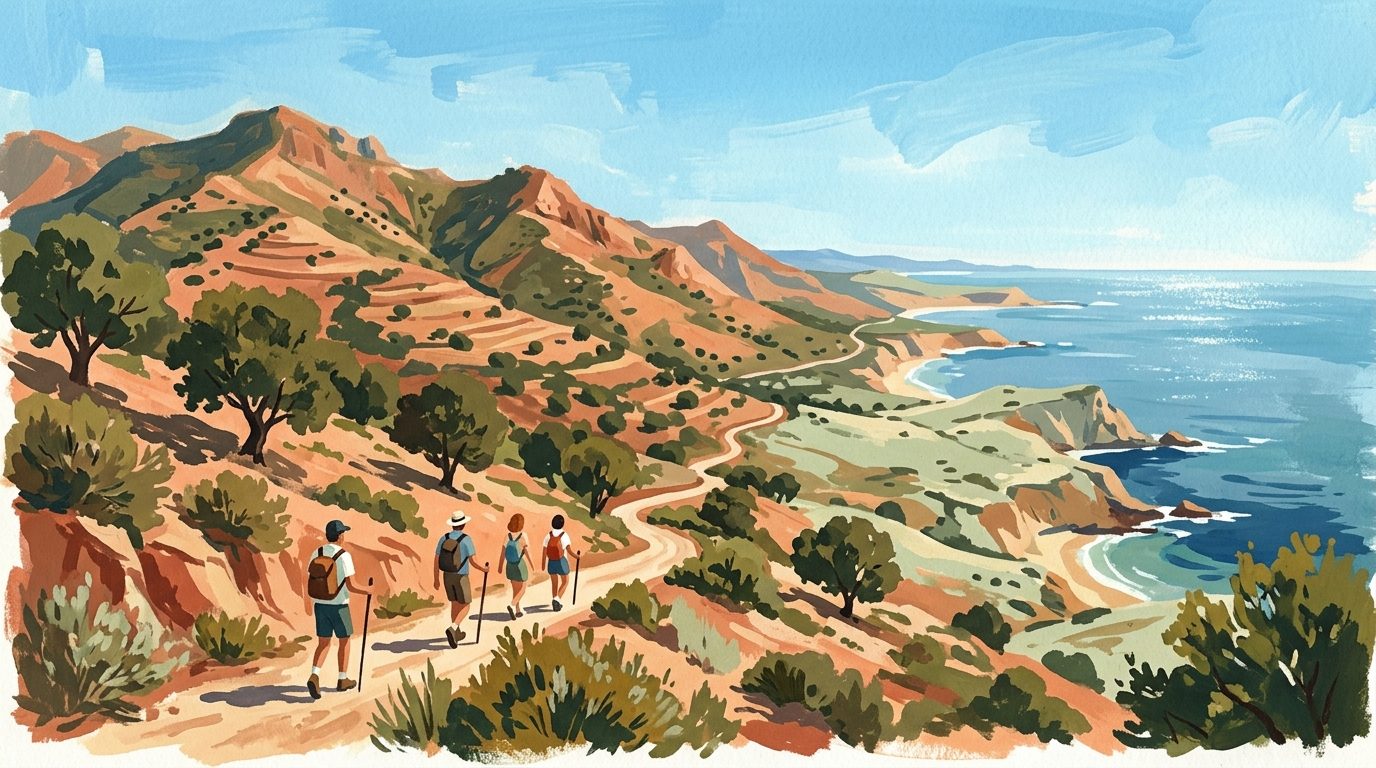
Hiking and Walking in Huelva: Trails from the Mountains to the Atlantic
Huelva offers a remarkable variety of terrain, from the dense chestnut forests of the Sierra de Aracena to the salt marshes of the Atlantic coast. It remains one of the least developed provinces for walking, providing quiet trails and authentic mountain villages.
6 min read
Newsletter
More stories from Andalucía
Weekly notes, seasonal picks, and the next guides worth bookmarking.