
Place guide · Málaga
A Guide to Playa de Maro: The Best Snorkelling Beach on the Costa del Sol
Playa de Maro is a rugged, cliff-backed cove that offers some of the clearest waters in the Province of Málaga. This protected stretch of the coast provides a wilder alternative to the urban beaches of nearby Nerja.
By Dan · Updated 11 May 2026 · 7 min read
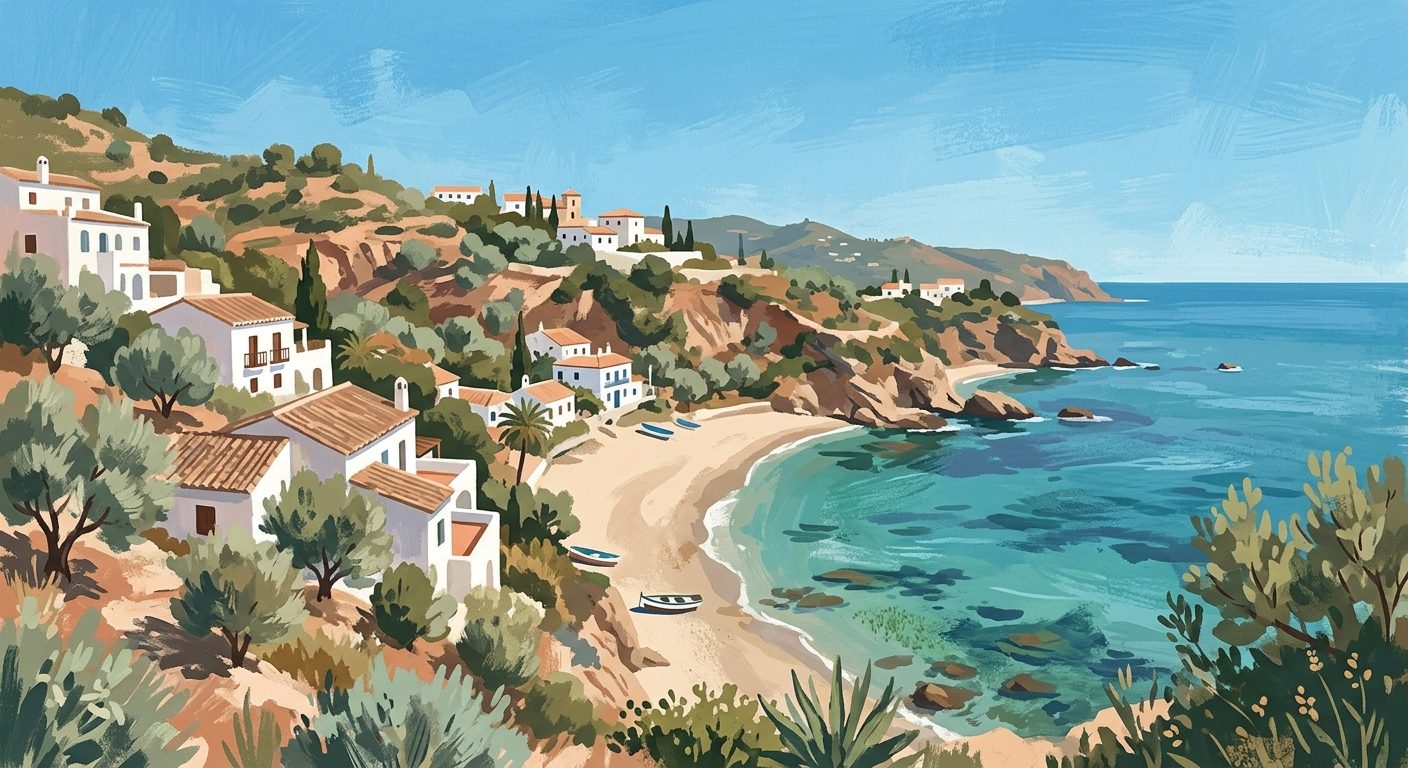
Playa de Maro is a rugged, cliff-backed cove that offers some of the clearest waters in the Province of Málaga. This protected stretch of the coast provides a wilder alternative to the urban beaches of nearby Nerja.
Introduction
Playa de Maro represents a dramatic shift in the landscape of the Costa del Sol. As you travel east from the high-rise developments of central Málaga, the terrain begins to buckle and rise, culminating in the Acantilados de Maro-Cerro Gordo Natural Area. This is a place where the mountains meet the Mediterranean in a series of jagged cliffs and secluded coves. Unlike the manicured, golden sands found further west, Maro is defined by its raw, natural state and its status as a protected marine reserve. The beach sits below the small village of Maro, surrounded by agricultural terraces where locals grow avocados, tomatoes, and tropical fruits under the intense Andalucían sun.
What sets this beach apart is the quality of the marine environment. Because fishing is prohibited within the natural area, the underwater biodiversity is exceptional. For those who find the standard resort beaches a little predictable, Maro offers a sense of adventure. It is a location favoured by kayakers, snorkellers, and those who appreciate a landscape that has remained largely unchanged by the tourism boom of the late twentieth century. It is not a beach for those who require valet parking and luxury beach clubs, but for anyone seeking a connection with the Mediterranean as it used to be, it is an essential stop on any eastern Andalucían itinerary.
The beach itself
The shoreline at Playa de Maro is approximately 500 metres long and is composed of a mixture of coarse dark sand, shingle, and small pebbles. It is not the soft, powdery sand that many families might expect, so wearing aqua shoes or sturdy sandals is highly recommended for comfort. The water clarity here is frequently cited as the best in the province, often appearing turquoise or emerald depending on the light. This transparency is due to the rocky seabed and the presence of healthy seagrass meadows, which act as a natural filtration system.
The beach is renowned for its water quality and the provision of basic services during the summer months. Despite its rugged appearance, it is a family-friendly spot, though the steep access path can be a challenge for those with very young children or heavy equipment. While Maro is a textile (clothed) beach, it is situated within a natural area where several adjacent coves, such as Las Caletillas or Playa de las Alberquillas further east, are designated for naturism. At Maro, the atmosphere is generally relaxed and respectful, attracting a mix of local families from Nerja and international travellers who come for the scenery.
Getting there & parking
Playa de Maro is located about 55 kilometres east of Málaga. If you are driving from Málaga-Costa del Sol Airport, the journey takes roughly 50 to 60 minutes via the A-7 motorway. You should take exit 295 towards Nerja and Maro. From the village of Maro, a narrow, winding road leads down towards the sea. During the low season, you may be able to drive partway down and find a spot along the roadside, but this is increasingly difficult as the weather warms up.
The parking reality at Maro is one of the most challenging aspects of the visit. In the peak summer months (July and August), the local authorities often close the access road to private vehicles to prevent gridlock. During this time, a shuttle bus operates from the village centre to the beach for a small fee. For 2026, visitors should check with the Nerja tourism office for exact start dates, as services often begin in mid-June. If you choose to walk from the village, it is a scenic 15 to 20 minute downhill trek, but the return journey in the afternoon heat is strenuous. Public transport is available via the ALSA bus service which runs from Málaga and Nerja to the village of Maro, but from the bus stop, you will still need to make the descent to the water on foot.
Facilities & chiringuitos
While Maro feels wild, it is not entirely devoid of comforts. The primary establishment is Restaurante Playa Maro, a traditional chiringuito that has served visitors for decades. They specialise in local seafood, with the espetos de sardinas (sardines grilled on a skewer over an open fire) being a staple. During the summer, they also prepare large pans of paella that are popular with the lunch crowd. The restaurant provides a shaded terrace which is a welcome escape from the midday sun.
Next to the restaurant, you will find a small kiosk for sun-bed and umbrella hire, though these sell out quickly in July and August. There are basic freshwater showers and toilets available for public use during the high season. Lifeguards are on duty from mid-June through to mid-September. One of the most popular facilities at Maro is the kayak and paddleboard rental centre, often operated by companies like Salamandra. Taking a kayak out is the only way to see the famous Cascada de Maro, a freshwater waterfall that tumbles directly into the sea from the cliffs just a few hundred metres east of the main beach.
Best time to visit
To experience Playa de Maro at its best, you should aim for the shoulder seasons of June or September. During these months, the water temperature is ideal for swimming, and the crowds are significantly thinner than in the height of summer. If you must visit in August, it is vital to arrive before 9:00 am to secure a place to park and a prime spot on the shingle. By midday in summer, the beach can feel cramped, and the tranquil atmosphere is replaced by the hum of a hundred different conversations.
Winter visits are perfect for hikers and photographers, as the clarity of the air often allows for views all the way to the African coastline. However, the beach is exposed to easterly winds (the Levante), which can make the water choppy and blow sand around the cove. Most facilities, including the chiringuito and kayak rentals, operate on a reduced schedule or close entirely from November through to March. Always check the wind forecast before heading down, as a strong easterly wind can turn the calm turquoise water into a frothy, difficult sea within an hour.
Combine with
A visit to Playa de Maro pairs perfectly with a trip to the Cueva de Nerja (the Nerja Caves). The cave entrance is located just above the village of Maro, less than five minutes away by car. These enormous limestone caverns contain the world's widest column and a series of prehistoric paintings. It is a cool, subterranean escape that provides a sharp contrast to the heat of the beach. After exploring the caves and the cove, heading into the town of Nerja for an evening stroll is the logical conclusion to the day.
In Nerja, the Balcón de Europa offers a stunning panoramic view of the coastline you have just explored from sea level. The town centre is full of tapas bars and restaurants, though it is considerably more tourist-oriented than the quiet streets of Maro village. If you prefer to stay in the natural world, you could also combine Maro with a visit to the nearby Playa de Cantarriján, another beautiful cove located just across the provincial border in Granada, which is famous for its sunset views and its relaxed, naturist-friendly environment.
Practical notes
Preparation is key for a successful day at Maro. Because the beach is pebbly, a thick towel or a padded beach mat is a much better choice than a thin sheet. Snorkelling gear is non-negotiable here; even if you only swim a few metres from the shore, you are likely to see schools of sea bream, wrasse, and occasionally an octopus hiding among the rocks. Regarding accessibility, the path to the beach is steep and may be difficult for individuals with limited mobility. There are no ramps for wheelchair access to the water.
Local regulations regarding dogs are strict; pets are generally not allowed on the beach during the high season (June to September), though you may see locals walking dogs in the very early morning or late evening during the winter. As this is a protected area, visitors are expected to take all rubbish back to the bins at the top of the beach. Finally, be aware of the currents. While the cove is generally sheltered, the water gets deep quite quickly, which is something to keep in mind if you are supervising children who are not strong swimmers.
Last reviewed: 21 June 2026 · Editorial policy
Related guides
Playa de Cantarriján: A Comprehensive Guide to Granada's Premier Naturist Beach
Playa de Cantarriján is a protected naturist-friendly cove on the Granada coast, offering crystal-clear water and a tranquil escape from the busier resorts.
7 min read
Playa de Burriana: A Guide to Nerja's Premier Beach
Discover Playa de Burriana, the most iconic beach in Nerja, known for its wide sands, excellent chiringuitos, and clear waters on the Costa del Sol.
7 min read
A Guide to Water Sports in Málaga: From SUP to Scuba
Discover the best locations for stand-up paddleboarding, diving, and jet skiing along the Costa del Sol with our practical guide to Málaga's water sports.
6 min read
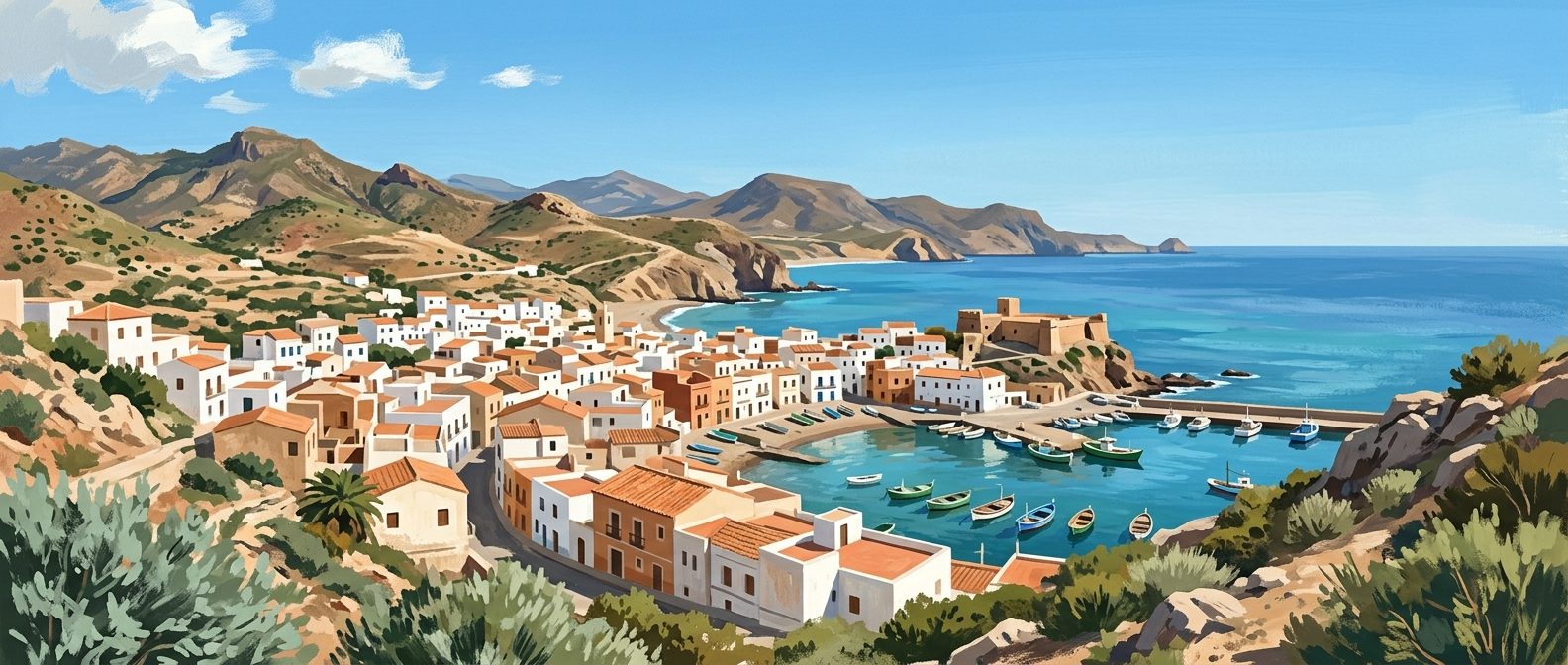
Carboneras: An Authentic Maritime Gateway to Cabo de Gata
Carboneras offers an authentic look at Almería's fishing traditions and serves as a gateway to the spectacular Playa de los Muertos.
5 min read
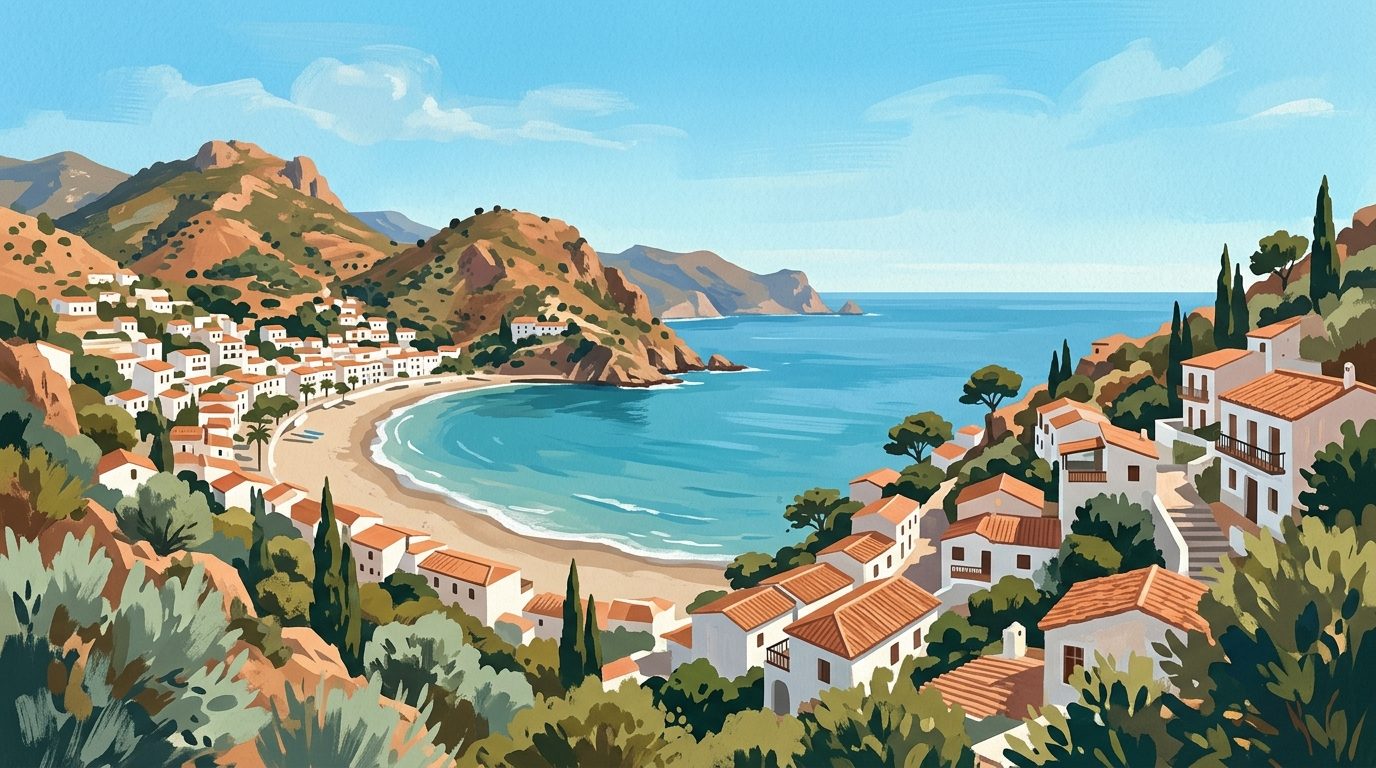
A Guide to La Herradura: Granada’s Curved Coastal Retreat
A perfect horseshoe bay on the Costa Tropical, La Herradura offers some of the best diving in Spain and a slower pace of life than its western neighbours.
6 min read
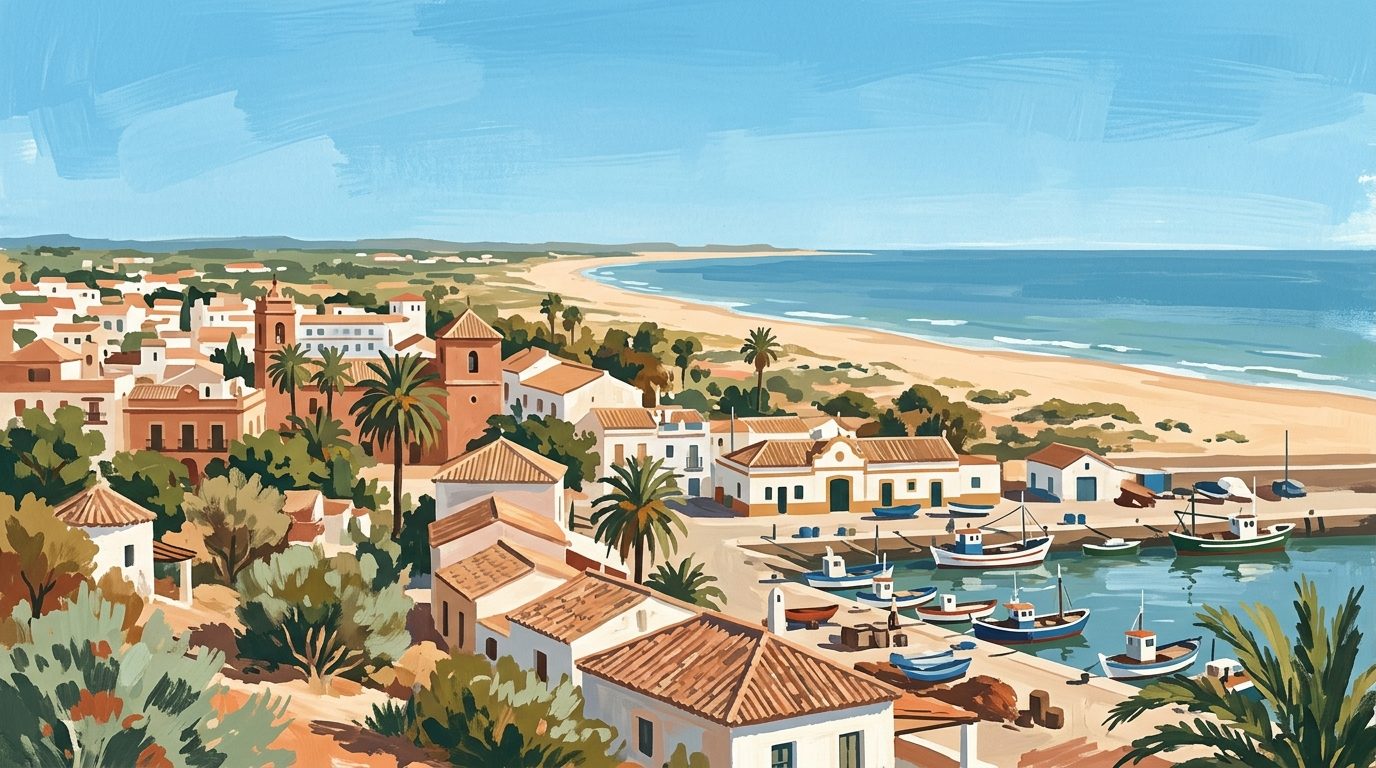
Isla Cristina: The Maritime Heart of the Costa de Huelva
Discover Isla Cristina, Huelva's premier fishing port, where you can explore vast Atlantic beaches, traditional salt pans, and some of Spain's freshest seafood.
6 min read
More from Málaga
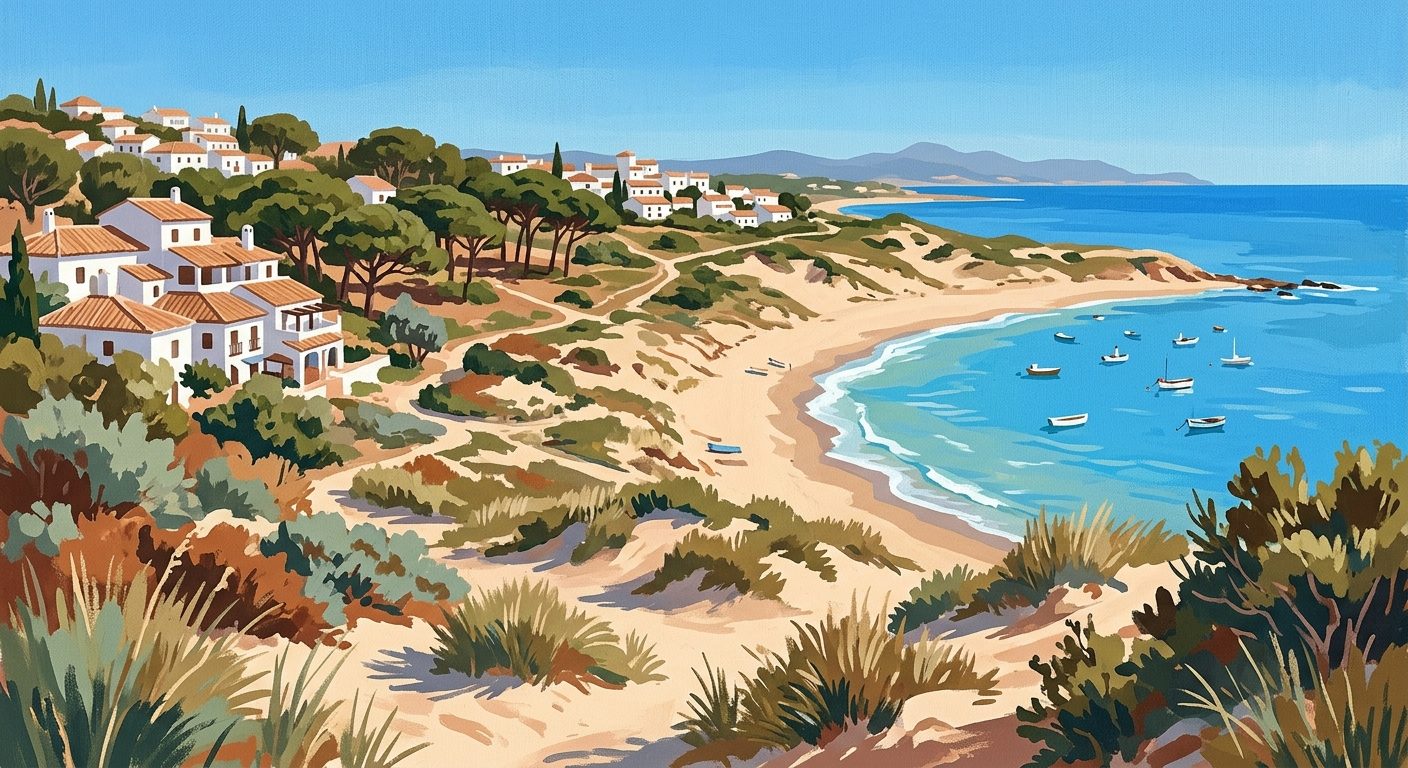
Playa de Cabopino: Dunes, Pines and Clear Waters near Marbella
A protected enclave of natural dunes and fine sand situated between Marbella and Fuengirola. This coastal stretch offers a rare glimpse of the original Mediterranean landscape.
7 min read
A Local Guide to Playa de La Malagueta in Málaga
Playa de La Malagueta is the iconic urban beach of Málaga, known for its dark sand, sardine skewers, and immediate proximity to the city centre.
7 min read
Playa de la Fontanilla: Marbella's Premier Urban Beach
Playa de la Fontanilla is the quintessential Marbella town beach, offering refined amenities and a prime location right on the Paseo Marítimo. This central stretch of coastline provides a sophisticated urban beach experience with excellent dining and accessible facilities.
6 min read
Playa de Puerto Banús: A Guide to the Most Prestigious Sands in Marbella
Discover Playa de Puerto Banús, a refined golden sand beach in Marbella known for its calm waters and luxury amenities. Explore the best chiringuitos, parking tips, and why this Blue Flag beach is perfect for families.
8 min read
Exploring Sierra de las Nieves National Park
Discover the prehistoric Spanish fir forests and the rugged limestone peaks of the Sierra de las Nieves, Málaga’s first National Park.
6 min read
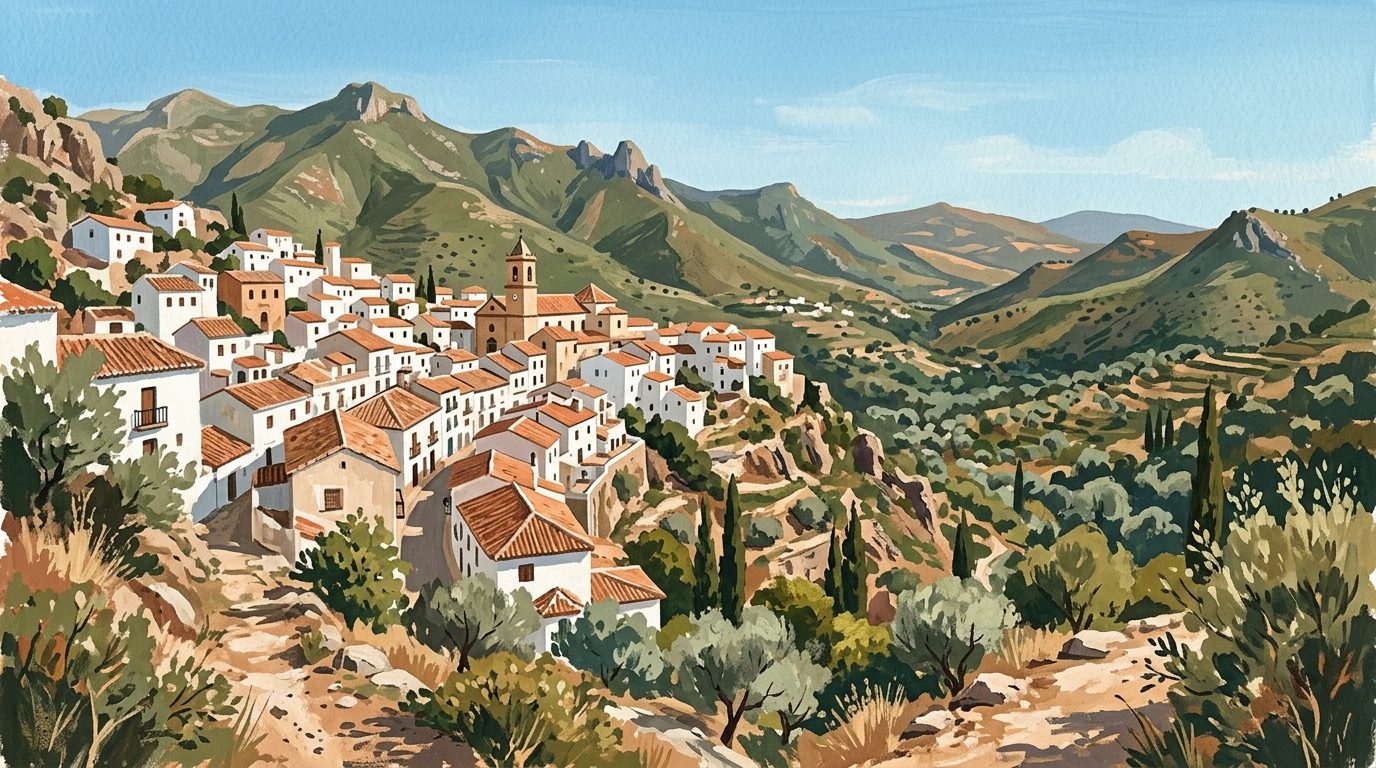
A Guide to Benahavís: The Gastronomic Heart of the Costa del Sol
Discover the culinary heart of the Costa del Sol in Benahavís, a mountain village famed for its high-end dining, river adventures, and stunning views of the Mediterranean.
5 min read
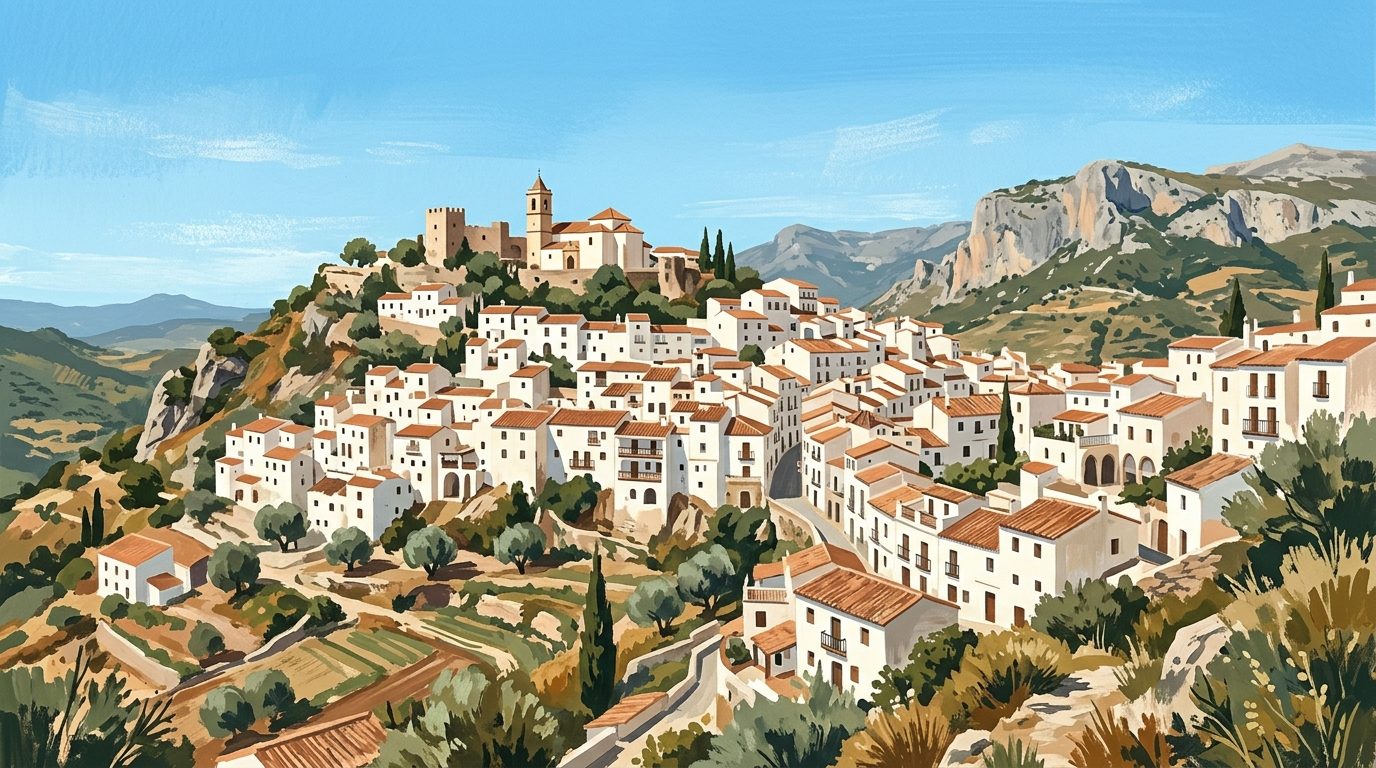
Casares: A Guide to the White Village of the Sierra Cristellina
Casares sits precariously on a limestone ridge, its whitewashed houses stacked like sugar cubes beneath the remains of a Moorish fortress.
6 min read
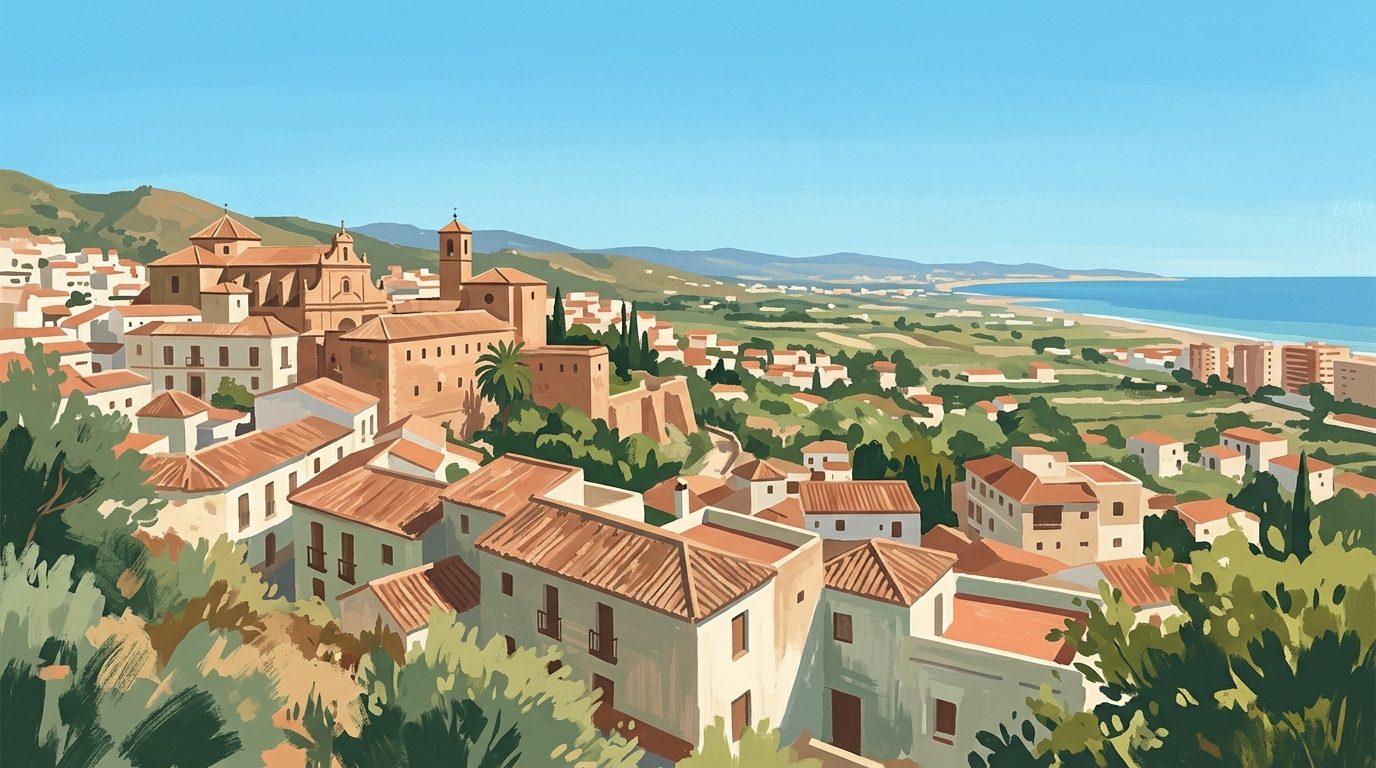
A Guide to Vélez-Málaga and Torre del Mar: History and Coast in the Axarquía
Discover the dual appeal of the Axarquía capital, from the Moorish fortress of Vélez-Málaga to the extensive Mediterranean promenade of Torre del Mar.
5 min read
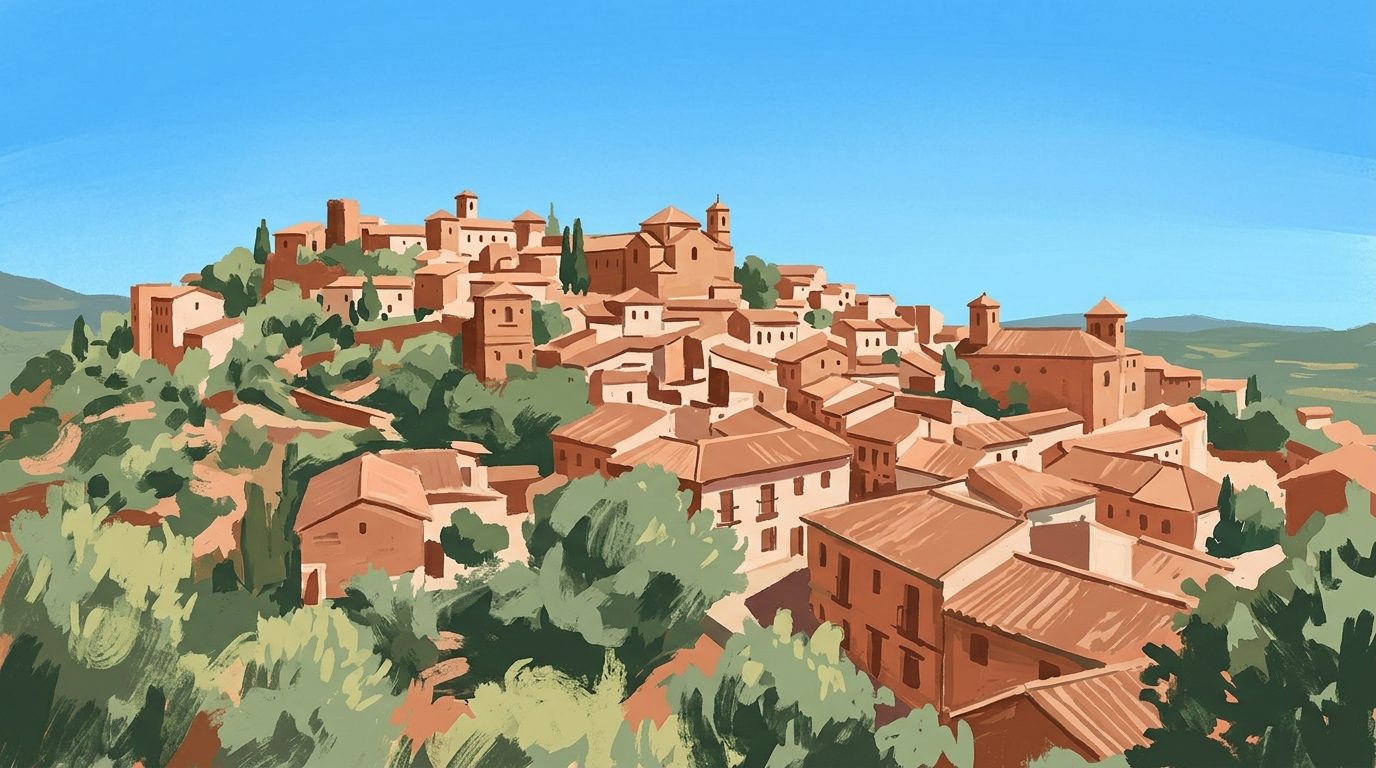
Archidona: The Octagonal Heart of Inland Málaga
Discover Archidona, a northern Málaga town famous for its unique 18th-century octagonal square and a Moorish fortress with views over the olive groves.
5 min read
Newsletter
More stories from Andalucía
Weekly notes, seasonal picks, and the next guides worth bookmarking.