
Place guide · Málaga
Playa de la Fontanilla: Marbella's Premier Urban Beach
Playa de la Fontanilla is the quintessential Marbella town beach, offering refined amenities and a prime location right on the Paseo Marítimo. This central stretch of coastline provides a sophisticated urban beach experience with excellent dining and accessible facilities.
By Dan · Updated 29 June 2026 · 6 min read
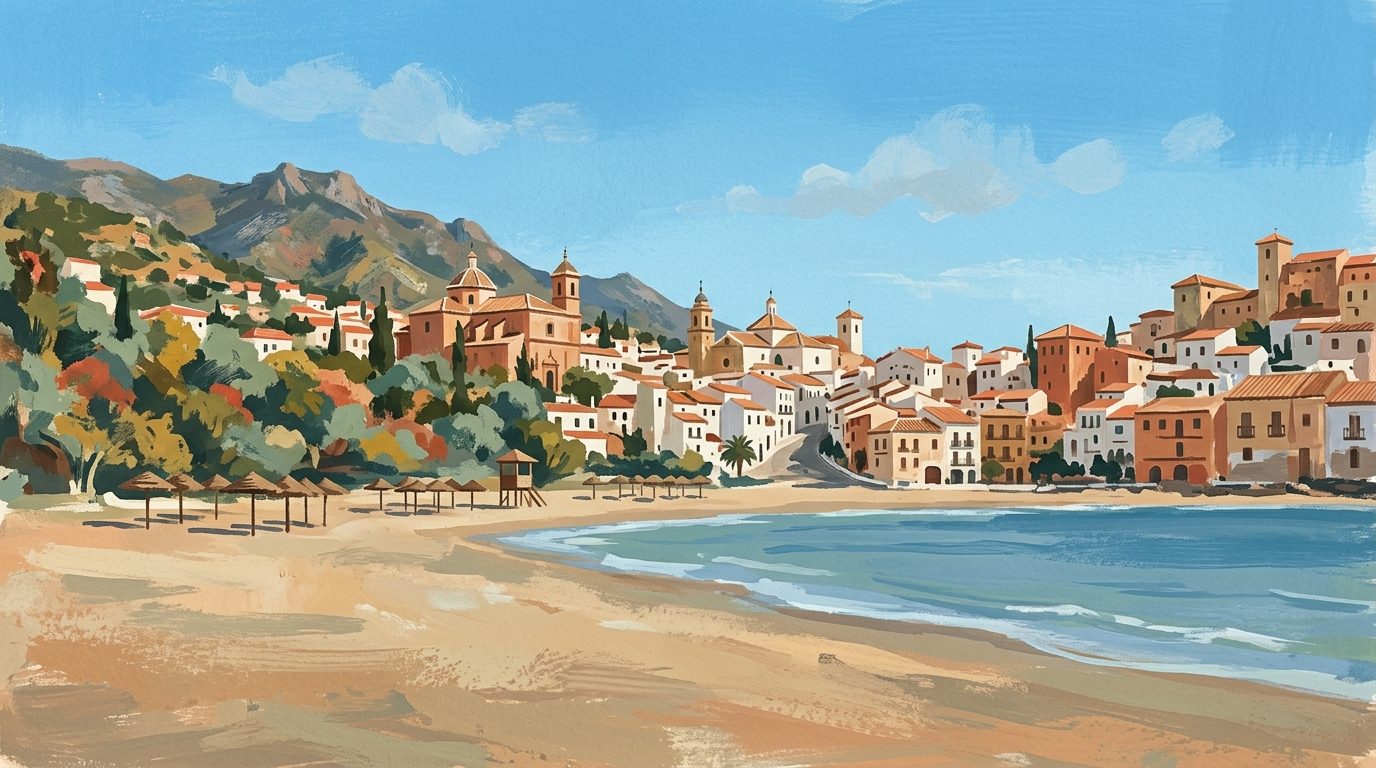
Playa de la Fontanilla represents the heart of coastal life in Marbella. Unlike the wilder, dune-backed beaches found further east towards Artola, this is a fully integrated urban beach that transitions seamlessly from the marble-paved Paseo Marítimo to the Mediterranean Sea. It is the beach of choice for those staying in the town centre who want convenience without sacrificing the quality of services. The atmosphere here is distinctly polished, attracting a mix of local families, international residents, and tourists who appreciate the proximity to Marbella's high-end shops and luxury hotels.
The beach has a reputation for being exceptionally well-maintained, reflecting the city's commitment to its tourism image. While it can become very busy during the height of July and August, the wide promenade and the sheer variety of establishments ensure that there is a sense of order even at peak times. It is not the place for someone seeking solitude or a rugged, natural landscape: it is a place for socialising, people-watching, and enjoying some of the finest seafood in the province while your feet are practically in the sand. The view from the shore looks out over a sea that is frequently dotted with yachts, reinforcing the upscale character of this corner of Andalucía.
The beach itself
Playa de la Fontanilla stretches for approximately 1,100 metres and has an average width of 30 metres. The sand is golden-grey, a characteristic common to the central Costa del Sol. It is fine enough for comfortable sunbathing, though it can become quite hot in the midday sun, so footwear is essential when moving between your lounger and the water. The beach has consistently earned Blue Flag status (confirmed for the 2026 season), which recognises its water quality, environmental management, and safety standards.
The water character here is generally calm. A series of breakwaters (espigones) protect the shoreline from heavy swells, making it an excellent choice for families with young children or those who are not confident swimmers. The seafloor drops away at a gentle gradient, allowing for safe wading. Because of its central location, there are no naturist sections on this beach: clothing is mandatory, and the vibe is conservative and family-oriented. There is a strong presence of seasonal lifeguards, and the water clarity is usually good, although it can become slightly clouded near the shore on days when the Levante wind brings in more surf.
Getting there & parking
Reaching Playa de la Fontanilla is straightforward if you are already in Marbella town centre, as it is within walking distance of most major landmarks. If you are travelling from further afield, such as Málaga Airport, the drive takes approximately 45 to 55 minutes depending on traffic. You can choose between the AP-7 toll road, which is faster and less congested, or the A-7 coastal road, which offers better views but is prone to delays.
Parking is the primary challenge for visitors. Because the beach is located in a high-density urban area, finding a free spot on the street is almost impossible during the summer months and at weekends. The most reliable options are the underground car parks. Parking Indigo Avenida del Mar and Parking Plaza de la Victoria are both located a short walk from the sand. These facilities are clean and secure, though they can be expensive for a full day of use. If you are using public transport, the Avanza bus service connects Marbella with Málaga city and the airport. The main Marbella bus station is located on the outskirts, so you will need to take a local L1 bus or a taxi to reach the beach from there.
Facilities & chiringuitos
The facilities at Playa de la Fontanilla are among the best in the province. The Paseo Marítimo runs the entire length of the beach, providing a level, accessible surface for walking, cycling, or pushing prams. Every few hundred metres, you will find public showers and toilets, which are generally kept in good condition during the high season. For those who prefer comfort, numerous providers offer sun-bed and parasol hire, typically ranging from 15 to 30 Euros depending on the proximity to the water and the level of service.
The culinary offering is a major draw. Restaurante La Fontanilla is a local institution, famous for its fresh seafood and salt-baked fish. It offers a more formal dining experience than a standard beach shack. For a more relaxed but still high-end atmosphere, Trocadero Playa provides a colonial-style setting with comfortable loungers and a sophisticated cocktail menu. Chiringuito La Red is another popular choice, known for its traditional espetos (sardines grilled on a bamboo skewer over an open fire). These establishments remain open for much of the year, although some may reduce their hours or close briefly in the deepest part of winter.
Best time to visit
The best time to visit Playa de la Fontanilla depends on your tolerance for crowds. To enjoy the warmest water and the most reliable sunshine, July and August are the peak months. However, the beach is incredibly crowded during this period, and you will need to arrive early to secure a good spot on the sand. The heat can also be intense, often exceeding 30 degrees Celsius.
For a more temperate and relaxed experience, May, June, and September are the ideal months. The weather is usually warm enough for swimming, but the beach is far less congested. October can also be a wonderful time to visit, as the Mediterranean often retains enough heat for a late-season dip. In winter, the beach is a favourite for walkers and runners. While most of the sun-bed concessions are removed from November to March, many of the restaurants stay open, making it a great spot for a sunny Sunday lunch. Be aware that winter can bring occasional strong winds from the Atlantic, which can make the beach feel chilly despite the sun.
Combine with
A visit to Playa de la Fontanilla is easily combined with an exploration of Marbella Casco Antiguo (the Old Town). A ten-minute walk inland from the promenade brings you to a maze of whitewashed streets and the famous Plaza de los Naranjos. This area offers a stark contrast to the modern shoreline, with its traditional architecture and historical churches. It is the perfect place to head for dinner after a day on the sand.
Alternatively, you can take a long walk west along the Paseo Marítimo towards Puerto Banús. This route, known as the Golden Mile, passes some of the most expensive real estate in Andalucía. It is a flat, easy walk that takes about an hour and a half, offering beautiful views of the La Concha mountain on one side and the Mediterranean on the other. If you do not want to walk back, a regular ferry service operates between Marbella port and Puerto Banús, providing a scenic perspective of the coastline.
Practical notes
When preparing for a day at Playa de la Fontanilla, it is worth noting that dog access is strictly prohibited during the summer season. There are designated dog-friendly beaches elsewhere in the province, but here you will face fines if you bring a pet onto the sand. Accessibility is a high priority here: there are ramps leading onto the sand and amphibious chairs available for those with limited mobility, usually managed by the Red Cross or local council staff during the summer months.
Safety is well-managed with a clear flag system. Always pay attention to the colour of the flag: green indicates safe swimming, yellow warns of caution, and red means swimming is strictly forbidden. While the water is generally safe, be mindful of the occasional jellyfish (medusas) that can appear when the wind blows from the east. Bringing a high-factor sunscreen is essential, as the reflection from the pale sand and the sea can cause rapid burning. If you are planning to eat at one of the popular chiringuitos during the weekend, booking a table in advance is highly recommended to avoid a long wait.
Last reviewed: 21 June 2026 · Editorial policy
Related guides
Torremolinos: The Original Spirit of the Costa del Sol
Explore Torremolinos, the pioneer of Andalucían tourism, where traditional fishing heritage meets a lively modern shoreline and inclusive nightlife.
5 min read
A Local Guide to Playa de La Malagueta in Málaga
Playa de La Malagueta is the iconic urban beach of Málaga, known for its dark sand, sardine skewers, and immediate proximity to the city centre.
7 min read

The Complete Guide to the Costa del Sol
Spanning 150 kilometres of Mediterranean shoreline, the Costa del Sol is the most developed coastal strip in Spain. Discover where to find quiet coves, excellent seafood and the right resort for your style of travel.
9 min read
A Guide to Playa de La Antilla: The Traditional Atlantic Escape of Lepe
Playa de La Antilla offers a vast expanse of fine golden sand and a family-friendly atmosphere on the Huelva coastline. It remains a firm favourite for those seeking traditional Andalucían summer vibes.
6 min read
A Local Guide to Playa de la Fontanilla in Conil de la Frontera
Playa de la Fontanilla is a wide, golden expanse of Atlantic coastline in Conil de la Frontera, famous for its shallow waters and exceptional seafood restaurants.
7 min read
A Local Guide to the Urban Beaches of Málaga City
Discover the diverse urban beaches of Málaga City, from the central sands of Malagueta to the traditional seafood coves of Pedregalejo and El Palo.
6 min read
More from Málaga
Playa de Burriana: A Guide to Nerja's Premier Beach
Discover Playa de Burriana, the most iconic beach in Nerja, known for its wide sands, excellent chiringuitos, and clear waters on the Costa del Sol.
7 min read
Playa de Cabopino: Dunes, Pines and Clear Waters near Marbella
A protected enclave of natural dunes and fine sand situated between Marbella and Fuengirola. This coastal stretch offers a rare glimpse of the original Mediterranean landscape.
7 min read
A Guide to Playa de Maro: The Best Snorkelling Beach on the Costa del Sol
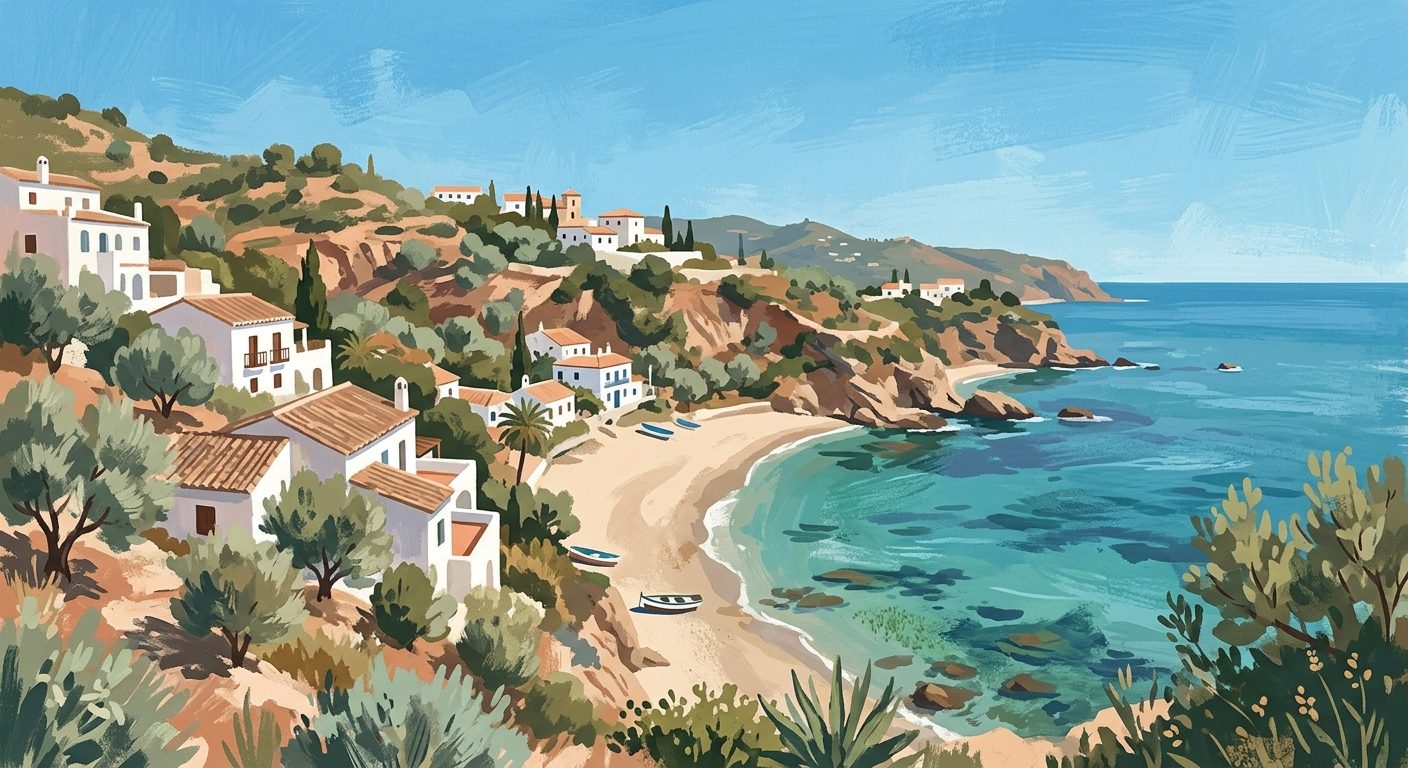
Playa de Maro is a rugged, cliff-backed cove that offers some of the clearest waters in the Province of Málaga. This protected stretch of the coast provides a wilder alternative to the urban beaches of nearby Nerja.
7 min read
Playa de Puerto Banús: A Guide to the Most Prestigious Sands in Marbella
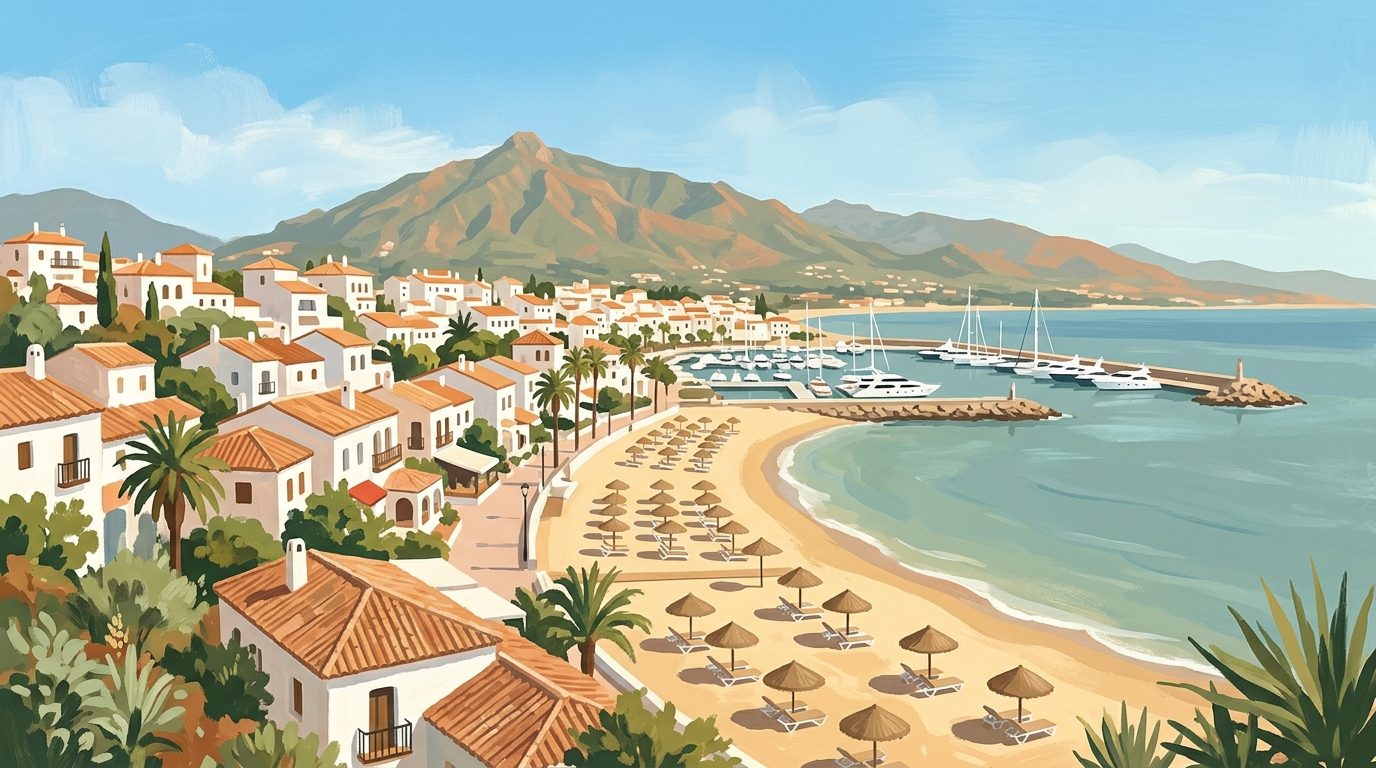
Discover Playa de Puerto Banús, a refined golden sand beach in Marbella known for its calm waters and luxury amenities. Explore the best chiringuitos, parking tips, and why this Blue Flag beach is perfect for families.
8 min read

Exploring Sierra de las Nieves National Park
Discover the prehistoric Spanish fir forests and the rugged limestone peaks of the Sierra de las Nieves, Málaga’s first National Park.
6 min read

A Guide to Benahavís: The Gastronomic Heart of the Costa del Sol
Discover the culinary heart of the Costa del Sol in Benahavís, a mountain village famed for its high-end dining, river adventures, and stunning views of the Mediterranean.
5 min read

Casares: A Guide to the White Village of the Sierra Cristellina
Casares sits precariously on a limestone ridge, its whitewashed houses stacked like sugar cubes beneath the remains of a Moorish fortress.
6 min read

A Guide to Vélez-Málaga and Torre del Mar: History and Coast in the Axarquía
Discover the dual appeal of the Axarquía capital, from the Moorish fortress of Vélez-Málaga to the extensive Mediterranean promenade of Torre del Mar.
5 min read

Archidona: The Octagonal Heart of Inland Málaga
Discover Archidona, a northern Málaga town famous for its unique 18th-century octagonal square and a Moorish fortress with views over the olive groves.
5 min read
Newsletter
More stories from Andalucía
Weekly notes, seasonal picks, and the next guides worth bookmarking.