
Place guide · Granada
Playa de Cantarriján: A Comprehensive Guide to Granada's Premier Naturist Beach
Playa de Cantarriján is a protected naturist-friendly cove on the Granada coast, offering crystal-clear water and a tranquil escape from the busier resorts.
By Dan · Updated 29 June 2026 · 7 min read
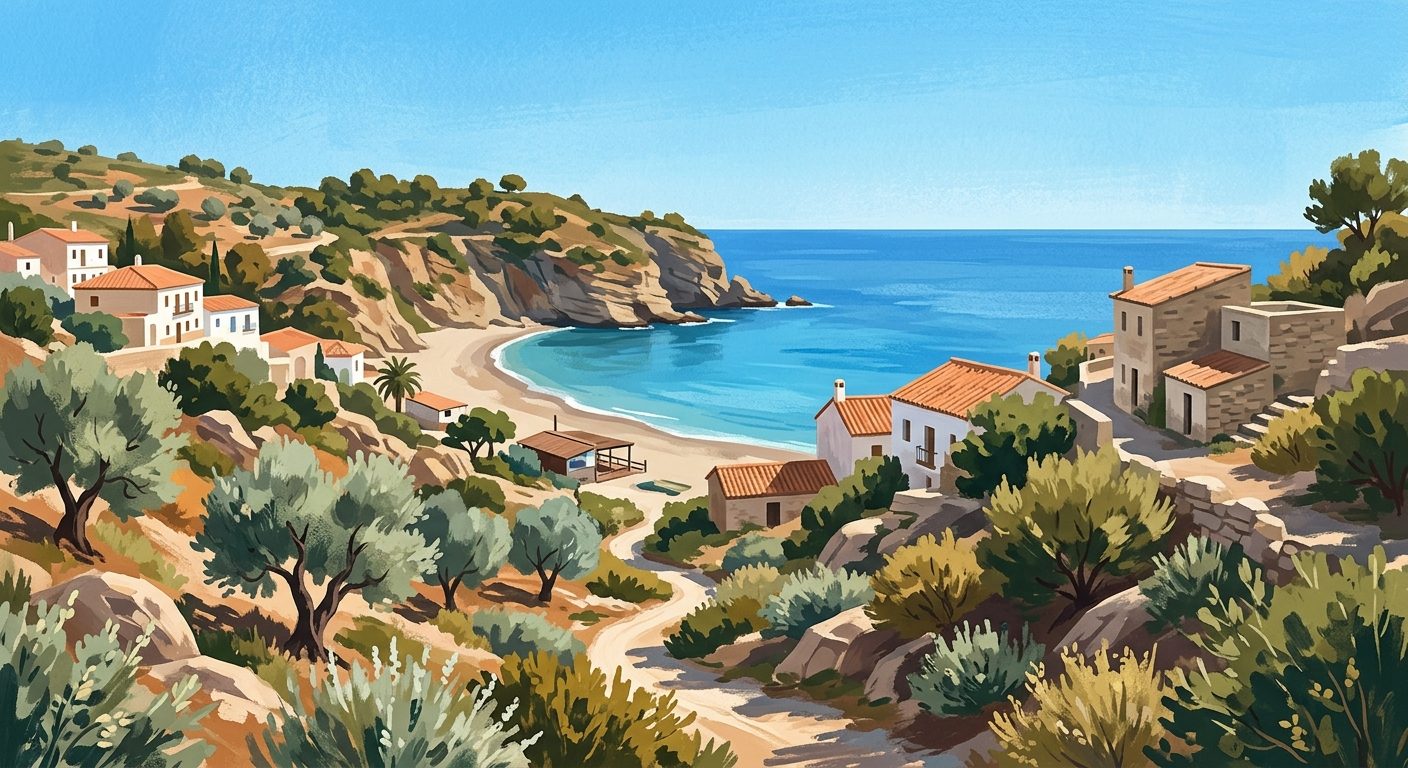
Playa de Cantarriján is a secluded coastal retreat located within the protected Maro-Cerro Gordo Natural Park, famous for its transparent waters and relaxed naturist culture. Accessible via a shuttle bus in the summer months, it offers a distinct alternative to the more developed urban beaches of the Costa Tropical.
Playa de Cantarriján serves as the western gateway to the Granada coastline, sitting right on the border with Málaga province. This beach is not your typical Mediterranean tourist strip: there are no high-rise hotels, no neon signs, and no paved promenades. Instead, it is defined by the steep, pine-clad cliffs of the Maro-Cerro Gordo Natural Park which plunge directly into the sea. This protected status has ensured that the environment remains rugged and authentic, preserving the natural beauty that drew the first travellers to this stretch of coast decades ago.
What makes this location truly distinctive is its long-standing reputation as a naturist-friendly destination. It is widely recognised as one of the most established clothes-optional beaches in Andalucía. However, the atmosphere is notably inclusive: the beach operates on a live-and-let-live basis where naturists and clothed bathers share the space without conflict. The sense of isolation and the requirement to take a shuttle bus during the summer months create a self-selecting crowd of visitors who value tranquillity and nature over convenience. It is a place where the scent of wild rosemary and pine needles mingles with the salt air, offering a sensory experience that is increasingly rare on the Spanish coast.
The beach itself
Playa de Cantarriján is approximately 400 metres in length and is naturally divided into two bays by a rocky outcrop. The first bay, which you encounter immediately upon arriving at the bottom of the access road, is where the two main restaurants and most of the facilities are located. This section tends to be more popular with clothed visitors and families. The second bay, accessible by walking over or around the rocky point to the west, is almost exclusively naturist. This further cove is often quieter and feels even more connected to the wild landscape of the cliffs.
The sand quality at Cantarriján is typical of the volcanic and metamorphic geology of the Costa Tropical. You will not find fine white powder here: the shore consists of dark, coarse sand mixed with small grey pebbles and shingle. While this might be less comfortable for those used to the soft dunes of Cádiz, it has a significant benefit for swimmers. The lack of fine silt means the water remains exceptionally clear, often taking on a deep turquoise or emerald hue. The beach regularly receives the Q for Tourism Quality, reflecting its high environmental standards and clean conditions. Underwater, the rocky seabed is home to extensive Posidonia seagrass meadows, making it a prime location for snorkelling and seeing Mediterranean marine life in its natural habitat.
Getting there & parking
Reaching Playa de Cantarriján requires a bit of planning, particularly regarding the seasonal access restrictions. The beach is located just off the N-340 coast road, roughly 5 minutes west of La Herradura and 15 minutes east of Nerja. From Málaga Airport, the drive is approximately 50 to 60 minutes via the A-7 motorway, taking the exit for La Herradura and then heading west on the old coastal highway.
The parking reality changes significantly depending on the time of year. Between mid-June and mid-September, private vehicles are strictly prohibited from driving down the steep access road to the shore. This measure protects the natural park from congestion and pollution. During this period, you must park your vehicle in the large, designated gravel car park at the top of the cliff. From here, a regular shuttle bus (lanzadera) operates throughout the day, transporting visitors down to the beach and back up for a small fee (approximately €3.00 return; we recommend checking the official Junta de Andalucía environment portal for any mid-season changes to the 2026 schedule). In the low season, from October to May, you are permitted to drive down to the bottom, but the parking area near the sand is very small and fills up rapidly even on sunny winter weekends. For the more energetic, it is possible to walk the path down, but the return climb is exceptionally steep and challenging in the heat.
Facilities & chiringuitos
Despite its remote setting, Cantarriján is well-served by two excellent permanent establishments: Chiringuito La Bola Marina and Restaurante Barraca. These are not flimsy temporary huts but established restaurants known for their high-quality Andalucían coastal cuisine. Restaurante Barraca is particularly famous for its rice dishes and fresh local fish, such as sea bream (dorada) or sea bass (lubina) baked in salt. Chiringuito La Bola Marina offers a slightly more relaxed, bohemian atmosphere, often playing chill-out music that complements the sound of the waves.
Both establishments offer sun-bed (hamaca) and umbrella rentals. Given the pebbly nature of the sand, renting a sun-bed is a wise investment for a full day at the beach. There are basic shower facilities and public toilets maintained by the restaurants, and during the peak summer months, a lifeguard service is on duty to monitor the swimming areas. While there is no major supermarket or shop on the beach, the chiringuitos provide everything from ice creams to full formal meals, meaning you can easily spend the entire day here without needing to bring extensive supplies.
Best time to visit
Timing your visit to Playa de Cantarriján is essential for the best experience. The peak months of July and August can be quite crowded, with queues forming for the shuttle bus and both restaurants reaching capacity by early afternoon. If you visit during this time, it is highly recommended to arrive at the car park before 11:00 am. For those who prefer a quieter experience, the shoulder seasons of late May, June, and September are ideal. During these months, the water is warm enough for swimming, the weather is stable, and the crowds are significantly thinner.
The beach is south-west facing, which means it receives excellent sunlight throughout the day, but it can be affected by the Levante (easterly) winds. While the cliffs provide some protection, a strong wind can cause the sea to become choppy, which reduces the clarity of the water for snorkelling. Winter visits are also highly rewarding for hikers and photographers: the restaurants often stay open on weekends throughout the year, providing a perfect spot for a sunny lunch even in January, provided the wind is calm.
Combine with
A day at Playa de Cantarriján can be perfectly paired with a visit to the nearby town of La Herradura. This horseshoe-shaped bay is just a few kilometres to the east and offers a more traditional town atmosphere with a variety of tapas bars, dive centres, and a pleasant seafront walk. It is an excellent spot to enjoy a sunset drink after the sun has dipped behind the cliffs of Cantarriján.
Alternatively, the Nerja Caves (Cueva de Nerja) are located only 10 minutes away by car. You could spend the morning exploring the vast subterranean caverns and their impressive stalactites before heading to Cantarriján for a refreshing swim and lunch. For those interested in further coastal exploration, the nearby village of Maro offers access to smaller, even more secluded coves that are part of the same natural park system, though these often require a much longer hike to reach.
Practical notes
Before heading to Playa de Cantarriján, there are several practicalities to consider. Firstly, water shoes are highly recommended. The transition from the shore into the water involves navigating smooth but slippery pebbles, and footwear makes this process much easier. The seabed also drops away relatively quickly, so the water becomes deep within a few metres of the shore, which is something for less confident swimmers and parents with young children to keep in mind.
Regarding local regulations, dogs are not permitted on the beach during the high season, and since the beach is part of a natural park, littering is strictly penalised. There is very little natural shade on the sand, so if you are not planning to rent an umbrella from the chiringuitos, you should certainly bring your own. Accessibility is generally good thanks to the shuttle bus, which can accommodate folded wheelchairs, though the sandy and pebbly terrain of the beach itself can be difficult to navigate for those with significant mobility issues. Finally, remember to bring your snorkelling gear: the rocky edges of the cove are teeming with fish, and it would be a missed opportunity to visit such clear water without taking a look beneath the surface.
Last reviewed: 21 June 2026 · Editorial policy
Related guides
A Guide to Playa de Maro: The Best Snorkelling Beach on the Costa del Sol
Playa de Maro is a rugged, cliff-backed cove that offers some of the clearest waters in the Province of Málaga. This protected stretch of the coast provides a wilder alternative to the urban beaches of nearby Nerja.
7 min read
A Guide to La Herradura: Granada’s Curved Coastal Retreat
A perfect horseshoe bay on the Costa Tropical, La Herradura offers some of the best diving in Spain and a slower pace of life than its western neighbours.
6 min read
A Guide to Playa de La Herradura: The Horseshoe Bay of the Costa Tropical
A curved bay on the Costa Tropical providing clear waters and a relaxed alternative to the busier resorts of Málaga. It remains a favourite for scuba divers and families seeking a classic Mediterranean setting.
7 min read
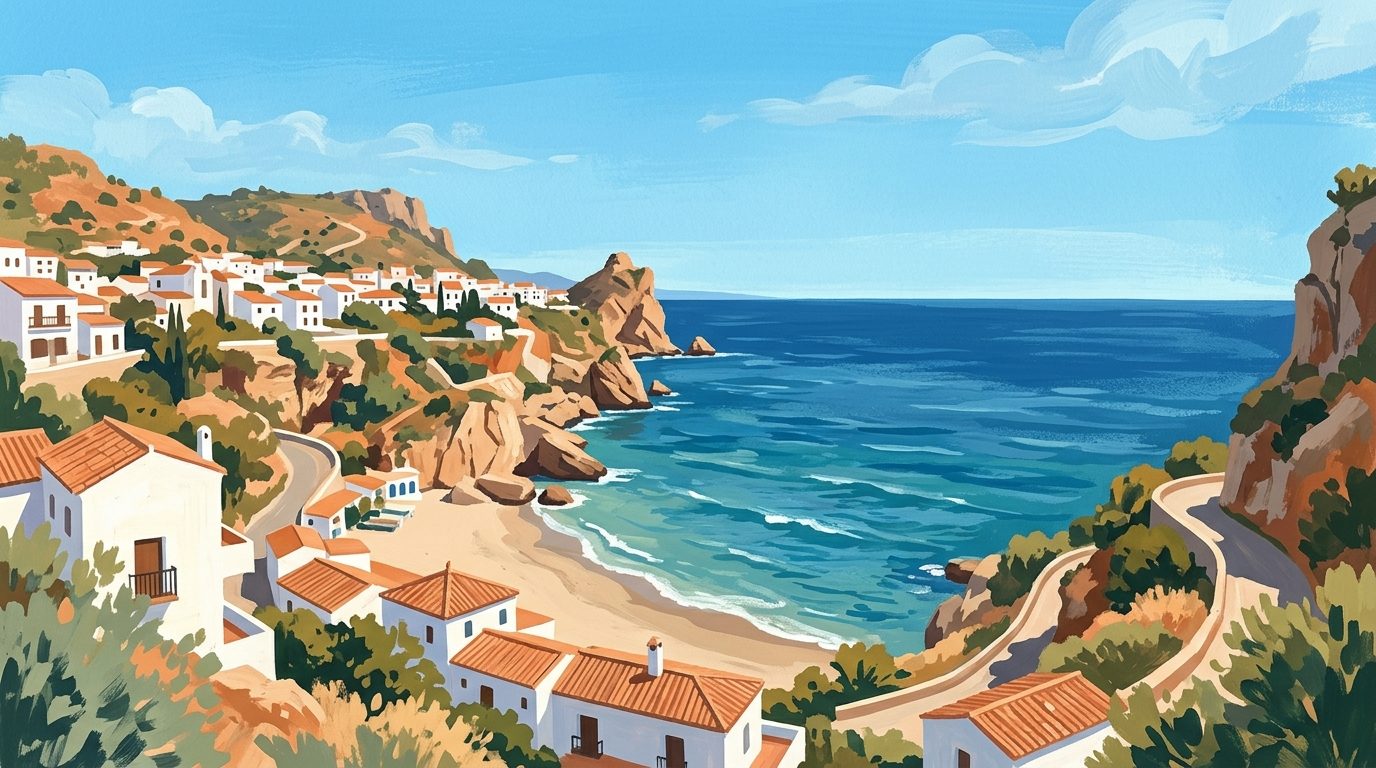
Playa de Calahonda (Granada) Beach Guide
Playa de Calahonda in Granada offers deep, crystal-clear waters and a dramatic limestone cliff backdrop. This Blue Flag beach is a favourite for snorkelling and authentic Andalucían seafood.
7 min read
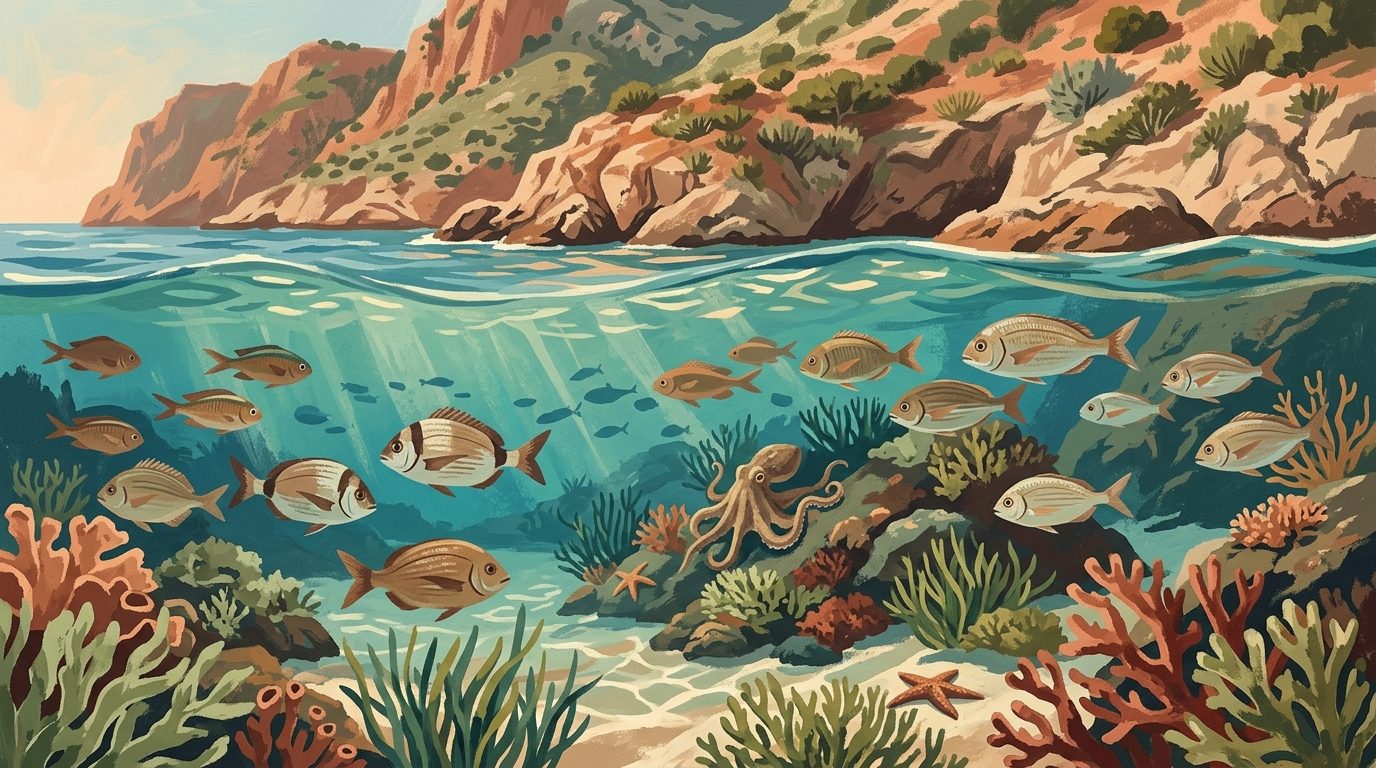
Snorkelling & Marine Life of the Costa Tropical
Discover the underwater world of Granada's Costa Tropical, where clear Alborán waters host octopus, peacock wrasse, and protected seagrass meadows.
6 min read
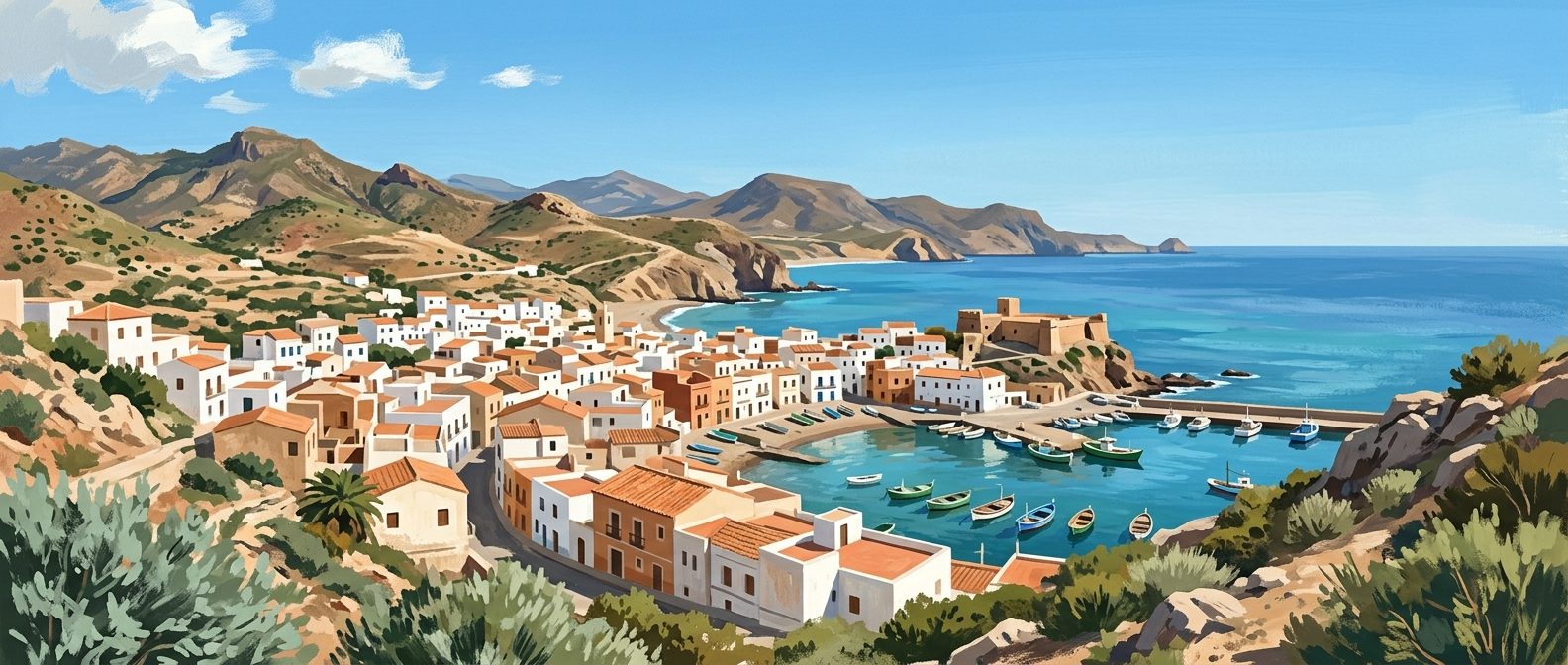
Carboneras: An Authentic Maritime Gateway to Cabo de Gata
Carboneras offers an authentic look at Almería's fishing traditions and serves as a gateway to the spectacular Playa de los Muertos.
5 min read
More from Granada

A Guide to Playa de Salobreña on the Costa Tropical
Playa de Salobreña is a vast stretch of dark sand and clear water on the Costa Tropical, overlooked by a historic Moorish castle and dramatic cliffs.
7 min read

Exploring Baza: The Gateway to Granada’s High Plateau
Discover Baza, a historic gateway to Granada's Altiplano featuring ancient cave dwellings, remarkably preserved Arab baths, and the legacy of the Iberian Lady of Baza.
6 min read
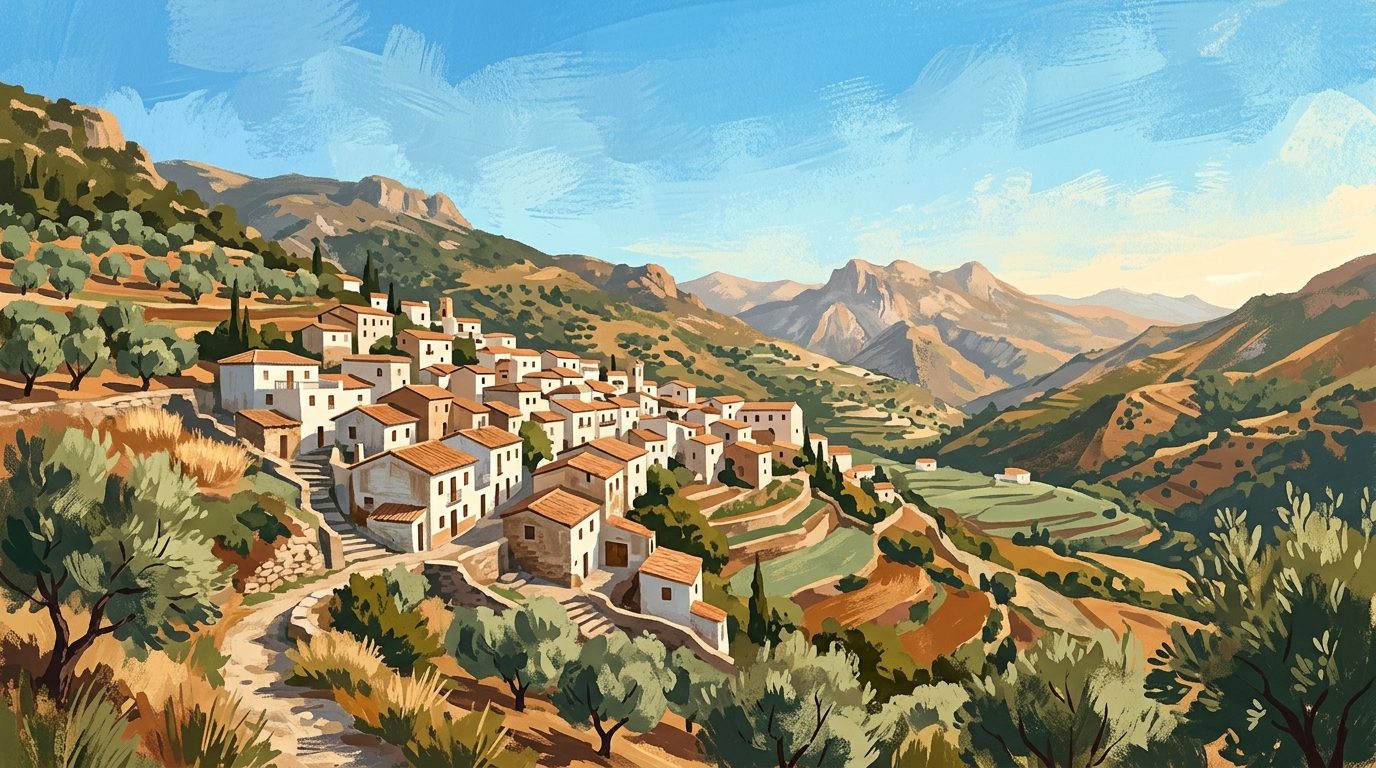
Yegen: Following the Footsteps of Gerald Brenan in the Eastern Alpujarra
Discover Yegen, the tranquil Alpujarran village made famous by writer Gerald Brenan, featuring traditional architecture and scenic mountain trails.
5 min read
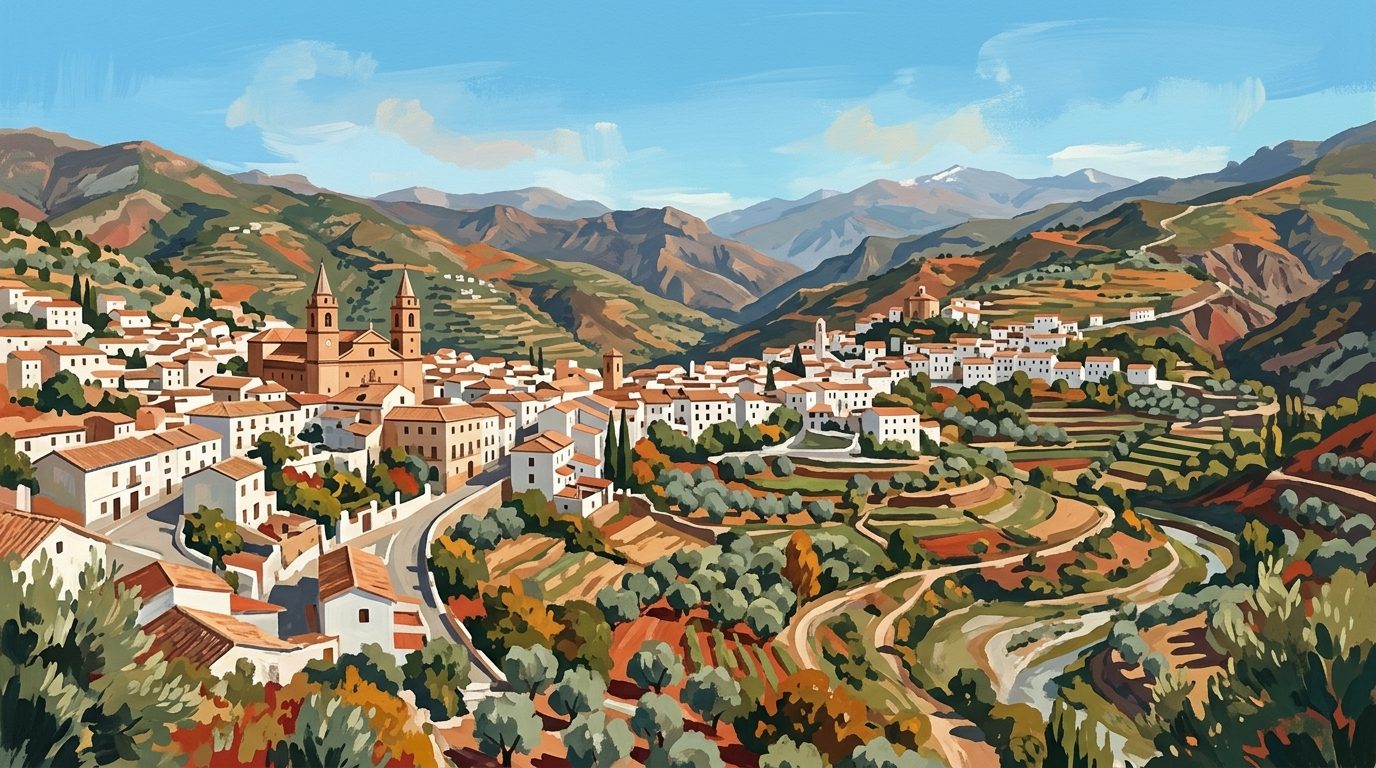
Órgiva: The Eclectic Heart of the Alpujarra Granadina
Discover Órgiva, the unique market town of the Alpujarras where traditional Spanish culture meets an international alternative community.
6 min read

Exploring the Albaicín: Granada’s Medieval Moorish Quarter
Rising steeply above Granada, the Albaicín is a medieval Moorish quarter of whitewashed houses, secret gardens, and the city's most spectacular Alhambra views.
5 min read
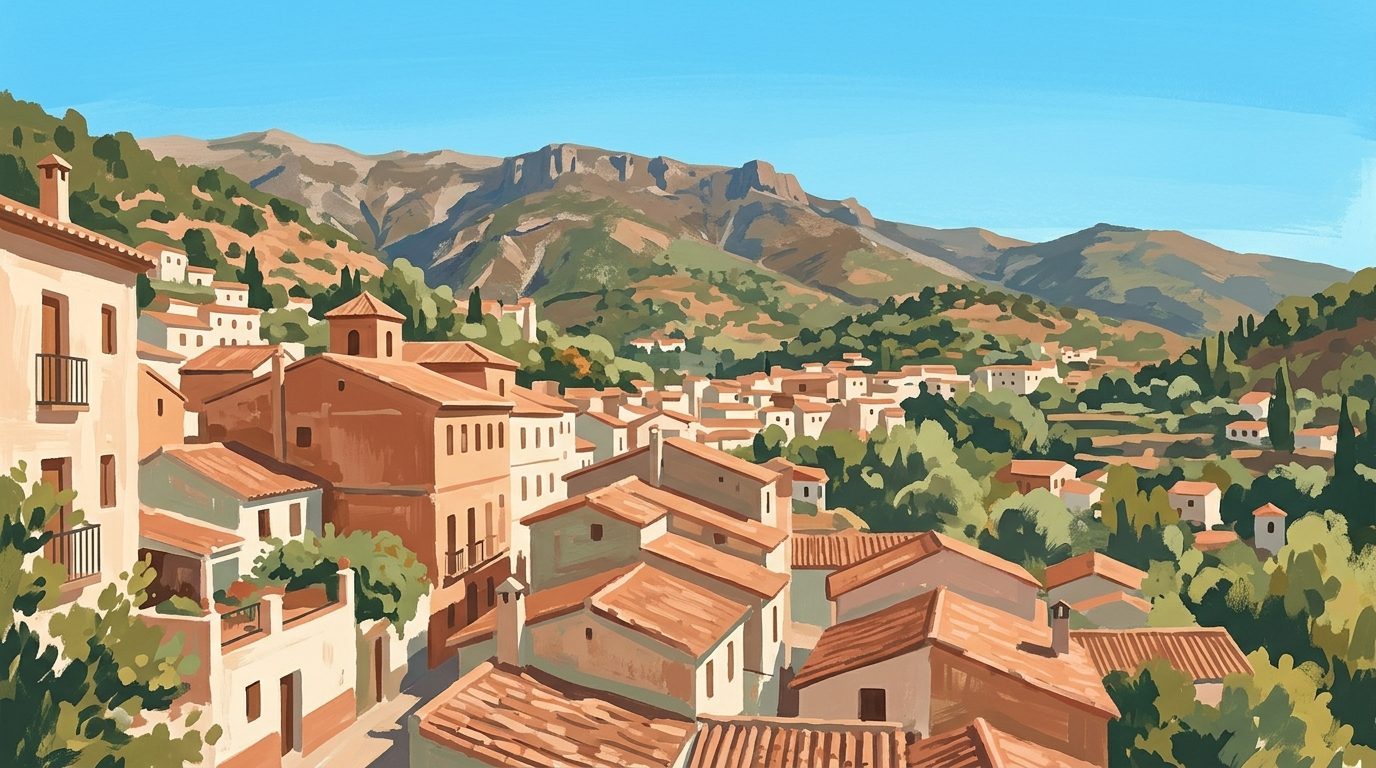
Lanjarón: The Gateway to the Alpujarras and Town of Eternal Springs
Discover Lanjarón, the famous spa town of the Alpujarras known for its curative waters, historic thermal baths, and the lively San Juan water festival.
5 min read

A Guide to Nigüelas: The Balcony of the Lecrín Valley
Discover Nigüelas, the highest village in the Lecrín Valley, known for its 15th-century oil mill museum and spectacular mountain hiking trails.
6 min read
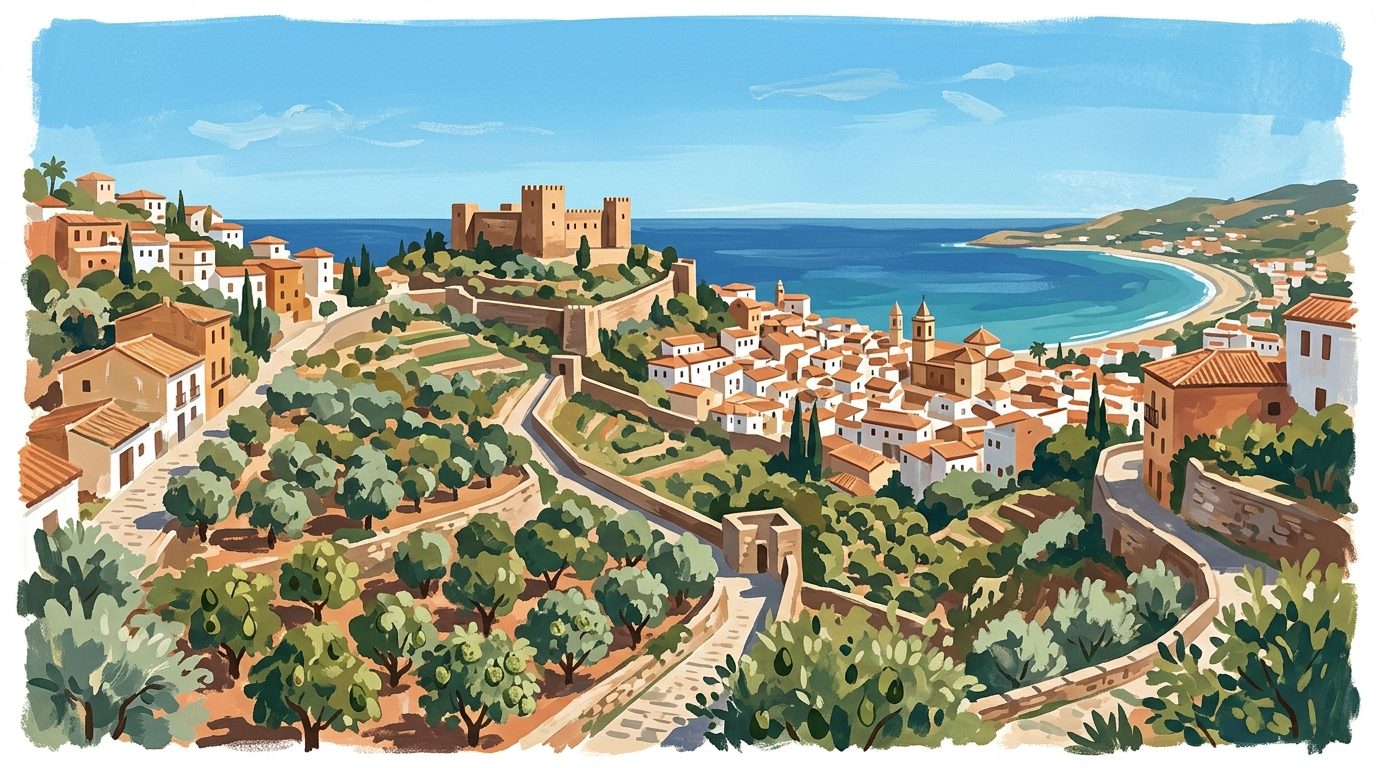
Exploring Almuñécar: A Guide to History and Heritage on the Costa Tropical
Almuñécar offers a distinct pace of life on the Granada coast, where Phoenician ruins sit alongside orchards of custard apples and avocados.
6 min read
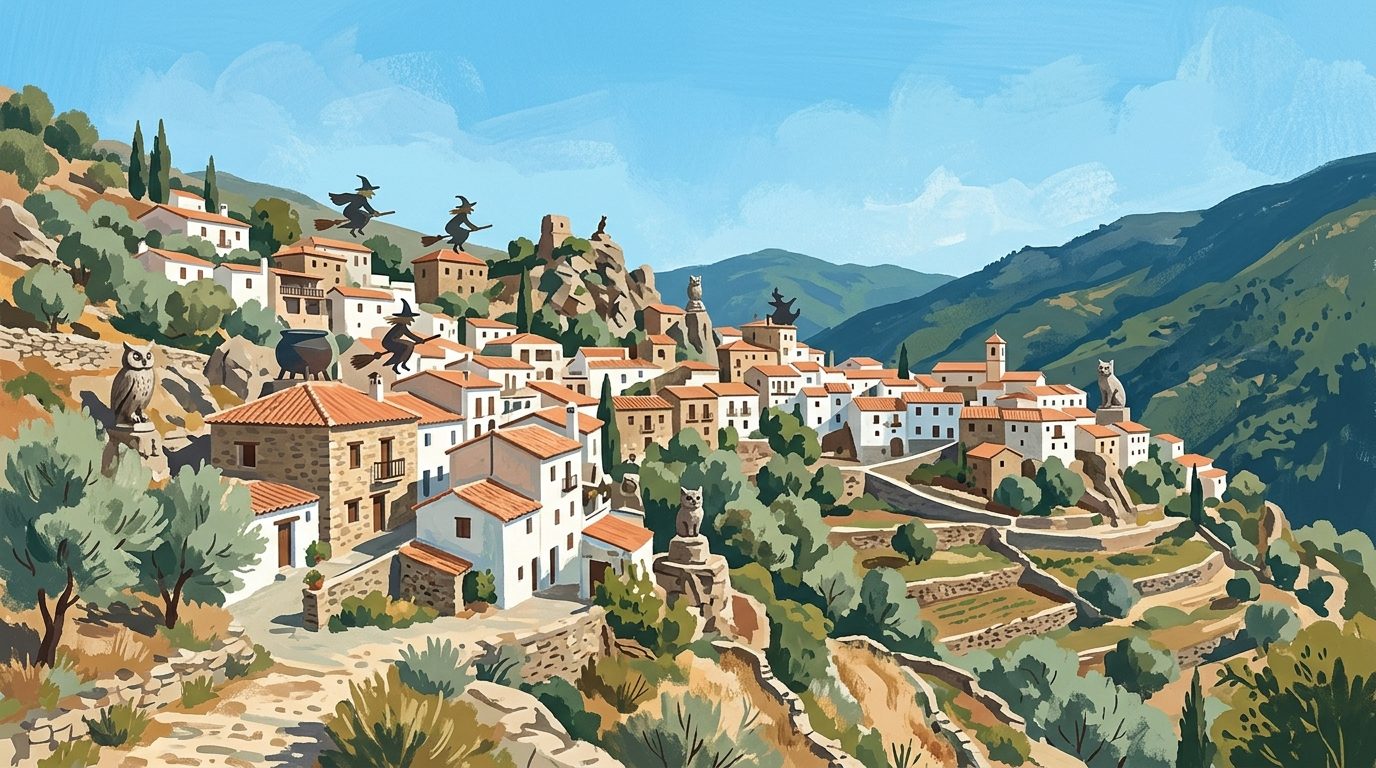
Soportújar: The Witchcraft Village of the Alpujarra Granadina
Soportújar has transformed its historical nickname into a full-scale tribute to witchcraft and folklore. This mountain village in the Alpujarra offers a peculiar blend of traditional architecture and fantastical sculptures.
5 min read
Newsletter
More stories from Andalucía
Weekly notes, seasonal picks, and the next guides worth bookmarking.